REVIEW · TOKYO
Shuttle Van Tokyo-Tour, for 4 Hours or 6 Hours+Transfer Time
Book on GetYourGuide →Operated by GLOBAL GUIDE&TRANSPORT SERVICE 株式会社 · Bookable on GetYourGuide
Tokyo four hours can be a magic trick.
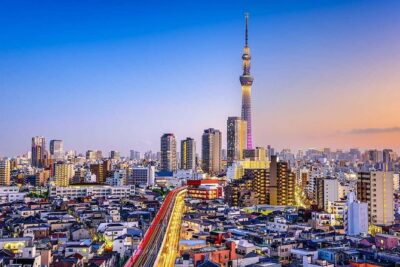
This shuttle van tour is interesting because you’re not stuck with a long, talk-heavy guide format—you get a private transfer-by-van plan that still hits key sights like Imperial Palace and Shibuya Scramble. I especially like how it keeps Tokyo time practical, with a driver who handles traffic and timing so you can spend your energy on seeing. The one drawback to know upfront is the driver is not a fluent English-speaking guide, so you’ll get helpful conversation-level communication, not a full narrated deep-dive.
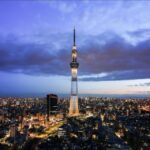
I also like the flexibility baked into the schedule. If you have a must-see like Tokyo Skytree or teamLab Planets, you can propose it and the driver works the day around it (advance booking is a must for those big-ticket sites). I found this style of tour works best when you want structure without losing the freedom to enjoy on your own.
In This Review
- Key things I think you’ll care about
- How the 4-hour or 6-hour plan really feels in Tokyo
- Imperial Palace: a calm start that helps you orient fast
- Asakusa and souvenir streets: old Tokyo without the planning headache
- Shibuya Scramble and Harajuku: the moment Tokyo goes full volume
- The 6-hour upgrade: Meiji Jingu shrine time that slows your pace
- Tsukiji Outer Market: what to expect now and how to enjoy it
- Flexibility that matters: proposing Skytree, teamLab, or your own must-sees
- Price and group size: where $312 per group can actually make sense
- The driver experience: Kim-level helpfulness, with realistic English expectations
- Timing tips so the van tour stays fun (not frantic)
- Should you book this shuttle van Tokyo tour?
- FAQ
- What is the difference between the 4-hour and 6-hour options?
- What does the price include?
- Are entrance fees covered for the main stops?
- Can I customize the itinerary?
- Where can pickup and drop-off happen?
- Is there a limit on luggage or wheelchair access?
Key things I think you’ll care about
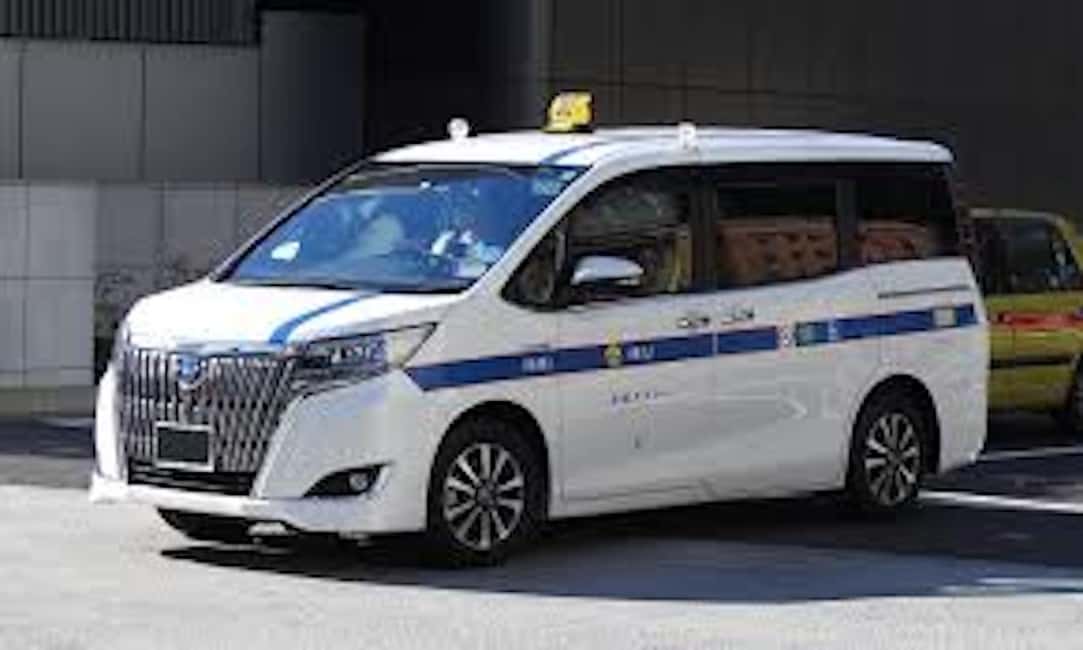
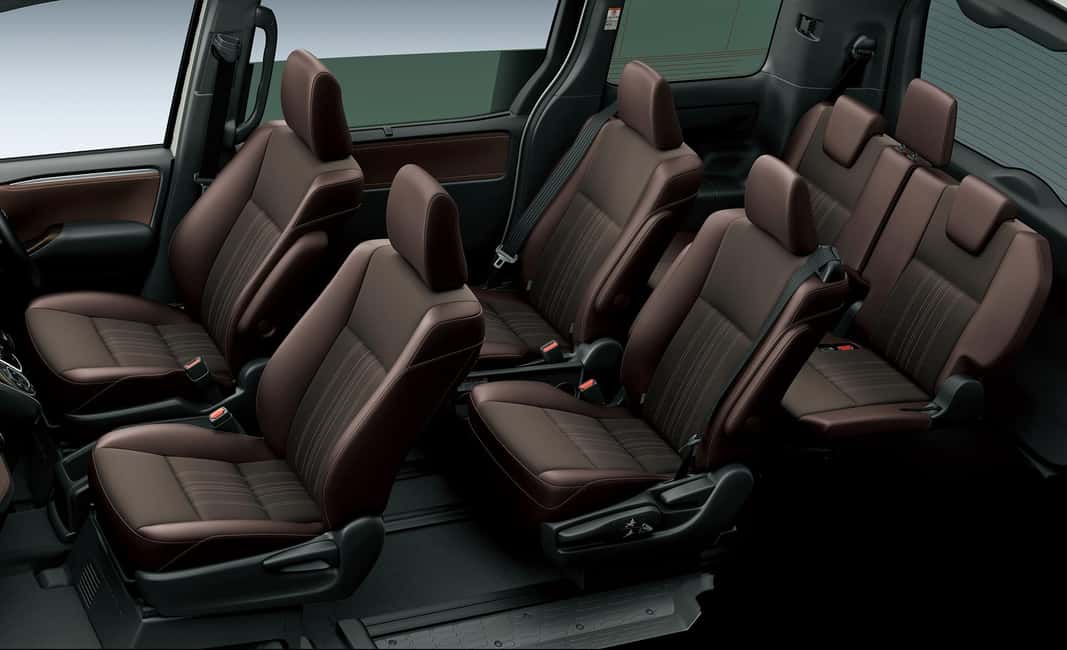
- Private van, not a big bus: your group stays together and you can move quickly between neighborhoods.
- Driver-led routing: timing and traffic are handled, so you don’t burn hours figuring out transfers.
- Free-entry sightseeing focus: the listed stops are all set up as free visits, so you’re not surprised by entry fees.
- 4-hour vs 6-hour choices: the 6-hour option adds shrine time and the Tsukiji Outer Market.
- Flexible swap-in stops: you can propose extra places, if your timing and advance bookings allow it.
- English is conversational, not scripted: great for directions and context, less ideal if you want fluent guided commentary all day.
How the 4-hour or 6-hour plan really feels in Tokyo
This experience is built for one thing: getting you from place to place in Tokyo without turning the day into a logistics puzzle. You’ll be in a private shuttle van with a professional driver, and the schedule is designed around a short list of major sights that don’t require someone explaining every detail. The trade-off is simple: you’re not paying for museum-style narration. You’re paying for efficient movement, timing, and a plan that lets you enjoy Tokyo at a comfortable pace.
The timing also matters. The total duration is listed as 270 to 510 minutes, which is long enough to cover transit plus sightseeing. In other words, the tour time isn’t just “standing around looking.” It includes getting you into the right areas, making sure you’re where you should be, and letting you enjoy the stops without constantly checking trains or rideshare apps.
For first-time visitors, that structure is gold. For repeat visitors, it’s still useful because you can ask to incorporate favorites you already know you want—like Tokyo Skytree or teamLab Planets—without rebuilding the whole day from scratch.
You can also read our reviews of more tours and experiences in Tokyo

Imperial Palace: a calm start that helps you orient fast
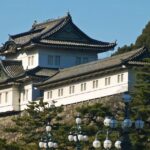
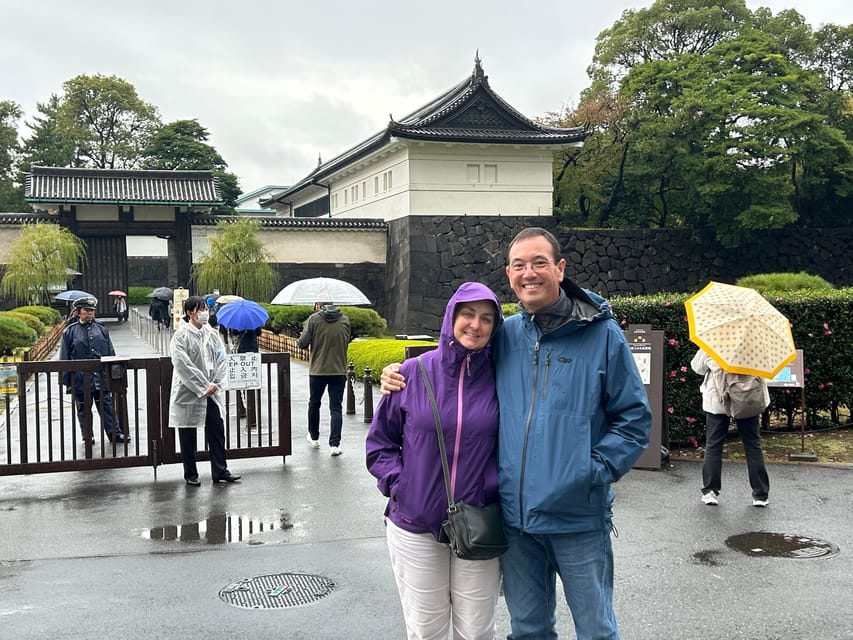
The day often kicks off at Imperial Palace, which is the symbolic center of Tokyo and the place associated with the Emperor’s residence. Even if you don’t come for royal history in the formal sense, this stop gives you a strong orientation point. You’ll feel how Tokyo is organized around major cores and corridors, and you get a smoother mental map for the rest of the tour.
What I like about starting here is the mood shift it creates. Tokyo can feel intense and nonstop once you hit big intersections, but Imperial Palace grounds offer a quieter beginning before the city turns loud. It’s also a practical first stop because it sets you up for moving onward toward the older districts and then toward the modern chaos.
One consideration: depending on the day and the exact area you visit, it may not feel like a “top attraction” in the theme-park sense. Think of it as a location that helps you understand Tokyo’s scale and layout.
Asakusa and souvenir streets: old Tokyo without the planning headache
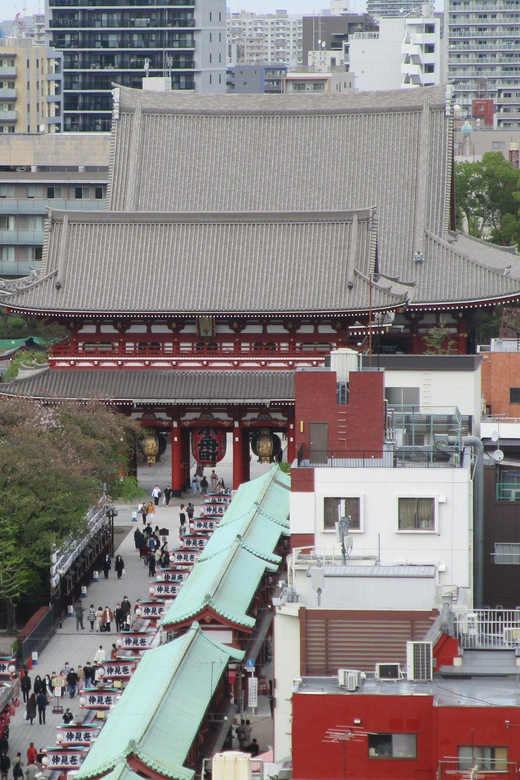
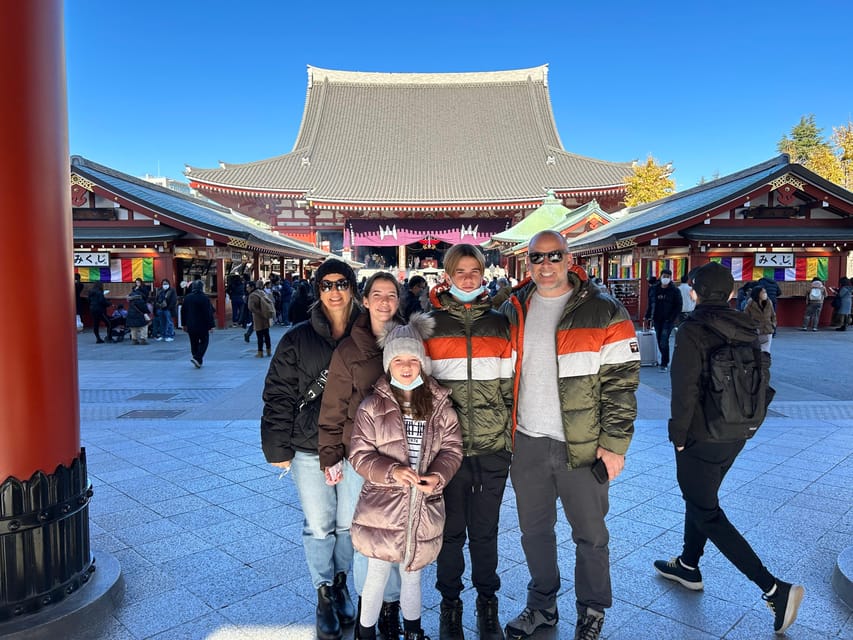
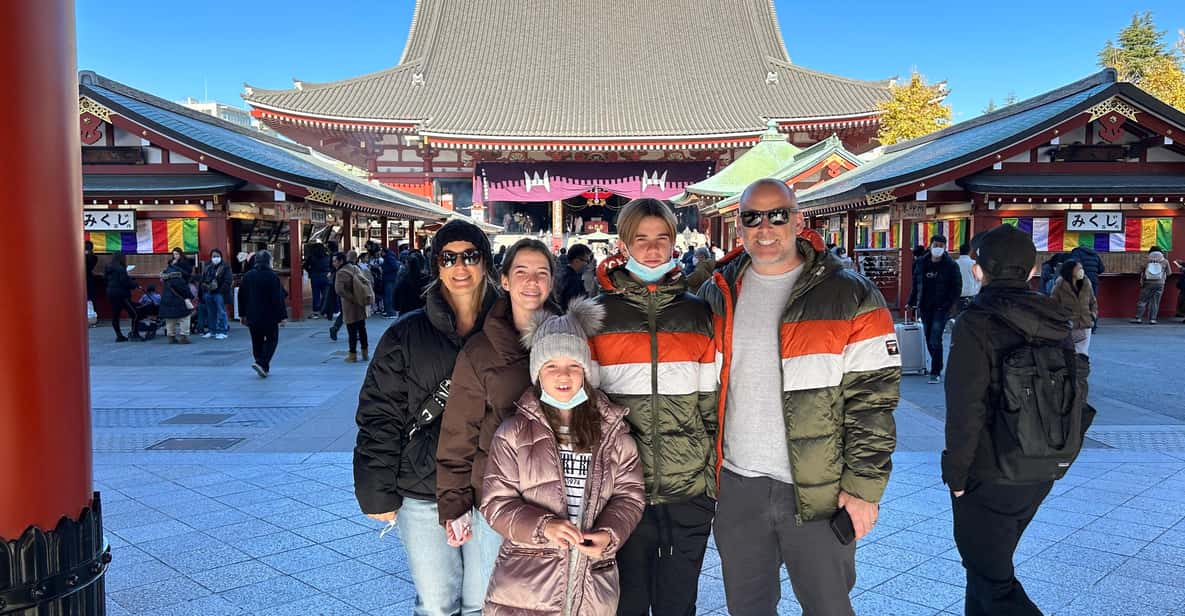
Next up is Asakusa, Tokyo’s famous older entertainment area. This is where you can slow down and enjoy the vibe—traditional streets, souvenir browsing, and a sense of Tokyo that feels less like a headline and more like a real neighborhood. The important thing here is that you don’t need a complicated plan to enjoy Asakusa. You can walk, graze on snacks, and take photos without worrying you’re missing ten hidden details.
I also like Asakusa for how it balances the day. It’s a break between Tokyo’s big-symbol areas and the hyper-modern energy of Shibuya and Harajuku. If you only have a 4-hour window, this is the stop that makes the day feel like it has character, not just sightseeing checkboxes.
The only drawback is time. Asakusa is easy to wander too long if you’re distracted by shopping. If you want to protect your schedule for Shibuya later, keep your browsing light and aim for a quick loop.
Shibuya Scramble and Harajuku: the moment Tokyo goes full volume
Then you hit the famous part: Shibuya Scramble. The classic crossing is one of those places where the city stops being theoretical. People spill out from every direction like you’re inside a human diagram, and it’s hard not to smile at the chaos.
In a 4-hour itinerary, Shibuya is often combined with Harajuku, which is where pop culture and fashion energy show up in your walking path. The strength of this pair is simple: they’re both “see it with your eyes” areas. You don’t need a long explanation to understand why they’re famous.
Practical tip: wear comfortable shoes. Not because you’ll spend an entire day walking nonstop, but because Tokyo sidewalks can turn your feet into a full-time job once you start looping for photos.
Also consider crowd timing. You may find it easiest to enjoy photos and crossing moments when the peak flow eases, but your exact timing depends on your route and your driver’s judgment.
The 6-hour upgrade: Meiji Jingu shrine time that slows your pace
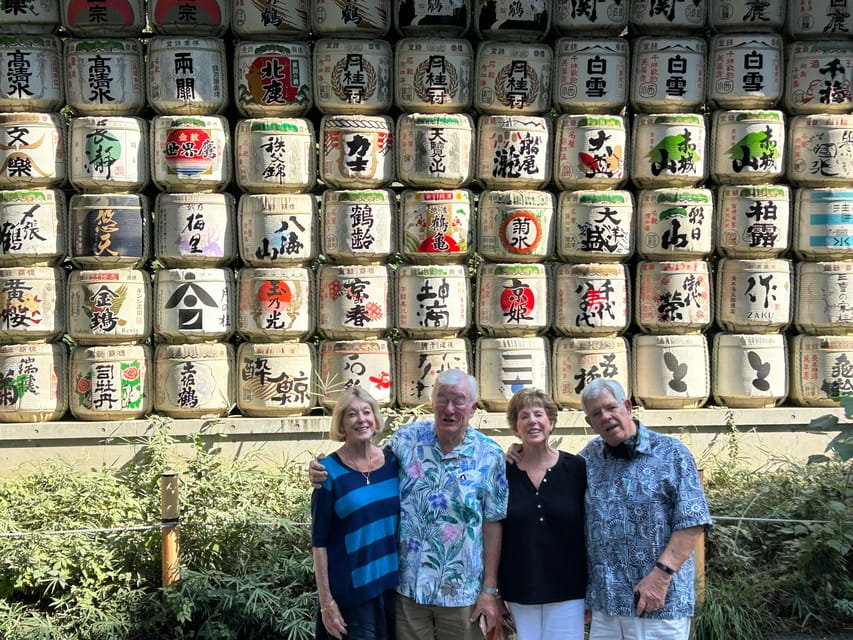
If you choose the 6-hour option, you add Meiji Jingu, one of Japan’s most well-known Shinto shrines. This is a smart contrast to the city’s hard edges. Where Shibuya and Harajuku can feel fast and loud, a shrine stop gives you a slower rhythm and a change of atmosphere.
I like adding Meiji Jingu because it balances the day emotionally, not just geographically. You get a place for calm, and it helps the full Tokyo experience feel less like a sprint. It also breaks up the modern areas so your day doesn’t blur into one long shopping-and-street loop.
One consideration: shrine visits can be affected by time of day and how long you choose to spend wandering. If you add Meiji Jingu, plan to keep Tsukiji efficient later so you don’t run out of steam.



Tsukiji Outer Market: what to expect now and how to enjoy it
The 6-hour plan often includes Tsukiji Fish Market’s Outer Market. Yes, the famous inner market has changed, but the outer area still delivers what you want from the Tsukiji idea: street energy, food-snack temptations, and a very Tokyo kind of “watching people eat” experience.
This stop is valuable because it’s not just a visual attraction. If you want, you can build your own mini-food crawl. Even if you skip buying, the activity is entertaining, and you get that old-meets-new Tokyo feel in a way that’s easy to digest during a short tour.
One key point: meals and drinks are not included. So if Tsukiji tempts you, budget for personal spending and treat it like a choice, not a surprise expense.
Flexibility that matters: proposing Skytree, teamLab, or your own must-sees
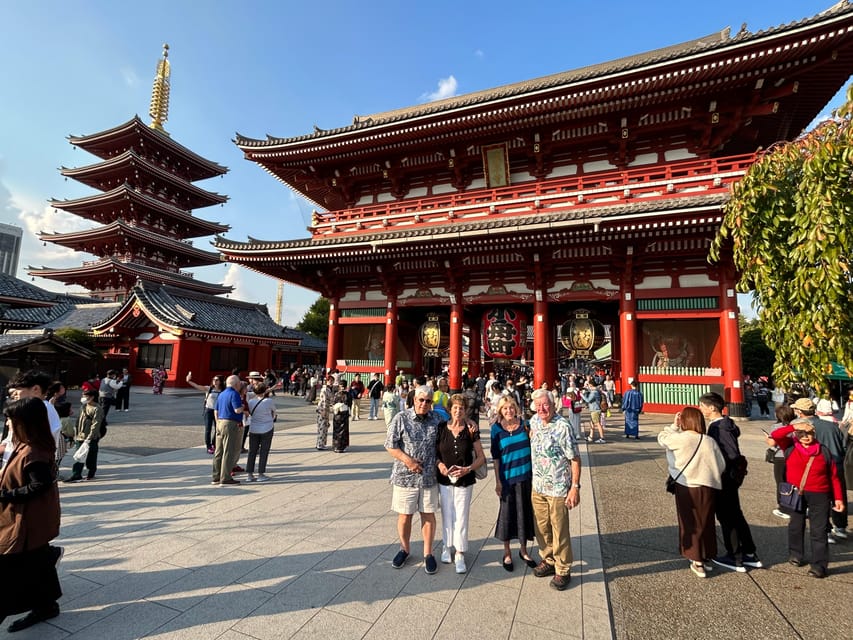
One of the best parts of this experience is that the route is flexible. You can propose favorite spots, and the driver will arrange the plan and schedule. This is especially helpful if you already have an idea of what you want and you’d rather not follow a fixed “tour script.”
Two popular examples mentioned as current hot spots are Tokyo Skytree and teamLab Planets. If you want either, you should know the reality: they require advance booking. That matters because your driver can’t instantly solve ticketing issues for you. If you’re planning this upgrade, line up your reservations ahead of time and then let the driver plug them into the day.
I also like that the tour can add different types of stops, as long as the timing fits. In one short-tour case I saw, the driver named Kim arranged a day that included Tokyo Skytree and Meiji Temple, not only the standard highlights. That’s the practical value of having flexibility plus transport.
Price and group size: where $312 per group can actually make sense
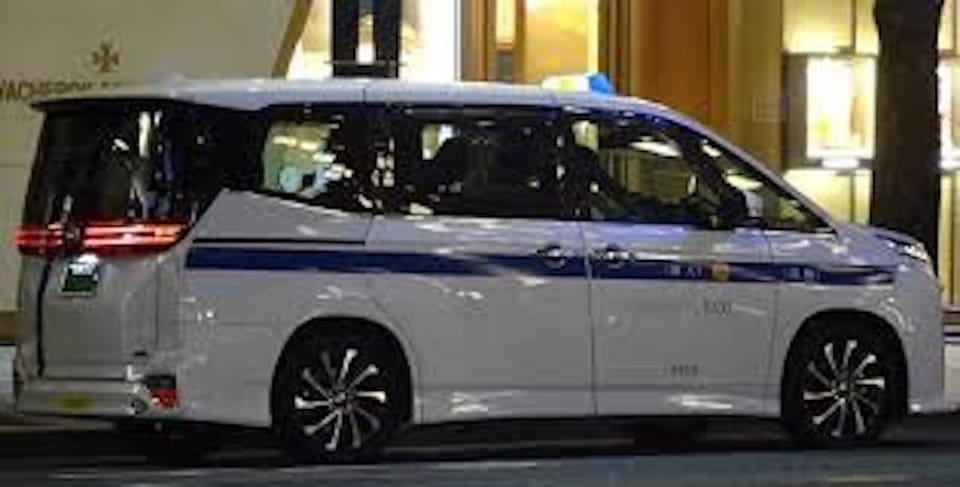
The price is listed as $312 per group up to 5, and the key value is the private van. Tokyo costs time, not just money—time spent trying to coordinate trains, taxis, or ride-hailing across neighborhoods can erase the benefit of cheap tours. Paying as a group for one vehicle and one driver often makes sense when you have multiple people and you’re trying to protect a limited day.
Because it’s private, your group can set the pace. You’re also not stuck dealing with long waits or splitting up. That matters especially in areas like Shibuya, where the city can turn into a navigation exercise fast.
There is a practical limit on capacity. The max is 4 guests plus 6 pieces of luggage, or 5 guests if you don’t have luggage. If you’re traveling with big bags, treat that as your planning ceiling.
If you’re traveling solo, the value may feel less friendly than it does for two to five people, because you’re paying for the whole van rather than per-person transit convenience. But if you want a stress-free day and you’re okay with a driver-led style instead of fluent guiding at every moment, it can still be a good fit.
The driver experience: Kim-level helpfulness, with realistic English expectations
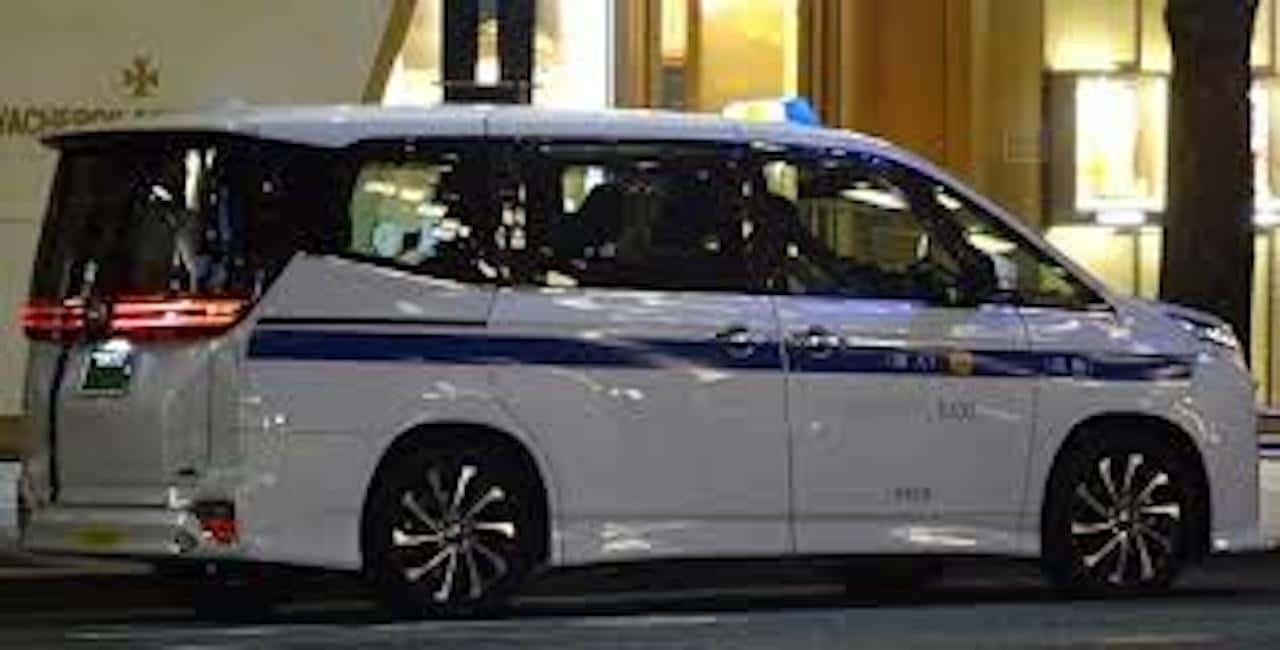
A major advantage here is that the driver has deep knowledge about driving technique and traffic conditions. That’s not a minor detail in Tokyo. Whoever can move you efficiently changes how good the day feels.
The communication style is best described as practical. The driver can’t speak fluent English, but they have conversation-level English and good communication skills. That’s enough for directions, timing questions, and general context, but it’s not the same as having a fully English-schooled guide standing next to you at every stop.
One thing I appreciated from real-world examples is punctuality and meeting accuracy. In one case, the driver Kim was there waiting after disembarkation with a sign showing the name, which is exactly what you want when travel transitions happen fast. Another group highlighted that their driver was friendly and helpful, and they even pointed to a lunch place for tonkatsu—lunch itself wasn’t part of the included price, but having the recommendation helped.
Also note the driver waiting rule: they wait 10 minutes before the meeting time. If you’re late, you can lose more time than you’d expect, so build in a little buffer.
Timing tips so the van tour stays fun (not frantic)
This type of tour works best when you treat it like a guided day of movement, not a forced march. A few strategies keep it smooth:
- Pick one or two “photo priorities” at each stop. Everything else becomes bonus.
- Keep your add-ons realistic. Big-ticket attractions like teamLab Planets and Tokyo Skytree need planning, and you’ll want your reservations ready.
- If you want shopping time in Asakusa or Tsukiji, go light earlier and save energy for the moments that matter to you most.
- Don’t plan a heavy meal during the middle of the day unless you’re okay with slightly less time at later stops. The plan is built around short sightseeing bursts.
Should you book this shuttle van Tokyo tour?
Book it if you want a private, time-saving Tokyo day that hits the big mental landmarks—Imperial Palace, Asakusa, Shibuya—and, if you choose it, Meiji Jingu and Tsukiji Outer Market. It’s especially worth it if you’re traveling as a small group and you’d rather spend effort enjoying neighborhoods than sorting transfers.
Skip it or reconsider if you’re the type who expects a fully fluent English-speaking guide explaining each site in detail. This is driver-forward. It’s about movement, timing, and easy sightseeing rather than constant narration. If you want structured explanations, you may prefer a different format.
If you want an efficient, flexible Tokyo taste with minimal stress, this is a smart way to spend a limited number of hours.
FAQ
What is the difference between the 4-hour and 6-hour options?
The 4-hour route focuses on Imperial Palace, Asakusa, and then Shibuya and Harajuku. The 6-hour option includes everything in the 4-hour plan and also adds Meiji Jingu and Tsukiji Fish Market Outer Market. The overall duration is listed as 270 to 510 minutes because transfer time is included.
What does the price include?
The price includes all expenses for transfer. Entrance fees, meals, and drinks are not included.
Are entrance fees covered for the main stops?
Entrance fees are not included. The plan you’re offered lists these stops as free to visit, but if you choose other attractions, entry fees could apply.
Can I customize the itinerary?
Yes. The course is flexible, and you can design the plan for favorite spots. The driver can arrange the schedule based on your requests, including current hot spots like Tokyo Skytree or teamLab Planets—those require advance booking.
Where can pickup and drop-off happen?
There are five options: Tokyo pickup and drop-off, Tokyo pickup and Narita drop-off, Yokohama pickup and drop-off, Yokohama pickup and Tokyo drop-off, and Yokohama pickup and Narita drop-off. You’ll need to select the correct plan when you reserve.
Is there a limit on luggage or wheelchair access?
There’s a capacity limit of up to 4 guests plus 6 pieces of luggage, or up to 5 guests if you have no luggage. Manual wheelchairs are welcomed, but electric wheelchairs are not accommodated due to capacity.