REVIEW · TOKYO
Tokyo: Knife Making Workshop (Sharpening, Engraving)
Book on GetYourGuide →Operated by BUB Activity Center · Bookable on GetYourGuide
A sharp souvenir, made by your own hands. In Asakusa, you sharpen a Japanese-style knife, learn how swords and kitchen blades link up, and engrave your name in Japanese.
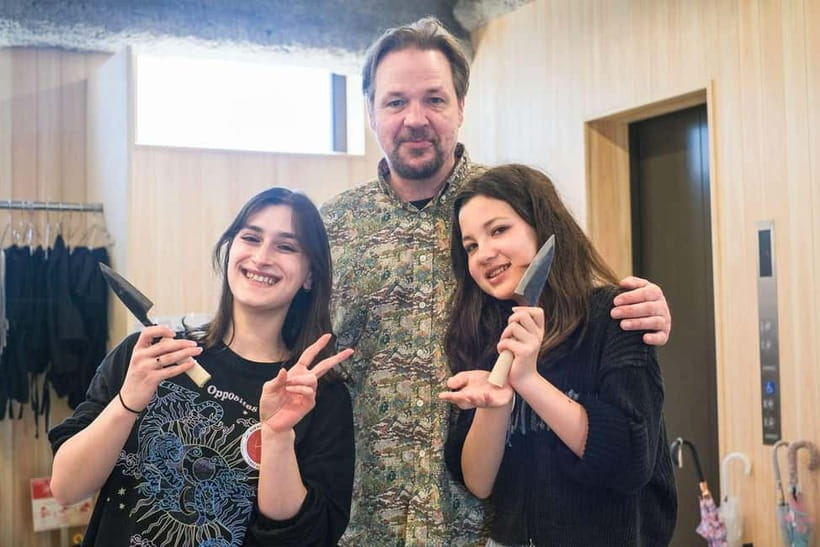
I really like the hands-on sharpening guidance and the fact that staff like Agata, Mori, and Lisa and Joe stay close to help you get the angle right. You also get a practical history talk that makes the difference between Japanese swords and Western blades click fast.
One drawback to plan for: the process takes real concentration, and choosing certain larger specialty knives can mean extra charges.
In This Review
- Key Things I’d Watch For
- Finding BUB Activity Center and Why the Setup Matters
- The Tea, the Badge, and the Knife-to-Sword Story You’ll Remember
- Choosing Your Blade: Standard Knife First, Specialty Options Second
- Sharpening the Blade: Where Patience Turns Into Skill
- Engraving Your Handle in Japanese: The Part That Looks Like Art
- What You Take Home: Knife, Key Holder, Snacks, and Packaging
- Price and Time: Is $161 Good Value?
- Who This Workshop Fits Best (and Who Might Skip)
- Quick Logistics You’ll Thank Yourself For
- Should You Book This Tokyo Knife Workshop?
- FAQ
- FAQ
- Where is the meeting point?
- How long does the workshop take?
- What language is used during the class?
- Do I need any prior experience with sharpening?
- What’s included in the price?
- Are there extra costs for different knife types?
- Can someone watch if they are not participating?
- What should I do with the knife when I travel?
- Is alcohol allowed during the workshop?
Key Things I’d Watch For
- Your knife choice affects the feel: start with the standard multi-task knife, then decide if a specialty blade upgrade is worth it.
- English support is built into the class: bilingual staff keep explanations clear and help you correct technique.
- Engraving is fun, but not automatic: writing your name in Japanese letters on the handle takes patience.
- You’re taking home more than a class souvenir: you leave with a customized knife plus an aesthetic package and extras.
- It’s designed for learning by doing: staff keep adjusting your movements so you get real results.
Finding BUB Activity Center and Why the Setup Matters
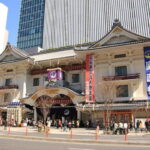
The workshop meets at BUB ACTIVITY CENTER in Asakusa, in the Heiwa Building. Take the elevator to the 5th floor. It’s the kind of location detail that saves you time, especially in Tokyo where signage can be helpful but not always obvious from street level.
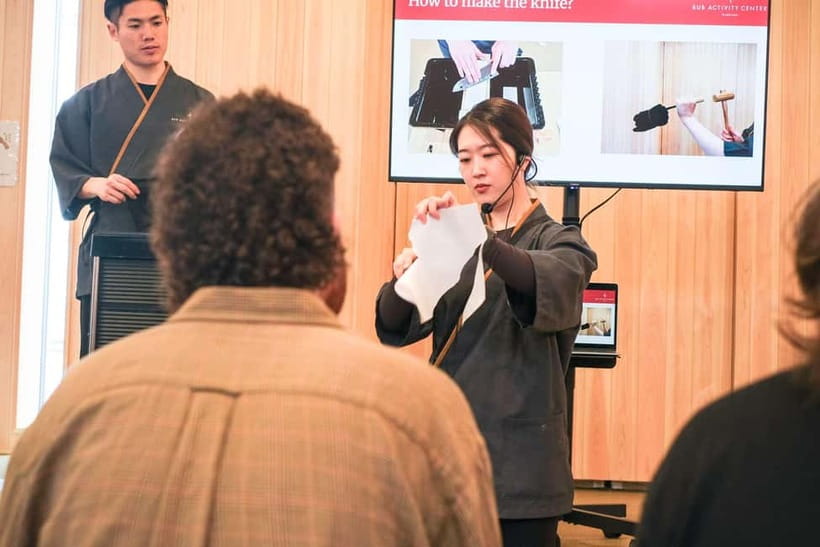
Once you arrive, you get kitted out for the work. You put on a light haori-style jacket to protect your clothes from small accidents, then you get a badge with your name written in Japanese letters. That tiny touch actually helps the experience feel personal and not like a generic tourist demo.
They also get you into “calm mode” early. Expect tea or juice and soft drink options while you settle in and learn what you’re about to do.
You can also read our reviews of more tours and experiences in Tokyo

The Tea, the Badge, and the Knife-to-Sword Story You’ll Remember
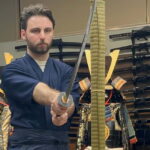
Before you start sharpening, the session sets context. You learn about Japanese knives and swords—how ideas travel between the world of traditional blades and everyday cooking tools. This part matters because Japanese knives aren’t just “cool-looking steel.” The shape, edge geometry, and intended use are tied to culture and craft.
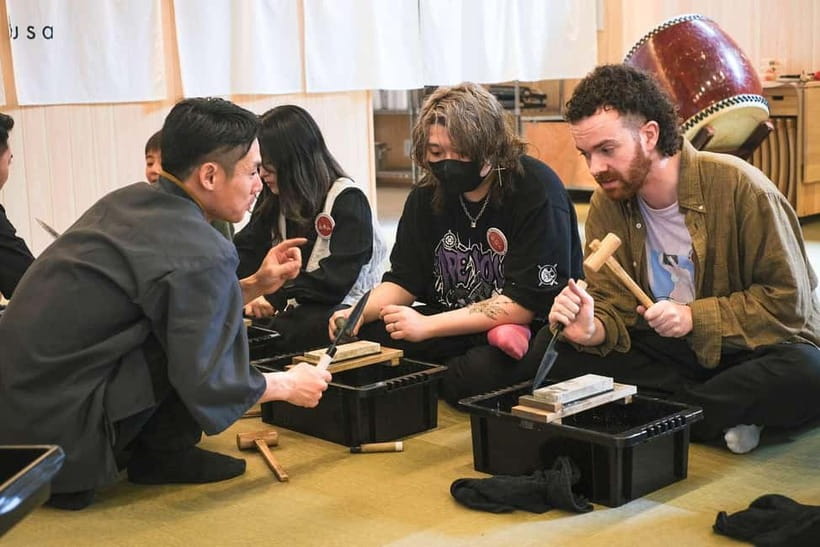
I like that the explanation isn’t so academic it floats above your head. The guides talk in a way that connects the history to the choices you’ll make later, especially when picking which knife style to sharpen. Staff like Agata, Mori, Lisa, and Joe are mentioned in reviews as being energetic and supportive, with English that’s easy to follow.
If you want a quick mental model, here it is: Japanese blades have a reputation for cutting performance, but the workshop helps you understand that reputation by linking it to how different knives are meant to be used.
Choosing Your Blade: Standard Knife First, Specialty Options Second
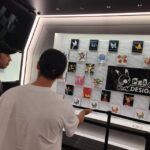
A key moment is when you pick the knife you’ll sharpen. You can choose from up to five types available during your session, and some choices come with a small additional charge.
Here’s the practical way to think about it:
- Start with the standard multi-tasking knife if you want something broadly useful and included in the base experience.
- Consider the specialty blades if you already cook with Japanese knives or you’re curious about how different shapes behave for different jobs.
The larger specialty options mentioned include usuba, deba, and petit yanagiba. If one of those calls to you, just go in knowing it’s not part of the included price.
One reason I think this selection is valuable: you’re not just making a souvenir. You’re also getting advice based on what you sharpen, so you can connect the workshop to your real kitchen.
Sharpening the Blade: Where Patience Turns Into Skill
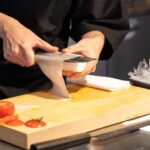
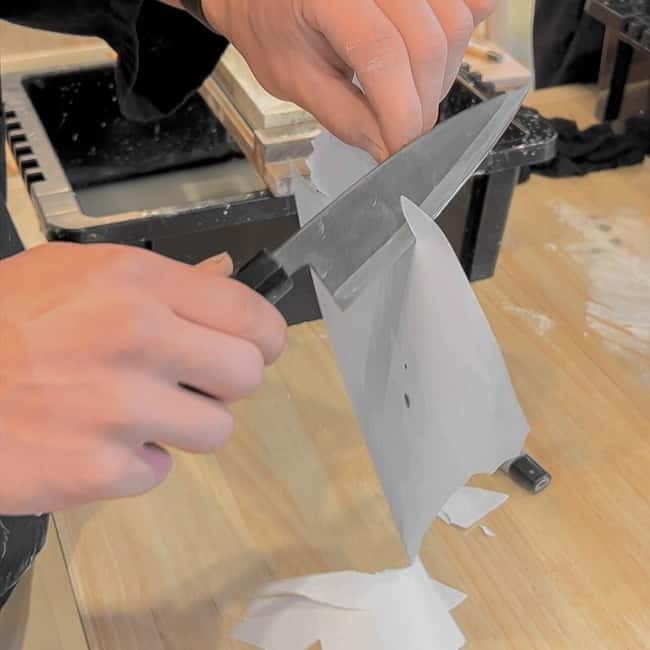
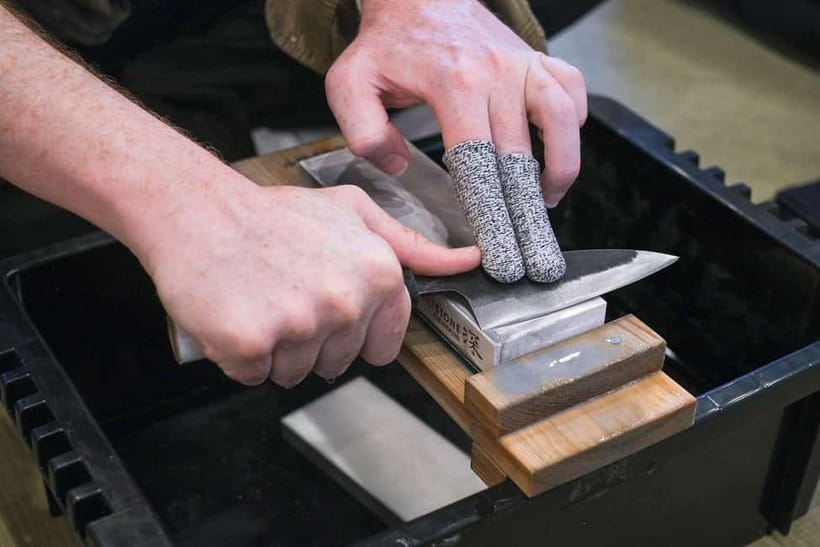
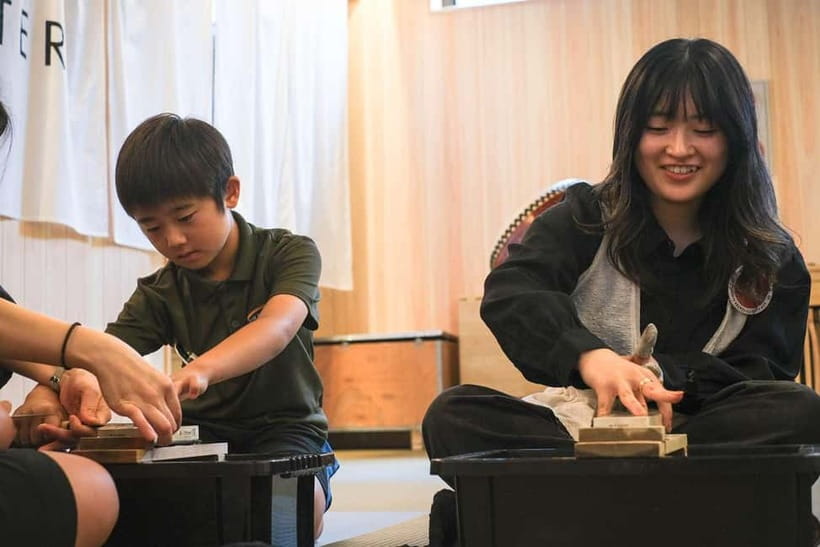
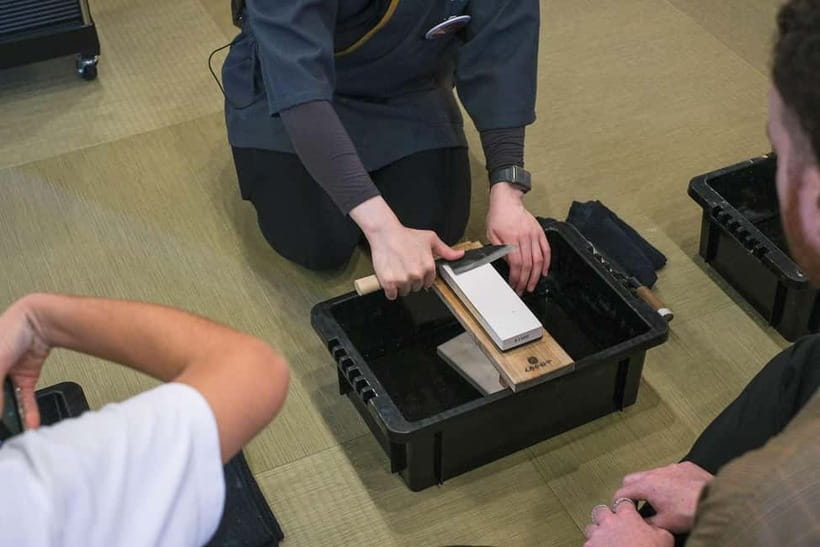
This is the heart of the class. You sit down and sharpen your chosen blade through a step-by-step process that takes concentration. More than once, reviews point out how tactile and hands-on it feels, and how guides closely correct technique.
That correction part is huge for your results. Sharpening isn’t hard because you lack talent—it’s hard because technique details matter. The staff watches your movements and helps you adjust in a polite, encouraging way. If your first attempts feel awkward, you’re in the right place.
You’ll also feel the mental shift. People describe it like stress relief for a reason: you spend your attention on one task at a time, which naturally quiets everything else. You’re basically doing a small, repeatable ritual where progress shows up as the blade changes.
And yes, it’s real work. It takes longer than you expect, so don’t book your next appointment right after. The good news: staff can be accommodating if your timing runs tight.
Engraving Your Handle in Japanese: The Part That Looks Like Art
After sharpening, it’s time to assemble and personalize. You attach the handle using a traditional hammer, and then you engrave your name in Japanese letters on the handle. If you’d like, you can also engrave a picture or something original.
This is the section where I’d call the experience “hands-on creativity with training wheels.” Engraving is challenging, and your first attempt won’t look like a calligraphy poster. But staff help you—one gentle nudge at a time—so you don’t lose the vibe or get stuck.
One review also flags a small consideration: the quality of the handle could be improved, and offering more engraving approaches could be a plus. That’s not enough to ruin the experience, but it’s worth noting if you care deeply about finish perfection.
Still, when you see your name and the handle assembly come together, it turns into something you’ll actually keep. It’s not just a blade; it’s your version of a Japanese craft object.




What You Take Home: Knife, Key Holder, Snacks, and Packaging
At the end, you don’t leave empty-handed. Included items are:
- A standard size knife to take home (your multi-tasking knife)
- The customized crafting experience
- Japanese snacks and drinks
- Bilingual staff assistance
- Aesthetic packaging
- A customized key-holder with a unique design
The packaging and key-holder may seem like extras, but they matter. They turn the workshop into a complete souvenir moment, not just a tool you have to explain to friends later.
There’s also a small reality check for flying. You’re told to put your knife box into check-in luggage, or you can ask the staff to ship it. If you’re arriving in Tokyo by train or bus and using shared luggage, planning for that knife box now is smart.
Price and Time: Is $161 Good Value?
The price is $161 per person, and the duration is about 90 minutes. For Tokyo, that’s not a bargain. It is, however, a reasonable value if you judge it the right way.
You’re paying for:
- Instruction and close guidance while sharpening
- The custom assembly work (handle attachment)
- The personalization process (name engraving in Japanese)
- The tangible take-home items (the knife plus key-holder)
- Packaging and included snacks and drinks
- English-language support through bilingual staff
If you’re the type who wants a one-time “Japan experience” that actually connects to daily life—your cooking—you’ll feel this is worth it. If you’re only after a photo stop, you might question the cost.
My honest take: the workshop is priced like a true hands-on craft class, not like an attraction. And the reviews back up that the class portion is the main event.
Who This Workshop Fits Best (and Who Might Skip)
This works best if you enjoy tactile skills, precision work, and learning by repetition. It also suits beginners—there’s no prior sharpening experience needed.
It’s a good fit for couples who want different levels of commitment too. If one person is taking part and the other wants to watch, there’s an option with an observation fee on site, so you don’t have to buy a second knife to share the moment.
You might consider skipping if:
- You hate anything that requires careful, slow hand movements
- You’re hoping for a quick, casual activity under an hour
- You want a guaranteed perfect engraving outcome without guidance (it’s doable, but it’s still work)
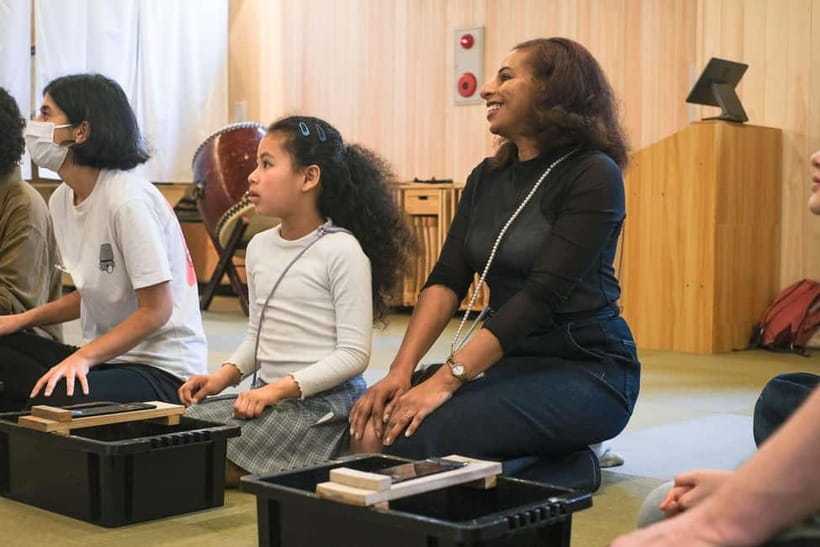
Kids can enjoy it as well. One review mentions a 10-year-old participating and having a great time, which suggests the staff can adapt to different ages—at least in some cases.
Quick Logistics You’ll Thank Yourself For
Plan to arrive with time to find the place. The elevator to the 5th floor is part of the workflow. Also, the workshop is located in the heart of Tokyo and is described as easy to reach by public transport, but transportation to and from the activity isn’t included—so factor that into your day.
One more rule to keep in mind: no alcohol and no drugs. The workshop is set up as focused craft time, not a party.
And don’t forget the clothing protection. Even with the haori, bring the mindset that this is a workshop that can get dusty or messy in tiny ways.
Should You Book This Tokyo Knife Workshop?
Yes—if you want a hands-on craft souvenir you’ll actually use. This workshop combines sharpening technique, Japanese knife-and-sword context, and personalization you can’t buy in a shop. The close coaching (from people like Agata, Mori, Lisa, and Joe, as mentioned) is a big part of why it works for beginners.
Hold back if you’re sensitive to concentration-heavy activities or if you’re only looking for a low-cost, high-speed experience. If you’re the kind of traveler who likes skill-building in the middle of the trip, this is one of the more memorable things you can do in Tokyo.
FAQ
FAQ
Where is the meeting point?
The workshop meets at BUB ACTIVITY CENTER, Tokyo, Taito-ku, Asakusa, 2 Chome 6-11, Heiwa Building. Take the elevator to the 5th Floor.
How long does the workshop take?
The experience is approximately 90 minutes.
What language is used during the class?
The instructor is English, and bilingual staff are available to help.
Do I need any prior experience with sharpening?
No. It’s suitable for beginners, and staff guide you through the process.
What’s included in the price?
Included items are a standard size knife to take home, the customized crafting experience, Japanese snacks and drinks, bilingual staff assistance, aesthetic packaging, and a customized key-holder.
Are there extra costs for different knife types?
Yes. Additional fee may apply for bigger specialty knife types such as usuba, deba, and petit yanagiba.
Can someone watch if they are not participating?
Yes. Friends or family can observe, but an observation fee is charged on site.
What should I do with the knife when I travel?
You can put the knife box into your check-in luggage, or you can ask staff to ship it.
Is alcohol allowed during the workshop?
No. Alcohol and drugs are not allowed.