REVIEW · TOKYO
Karate Experience with the Shotokan Karate-do Instructor
Book on GetYourGuide →Operated by MY Travel Consulting Inc. · Bookable on GetYourGuide
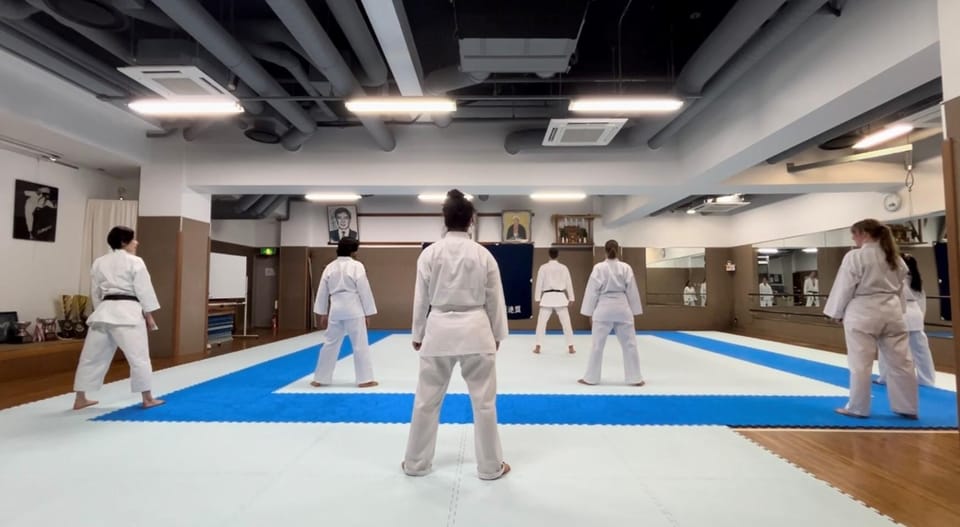
Karate training at SKIF Headquarters feels real. You get a short intro to karate’s mindset, then work on basic techniques with real structure in a small group.
I especially like how the instructor adjusts to your level, with clear explanations that help you understand what you are actually doing. One example I liked learning from is a session led by Paul, who went out of his way to explain techniques and even Japanese terms, so the class feels traditional instead of just physical.
One consideration: the 90 minutes runs tight. If you arrive late, the session cannot be extended, so show up at least 10 minutes early.
In This Review
- Key highlights worth your time
- Why SKIF Shotokan Lessons Feel Different Than a Typical Class
- Getting to the Dojo Near Kugahara Station (and the Timing That Matters)
- What You Do in 90 Minutes: Basics, Kata, and Promise Kumite
- Striking and kicking fundamentals
- Kata (forms) practice
- Promise kumite (pre-arranged sparring)
- Board Breaking and the Instructor Demonstration: Technique With a Crowd-Pleaser Angle
- Uniform Rental, Towel, Drinks, and Dojo Rules You Should Know
- Instructor Quality in English: How Explanations Make It Click
- Price and Value: Is $220 for 90 Minutes Reasonable?
- Who Should Book This Karate Experience (and Who Might Skip It)
- Should You Book This Karate Experience?
- FAQ
- Where is the meeting point?
- How long is the karate experience?
- Is the instructor teaching in English?
- What is included in the price?
- What should I bring with me?
- Is it suitable for children?
- What happens if I arrive late?
Key highlights worth your time
- SKIF Headquarters dojo experience, where top competitors train and teach
- Small group size (max 10), so you get real coaching time
- Shotokan fundamentals plus kata and promise kumite, not just a demo
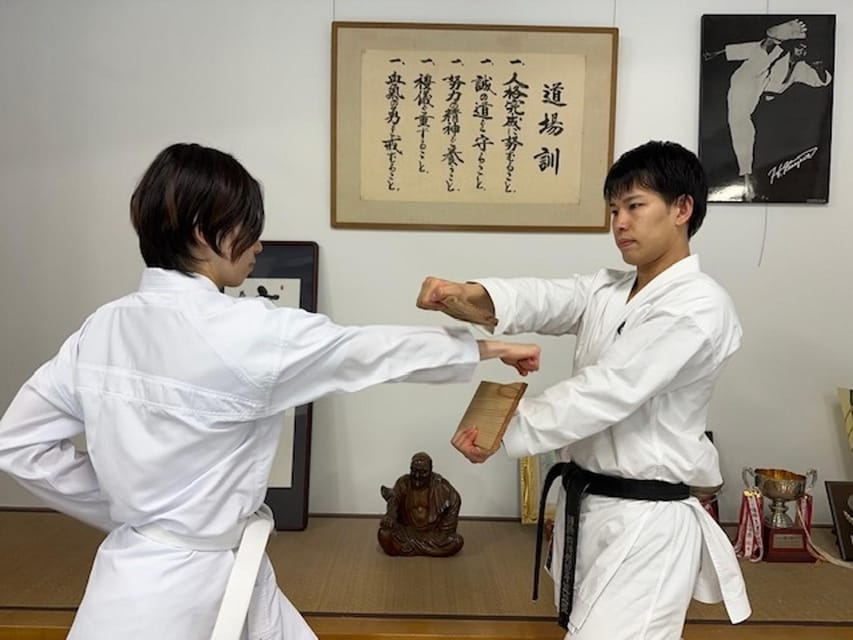
- Try board breaking and learn how power and form work together
- English instruction with technique and terminology explained clearly
- Uniform rental included, so you can travel light
Why SKIF Shotokan Lessons Feel Different Than a Typical Class
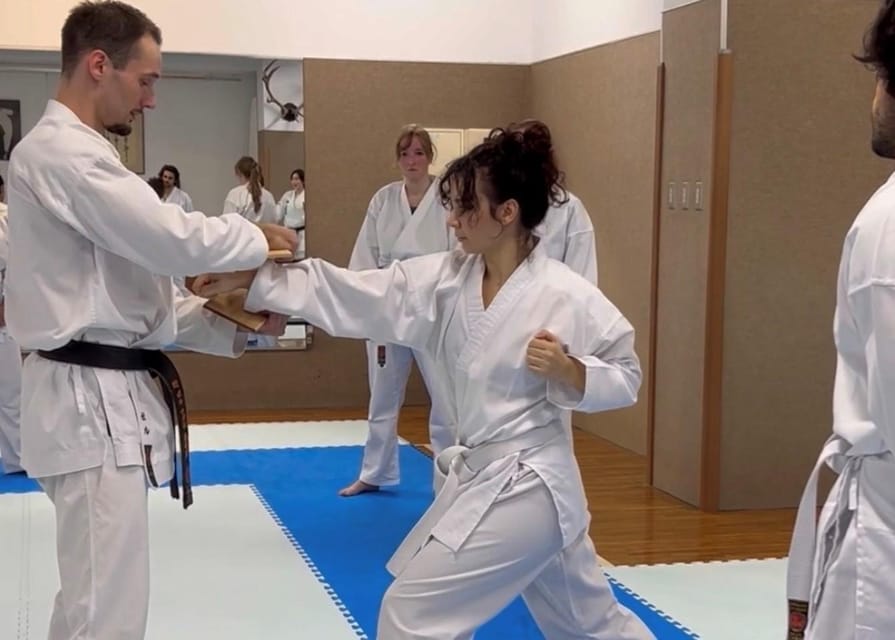
This is not a casual “try karate for fun” session. It’s a traditional Shotokan experience run through the Shotokan Karate-do International Federation (SKIF), at their Headquarters dojo. That matters because you’re training in the same kind of environment where world-level instructors teach, not in a generic studio.
The session starts with a brief history and philosophy talk. You’ll hear the why behind the how, then you’ll translate it into movement. That combo is what makes it more meaningful for beginners, and more satisfying for experienced karateka who want the traditional frame, not just a workout.
You can also read our reviews of more tours and experiences in Tokyo.



Getting to the Dojo Near Kugahara Station (and the Timing That Matters)
Plan for an easy meet-up. The dojo is about a 2-minute walk from Tokyu Ikegami Line Kugahara Station, so you’re not spending your energy on complicated transit. If you want help finding it, you can ask to be picked up at the station.
Then comes the part that’s less fun but important: the clock. The experience is 90 minutes, and if you show up late, it cannot be extended. I’d treat this like a train connection. Arrive at least 10 minutes before start time, get settled, change into your rental uniform, and be ready to move.
What You Do in 90 Minutes: Basics, Kata, and Promise Kumite
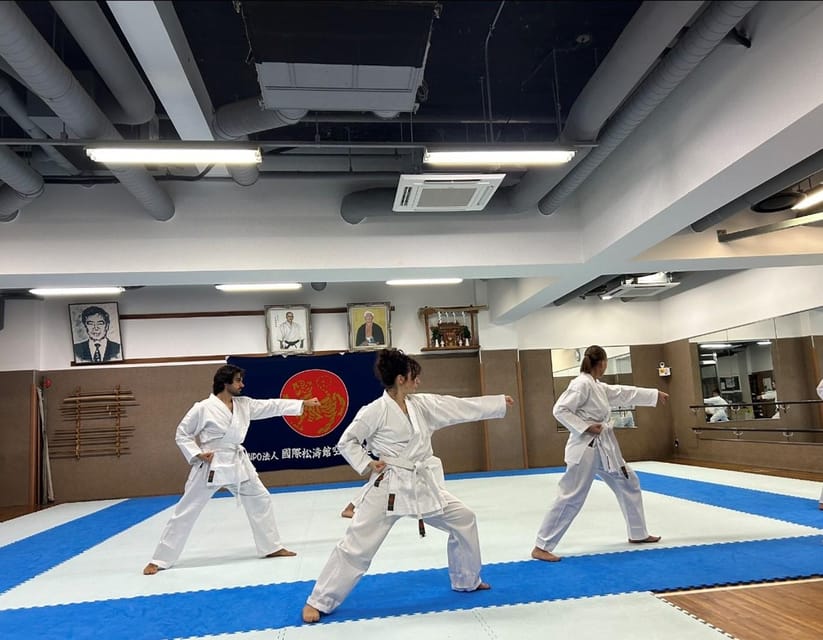
The class flows in a way that builds confidence step by step. You begin with a quick intro to karate history and philosophy, which sets the tone for the technical work that follows. Even if you’ve trained before, it’s useful because it puts the terminology and purpose back in context.
From there, you’ll do hands-on training in core skills, typically including:
- Striking and kicking fundamentals
- Kata (pre-set forms)
- Promise kumite (pre-arranged sparring)
Striking and kicking fundamentals
This is where form pays off. Expect to work on technique details rather than only speed. The value here is that you’ll leave with a clearer sense of what “good” looks like in Shotokan, so you can practice more effectively on your own later.
Kata (forms) practice
Kata can feel mysterious if you only think of karate as punching and kicking. Here, kata is part of the structured training, so you get a chance to learn it as technique you can understand and repeat. When an instructor explains the intent behind movements, kata stops being choreography and becomes a tool.




Promise kumite (pre-arranged sparring)
Promise kumite is a smart bridge between solo basics and real sparring. Because it’s pre-arranged, you’re not guessing at your partner’s reactions, so you can focus on timing, distance, and control. For beginners, it’s a lower-stress way to learn engagement. For experienced practitioners, it’s a chance to polish execution with guidance.
Board Breaking and the Instructor Demonstration: Technique With a Crowd-Pleaser Angle
Board breaking is one of the highlights, and it’s included. You’ll get the opportunity to try board splitting as part of the program. Even if you do not land the perfect break on the first try, the coaching around the attempt is where the real lesson lives: power comes from proper form, not just raw strength.
Right after, you’ll observe a powerful demonstration by the instructor. Watching matters because you can connect what you did in drills to how it looks when technique is executed with confidence. In a good demo, it’s obvious how timing, stance, and commitment all come together.
Uniform Rental, Towel, Drinks, and Dojo Rules You Should Know
This is one of those experiences where showing up prepared makes everything smoother. Uniforms are available for rental, so you do not need to bring a gi. But you should still bring a towel and drinks.
A practical checklist helps:
- Bring a towel (you will want it)
- Bring drinks since bottled water is not included
- Come ready to follow dojo rules
Also note what’s not allowed: smoking, food, alcohol and drugs, and electric wheelchairs. Non-folding wheelchairs are also not allowed. If you have mobility needs, check your situation carefully before booking.
And yes, do show up ready to train. This is not the kind of activity where you can just watch the whole time. Even with a small group, you’ll be participating in the hands-on parts.
Instructor Quality in English: How Explanations Make It Click
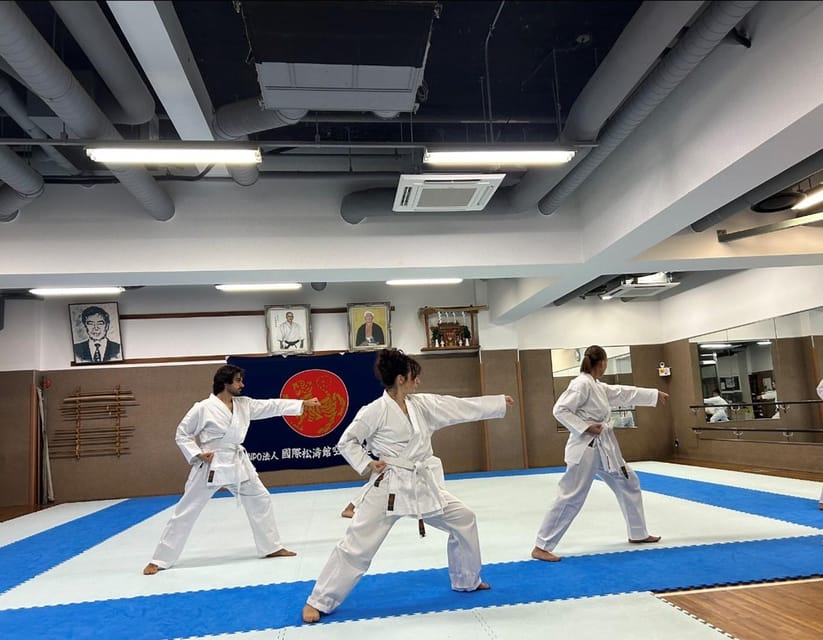
A major reason this class lands well is the teaching style. The instructor is English-speaking, and the guidance aims to be clear, not vague. If you ask about techniques or Japanese terms, you can expect explanations that help you understand what you’re hearing and doing.
One thing I like in the way this experience is set up is that it works for both beginners and people with karate experience. If you arrive with prior training, the instructor can tailor the focus so you’re not stuck repeating basics that you already know. If you tell them in advance what style you practice and what you want from the session, you’re more likely to get a satisfying program.
This is also where you benefit from having a teacher who can slow down and translate. When Japanese words show up in context, the class feels more authentic and less like a generic “sports instruction.”
Price and Value: Is $220 for 90 Minutes Reasonable?
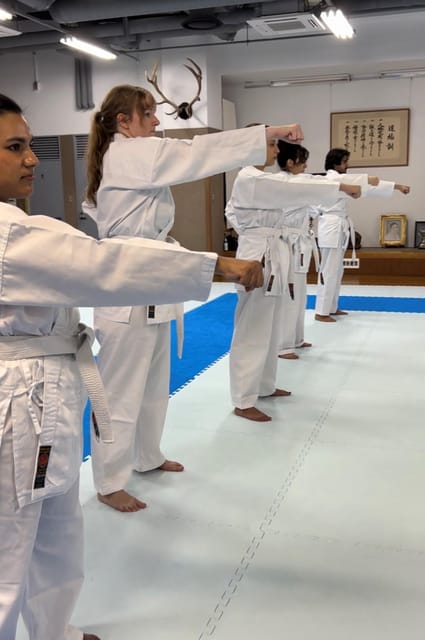
At $220 per person for 90 minutes, this isn’t a budget activity. The value comes from what you get, not the time alone.
Here’s what you’re paying for:
- A Shotokan training session linked to SKIF, at their Headquarters dojo
- Coaching from a top-level instructor, with world championship and national competition achievements
- Small group format limited to 10 participants, which usually means more attention per person
- Included equipment support via uniform rental
- A hands-on experience that includes board splitting, plus observing a demonstration
What is not included matters too: bottled water, towel, and transportation. Since towel and drinks are on you, bring them so you don’t lose time. And because the dojo is near Kugahara Station, you’ll likely manage transit independently without needing a dedicated driver.
My take: this is worth it if you want a structured Shotokan session with a serious dojo setting and you care about learning the traditional side, not only getting sweaty. If you mostly want casual sightseeing plus a quick workout, you could find cheaper options. But if you want technique, kata practice, and the cultural martial arts atmosphere, $220 starts to feel more realistic.
Who Should Book This Karate Experience (and Who Might Skip It)
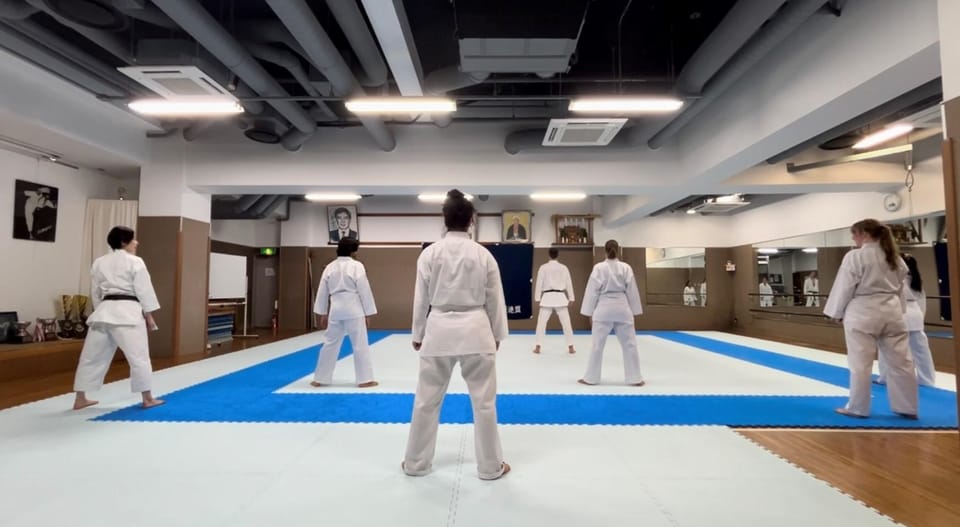
This works best for:
- Beginners who want a real introduction to Shotokan basics, kata, and promise kumite
- Karate practitioners who want training in a traditional SKIF setting and would like explanations in English
- People who enjoy cultural context as much as physical practice
It may be a poor fit if:
- You need accessibility options beyond what’s allowed (electric wheelchairs and non-folding wheelchairs are not allowed)
- You’re traveling with children under 7 (not suitable)
- You cannot realistically arrive 10 minutes early, since late arrivals can’t be extended
Should You Book This Karate Experience?
If you’re in Honshu near Tokyo and you want a genuine Shotokan session taught in English at the SKIF Headquarters dojo, I think it’s a strong choice. The small group size, the inclusion of kata and promise kumite, and the chance to try board splitting are the big reasons.
Book it if you care about doing things correctly, and if you appreciate when an instructor explains both technique and terms. Skip it if strict timing or the dojo rules would stress you out more than you’d enjoy the training.
FAQ
Where is the meeting point?
It’s a 2-minute walk from Tokyu Ikegami Line Kugahara Station. If you’re unsure about the way, you can let them know in advance so they can pick you up at the station.
How long is the karate experience?
The session lasts 90 minutes.
Is the instructor teaching in English?
Yes, the instructor is English-speaking.
What is included in the price?
Instruction in basic techniques, an opportunity to try board splitting, observation of a powerful instructor demonstration, and uniform rental.
What should I bring with me?
Bring a towel and drinks.
Is it suitable for children?
Children under 7 are not suitable. If you have a child under 7 or over 7 who would like to visit only, you should contact the provider.
What happens if I arrive late?
If you arrive late, the experience cannot be extended. Plan to arrive at least 10 minutes before the starting time.