REVIEW · TOKYO
Tokyo: Sumo Show and Dining Experience
Book on GetYourGuide →Operated by 株式会社オーシャンズ · Bookable on GetYourGuide
Sumo up close with dinner is the point here. At Tokyo Sumo Room in Kiyosumi-Shirakawa, you get a real sumo show in a small setting, plus an English introduction to the sport’s rules and traditions led by ex-rikishi. I especially love the up-close action and how the meal is designed around sumo culture, with chankonabe-style comfort food on the table. One consideration: this isn’t a huge stadium spectacle, so the vibe is more dojo-and-ring than lights-and-banners.
Plan on about 90 minutes to 2 hours, and pick your timing around the meal. The 11:00 AM and 7:00 PM shows include the Japanese cuisine meal option; the 3:00 PM show does not have a meal plan. Either way, the format aims to be fun and educational, not just watch-and-wait.
Most sessions also leave room for participation. You may try authentic sumo training experiences (optional) with guidance from wrestlers, and the venue is wheelchair accessible. Bring comfortable shoes and a camera, and expect no smoking indoors.
In This Review
- Key things that make Tokyo Sumo Room worth your time
- Tokyo Sumo Room for $79: what the price really covers
- Kiyosumi-Shirakawa location: easy to reach, different from the big-sight crowds
- How the show actually unfolds: rules, rhythm, and ring time
- The meal: chankonabe-inspired comfort food that fits the theme
- Hands-on sumo: trying a bout, wearing the mawashi, and learning fast
- Group size, atmosphere, and what to expect in the room
- Who should book Tokyo Sumo Room, and who might not
- Should you book Tokyo Sumo Room?
- FAQ
- Is the sumo show and dining experience about 90 minutes or 2 hours?
- Which show times include the Japanese meal option?
- Is sumo training included, or is it optional?
- What language is used during the experience?
- Is Tokyo Sumo Room wheelchair accessible?
- What should I bring to the activity?
- Are vegetarian options available?
- FAQ
- How far in advance can I cancel for a full refund?
- Do I need to book in advance?
- Are there any restrictions on smoking?
Key things that make Tokyo Sumo Room worth your time
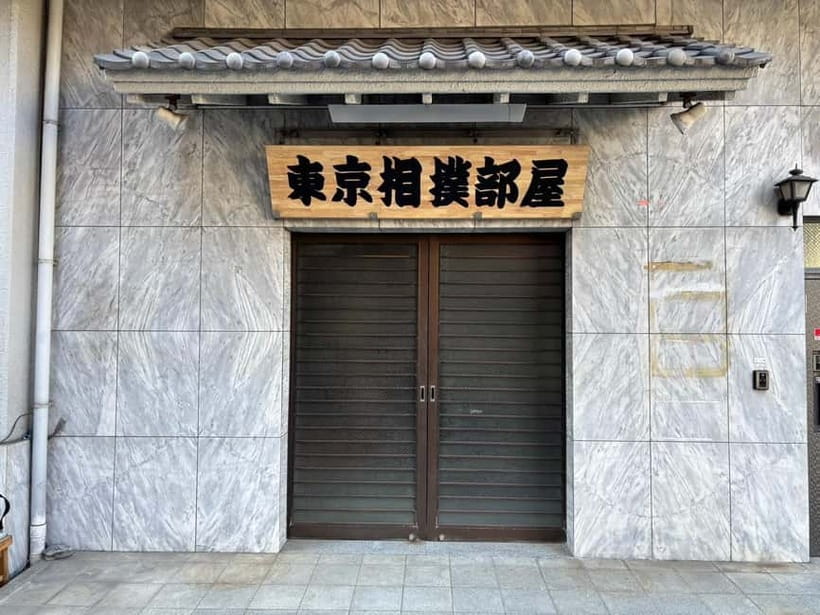
- Former Makuuchi Tokitsumi-led experience: the venue is operated by ex-Makuuchi wrestler Tokitsumi, so the tone feels like a real stable, not a theme restaurant.
- Short, clear English lesson before the action: you’ll learn enough rules and history to actually understand what you’re watching.
- Audience participation in the ring: you can practice and simulate bouts, and it tends to be the part people remember most.
- Food built to match sumo culture: the menu is inspired by chankonabe and seasonal Japanese dishes, often with second helpings if you want them.
- Small-group energy: sessions can feel intimate (some nights around eight people), with capacity that can run up to about twenty.
- Former wrestlers bring personality: the humor, interactions, and encouragement get praised again and again.
Tokyo Sumo Room for $79: what the price really covers
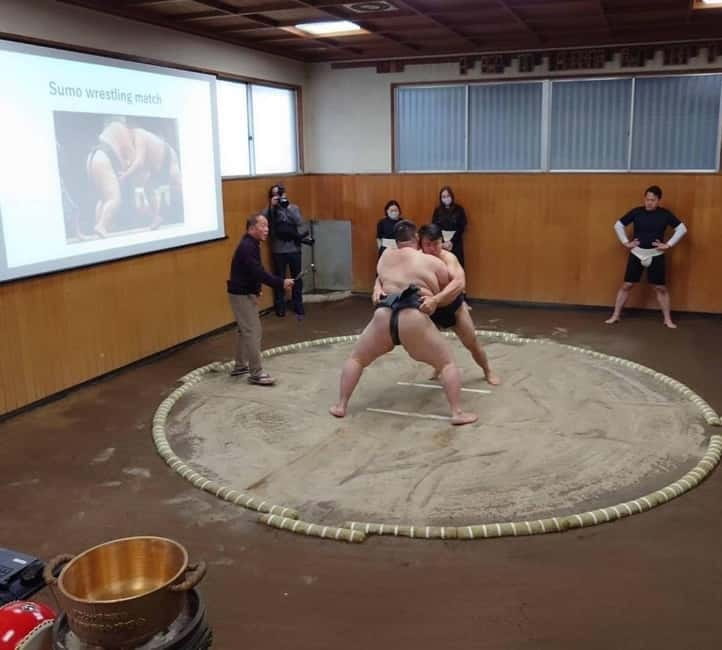
At $79 per person, you’re paying for more than a short performance. You’re buying a combo experience: sumo entertainment plus a guided explanation of traditions, and—if you select the right show time—a Japanese meal that fits the theme.
Here’s why that matters for value. A typical Tokyo plan might split across multiple stops: one activity for culture, another for food, and maybe a separate class if you want to try something hands-on. Tokyo Sumo Room bundles those goals into a tight 90-minute–2-hour block. If you’re selecting the 11:00 AM or 7:00 PM option that includes the meal, you’re also less likely to feel like you paid for “just a show.”
One more practical point: the 3:00 PM show does not come with a meal plan. So if dining is part of your goal, choose accordingly. In other words, the ticket is the same category, but your total experience changes based on which session you book.
You can also read our reviews of more tours and experiences in Tokyo

Kiyosumi-Shirakawa location: easy to reach, different from the big-sight crowds
Tokyo Sumo Room sits in Kiyosumi-Shirakawa, which keeps the experience from feeling like it was designed only for tourists in a prime postcard corridor. The venue is described as easy to reach by public transport, so you’re not forced into complicated transfers just to see sumo in an intimate setting.
If you’re planning your day, treat it like a real neighborhood stop. This is an activity you can pair with other nearby plans without needing to “cross Tokyo” solely for dinner entertainment. Also, since the experience runs less than two hours, it can work as a first stop in the evening or as a solid anchor after a morning or early afternoon.
How the show actually unfolds: rules, rhythm, and ring time
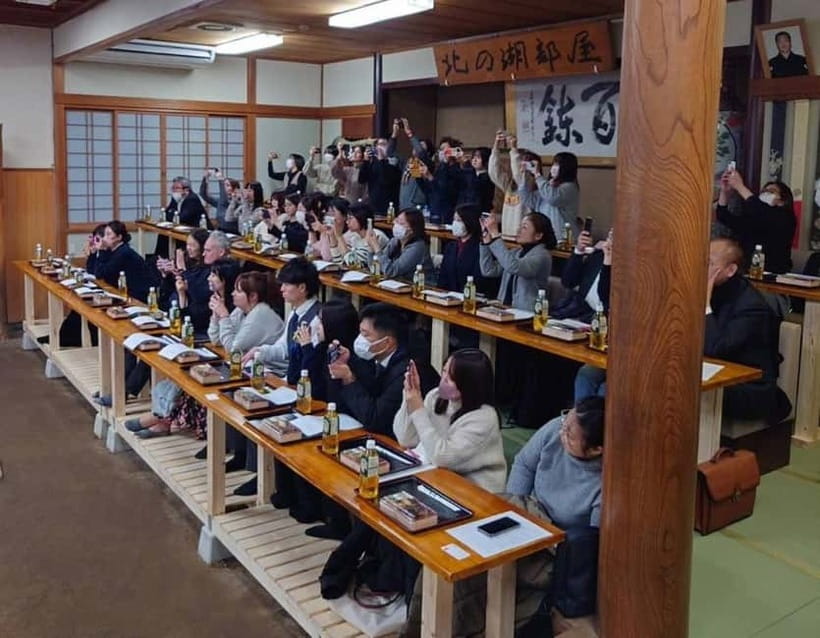
Most good sumo viewing has one problem: people watch without understanding. Tokyo Sumo Room tackles that head-on. You start with an English presentation that covers basics like what you’re looking for and why certain rituals matter. This isn’t just trivia for trivia’s sake; it helps you read the matches and movements instead of treating everything like random chaos.
Then the performance portion kicks in. The wrestlers put on a show that highlights power, balance, and skill up close. Because it’s not a massive arena, you feel closer to the intensity. One of the biggest praise points is that the hosts and wrestlers keep it lively—clear explanations, plus humor that doesn’t turn the lesson into a lecture.
A pattern shows up again and again in real experiences here:
- You get instruction first, so the action means something.
- You see multiple moments that show strength and technique.
- You may get small “contests” or staged matchups as part of the show flow.
- You’re encouraged to participate if you want to.
That participation piece is where this place becomes more than a performance. Several people describe the experience as lighthearted and funny, but still genuinely athletic. You’re not just watching wrestlers from the safe side of a barrier.
The meal: chankonabe-inspired comfort food that fits the theme
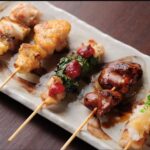
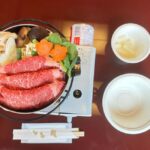
If you choose the meal-included sessions (11:00 AM or 7:00 PM), the Japanese cuisine is built to complement what you’re seeing. The description points to chankonabe-inspired dishes and seasonal items, and the on-the-ground reports back up the idea that the food lands well, not as a token add-on.
What you’ll like most if you’re a food person:
- The meal theme matches sumo culture, so it feels intentional rather than random.
- People mention hearty portions and even second helpings.
- The menu includes warm comfort foods that make sense before or after a physically active segment.
Vegetarian options are available on request, and they can be modified on the day of your visit. So if you eat vegetarian, you’re not automatically locked out of the dining portion—just make sure you ask when you book or when you arrive.
One small but useful tip: if the meal is included, treat it as part of the schedule, not a bonus. That’s how the experience is structured. Plan to show up ready to eat, not hungry and rushed.
Hands-on sumo: trying a bout, wearing the mawashi, and learning fast
This is the most distinctive part. Tokyo Sumo Room isn’t only about spectatorship. It offers optional authentic sumo training where you can try moves and participate in simulated bouts with guidance from the wrestlers.
From the experience reports, a few details are worth knowing:
- The wrestlers and hosts are friendly and patient, even if you’re solo.
- Many people are surprised by how strong the athletes feel up close.
- If you do participate, the mawashi (sumo belt) may not feel as uncomfortable as you’d expect.
- Some groups get phone support like charging devices and recording moments for you (not something to count on every time, but it’s happened).
How it feels in practice: you’ll likely be part of quick drills and short, structured bouts. Think “short and energetic,” not “weeks of training.” And yes, it can be a workout. One person described it as an extreme workout, which makes sense given the power needed to push, grip, and keep balance.
If you’re hesitant, here’s a reality check that helps: even a partial participation version is still worth it. You’ll learn what timing and leverage look like from the inside. The hosts also explain rules and what you’re doing, so it’s not just random wrestling.
You can also read our reviews of more tours and experiences in Tokyo

Group size, atmosphere, and what to expect in the room
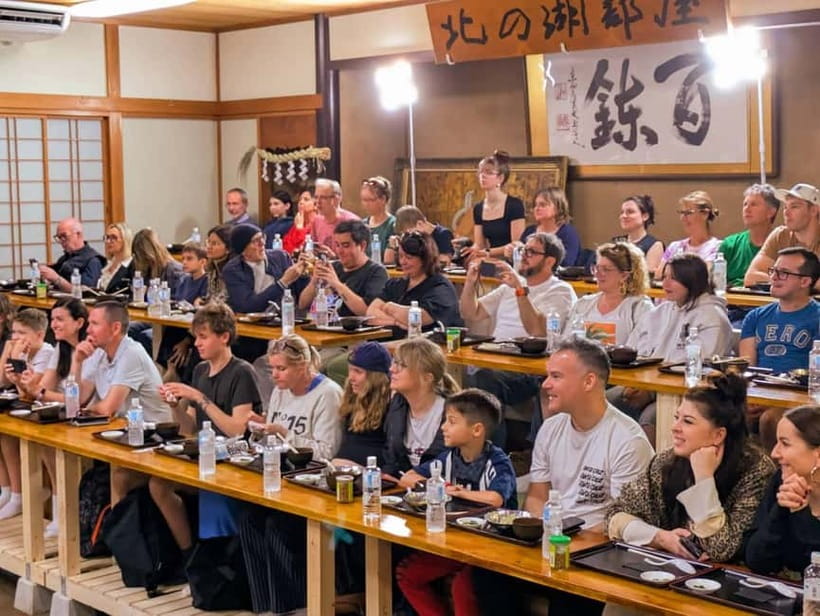
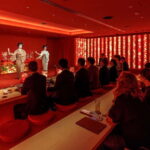
Tokyo Sumo Room is set up for closeness. That’s why the experience reads as “up close” in so many descriptions. Some sessions run with a small group size (around eight people was mentioned for one night), while the space can handle larger groups, even up to about twenty.
For you, that means the atmosphere can change depending on the schedule:
- Smaller groups often feel more conversational, with more time for interactions.
- Larger groups can still be fun, but the ring moment may feel a bit more scheduled.
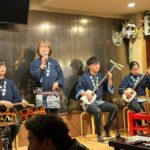
Also, since the activity is run by retired wrestlers and stable-minded staff, the tone often feels down-to-earth. People mention warmth, humor, and lots of encouragement during participation. It’s not overly polished. That’s part of the charm.
Who should book Tokyo Sumo Room, and who might not
Book this if you want Tokyo culture you can feel in your body. I’d send couples, families, and solo visitors here because the experience scales well: the show works even if you only watch, and the training option adds a big payoff if you want to try.
You’ll be a strong match if:
- you’re a first-time sumo fan and want the rules explained in plain English
- you like interactive experiences, not only museum-style viewing
- you want a meal that connects to the theme (chankonabe-style food)
You might rethink it if:
- you’re expecting a huge arena production with lots of distance between you and the ring
- you’re trying to squeeze in multiple activities with zero buffer time, since this runs close to two hours and includes dining for meal sessions
Should you book Tokyo Sumo Room?
Yes, if you like the idea of sumo as a lived tradition instead of a distant spectator sport. For the price, you’re getting a strong mix: up-close wrestling, a straightforward English explanation of history and rules, and—on the right time slot—a Japanese meal aligned with sumo food culture.
If you do book, choose the show time based on your priorities. Want dinner included? Pick 11:00 AM or 7:00 PM. Skipping the meal? The 3:00 PM option still works for the show and learning, but plan your food separately.
FAQ
Is the sumo show and dining experience about 90 minutes or 2 hours?
It runs 90 minutes to 2 hours, depending on the session.
Which show times include the Japanese meal option?
The meal is included for the 11:00 AM show and the 7:00 PM show. The 3:00 PM show does not have a meal plan available.
Is sumo training included, or is it optional?
Authentic sumo training experiences are optional.
What language is used during the experience?
The instructor and guidance are English.
Is Tokyo Sumo Room wheelchair accessible?
Yes, the venue is wheelchair accessible.
What should I bring to the activity?
Bring comfortable shoes and a camera.
Are vegetarian options available?
Yes. Vegetarian options are available upon request, and they can also be modified on the day of your visit.
FAQ
How far in advance can I cancel for a full refund?
You can cancel up to 24 hours in advance for a full refund.
Do I need to book in advance?
Booking in advance is recommended to secure your spot.
Are there any restrictions on smoking?
Smoking is not allowed indoors.