REVIEW · TOKYO
From Tokyo: Mount Fuji Full Day Private Tour (Customizable)
Book on GetYourGuide →Operated by Info Visit Nippon Jp · Bookable on GetYourGuide
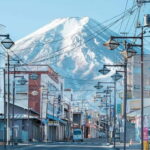
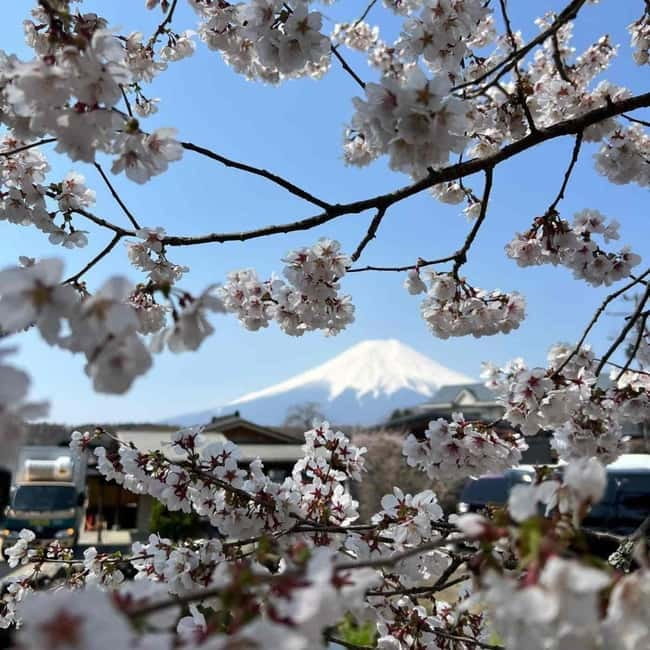
Mount Fuji is the rare view that feels bigger in person than in photos. This private day tour gives you a driver, a comfortable car, and a smart route plan so you can focus on the scenery from Arakurayama to the 5th Station.
I especially like the door-to-door comfort: you ride in a climate-controlled vehicle (Toyota Vellfire, Crown, or Land Cruiser), with tea, coffee, and bottled water on hand. I also love how photo-focused the day is—there’s help with photography/videography, plus your driver is English-speaking and ready to work with your timing. One consideration: Fuji weather can change fast, so even with the best planning, your views may be less dramatic on low-visibility days.
In This Review
- Key highlights to know before you go
- Private vehicle comfort: the real reason this Fuji trip works
- Arakurayama to the Chureito Pagoda: setting up the Fuji photo angles
- Mount Fuji 5th Station: where the views get high-altitude serious
- Lake Kawaguchi: trading crowds for choices on the water
- Oshino Hakkai: traditional water-lake charm near Fuji
- Oishi Park and Kitaguchi-hongu Fuji Sengen Shrine: small stops with personality
- Lunch reality: what’s included and what you’ll pay for
- Hakone add-ons: the flexible plan for weather and timing
- Gotemba Premium Outlets: a practical shopping buffer
- Communication and guides: why this feels better than DIY
- Price and logistics: where the $353 per group actually makes sense
- Tips to make your Fuji day smoother (without overplanning)
- Should you book this private Mount Fuji day trip?
- FAQ
- How much does the Mount Fuji full day private tour cost?
- How long is the tour?
- Is this a private tour or a shared group?
- Where do pickups happen?
- What kind of vehicle will I ride in?
- What languages are available with the driver?
- Are meals included in the price?
- Are entrance fees included?
- Is Wi-Fi available during the tour?
- What if the weather is bad?
Key highlights to know before you go
- Private, door-to-door pickup in Tokyo’s 23 wards so you skip the hassle of meeting points
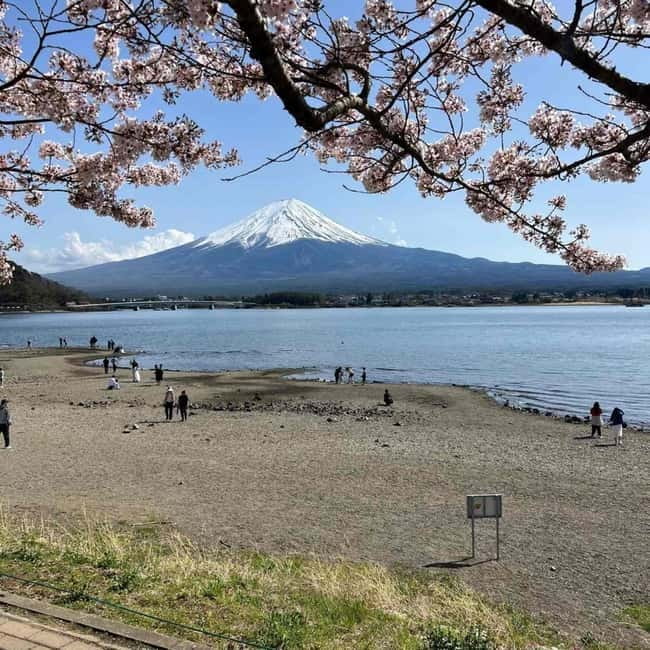
- 5th Station + iconic photo stops including Arakurayama Sengen Park and Chureito Pagoda
- Lake Kawaguchi choices like a speedboat ride, ropeway, or cruise depending on timing and conditions
- Oshino Hakkai and Oishi Park add variety with a traditional village stop and an ice-cream friendly park
- Hakone add-ons fit the weather (Ropeway, Lake Ashi, Owakudani, shrine options)
- 24/7 chat support + photo assistance makes the day feel easier than DIY
Private vehicle comfort: the real reason this Fuji trip works
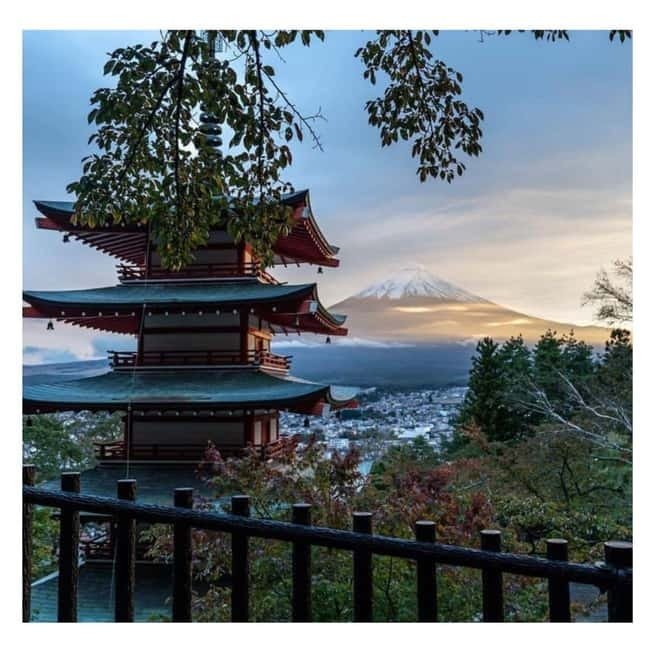
From the moment you’re picked up, this is set up like a stress-free way to see Mount Fuji. You’re not coordinating trains, not waiting for other parties, and not playing guessing games with parking. Your driver handles the logistics and you get the joy of watching the scenery change from Tokyo’s city rhythm to Fuji’s slower pace.
You’ll also appreciate the small comfort touches that make a long day feel manageable. Expect complimentary tea, coffee, and bottled water, plus onboard Wi‑Fi. That matters when you’re trying to map last-minute photo locations or just keep everyone calm in the car.
The vehicle choice is also a practical upgrade for a private tour. Depending on availability, you might be in a Toyota Vellfire, Crown, or Land Cruiser—roomy enough for families or groups that don’t want to fold themselves into tiny spaces for hours.
You can also read our reviews of more private tours in Tokyo
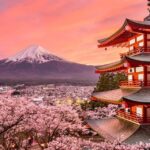
Arakurayama to the Chureito Pagoda: setting up the Fuji photo angles
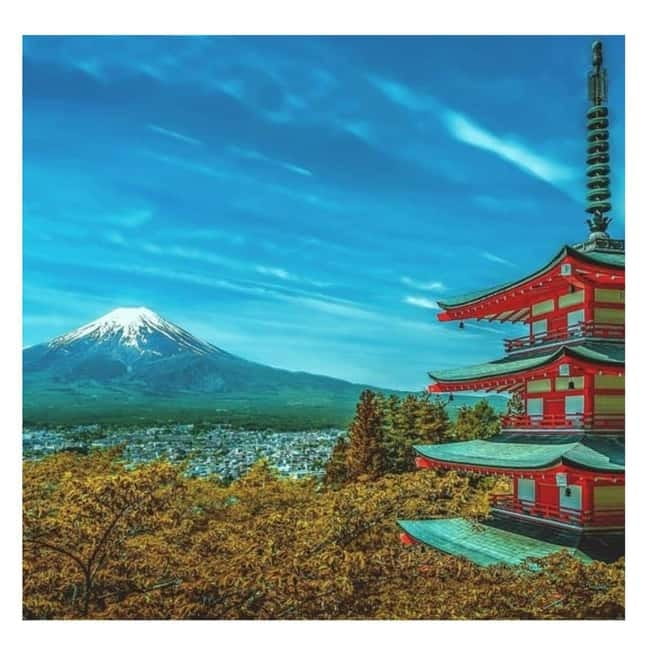
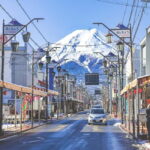
Your first big moment is Arakurayama Sengen Park. This stop is built for views and photos, with a short walk and time to look for the best angles. It’s one of those places where the mountain looks different from every step, especially as clouds shift and the light changes.
Then you head to Chureito Pagoda for another classic viewpoint. This is a “yes, it looks like the postcards” kind of stop, but the value here is that you’re doing it on your own schedule, not squeezing through a shared-group timetable. You get time to visit, walk, and take photos without feeling rushed.
Timing can be everything at these photo stops. If visibility is strong, you’ll be rewarded with clearer lines from the pagoda and the surrounding hillside. If visibility is softer, your driver can still help you find the angles that feel best in the moment—like positioning for atmospheric layers rather than forcing one perfect shot.
Mount Fuji 5th Station: where the views get high-altitude serious
The Mount Fuji 5th Station is the highlight most people picture before they even get on the car. You’ll reach it with your driver and spend about an hour taking in the viewpoint and walking around. Even if you don’t plan to hike higher, the station is where Fuji shifts from a distant landmark to something you feel in your chest.
This stop is a mix of scenery and practical orientation. You get a safety briefing and time to absorb the dramatic slopes and sweeping views that can make you forget you’ve been in transit all day. It’s also a great place to check how the weather is treating you—cloud cover and wind can decide what kind of photos you’ll be able to get.
Important note: this tour isn’t suitable for people with altitude sickness. If anyone in your group has that concern, don’t gamble. Choose a lower-altitude plan instead.
Lake Kawaguchi: trading crowds for choices on the water
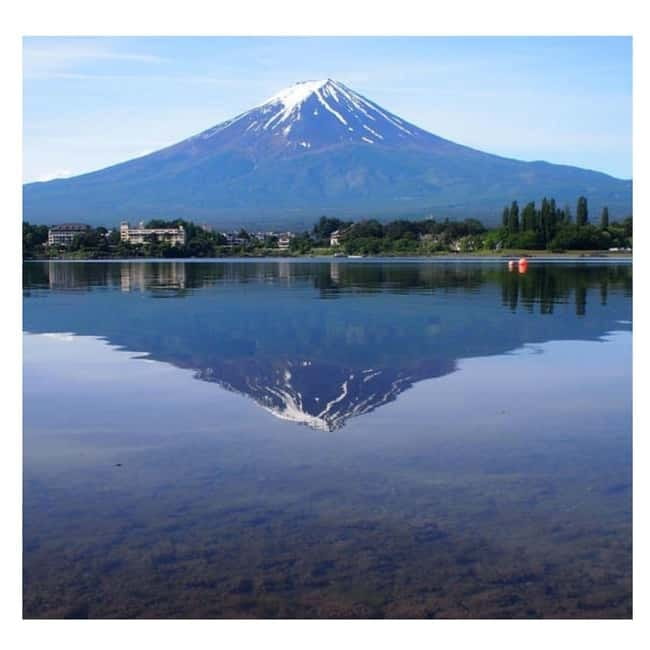
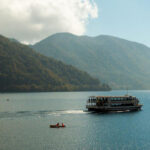
After the viewpoint stops, Lake Kawaguchi gives you a gentler rhythm. The day shifts from “look up at Fuji” to “watch Fuji from the lake,” and that change is a big part of why this route feels satisfying instead of exhausting.
You’ll spend about an hour here, with choices that can change how you experience the area:
- Speedboat ride options
- Ropeway ride up for perspective
- Cruise boat experience to take in the shoreline
What I like about this part is that it gives you control. If your group wants motion and fun, pick the speedboat vibe. If you want calmer sightseeing, choose a cruise. If you’re chasing views from above, the ropeway can be a good call—just remember that timing depends on conditions.
Lake Kawaguchi is also where you can feel the “escape from Tokyo” payoff. Even with a packed day, the lake gives you breathing room. It’s the kind of stop where you naturally slow your pace, look longer, and stop checking your watch every five minutes.
Oshino Hakkai: traditional water-lake charm near Fuji
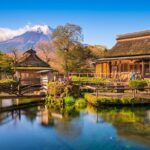
Oshino Hakkai is a traditional village visit, and it adds texture beyond the big Fuji viewpoints. The draw here is the way the area feels like it belongs to the landscape, not just to the tourist circuit. You’ll get a guided-style experience and time for photos and walking.
This is also one of those stops where timing matters because people tend to move in waves. On a private tour, you’re not stuck waiting behind everyone for your turn at the best angles. You can linger where the scenery feels most interesting.
If you like the feeling of “Japan you can slow down in,” this stop is a win. It’s a nice contrast to the high-altitude intensity of the 5th Station and the postcard angles of Arakurayama and Chureito.
You can also read our reviews of more tours and experiences in Tokyo
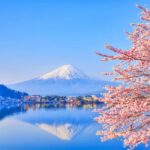
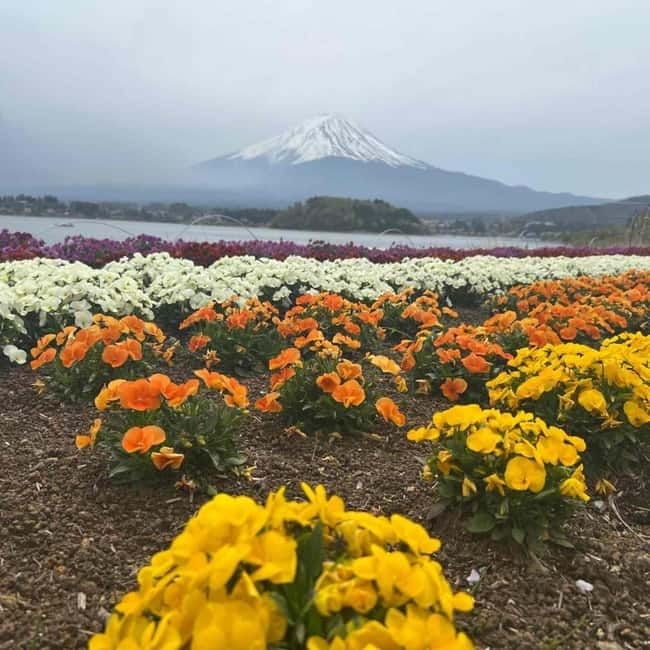
Oishi Park and Kitaguchi-hongu Fuji Sengen Shrine: small stops with personality
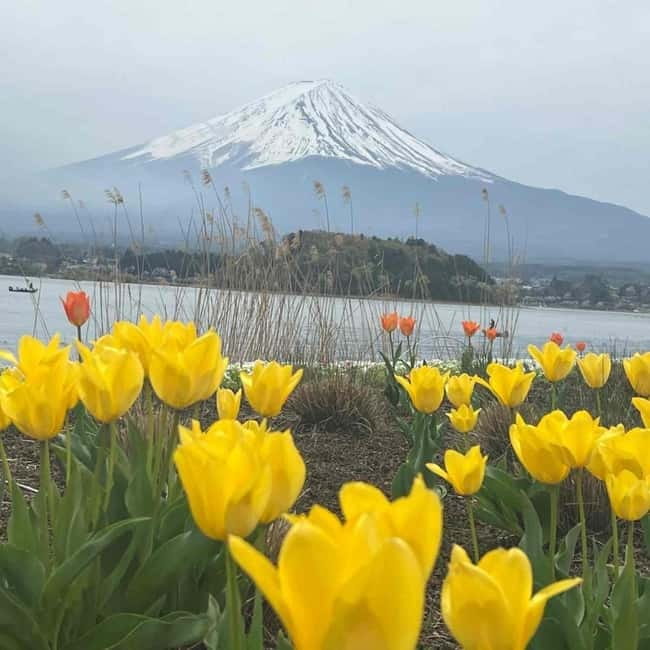
Next comes Oishi Park, a flower park stop with time for sightseeing and an ice cream pause. This is the kind of stop that sounds simple until you’re standing in it. Flowers, open space, and a sweet break do a surprising amount for the mood of the day.
After that, you’ll visit Kitaguchi-hongu Fuji Sengen Shrine. This is a photo stop and walking visit with a bit of time for shopping. Shrines can feel like a “quick glance” on some itineraries, but here it’s paced as a proper visit rather than a stop-and-go checkmark.
The value of these two stops is variety. If your day is only viewpoints, you risk feeling like you’ve spent 11 hours staring at the same angle. Oishi Park and the shrine reset your eyes and give your brain something different to process—plants, open views, and sacred architecture.
Lunch reality: what’s included and what you’ll pay for
Lunch is handled as a local restaurant break with about 30 minutes set aside. The meal itself isn’t listed as included, so treat lunch as an on-your-own purchase during the scheduled break.
Why this matters: 30 minutes is enough to eat, but it’s not a long sit-down. If your group includes kids, picky eaters, or anyone who needs a slower meal pace, you’ll want to plan what you want to order quickly when you arrive.
Entrance fees are also not included. That’s normal for Japan, and it’s worth factoring into your budget. The good news is that the tour includes skip-the-ticket-line support for the parts where that’s offered, so you should spend more time seeing and less time waiting.
Hakone add-ons: the flexible plan for weather and timing
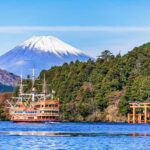
This is a customizable private tour, and Hakone is the most common add-on when timing and weather allow. You’ll be able to add spots like Hakone shrine, Hakone open air museum, Lake Ashi, Owakudani Valley, and Hakone Ropeway, depending on conditions.
Hakone Ropeway is one of the most visually rewarding options on a day like this. If you get clear skies, you can often get dramatic perspective from above. If it’s cloudy, the ride still has value as a scenic transit experience—even if the “wow, perfect panorama” moment is softer.
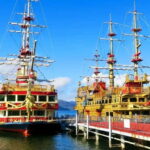
Owakudani Valley adds intensity. It’s the kind of place where the atmosphere feels different and your senses notice changes immediately. Lake Ashi shifts the mood again: it’s water, boats, and that classic Hakone feeling. And Hakone Shrine gives you a cultural anchor after the more scenic stops.
I also like that your driver is set up to respond to weather. The tour can be rescheduled if needed, and your route can adapt. For example, if Fuji visibility isn’t ideal, your driver can focus on getting you to viewpoints where you can still enjoy strong scenery and good photo angles.
Gotemba Premium Outlets: a practical shopping buffer
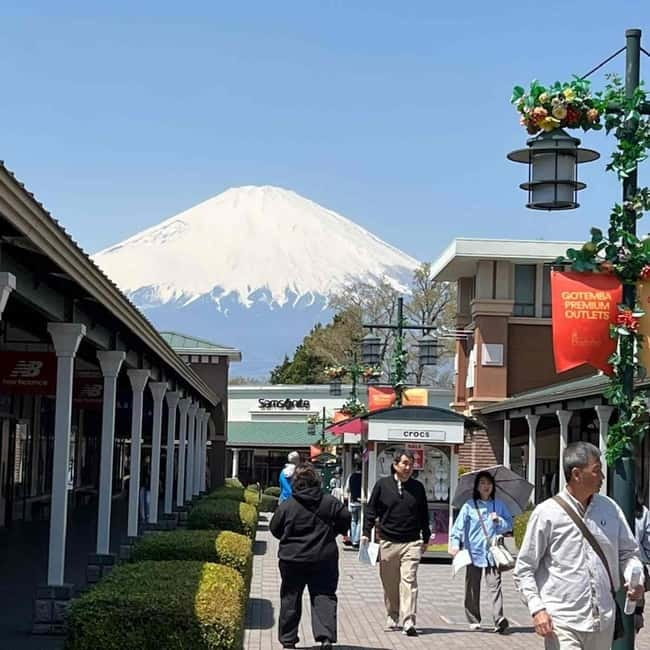
If your timing allows, Gotemba Premium Outlets can be part of the itinerary. You’ll have about an hour for shopping, plus an additional car segment listed. This isn’t about fashion—it’s about giving the day a “rest and reset” moment.
A shopping outlet break can be helpful for families or groups who want something more than walking. It also gives you a place to grab snacks or casual items without turning the rest of the day into a food scramble.
Communication and guides: why this feels better than DIY
You get an expert English-speaking chauffeur, and your driver list can include English, Urdu, Japanese, Hindi, and Punjabi. That multilingual support matters when you’re trying to get quick clarity about timing, weather, and where to stand for photos.
The human touch is visible in the guide names people report. I saw multiple mentions of drivers like Waqas and Rana, plus Sarfraz. The theme is consistent: they’re attentive, help you adjust when visibility changes, and work hard to keep the day comfortable. One reported trick that’s worth remembering: if traffic gets long on the return, a good driver will look for alternate routes through calmer roads, including passing scenery like rice fields and open evening views.
And yes, you’ll have an onboard Wi‑Fi hotspot and a 24/7 chat option. That’s useful if you need help with directions or want quick updates when plans shift.
Price and logistics: where the $353 per group actually makes sense
At $353 per group up to 6 people, this pricing can feel high on paper—until you price out the real costs of a full-day private car in Japan. You’re paying for door-to-door pickup, a private vehicle, fuel, parking, and toll coverage. That’s not “nice to have” stuff; it’s what turns the Fuji day from an all-day commute into an actual day.
Refreshments are included, too: tea, coffee, and bottled water. Add onboard Wi‑Fi, skip-the-ticket-line support, and photo/videography help, and the “value” becomes clearer. This tour isn’t just transport—it’s a way to keep your time focused on the key sights.
The one place to watch is exclusions. Meals and entrance fees aren’t included, so your total day cost depends on what you spend on lunch and entry tickets.
Tips to make your Fuji day smoother (without overplanning)
Bring comfortable shoes and warm clothing. Fuji weather can surprise you, and the 5th Station area can feel colder than you expect. Add a hat and sunscreen if you run warm easily. Also bring a camera if you care about getting those layered shots when clouds pass through.
Arriving early helps a lot. Plan to get to your hotel lobby or meeting point at least 10 minutes before pickup. Your driver can wait up to 60 minutes beyond the scheduled pickup time, but waiting isn’t the goal—especially if you want the day’s best light.
Also keep in mind that pickup isn’t offered from airports or ports. You’ll need to start within Tokyo’s 23 wards from your accommodation.
Finally, take the altitude point seriously. If anyone in your group is prone to altitude sickness, don’t treat that as a minor detail.
Should you book this private Mount Fuji day trip?
Book it if you want a comfortable, private, photo-friendly Mount Fuji day with room to adapt. This is a strong choice for couples, families, and groups of up to 6 who don’t want to wrestle with transportation while still seeing the classics: Arakurayama, Chureito Pagoda, Mt. Fuji 5th Station, Lake Kawaguchi, and Oshino Hakkai.
Don’t book it if altitude is a concern for anyone in your party, or if you’re trying to do this on the cheapest possible budget (because meals and entrance fees add up). If your priority is the lowest cost over comfort and flexibility, a self-planned route might work better.
If your priority is a calm day with great support, this private format is exactly the kind of Japan trip that feels worth the money.
FAQ
How much does the Mount Fuji full day private tour cost?
It costs $353 per group, up to 6 people.
How long is the tour?
The tour is approximately 11 hours, including travel time.
Is this a private tour or a shared group?
It’s a private group tour, meaning you won’t be mixed with other travelers.
Where do pickups happen?
Pickup is available from accommodations (including Airbnbs) within Tokyo’s 23 wards. Pickup is not available from airports or ports.
What kind of vehicle will I ride in?
The tour uses a private, climate-controlled vehicle, with options such as Toyota Vellfire, Crown, and Land Cruiser.
What languages are available with the driver?
The driver can speak English, Urdu, Japanese, Hindi, and Punjabi.
Are meals included in the price?
No. Meals aren’t included, though there is a lunch break at a local restaurant.
Are entrance fees included?
No. Entrance fees to attractions aren’t included.
Is Wi-Fi available during the tour?
Yes. There’s an onboard Wi‑Fi hotspot throughout the journey.
What if the weather is bad?
The tour can be rescheduled to a more convenient date of your choice if needed due to severe weather or unexpected incidents.