REVIEW · TOKYO
Private Ueno Park Architecture Tour
Book on GetYourGuide →Operated by Showcase Tokyo Architecture Tours · Bookable on GetYourGuide
Modern Tokyo, explained block by block.
I like that this tour is built around real architecture landmarks you can see right away, starting at the National Museum of Western Art. I also love how it links Le Corbusier with later Japanese building choices, including Kunio Maekawa’s work, so the park feels like a timeline instead of a random walk.
One thing to keep in mind: 3.5 hours can feel fast if you get pulled into asking questions or you want extra time wandering the museum grounds after the guided portion.
In This Review
- Key points I’d circle before you go
- Starting at the National Museum of Western Art: easy meeting point, strong hook
- Practical tip from the way the route is set up
- Le Corbusier at the museum: UNESCO-grade modern architecture you can actually read
- Tokyo Bunka Kaikan across the street: Kunio Maekawa and the mentor relationship
- Why this stop is valuable even if you’re not an architecture nerd
- International Library of Children’s Literature: preservation and an arch-shaped annex
- A good moment to slow down
- Tokyo National Museum’s four architectural works: the era-by-era sweep (1908–1999)
- The only drawback here: time pressure
- Day vs night in Ueno Park: same buildings, different mood
- How long is 3.5 hours really? A realistic take on the pace
- Price and value: what $158 gets you (and what it doesn’t)
- Where the value really lands
- Who should book this private Ueno Park architecture tour?
- Should you book this tour?
- FAQ
- Where does the tour start?
- Where does the tour end?
- How long is the tour?
- Is this a private tour?
- What languages are offered?
- What’s included in the price?
- Is hotel pickup or drop-off included?
- Can I enter the National Museum of Western Art?
- Is there a night option?
- Ending thought
Key points I’d circle before you go
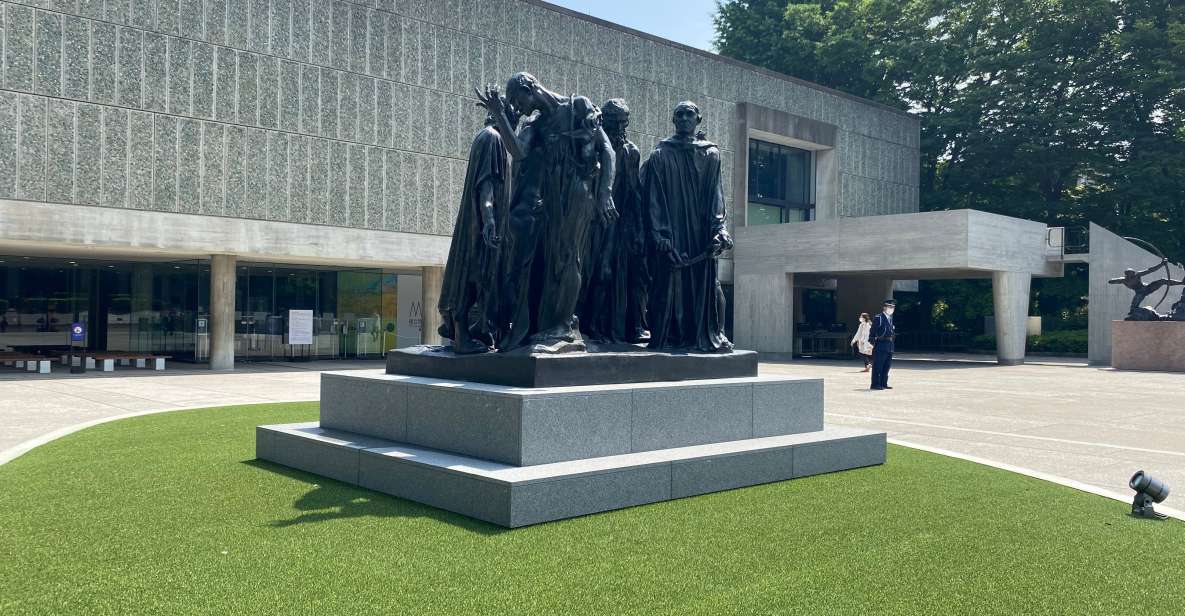
- Meet at the UNESCO-listed National Museum of Western Art and start with the most iconic modern piece in the park
- Le Corbusier to Kunio Maekawa connection: you’ll understand the mentor-to-student thread instead of just memorizing names
- Tokyo Bunka Kaikan across the street makes the “compare-and-contrast” part effortless
- International Library of Children’s Literature includes a behind-the-scenes look at preservation and renovation plus an arch-shaped annex
- Tokyo National Museum stops cover multiple eras through specific buildings from 1908 to 1999
- Night tour option changes the mood, so the same concrete and glass can feel completely different
Starting at the National Museum of Western Art: easy meeting point, strong hook
The tour meets in front of the National Museum of Western Art in Uenokōen (7-7, Taitō-ku). That’s a smart starting choice because you’re standing next to one of the park’s most important modern landmarks before you even hear the first story. You don’t waste time walking to the “real” part.
This is a private group with an English-speaking guide. That matters more than it sounds. Architecture tours work best when you can ask follow-up questions—why a building looks the way it does, how materials were used, and what changed between eras. In the small-group format, you’re more likely to get answers that actually match what you’re noticing.
You’ll also get a short break with drinks included. It’s not a long sit-down, but it’s perfect for keeping your energy up. After a few stops, your brain will be doing pattern-recognition: lines, balance, shading, entrances, and how people move through space.
You can also read our reviews of more private tours in Tokyo

Practical tip from the way the route is set up
Plan to arrive a few minutes early. The tour ends back at the meeting point, so you’ll be able to continue exploring nearby without scrambling for directions later.
Le Corbusier at the museum: UNESCO-grade modern architecture you can actually read
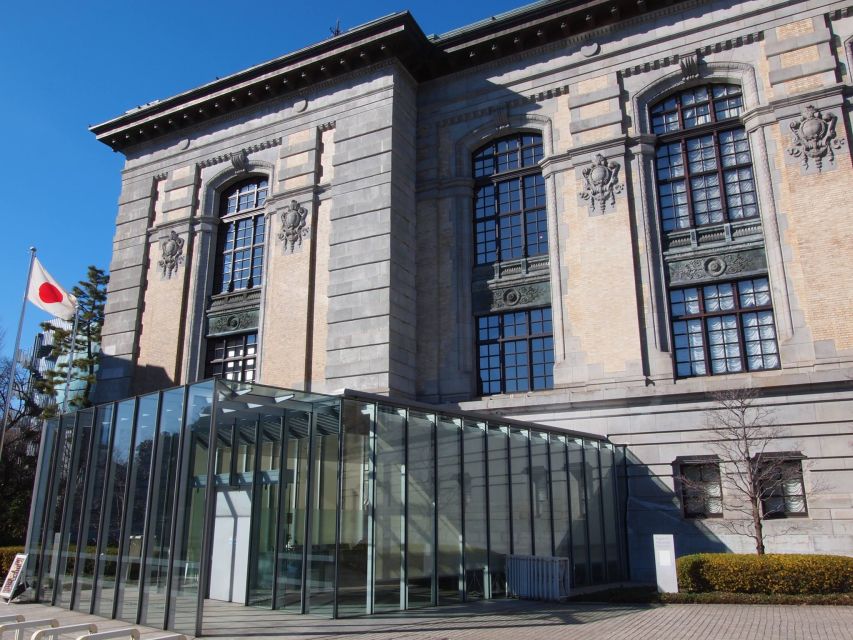
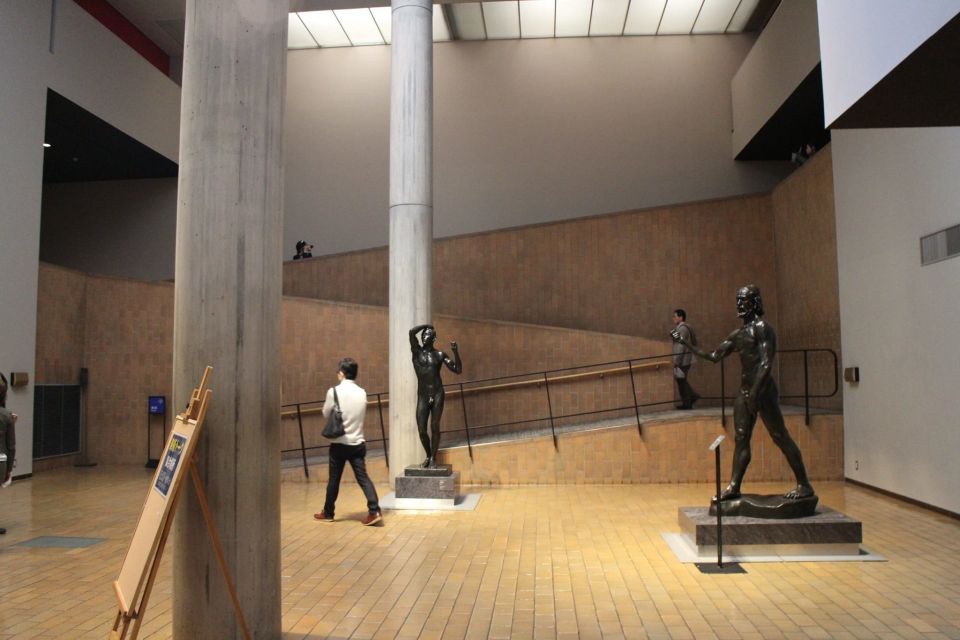
The first major stop is the National Museum of Western Art, designed by Le Corbusier and designated as a UNESCO World Cultural Heritage Site in 2016 for its modern architectural value.
Here’s what I think makes this museum moment so satisfying: you’re not just looking at a famous name. The guide frames what you’re seeing so the building becomes legible. You start noticing structure and proportion rather than treating it like a postcard.
If you’re into modern architecture, this is a fast education. Concrete and clean geometry can feel cold if you don’t know what to look for. The tour helps you connect form to function—how the design supports movement through the building and how the museum setting in Ueno changes how the architecture reads in real life.
One more useful note: there’s a date range when the museum is closed, so during that period you won’t go inside. You’ll still get guidance outside the museum, which is a good backup plan if you’re traveling in those months.
Tokyo Bunka Kaikan across the street: Kunio Maekawa and the mentor relationship
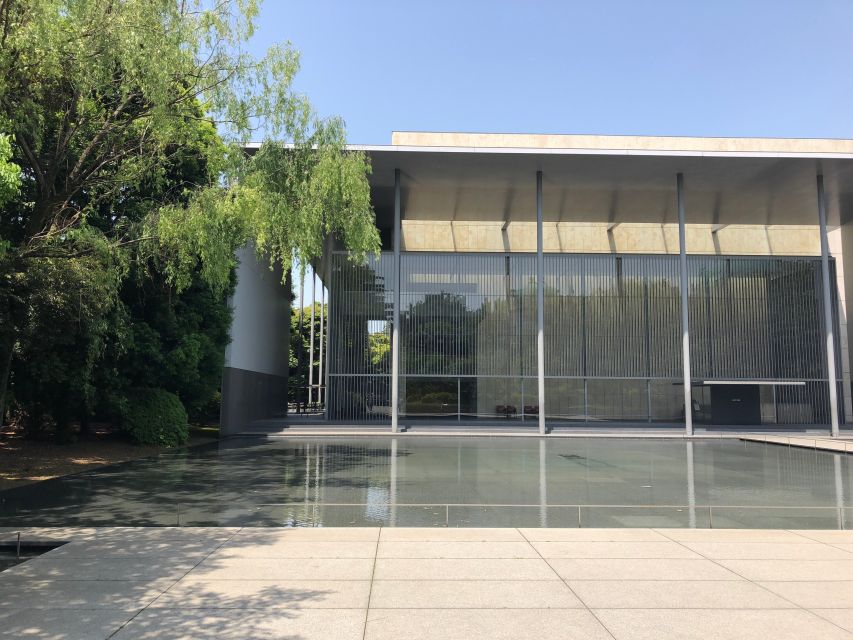
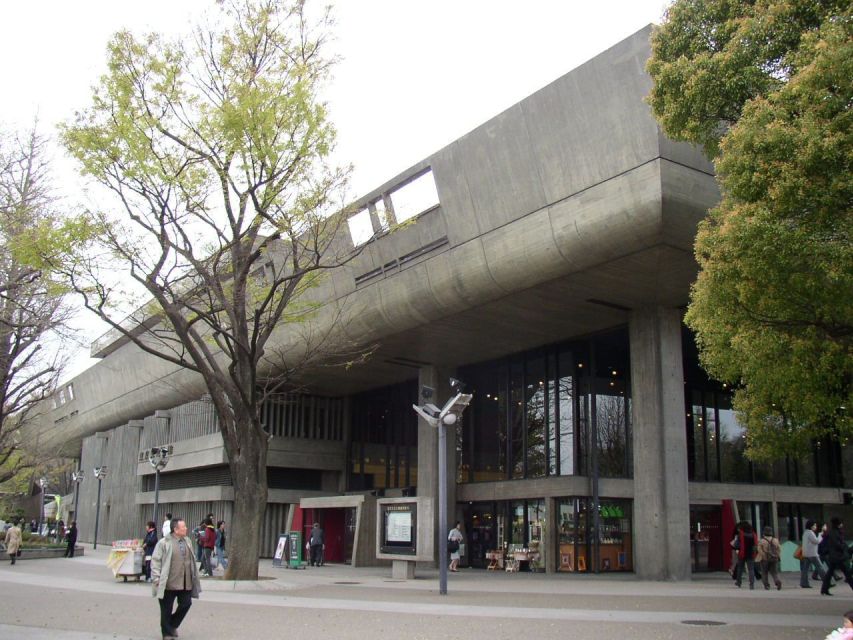
From Le Corbusier’s museum, you head to Tokyo Bunka Kaikan, located just opposite. This “same-neighborhood, different-approach” setup is one of the tour’s strongest ideas because you can compare quickly and naturally.
Tokyo Bunka Kaikan was designed by Kunio Maekawa, and the tour highlights his expressions of respect for his mentor. The guide also places him within a wider context: Maekawa was one of three local apprentices of Le Corbusier. That detail turns a building visit into a story about influence and learning, not just style.
What you’ll likely enjoy here is the way the tour helps you spot differences in interpretation. Two people can work in the same modern language, yet their results can feel distinct. The guide’s job is to help you see those differences without turning the walk into a textbook.
Why this stop is valuable even if you’re not an architecture nerd
If you’ve ever felt overwhelmed by modern architecture—like everything looks similar—this is a relief. You’ll come away with a mental shortcut: look for how the architect handles structure, openings, and how the building relates to people outside it. Those themes repeat through the rest of the itinerary.


International Library of Children’s Literature: preservation and an arch-shaped annex
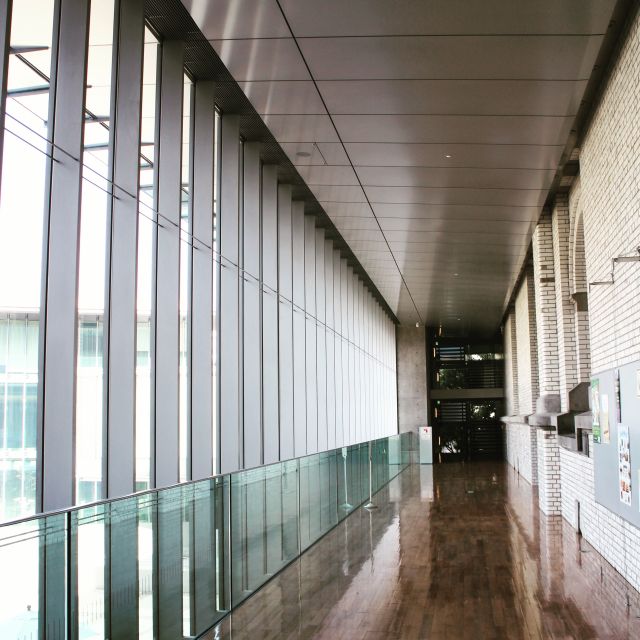
Next comes the International Library of Children’s Literature. This is the stop where the tour shifts from “famous landmarks” to “how buildings live over time.”
You’ll observe preservation and renovation work, plus the new arch-shaped annex building. That combination is important. Many architecture tours only talk about original design intent. This one adds the practical reality: buildings need maintenance, upgrades, and adaptation. That’s part of why architecture feels alive instead of frozen in the past.
Pay attention to what the guide points out about conservation. Preservation is often less glamorous than a new building, but it’s how a city keeps its architectural identity. And renovation can be done in ways that respect the original design—or ways that fight it. Seeing the process helps you develop an eye for quality.
A good moment to slow down
This stop is also a nice break from the major museum rhythm. If you like when architecture is connected to everyday use (in this case, children’s literature), you’ll appreciate the softer human scale here.
Tokyo National Museum’s four architectural works: the era-by-era sweep (1908–1999)
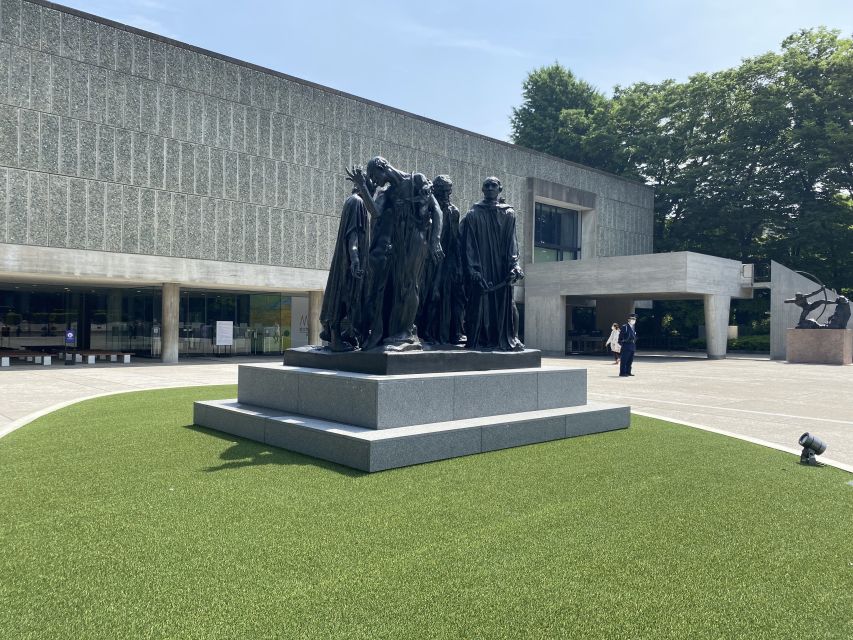
The final major visit is Tokyo National Museum, where you can admire four great architectural works:
- Hyokei-kan
- Hon-kan
- Toyo-kan
- Gallery of Horyuji Treasure
The tour frames them as reflecting the historical background of each era between 1908 and 1999. That timeline detail matters because it prevents you from treating the museum grounds as one big “museum place.” Instead, you start seeing the buildings as chapters.
A smart way to experience this: don’t rush from one building to the next. Look at entrances and how the buildings handle light. Notice how the shapes and materials feel different from stop to stop. You don’t need an architecture degree—you need a way to compare.
You’ll also have time at the end to explore the collections at your own pace. That’s a nice design choice because it lets you turn architecture curiosity into a museum experience without forcing you to stay in guide mode the entire time.
The only drawback here: time pressure
Four museum buildings in a 3.5-hour tour is ambitious. If you want to read every label and walk slowly between structures, you may feel a bit stretched. The upside is that the guide gives you the big threads so you’re not stuck guessing what you’re seeing.
Day vs night in Ueno Park: same buildings, different mood
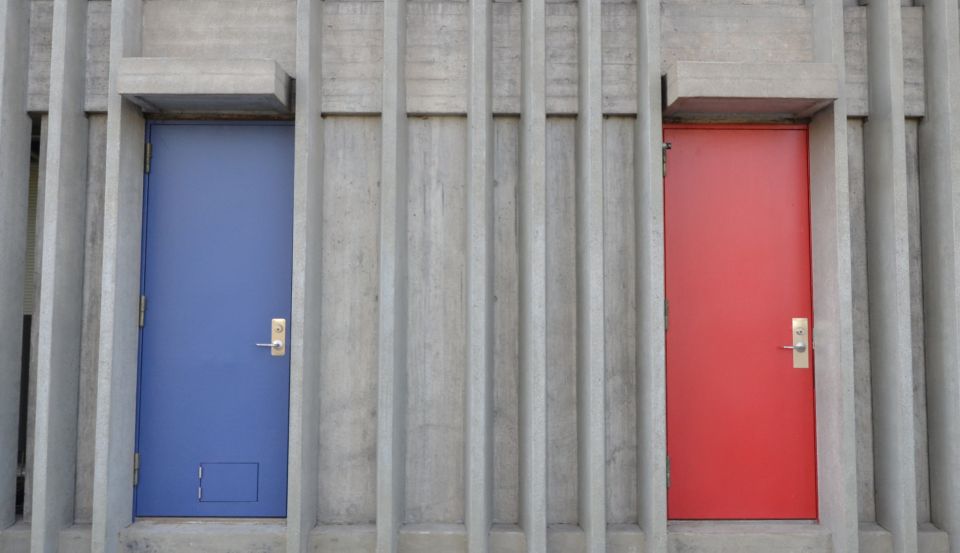
One highlight is the option to take the tour at night. If you’ve only seen Tokyo’s architecture in daylight, night can feel like the architecture switched genres.
At night, you tend to notice edges, shadows, and the way light defines space. Glass and facade lines can sharpen. Courtyards and building approaches feel more cinematic. Even if you love daytime photos, I’d treat the night option as a legitimate alternative—not a gimmick.
If you’re the type who likes photography, night can help you see how the same surfaces behave under different lighting. If you’re more interested in architecture, it can help you focus on proportion and structure without the distraction of bright surroundings.
How long is 3.5 hours really? A realistic take on the pace
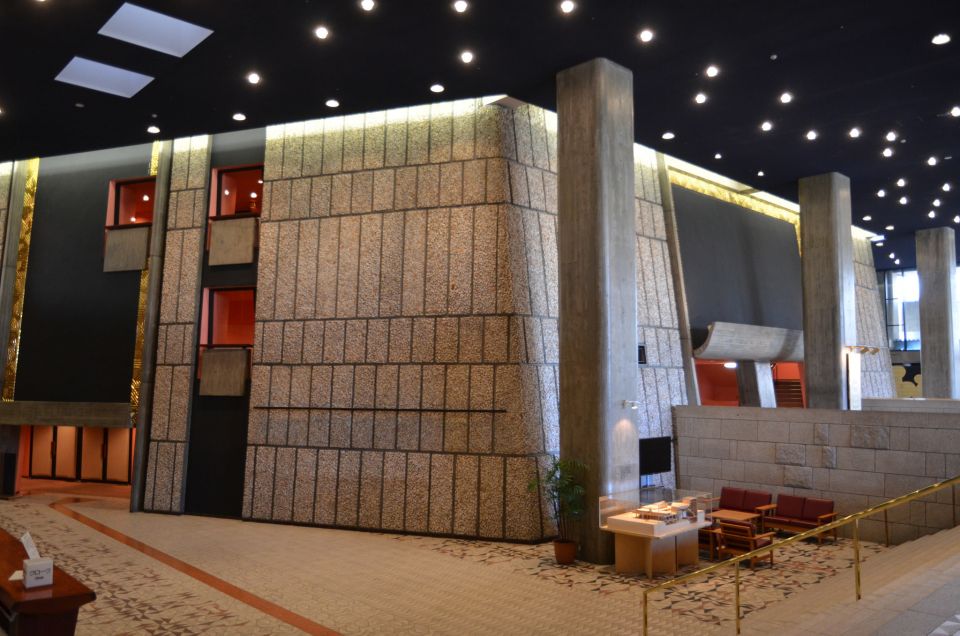
This tour is listed as 3.5 hours, and that length is a classic architecture-touring compromise: long enough to visit multiple major sites, short enough to keep the day flexible.
Here’s the real consideration: if you’re the kind of person who asks a lot of questions (or keeps stopping to re-check details), 3 hours can feel tight. One concern that shows up with tours like this is that there’s so much to cover in the park that the time can vanish.
My advice is simple: think of this as a structured “architecture starter course.” You’ll get the connections and the key observations. Then you can return on your own to linger longer at whichever building grabbed you most.
If you want to maximize it, spend your guided energy on asking the why. Save the what-for-the-umpteenth-time museum wander for after the tour ends.
Price and value: what $158 gets you (and what it doesn’t)
At $158 per person for a 3.5-hour private tour, you’re paying for more than walking. You’re paying for:
- An English-speaking guide
- Admission to the Tokyo National Museum
- A planned architecture route that ties together major names and eras
- A short break with drinks
- The private-group format (so you can interact and ask questions)
What’s not included is hotel pickup and drop-off. That’s common, and it’s not automatically a deal-breaker. It does mean you’ll want to plan your own transit to the meeting point in Ueno.
Where the value really lands
The money feels more reasonable when you compare it to the “cost” of doing it alone without context. You could certainly visit these places on your own. But you’d miss the mentor links, the preservation angle, and the era-by-era way of reading the museum buildings. This tour saves you the guessing time.
Who should book this private Ueno Park architecture tour?
Book it if you:
- Want a structured way to understand modern Japanese architecture around Ueno
- Care about the connection between global modernism (Le Corbusier) and Japanese interpretation (Maekawa)
- Like architecture that includes real-world maintenance, not just original design
- Prefer guided focus over aimless park wandering
- Want a private setting with an English-speaking guide
Skip it or adjust expectations if you’re trying to do maximum museum time. This is guided architecture first, museum collections second. You’ll still get time to explore on your own, but the core value is in the guided storyline.
Also, if you’re lucky enough to get a guide like Mari—described as warm, funny, and passionate about Ueno’s architecture—you’ll probably find the tone makes the explanations stick.
Should you book this tour?
Yes, if your goal is to walk out with a clearer picture of how modern architecture evolved in Japan—and how it looks when you see it in the same park, in the same day. The route is efficient: it links Le Corbusier’s landmark museum, Maekawa’s response across the street, a preservation-focused library stop, and then the Tokyo National Museum’s era-spanning buildings.
If you can handle a brisk pace and you’re okay arranging your own arrival to the meeting point, this is an easy yes. If you want to spend half a day inside museums reading slowly, then you’ll want to pair this with extra independent time after the tour ends.
FAQ
Where does the tour start?
It starts in front of the National Museum of Western Art in Uenokōen (7-7, Taitō-ku, Tōkyō-to 110-0007, Japan).
Where does the tour end?
The tour ends back at the meeting point.
How long is the tour?
The duration is listed as 3.5 hours.
Is this a private tour?
Yes. It is a private group tour.
What languages are offered?
The guide offers Japanese and English.
What’s included in the price?
The admission fee to the Tokyo National Museum, an English-speaking guide, and a break time with drinks are included.
Is hotel pickup or drop-off included?
No. Hotel pickup and drop-off are not included.
Can I enter the National Museum of Western Art?
There is a closure period noted from 23rd Jan 2023 to 28 Feb 2023. During that time, the museum will be closed, so you won’t visit inside, but you will still receive guidance outside.
Is there a night option?
Yes. One highlight notes that you can take the tour at night for a different perspective on the masterpieces.
Ending thought
This tour is for people who want to see Ueno Park like a set of connected ideas, not just separate stops. When you finish, you’ll know which buildings to revisit—and why.