REVIEW · NARITA
For Narita Airport Users: Layover or Transit Guided Private Tour
Book on Viator →Operated by Orange Inc. · Bookable on Viator
A layover can be more than waiting.
I like how this tour meets you inside Narita Airport so you don’t burn minutes figuring anything out, and I like the simple payoff: you get a temple visit plus a classic approach street in only a few hours. The one real catch is that it’s a walking tour—so you’ll want to keep things light and plan for cash and short transit time back to the terminal.
This is a private experience (just your group), designed for tight connections, with a guide who adjusts to how you want to spend the time. People mention guides like Chiho, Fusako, and Fushuko for being kind, attentive, and good at helping you stay on track, even when timing gets tense. If you’re hoping for zero walking and zero decision-making, this still won’t be totally friction-free—but it’s about as close as it gets for a Narita layover.
In This Review
- Key highlights worth your layover time
- Making the most of a Narita layover without the head-scratching
- Meeting inside Narita Airport, then the quick train jump to Narita Station
- Naritasan Omotesando: the 800-meter approach street for snacks and souvenirs
- Shinshoji Temple grounds: power spots, rituals, and a calmer pace
- Guides that adjust to your layover (and keep you on schedule)
- Price and value: what the $150 actually buys you
- What to expect walking-wise, time-wise, and weather-wise
- Who this tour is best for (and who should consider another plan)
- Should you book this Narita transit tour?
- FAQ
- How long is the Narita Airport layover guided private tour?
- Where do we meet the guide?
- How do we get to the sightseeing area?
- What are the main places we visit?
- Is admission included for the temple and approach area?
- What should I budget for besides the tour price?
- Is a visa required to enter Japan for a layover?
Key highlights worth your layover time
- Meet inside Narita Airport: you get picked up where you already are.
- Omotesando approach street is the star: about 800 meters of traditional gate-town sights and shops.
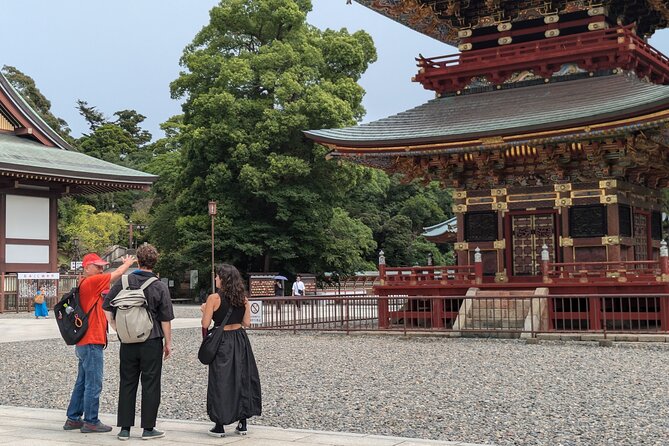
- Naritasan Shinshoji Temple is the quick cultural anchor: a major temple with power-spot style stops.
- About 10 minutes by train to Narita Station: simple, fast access to the sights.
- Your return is timed to your connecting flight: the tour aims to get you back with breathing room.
Making the most of a Narita layover without the head-scratching
Narita is one of those airports where time disappears fast. This tour is built for that reality. From the start, you’re not left to wander, translate, and guess your way to a station. Instead, you meet inside the airport, then head out together.
I like that the schedule is compact—3 to 4 hours is long enough to feel like you stepped into Japan, but short enough that you’re not gambling with your next gate. The tour also explicitly plans the return based on your connecting flight timing, which matters when your layover is measured in minutes, not vibes.
The other thing I appreciate is the focus on “highlights near Narita Airport.” This keeps the day from turning into a transportation project. You’re not trying to see Tokyo’s biggest sights in a few hours. You’re seeing a concentrated slice of Japanese travel culture right where you land.
You can also read our reviews of more guided tours in Narita



Meeting inside Narita Airport, then the quick train jump to Narita Station
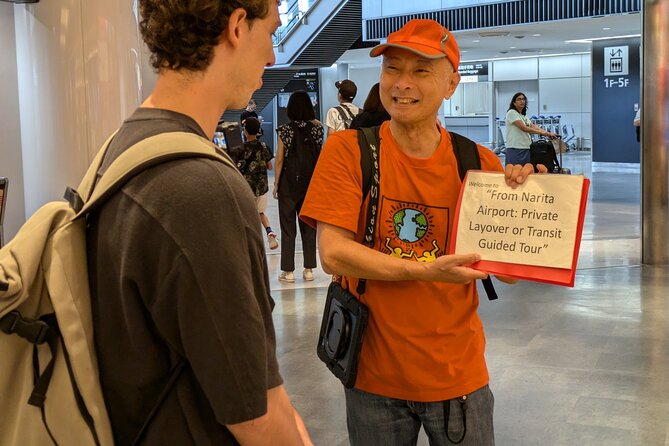
Logistics are where layover tours win or lose. Here, the win is simple: you don’t have to hunt for your guide after you land. You gather inside Narita Airport, then you travel together to the station and take a train to Narita Station in about 10 minutes.
That short train segment is also why you should plan for cash. The train fare is around 500 yen, and the tour notes that some stores don’t accept credit cards. I’d treat this like a “cash-first” day: if you have a few bills ready, you won’t get stuck while everyone else is moving.
Also plan for luggage reality. The tour is a walking tour, and it specifically says large luggage should be left at the airport. You might use a coin locker for smaller items, but coin locker fees are not included—so assume you’ll pay something extra if you need storage.
Finally, passport and entry rules are your responsibility. The tour mentions that visa requirements depend on the country that issued your passport, so check before you count on leaving the airport.
Naritasan Omotesando: the 800-meter approach street for snacks and souvenirs
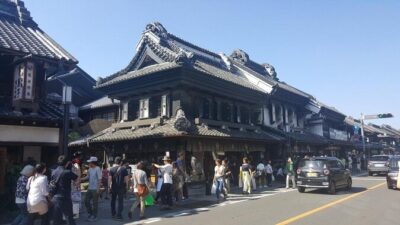
Your first stop is Naritasan Omotesando, the main approach to Naritasan Shinshoji Temple. Think of it as a classic Japanese gate-town street: about 800 meters from in front of Narita Station toward the temple grounds.
This is where you get a “walk-on-a-picture” feel without needing long museum time. The street has been a flourishing gate town since the Edo period (1603–1867), and it still shows vestiges of that era. It’s also practical: you get a lot of choices in a small area.
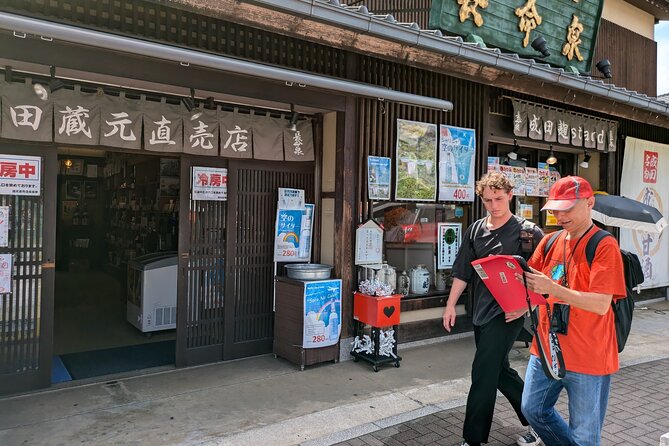
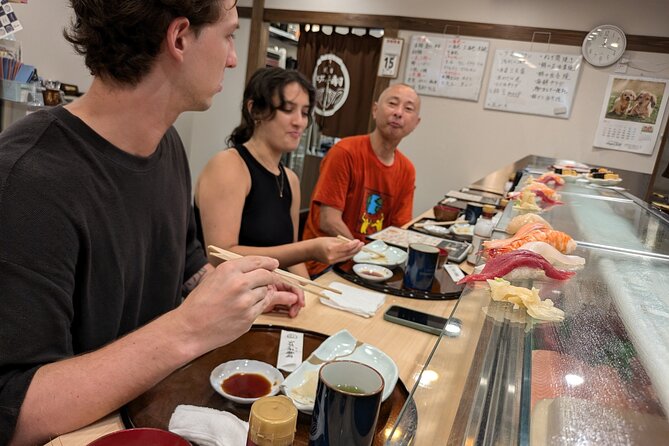
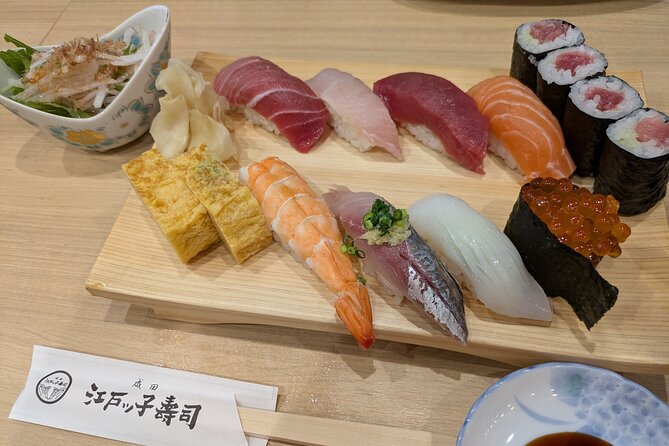
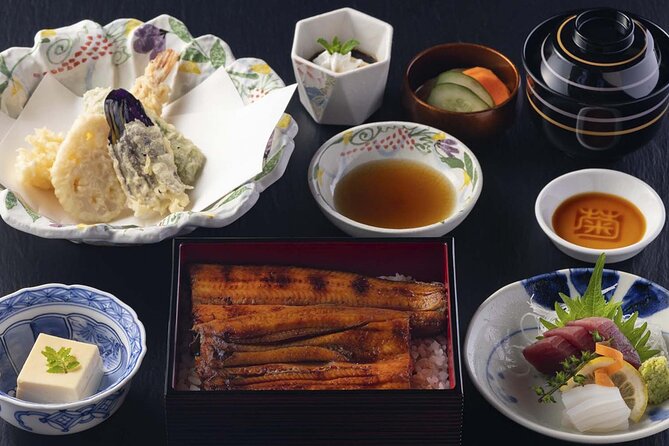
What makes this stop worthwhile is the density of everyday travel moments. There are more than 150 restaurants and souvenir stores along the way. If you’re hungry, you can follow the food smells and go for something local—eel dishes are singled out as famous here. If you’re shopping, you’ll find plenty of traditional-style items and temple-area souvenirs.
Admission here is listed as free, and the stop lasts about 1 hour. That time window is perfect for:
- a quick snack or light meal
- buying a couple of gifts without turning it into an all-day shopping mission
- taking photos without needing a whole photo plan
The drawback is also simple: it’s a busy approach street. You’ll be walking in a crowd at least some of the time. If your comfort level is low with crowds, go with the flow and focus on the parts you want—food, crafts, and the walk toward the temple.
Shinshoji Temple grounds: power spots, rituals, and a calmer pace
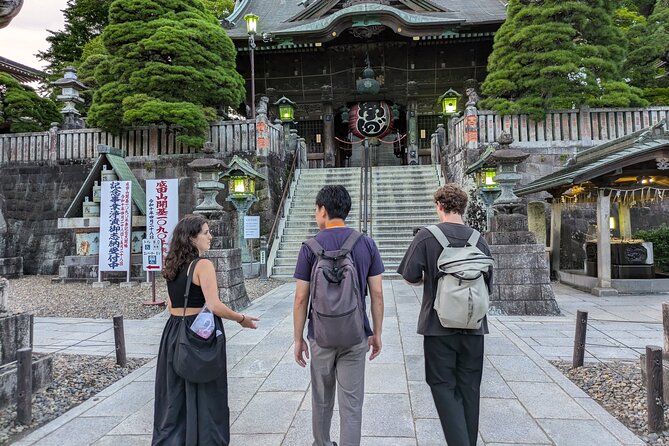
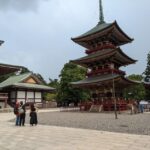
The second stop is Naritasan Shinshoji Temple, a site with history reaching back more than 1080 years. It’s also very popular—over 10 million visitors annually—so this isn’t some quiet backstreet temple. Still, the tour gives you a chance to experience it without turning it into a rushed checklist.
The temple grounds are described as spacious, with a park area that has nature, plus a variety of “power spots” said to improve luck. Even if you’re not super into fortune-ritual culture, these designated spots are useful because they give your walk structure. You’re not wandering aimlessly—you’re moving along a path of meaning.
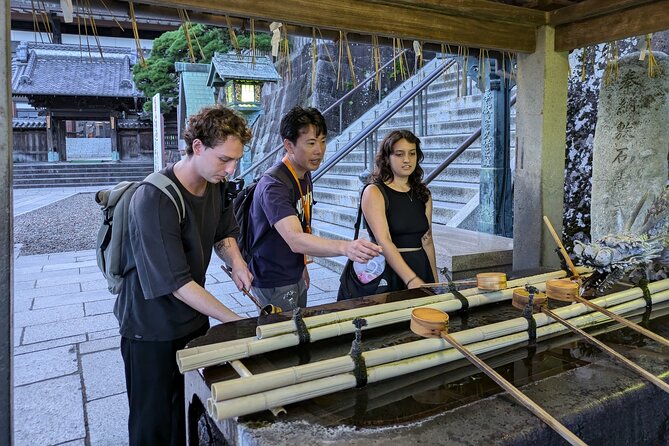
There are also hands-on programs and red seal visits mentioned. Those sound like the kind of small activities that make a quick layover feel personal rather than generic. You’ll also notice the tour wording about healing body and soul at Narita Pilgrimage, a tradition worshipped since the Edo period. Even if you’re not catching every historical detail, you’ll feel the temple’s role as a place people return to.
Like the approach street, the visit here has free admission. The total time allocation is about 1 hour. One practical tip: plan to spend part of that hour simply looking—watching how people move, where they pause, and how the grounds are arranged. In a short tour, “notice what locals notice” is what makes the experience feel real.
Guides that adjust to your layover (and keep you on schedule)
A big part of why this tour works for layovers is the human element. Multiple guide names show up in the feedback: Chiho, Fusako, and Fushuko. The common thread is that guides were described as kind, attentive, and willing to tailor the day to what the group wanted to see.
In a layover context, “tailoring” matters for two reasons:
- You might have different priorities—temple details vs. shopping vs. a specific kind of food.
- Your timing might be slightly unpredictable—early disembarkation, late immigration flow, or a connection change.
People also mention the guide taking extra time to make sure they reached their onward flight on schedule. That’s the difference between a tour that looks good on paper and one that respects your real day.
So if you book, take advantage of that flexibility. Before you start walking, tell your guide:
- what you care about most (temples, photos, food, souvenirs)
- whether you’re cutting it close for the next flight
- whether you want a slower pace or a faster “hit the key spots” plan
You’ll get more value because the itinerary is built for highlights, not for rigid temple-robot timing.
You can also read our reviews of more private tours in Narita




Price and value: what the $150 actually buys you
The price is $150.00 per person for a private guided experience lasting about 3 to 4 hours. It’s often booked around 29 days in advance, which is another hint that people use it as a practical layover tool rather than a casual sightseeing option.
Here’s how I’d judge value for this kind of tour:
What’s included:
- the guide’s fee
What’s not included:
- train fare (around 500 yen, bring cash)
- possible coin locker fee if you need storage
- lunch (not included)
- airport/departure tax (not included, as noted)
- anything beyond what you choose to buy on Omotesando
Admission is free for both the Omotesando approach segment and the Shinshoji Temple stop (per the tour details). That’s a big deal for value. You’re paying primarily for local guidance, route planning, and the “don’t get lost” benefit that matters when your time horizon is a few hours.
You should also expect day-to-day costs. Lunch is not included, and the tour gives a realistic budget: a regular Japanese dish around 2,000 yen, with higher-end options 3,000 to 4,000 yen.
Is it worth it? For a short layover, I usually say yes—because you’re buying time and confidence. A DIY plan can be done, but you’d be juggling station navigation, ticket machines, and getting back to the airport. With a guide, you shift your energy to what you actually came for: seeing something meaningful before the next flight.
What to expect walking-wise, time-wise, and weather-wise
This is a walking tour, and it’s designed to fit a layover. That means:
- expect steady walking between the station area and the temple area
- plan to keep luggage minimal (large luggage should stay at the airport)
- wear comfortable shoes that can handle uneven temple-ground paths and busy sidewalk crowds
Weather is another factor. The tour notes it requires good weather. If weather cancels the experience, you’ll be offered a different date or a full refund. For a layover, that’s one more reason to choose a flight window wisely.
Also remember: it’s private only for your group. That’s great for comfort and pacing, but it also means you’re not spreading the guide cost across a big shared group in the way some bargain tours do. If your group size is small, it can still be a smart purchase, but you’ll want to weigh it against the price of doing the trip on your own.
Who this tour is best for (and who should consider another plan)
This tour suits most travelers because it’s structured, short, and centered on two clear sightseeing stops. It’s especially good if you fall into one of these groups:
- You have a layover and want an organized way to see Narita without stress.
- You want Japanese culture in a short window: temple + approach street beats sitting at gates for nine hours.
- You prefer guidance—so you don’t waste energy figuring out where to go next.
- You’re okay with walking and leaving large luggage in the airport.
It might not fit as well if:
- you have limited mobility or strong concerns about walking time (even if the tour says most travelers can participate)
- you strongly dislike cash-based logistics (because the train fare is expected to be paid in cash, and some shops may not take cards)
- you need a no-weather-risks plan, since the tour can be canceled if weather is poor
Should you book this Narita transit tour?
If your layover is long enough to feel restless, this is one of the more sensible ways to turn that downtime into a real cultural moment. I’d book it when you want structure, you want to see the Naritasan area, and you don’t want to gamble on getting back to your terminal on time.
I’d think twice if you hate walking, hate cash logistics, or you’re traveling with a setup that makes leaving luggage inconvenient. But if you can keep things light and you’re okay with a concentrated “temple + street” experience, this tour is built for exactly your kind of day.
FAQ
How long is the Narita Airport layover guided private tour?
It runs about 3 to 4 hours.
Where do we meet the guide?
You gather inside Narita Airport, so you don’t have to figure out a separate meeting point.
How do we get to the sightseeing area?
You travel together to Narita Station by train, which takes about 10 minutes.
What are the main places we visit?
You visit Naritasan Omotesando and Naritasan Shinshoji Temple.
Is admission included for the temple and approach area?
Admission is listed as free for the Omotesando area and the Shinshoji Temple stop.
What should I budget for besides the tour price?
Train fare is around 500 yen (cash recommended), lunch is not included (often 2,000 to 4,000 yen depending on what you choose), and there may be a coin locker fee if you use one.
Is a visa required to enter Japan for a layover?
It depends on the passport you hold, and the tour notes that you should check visa requirements in advance.