REVIEW · NARITA
3 Day Japan Highlights Tour: Tokyo, Mt.Fuji, Nara, Kyoto, Osaka
Book on Viator →Operated by Nihon Travel · Bookable on Viator
Three days, five big regions, zero guesswork.
This small-group highlight tour links Japan’s classic stops with comfort, an English-speaking guide, and planned breaks that help you see more without running yourself ragged.
I like the way the day plans balance icons with calmer side moments, like Kamakura’s Great Buddha plus ocean views from Enoshima, then the crater-lake cruise in Hakone. I also like the pacing: you get real scenery on Mt. Fuji views days, then full cultural anchors like Nara’s Todai-ji and Kyoto’s Kiyomizu route options.
The main drawback to plan for: many sights have separate admission fees, so the tour price isn’t the full trip cost. You’ll also spend a lot of the days on the road in an air-conditioned vehicle—great for comfort, less great if you hate transit days.
In This Review
- Key highlights you’ll actually feel
- Why this tour works: comfort + classic route logic
- Price and what you pay for (and what you’ll pay extra)
- The small-group advantage (and where it helps most)
- Day 1: Kamakura’s Great Buddha, Enoshima’s sea air, then Hakone’s crater lake
- Day 2: Mt. Fuji viewpoints, Oshino Hakkai ponds, wind caves, and a Nagoya evening
- Day 3: Nara’s deer park, Todaiji scale, Kyoto’s temple lanes, and Osaka’s Dotonbori night
- Hotel nights: what you should expect from the “3-star” base
- Pickup, mobile tickets, and how to reduce travel friction
- Who this tour fits best
- Should you book this 3-day Japan highlights tour?
- FAQ
- What is the total duration of the tour?
- Where does the tour start?
- Does the tour include pickup from hotels?
- Is there an English-speaking guide and what group size should I expect?
- What is included in the price?
- Are lunch and dinner included?
- Do I need to pay for attraction tickets?
- Is there a mobile ticket?
- What if I need to cancel?
- Where does the tour end?
Key highlights you’ll actually feel
- Small group (max 23) with an English-speaking guide, so questions don’t get lost in the noise
- Guide-led crowd-smart routes, especially around Kyoto’s Kiyomizu area
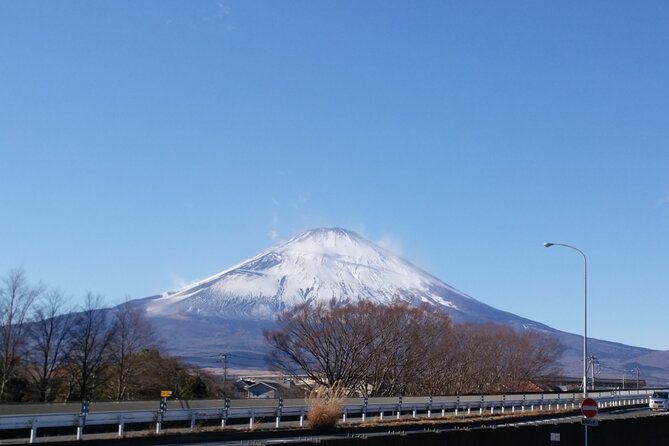
- Mt. Fuji viewpoints across multiple stops, not just one quick photo stop
- Hakone crater-lake experience with ropeway + pirate ship options for big scenery
- Two included breakfasts and a 3-star hotel base to reset at night
- Real evening flavor in Osaka and Nagoya, not just temples
Why this tour works: comfort + classic route logic
This is the kind of trip that’s designed for first-timers, repeaters, and everyone between. The route stitches together places that are famous for good reason—Kamakura, Hakone, Mt. Fuji area, Nara, Kyoto, and Osaka—while keeping you inside a small-group structure.
What makes it feel efficient is that you’re not just “hopping” between cities. You’re moving in a guided flow with breaks built in: tea and scenery stops, short walks where they matter, and time to actually enjoy the view before you’re herded into the next place.
Also, the guide name that keeps showing up is Matt. In the reviews, Matt gets praised for giving a full itinerary while still staying flexible if you want to linger at a viewpoint or adjust your interests. That’s the difference between a rigid bus tour and a tour that feels usable.
You can also read our reviews of more tours and experiences in Narita.



Price and what you pay for (and what you’ll pay extra)
At $1,310.55 per person for about 3 days, this tour isn’t cheap. But it bundles the stuff that usually costs time and headaches: an air-conditioned vehicle, WiFi on board, parking fees, road tolls, 3-star accommodation, and two breakfasts.
The big “yes, but” is that most attraction tickets are not included. Some are listed as free, some are included (like Lake Ashinoko Sky Line), and many others are ticketed. Based on the stops, you should expect additional costs such as:
- Hakone Ropeway (2,000 yen)
- Hakone Pirate Ship (1,700 yen)
- Saiko Iyashi no Sato Nemba (500 yen)
- Fugaku Wind Cave (300 yen)
- Todai-ji (800 yen)
- Kiyomizu-dera (500 yen)
- Optional tea ceremony at Entoku-in (1,300 yen)
If you’re trying to budget tightly, this is the part to plan upfront. If you’re okay paying for experiences you’d choose anyway, the value starts making sense: you’re not just paying for transport—you’re paying for having someone group the right sights into the right order.
The small-group advantage (and where it helps most)
With a maximum of 23 travelers, this tour stays human-sized. That matters most at busy temples, shrine areas, and viewpoints where quick decisions and finding the right meeting point can otherwise turn into stress.
In practical terms, a small group helps you:
- keep a steady pace without waiting forever at each stop
- ask questions about what you’re seeing (not just “what photo can I get?”)
- take crowd-smart routes when the plan allows it
It also helps when you’re dealing with transit. Moving through Japan’s busy corridors is easier when everyone is following the same guided rhythm—and you’re not trying to translate routes while also trying to beat the line.
Day 1: Kamakura’s Great Buddha, Enoshima’s sea air, then Hakone’s crater lake
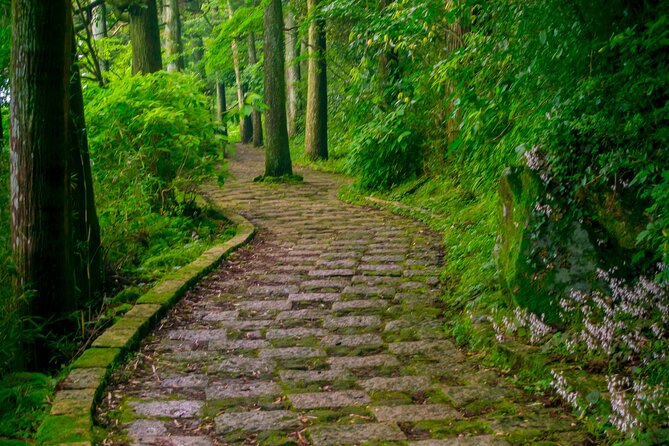
Day 1 is a packed mix of coastal history and volcanic drama. It starts with one of Japan’s best-known big statues: Kotoku-in’s Great Buddha of Kamakura. You’re looking at an 11-meter bronze figure with roots going back to the 1200s. The cool part is how quickly it sets the tone: you go from modern coastal Japan into old temple gravitas in about half an hour.
Right after, Hasedera Temple adds texture. It’s famous for a major wooden sculpture (a goddess of mercy figure) plus gardens and ocean views. If you like temples that feel like places you can slow down—this is a good one. The gardens and sightlines help the stop feel less rushed.
Then comes Enoshima Island, which is where the trip turns more casual. You’ll find a shrine complex, sea caves, and a public bath option. If the weather cooperates, this is also a good lunch-style stop because seafood around the area is easy to find and you’ll have multiple options.
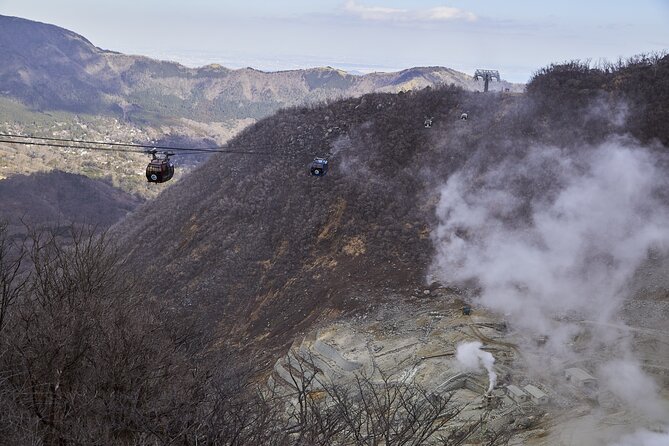
Next you move to the volcanic theme of Hakone. The Hakone Ropeway gives you a mountain-to-view shift quickly, and you also get a calm moment with a foot bath before the gondola ride. The ride price is separate, but it’s exactly the type of experience that turns a “sightseeing day” into a “memory day.”
After that, Owakudani Hell Valley is the quick-hit stop: sulphur vents and the famous black eggs boiled in the springs. It’s short on time, but it gives you a sensory reminder that Mt. Fuji’s region isn’t just scenic—it’s geologically active.
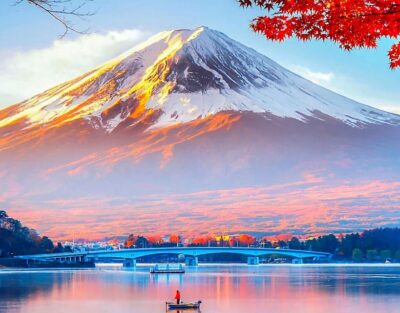
Then the day’s signature scenery: the Hakone Pirate Ship on Lake Ashi (crater-lake waters). On clear days, Mt. Fuji may show itself in the background. Even if it doesn’t, the whole lake setting still works because volcano craters and water make a dramatic combo.
You finish at Hakone Jinja and then Lake Ashinoko Sky Line (included). That sky-line stretch is there to lock in the view and let you move with the group instead of scrambling for the best angles on your own.
Practical note: Day 1 rewards people who can handle short walks and quick transitions. It’s not a hiking-only plan, but it does move.
Day 2: Mt. Fuji viewpoints, Oshino Hakkai ponds, wind caves, and a Nagoya evening
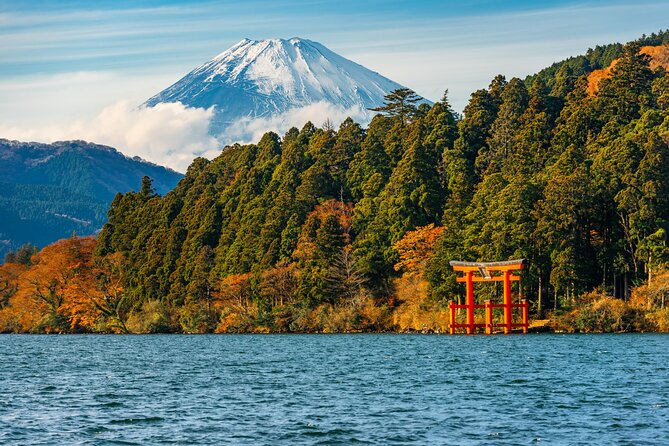
Day 2 is built around the Mt. Fuji area, and it’s smarter than “one day, one viewpoint.” You get multiple chances to see Fuji in different moods—tea, village ponds, shrine footpaths, parks, and lava-tube formations.
You start with a Fuji stop designed for quick culture and local tastes—tea plantation views and regional specialties. It’s short, but it signals what you’re doing today: seeing Fuji’s region as more than a single mountain photo.
Next, Oshino Hakkai is the postcard pocket: eight crystal-clear ponds tied to springs fed by Mt. Fuji. You’ll also have shops for local specialties. This is one of those stops where the small time investment pays off because the area feels like a mini world away from city motion.
Then you hit Kitaguchi Hongu Fuji Sengen Jinja, a shrine with roots going back to the early 100s. It’s surrounded by cedar and serves as a traditional starting point for climbing. Even if you’re not climbing, it’s a neat “why Fuji matters” stop.
After that, Oishi Park is a payoff viewpoint if the day is clear. Parks like this are where the tour’s “avoid crowds” promise becomes realistic—you get a guided moment rather than a free-for-all line search.
Then the day gets charming and slightly theatrical at Saiko Iyashi no Sato Nemba, where you can dress in kimono or samurai armor and explore a traditional thatched-roof village. The admission is separate. If you like hands-on culture rather than just looking, this is a fun break from temples and traffic.
After the village comes something different: Fugaku Wind Cave. Lava tube caves act like a natural refrigerator for ice most of the year. It’s a short visit, but it’s memorable because it gives Fuji’s region a science-y side that most sightseeing plans skip.
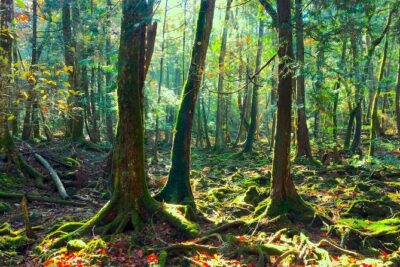
Aokigahara Forest is next for a quick walk. The tour keeps it brief, but it’s a place people associate with legend and eerie stories. If you’re not into spooky topics, keep the walk short and focus on your comfort level.
Then you end with Shiraito Falls. Two waterfalls plus snack options make it a good decompression stop before the travel and night plans.
Finally, you reach Nagoya in the evening, with time in Sakae district for shops and restaurants. Since lunch and dinner aren’t included, this is where you get to pick what you actually want to eat. It also breaks up the long day with normal city life.
Practical note: Day 2 has both “outdoor clarity” and “indoor curiosity.” If weather is uncertain, the plan still gives options across varied stops.


Day 3: Nara’s deer park, Todaiji scale, Kyoto’s temple lanes, and Osaka’s Dotonbori night
Day 3 starts with Nara Park and its over-friendly deer. This is one of those experiences that’s famous for a reason: it’s immediate, playful, and easy to enjoy with the guide keeping you on the right paths. You’ll get a guided walk for about two hours.
Then comes the big weight of the day: Todai-ji Temple. Founded in the 700s, it houses the world’s largest bronze Buddha statue inside an enormous wooden hall. Even if you’re not a temple superfan, the scale is the point—you feel how important this place was.
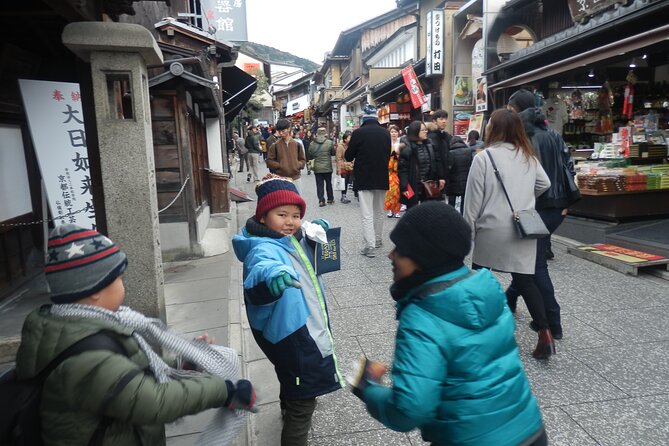
After Todai-ji, you move into Kyoto’s spiritual and street-level atmosphere. One of the best-known stops is Kiyomizu-dera Temple, and the tour keeps an eye on timing and route choice to help you avoid most of the worst crowds. You’ll also have traditional shops nearby, which makes it feel less like a “temple photo stop” and more like a neighborhood experience.
Next, Entoku-in adds a quieter cultural layer. You’ll visit Hideyoshi’s wife Nene’s family home and garden, built in 1605, and you can add a short tea ceremony for an extra fee. Even if you skip the tea, the fact that this stop exists in the plan is a sign the tour isn’t only about the headline attractions.
Then you go to Arashiyama Bamboo Forest. If time runs short, the plan suggests a less crowded bamboo grove at Kotoku-in temple. That’s practical. Bamboo forests can be photo-chaos in peak hours, so having a Plan B that keeps the vibe is a smart detail.
After Arashiyama, you head to Fushimi Inari-taisha, famous for more than 10,000 orange torii gates forming tunnels up the mountain. This is one of Japan’s most recognizable shrine visuals, and it’s also a place where you can choose how far you want to climb depending on energy.
You close in Osaka at Dotonbori, with time to explore back street alleys in the entertainment district. This is where your trip turns from heritage and scenery into food smells and neon-like street energy. Since dinner isn’t included, you get to choose your own Osaka style.
Practical note: Day 3 is where your feet will feel it. You’ll do a lot more walking than in a pure “sit in the vehicle” plan, but the stops are spaced enough to stay enjoyable.
Hotel nights: what you should expect from the “3-star” base
You’ll stay in 3-star accommodation for the trip. The plan doesn’t list the exact hotel name here, so I can’t promise a specific vibe or location. But I can tell you why it matters: a 3-star base usually means a simpler setup that’s reliable for sleep, shower, and breakfast days.
Since you’re only getting two breakfasts included, your nights are when you’ll likely go out for dinner (especially in Nagoya and Osaka). So the hotel’s role is mostly recovery, not “the destination.”
A good strategy is to treat the room as a reset button. Charge your phone, plan your shoes for the next day’s walking, and keep your ticket costs in mind so you’re not stressed at every stop.
Pickup, mobile tickets, and how to reduce travel friction
The tour offers pickup and you can start from your hotel or port of entry in Tokyo or Narita. Your meeting point is Narita Airport Terminal 2·3 Station. Pickup is especially helpful if you’re landing and don’t want to fight trains right away.
You’ll also use a mobile ticket, which tends to reduce paperwork and confusion. Add in WiFi on board, and you can look up train connections for after the tour if you decide to extend your trip on your own.
The ending location is in a different place (with specifics pointing you toward Osaka’s entertainment area). That’s normal for multi-day routes, but it’s good to plan your next step—like booking your final hotel in Osaka—so you’re not stuck thinking on the last night.
Who this tour fits best
This is a good match if you want:
- the big Japan hits without building an itinerary yourself
- an English-speaking guide and small-group pacing
- multiple Mt. Fuji chances, not just one brief stop
- a mix of temples, scenic stops, and city evenings
It’s also stated as suitable for all ages and levels of fitness, which makes it appealing for families or couples who want to keep things manageable. That said, you should still expect daily walking at temple sites and parks—just not extreme hikes.
If you’re the kind of traveler who hates any road time at all, you might find the transit heavy. But if you’re okay trading some sitting for the ability to see a lot in a short window, it works.
Should you book this 3-day Japan highlights tour?
Yes—if you want a fast, guided route with comfort, structure, and flexible sightseeing. The best part is how the plan groups major sights in a sensible flow: Kamakura sets the coastal temple tone, Hakone adds volcanic drama and lake views, Mt. Fuji day gives you multiple angles, and Nara/Kyoto/Osaka complete the cultural-to-food arc.
Maybe think twice if you:
- hate paying separate entrance fees at multiple stops
- expect every view to be a clear Mt. Fuji day (weather can be fickle in that region)
- want long free time in each place to wander alone
If you book, I’d pack light layers for outdoor stops, keep a rough yen budget for tickets (and optional tea), and pick one or two “must linger” moments. With a guide like Matt and a small group size, those personal priorities can actually matter on a trip this tightly scheduled.
FAQ
What is the total duration of the tour?
The tour runs for about 3 days.
Where does the tour start?
It starts at Narita Airport Terminal 2·3 Station.
Does the tour include pickup from hotels?
Yes, pickup is offered, including from your hotel or port of entry in Tokyo or Narita.
Is there an English-speaking guide and what group size should I expect?
The tour includes an English speaking guide, and the group size is capped at a maximum of 23 travelers.
What is included in the price?
Included items are WiFi on board, an air-conditioned vehicle, parking fees, road tolls, 3-star accommodation, and breakfast (2).
Are lunch and dinner included?
No. Lunch and dinner are not included.
Do I need to pay for attraction tickets?
Many stops have admission fees listed separately. Some entries are free, some are included, but several major sights require extra tickets.
Is there a mobile ticket?
Yes, the tour includes a mobile ticket.
What if I need to cancel?
You can cancel up to 6 days in advance for a full refund, with smaller refunds if you cancel closer to departure.
Where does the tour end?
The tour ends in a different location, and the plan’s final stop is Dotonbori in Osaka.