REVIEW · NARITA
Naritasan Shinshoji Temple before Your Flight
Book on Viator →Operated by Fulfilling Inc. · Bookable on Viator
A quiet temple stop can turn airport stress into calm. You get a private guide and a simple, pre-flight plan to see Naritasan Shinshoji Temple, plus a garden and the lively Omotesando street area. It is a smart way to add something genuinely Japanese to a long day, without building in uncertainty.
I especially like the relaxed pacing. The tour is built for wandering: you walk, you ask questions, and you can shape the stops around what you care about. I also like that the temple itself is the star, with standout sights like the Goma Fire Ritual and a site that has been around for over 1000 years.
The main thing to watch is timing. This is about 4 hours, starting at 10:00 am, so you need enough buffer to make it back comfortably to the airport later. Also, your lunch is not included, so plan where you want to eat.
In This Review
- Key Highlights You’ll Feel Right Away
- Why Naritasan Shinshoji Fits Perfectly Before Flying
- How the Private Format Helps You (Not Just the Sights)
- Getting There Smoothly on a 10:00 am Start
- Stop 1: Naritasan Shinshoji Temple and the Goma Fire Ritual
- Over-1000-year temple scale you can actually enjoy
- The Goma Fire Ritual as the signature moment
- A temple you can ask questions inside
- Stop 2: Naritasan Park for Japanese Garden Seasonality
- Stop 3: Omotesando Street for Food, Souvenirs, and People-Watching
- Price and Value: What You’re Really Paying For
- Timing Tips for Real-Life Flight Days
- What Kind of Traveler Should Book This?
- Should You Book This Tour Before Your Flight?
- FAQ
- How long is the Naritasan Shinshoji Temple pre-flight tour?
- What time does the tour start?
- Where is this experience located?
- Is this tour private?
- What’s included in the price?
- What is not included?
- Are temple or park admissions included?
- What’s the walking and fitness level like?
- Can I cancel for free?
Key Highlights You’ll Feel Right Away
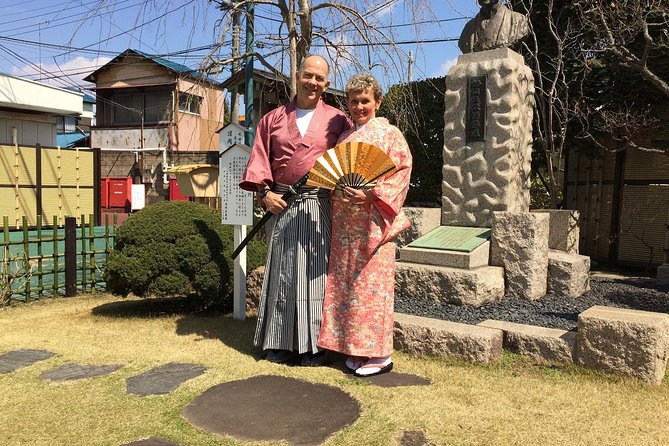
- Naritasan Shinshoji Temple: big, historic, and easy to reach from the airport area
- Goma Fire Ritual: a signature experience that many people list as the must-see
- Naritasan Park garden: seasonal color behind the temple grounds
- Omotesando Street: about 800 meters of restaurants and souvenir shops from Narita station
- Private guide + private transport: you control the pace and ask questions as you go
- Mobile ticket: helpful if you want a lighter, less paper-heavy day
Why Naritasan Shinshoji Fits Perfectly Before Flying
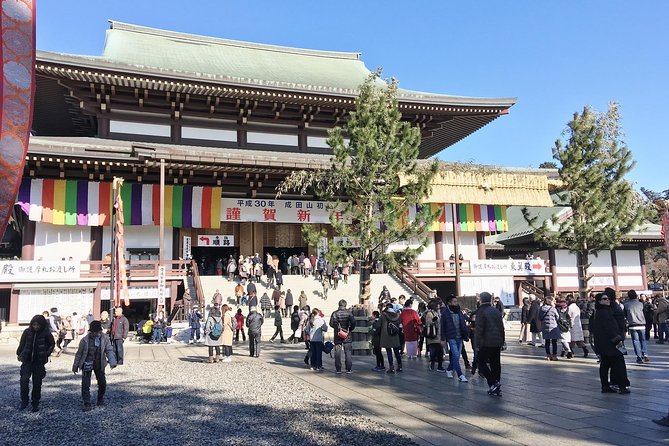
If your flight day feels like a scramble, this kind of tour is a lifesaver. Narita Airport can eat up your time. So rather than treating the temple area as a detour, this puts it into a neat block of time before your later departure.
What makes Naritasan Shinshoji work is the mix. You get a major Buddhist temple that many people overlook, then a quieter garden moment, then a human-scale street where you can snack and browse without needing a long commute. It feels like a full taste of Japan in one morning-to-early-afternoon window.
And the temple has weight. The site traces back over 1000 years, with five buildings recognized as important cultural properties. It also draws huge crowds, with more than one million visitors, which helps explain why it is so well set up for real visits, not just sightseeing from a distance.
You can also read our reviews of more tours and experiences in Narita.



How the Private Format Helps You (Not Just the Sights)
This is not a bus-tour stampede. It is a private tour, built around your group only. That changes everything about what you can do with your time.
With a private guide, you can:
- ask follow-up questions without feeling rushed
- move at a comfortable walking pace
- choose how long you want in shops versus quiet temple moments
- adjust the day if your flight day is eating into your energy
A few guide details matter here. One guide name you may see in feedback is Hideaki (and you might also see the name written as Hideako). The consistent praise is about being polite, respectful, and thorough about history and culture, while still keeping the day friendly and manageable. That blend is exactly what you want when you are short on time.
Getting There Smoothly on a 10:00 am Start
You start at 10:00 am, and the experience ends back at the meeting point. That matters because you are not guessing how to get from temple area back into airport logistics later. It is a closed loop.
The tour is also described as near public transportation, and you get included transportation costs. In other words, you are not trying to solve Japan transit math while also keeping an eye on the clock. For many people, that is the biggest hidden value.
Still, be honest about your schedule. A 4-hour block can feel short if you are starting the day with luggage delays, a late breakfast, or a complicated transfer plan. You want breathing room. If your flight is tight, consider whether you can comfortably handle the full routine plus travel time afterward.
Stop 1: Naritasan Shinshoji Temple and the Goma Fire Ritual
This is the centerpiece, and it earns it. You spend about 1 hour at Naritasan Shinsho-ji, with the main attention on the temple grounds and the temple experience.
Here’s what you should look for and why it is worth your time:
Over-1000-year temple scale you can actually enjoy
This is not a tiny shrine tucked into a corner. Naritasan Shinshoji has a long timeline and multiple major buildings. You are also looking at a site where five buildings are designated as important cultural properties. That means you get to see the kind of architecture and layout that Japan protects carefully.





The Goma Fire Ritual as the signature moment
One highlight called out clearly is the Goma Fire Ritual. Even if you do not know the ritual’s background, this is the kind of event that gives shape to the visit. It is the difference between watching temples from afar and feeling like you are stepping into a real moment of practice.
A temple you can ask questions inside
One of the most praised parts of this kind of experience is the chance to talk with your guide while you are walking. If you like learning as you go, you will probably enjoy how a good guide connects what you see with what it means.
Drawback to consider: one hour sounds neat, but temples have layers. If you prefer a slow, contemplative visit, you may want to ask your guide to prioritize what you care about most—main halls, ritual areas, or specific buildings recognized as cultural properties.
Stop 2: Naritasan Park for Japanese Garden Seasonality
Behind the temple, there is a Japanese garden in Naritasan Park, and it is included for about 30 minutes. This is a small time slice, but it can be a perfect reset after the temple energy.
The garden has seasonal highlights:
- plum blossoms in February
- cherry blossoms in March
- autumn leaves in November
If you are visiting outside those months, you may still enjoy the garden’s calm design, but the seasonal “wow” is what you are aiming for. So if you are planning around blossoms or fall color, this stop is one more reason that timing your trip can pay off.
Practical tip: treat this as your photo break and your breathing break. You are not racing. You’re letting the day soften.
Stop 3: Omotesando Street for Food, Souvenirs, and People-Watching
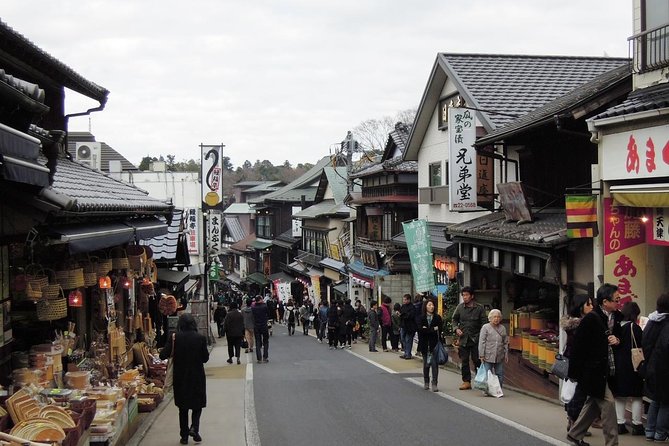
After the temple and garden, the day shifts into a very Japanese rhythm: a walk along Omotesando Street.
This stretch is about 800 meters from Narita station to the temple area and includes more than 150 restaurants and souvenir shops. That kind of density is useful. It means you are never stuck hunting for something simple like a drink, a snack, or a last-minute gift.
This is also where the tour gets practical. Your guide can help you decide what is worth your time when you are limited. In past experiences with this tour style, people have highlighted enjoying local shops along the way, sometimes with food tastings and general stroll time built in.
A consideration: street browsing can turn into spending faster than you expect. If you want souvenirs, great. If you are budget-conscious, set a small plan before you arrive (one snack, one gift, done).
Price and Value: What You’re Really Paying For
The price is listed as $78.18 per person. On paper, that is easy to compare with a ticket and some transit. But value here is not just transportation. It is time + decision support.
You are paying for:
- a professional guide
- private format (your group only)
- included transportation costs
- guide’s transportation cost and lunch cost
- a schedule that takes you from temple to garden to shopping without you having to design the whole route
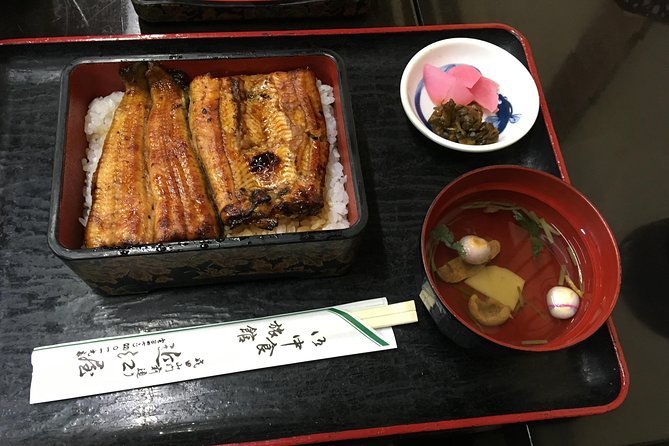
Your lunch is not included. That said, the guide’s help still matters because you can eat at the right moment and not waste time sorting out what to buy. If you want to keep costs controlled, look for a set meal style option in the Omotesando area and stop early so you do not eat so late that you feel rushed later.
Another value point is how far the tour goes in a short window. You get major sights plus local street life, all before your flight. For travelers who only have Narita time on a single day, that alone can justify the price.
Timing Tips for Real-Life Flight Days
The tour starts at 10:00 am and lasts about 4 hours. Here is how I think about it:
- If your flight is late afternoon or evening, this is usually a comfortable use of the day.
- If your flight is earlier, you should be more cautious. A 4-hour tour can be fine, but you still need time for airport entry, potential transfers, and waiting.
A smart mindset: treat this as an upgrade to your day, not a gamble. You want to finish the tour without feeling like your next step is stress.
Also remember: the pace is moderate physical fitness level. Most people can handle it, but there is walking involved, especially around the temple approach and the 800-meter street stretch.
What Kind of Traveler Should Book This?
This tour is a good match if you:
- want a meaningful cultural stop without building your own itinerary from scratch
- have a long layover and would rather trade airport time for a temple + garden morning
- like asking questions and hearing the stories behind what you see
- want a private day that keeps flexibility for your group
It is also a strong choice for couples who want a calm walk. In feedback, one highlight is simply walking from the meeting point to the temple, chatting, and stopping in local shops at a comfortable pace.
Where it may not fit: if you are the type who wants to wander independently with zero guidance, you might feel you are paying for structure you do not need. But even then, the private format can still be worth it if you want help choosing where to focus.
Should You Book This Tour Before Your Flight?
I would book it if Narita time is limited and you want a smooth, guided way to see Naritasan Shinshoji without wrestling transport and timing. The combination is practical: temple first, a garden reset, then Omotesando street life where you can eat and browse.
If you are deciding last-minute, ask yourself one question: do you have enough buffer after a 10:00 am start to comfortably reach the airport later? If the answer is yes, this is a solid way to turn a waiting day into an actual experience.
If your schedule is tight or you hate guided time, you might be better off doing a simpler independent plan. But for most flight-day scenarios, the private guide + organized route is exactly the kind of value that keeps the day enjoyable.
FAQ
How long is the Naritasan Shinshoji Temple pre-flight tour?
It lasts about 4 hours.
What time does the tour start?
The start time is 10:00 am.
Where is this experience located?
It takes place in Narita, Japan, with sights near Narita Airport.
Is this tour private?
Yes, it is a private tour/activity, and only your group will participate.
What’s included in the price?
Included items are a professional guide, guide’s transportation cost, guide’s lunch cost, private tour, and transportation cost (train).
What is not included?
Your lunch is not included.
Are temple or park admissions included?
Admission tickets for the temple and park are listed as free for this experience.
What’s the walking and fitness level like?
The tour notes a moderate physical fitness level, and it involves some walking.
Can I cancel for free?
Yes. Free cancellation is available up to 24 hours in advance for a full refund.