REVIEW · TOKYO
Tea Ceremony Workshop in Tokyo by the Experienced Instrucor
Book on Viator →Operated by 静心 · Bookable on Viator
Slow tea time beats hurried sightseeing. This Tokyo workshop in Asakusa is built around Chado (Zen tea ceremony) basics, then gets practical fast with a short history video, a formal koicha moment, and a hands-on usucha lesson.
What I like most is the training pedigree: it’s run through a school licensed by the Urasenke Chado School in Kyoto. I also like that you don’t just watch—you practice serving tea as both host and guest and then make your own thin matcha, usucha, with foam.
One thing to plan for: the tearoom is on the second floor in an older 1940s house with a steep staircase and no lift or assistance equipment. If you have mobility limits (or just dislike steep stairs), this is the main catch.
In This Review
- Key things to know before you go
- Chado in Asakusa: what you’re actually learning
- Meeting point, new address, and getting upstairs without stress
- The first 30 minutes: Sakura welcome, video intro, and the calm reset
- Koicha ceremony performance: tasting strong matcha and learning the why
- Practice serving: host-and-guest skills you can feel immediately
- Usucha hands-on lesson: making thin matcha with foam
- Sweets, meditation, and the little moments that make it stick
- Price and value: is $38.47 worth 1.5 hours?
- Who this workshop is perfect for (and who should reconsider)
- What to bring (and how to arrive like a pro)
- Should you book this Tokyo tea ceremony workshop?
- FAQ
- What is the price per person?
- How long is the tea ceremony workshop?
- Where is the workshop meeting point in Tokyo?
- Why does the address matter, and what is the correct one?
- What should I wear or bring for the tea room?
- Do I have to sit seiza style on the tatami mats?
- What will I taste and what will I make?
- Is there an instructional video before the ceremony?
- Is this workshop suitable for children?
- Can I cancel for a full refund?
Key things to know before you go
- Urasenke-linked training through a Kyoto-licensed school makes this feel legit, not casual
- Host-and-guest serving practice turns a show-and-tell class into real ceremony flow
- Two matcha styles: koicha (strong) and usucha (thin, foamy) with tasting of both
- Socks required and no bare feet, plus a dress code that favors comfort
- Small group size (max 6) for a calmer pace and more direct attention
- Stairs to the tea room are steep in a 1940s building, so wear grippy footwear and plan ahead
Chado in Asakusa: what you’re actually learning
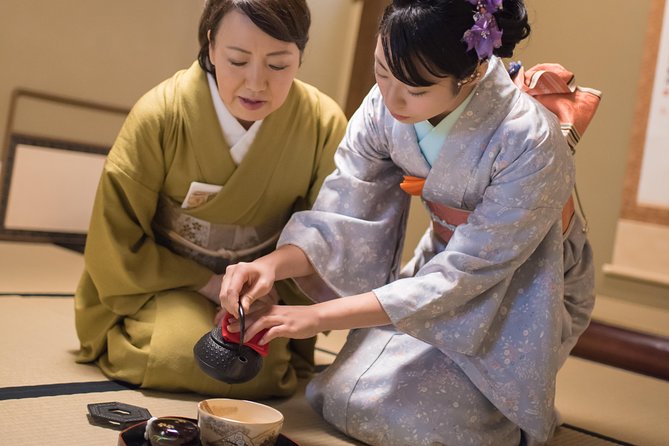
This is a short, focused Chado workshop, but it’s not watered down. The structure is built to give you three layers: what Chado is, what it tastes like, and what it feels like to perform it the right way.
You’ll start with the big idea through a short intro video (10 minutes). Then the session shifts into the tearoom experience—tatami mats, a quiet pause, and a formal ceremony demonstration centered on koicha, the thick matcha that’s often treated as the heart of the ritual. After that, you move from watching to doing, making usucha, the thinner matcha with a creamy foam.
One smart touch here is that you’re not only learning matcha as a drink. You’re learning it as a ritual of attention: how tea is prepared, how it’s served, and how the moment slows down. The workshop even includes a meditation break, so you’re not rushing through the experience like it’s just another Tokyo activity.
You can also read our reviews of more tours and experiences in Tokyo


Meeting point, new address, and getting upstairs without stress
The meeting point is listed as 2-chōme-3-12 Kotobuki, Taito City, Tokyo 111-0042. That puts you in the Asakusa/Taito area, near public transportation, so you shouldn’t need a long taxi ride to start.
Then comes the important detail: the workshop site has a new address of 2-3-12, and Google Maps may show 2-3-3. Before you leave, I’d type the exact number into your map app to avoid the classic last-minute wrong turn.
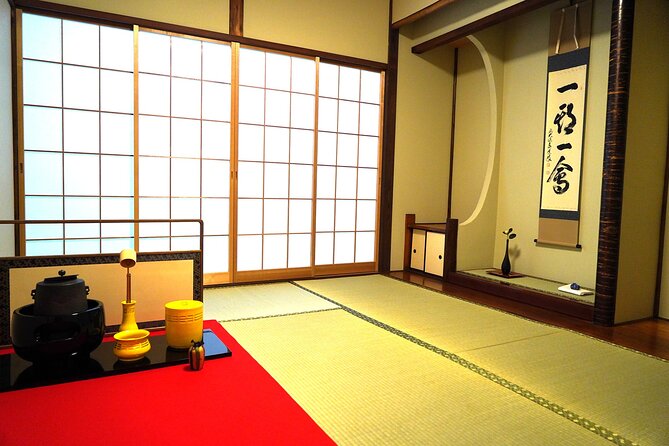
The tearoom itself is on the second floor of an older Japanese-style house built in the 1940s. There’s no equipment to assist with going up, and the stairs are very steep. If you’re coming with parents, kids, or anyone who struggles on stairs, this is the one part where you should plan earlier than you think you need to.
Also keep in mind there’s a weight capacity for the building. Even if the schedule typically handles up to eight on paper, the operator may adjust timing to balance that limit for safety. If you’re booking for a group and anyone has mobility or weight concerns, it’s worth emailing ahead.
The first 30 minutes: Sakura welcome, video intro, and the calm reset
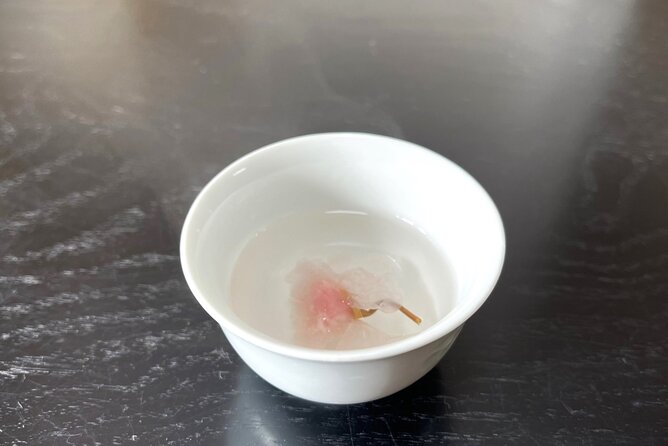
Your experience starts with a welcome drink: Sakura tea (cherry blossom) served by the host. It’s a small moment, but it works like a curtain-raiser. You taste something light and seasonal before you get into the heavier matcha flavors.
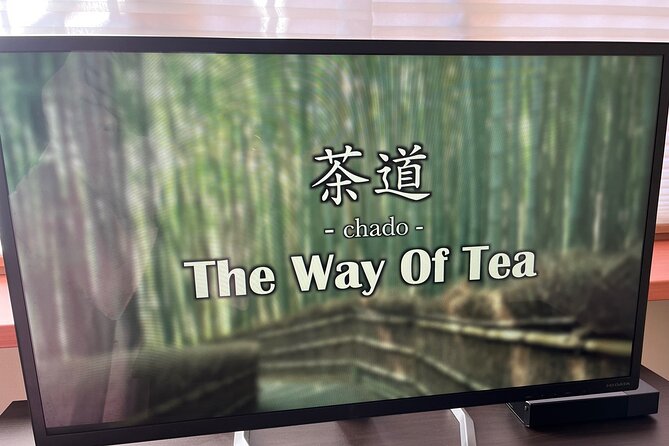
Next you watch an intro video that covers the history and core concepts of Chado. This matters because later steps can feel abstract if you don’t know what the ceremony is trying to teach. The video gives you the mental frame: Chado isn’t about speed or flash. It’s about form, mindfulness, and respect.
Then you move into the tea room itself, where you’ll learn about the tearoom and take time for the quiet rhythm of the session. Even though the class is structured, this isn’t a loud, constant-activity tour. The workshop’s pacing leaves room to feel the difference between ordinary drinking and ceremonial drinking.
Koicha ceremony performance: tasting strong matcha and learning the why
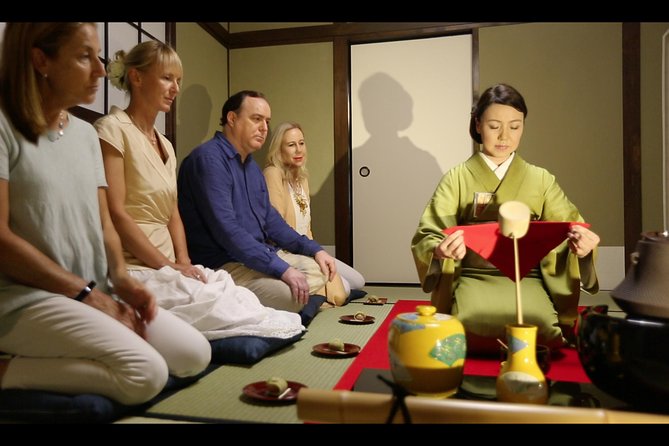
One of the most praised parts of this workshop is the koicha segment, and it’s easy to see why. Koicha is the formal performance-style matcha in the ceremony. You’ll watch the process for making it, then taste it.
Here’s the value for you: koicha isn’t just “strong matcha.” It’s a different texture and drinking experience. The thick consistency is part of the ritual and part of the flavor profile, and that changes how you perceive the matcha—more mellow, more rounded, less sharp than you might expect from a standard matcha you buy at a cafe.
Before you taste, you’ll also get instruction on tea bowls from different regions and how bowl shapes can affect the overall experience. That might sound like a detail, but it’s actually part of how Chado teaches attention. The bowl isn’t random décor. It influences the feel of pouring, the way the surface presents, and how the tea meets you.
If you’ve ever wondered why tea ceremonies obsess over small tools, this is where it clicks. You’re learning that in Chado, the object and the motion are part of the flavor.
Practice serving: host-and-guest skills you can feel immediately
Chado is often seen as a performance you watch. This workshop takes a different approach. It includes practice serving tea as both a host and a guest, so you understand the give-and-take of the ritual rather than just mimicking a hand movement.
In practical terms, you’ll get the chance to participate in the flow—how tea is presented, received, and treated with care. Even if your first attempt isn’t perfect, participation helps you avoid the most common mistake: treating matcha as a product instead of a shared moment.
And because the group size is capped at six, you’re not just one body in a crowd. You’re in a setup where it’s easier to slow down and correct your own habits without feeling rushed.





Usucha hands-on lesson: making thin matcha with foam
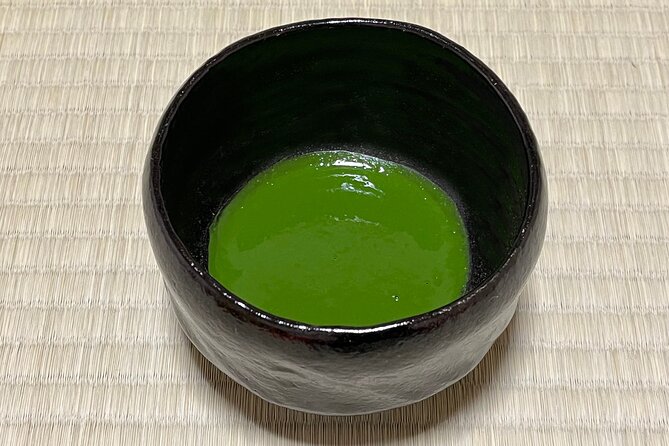
After tasting and learning the koicha side, you move to the hands-on part: making usucha, the thinner matcha served with a thicker foam on top.
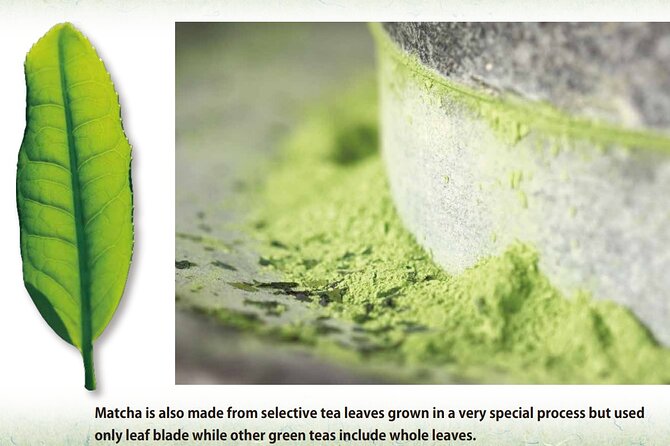
Before you create your bowl, the workshop includes dry sweets. Then you’ll learn about matcha powder itself—what it is and how it functions in the drink. That background helps you understand why the powder behaves the way it does, especially when you whisk.
Then it’s your turn. You’ll make a bowl of usucha, using the ritual tools and steps taught during the session. The goal isn’t just drinkable matcha. It’s learning the method well enough that you get the foam and texture you’re aiming for. The final result becomes your reference point for future matcha experiences back in your hotel or kitchen.
If you want souvenirs, I’d think of this as the real one: a small taste skill you can repeat. You’ll leave knowing what good foam looks like and how the drink changes when the method changes.
Sweets, meditation, and the little moments that make it stick
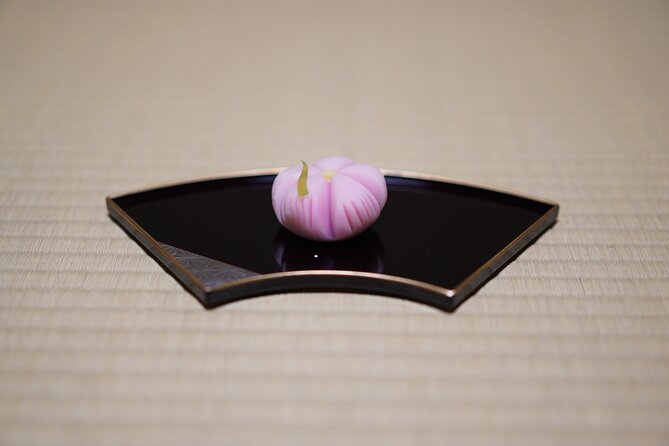
Food is part of the ceremony experience here. You’ll enjoy traditional Japanese confectionary along the way. The workshop includes both confection during the earlier portion and dry sweets before the usucha drink.
There’s also a meditation moment, where the whole point is to step out of the busy Tokyo mental mode. This isn’t “sit and suffer.” It’s a pause, built into the flow, so you can feel what Chado is trying to train: attention.
The strongest versions of this workshop are the ones where you leave with a sense of calm you didn’t fully expect. A number of people mention that the class feels calming from start to finish, and the structure supports that: video → room → koicha performance → quiet → hands-on making → taste.
Price and value: is $38.47 worth 1.5 hours?
At $38.47 per person for about 1 hour 30 minutes, this sits in a reasonable “experience class” range for Tokyo. The bigger question is what you get for the price, and here the value is in the combination:
- You get instruction through a Urasenke-licensed school background
- You get both a koicha tasting and an usucha making session
- You get a tea room setting with tatami and ceremony pacing
- You get more than one matcha-related lesson (koicha, usucha, matcha powder, tea bowls)
You’re also paying for small-group attention. With a max of six, your participation is more likely to be guided than if you were in a big group where you can’t actually do much.
And the popularity signal is real: it’s had 10+ bookings in the last month and a strong overall score (4.9/5 across 189 ratings, with 98% recommending it). That doesn’t guarantee quality, but it does suggest consistency.
Who this workshop is perfect for (and who should reconsider)
This is ideal if you want a compact, meaningful cultural activity in Tokyo. It works well for couples, small groups, and families with older kids because the workshop is designed for age 10 and above.
It’s also a good pick if you like instruction that turns into a skill. You’ll watch a formal koicha segment, then you’ll actually make your own usucha. That’s more satisfying than just tasting one cup and leaving.
You might reconsider if steep stairs are a problem for your group, since the tea room is on the second floor with very steep stairs and no assistance machinery.
And if you’re extremely sensitive to dress code rules: avoid miniskirts and tight pants. The workshop also requires no bare feet in the tea room and asks you to bring socks.
What to bring (and how to arrive like a pro)
This workshop is simple to prep for, but a few details matter.
Bring socks—they’re required in the tea room. Wear clothing you can comfortably move in while following ceremony steps. Also plan to arrive a few minutes early so you’re not rushing when it’s time to go upstairs.
If you’re coming during cooler months, socks are easy anyway. If it’s warm, still bring them. You won’t want to improvise at the last second.
Once you arrive, follow the operator’s instructions about seating. You don’t have to sit in seiza style on tatami mats. If you can’t sit on the tatami in any way, the workshop can provide a chair. That’s a thoughtful option and makes the experience easier for more people.
Should you book this Tokyo tea ceremony workshop?
If you want a high-quality taste of Chado without spending half a day or hunting down an advanced language-heavy class, I think this is a strong booking choice. The Urasenke-licensed school link, the koicha-to-usucha flow, and the fact that you actually participate (including serving practice) are the reasons.
Book it if you like structured cultural activities where you leave with both meaning and a repeatable skill—your own usucha.
Skip or plan carefully if stairs are a challenge in your group. Otherwise, you’re getting a calm, focused, small-group ceremony lesson that fits well into a Tokyo itinerary.
FAQ
What is the price per person?
The workshop costs $38.47 per person.
How long is the tea ceremony workshop?
The experience lasts about 1 day 1 hour 30 minutes (approximately).
Where is the workshop meeting point in Tokyo?
Meet at 2-chōme-3-12 Kotobuki, Taito City, Tokyo 111-0042, Japan.
Why does the address matter, and what is the correct one?
The note says the new address is 2-3-12. It also warns that Google Maps may show 2-3-3 for some reasons.
What should I wear or bring for the tea room?
Miniskirts and tight pants are not recommended. No bare feet are allowed in the tea room, and you should bring socks.
Do I have to sit seiza style on the tatami mats?
No. You don’t have to sit seiza style on the tatami-mats. If you can’t sit on the tatami in any way, a chair can be provided.
What will I taste and what will I make?
You’ll have Sakura tea as a welcome drink, taste koicha (strong matcha), and make and drink usucha (thin matcha with foam).
Is there an instructional video before the ceremony?
Yes. There is an introduction video that runs about 10 minutes to cover the history and core concepts of Chado.
Is this workshop suitable for children?
It’s designed for participants age 10 and above.
Can I cancel for a full refund?
Yes. Cancellation is free up to 24 hours in advance for a full refund. If you cancel less than 24 hours before the start time, the amount paid is not refunded.