REVIEW · TOKYO
Tokyo 2-Hour Genuine Samurai Experience: Kendo in Japan
Book on Viator →Operated by SAMURAI TRIP · Bookable on Viator
One thing I love about Japan is the chance to try something old-school. This 2-hour Kendo workshop gives you practical swordsmanship skills, plus the etiquette that makes it more than just a workout.
I especially like that you’re not left on your own with gear. You work with an instructor who explains things in easy-to-understand English, and you practice with equipment and armor provided.
The only real catch is that kendo is physical. The protective kit is heavy, it can feel warm, and the class can include positions like kneeling, so go with athletic clothing and tell the instructor if anything bothers your body.
In This Review
- Key things you will notice fast
- Kendo in Tokyo: what this 2-hour class actually gives you
- Price and logistics near Higashi Nippori (what $118.92 buys)
- Walking into the dojo: gear, etiquette, and what to wear
- Learning the basics: strikes, form, and one-on-one coaching
- The tournament-style combat game: where it gets real
- Kendo armor and the weight issue (how to stay comfortable)
- Morning vs afternoon sessions: which one fits your Tokyo plan
- Who this kendo workshop is best for
- Value check: why this feels worth the money
- Should you book this Kendo experience?
- FAQ
- How long is the Kendo workshop?
- Where does the experience meet in Tokyo?
- Do I need any Kendo experience beforehand?
- What’s included in the price?
- Is pickup included?
- What should I wear to the session?
- What’s the minimum age?
- How big is the group?
Key things you will notice fast
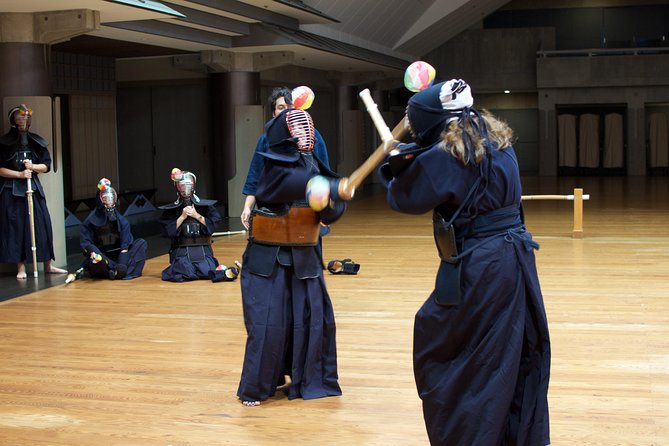
- English-guided instruction so you can actually learn what you’re doing, not just copy poses
- Armor and equipment included, so you can focus on training instead of shopping
- Tournament-style practice game that turns basics into pressure-tested strikes
- Small group size (max 15), which helps you get attention during drills
- Samurai etiquette + culture, taught alongside the physical techniques
- Water + souvenir towel included, a small comfort after a tiring session
Kendo in Tokyo: what this 2-hour class actually gives you
Kendo is often described as the path of the sword in Japan. In practice, that means controlled movement, respectful interaction, and clean strikes, all under a clear set of rules.
This workshop is built to be do-able for beginners and still satisfying if you have some martial arts experience. You’ll learn practical moves, then test them in a mock tournament-style combat game. The “samurai culture instruction” part matters too, because you’re training a discipline, not just swinging a bamboo sword.
If you like hands-on activities that feel authentic, this one hits the sweet spot. It’s short enough to fit into a Tokyo day, but it’s active enough that you’ll feel like you actually learned something.
You can also read our reviews of more tours and experiences in Tokyo

Price and logistics near Higashi Nippori (what $118.92 buys)
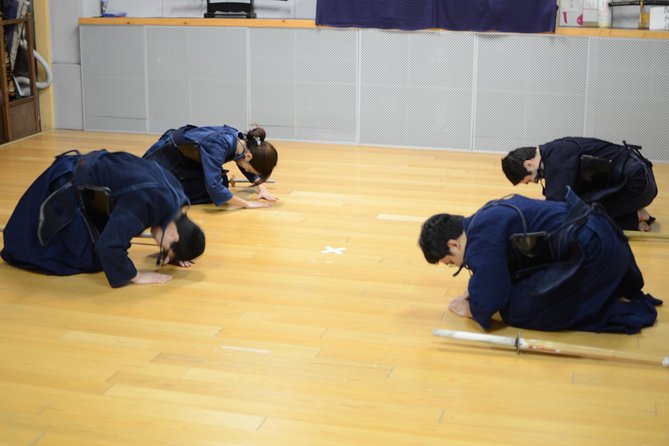
At $118.92 per person, you’re paying for a guided, equipment-included training session with a professional instructor. It’s not a cheap “look and watch” experience, but it is good value for what’s included: armor rental, training gear, bottled mineral water, and a souvenir towel.
You’ll need to get to the dojo on your own. The meeting point is 誠道館ビル4 Chome-7 Higashinippori, Arakawa City, Tokyo 116-0014, Japan, and the activity ends back at the meeting point.
Two practical notes:
- Hotel pickup/drop-off isn’t included, even though pickup is listed as an option. In other words, don’t plan on being collected from your hotel door.
- The location is near public transportation, so you can route it easily once you’re in the city.
Also, the tour runs about 2 hours. That timeframe is just right: enough time to get suited up, learn basics, and do the sparring-style game without dragging on.
Walking into the dojo: gear, etiquette, and what to wear
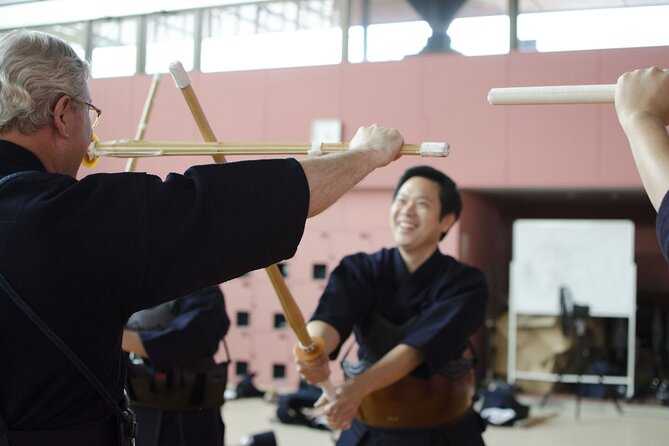
The session starts at the dojo building in Arakawa (Higashinippori area). Since you make your own way there, I’d treat this like a scheduled class: plan to arrive early so you can settle in.
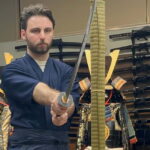
Once you’re there, you’ll learn how to put on the kendo uniform and protective equipment. Based on real class experiences from participants, that usually means dressing in a jacket-like top and trouser-like uniform, then adding the protective gear. The goal is not to dress perfectly on your first try—it’s to get you safe, comfortable enough to move, and ready for strikes.
What I really like here is the etiquette piece. Kendo has a strong culture of respect and discipline. You aren’t just told rules at the start and forgotten. You practice with guidance so your form and attitude match the sport.
What to wear:
- Comfortable athletic clothes under the gear
- Shoes suited for walking to the dojo and short movement
- If you have knee issues, think ahead (the training can involve kneeling)
And hydrate before you go. The class is active and the gear is heavy fabric, which can get warm.
Learning the basics: strikes, form, and one-on-one coaching
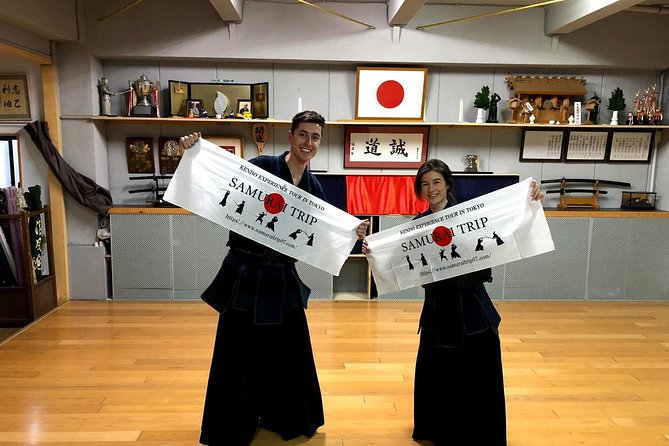
This is a workshop, not a passive tour. Your instructor leads you through practical kendo moves step by step, with demonstrations built in. There’s also a clear focus on fundamentals, which is exactly how you improve fastest in a short session.
You’ll likely cover the core mechanics that make kendo work:
- How to hold and control the bamboo sword
- How to line up a strike to the proper target area
- How to move your feet and body so your hit is clean, not wild
- How to recover and reset after each attempt
One of the best parts is the attention you get during drills. The experience is described as working with an instructor who speaks English easily, and multiple participants praised the patience and clarity of the teaching.
There’s also a culture layer here. If you’re curious about what samurai-style discipline looks like today, you’ll get more than costumes. You’ll learn why kendo etiquette matters and how training routines support respect, control, and fairness.
The tournament-style combat game: where it gets real
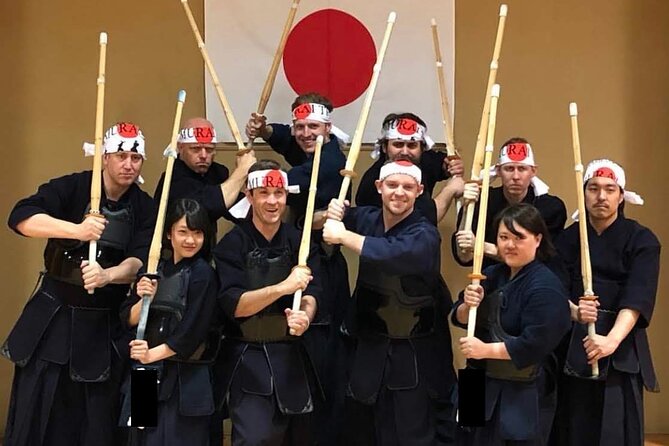
The highlight is the tournament-style combat game. This is where the class stops being “practice in a vacuum” and becomes something closer to real sparring rules—still mock, but still intense.
You’ll use the moves you learned and try to score with accurate strikes. Expect hands-on pressure: your opponent is moving, your timing matters, and your posture has to hold up under contact and rhythm.
If you’ve never done contact-style drills before, this part is the mental shift. You move from doing the motion to reacting to another person. That’s also why it’s so memorable. You’ll feel the difference between landing a good hit and rushing into a swing that doesn’t score.
It can be tiring too. Even though it’s only two hours, the combination of protective armor, repeated footwork, and short bursts of sparring adds up quickly.
My practical advice: focus on accuracy and control over speed. In kendo training, the “right strike” feeling is better than flailing faster.




Kendo armor and the weight issue (how to stay comfortable)
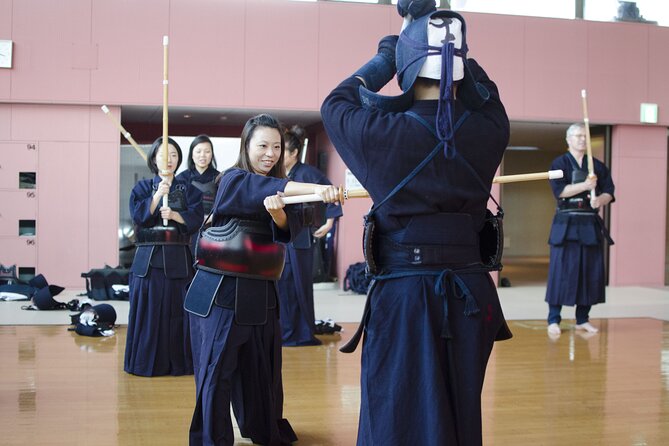
Kendo gear is not lightweight. Protective equipment is required for safety, and that means extra weight and warmth.
Based on participant tips, a good strategy is to:
- Drink water before you start
- Tell the instructor about any injuries or limitations
- Expect at least one break during the session since bottled mineral water is included
If you have bad knees, don’t hide it. One participant specifically recommended speaking up so the instructor can help you skip movements that cause pain, like kneeling. That kind of adaptation is exactly what keeps the experience fun instead of stressful.
Also remember: you’re in a short training session. The goal is to participate, not to prove toughness. If you need to adjust for comfort, do it early so you can train with confidence.
Morning vs afternoon sessions: which one fits your Tokyo plan
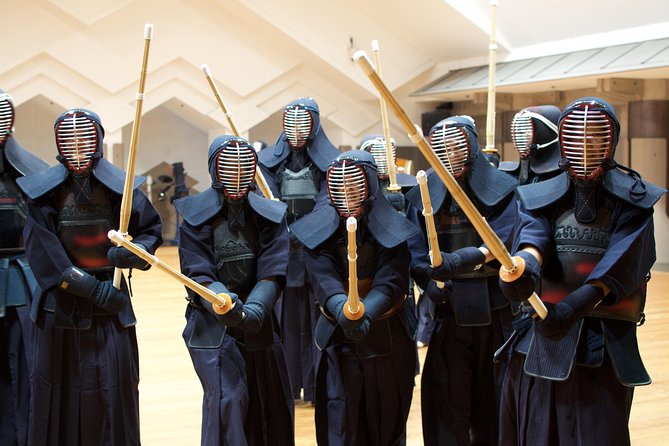
You can choose either a morning or afternoon session, which helps if you’re planning a tight Tokyo itinerary.
If you want energy for active drills, I’d lean toward a time slot when you’re not already exhausted from walking Tokyo all day. After all, you’ll be suiting up and doing repeated bursts of movement.
Morning sessions can pair nicely with shrine or neighborhood wandering later, since you’ll likely finish with enough stamina to go explore. Afternoon sessions are great if you like a slower start and want the workout as the anchor event of the day.
The session is only about two hours, and it ends back at the meeting point, so it’s easy to plug into a schedule.
Who this kendo workshop is best for
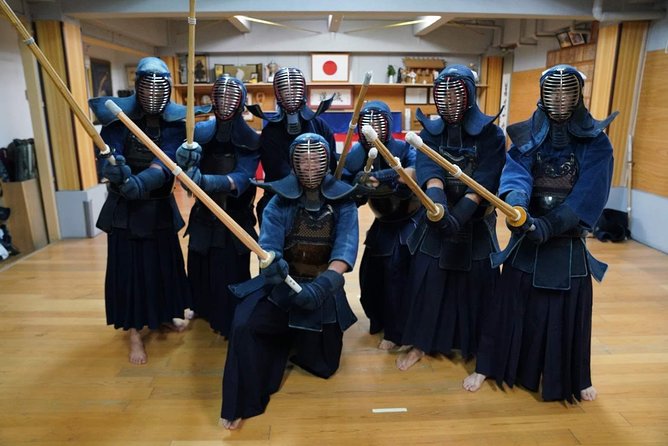
This workshop welcomes all experience levels, so beginners are the target—not just people who already train.
I’d especially recommend it if you:
- Want an authentic, active Japan experience beyond temples and photos
- Like learning by doing with expert instruction
- Are traveling with kids (minimum age is 9)
- Want a small-group activity (max 15) that isn’t too intimidating
It may be less ideal if you’re looking for a totally calm, low-effort activity. The listed requirement points to strong physical fitness level, and the gear weight makes it more physical than people assume.
And if you’re traveling with family, it can be a solid bonding activity. Multiple participants described it as a standout family day, partly because you all get suited up and share the same training moment.
Value check: why this feels worth the money
Here’s what you’re really buying with this kendo experience:
- A structured lesson with clear teaching, not random trying
- Equipment and armor rental included, so you’re not paying extra or hunting for gear
- A short, intense, skill-building session that ends with tournament-style practice
- Cultural context (etiquette and samurai sport mindset), so your understanding goes beyond moves
For Tokyo, $118.92 is not bargain-basement. But when you factor in the instructor-led coaching plus all the required gear, it becomes reasonable—especially compared to experiences where you pay for a guide but bring your own equipment.
The bottled water and souvenir towel are small extras, but they reinforce that you’re joining a real class routine, not just passing through an attraction.
Should you book this Kendo experience?
Book it if you want hands-on training that feels genuine and you’re okay with a workout. The short format works, because you get instruction, practice, and a sparring-style game within two hours.
I’d hesitate only if you have serious mobility limitations or you know your body can’t handle protective gear weight and active footwork. If you’re in that situation, still consider it—but plan to tell the instructor immediately about pain points so your movements can be adjusted.
If you’re the kind of person who likes learning a skill with instant feedback, you’ll probably love this. Kendo is physical, focused, and a little loud in the best way—then you leave with a real sense of how the sport is trained in Japan today.
FAQ
How long is the Kendo workshop?
It runs for about 2 hours.
Where does the experience meet in Tokyo?
The meeting point is 誠道館ビル4 Chome-7 Higashinippori, Arakawa City, Tokyo 116-0014, Japan, and the activity ends back at the meeting point.
Do I need any Kendo experience beforehand?
No. The workshop welcomes all experience levels.
What’s included in the price?
You get a professional instructor, rental kendo armor and equipment, bottled mineral water, and a Japanese hand towel.
Is pickup included?
Pickup is offered, but hotel pickup and drop-off are not included.
What should I wear to the session?
Wear athletic clothing you can move in, and consider your comfort if you have knee issues since the class can involve kneeling.
What’s the minimum age?
The minimum age is 9 years.
How big is the group?
The tour has a maximum of 15 travelers.