REVIEW · TOKYO
Tokyo: 2-Hour Asakusa Food Hunt & Cultural Tour
Book on GetYourGuide →Operated by Ninja Food Tours · Bookable on GetYourGuide
Asakusa tastes better with a plan. This Asakusa food hunt turns a short walk into a full-on eating lesson, with stops that include a standing sushi counter run by a fish dealer and a guided route through non-touristy side streets. I like the way it mixes food with culture, so you’re not just collecting bites—you’re learning how people eat and why these places matter. Guides such as Max, Shino, Chi, and Leigh have led groups on this route, and that guidance seems to make the whole experience click.
I also love the lineup: you’ll hit more than four local food vendors, including long-running family businesses (some with over 100 years behind them), and you’ll leave with a lunch-size amount of tastings. One thing to consider: it’s still a walk—about 1 to 2 kilometers total—so comfortable shoes matter, especially since it runs from 11:30 to 14:00 when the sun can be intense.
In This Review
- Key things that make this Asakusa food hunt work
- Why Asakusa’s side streets beat the usual food checklist
- Price and value: what $76 really buys you
- Where you meet and how the timing feels in real life
- Step-by-step itinerary: what you do and why it matters
- Stop 1: A standing sushi restaurant tied to a fish dealer
- Stop 2: Family-owned soba and gyoza in a local-feeling setting
- Stop 3: Handmade rice crackers from a 100+ year shop
- Stop 4: Japanese snack culture with roots in a Tokyo food stand
- Stop 5: Sensoji Temple, one of Tokyo’s major cultural anchors
- What the guides do well (and why it affects your day)
- Walking, comfort, and how to prepare
- Is this tour worth it for different kinds of travelers?
- Final verdict: should you book this Asakusa food hunt?
- FAQ
- Is this tour vegetarian-friendly?
- Where does the tour meet?
- How long is the tour?
- What time does it run?
- Is the tour guided in English?
- How big is the group?
- What food is included?
- What’s the price and what does it include?
- Is transportation included?
- What’s the cancellation policy?
Key things that make this Asakusa food hunt work
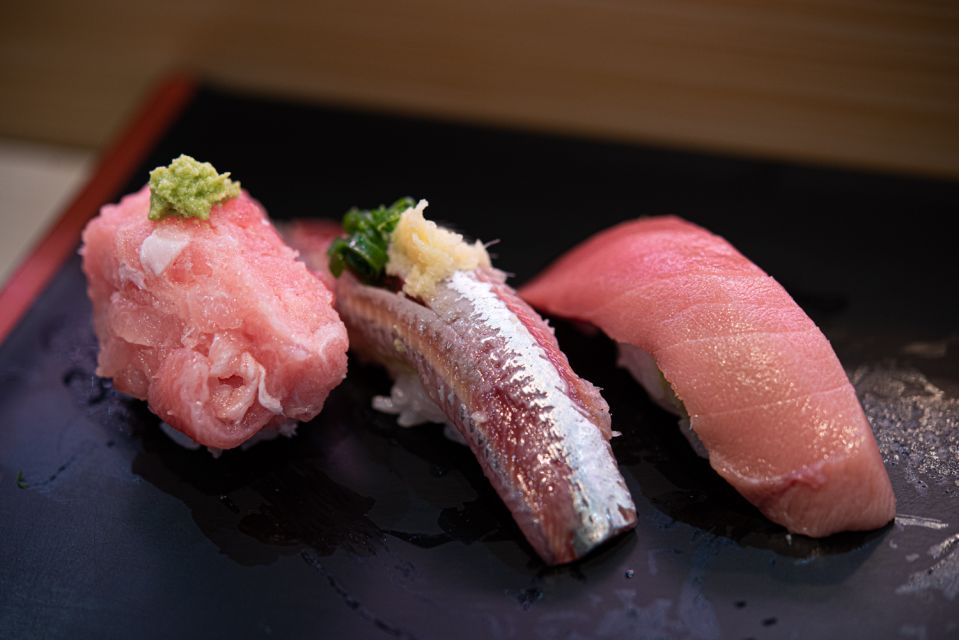
- Standing sushi instruction at a fish-dealer shop, with guidance on proper eating style
- More than four vendor stops that go beyond the usual tourist circuit
- Family-owned soba and gyoza in a local-feeling setting (the kind you might miss alone)
- Senbei (rice crackers) from a store with 100+ years of handmade tradition
- Snacks with roots in a Tokyo food stand from 50 years ago, not just random packaged treats
- Sensoji Temple as a culture reset between tastings, keeping the day from feeling like one long food crawl
Why Asakusa’s side streets beat the usual food checklist
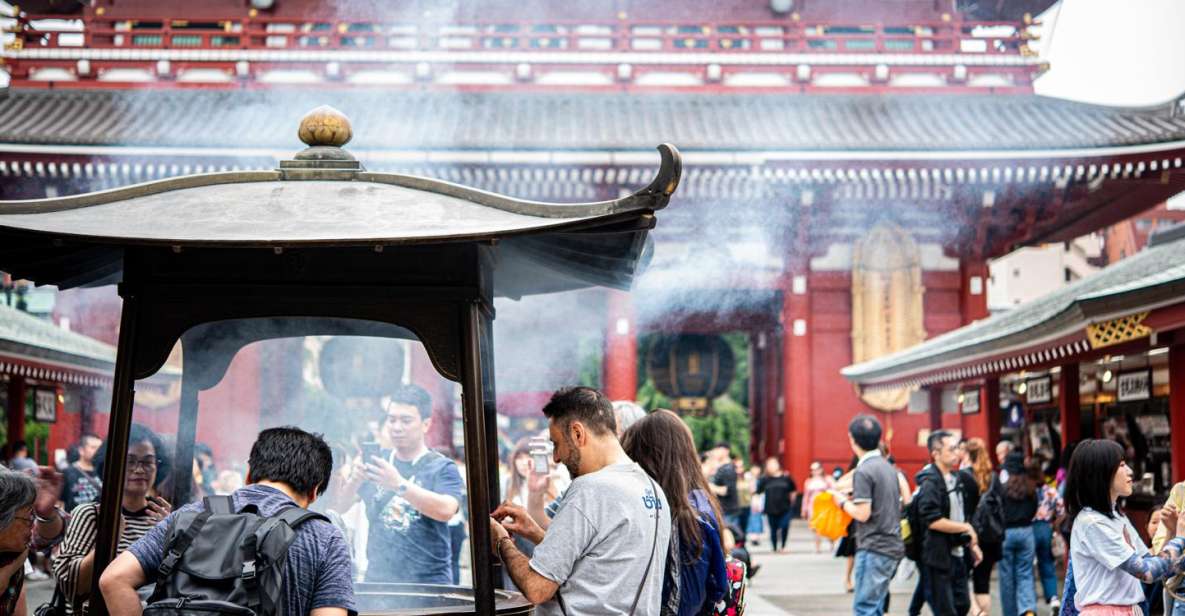
Asakusa is easy to visit and easy to overdo. If you only chase the obvious spots, you’ll often end up in the same lines, with the same menu photos, and the same question after: Was this worth the time?
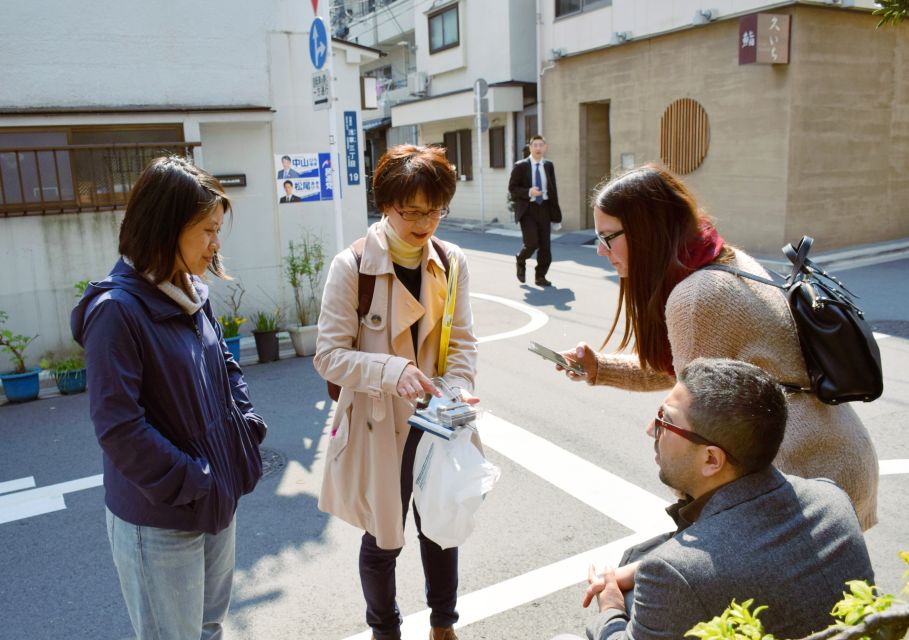
This tour changes the rhythm. You start in a recognizable launch point near Kaminarimon territory, then you walk into areas that feel more like everyday Tokyo—short streets, small storefronts, and family-run places where you can smell what’s cooking without needing a translator app.
The best part is that the tour doesn’t treat food as a sampler platter only. It treats food as a skill. That sushi stop is the anchor: it’s not just fresh fish, it’s an explanation of how to eat sushi properly, and that single lesson tends to make the rest of your trip sharper. If you’ve eaten sushi for years, you might still pick up small habits you didn’t realize you were missing.
You can also read our reviews of more food & drink experiences in Tokyo

Price and value: what $76 really buys you
At $76 per person for about 150 minutes, you’re paying for two things that are hard to self-coordinate in Asakusa:
1) A tight route of multiple tastings that adds up to a full lunch-sized amount, not just a few bites.
2) A guide’s filtering—the ability to choose places you might skip because they aren’t flashy or easily searchable.
Individually, you could absolutely eat your way through Asakusa. But the value here is the sequence and the access. Some guides on this format have taken people to spots they would otherwise wait in line for, and the schedule stays efficient enough that you’re not burning your limited time hunting for the next place.
Also, the group size is limited to 6. That matters more than many people expect. In a small group, you get time for questions, and you can move faster without feeling rushed. One review also mentioned special requests being handled, which is exactly what you want if you’re traveling with kids, older family members, or anyone who needs a slower pace.
Where you meet and how the timing feels in real life
You meet at Hinatomaru Kaminarimon, 1 Chome-20-3 Asakusa, Taito City, Tokyo. The tour runs 11:30 to 14:00 for 150 minutes.
That midday timing is great for hunger (you’re eating lunch, not nibbling dinner preview), but you should plan around the sun. Comfortable shoes are the obvious must, and it helps to dress in layers that can handle heat. One guide experience specifically emphasized rest out of the sun and keeping fluids available during hot weather—so you’re not being thrown out there with zero breaks.
Because the walking is roughly 1 to 2 kilometers, you don’t need to be a marathon person. Still, you should expect a steady pace and short transitions between stops.
Step-by-step itinerary: what you do and why it matters
Stop 1: A standing sushi restaurant tied to a fish dealer
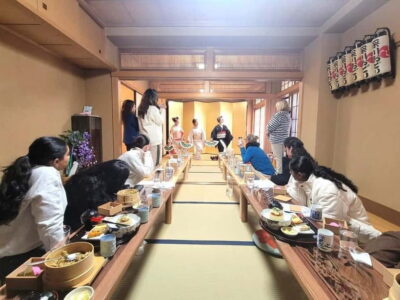
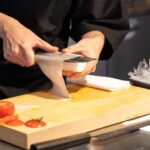
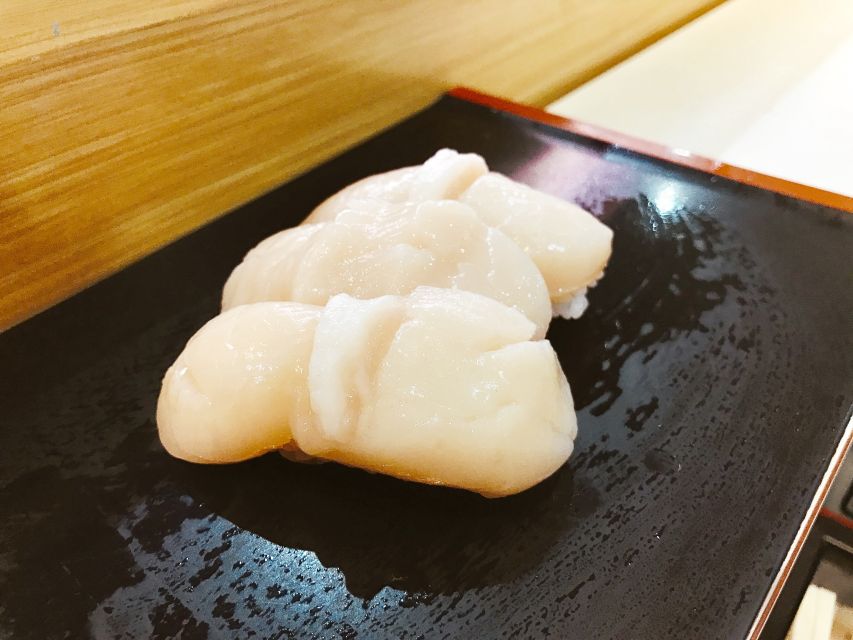
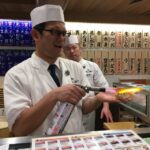
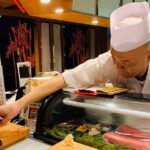
You begin with sushi at a standing restaurant owned by a fish dealer. That detail isn’t just trivia—it changes the kind of sushi you’re likely to taste. A fish dealer shop tends to focus on freshness and handling, and you get the sense that the place exists to serve quality, not to entertain crowds.
More importantly, this is where you learn. The tour includes a sushi eating lesson and practice on how to eat sushi properly. Even if you think you already know sushi etiquette, this kind of hands-on guidance can correct small habits—like how you approach each piece and how you pace yourself at the counter.
What I love here: a short, focused lesson beats an info dump. You’re learning while eating, so it actually sticks.
Possible drawback: standing counters aren’t for everyone. If you’re dealing with mobility issues or a long history of back or knee pain, standing time could feel uncomfortable. The tour does include breaks at food stops, but the first sushi portion is still part of the standing experience.
You can also read our reviews of more tours and experiences in Tokyo

Stop 2: Family-owned soba and gyoza in a local-feeling setting
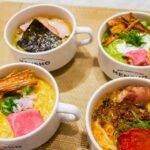
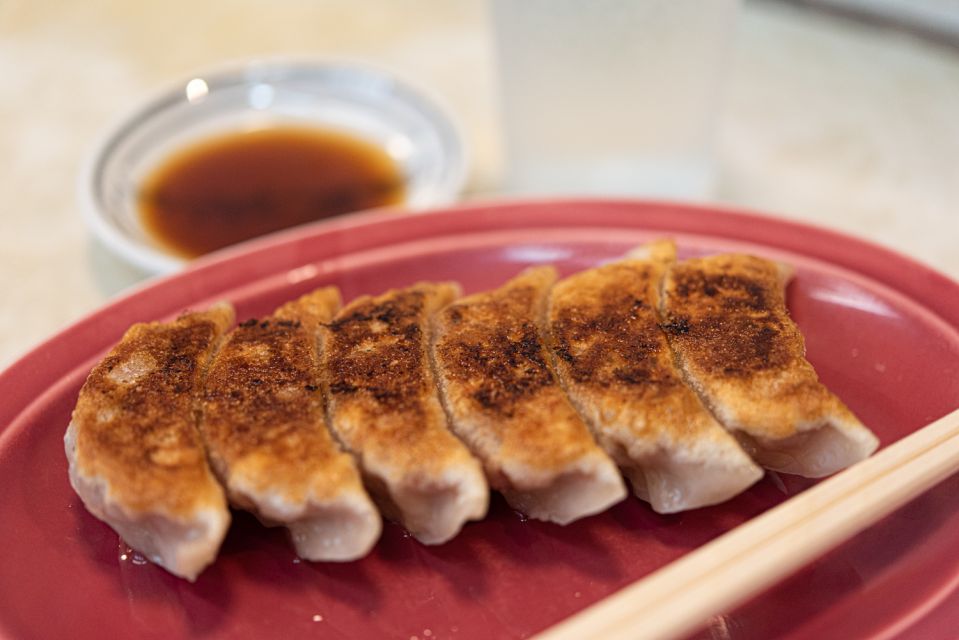
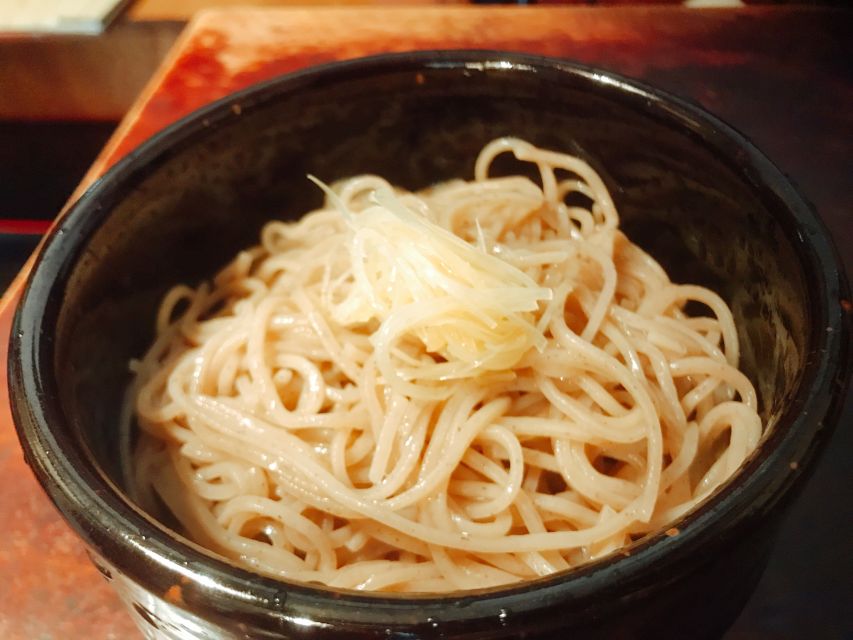
Next, you move to a family-owned soba restaurant where you can enjoy fresh soba plus gyoza. Soba is one of those foods that sounds simple until you’ve tasted it where it’s taken seriously.
The gyoza pairing also helps. It gives you a warm, savory contrast to the noodle portion, and it’s the kind of meal that feels like actual lunch rather than just tasting-as-you-go.
In reviews, the soba stop is often described as something you’d have trouble finding on your own—exactly the point of a guided route through non-touristy Asakusa. You’re not just eating; you’re getting oriented to how locals choose lunch.
What to keep in mind: you’ll be eating a mix of items across the tour, so don’t overstuff before you start. The tour is designed to feed you, but it’s still better to arrive hungry.
Stop 3: Handmade rice crackers from a 100+ year shop
Then you shift into a snack-and-craft stop: handmade rice crackers, senbei, from a store that’s been around for over 100 years.
This is a great moment in the itinerary because it slows the pace slightly. Instead of only sitting for food, you get to watch a tradition. Even without a full demonstration, the shop format itself usually makes you pay attention—this is food culture you can see made.
Why this matters: senbei isn’t just a crunchy bite. It’s a reminder that Japanese snacking has technique and heritage behind it, and this tour is built to show you that broader story without turning it into a lecture.
Stop 4: Japanese snack culture with roots in a Tokyo food stand
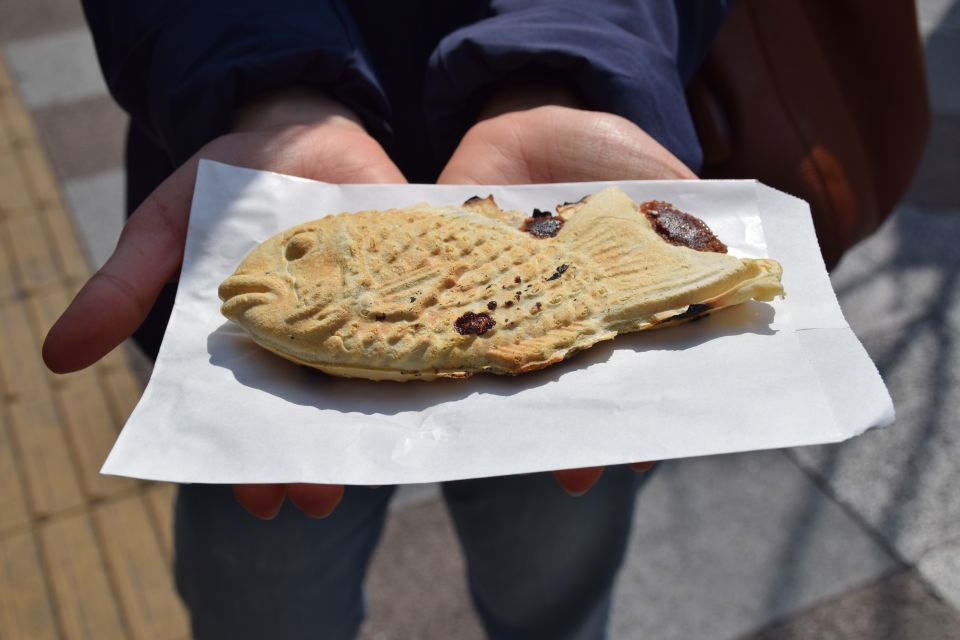
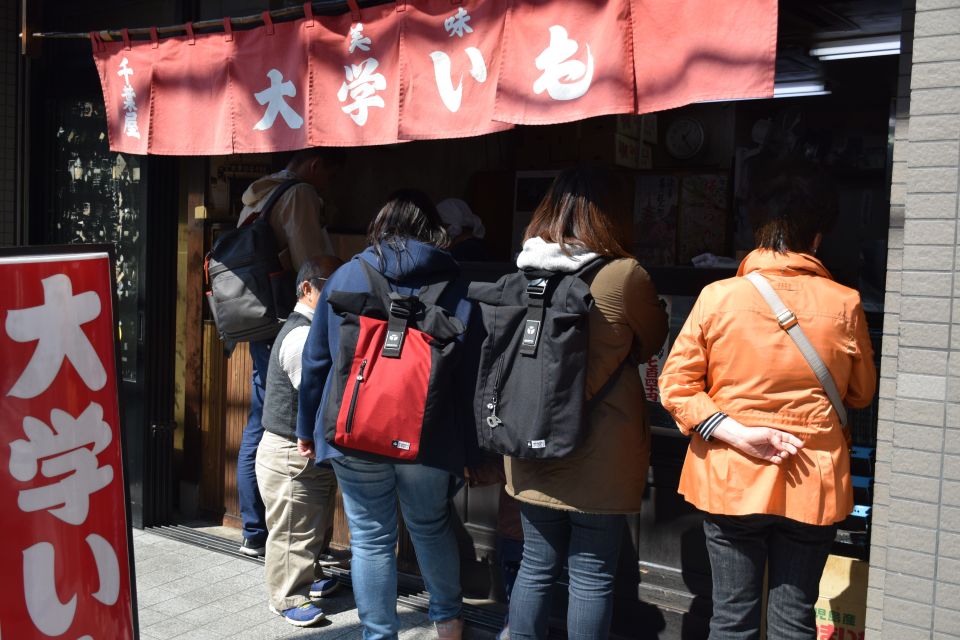
You’ll also sample Japanese snacks that trace back to a food stand started about 50 years ago in Tokyo. This is the kind of detail that makes a tour feel real. It’s not just random variety; it’s continuity—how one stand grew into a recognizable snack habit.
Snacks like these are where you can experiment a bit. You get small tastes that are easy to enjoy even if you’re still learning your way around flavors in Japan.
A hidden-in-plain-sight benefit here is that these stops often make you rethink what counts as food while traveling. You start noticing textures and ingredients you might normally skip when you’re only looking for meals.
Stop 5: Sensoji Temple, one of Tokyo’s major cultural anchors
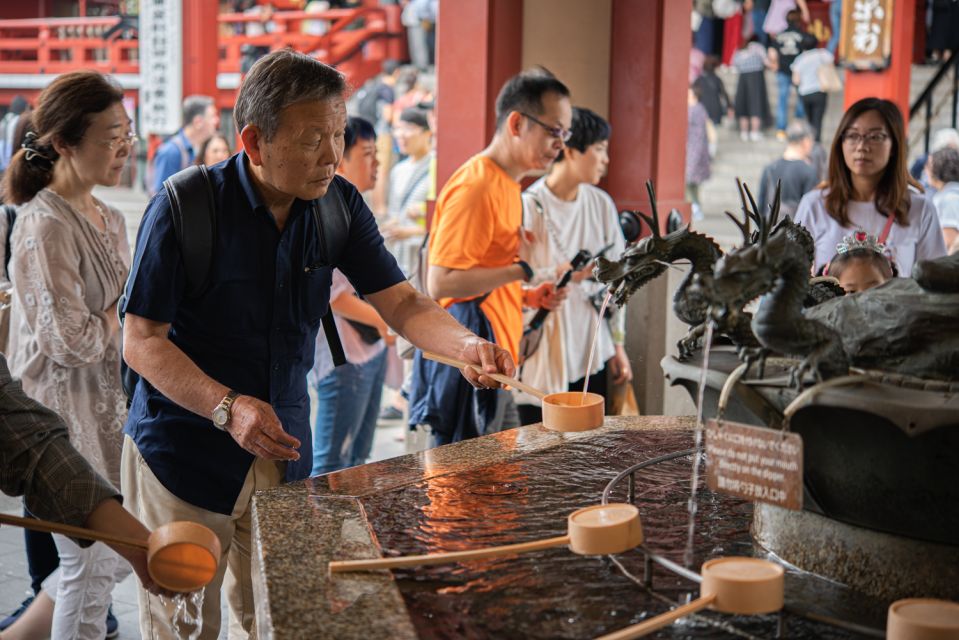
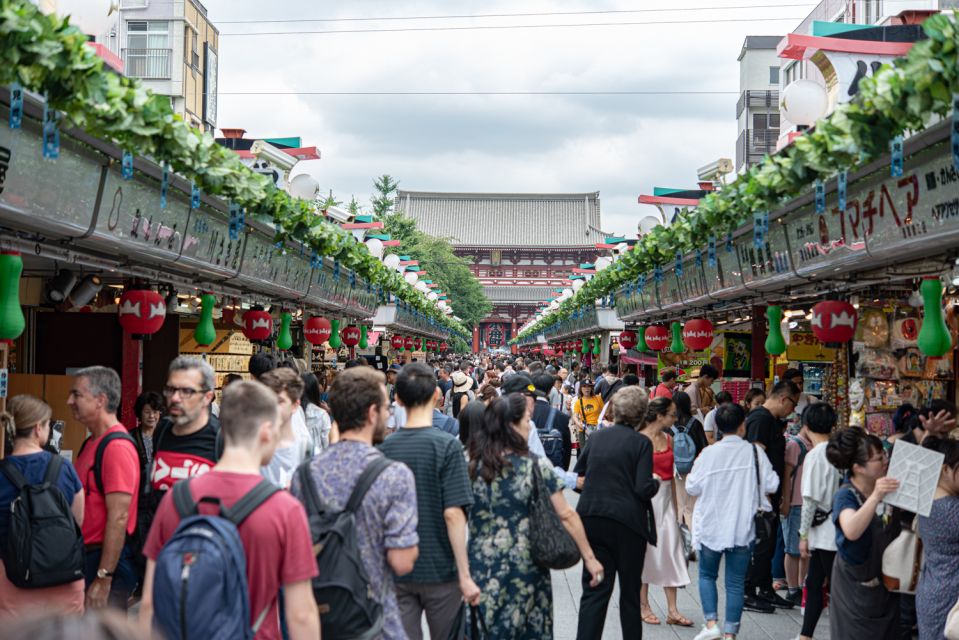
Finally, you reach Sensoji Temple, one of Tokyo’s largest temples. You’ll learn about Japanese culture and history as part of the visit.
This temple stop is smart for two reasons. First, it breaks the food rhythm, so your stomach gets a breather. Second, it gives context: you’re walking in a part of Tokyo where food culture and everyday life overlap with major heritage sites.
My practical note: temples can get crowded, and it’s still a walking day. Wear shoes you can stand in comfortably, and plan to slow your pace near entrances and through busy paths.
What the guides do well (and why it affects your day)
A big reason this tour scores high is that the guide experience seems consistent: people report great English, patience with questions, and a route that doesn’t feel chaotic.
Different guides are named in the experiences you shared—Max, Shino, Chi, Leigh—yet the same themes show up:
- They keep people engaged, including families with children and older participants
- They handle pace well, including rest when it’s hot
- They explain the food culture rather than just pointing and ordering
- They keep the sequence organized, so the stops feel logical instead of random
- They make space for special requests
That last point matters. In a small group (max 6), a guide who can adjust the flow a bit can turn the tour from good to genuinely useful.
And one more practical cultural detail: tipping guides in Japan is appreciated. If you’re deciding whether to tip, I’d follow local norms and do it rather than trying to figure out the system on the spot.
Walking, comfort, and how to prepare
This is an active 2-hour lunch tour. The walking portion is about 1 to 2 kilometers total, spread over multiple stops, so it’s not extreme. Still, Tokyo sidewalks aren’t always even, and temple areas can mean stairs and uneven surfaces.
Here’s how I’d prepare:
- Bring comfortable shoes you can wear for standing and short walks.
- Dress for midday sun if you’re going in warmer months.
- Expect to eat a full lunch size, then relax a bit after the temple.
If you’re sensitive to heat, pick the mindset that you’re going to take breaks. Reviews show at least one guide actively managing rest and fluids when conditions were hot.
Is this tour worth it for different kinds of travelers?
This tour fits best if you want food plus context, and you want it in a short time window.
It’s a strong match for:
- First-time visitors to Asakusa who want to go beyond the main streets
- People who love sushi but want a proper eating-style refresher
- Travelers who care about family-run places and long-running food traditions
- Groups that include different ages, since the small size helps the guide manage pace
You might skip it if:
- You need a fully seated, low-walking experience
- Standing sushi counters are a dealbreaker
- You’d rather spend your time completely on your own, because part of the value is the guided selection and pacing
Final verdict: should you book this Asakusa food hunt?
If your goal is to get a smart snapshot of Asakusa—food, technique, and a major cultural stop in 150 minutes—this tour is a solid choice.
The biggest reasons I’d book it are simple: you get multiple meaningful tastings, the sushi part teaches you how to eat rather than just what to eat, and the small-group setup keeps the experience friendly and manageable. If you’re going during warm weather, also pay attention to comfort: choose shoes you can trust and be ready for some sun, even if your guide builds in breaks.
In short: this is a great way to eat your way through Asakusa without guessing, wandering, or waiting too long for the best seats.
FAQ
Is this tour vegetarian-friendly?
The tour includes local food tastings and a sushi-focused stop. The provided details do not specify vegetarian options, so you should confirm dietary needs directly with the operator before booking.
Where does the tour meet?
The meeting point is Hinatomaru Kaminarimon, 1 Chome-20-3 Asakusa, Taito City, Tokyo.
How long is the tour?
The duration is 150 minutes.
What time does it run?
It runs from 11:30 to 14:00.
Is the tour guided in English?
Yes, it includes a live English guide.
How big is the group?
The group is small, limited to 6 participants.
What food is included?
You get a full lunch size of local food tastings, including stops such as standing sushi, soba and gyoza, rice crackers, Japanese snacks, and a visit to Sensoji Temple as part of the cultural component.
What’s the price and what does it include?
The price is $76 per person and includes the guide fee plus the local food tastings.
Is transportation included?
No. Transportation is not included.
What’s the cancellation policy?
The tour offers free cancellation up to 24 hours in advance for a full refund.