REVIEW · KAMAKURA
Kamakura Bamboo Forest and Great Buddha Private Tour
Book on Viator →Operated by Fulfilling Inc. · Bookable on Viator
One day in Kamakura can feel like a week. This private tour strings together Great Buddha and the bamboo garden with a guide who helps you move fast and understand what you’re seeing. The main drawback is simple: you’ll walk a lot, and Kamakura can be tough if you have knee or mobility limits.
I especially liked how smoothly the plan flows for a 9-hour window. You get a hotel pickup in Tokyo’s 23 wards, then use public transportation with a guide who handles the route so you can focus on sights, not schedules. If your group wants a calmer pace or fewer stops, you should plan for that before booking.
You also have a real chance to enjoy the day even when the weather isn’t perfect. The experience is run on the assumption you’ll have decent conditions, and a rainy or misty day can still work out if you come dressed for it.
In This Review
- Key highlights to look forward to
- Tokyo pickup and the public-transport rhythm
- Hasedera Temple: flowers, terraces, and a gentle start
- Kotoku-in Great Buddha: bronze, scale, and guided context
- Hokoku-ji Bamboo Forest: matcha time in a cool, mysterious grove
- Tsurugaoka Hachimangu Shrine: the city’s center of old power
- Komachidori shopping street: food and unique small shops
- How much walking is built into a 9-hour day
- Price and value: what you pay for, what you still handle
- Guide quality: English varies, and that changes the day
- What to bring for a smooth Kamakura day
- Should you book this Kamakura Bamboo Forest and Great Buddha Private Tour?
- FAQ
- What’s included in the tour price?
- What isn’t included?
- How long is the private tour?
- Which major stops are part of the day?
- What happens if weather is poor?
- Can I cancel for a full refund?
Key highlights to look forward to
- Private group time with your family and friends, not a crowded bus tour
- English-speaking professional guide who explains the stories behind Kotoku-in and more
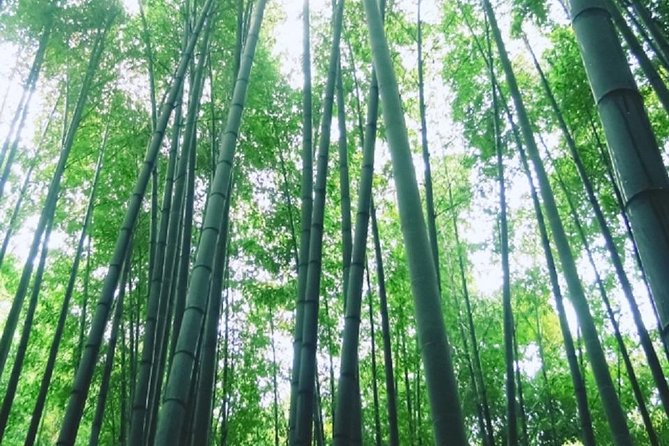
- Hokoku-ji bamboo garden with time to enjoy matcha while surrounded by about 2,000 bamboo groves
- Big-name sights in one loop: Hasedera, Great Buddha, Hokoku-ji, Tsurugaoka Hachimangu, Komachi-dori
- Public-transport savvy that helps you navigate Tokyo to Kamakura and around town
- Flexible handheld ticket via mobile ticket (no scrambling for paper)
Tokyo pickup and the public-transport rhythm
This is a day trip designed for people who want Kamakura without the stress of figuring out every train connection. The tour offers pickup in Tokyo’s 23 wards, then you head toward Kamakura using public transportation.
Once you’re in the area, your guide keeps the momentum going between major stops. That matters because Kamakura’s highlights sit across a spread of temples, shrines, and streets. A private setup helps here: you’re not waiting for strangers, and you can adjust the order slightly as your group needs.
One practical note: the price covers the guided experience and the guide time, but not admission fees or food. Public transportation to and from Tokyo is also not included in the price, even though the tour itself uses public transportation during the day. So treat this as a guided “day plan,” then budget separately for trains, entries, and meals.
You can also read our reviews of more private tours in Kamakura
Hasedera Temple: flowers, terraces, and a gentle start
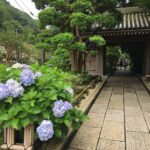
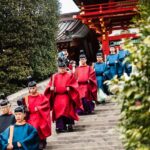
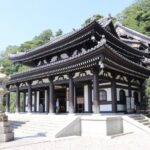
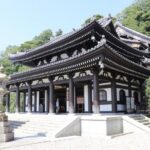
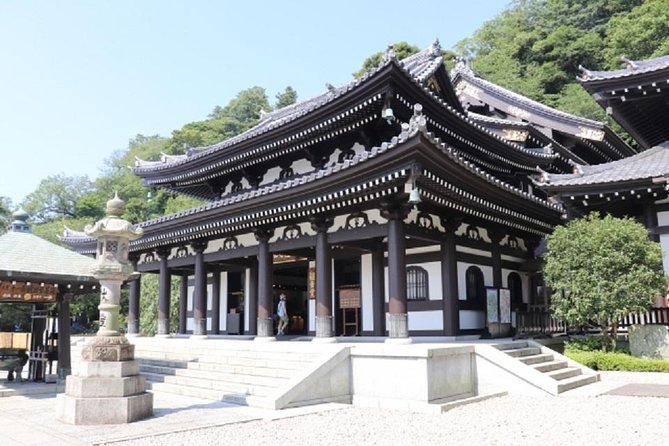
You begin at Hasedera Temple, one of Kamakura’s best-known sights. It’s often compared in fame to other major Kamakura anchors, and it has long been known as a temple of flowers—flowers change by season, which is part of its charm.
Why I like this as a first stop: it gives you an instant sense of place. You start outdoors among temple grounds and seasonal color, before moving on to the more dramatic “signature” sights like the Great Buddha and bamboo forest.
The downside is also typical for Kamakura temple starts. It can involve walking on uneven ground and up/down paths. If you’re sensitive to stairs or steep slopes, plan to go slow at the beginning so you don’t burn your legs before the best photos.
Kotoku-in Great Buddha: bronze, scale, and guided context
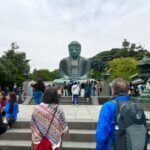
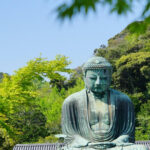
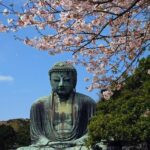
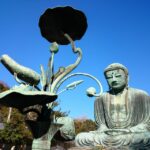
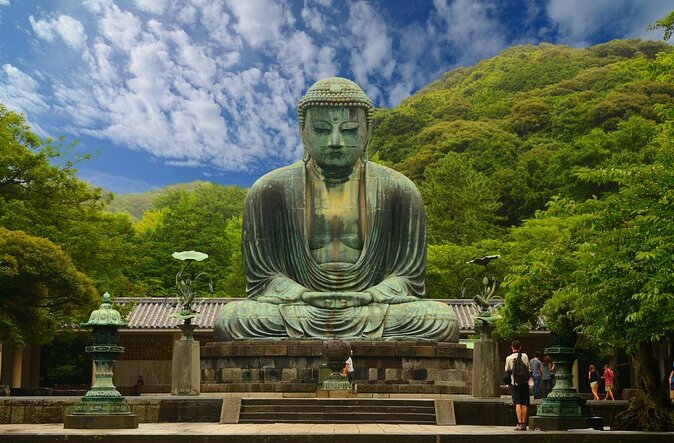
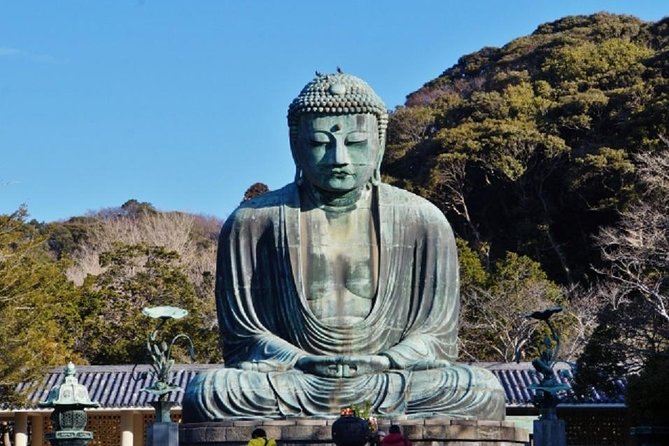
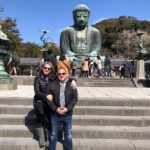
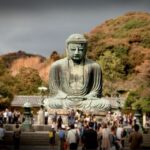
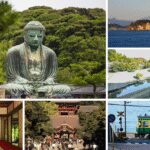
Then it’s time for Kotoku-in, home to the Great Buddha of Kamakura. This is an outdoor bronze statue of Amida Buddha on the temple grounds. The statue is about 13.35 meters tall, so you feel its scale even before you get the full details.
Here’s what makes the guided part worth it: you’re not just looking at a famous figure. Your guide provides detailed historical explanations, including national qualifications that help the storytelling land clearly. That’s the difference between seeing a statue and understanding why this is such a defining symbol for Kamakura.
Expect about an hour here. That’s usually enough time to look around, take photos, and read the atmosphere without feeling herded. Since admissions aren’t included, you’ll want to have a plan to pay entry on-site.
One more thing: because the Buddha is outdoors, your enjoyment can track with the sky. On misty days you might get softer lighting, and on clearer days you’ll get sharper contrast. Either way, your guide can help you choose where to stand for the most satisfying views.
Hokoku-ji Bamboo Forest: matcha time in a cool, mysterious grove
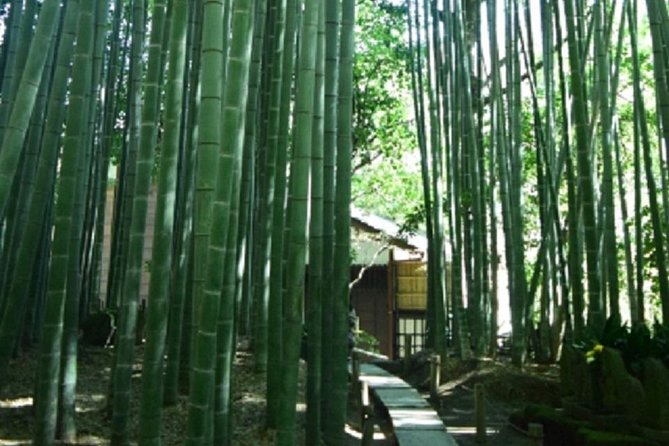
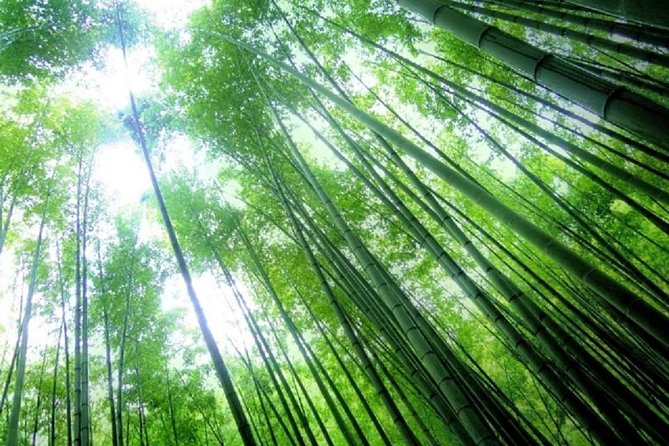
Hokoku-ji is the bamboo temple stop everyone talks about for a reason. The grounds include a large bamboo garden, and it’s known for a cool, slightly mysterious feeling as you move through the grove.
This is also where the tour’s matcha moment fits in. The experience includes the chance to drink matcha while watching the fantastic approximately 2,000 bamboo groves. That’s not just a snack stop. It’s a small reset that keeps your brain from turning into photo-machine mode.
The pacing works well. You get about an hour at Hokoku-ji, which lets you walk in, pause, and come out with both memories and usable pictures. Bamboo forests can feel repetitive if you rush, but with time you can spot different light and angles as you move.
If you’re worried about rain: Hokoku-ji can still be pleasant if you dress for damp weather. Bamboo keeps its “mood,” and the walk under the trees can feel sheltered. Just bring something for slippery pavement and keep your footing.
Tsurugaoka Hachimangu Shrine: the city’s center of old power
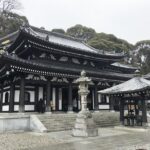
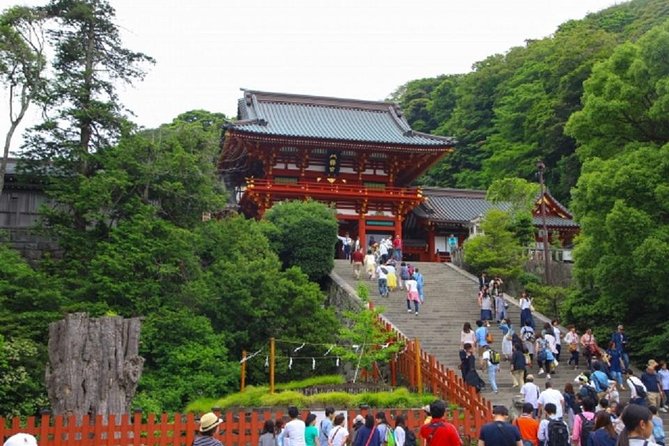
Next is Tsurugaoka Hachimangu Shrine, located in the middle of Kamakura’s city center. It has been venerated for centuries as a home of gods of war, so the symbolism is strong and the atmosphere carries weight.
This stop is a good contrast after bamboo. Bamboo gives you hush and cool air; the shrine gives you ceremony energy and a sense of urban history. It also helps you understand Kamakura as more than a day-trip postcard. It’s a living place where major religious and cultural sites sit close together.
You’ll usually have around an hour here. Again, admissions aren’t included, so build that into your budget. If you’re the type who likes to read details slowly, you may want to arrive ready to stand still for a few minutes rather than constantly walking.
Komachidori shopping street: food and unique small shops
After temples and shrines, you get Komachidori, a classic Kamakura street for food and unique shops. This is the stop that gives your day some flexibility and keeps it from feeling like nonstop sightseeing.
You get about 30 minutes at Komachidori, and that time is best used for small treats and gifts you can actually use later. Think snacks, simple souvenirs, and anything that feels local rather than packaged.
One practical consideration: since the tour isn’t including food and drinks, you’ll be paying out of pocket here. That’s also why this stop is so valuable—you can spend based on your preferences instead of forcing one fixed menu.
If you want a calmer experience, use this time to regroup. Stop for water, check your photos, and make sure everyone is still feeling good before you head back.
How much walking is built into a 9-hour day
A private day sounds comfy on paper. In practice, Kamakura adds up. There’s a warning signal in the details: this city is not very forgiving if you have knee problems or trouble walking long distances.
The itinerary includes five stops across different areas, so the day is built around steady movement. Even though each stop is about an hour, you still need time for transfers and walking between them.
My advice is simple: wear the shoes you’d use for a full sightseeing day. If you’re coming from Tokyo, add extra hydration and don’t treat the day as casual strolling.
Also, weather matters. The experience requires good weather, and if it’s canceled due to poor weather, you’re offered a different date or a full refund. If the sky is gray but not dangerous, it may still work—just be prepared for mist and damp ground.
Price and value: what you pay for, what you still handle
At $176.37 per person, this tour sits in a “worth it if it saves your time” category. The main value isn’t just the destinations. It’s the guide time, the private setup, and the ability to use public transportation without feeling lost.
What you get included:
- English-speaking professional guide
- Private tour (only your group)
What you handle separately:
- Admission fees for the sites
- Food and drinks
- Public transportation to/from (customers)
So the real cost is usually higher than the headline price once you add admissions and meals. But you’re also paying for coordination—someone building the day so you hit the best-known Kamakura stops in one go.
For groups that want history explanations plus efficient navigation, a private guide can be the best deal in Japan. For travelers who want a fully DIY day and don’t mind figuring trains and reading on your own, you may find better value by assembling the route yourself.
Guide quality: English varies, and that changes the day
This tour leans hard on the guide. The stops are famous, but the stories are what turn the day from sightseeing into understanding.
In the past, guides like Kono-San and Akira have been praised for being friendly and giving detailed information at each point of interest, with strong English in at least some cases. On the other hand, Kimo San was described as having English understanding that wasn’t as strong, which limited the back-and-forth for deeper history questions.
How to handle this as a practical shopper: go in with a list of your top questions, but also accept that you may get more value from general explanations than from detailed Q&A. If your group wants specific historical topics, consider how important deep conversation is to you.
The good news is that even when English is limited, the tour still delivers the core structure: you visit the key sites, you get guided context where available, and you don’t waste time trying to decode signage alone.
What to bring for a smooth Kamakura day
Since admissions and meals are not included, I’d plan with some flexibility and basic cash planning for entry fees and snacks. You’ll also want comfortable walking shoes because the day involves moving between temple and shrine areas.
Pack weather items too. If rain or mist hits, you’ll be outdoors at multiple stops. A compact umbrella, a light rain layer, and something to keep your shoes from soaking can make the whole day feel easier.
Finally, charge your phone. You’ll have a mobile ticket, and having a phone ready helps if your group needs to check meet-up points while using public transportation.
Should you book this Kamakura Bamboo Forest and Great Buddha Private Tour?
Book it if you want a structured Kamakura day that hits the headline sights—Great Buddha, Hokoku-ji bamboo, and the main shrine and temple stops—without making you play transport detective for hours. It’s also a great choice if your group values guided explanations and wants the freedom of a private outing.
I’d think twice if:
- your group struggles with long walks or steep paths
- you prefer to move at your own pace and skip admissions-driven stops
- your group expects long, deep history conversations in very fluent English
If you’re flexible, wear good shoes, and plan for admissions and meals, this is a strong way to sample Kamakura’s best-known side—especially the bamboo atmosphere and the scale of the Great Buddha—within one efficient day.
FAQ
What’s included in the tour price?
The tour includes an English-speaking professional guide and a private tour for your group.
What isn’t included?
Admission fees for the sites, food and drinks, and public transportation to/from (customers) are not included.
How long is the private tour?
The duration is about 9 hours.
Which major stops are part of the day?
The tour includes Hasedera Temple, Kotoku-in (Great Buddha of Kamakura), Hokoku-ji (bamboo garden), Tsurugaoka Hachimangu Shrine, and Kamakura Komachidori.
What happens if weather is poor?
The experience requires good weather. If it’s canceled due to poor weather, you’ll be offered a different date or a full refund.
Can I cancel for a full refund?
Yes. You can cancel up to 24 hours in advance for a full refund.