REVIEW · KAMAKURA
When Emperors Reigned and Shoguns Ruled
Book on Viator →Operated by Samurai Phototours · Bookable on Viator
Kamakura comes alive in four hours. I love how the day mixes big-name landmarks with clear explanations of the Kamakura Period (1185–1333), from shogun government to samurai power and the rise of Zen Buddhism. Two things I particularly like are Virgil’s photo-friendly guidance and the smart pacing across iconic stops, finishing at Hase Station so you can keep exploring. One thing to plan for: two major temple stops require extra entrance tickets, since they are not included in the tour price.
You’ll start on Wakamiya Main Street, then move through Tsurugaoka Hachimangu and the Komachidori shopping stretch before heading to Kotoku-in and Hasedera. I also appreciate the small-group feel: even though it’s a group tour, it’s set up for up to eight people, and it’s private for your party. The main consideration is logistics: there’s no hotel pickup, and the route runs between train-access points, so you’ll want to arrive ready to walk.
If you like your travel with context and good photos, this works well. The guide and tour escort keep things moving while still giving you room to ask questions and adjust your pace, which matters when you’re dealing with stairs, crowds, or weather. For some people, that extra flexibility can make the day feel a touch like a guided walk plus sightseeing on your own time, not a strict checklist.
In This Review
- Key highlights that matter in real life
- Kamakura Period stories, told on foot (not in a classroom)
- How the small-group, private setup changes your experience
- Wakamiya Main Street: setting the scene before the big shrines
- Tsurugaoka Hachimangu: shogun origins you can actually see
- Komachidori: snacks, souvenirs, and a needed break from temples
- Kotoku-in Great Buddha: iconic, and the only extra ticket early
- Hasedera: multi-level temple views and the Kannon statue
- Price and value: where your $108.99 goes in practice
- Logistics you should plan for before you go
- Who should book this, and who might pass
- Should you book this Kamakura photo-and-history tour?
- FAQ
- How long is the tour?
- Is this tour private or shared?
- Are entrance fees included for all stops?
- Does the tour include help taking photos?
- Where do we meet and where does the tour end?
- Can I get a full refund if I cancel?
Key highlights that matter in real life
- Professional photo guidance: you’ll get help framing shots and the tour is built around easy photo moments
- Kamakura Period focus: you learn how shogun rule and samurai culture shaped what you see
- Small-group structure: designed for groups up to eight, with private touring for your group
- Iconic stops, clear order: you hit Tsurugaoka Hachimangu and the Great Buddha without rushing
- Time for snacks: Komachidori naturally fits sweets and quick treats into the route
Kamakura Period stories, told on foot (not in a classroom)
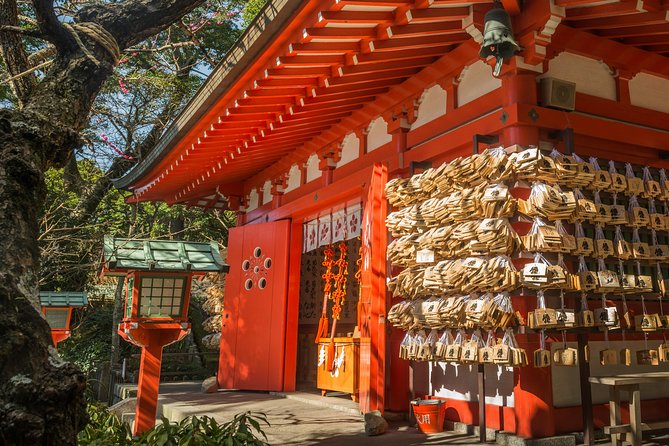
This is the kind of tour that helps you stop seeing Kamakura as just a list of temples. The route is organized around the era when Kamakura became the center of shogun power, and the guide ties each location to the bigger political and religious changes that shaped daily life. You’ll hear how the shogunate government and samurai culture influenced the area, plus how Zen Buddhism rose and left its mark on temple life.
The timing is also practical. It’s about four hours, so you get a solid slice of the town without burning your whole day. And because the tour ends at Hase Station, you’re set up to continue on with an easy train connection rather than backtracking.
The photo part is not a gimmick either. Having a professional photographer guide means you’re not just passively pointing your camera and hoping for the best. You’ll be guided to turn, pause, and frame shots at the right moments along the way.
You can also read our reviews of more tours and experiences in Kamakura.
How the small-group, private setup changes your experience
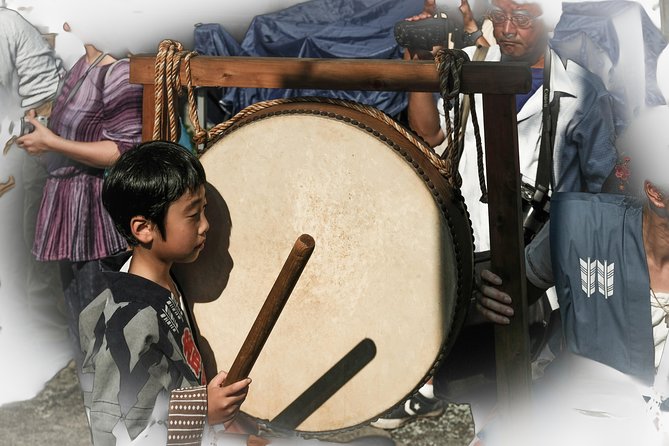
I like that this tour is structured for small groups (up to eight people) but feels private for your party. That means you’re not trapped in a crowd where nobody can ask questions. It also helps if you walk at a slower pace, want extra time at one shrine area, or just need a moment to catch your breath.
You get a local guide, plus a professional photographer guide and a tour escort/host. In plain terms, you have both story support and practical photo help. In the reviews, people also noted that Virgil speaks English very well and that he has Spanish too, which is a nice bonus if you’re more comfortable with either.
Another detail worth knowing: you can pick your start time from several options. That helps you plan around crowds, rain, or the rest of your Tokyo-to-Kamakura schedule. One rainy-day experience still ended with all the planned stops completed, which tells me the guide keeps control of timing even when the weather turns.
Wakamiya Main Street: setting the scene before the big shrines
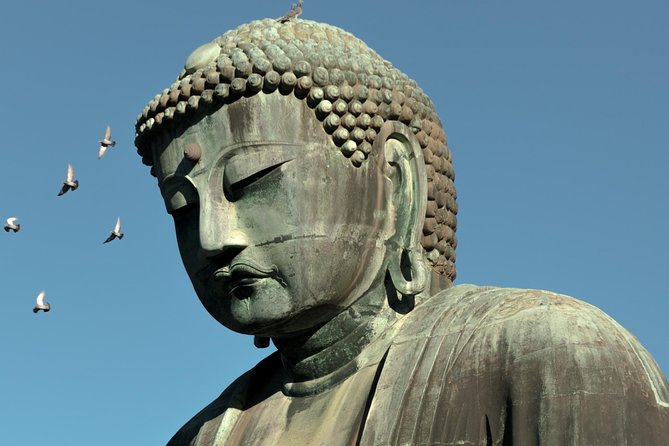
Your first stop is Wakamiya Main Street, with a scenic walk to the main shrine area. This is the right warm-up, because it gets you oriented to Kamakura’s rhythm before you reach the more formal sacred spaces.
This segment is short enough to keep momentum (about 20 minutes), but it matters because it introduces the “main boulevard” feel of Kamakura. You’re walking in the same general flow that locals and visitors follow between the bigger sites, and that makes the later stops easier to understand.
Admission here is free, and that’s useful when you’re trying to keep the day’s costs predictable. It’s also a good point to get your first photos without feeling rushed, since the guide can help you start with natural poses and clean angles.
Tsurugaoka Hachimangu: shogun origins you can actually see
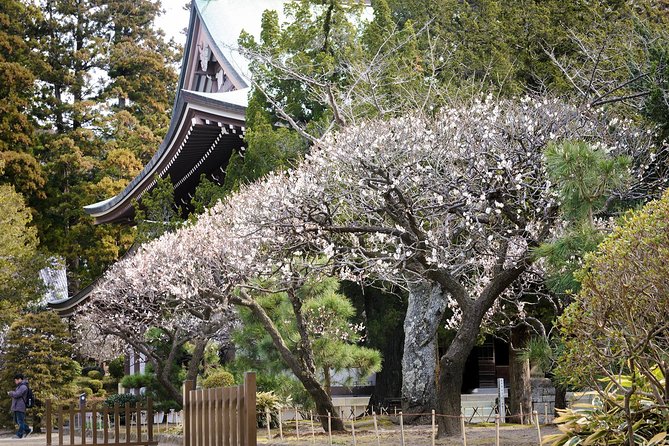
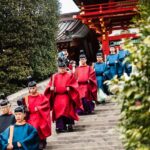
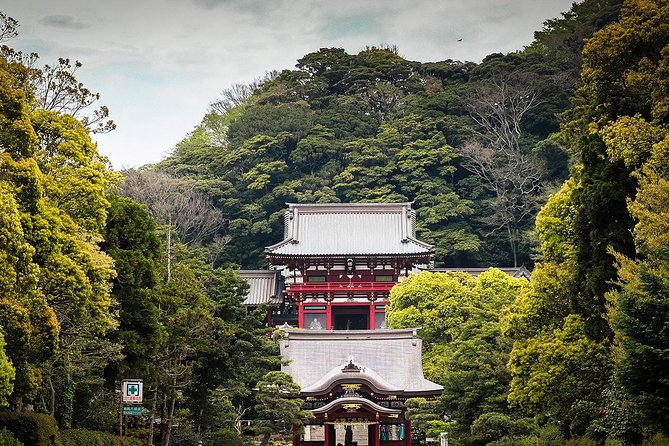
Next is Tsurugaoka Hachimangu Shrine, a major Shinto site built by Minamoto Yoritomo in the 12th century. This is one of those places where the architecture and setting look impressive, but the real payoff comes when someone explains why the site mattered.
You’re there for about 50 minutes, which gives you time to move through the key areas without feeling like you’re sprinting. The guide’s focus on shogun-era context is what turns the visit into more than sightseeing. You’ll connect the shrine to the political legitimacy and power structures that grew around Kamakura’s rise.
Admission is free, so you’re not paying extra to learn the big idea here. And because this is the best-known shrine on the route, it’s also where you’ll likely see the most visitors. The good news: the tour structure helps you avoid losing time to confusion.
Komachidori: snacks, souvenirs, and a needed break from temples
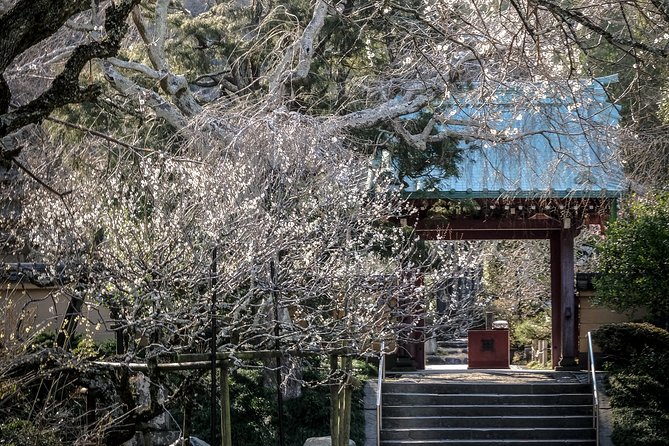
Then comes Kamakura Komachidori, the famous shopping street. Expect it to be lined with stalls and shops selling sweets, snacks, and souvenirs on both sides. It’s a nice contrast after shrine time, and it also breaks up the walking so you’re not only focused on sacred architecture.
This stop is about 50 minutes, which is long enough to browse without feeling guilty about skipping everything. I like this kind of built-in free time, because you can match it to your energy level. If you want sweets, go for it. If you want photos, this street gives you more variety than you get from temples alone.
Also, this is a practical place to plan a small snack. In one rainy-afternoon review, the tour included a stop for matcha ice cream, and the whole day still stayed on track. That’s exactly the kind of timing flexibility that helps on a short trip.
Admission here is free, so you’re paying only with your appetite.
Kotoku-in Great Buddha: iconic, and the only extra ticket early
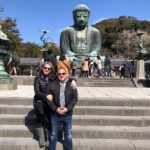
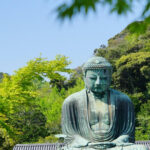
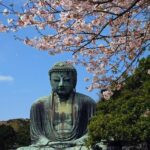
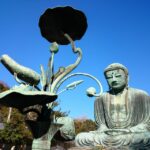
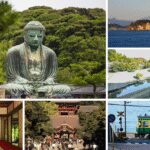
After Komachidori, you head to Kotoku-in (the Great Buddha of Kamakura). The star attraction is a centuries-old giant bronze statue of the Amida Buddha dating back to the 13th century. This is one of Japan’s most recognizable Buddha images, and it’s the kind of place where scale hits you quickly.
The time you get is about 40 minutes. That’s enough to see the full statue and take in the surrounding temple space without turning it into a long sit-down visit.
Here’s the part you must plan for: the entrance ticket is not included. So while the tour itself is priced at $108.99 per person, Kotoku-in (and later Hasedera) can add a modest extra cost. I find this is still good value because the stop is short and high-impact, and the guide helps you connect what you see to the religious themes of the era.
If you want a smooth day, have cash or a plan for extra tickets before you reach this stop. You can’t change the fact that this is a ticketed highlight.
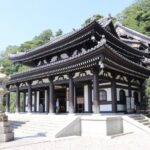
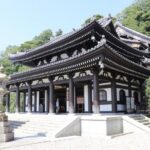
Hasedera: multi-level temple views and the Kannon statue
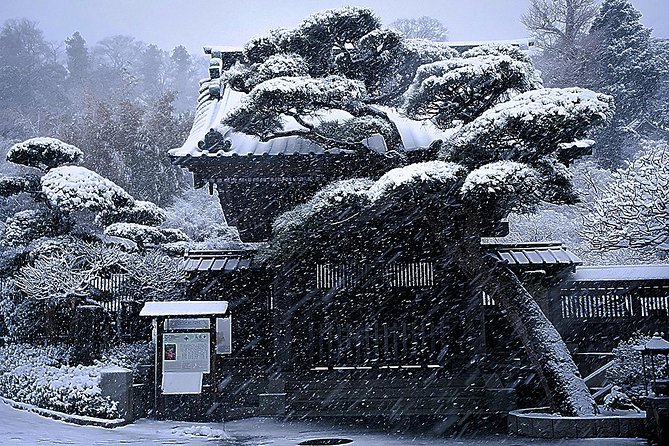
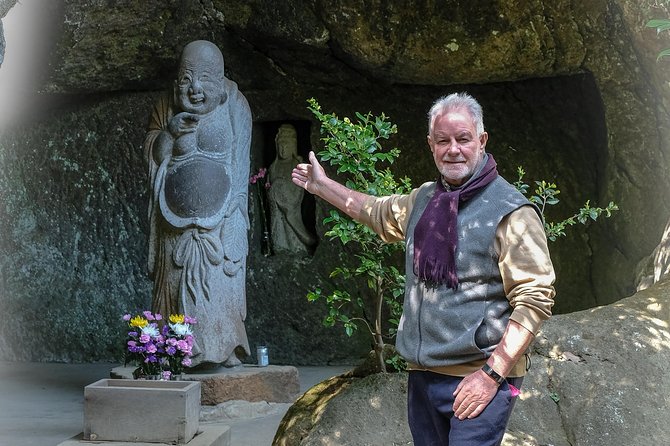
The last major site on the route is Hasedera Temple, which runs across multiple levels. You’ll see gardens, ponds, and cave areas, plus an ancient 11-headed statue of Kannon, the Goddess of Mercy.
This stop is the longest of the day at about 1 hour 20 minutes, and it makes sense. The temple is spread out, and it’s not the kind of place where you want to rush through just to check a box. If you’re a walker, you’ll enjoy moving level to level and soaking in the different viewpoints.
The trade-off is effort. Multi-level temple layouts can mean stairs and uneven paths. On a nice day, that’s part of the charm. On a rainy day, it’s still doable, but you’ll want to take it steady.
Like Kotoku-in, entrance is not included, so budget for that extra ticket. I think it’s worth it because Hasedera adds atmosphere beyond what you get at the Great Buddha, and the guide’s explanations help you see the temple as a living space connected to Buddhist devotion rather than just a pretty site.
Price and value: where your $108.99 goes in practice
At $108.99 per person, this tour sits in the “serious but not excessive” zone for Kamakura. What makes it feel worth it is the combination of: a guide for history, a professional photographer guide, and a small, private setup that keeps attention on your questions and photos.
A lot of low-cost tours in Japan give you a route and little else. Here, the story focus is the point: you’re learning how shogun rule, samurai life, and Zen Buddhism shaped what Kamakura became. That’s especially valuable in a short 4-hour window, when you don’t have time to study guidebooks all day.
You also get a few practical perks that reduce friction:
- Mobile ticket for easier check-in
- Group discounts
- Choose your start time from several options
Those details aren’t flashy, but they matter when you’re coordinating trains and trying to avoid delays.
If you’re watching total spending, just remember that Kotoku-in and Hasedera tickets are not included, and food/drinks are on you. Still, the itinerary hits the highest-demand locations in a logical order, so you’re less likely to waste time jumping between sites on your own.
Logistics you should plan for before you go
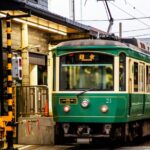
This tour starts at Kamakura Station (1-chōme-1-15 Onarimachi) and ends at Hase Station (2 Chome-14 Hase) on the Enoden line. That one-way feel can be a big plus. It means your sightseeing day can end closer to continued travel plans rather than retracing steps.
There’s no hotel pickup or drop-off, and there’s also no included transportation to attractions. The good part is that the stops are arranged around the town’s main areas, with near public transportation access. You’ll just want to arrive at the meeting point on time and be ready to walk.
Food is not included. That said, the route naturally includes time for snacks and browsing on Komachidori, and some visitors have mentioned enjoying lunch like soba noodles during the day. So if you want a fuller meal, plan to handle it yourself around the Komachidori stretch.
Who should book this, and who might pass
This is a smart choice if you:
- Want history context tied to what you’re seeing, not just names and dates
- Care about getting photos without awkward trial-and-error
- Prefer a small, private-feeling group size (up to eight)
- Are traveling solo or as a couple and want more attention than a big bus tour
You might consider a different option if you:
- Hate paying extra for temple entrance fees (since Kotoku-in and Hasedera are not included)
- Have limited mobility or strong concerns about stairs and multi-level temple paths
- Want a purely free-form day with no guided structure at all
That said, the guide is flexible with timing and pace, and people noted patience with questions and slower walking. So if you’re realistic about shoes and walking comfort, this can work well.
Should you book this Kamakura photo-and-history tour?
I’d recommend booking if you’re aiming for a high-value Kamakura day with two big advantages: a coherent shogun-and-Zen story and photos that look like you planned them. The itinerary hits the core sights in a smooth order, and the tour is short enough to fit into a broader Japan plan without turning into a grind.
Before you go, do two quick prep moves: plan for the extra tickets at Kotoku-in and Hasedera, and get to Kamakura Station comfortably early. If you do that, you’ll walk away with a deeper sense of why Kamakura matters and a photo set that feels personal, not accidental.
FAQ
How long is the tour?
It runs for about 4 hours.
Is this tour private or shared?
It’s a private tour/activity, meaning only your group participates. Group size is designed for up to eight people.
Are entrance fees included for all stops?
Admission tickets are free for Wakamiya Main Street, Tsurugaoka Hachimangu, and Komachidori. Kotoku-in and Hasedera Temple entrance tickets are not included.
Does the tour include help taking photos?
Yes. You get a professional photographer guide to snap photos of you during the experience.
Where do we meet and where does the tour end?
You meet at Kamakura Station and the tour ends at Hase Station (Enoden line).
Can I get a full refund if I cancel?
Yes. You can cancel for a full refund if you cancel at least 24 hours before the experience’s start time.