REVIEW · TOKYO
Tokyo: Shibuya Vending Machine Adventure Walking Tour
Book on GetYourGuide →Operated by Gappy · Bookable on GetYourGuide
You can learn Tokyo’s vending code in 90 minutes. What makes this Shibuya walk fun is that it treats vending machines like living culture, from hot soups in a can to next-gen digital screens. I love the hands-on practice of buying your own item, and I love that the route mixes big Shibuya landmarks with side-street machines you’d miss alone.
One thing to consider: you’ll pay for what you buy (typical drinks run ¥120–¥200, and some novelty items can cost more), so go in with a small budget and a sense of adventure.
Key moments that make this tour worth it
- A real vending-machine mini-lesson with a reading kick for katakana product names
- Hot vs cold decoding using Attaka-i (Hot) and Tsumeta-i (Cold) labels
- A hunt for weird finds, including machines selling whole flying fish in soup stock and a mystery can with no label
- Shibuya landmark photo stops that keep the walk fun, not just practical
- Photo challenges and a vending-machine stamp (flattened can label or a capsule toy)
In This Review
- Tokyo Has Over 4 Million Vending Machines. Here’s Why That Matters
- The 90-Minute Route: Hachiko Statue to Miyashita Park and Back
- Your First Vending Purchase: Reading Katakana and Pressing Buttons Like a Local
- More Than Soda: Hot Soups, Vitamin Jellies, and Dessert Drinks
- The Weird-Can Hunt: Dashi Flying Fish and a Mystery Button
- Photo Challenges and the Vending Stamp That Keeps It Memorable
- Price and Value: Paying for the Tour vs Paying for the Treats
- The Guides: English-Friendly, Question-Ready, and Fun to Walk With
- Who This Shibuya Vending Tour Is Perfect For (and Who Should Skip)
- Should You Book This Shibuya Vending Machine Adventure?
- FAQ
- How long is the Shibuya vending machine walking tour?
- Where do I meet the guide?
- Is the cost of drinks and snacks included?
- What language is the tour guide?
- Can I join if I use a wheelchair?
- Do I need WhatsApp for this tour?
Tokyo Has Over 4 Million Vending Machines. Here’s Why That Matters
Japan’s vending machines aren’t just where you grab a quick drink. They’re part of daily rhythm, from rainy-day comfort to late-night convenience, and the sheer number helps explain why local shopping habits feel so smooth and low-effort.
What I like about this tour is that it gives you the “why” behind the machines, not just the “what.” Your guide covers the basics on history, economics, and reliability—so when you see machines on tiny side streets, you’ll understand how people trust them and why they keep showing up everywhere.
And then it gets practical. You’ll learn how to spot the right products, how to interpret labels, and how to deal with the stuff that looks confusing at first—like kanji you can’t read and button layouts that don’t match what you expect.
The 90-Minute Route: Hachiko Statue to Miyashita Park and Back
This is a tight, walkable loop around Shibuya. You start at the Hachiko Statue at Shibuya Station, which is one of those perfect meet points: easy to find, easy to orient yourself, and close to the vibe you came for.
From there, the pacing is built around quick stops that keep momentum:
At Hachiko Square, you get a short guided segment and a photo stop. It’s a good setup because it gives you context for where you are before you start hunting machines beyond the obvious tourist lanes.
Then you’ll move to a side-street vending stop where the point is discovery. These are the machines you’d typically overlook because they’re not at the main drag. The tour uses detours like this to show you how local vending culture works in real neighborhoods, not staged settings.
Next comes Shibuya Crossing for another guided visit and photo stop. It’s a fun contrast: big-city spectacle on one side, quiet machine culture on the other. If you want Shibuya to feel real (not just a photo backdrop), this balance helps.
After that, you reach Miyashita Park for guided time plus shopping. This is where the tour shifts slightly from lesson mode to “use what you learned.” You can take advantage of the shopping window to pick up snacks or drinks you notice along the way—without losing the thread of the vending-machine theme.
The final stretch includes two more short side-route stops, each aimed at another type of machine or another style of product. The advantage of these last segments is variety: you’re not just repeating the same vending setup twice.
You end back at Hachiko Statue, which makes the finish stress-free. Shibuya is busy, but you won’t be stranded far from a major transit hub.
You can also read our reviews of more walking tours in Tokyo
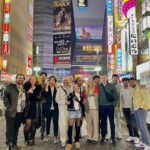
Your First Vending Purchase: Reading Katakana and Pressing Buttons Like a Local
The “vending machine adventure” part becomes real because you get a mini-lesson in how to read what’s on the panel. A key included element is a mini-lesson on reading katakana product names, which helps a lot when you’re staring at a menu full of items that look similar at first glance.
You’ll also get practical etiquette and pocket phrases. That matters more than it sounds. In Japan, the system is straightforward once you know where to look—but the first time, you need someone to point your eyes in the right direction.
Expect instruction on labels for temperature and drink category. The tour specifically teaches Attaka-i (Hot) versus Tsumeta-i (Cold), which is a lifesaver in winter and also useful in summer when you want a specific comfort level.
There’s also a simple “photo challenge” component. It’s not just about snapping vending shots. You’re meant to notice differences—product formats, design styles, and what makes one machine feel vintage while another looks like it belongs in the future.
One small but smart detail: your tour uses a vending-machine stamp method. You keep a flattened can label or a capsule toy as your souvenir. That turns the experience into something you can remember beyond photos.
More Than Soda: Hot Soups, Vitamin Jellies, and Dessert Drinks
If your mental image of Japan vending machines is only cold beverages, this tour will correct that fast—in a good way.
One of the standout themes is the variety beyond standard cans. You’ll be introduced to items like hot soups in a can, including corn, miso, and onion. You’ll also see dessert-style drinks and vitamin jellies. The message is clear: vending here is for practical meals, not just sips.
Your guide also helps you understand what you’re looking at by category, not just by brand. That reduces decision fatigue. Instead of standing there guessing, you’ll be choosing with a plan.
This is also where the seasonal advice becomes useful. In summer, the tour nudges you toward hydration. In winter, it suggests trying options like hot lemon or corn soup. Even if you don’t buy those exact items, having that seasonal lens helps you pick something you’ll actually enjoy on the walk.
And yes—your guide addresses the big traveler question: are vending machines safe and reliable. You’ll get explanations based on history, economics, and trust in the system, which makes the whole experience feel less like a novelty and more like a normal part of life here.
The Weird-Can Hunt: Dashi Flying Fish and a Mystery Button
This is the part that feels like a game, but it’s also the most culturally revealing.
The tour takes you off the main roads to hunt machines you’d likely never spot on your own. You’re not just walking past vending machines—you’re learning the “pattern recognition” that helps you find what’s special.
One named highlight is the dashi machine, known for selling whole flying fish in a bottle of soup stock. That’s the kind of thing that sounds unbelievable until you see it as an everyday product category in Japan.
Another highlight is the mystery can: a button press with no clear label. This is where the tour’s guide value really shows. You’re not stuck making random guesses. You’re participating in the fun with context and reassurance.
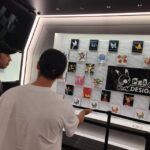
Then there’s the retro versus future contrast. The tour compares older coin-style machines to newer digital signage, including AI-powered displays near Shibuya Stream. That comparison hits two goals at once: you understand the technology shift, and you see how the vending-machine system adapts without losing its core purpose.
Photo Challenges and the Vending Stamp That Keeps It Memorable
Shibuya is photogenic, but it’s easy to end up with a camera full of random shots. This tour turns photos into prompts.
You’ll have specific photo stops at Hachiko Square and Shibuya Crossing, which helps you anchor the walk in the iconic Shibuya look. But the tour also adds photo challenges tied to the machines themselves, so you’ll come away with images that show differences instead of duplicates.
That’s where the stamp idea is clever. Keeping a flattened can label or capsule toy gives you a physical reminder. It’s small, but it helps you remember what you bought, what you learned, and what surprised you.
If you like collecting travel “proof” that isn’t just a postcard photo, this detail makes the tour feel more like an experience and less like a checklist.
Price and Value: Paying for the Tour vs Paying for the Treats
The tour costs $41 per person for 90 minutes, and the drinks and snacks you buy are not included. That’s important, because the experience is really two parts: guidance plus your choice of what to purchase.
Typical drink prices are ¥120–¥200, and premium or novelty items can cost more. That means your total spending depends on how brave (or curious) you get. If you buy one main item and maybe add a small extra, you can keep it reasonable.
What makes the $41 feel like value is the way it removes friction. Without a guide, you can still use vending machines—but you’d need to guess on temperature labels, decipher menus, and figure out which machines are worth your time. This tour hands you the rules so you can spend your money on something you’ll actually understand.
It’s also a great way to learn fast in a place where you’ll be surrounded by distractions. Shibuya can overwhelm you. This tour gives you a clear mission.
The Guides: English-Friendly, Question-Ready, and Fun to Walk With
From the feedback provided, the tour’s guide experience is a strong point.
Kanta and Mitsuki are both mentioned for excellent English, staying engaging, and sharing facts tied to the places you stop. One nice detail in the comments is that the guides didn’t just recite trivia—they held a real back-and-forth and answered questions while still covering a lot of ground.
That matters because vending-machine questions can go deeper than product names. You may wonder about safety, why machines are so common, or how selection works for locals. When your guide can explain clearly and keep the mood upbeat, the tour feels lighter and more useful.
Who This Shibuya Vending Tour Is Perfect For (and Who Should Skip)
This tour is a great match if you want Tokyo to feel specific and hands-on. It suits you if you enjoy:
- learning practical language cues like katakana product names
- trying unusual foods and drinks without feeling lost
- mixing iconic Shibuya views with quieter, local street moments
- taking photos with a purpose
It may not be for you if you hate walking in busy areas or you want a totally food-free cultural experience. The “paid items” expectation is real. Also, because this is a short 90-minute loop, it’s not designed to feel slow and long-lingering at each stop.
But if you’re the type who likes a plan that still leaves room to choose, this one clicks.
Should You Book This Shibuya Vending Machine Adventure?
I’d book this tour if you’re spending time in Shibuya and you want more than a sightseeing loop. The combination of vending-machine culture, a real buying lesson, and the off-main-street machine hunt is a rare mix.
It’s especially worth it when you want to understand Japan’s everyday details quickly. Vending machines are everywhere here, but you only get the full picture if someone explains what you’re seeing and why it works.
If you’re on a tight budget, just plan your spending before you go: drinks start around ¥120–¥200, and novelty items can climb. If you’re okay with that, the tour is a smart way to turn a vending curiosity into a confident first purchase.
In short: if Shibuya is on your list, put this on your schedule too. It’s short, practical, and it makes the weird stuff feel friendly.
FAQ
How long is the Shibuya vending machine walking tour?
It runs for 90 minutes.
Where do I meet the guide?
You meet at the Hachiko Statue at Shibuya Station.
Is the cost of drinks and snacks included?
No. Paid drinks and snacks are not included, but the guide may help you choose what to buy.
What language is the tour guide?
The tour is led by a live English-speaking guide.
Can I join if I use a wheelchair?
Yes, the tour is wheelchair accessible. Curb cuts and elevators are available at each stop, and machines marked with a wheelchair icon have lower buttons.
Do I need WhatsApp for this tour?
Yes. Full tour details are sent the day before via WhatsApp, and WhatsApp is required for updates.