REVIEW · TOKYO
From Tokyo: Mount Fuji and Hakone Full Customizable Trip
Book on GetYourGuide →Operated by Japan Tours Master · Bookable on GetYourGuide
Fuji days can change fast, and that’s the point. This private Tokyo-to-Mount Fuji-and-Hakone tour is built around custom pacing with a comfortable, air-conditioned car and help with photos as you bounce between the area’s biggest hits. I especially like the mix of iconic viewpoints plus small, slower-feeling stops like Oshino Hakkai’s clear ponds, where the day feels more human than checklist-y.
The one real consideration is visibility and timing. When Mount Fuji is only partly visible (and it can be), you need a guide who’s on top of when to move and what to photograph—some guides like Abu are known for maximizing the moments you do get and keeping the whole loop efficient.
If you want a long day that stays organized—without you fighting transit—this tour is a strong fit. It runs about 10–11 hours, and it’s designed for a private group (up to 5), so you’re not squeezed into a crowded van while trying to catch the perfect Fuji shot.
In This Review
- Key points that make this tour worth your time
- A private Fuji-and-Hakone day you can actually steer
- Getting from Tokyo: pickup zones, comfort, and the value of not wrestling trains
- Arakurayama Sengen Park and Chureito Pagoda: the Fuji photo combo that lives up to the hype
- Oshino Hakkai: clear ponds, old-style streets, and easy snacks
- Mt. Fuji 5th Station: what you actually get at the highest car-access point
- Lake Kawaguchi and Oishi Park: water views with breathing room
- Hakone Shrine, Lake Ashi, and the torii-on-water moment
- Owakudani and the ropeway: volcanic drama, practical tips, and how to handle the wind
- Gotemba Premium Outlets: shopping, plus one last Fuji look
- Food, downtime, and what entrance fees might cost you
- My packing and timing advice for this exact kind of loop
- Should you book this Mount Fuji and Hakone private custom trip?
- FAQ
- How long is the Mount Fuji and Hakone day trip from Tokyo?
- What does the tour include for pickup and drop-off?
- Is this tour private?
- Do I need to pay entrance fees?
- Does the vehicle have comforts like Wi‑Fi and refreshments?
- What happens if the weather is bad?
Key points that make this tour worth your time
- Private door-to-door pickup in Tokyo (and select areas like Odawara/Kanagawa), so you start and end with less stress.
- Mount Fuji 5th Station gives you real altitude views from the highest car-accessible point.
- Oshino Hakkai + Lake Kawaguchi balance postcard views with calm water time and easy photo stops.
- Hakone’s classic loop includes Lake Ashi, Hakone Shrine, Owakudani, and the ropeway/cable car experience.
- A Fuji-friendly plan for imperfect weather, with schedule adjustments when conditions shift.
A private Fuji-and-Hakone day you can actually steer
I like this style of day trip because you’re not locked into one rigid route. You pick what matters most to you, and the driver-guide adjusts the flow based on your interests and what the day will allow. That flexibility matters in this region because weather, road conditions, and clouds can change the “best time to look” within hours.
You also get a true private setup: you’re not sharing the experience with strangers or worrying about everyone else’s pace. For families with kids (I’ve seen guides handle this well), the private car is a practical win: easier snacks, fewer walking marathons, and fewer chances for someone to get lost.
Where it can feel a bit intense is the number of “stop” moments across two famous regions. Many of the highlights are short but well-placed: photo stops, quick walks, and guided orientation. If you’re the type who hates moving every hour, you’ll want to choose fewer priorities and let the rest go. If you’re the type who wants to see a lot without the logistics pain, you’ll likely love the format.
You can also read our reviews of more tours and experiences in Tokyo.

Getting from Tokyo: pickup zones, comfort, and the value of not wrestling trains
This tour is built around hotel-area pickup. You’ll be collected from the Tokyo 23 wards (plus Odawara and parts of Kanagawa), and you can choose from a range of pickup areas like Shinjuku, Shibuya, Shinagawa, Minato, Chiyoda, Yokohama, and more. Airports/ports aren’t the pickup point, so you’ll want to be staying in the city.
Comfort is a real part of the value here. You’re riding in a private, air-conditioned vehicle with in-vehicle Wi‑Fi, and the tour includes tea, coffee, and bottled water. That sounds small, but on a long Fuji-and-Hakone day it keeps everyone happy and focused on the scenery.
Time management is also strong. If pickup is delayed, extra time is provided so you don’t lose everything at the first major stop. In practice, that means fewer rushed moments later—because your day didn’t already start behind.
One smart tip: wear shoes that handle uneven temple paths and viewpoint stairs. The walking isn’t “all day trekking,” but you’ll step around often.
Arakurayama Sengen Park and Chureito Pagoda: the Fuji photo combo that lives up to the hype
The tour starts stacking the most camera-friendly spots early, with Chureito Pagoda as a standout. The idea is simple: you get a classic Mount Fuji framing where the pagoda and mountain share the same visual stage. There’s a guided element plus a walk time, so you’re not just dropped off and left guessing where to stand.
Then you move toward Arakurayama Sengen Park (also known for Mount Fuji viewpoints). This is one of those places where the “viewpoint stairs” become part of the experience. You’ll take in the scenery at a human pace, with time allocated for pictures and a guided safety briefing so you know where to go and how to move.
Why I like this pairing: it gives you a realistic chance at a good Fuji shot even if conditions aren’t perfect at one exact moment. If clouds roll in, the next lookout can still deliver something. You’re also not stuck waiting until the very end of the day to see anything.
Potential drawback: these spots can be busy at peak times. That’s not a dealbreaker, but it means you’ll want patience and a willingness to take your photo quickly and move on.
Oshino Hakkai: clear ponds, old-style streets, and easy snacks
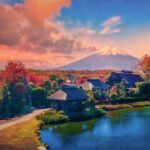
After the viewpoint grind, Oshino Hakkai feels like a palate reset. You’ll spend around an hour here, and the vibe is calm: traditional architecture, clear ponds, and a village that rewards slow wandering. It’s one of the best places in the area for visitors who want the scenery without constant motion.
What you’ll like most is the contrast with the “big skyline” moments. Fuji is still part of the atmosphere, but the focus becomes water detail—how it reflects, how it moves, and how the village layout frames the views.
There’s also a practical benefit: it’s a good place to refuel. Local food stalls and treats are part of the stop, so you’re not locked into only one lunch moment later.
One consideration: this part of the day can become a little photo-and-walk loop, so if you’re trying to do shopping, you’ll need to keep it light. The tour is designed to move you on to the next region highlights.
Mt. Fuji 5th Station: what you actually get at the highest car-access point
The Mount Fuji 5th Station stop is the big “we’re really going up” moment. You’ll spend about an hour here, enough for panoramic viewing and a walk around areas near shrines and trails—plus time for the guided piece so you understand what you’re seeing.
This is where the tour feels most “worth it” if you’ve never been this high before. It’s not summit trekking, but it’s the highest car-accessible level that most visitors can reach in a day. That means you get altitude vibes—different air, different feeling, different views—even without technical climbing.
Also, it’s the stop most sensitive to weather. Sometimes you’ll see Fuji sharply; sometimes it’s partially hidden. Either way, you’ll still get the mountain-world feeling: crater-adjacent views in the distance, volcanic terrain cues, and the sense you’re at the gateway of a much bigger climb.
If your goal is pure Fuji photography, this is the moment to stay attentive. A good guide will keep you moving at the right times—one guide named Abu is noted for adjusting to when Fuji is visible and making sure you don’t waste the best windows.
Lake Kawaguchi and Oishi Park: water views with breathing room
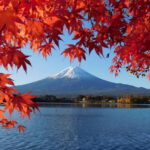
Next comes Lake Kawaguchi, a classic place to see Fuji reflected in calm water. The stop includes time to either take a boat cruise or relax by the lakeside. You’ll get about an hour total, which is short enough to keep the day efficient but long enough to feel the water setting.
This is also where you start getting that “hakone-and-fuji region in one day” mix. Kawaguchi can feel scenic and serene, but it’s still part of a tight schedule. If you’re deciding between options, my rule is: boat cruise if the sky is clear enough to show Fuji; lakeside if clouds are thick and you’ll want flexible walking for photos.
Oishi Park follows, adding another viewpoint-like break with photo time. Again, short and focused. The upside: you’ll leave with multiple angles instead of relying on one “perfect” spot.
Hakone Shrine, Lake Ashi, and the torii-on-water moment
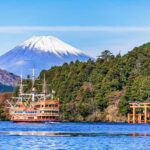
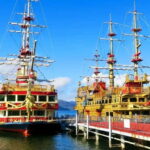
Hakone’s signature vibe is here, and it’s not subtle. You’ll reach Hakone Shrine with its iconic torii gate set on water. The stop includes guided time and walk time, so you’re not just photographing from one angle. You also get time around Lake Ashi with room for sightseeing and free moments.
Lake Ashi is the reason Hakone works in a day trip: it turns the scenery into something you can feel. Even if Fuji isn’t fully visible at every point, the lake setting keeps the region feeling special.
This is also where you start noticing the value of a private car again. Instead of timing transfers across multiple train lines, you’re simply going door-to-door between viewpoint clusters. That matters on a 10–11 hour day when every transit change eats minutes.
Owakudani and the ropeway: volcanic drama, practical tips, and how to handle the wind
One of the most atmospheric stops is Owakudani Valley. You’ll have guided time here and a safety briefing, plus walk time to experience the volcanic zone. This is the part of the day where the air can feel harsher and the ground can feel very different—more dramatic than the calm lakes and shrine gardens.
After that, the tour typically includes a Hakone Ropeway (cable car) ride with guided time and walk time. This is one of those “weather decides everything” experiences. If it’s clear, the views can be great. If it’s windy or cloudy, you’ll still get the sense of crossing a volcanic corridor even if the exact view is reduced.
Then you add Odawara Castle. This stop gives you a historical change of pace before you head toward the shopping zone at the end.
Gotemba Premium Outlets: shopping, plus one last Fuji look
Not every Fuji-day trip includes time for shopping, and that’s exactly why this one is useful if you need to bring home gifts or want to reset after a full day of viewpoints. Gotemba Premium Outlets gives you about an hour for browsing and walking.
Here’s the practical tradeoff: your time is limited, so it’s best for quick errands or planned purchases rather than browsing every store. The good part is that you’re in the Mount Fuji area still, so you can keep one more photo opportunity in your pocket while you shop.
Food, downtime, and what entrance fees might cost you
Lunch is scheduled as a local restaurant stop for about 40 minutes. Meals themselves are not included, so budget for lunch there.
Entrance fees are also not included. That doesn’t mean “don’t do it,” but it does mean you should expect you’ll pay for paid experiences at some stops if you choose them. When a day includes boat cruises, caves, ropeways, and other ticketed sights, not including entrance fees is normal—just plan for it so you’re not surprised halfway through the day.
My packing and timing advice for this exact kind of loop
This day can feel like a highlight sprint, so you’ll want to be comfortable right away.
Bring:
- Comfortable shoes (you’ll walk and climb viewpoint stairs)
- Warm clothing (Fuji-area air can feel colder)
- A camera
- Sunscreen
If you want the best photos, don’t just shoot while you stand still. Walk a little, change angles, and take a few minutes to watch how the clouds move. Fuji can reward attention more than speed.
And since this is a private tour, you can use that to your advantage: tell your driver-guide what you care about most—strict Fuji photos, more culture, shopping time, or longer water views. That’s how the day becomes yours, not a generic loop.
Should you book this Mount Fuji and Hakone private custom trip?
Book it if:
- You want a private day without rail transfers and crowded group hassles
- Fuji and Hakone are both on your list, and you want them in one organized push
- You care about photo timing and like having help capturing video and pictures
- You’re traveling as a group of up to 5 and want good value per group, not per person
Skip it (or scale expectations) if:
- You hate moving frequently and want long unhurried time in just one place
- You expect the summit-level experience—this tour focuses on viewpoints like the 5th Station, not technical climbing
- You’re only happy when Fuji is perfectly clear all day (weather can cut visibility, and your best approach is going in ready to adapt)
If your ideal day is: see the icons, learn a little history as you go, and let someone else do the driving, this tour fits that style well.
FAQ
How long is the Mount Fuji and Hakone day trip from Tokyo?
It runs about 10–11 hours, including travel time.
What does the tour include for pickup and drop-off?
You get pickup and drop-off at your hotel in Tokyo (within specified areas). Pickup is not available from airports or ports.
Is this tour private?
Yes. It’s a private experience for your group (up to 5) with an English-speaking driver-guide.
Do I need to pay entrance fees?
Entrance fees are not included. The tour includes pickup, transport, and guided time, but you should budget separately for paid sights.
Does the vehicle have comforts like Wi‑Fi and refreshments?
Yes. The car is air-conditioned, and you’ll have an in-vehicle Wi‑Fi hotspot plus tea, coffee, and bottled water.
What happens if the weather is bad?
If bad weather or an accident disrupts the tour, it can be rescheduled for another day based on your preference. If pickup is delayed, extra time is provided so you don’t miss your planned experience.