REVIEW · TOKYO
Sushi-Making Experience
Book on GetYourGuide →Operated by True Japan Tour · Bookable on GetYourGuide
Sushi class in Tokyo turns snack curiosity into real skills fast, and you leave with two practical kits. This 2-hour small-group workshop teaches you three sushi styles and ends with you eating your own creations with Japanese dining etiquette. One catch to plan for: hotel pickup and drop-off aren’t included, so you’ll need to get to the meeting point on your own.
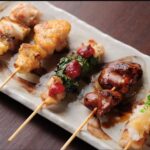
I like that the session is hands-on from the first ingredients check to the final photo-worthy plate. You’re not just learning theory—you practise nigiri, gunkan maki, and hosomaki, then try different sauces and sushi condiments with your meal.
In This Review
- Key highlights to look for
- Tokyo Tower area logistics: where you meet and how to find it
- The 2-hour flow: demo, practise, and then your sushi meal
- Learn nigiri, gunkan maki, and hosomaki without feeling rushed
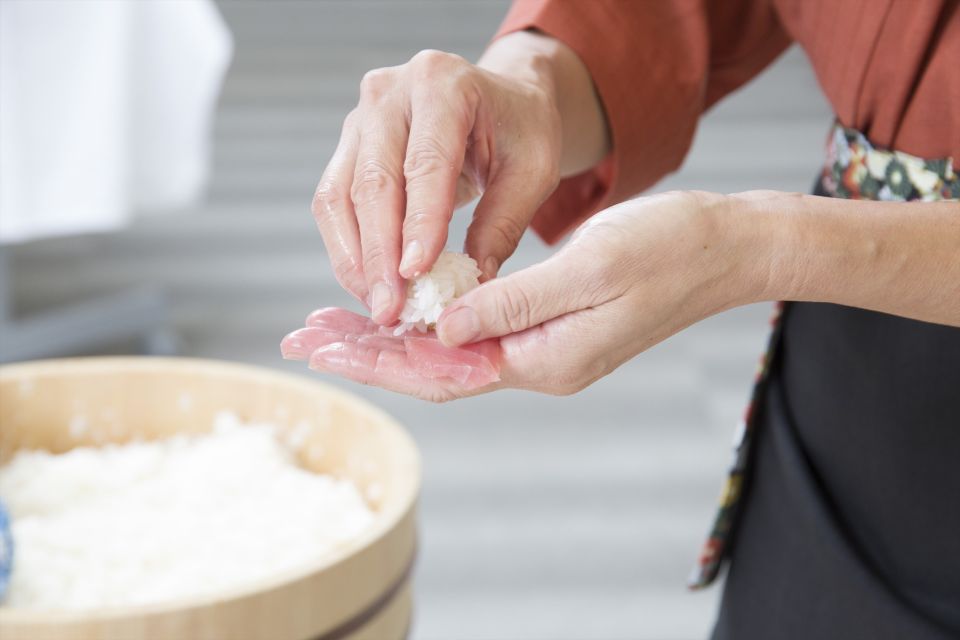
- Nigiri zushi: shaping and balancing
- Gunkan maki: building a more structured bite
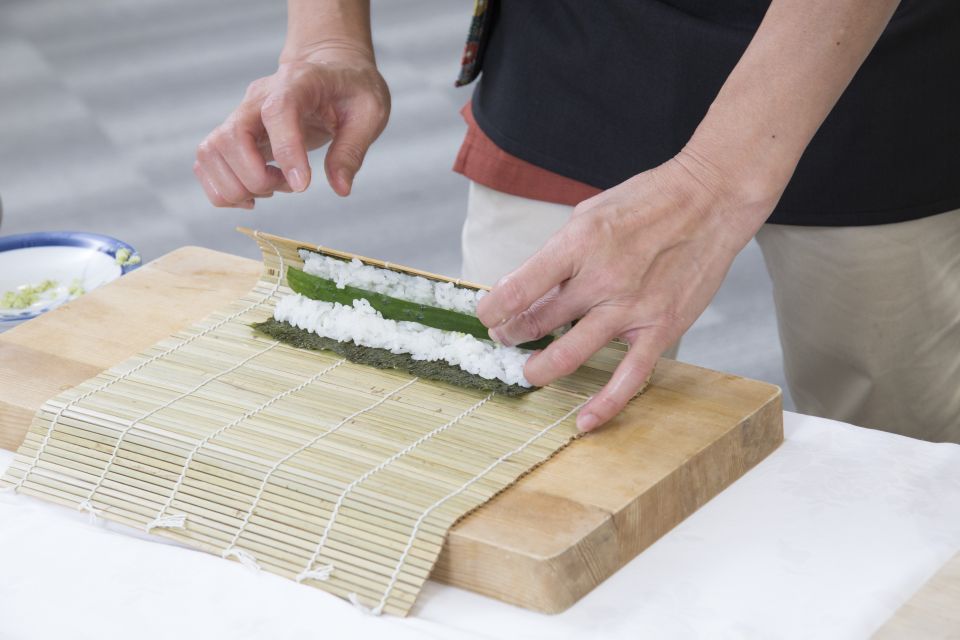
- Hosomaki zushi: the roll that rewards patience
- Why this three-style mix is valuable
- Sauces, condiments, and how sushi etiquette changes the whole experience
- The take-home bonus: two easy sushi-making kits you can actually use
- What’s included (and how that affects the $106 price)
- Who this sushi workshop fits best (and who might want a different option)
- Should you book this sushi-making workshop near Tokyo Tower?
- FAQ
- Where is this sushi-making experience held?
- How long is the workshop?
- How much does it cost?
- What sushi styles will I learn to make?
- What’s included in the price?
- Do I get the kits to take home?
- Is hotel pickup included?
Key highlights to look for
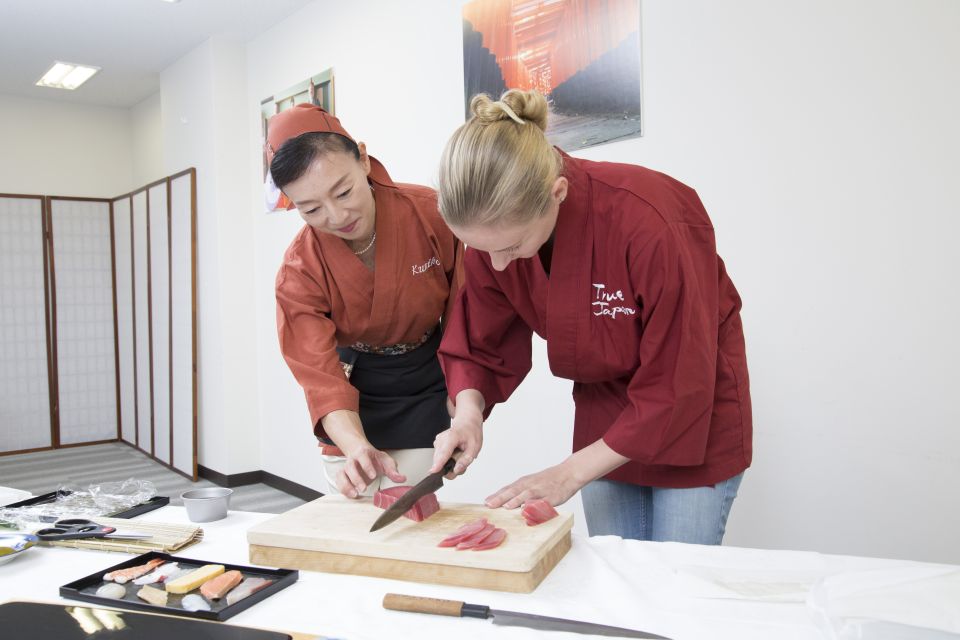
- Three sushi types: nigiri zushi, gunkan maki, and hosomaki zushi
- Small group max 10 for more help while you practise
- Two easy sushi kits so you can keep going at home
- English instruction with a nationally-accredited sushi instructor
- Japanese dining etiquette during the sit-down sushi meal
- Sauces and condiments paired traditionally with sushi
Tokyo Tower area logistics: where you meet and how to find it
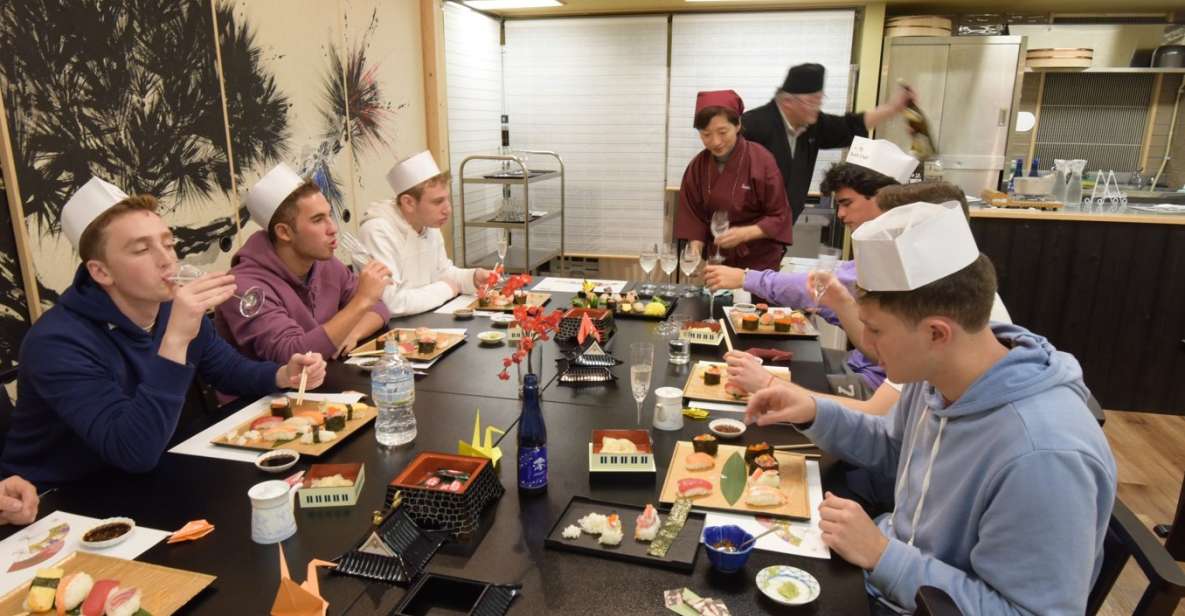
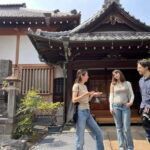
This workshop is held in the Kiaki Shinko Kaikan building area in Honshu (Tokyo). The location is practical because the building is opposite Tokyo Tower, so it’s easy to anchor yourself while you’re already sightseeing.
Meet your instructor at the main entrance on the 1st floor. If you can’t find them, go to True Japan Tour (Room B109) on the B1 floor. That backup plan is genuinely useful on a busy day around the tower area.
One more planning note: no hotel pickup/drop-off. If you’re staying far from central Tokyo, add buffer time for getting there. In a 2-hour experience, arriving even 15–20 minutes late can squeeze the hands-on practise part.
You can also read our reviews of more tours and experiences in Tokyo.



The 2-hour flow: demo, practise, and then your sushi meal
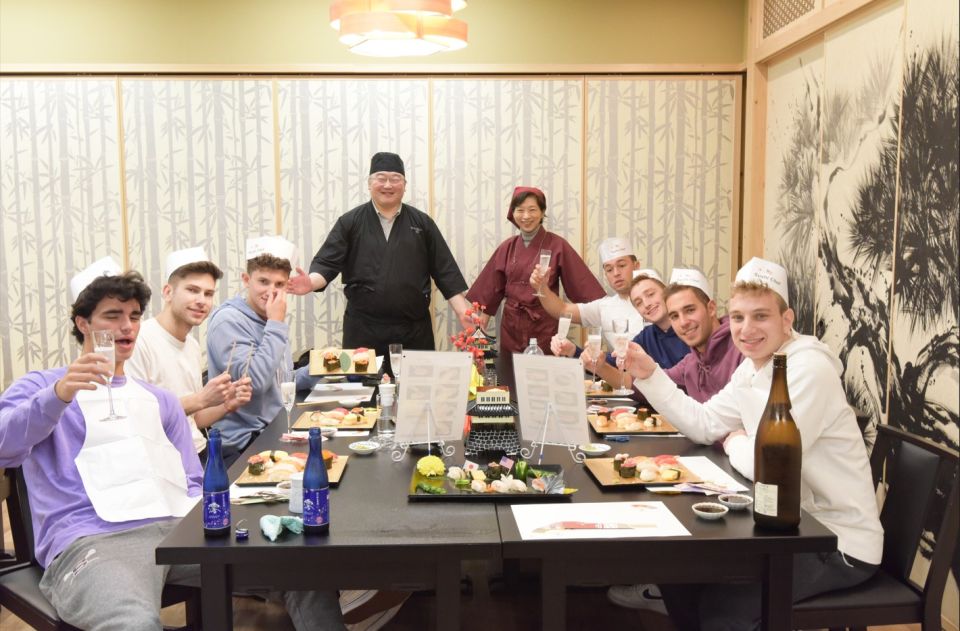
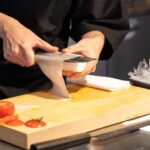
The pace is simple and efficient: you’ll get a short intro to sushi in Japanese dining culture, then the class moves into making. Expect to see an initial demonstration, followed by practise with help from the instructor and your group.
A good sign here is the structure. You start by preparing ingredients, you watch how the sushi should look and feel, and then you practise the basics rather than jumping straight to a final product. That’s what makes the class feel doable even if you’ve never touched sushi rice before.
At the end, you sit down to eat the sushi you made. This part matters because sushi is not just a craft—it’s also food with specific pairings and a set of dining habits. You get taught Japanese dining etiquette as part of the meal, so you’re not left guessing how to eat respectfully.
Learn nigiri, gunkan maki, and hosomaki without feeling rushed
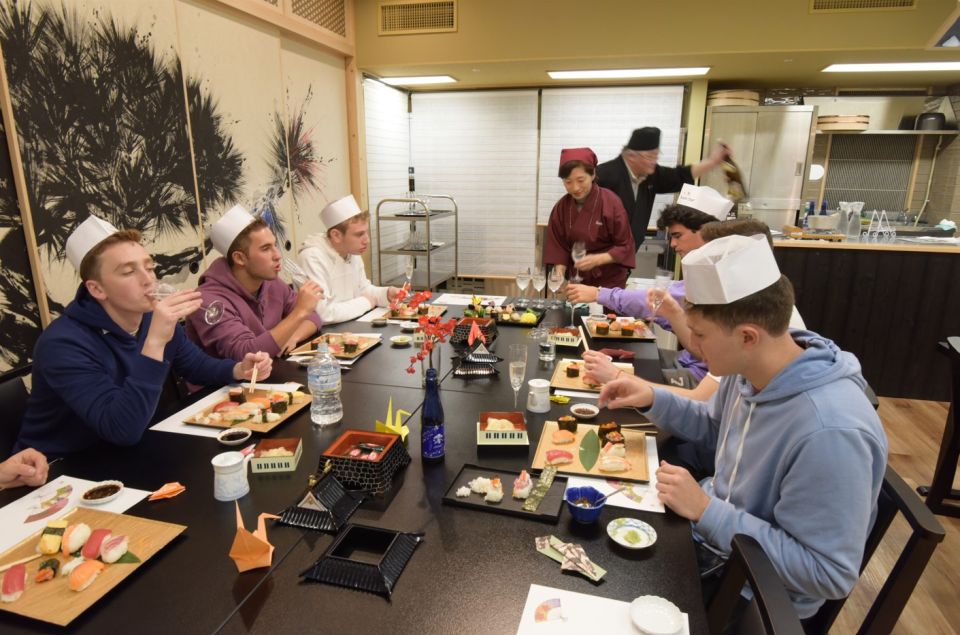
You’ll practise three different techniques, each one training a different skill in the sushi process.
Nigiri zushi: shaping and balancing
Nigiri is all about form. You learn how the sushi should be shaped and handled so it holds together without becoming sloppy. This style is a great first target because it teaches fundamentals that transfer to other sushi forms: working carefully, keeping portions consistent, and aiming for a clean look.
Gunkan maki: building a more structured bite
Gunkan maki (often described as a “battleship” style) requires a different approach because it’s more built up. You practise creating a shape that can hold toppings. This trains your hands to work with texture and firmness, not just rolling.




Hosomaki zushi: the roll that rewards patience
Hosomaki is a classic thin roll. Here you practise the basics of rolling and portion control. Thin rolls can look deceptively simple, but the technique really shows in the final cut. This is one of the parts that turns the workshop into something you can repeat later—if your first few rolls aren’t perfect, the skills are still building.
Why this three-style mix is valuable
Many short cooking classes focus on one technique. Here, you get three. That’s useful because it makes you understand sushi as a set of related methods, not one isolated trick. It also gives you variety during the practise, so the time doesn’t feel repetitive.
Sauces, condiments, and how sushi etiquette changes the whole experience
After you make your sushi, you’ll try it with sushi condiments and sauces that are traditionally paired with sushi. The point isn’t just flavor. The pairings show how Japanese dining treats sushi as a system—taste, texture, and balance working together.
This is also where your instructor’s guidance on Japanese dining etiquette matters. Even if you’re not aiming to become a sushi expert, etiquette helps you eat like you belong at the table. It can affect small choices: how you handle what you’re served, how you take your time, and how you move through the meal.
I appreciate workshops like this that don’t treat etiquette as a lecture. You get the rules in context while you’re already sitting down with the sushi. That makes it easier to remember—and easier to enjoy.
The take-home bonus: two easy sushi-making kits you can actually use
One of the biggest practical wins here is that you receive two easy-to-use sushi-making kits to practise at home. That turns the workshop from a one-time activity into a repeatable skill practice.
Here’s why that matters for value. A class is only as good as what you can do next. With take-home kits, you can revisit techniques—especially the ones that feel hardest on day one, like shaping nigiri consistently or rolling hosomaki without rushing.
Also, two kits is helpful because it gives you flexibility. You can practise right away, and you have another chance later if you want to refine the method once the first attempt is behind you.
What’s included (and how that affects the $106 price)
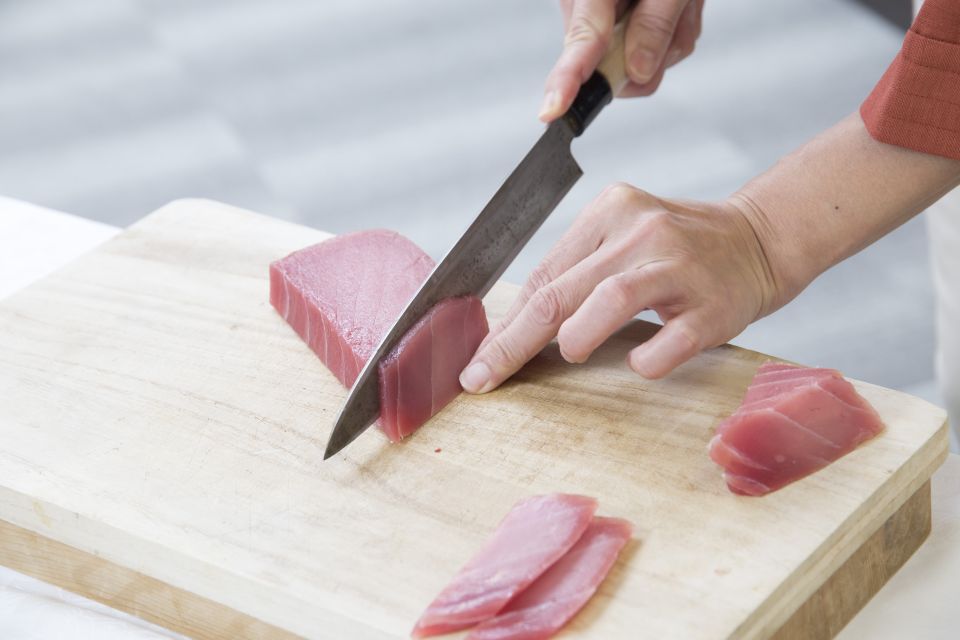
At $106 per person for a 2-hour class, you’re not paying mainly for watching someone cook. You’re paying for instruction plus materials plus the meal plus two kits.
Included items:
- Workshop with a nationally-accredited sushi instructor
- Ingredients
- Sushi meal
- Two sushi making kits
Not included:
- Hotel pickup and drop-off
So the value story is pretty clear. You get guided practise with the ingredients used for your sushi, you eat what you made, and you leave with tools to keep practising. If you only took a class without leaving equipment or kits, the price would feel easier to question. Here, the take-home component does heavy lifting.
One realistic consideration: because you’re responsible for getting to the meeting point, factor in local transport costs and time. That’s the part that can change the “real” total depending on where you’re staying.
Who this sushi workshop fits best (and who might want a different option)
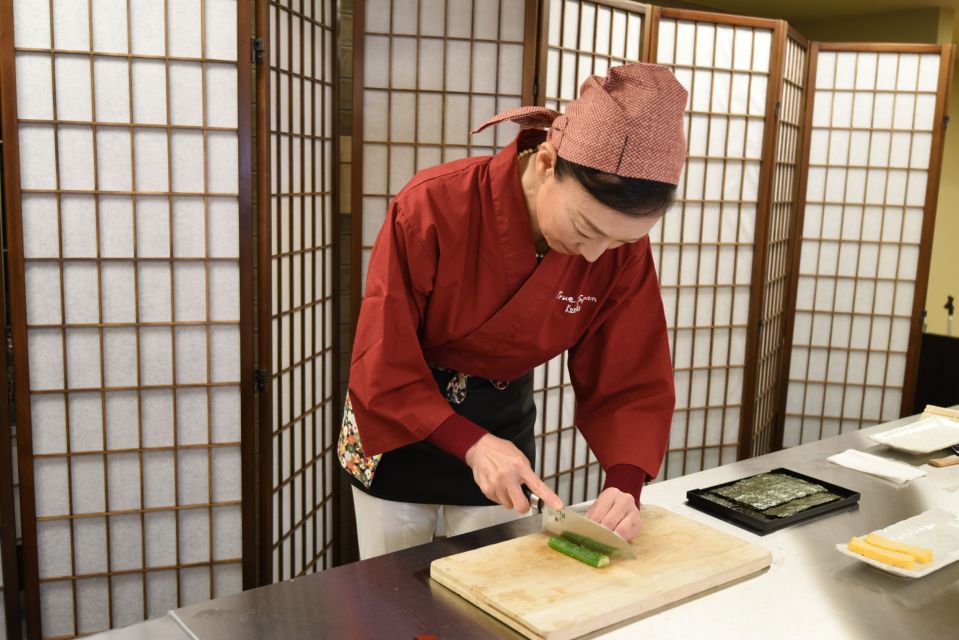
This experience is especially good if you want:
- Hands-on instruction rather than passive sightseeing
- A structured introduction to sushi using three distinct techniques
- An outcome you can repeat later thanks to two take-home kits
- Guidance in English with a small group limited to 10
It also states wheelchair accessible, which is great if mobility needs shape your Tokyo plans.
If you’re the kind of person who hates cooking classes because you fear getting in the way, the small group format helps. With fewer participants, instructors can give more specific help as you practise—exactly the type of support you want when your first attempt at shaping or rolling might not look perfect.
Should you book this sushi-making workshop near Tokyo Tower?
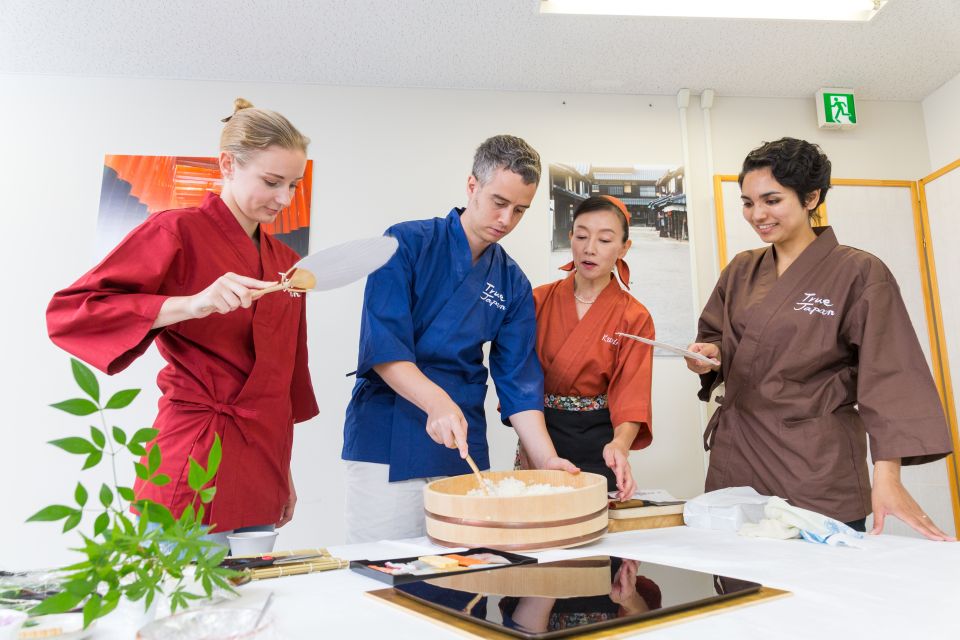
Book it if you want a focused, beginner-friendly sushi lesson that ends with a meal and a real home practise plan. The combination of three sushi styles, English instruction, and two take-home kits makes the experience feel practical, not just entertaining.
Skip it or consider another option if you don’t like arranging your own transport. Since hotel pickup isn’t included, you’ll need to reach the Kiaki Shinko Kaikan building on your schedule. Also, if you only want to eat sushi (not learn how to make it), you might find a meal-only option more your speed.
If you’re already in Tokyo and you want a high-skill, hands-on food activity that gives you something to practise after you go home, this one is an easy yes.
FAQ
Where is this sushi-making experience held?
It takes place in the Kiaki Shinko Kaikan building in Honshu (Tokyo). The building is opposite Tokyo Tower.
How long is the workshop?
The experience lasts 2 hours.
How much does it cost?
The price is $106 per person.
What sushi styles will I learn to make?
You’ll practise making nigiri zushi, gunkan maki, and hosomaki zushi.
What’s included in the price?
Included are the workshop with a nationally-accredited sushi instructor, ingredients, a sushi meal, and two sushi making kits.
Do I get the kits to take home?
Yes. You receive two easy-to-use sushi making kits so you can practise at home.
Is hotel pickup included?
No. Hotel pickup and drop-off are not included. You meet your instructor at the building’s main entrance on the 1st floor. If needed, you can go to True Japan Tour Room B109 on the B1 floor.