REVIEW · TOKYO
Tokyo, half day : private tour with an expert !
Book on GetYourGuide →Operated by Urban Trekkers · Bookable on GetYourGuide
Tokyo feels best with a plan. This private half-day tour strings together three big targets—Meiji Shrine, Senso-ji, and Shibuya crossing—so you don’t waste time figuring out logistics or where to stand. I love the mix of quiet forest at Meiji, the instant-color punch of Asakusa’s red temple area, and the practical help for Shibuya where everyone swarms. One consideration: the tour is only 4 hours, so you’ll want to be decisive about what matters most if you have a long list of must-sees.
What makes this experience especially workable is the expert who helps you cross attractions and temples smoothly, with itinerary creation handled for you. The guide also assists you from the moment you meet up through the visit, so you get explanations that make the scenes easier to read (not just pretty photos). A possible drawback for budget-minded travelers: transportation fees, entrance fees, and food/drinks are not included, so your final spend depends on how you travel and what you choose to enter.
In This Review
- Key Takeaways Before You Go
- A Four-Hour Tokyo Route That Actually Fits
- Starting in Asakusa: Senso-ji Makes the Best First Impression
- Meiji Shrine and the Forest Reset You Didn’t Know You Needed
- Shibuya Crossing: Getting Video and Not Getting Stuck
- Price and Value: Why $82 Can Make Sense (If You Budget Extras)
- What the Guide Actually Does (Besides Show Up)
- Included vs. Not Included: Plan Your Half Day Budget
- Who This Private Tour Is Best For
- Practical Tips That Make the Tour Feel Effortless
- Should You Book This Private Tokyo Half-Day Tour?
- FAQ
- How long is the Tokyo private tour?
- Where does the tour pickup and where do you return?
- What are the main places covered?
- Is the tour private?
- What languages are available for the guide?
- What’s included in the price?
- Are transportation, entrances, and food included?
- FAQ
- Can I get a refund if I cancel?
- Is wheelchair access available?
Key Takeaways Before You Go
- A private 4-hour route that hits Meiji Shrine, Senso-ji, and Shibuya crossing without the full-day commitment.
- Forest-at-Meiji + temple-color-at-Asakusa in the same half day, giving you real contrast in Tokyo.
- Shibuya video capture help, so you can get moving-crowd footage without spending the whole time hunting for the right angle.
- Expert itinerary creation and guidance that helps you navigate key stops and understand what you’re seeing.
- French, English, or Portuguese guide options, making communication smooth.
- Pickup included, with pickup and drop-off location options and a meeting tied to Asakusa.
A Four-Hour Tokyo Route That Actually Fits
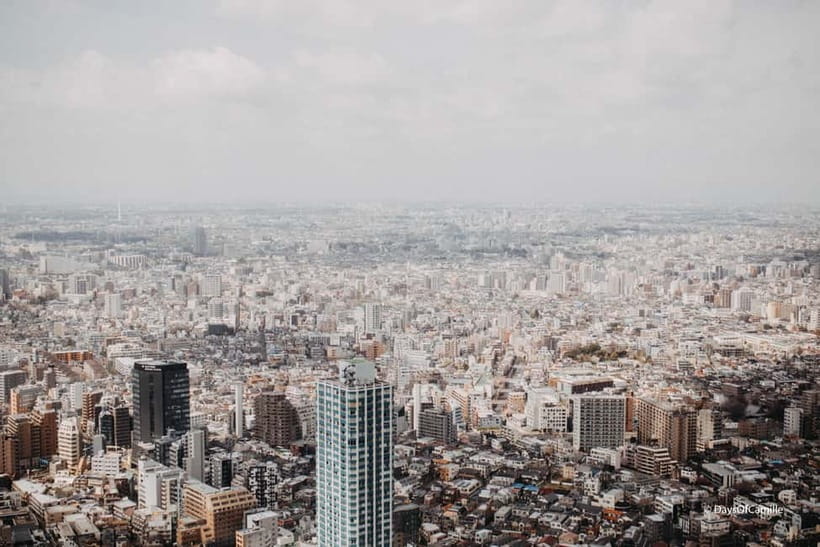
Tokyo can be overwhelming in the best way: signs, stations, crowds, and sudden side streets everywhere. This private tour is built for people who want the highlights but don’t want to spend hours doing route planning and decision-making. You get an expert to keep the day moving and explain what you’re looking at as you go.
At 4 hours, you’re not trying to see every corner of Tokyo. Instead, you’re designed to experience three places that each feel like a different Tokyo mood—spiritual calm, old-city charm, and modern energy—then head back without turning the day into a marathon.
You can also read our reviews of more private tours in Tokyo
Starting in Asakusa: Senso-ji Makes the Best First Impression
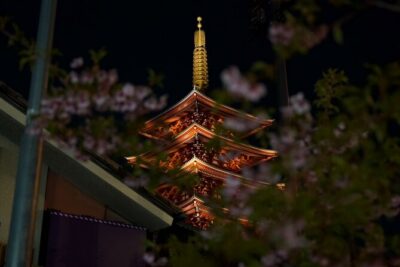
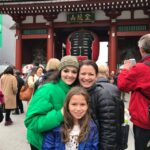
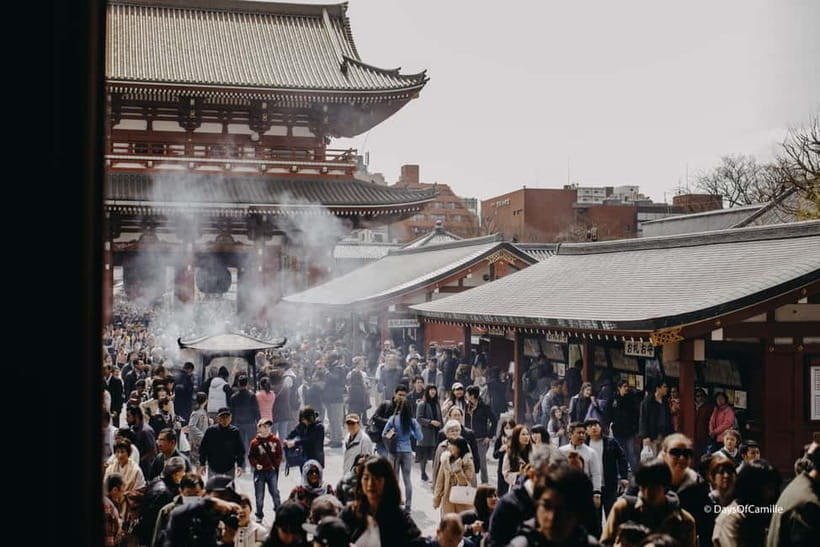
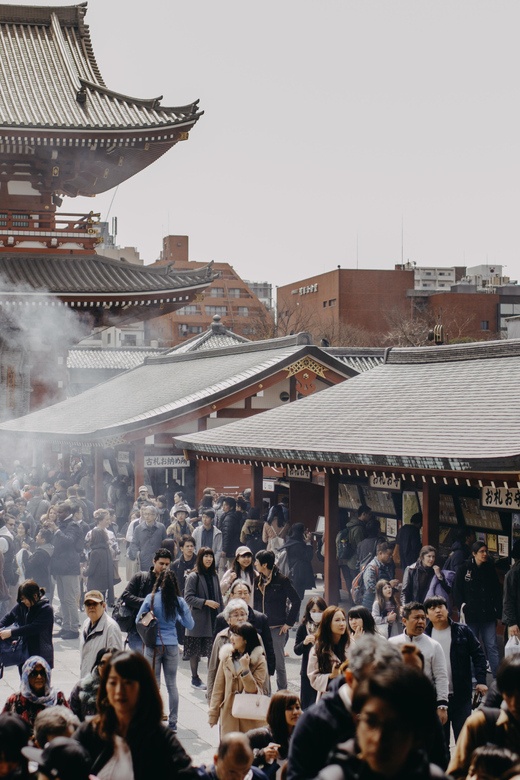
Your tour meets around Asakusa, and Asakusa is where you start building Tokyo context fast. This area is known for its temple precinct atmosphere, and the highlight here is Senso-ji, the red temple that visually anchors the neighborhood. Even if you’ve seen pictures already, being there in person usually hits harder because the space is made for walking, pausing, and noticing details.
During the time set aside for Asakusa (about 1 hour), you’ll want to focus on pacing your eyes. This is where I’d prioritize getting oriented: the approach streets, the temple frontage, and the crowd flow. A guide helps because it’s easy to waste time drifting without a plan—especially in an area where everyone naturally wants to stop in the same few spots for photos.
One practical upside of starting here: Asakusa sets a “Tokyo basics” rhythm. You learn how to read the space, where people gather, and how to behave in a temple environment. That makes the rest of the tour easier, because you’re already tuned in.
Meiji Shrine and the Forest Reset You Didn’t Know You Needed
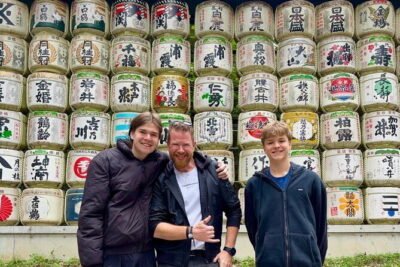
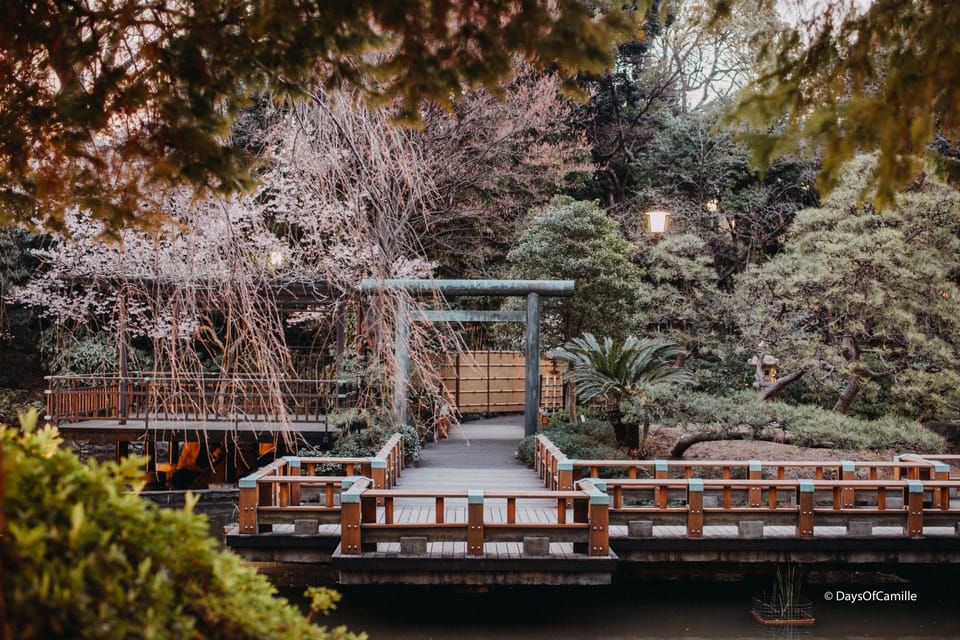
Then you switch gears to Meiji Shrine, and this is where the tour’s variety pays off. The big draw is the shrine setting and the “amazing forest” experience—an atmospheric change from city noise to a calmer, greener feel. It’s not just pretty; it changes how you move and how long you’ll want to pause.
Here’s what makes this stop valuable for most visitors: it gives your brain a break from constant stimulus. In Tokyo, your senses are always working. A shrine visit in a forested approach helps you slow down, listen to the environment, and actually take in what’s around you instead of just capturing it.
A consideration: if you’re traveling during peak times, the approach paths and shared spaces can still be crowded. The good news is that an expert can help you time your viewing moments and decide where to stand so you get good sightlines without feeling like you’re fighting the crowd the whole time.
Shibuya Crossing: Getting Video and Not Getting Stuck
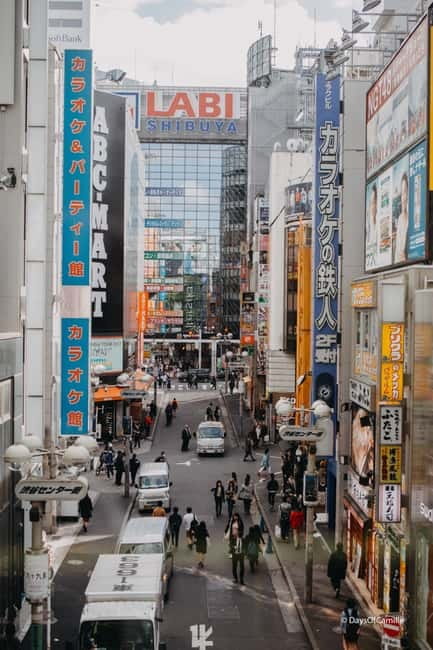
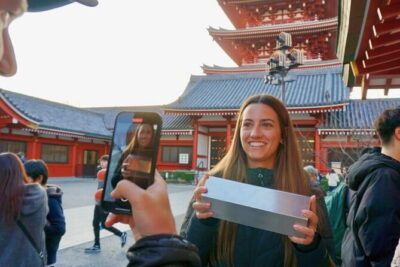
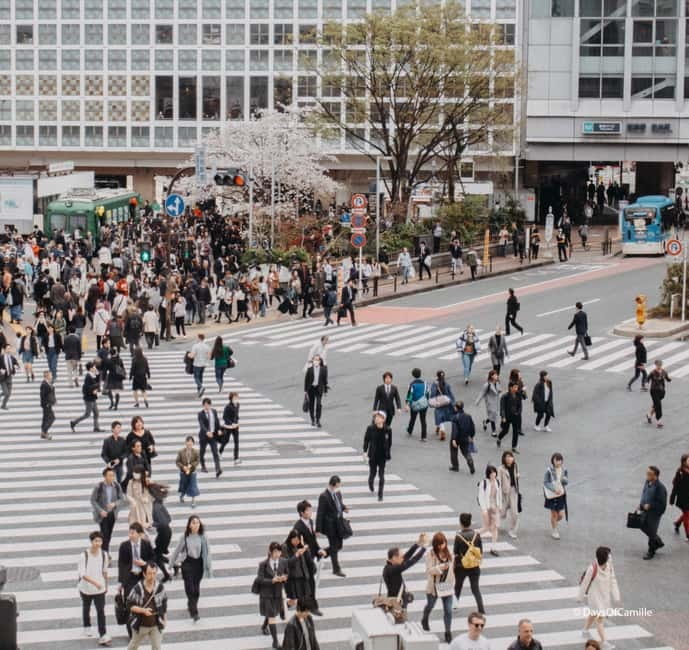
Next up is Shibuya, famous for its crossing. Your guide’s role here is more than “look, it’s busy.” You’ll get help crossing smoothly and—according to the experience notes—videos are taken for you. That’s a smart time-saver because Shibuya is famous for two things: people everywhere and a lot of moving parts.
If you’ve ever tried to film the crossing yourself, you know the trade-off: either you stop to record and lose your position, or you keep walking and end up with shaky, half-blocked footage. Having someone help with positioning and execution means you can focus on the moment instead of fiddling with a phone while traffic of people swallows your view.
What I like about pairing Shibuya with temple and forest earlier is pacing. By the time you hit Shibuya, you’ve already “softened” your pace at Meiji and gotten grounded in Asakusa. So the modern chaos feels like a payoff, not a shock.
One small caution: Shibuya is a crowd magnet. Wear comfortable shoes and expect that the crossing experience is about flow. If you hate standing still in packed areas, you’ll still be fine as long as you treat it like a short, active moment rather than a long stop.
Price and Value: Why $82 Can Make Sense (If You Budget Extras)
The listed price is $82 per person for a private group and a 4-hour experience. For Tokyo, that can feel like a bargain or a splurge depending on what you compare it to. I look at value in terms of what the guide and planning remove from your day: navigation stress, missed turns, and the time you’d spend Googling or asking for directions again and again.
What you’re paying for here is clear: an experienced tour guide plus itinerary creation. That’s the core value. The tour is designed so you get explanations and help moving between sites efficiently, with pickup built in.
What isn’t included matters for the real total. Transportation fees, entrance fees, and private vehicle aren’t included, and neither are food and drinks. So your final cost depends on whether you’re using public transit, paying entry charges, and whether you want snacks along the way. Still, for many visitors, removing the cognitive load of planning is worth it—especially when you only have half a day.
A nice detail: the guide supports multiple languages (French, English, Portuguese). If you’re not traveling with fluent Japanese, that alone can turn “we’ll figure it out” into something smoother.
What the Guide Actually Does (Besides Show Up)
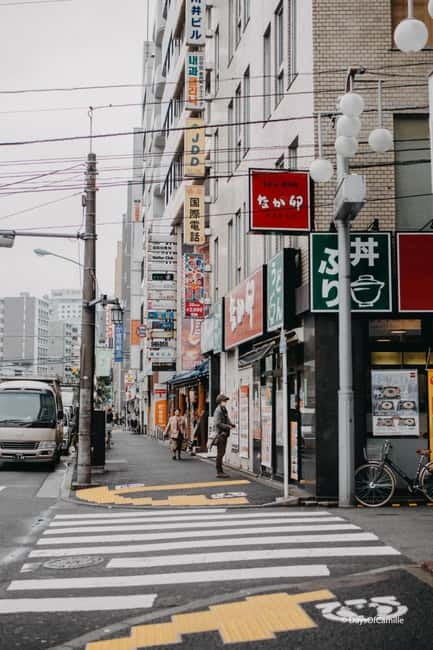
This tour leans hard into “expert help,” and that matters more than people expect. Instead of you wandering and hoping you end up at the right spot, the guide is meant to assist you from the creation stage to the visit—helping you understand what you’re seeing and how to move through each attraction efficiently.
You’ll also get support for the big practical moment at Shibuya: crossing successfully and getting the best possible video outcome. And in general, you’re not left with a map and a shrug.
There’s also a real-world signal from one booking: the guide Aziz was praised for excellent care, fitting the group’s wishes, and showing the best places. Even if your guide won’t be the same person, the takeaway is useful: the service is expected to be attentive and flexible, not rigid.
Included vs. Not Included: Plan Your Half Day Budget
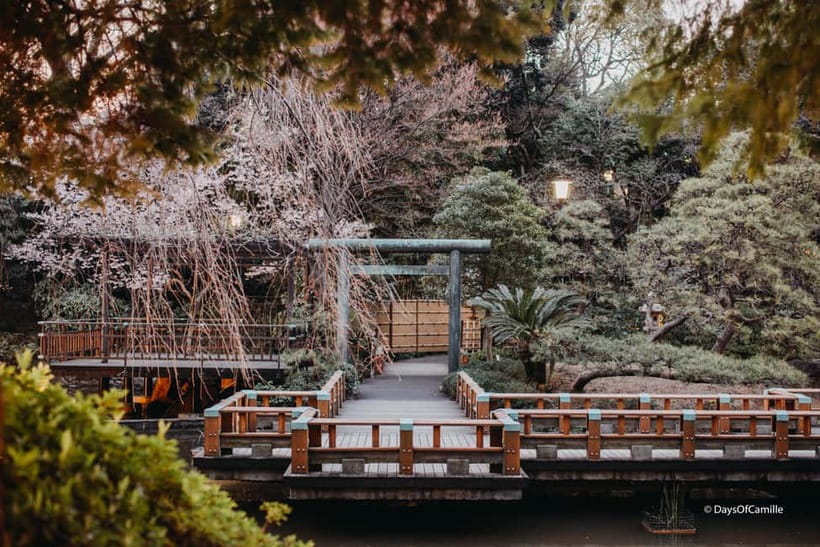
To avoid surprises, here’s the simple budgeting mindset I recommend. Included: the experienced tour guide and itinerary creation. Also included in the experience details is pickup, and you can decide where you want to be picked up and dropped off (with the tour meeting centered around Asakusa).
Not included:
- transportation fees
- entrance fees
- private vehicle
- food and drinks
So what should you do? If you’re traveling on public transport, budget transit costs and any station-to-destination time. If you plan to enter specific areas that charge fees, set aside a small entry budget. And don’t forget that half-day tours still cover time for quick bites, water, or tea—food and drinks aren’t handled for you.
The good part: knowing what’s excluded makes it easier to stay in control. You can decide how “light” or “spendy” your day becomes.
Who This Private Tour Is Best For
This is a strong fit if you want Tokyo highlights without turning your day into a navigation puzzle. The private setup works especially well for couples, small groups, and families who don’t want to merge into large group schedules.
It also suits visitors who value interpretation. The tour isn’t just about checking boxes. You’re guided so you learn enough to understand what you’re looking at—temple space manners in Asakusa, the shrine setting in Meiji, and what makes Shibuya crossing iconic in the first place.
Because the guide is live and comes in French, English, or Portuguese, it’s ideal if you want clear explanations, not a noisy “follow the leader” approach.
Wheelchair accessibility is listed, which is also important for planning. If you have mobility needs, it’s best to talk with the provider ahead of time so your pickup and movement expectations match your comfort level.
Practical Tips That Make the Tour Feel Effortless
A half-day tour is only great if you show up ready to move. Here’s how I’d prepare so the experience feels smooth from start to finish.
Wear comfortable shoes. Tokyo sidewalks are great, but temple approaches and crowd zones can mean extra walking. Bring a small bag with water. Food isn’t included, so plan a light snack strategy.
If you have preferences, communicate them early. The format is private, so your guide can adjust to what you care about most—how much time you want to linger, which viewpoints you prioritize, and how you want the Shibuya moment handled for photos/video.
Finally, keep expectations realistic. You’re seeing three major highlights in 4 hours, so you’re not doing deep, all-day exploration of each neighborhood. Think “best-of” with expert help, not “every detail of Tokyo.”
Should You Book This Private Tokyo Half-Day Tour?
I’d book this if you’re coming to Tokyo for the first time (or back for a short stay) and you want a smart, efficient lineup: Meiji Shrine, Senso-ji, and Shibuya crossing, with guidance to help you move and understand what you see. The private format plus pickup flexibility makes it feel less stressful than building the route yourself.
I would think twice if you’re the type who needs long stops and slow wandering at every site. With only 4 hours and Asakusa time set around 1 hour, this tour is best for people who are happy with meaningful highlights rather than exhaustive time in each place.
If you like getting help, want a guide in French/English/Portuguese, and care about getting good Shibuya footage without the hassle, it’s a very practical choice.
FAQ
How long is the Tokyo private tour?
It lasts 4 hours.
Where does the tour pickup and where do you return?
The pickup location is Asakusa, and you return back to Asakusa. Pickup is included, and you can decide where you want to be picked up and dropped off.
What are the main places covered?
The highlights include Meiji Shrine, Senso-ji in Asakusa, and Shibuya (including the crossing).
Is the tour private?
Yes, it’s a private group tour.
What languages are available for the guide?
The live tour guide is available in French, English, and Portuguese.
What’s included in the price?
Included: an experienced tour guide and itinerary creation. Pickup is included.
Are transportation, entrances, and food included?
No. Transportation fees, entrance fees, private vehicle, and food and drinks are not included.
FAQ
Can I get a refund if I cancel?
Yes. The experience offers free cancellation up to 24 hours in advance for a full refund.
Is wheelchair access available?
Yes, the tour is listed as wheelchair accessible.