REVIEW · TOKYO
Tokyo: Meiji Jingu Shrine & Inner Garden Guided Tour (2h)
Book on GetYourGuide →Operated by DeepExperience, Inc. · Bookable on GetYourGuide
A shrine walk with rules you can actually use. I loved the way the guide coaches you through the handwashing ritual and the proper way to pray, so it feels respectful instead of like stage directions. I also liked the stop-by-stop pace in Shinen Garden, including the South Pond area and, if time allows, Kiyomasa’s Well.
At $48 for two hours, it’s not the cheapest way to stroll these grounds, so make sure you want the added value: the guided experiences, omikuji, and fortune-telling. Also, the flow is structured—expect to move between key spots rather than linger wherever you personally drift.
In This Review
- Key highlights worth caring about
- Finding Your Guide at Ichinotorii (and Why the Start Matters)
- The Sake Barrel Offering and the Eternal Forest Lesson
- Walking to the Grand Torii, Then Doing the Handwashing Ritual
- Omikuji, Fortune-Telling, and the Optional Protective Charm
- Shinen Garden: South Pond as the Main Story (Plus Kiyomasa’s Well If Time Allows)
- Guides Make the Difference: Minoru-San, Kai, Kyo, and Takashi
- Price and Value: Is $48 Worth It?
- Who This Tour Fits Best
- Should You Book the Meiji Jingu Shrine & Shinen Garden Tour?
- FAQ
- How long is the Meiji Jingu Shrine and Shinen Garden guided tour?
- Where do I meet the guide?
- What language is the live guide?
- What is included in the tour price?
- What is not included?
- Is there a cancellation option?
Key highlights worth caring about
- Start at Ichinotorii: the tour begins at the first torii, so you get the right rhythm from minute one
- Sake barrel offering + the Eternal Forest idea: you’ll learn what the offering represents and how to read the symbolism
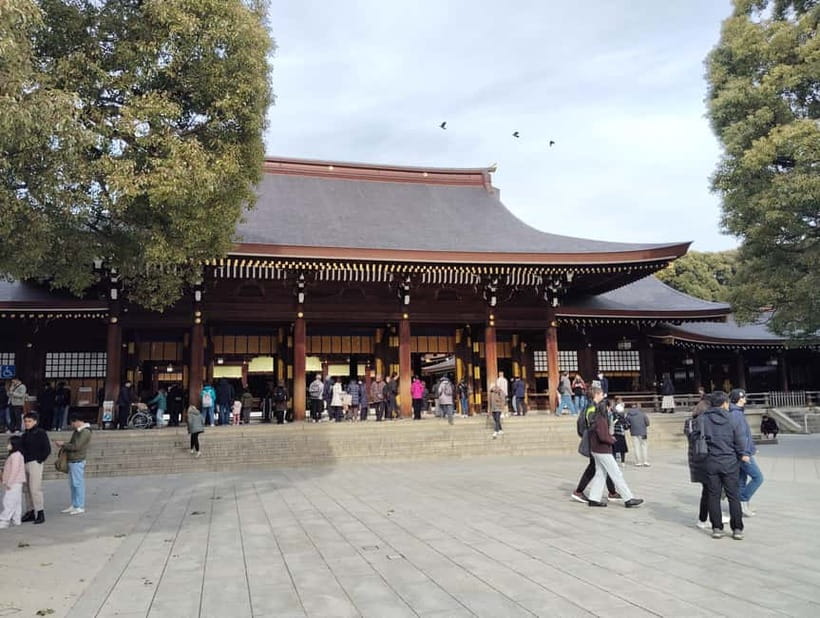
- Handwashing ritual practice: you’re shown what to do before you step into the main sacred area
- Omikuji/fortune-telling plus an optional protective charm: fun, practical, and easy to follow even if it’s your first time
- Shinen Garden focus: South Pond is the main thread, with Kiyomasa’s Well only if timing works
Finding Your Guide at Ichinotorii (and Why the Start Matters)
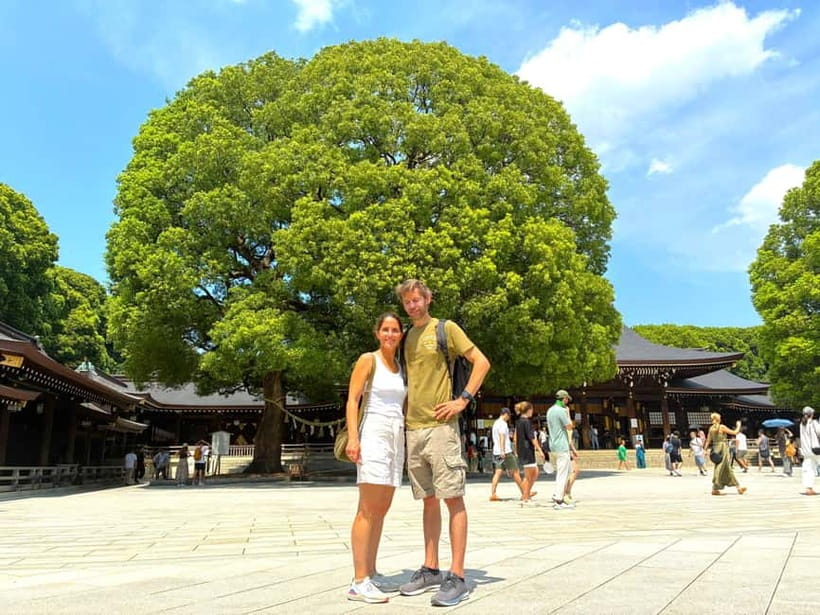
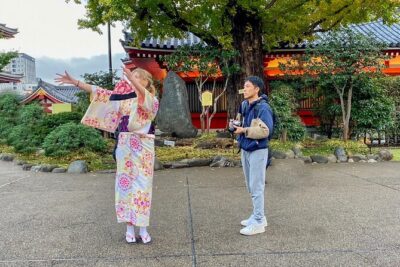
This tour is built around one simple decision: meeting at the first torii at 明治神宮 一の鳥居. The guide is there holding a yellow sign with the DeepExperience logo, so you’re not wandering around the forest trying to match faces to a web photo.
Starting at the first gate matters because Meiji Jingu doesn’t feel like an “attractions circuit.” It’s more like a sequence of spaces with their own mood. The guide gives you a quick intro to what’s coming next, then you step through the grounds with a plan. You’ll know when it’s time for photos, when it’s time to slow down, and when it’s time to just watch your surroundings.
One of my favorite parts of tours like this is that they reduce guesswork. When you don’t have to figure out the order or the etiquette, you can actually notice what you came to see—trees, stone paths, the quiet pull of the forest light.
You can also read our reviews of more guided tours in Tokyo


The Sake Barrel Offering and the Eternal Forest Lesson
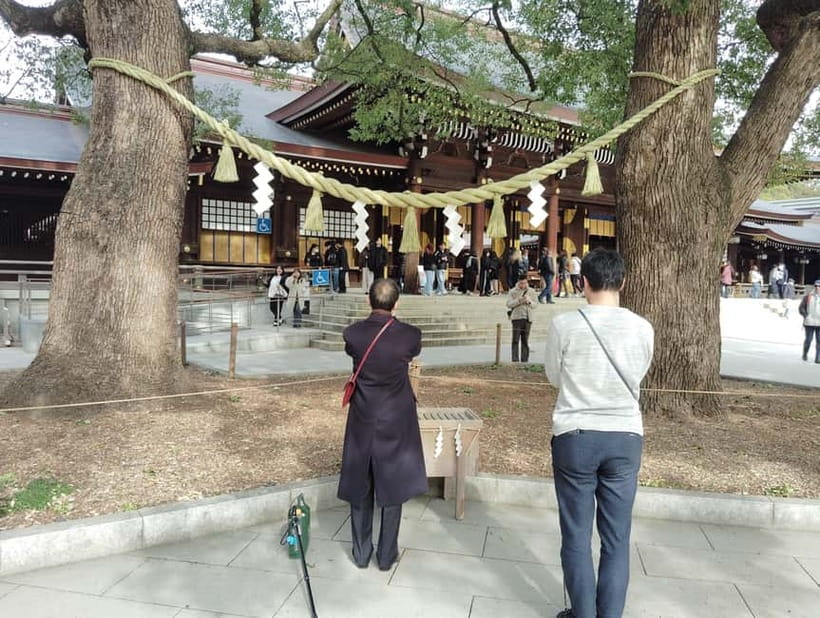
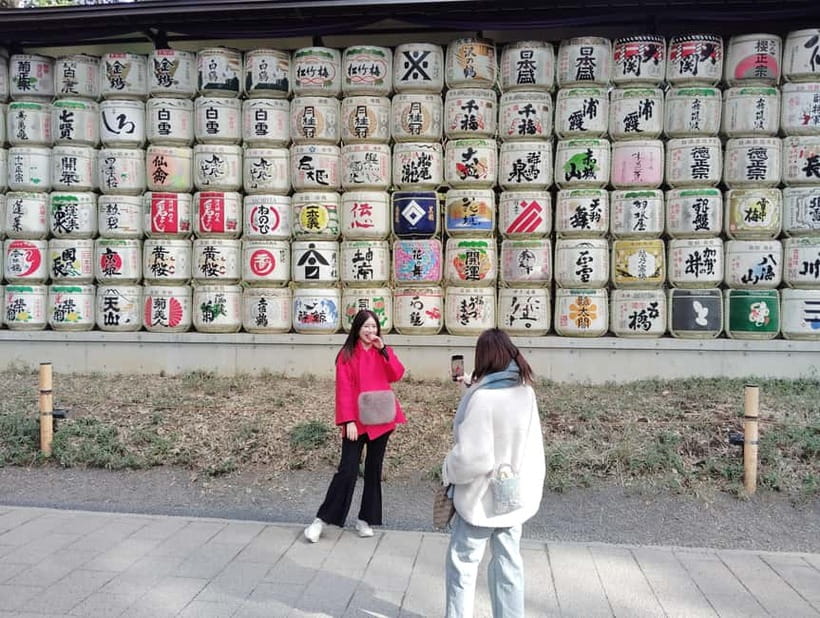
After a photo stop and a first look around, you head to the sake barrel offering area. This is one of those spots that can look “symbolic” from a distance—until someone explains what you’re looking at and why it’s there.
Here, you learn about the Eternal Forest idea and how it connects to the shrine’s spirituality. You also get a bit of time for photos. That pairing is smart. You’re not just told a story and shoved onward. You can look, then translate what you see into meaning.
If you like your shrine visits with context—without a lecture marathon—this section hits the sweet spot. It turns a famous-looking setup into something you can actually understand and remember later when you’re back home scrolling your pictures.
Walking to the Grand Torii, Then Doing the Handwashing Ritual
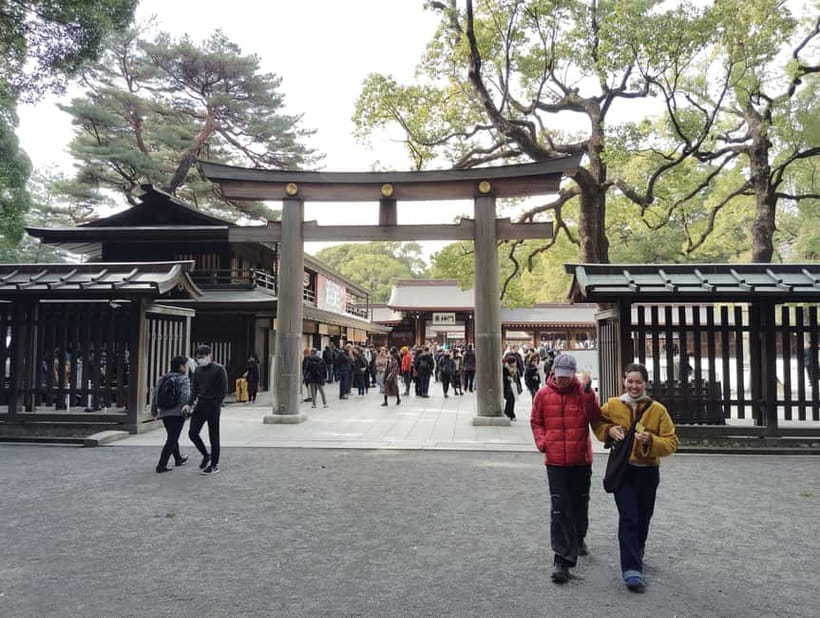
Next comes the walk toward the grand torii gate. This is the moment where the tour shifts from “seeing” to “participating.”
You’ll be given a chance to do the traditional handwashing ritual before entering the shrine area. It’s one of those everyday-sounding actions that’s actually ritual logic: clean hands, calm mind, respectful pace. The guide shows you how, so you’re not standing there overthinking whether you’re doing it right. (You’re not the first person to wonder that.)
Then you’ll learn the proper way to pray at Meiji Jingu. The goal isn’t to make you memorize a script. It’s to help you move through the space the right way—standing where you should, doing what fits the moment, and giving the shrine the attention it asks for.
You should also expect a brief window for reflection. Even if you’re not the type to get sentimental, it’s a useful reset: you’re in a forest shrine, not a theme park. The guide keeps you grounded so the experience stays calm.
Omikuji, Fortune-Telling, and the Optional Protective Charm
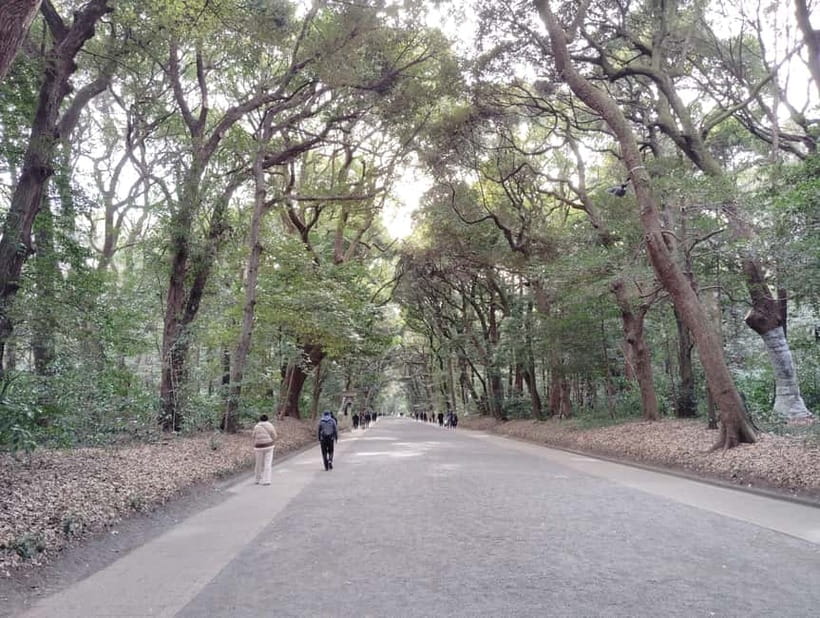
After the more formal shrine parts, the tour turns playful—in the best way.
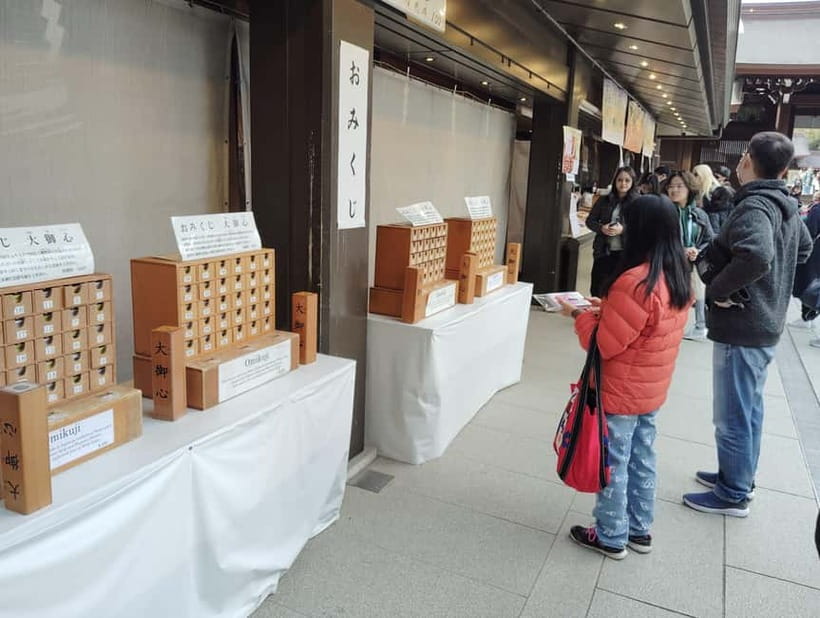
You’ll try fortune-telling and have time to experience omikuji (included). For many people, this is the first moment they realize Japanese shrine visits aren’t only about solemn gestures. There’s also a warm, human side: curiosity, humor, and a willingness to get a message—even if you treat it lightly.
Here’s a practical tip: if the fortune format feels unfamiliar, let the guide help you work through it. The point is not just to pull something out. It’s to understand what it’s saying and how you can apply it as a personal check-in.
If you’d like, you can also receive a protective charm during this segment. The tour frames it as optional, so you can keep it simple if you don’t want extra souvenirs—but if you do want one, this is when it makes sense to do it.
Shinen Garden: South Pond as the Main Story (Plus Kiyomasa’s Well If Time Allows)
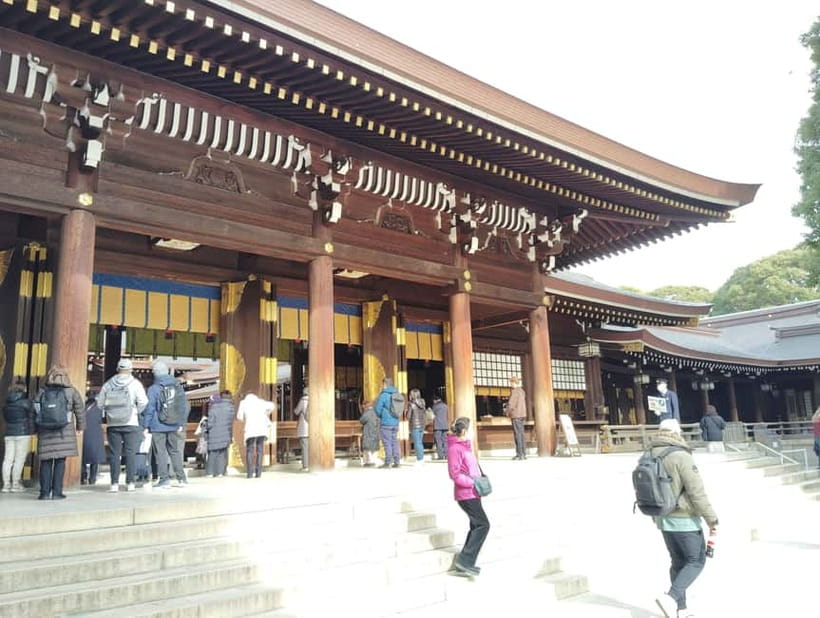
The final stretch focuses on Shinen Garden, with the South Pond area as the main target. This is where the vibe changes again—from ritual participation to a quieter kind of sightseeing.
A guided focus is helpful here because gardens can feel like “pretty paths” unless someone points out what to look for. You’ll walk through the garden with an emphasis on the South Pond area, so you’re not just wandering randomly and hoping something stands out.
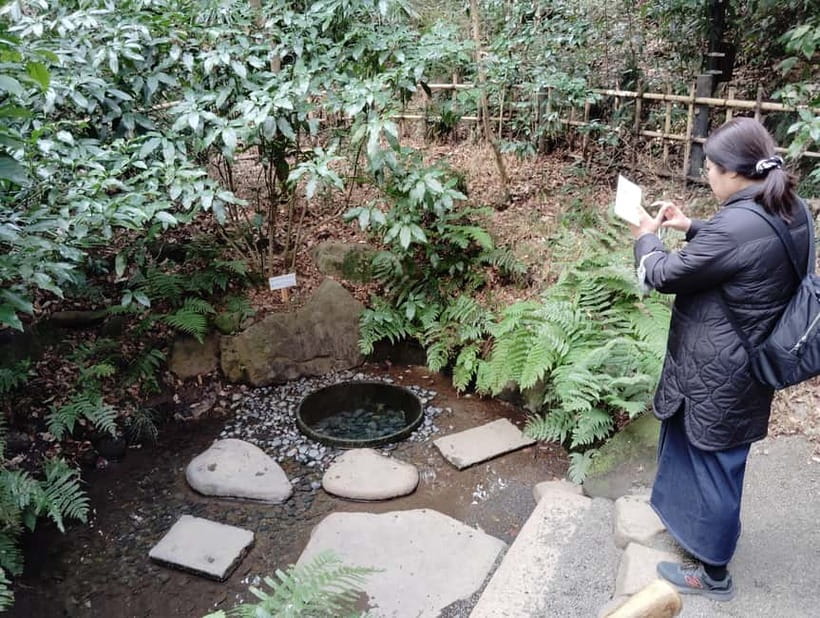
If time allows, you may also visit Kiyomasa’s Well. That “if time allows” note is important. It keeps expectations realistic: the guide manages pacing so you still get the core parts of the experience, even if your group is slower (or you take extra photos).
Either way, you end with a peaceful atmosphere as sunlight filters through the trees—then you return to the starting point at the first torii. That loop matters. It gives you a clean ending instead of leaving you mid-forest wondering what you missed.
You can also read our reviews of more tours and experiences in Tokyo




Guides Make the Difference: Minoru-San, Kai, Kyo, and Takashi
A lot of tours can recite basic facts. What makes this one feel worth it is the human element—the guide’s tone and the way they connect details to everyday understanding.
In English tours with DeepExperience, I’ve seen guides like Minoru-San, Kai, Kyo, and Takashi lean into explanation plus anecdotes. They don’t treat the shrine like a museum label. They help you interpret what’s in front of you.
You’ll likely notice that the guide doesn’t just point. They teach you how to participate: how to handle the handwashing ritual, how to pray properly, and how to handle the fortune process without getting lost in translation. That’s where the experience becomes more than a walk—it becomes a small cultural skill you leave with.
Price and Value: Is $48 Worth It?
Let’s talk money in a practical way. $48 per person for about 2 hours is a mid-range price for Tokyo. You’re paying for a few things at once:
- A live guide (English)
- Entrance fee coverage for Meiji Jingu Garden
- Omikuji and other experience fees
That bundled structure can make sense if you’re short on time and you don’t want to piece together etiquette + activities on your own. If you’re the kind of traveler who likes to understand what you’re doing while you’re doing it, this price can feel fair.
On the other hand, if you mainly want quiet photos and you’re comfortable doing shrine etiquette research yourself, you might spend less on a self-guided stroll. The key question is simple: do you want the guided participation parts—handwashing, prayer practice, and fortune-telling—or would you rather keep it flexible and solo?
For me, the value is strongest when you treat the tour like a practical introduction. You’re not just consuming sights. You’re learning how to behave in the space and how to interpret the symbolic bits as you go.
Who This Tour Fits Best
This is a great match if you:
- want a structured, respectful first visit to a major shrine
- enjoy learning how rituals work instead of only taking photos
- like light, fun elements like fortune-telling paired with calm sightseeing
- prefer a small-group or private format so the guide can pace with you
It’s also a solid pick for couples and solo travelers who want to do something cultural but don’t want to manage all the details alone.
Should You Book the Meiji Jingu Shrine & Shinen Garden Tour?
If your goal is a meaningful first-time experience—with handwashing, prayer guidance, omikuji/fortune-telling, and a garden walk focused on South Pond—you’ll likely appreciate the way this tour organizes your time. The guide-led participation is the whole point, and the included experience fees help justify the price.
Book it if you want structure, context, and a calm, well-managed route from the first torii back to the first torii. Skip it only if you’d rather wander freely and you’re already confident about shrine etiquette and how to handle the fortune process on your own.
FAQ
How long is the Meiji Jingu Shrine and Shinen Garden guided tour?
The tour runs for 2 hours.
Where do I meet the guide?
Meet in front of 明治神宮 一の鳥居 (the first torii). The guide holds a yellow sign with the DeepExperience logo.
What language is the live guide?
The live guide is available in English.
What is included in the tour price?
Entrance fee to Meiji Jingu Garden, Omikuji and other experience fees, and the guide fee are included.
What is not included?
Food and drinks, and private transportation are not included.
Is there a cancellation option?
Yes. Free cancellation is available up to 24 hours in advance for a full refund. You can also reserve now and pay later.