REVIEW · TOKYO
Tokyo: Tea Ceremony Experience
Book on GetYourGuide →Operated by 日本文化体験 庵an東京 AN TOKYO · Bookable on GetYourGuide
Tea gets real when you grind it. This Tokyo tea ceremony lets you enjoy single-origin matcha in a casual hands-on OTE-MAE experience, with Ohigashi sweets to balance the cup.
One heads-up: at 30 minutes total, it’s a quick, focused taste of the ritual rather than a long, slow deep dive.
In This Review
- Key Things to Know Before You Go
- A 30-Minute Tea Reset in Central Tokyo
- What You Actually Do: OTE-MAE Steps, Grinding, and Serving
- The Quick Lesson: Tea Basics That Make the Cup Make Sense
- The Matcha Itself: Single-Origin Flavor in Your Own Hands
- Ohigashi Included: Sweet Counterbalance for Your Cup
- Price and Value: Why $7 Feels Reasonable for This Format
- Meeting Point at AN TOKYO: How to Plan Arrival Without Stress
- Language and Communication: Japanese Instructor, English Support
- Who Should Book This Tea Ceremony (and Who Might Not)
- Quick Tips to Make the Ceremony Feel Enjoyable
- Should You Book This Tokyo Tea Ceremony?
- FAQ
- What is the duration of the Tokyo tea ceremony?
- How much does it cost?
- Where is the meeting point?
- Is matcha included, and do I make it myself?
- Are Japanese sweets included?
- What language is used during the session?
- Is there an optional certificate?
Key Things to Know Before You Go
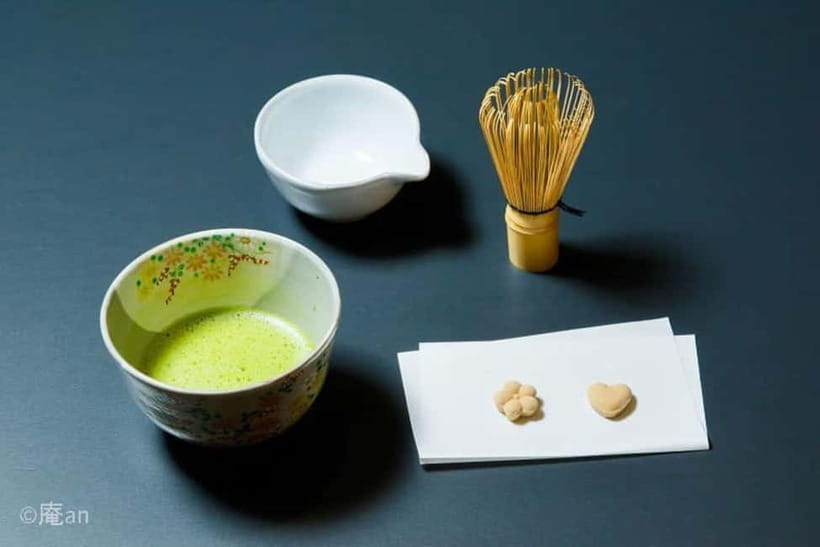
- You grind your own matcha with a matcha-grinding demonstration, not just watch.
- Single-origin matcha is used, so the flavor is more specific than a generic green powder.
- Ohigashi sweets are included so you get the classic sweet-and-tea pairing right away.
- OTE-MAE set experience included gives you a structured way to follow the steps.
- Picture time is built in so you can document the moment without rushing through everything.
A 30-Minute Tea Reset in Central Tokyo
Tokyo can wear you down fast. This tea ceremony is built for that exact problem: a short break where you slow your brain down and focus on something you can taste.
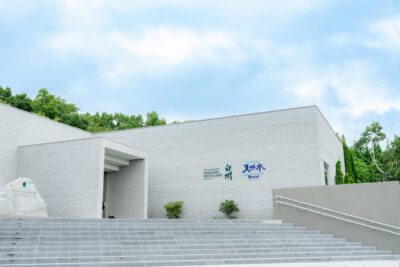
You’ll do the experience at AN TOKYO Japanese Culture Experience in Honshu, Japan, at coordinates 35.6916541, 139.7715022. It’s the kind of activity that works even if you’re in the middle of sightseeing and just want a calm pocket of time.
The vibe is practical and human. You get a brief explanation, then hands-on matcha making, then you drink. For many people, that makes the whole thing feel like a real pause rather than a performance you watch from the outside.
And yes, the matcha is part of the point. It’s described as single-origin special matcha, so you’re not just drinking green tea—you’re tasting a specific style of matcha meant to be experienced.
You can also read our reviews of more tours and experiences in Tokyo.



What You Actually Do: OTE-MAE Steps, Grinding, and Serving
Here’s the structure you can expect, in plain language.
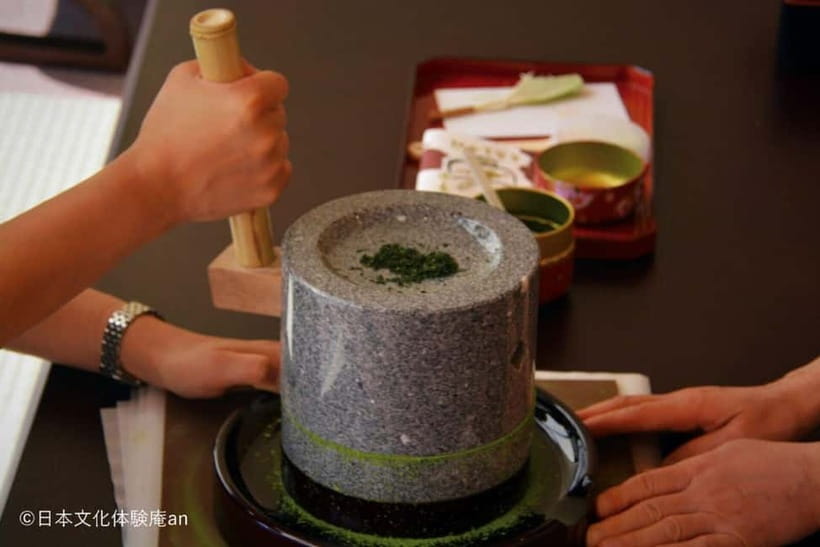
The session starts with a quick start to the experience, then you get an explanation regarding tea. After that, there’s a matcha grinding demonstration, which sets you up for the hands-on portion.
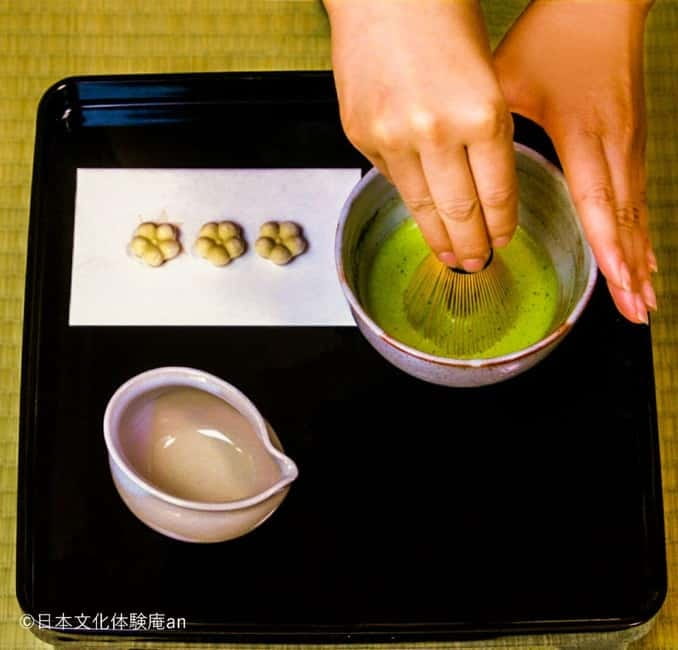
Then comes the tea-ceremony experience itself—your turn to follow the steps and make your matcha. This is where OTE-MAE shows up in a practical way: you’re not just learning theory, you’re doing the motions and the serving process that make tea ceremony more than a sip.
After the main ceremony, you’ll have picture time. That matters more than it sounds. A lot of activities assume you’ll figure out photos on your own, but here it’s included so you’re not stealing moments mid-ritual.
Timing-wise, it runs about 30 minutes total. The flow is roughly: start and instruction, grinding and ceremony, then a final eating/drinking time before you head out.
The Quick Lesson: Tea Basics That Make the Cup Make Sense
The explanation regarding tea is brief, but that’s not a flaw here. In 30 minutes, you want the key ideas that help you understand what you’re doing while you’re doing it.
You’ll learn the basics behind the experience and how matcha fits into the ritual. Even if you’re not a tea nerd, you’ll likely walk away with a clearer sense of why matcha tastes the way it does and why the serving style matters.
A big advantage of this format is that it’s not separate from the tasting. You’re not watching a lecture first and tasting later, hours later, when it’s harder to connect the dots. Instead, the explanation supports the hands-on part right away.
Also, the tone is casual. The experience highlights that you can enjoy matcha casually, which helps if you’re worried tea ceremony will feel too formal or too strict for tourists.
The Matcha Itself: Single-Origin Flavor in Your Own Hands
Grinding matcha changes how you think about matcha. You see the texture and process up close, and that makes the flavor feel more intentional once you drink.
This experience uses single-origin special matcha. That detail matters for value because it hints at quality and specificity. Generic matcha can be fine for a casual drink, but single-origin matcha usually tastes more distinct—something you can notice even during a short session.
And because you make it yourself, you’re the one shaping the outcome. Even if you don’t control every variable perfectly, you still get the full arc: preparation, ceremony steps, then the cup.
If you’re coming from the usual Tokyo rhythm—quick bites, fast photos, lots of walking—that hands-on part is the difference between consuming an activity and actually doing one.
Ohigashi Included: Sweet Counterbalance for Your Cup
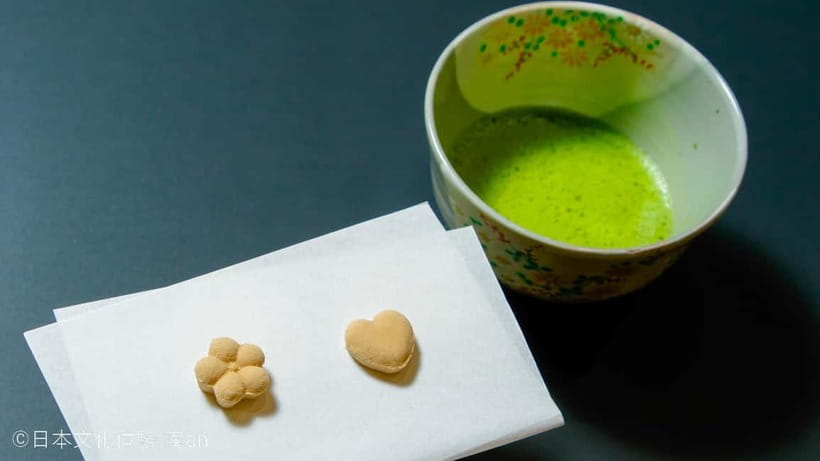
Tea ceremony in Japan almost always pairs tea with a small sweet. Here, you get Japanese sweets called Ohigashi.
This is one of my favorite parts because it makes the experience feel complete. Matcha can be bold—sometimes grassy, sometimes bitter depending on preparation—and a small traditional sweet changes how the cup reads on your palate.
You won’t have to guess what to order or hunt for a pairing after the ceremony. The sweet is part of the included experience, and it’s timed with your eating/drinking window.
Ohigashi also adds a cultural layer beyond the drink. You’re tasting a snack that belongs to the moment, not something you grab later to refuel.



Price and Value: Why $7 Feels Reasonable for This Format
At $7 per person for a 30-minute, hands-on Japanese culture experience, this is priced like a “short activity that delivers” rather than a big-ticket tour.
What pushes the value higher is what’s included. You get the set experience of OTE-MAE, plus matcha preparation and the accompanying Ohigashi sweets. Many similar experiences cost more and still feel mostly observational.
Also, the experience is designed to fit into a single sightseeing block. That’s important in Tokyo, where time is expensive. You’re not committing half a day, and you’re not building your schedule around a long lesson.
There is an optional extra: a completion certificate costs 300 JPY. If you want it, plan for that cost. If not, you can treat this as a straightforward, included experience focused on making and drinking tea.
Meeting Point at AN TOKYO: How to Plan Arrival Without Stress
You’ll meet at AN TOKYO Japanese Culture Experience. The coordinates are 35.6916541, 139.7715022, which is helpful if you’re using a maps app.
Plan to arrive early. The provider notes they won’t hold the event to accommodate delays, and that’s not just legal wording—it can affect whether you get to participate smoothly.
Operations run from 10:00 to 17:00. If you book a time after 17:00, it’s processed next day. That means you should double-check your reservation slot so you don’t end up with a surprise schedule shift.
Also note a key rule: those who don’t participate in the experience won’t be allowed to enter. So if you’re thinking about waiting outside while someone else goes in, don’t.
Language and Communication: Japanese Instructor, English Support
The instructor is Japanese. English translation is provided as much as possible, and if you specifically want more translation help, you can contact them.
In practice, this kind of setup usually means you’ll get enough English to follow the main steps, especially because the ceremony is highly structured and hands-on. You won’t need to know every tea term to participate.
Here’s the practical mindset I recommend: treat the experience like a guided activity, not a classroom. Watch the instructor’s hands, ask simple questions if you can, and focus on doing the steps.
If you’re traveling with a language barrier, you’ll likely still be able to participate because the flow is built around actions—grinding, making, serving, and drinking.
Who Should Book This Tea Ceremony (and Who Might Not)
This experience is a strong fit if you want:
- a short, calm activity during a busy Tokyo day
- a chance to make matcha yourself, not just drink it
- the included pairing with Ohigashi sweets
- a structured OTE-MAE set experience without a huge time commitment
It may not be ideal if you’re looking for a long, slow, ceremonial deep study. The total time is 30 minutes, and the session is meant to be efficient. You’ll still learn the basics, but you won’t get hours of step-by-step refinement.
It also suits people who like clear schedules. The program has a start, a lecture, a grinding demonstration, the ceremony experience, picture time, then a final eating/drinking window.
Families can plan too, with one important detail: children who sit on their parents’ laps are free of charge if they’re under 2 years old. That can make this easier than pricier activities for very young kids.
Quick Tips to Make the Ceremony Feel Enjoyable
A tea ceremony is a short ritual, so small choices matter.
First, treat timing like part of the experience. Show up on schedule because they won’t hold it for delays, and you’ll enjoy the session more if you’re not arriving flustered.
Second, if you care about English support, reach out ahead of time. The provider notes they can provide English translation as much as possible, and they’ll want your preferences to set things up well.
Third, plan your photos. Picture time is included, so don’t spend the whole ceremony fiddling with your phone. Let the ritual happen, then capture it when it’s time.
Finally, think of the matcha as the main event. Yes, the sweets are included, but the point is learning how the cup tastes after you grind and prepare it yourself.
Should You Book This Tokyo Tea Ceremony?
If you want a high-efficiency Tokyo cultural stop that mixes hands-on making with a real pairing, I’d book it. The combination of single-origin matcha, the included Ohigashi, and the structured OTE-MAE set experience makes the $7 price feel fair for what you do and taste.
Book it especially if your schedule is tight and you still want something authentic that isn’t just shopping or eating on the go. This is a reset button: short, guided, and surprisingly memorable once you’ve made the cup yourself.
Skip it only if you’re craving a long, ultra-traditional, slow ceremonial experience with lots of lingering instruction. This one is designed to fit into your day, and it does that job well.
FAQ
What is the duration of the Tokyo tea ceremony?
The experience lasts about 30 minutes, including the tea-related activities and time to eat and drink.
How much does it cost?
It costs $7 per person.
Where is the meeting point?
You meet at AN TOKYO Japanese Culture Experience, at coordinates 35.6916541, 139.7715022.
Is matcha included, and do I make it myself?
Yes. You’ll do a matcha grinding demonstration and then take part in the tea-ceremony experience where you can enjoy the matcha casually.
Are Japanese sweets included?
Yes. The experience includes Japanese sweets called Ohigashi.
What language is used during the session?
The instructor is Japanese. English translation is provided as much as possible.
Is there an optional certificate?
Yes. An experience completion certificate costs 300 JPY. If you want a nominative certificate, you can contact them in advance with your names.