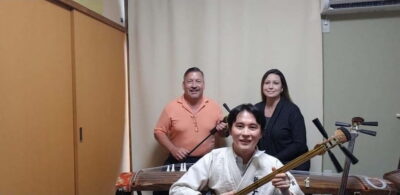
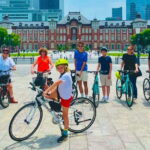
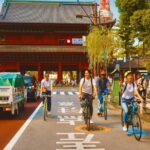
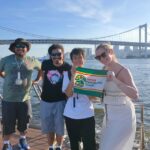
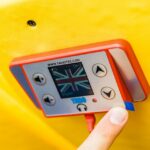
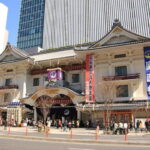
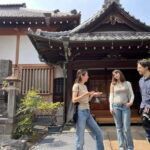
Tokyo changes when you pedal quietly. A small-group e-bike ride is one of the fastest ways to see Tokyo’s contrast, from electric pop-culture streets to Edo-era downtown sights, guided in English by people like Jo, Ted, and Ninja. You get to stop for photos and hear what to look for without getting stuck in line after line.
What I really like is how easy the electric assist makes the whole experience, even if you’re not a confident cyclist. The second big plus: the route is built for variety—Akihabara for classic otaku energy, Asakusa for traditional downtown atmosphere, then quieter, more local-feeling streets like Ningyocho and the practical shopping lanes of Kappabashi. The one drawback to plan for is simple: food and drinks aren’t included, so you’ll want to bring money (or grab something during free time) so the ride doesn’t turn into a hangry side quest.
In This Review
- Key things to know before you book
- Why this Tokyo e-bike tour beats solo sightseeing
- Price and what you actually get for $61
- Meeting point at Cycling Holiday Tokyo: how to start smoothly
- Akihabara photo stop: otaku culture without the chaos tax
- The 10-minute “hidden” local-life break that keeps things real
- Kappabashi Street free time: the shopping break that food people love
- Asakusa free time: traditional Tokyo at a pace you can actually enjoy
- Ryogoku photo stop: Sumō territory without the long transit day
- Nihonbashi photo stop: the Edo-period anchor moment
- How safety and small groups make the ride feel calm
- What to bring (and what not to overthink)
- Who this tour is best for
- Should you book this Tokyo PM e-bike tour?
- FAQ
- What’s the duration of the tour?
- What time does the PM tour operate?
- How many people are in the group?
- Where do we meet?
- Is the tour guide available in English?
- Do I need to wear a helmet?
- Is food included?
- Is there anything provided for rain?
- Are there seasonal extras included?
- How flexible is cancellation?
Key things to know before you book
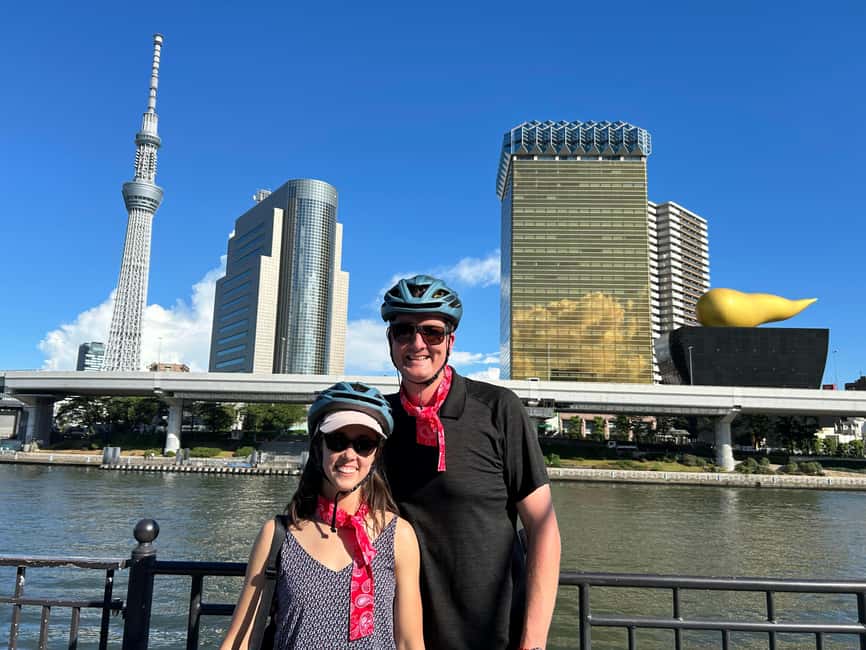
- E-assist bicycles help you keep a steady pace without tiring out fast
- Small group (6 or fewer) makes traffic and photo stops feel controlled and calm
- Photo stops are built in, so you’re not speeding past everything
- English-speaking guide explains what you’re seeing in real, practical terms
- Weather support included, with simple rain gear and seasonal extras like gloves/cooling products
Why this Tokyo e-bike tour beats solo sightseeing
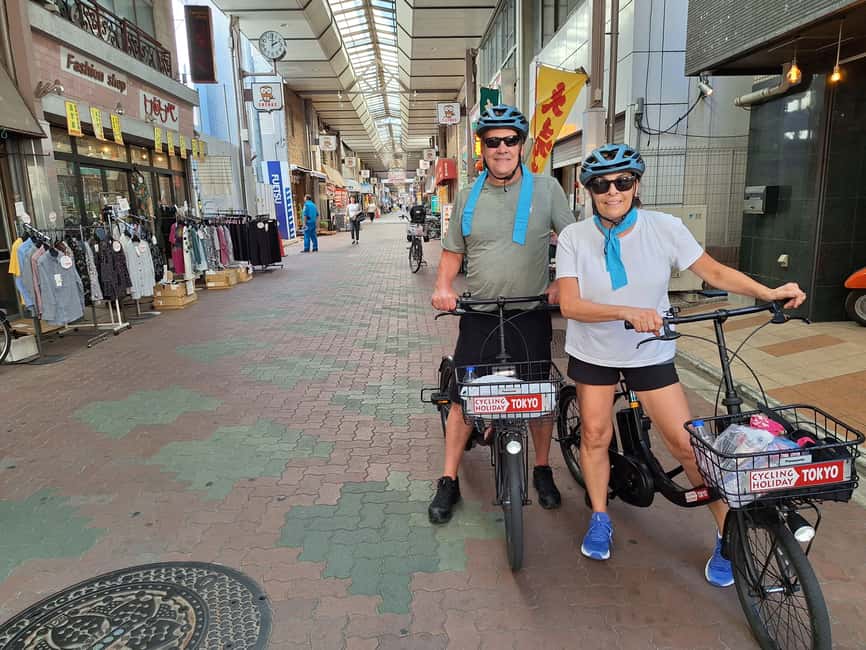
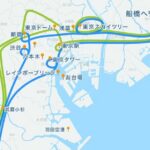
Tokyo is big. On foot, you can spend your whole afternoon just moving between neighborhoods. On an e-bike, you cover more ground without feeling like you’re sprinting through the city. That matters because this tour is specifically designed for first-timers: pop culture first, then traditional downtown, with local-feeling streets mixed in so the city doesn’t feel like one long postcard loop.
The electric assist changes the math. You still ride, but you’re not wrestling the bike. It’s especially helpful if you’re dealing with a hot day, a few hills, or just the normal “my legs are confused” feeling that hits after a morning of walking.
And because it’s a small group, you’re less likely to feel lost. You get guidance at the points that matter, and enough flexibility to take photos and look around during the short free-time windows.
You can also read our reviews of more cycling tours in Tokyo
Price and what you actually get for $61
At $61 per person for about 3 hours, the value is in the package, not just the ride. You’re paying for:
- A rental electric assist bicycle
- A helmet rental (required)
- An English-speaking guide
- Insurance
- Simple rain gear
- Seasonal add-ons: simple gloves in winter and cooling products in summer
That’s a lot included for one fixed price. It also reduces the “pay twice” problem. If you try to cobble this together yourself—bike rental, helmet, a guided plan—you often end up paying for parts separately, and you still won’t get the stop-and-interpret rhythm that makes the neighborhoods click.
Food and drinks are not included, so you’ll pay for that yourself. But if you plan ahead, this stays a smooth, predictable afternoon.
Meeting point at Cycling Holiday Tokyo: how to start smoothly
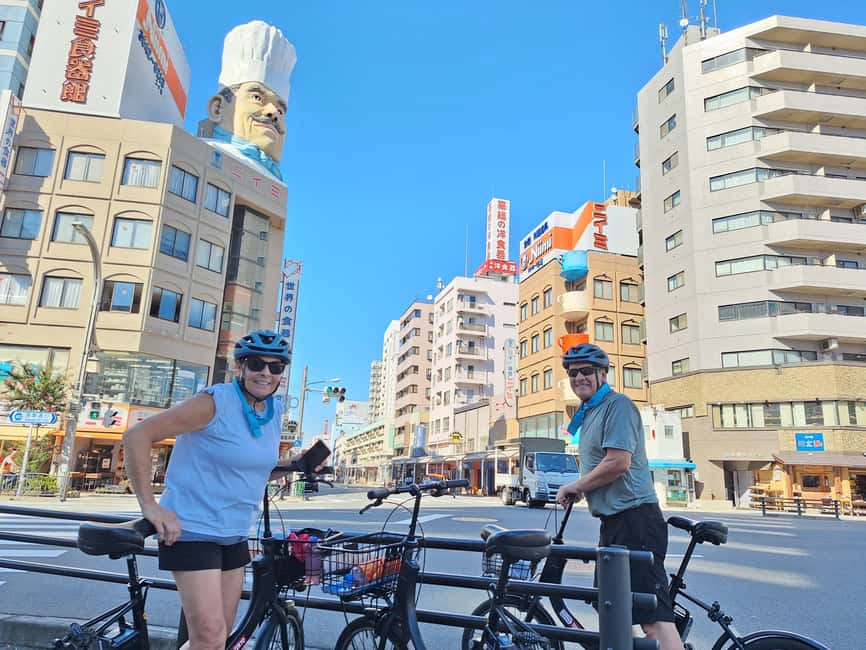
The bikes are lined up right in front of the store at Cycling Holiday Tokyo, with staff standing there to help you get set. This is the kind of meeting point that makes a difference: you can spot the bikes immediately, and you can ask quick questions before you roll out.
Wear comfortable riding clothes—think breathable layers and shoes you can walk in for short moments. Also, plan your hairstyle so the helmet fits properly. This sounds minor, but it can be the difference between an easy ride and constant adjusting.
You’ll also get simple support for the conditions. If it’s rainy, you’ll have basic rain gear. If it’s warm, you’ll have cooling products in summer. That doesn’t make Tokyo weather totally manageable, but it keeps small discomforts from becoming big problems.
Akihabara photo stop: otaku culture without the chaos tax
Akihabara is often described with big, broad terms, but here the tour approach is street-level. You get a photo stop and guidance that helps you look beyond storefronts and flash.
What I like about this style of stop is that it respects your energy. You’re not trapped in a long museum-like setting. You’re positioned where you can photograph and absorb the vibe, then you move on before the area turns into sensory overload.
If you’re a first-timer, this is a smart opener. It sets expectations for Tokyo’s mix: modern fandom culture in one direction, then traditional downtown moving into the ride plan.
The 10-minute “hidden” local-life break that keeps things real
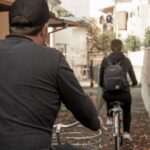
This tour includes a short visit (about 10 minutes) to a quieter area that’s meant to feel more local than the main tourist radar. The point isn’t to make you chase some secret doorway; it’s to give you a break from the obvious.
In practice, these short stops are useful because they add contrast. Tokyo can feel repetitive if you only see the headline zones. Even a short detour into side streets gives you a better sense of how neighborhoods function day-to-day—where people walk, how the street rhythm changes, and what daily life looks like between landmarks.
Quick heads-up: because it’s only about 10 minutes, treat it as “look, learn, photograph, move.” Don’t expect an extended wandering session here.
You can also read our reviews of more guided tours in Tokyo
Kappabashi Street free time: the shopping break that food people love
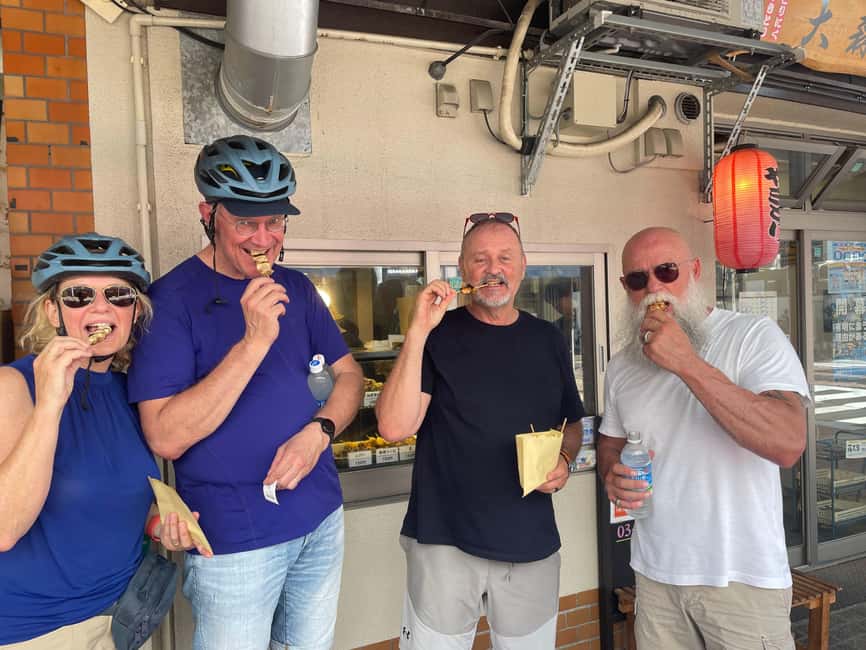
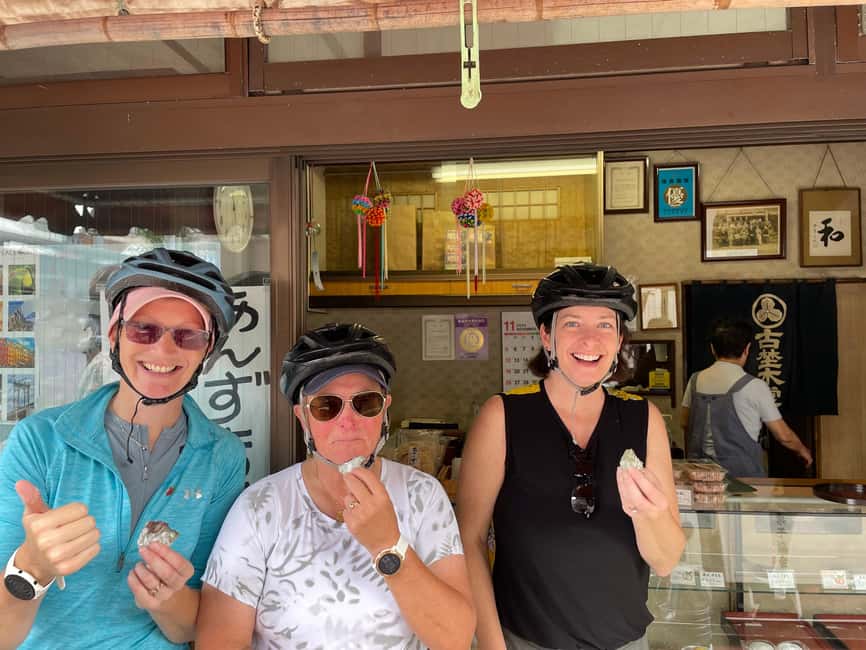
Kappabashi Street is one of those Tokyo areas where shopping makes sense even if you’re not carrying home a single item. It’s a practical change of pace: instead of only photographing sights, you get about 15 minutes of free time to check out the streets and shop if something catches your eye.
Why this works on an e-bike day: you don’t have to dedicate your whole afternoon to shopping. You’re already moving between neighborhoods. This short break lets you browse, then roll out again with momentum.
If you plan to buy something, remember you’ll be on a bike and likely handling your own items. Small purchases are easier than heavy ones—so I’d think “souvenir-sized” rather than “I’m shipping this home.”
Asakusa free time: traditional Tokyo at a pace you can actually enjoy
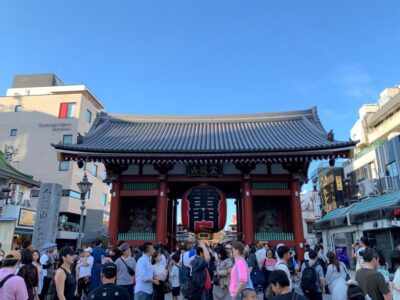
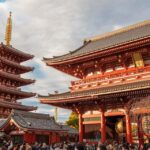
Asakusa is where the tone shifts toward tradition. You’ll get free time here, which is important. Even with a guide steering you through the ride, you still control how long you linger once you’re in the area.
This stop is especially good for people who want photos and atmosphere but don’t want to feel rushed. The e-bike gets you there efficiently, and the free time lets you make your own choice: a quick look, longer photos, or simply slowing down and taking in the feel of the streets.
Potential consideration: this is still only part of a 3-hour tour. If you’re hoping for hours of Asakusa wandering, plan for extra time on your own after the ride ends.
Ryogoku photo stop: Sumō territory without the long transit day
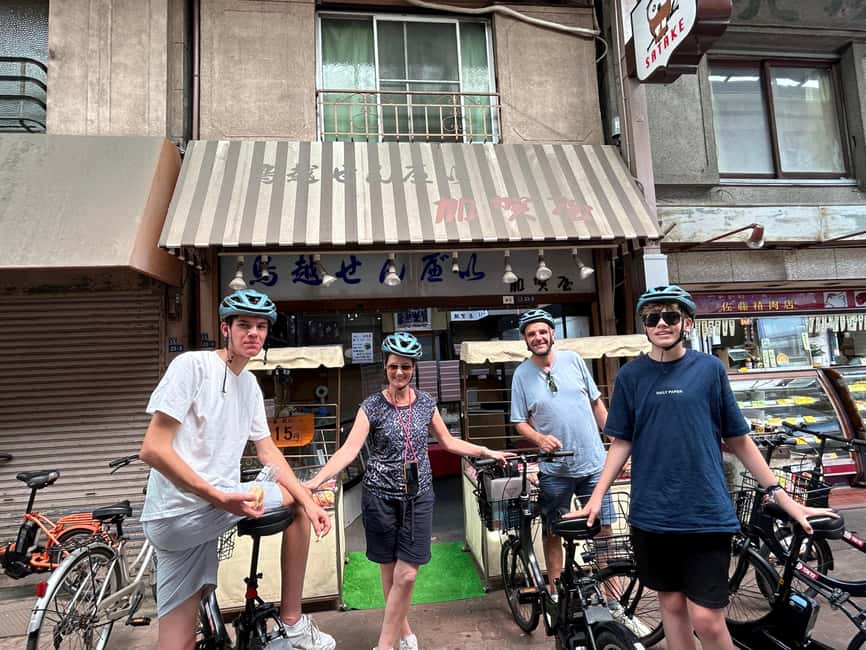
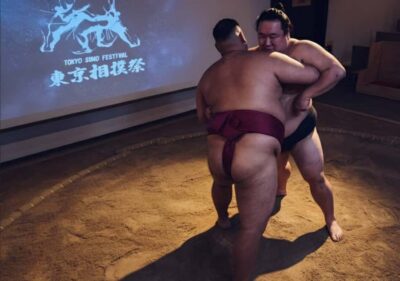
Ryogoku is connected to sumō, and you’ll have a photo stop here (about 10 minutes). This is a good fit for the tour’s format: a short, structured moment that highlights a neighborhood identity—then you keep moving so the full afternoon still feels varied.
Photo stops are useful when you want context. The guide can point you toward what to notice, and you can capture the moment without needing to build your own micro-itinerary from scratch.
If you’re a sumō fan, this likely adds a satisfying layer to your Tokyo day. If you’re not, it still gives you a sense that Tokyo isn’t only themed by pop culture.
Nihonbashi photo stop: the Edo-period anchor moment
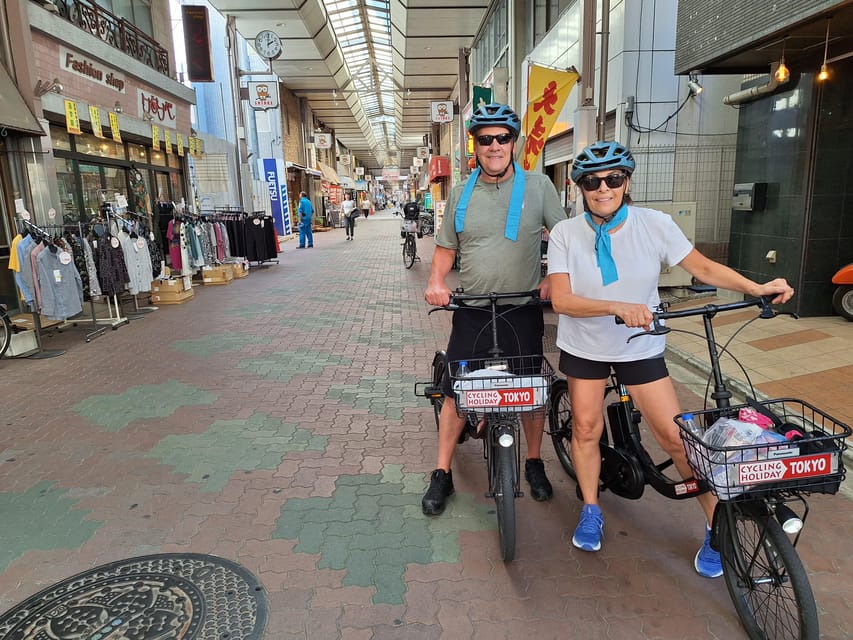
Nihonbashi is described as a landmark with roots in the Edo period—about 400 years ago—and you’ll stop for photos (around 5 minutes). That short time can sound brief, but think of it as a “time stamp” in your ride: one moment that connects the modern neighborhoods you’ve just seen with Tokyo’s longer timeline.
The best way to use a 5-minute photo stop is to arrive with a simple plan. Decide what you want: one wide shot, one close-up, or a photo that includes the street context. Then you can enjoy the ride afterward without feeling like you missed your chance.
How safety and small groups make the ride feel calm
What makes this tour feel comfortable is the small group size (6 participants or fewer). That’s not just a number—it changes how you move through traffic and how your guide can manage stops. Everyone is easier to see, and you’re less likely to get separated or stuck behind slower riders.
You’ll also be required to wear a helmet. That’s good sense in Tokyo, where bikes, pedestrians, and cars all share the same spaces. A proper helmet also makes you more relaxed, which helps you enjoy the ride.
One practical note: come dressed for riding and make sure you can put the helmet on without fighting your hair all afternoon. If you show up ready to go, the first five minutes are stress-free.
What to bring (and what not to overthink)
Bring:
- A camera/phone (you’ll have multiple photo moments)
- Comfortable shoes for short walking pauses
- Money for food and drinks during free time
- A hairstyle that works with a helmet
Try not to overpack. You’ll be on a bike for most of the tour, and you don’t want your bag becoming a balancing act. If you buy anything during free time, keep it light enough to manage easily.
If weather looks iffy, don’t worry too much. You’re provided simple rain gear, and the tour includes seasonal items like cooling products and winter gloves. Still, you’ll enjoy it more if your clothes and shoes are already decent for the conditions.
Who this tour is best for
This is a strong fit for:
- Tokyo first-timers who want a structured route with local interpretation
- People who want to see both pop culture areas and traditional downtown in one afternoon
- Riders who aren’t confident on a regular bike but feel comfortable with guided, e-assist riding
- Travelers who like a plan but also want short windows to wander on their own
It’s not ideal if you want long, independent time in one neighborhood. The tour is paced. Each stop is designed to give you a taste, not to replace your own full-day exploration.
Should you book this Tokyo PM e-bike tour?
I’d book it if your goal is a smooth, efficient Tokyo afternoon where you get variety without exhausting yourself. The combination of electric assist, a small group, and an English-speaking guide makes it a smart choice for first-time visitors who want both photos and explanations.
Skip it (or add extra time elsewhere) if you’re the type who needs 2–3 hours in one place. This ride gives you momentum, contrast, and key neighborhoods—then it hands you the rest of Tokyo for whatever you’re craving next.
If you’re debating between public transit plus walking and a guided e-bike route, this is the option that usually saves the most time and keeps your day feeling coherent.
FAQ
What’s the duration of the tour?
The tour runs for about 3 hours.
What time does the PM tour operate?
The PM tour is scheduled from 1:30pm to 4:30pm.
How many people are in the group?
It’s a small group limited to 6 participants or fewer.
Where do we meet?
You meet at Cycling Holiday Tokyo, where the bicycles are lined up in front of the store and staff are standing there.
Is the tour guide available in English?
Yes, the guide speaks English.
Do I need to wear a helmet?
Yes. Helmet rental is included, and you are asked to be sure to wear it.
Is food included?
No. Food and drinks are not included, and you’ll pay for them yourself at shops.
Is there anything provided for rain?
Yes. Simple rain gear is included.
Are there seasonal extras included?
Yes. Gloves are included for winter, and cooling products are included for summer.
How flexible is cancellation?
There is free cancellation up to 24 hours in advance for a full refund.