REVIEW · TOKYO
Tokyo: Tea Ceremony in Shibuya Tokyo
Book on GetYourGuide →Operated by Legalis · Bookable on GetYourGuide
A quiet room beats the Shibuya rush. This private Japanese tea ceremony trades city noise for a slow, respectful look at tea culture, with English-speaking instruction and a hands-on Matcha experience. I love the calm focus of the class, and I also like that you do not just watch—you make tea yourself and taste it in the end.
The main consideration is practical: you’ll want to cover your knees, and kimono wear can involve an extra charge. At $81 per person, it’s also a concentrated cultural hour-or-so activity (not a whole-day sightseeing program), so line it up with the rest of your Shibuya plans.
In This Review
- Key things to know before you go
- A private Shibuya tea room in small-group format
- History and etiquette, plus sweets before the first cup
- Otemae demonstration: watching the steps with context
- Making matcha yourself: the hands-on part that sticks
- English-speaking teachers and a private pace that feels friendly
- Kimono moments, Pokemon souvenirs, and clothing you don’t have to stress about
- Tea and sweets included: where the money goes
- Who this tea ceremony is best for
- What the experience feels like from start to finish
- Should you book the Shibuya tea ceremony?
- FAQ
- How many people can join in one booking?
- Is the tea ceremony taught in English?
- What happens during the class?
- What is included in the price?
- Do I need to bring anything?
- Can I wear a kimono?
- What is the cancellation window?
Key things to know before you go
- Truly private class for your group (no mixed sessions), sized from 1 to 4 people per booking
- Otemae demonstration plus your own matcha preparation, led by an English-speaking teacher experienced in tea
- Tea + traditional sweets are built into the flow, including a tasting before you make your own tea
- Culture and etiquette explained in plain language, not just a performance
- Souvenir angle includes small items such as Pokemon made from kimono material
- Clothing support: pants or a wrap skirt can be lent for free to meet knee-covering needs
A private Shibuya tea room in small-group format
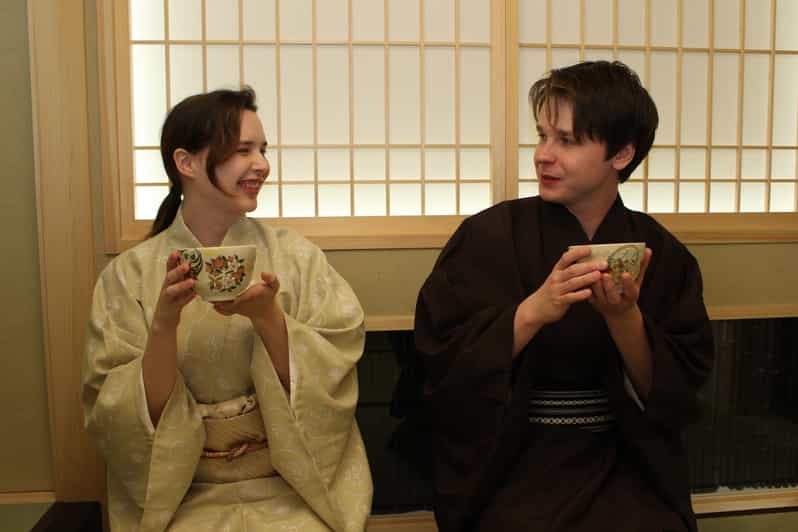
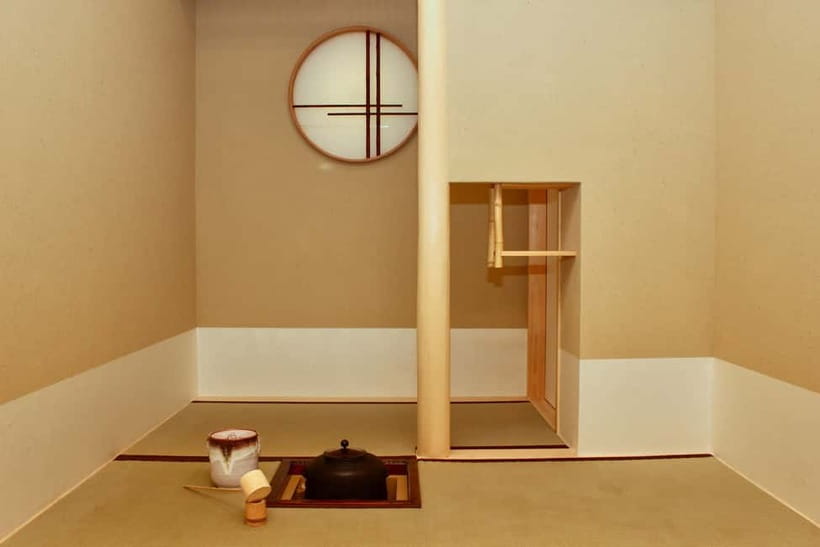
Shibuya is fast. This experience is not. You’re stepping into a tea room setting designed for quiet attention, where the lesson is the center of the day—not a side note squeezed between major attractions.
What makes it work well for real life is the size. It’s completely private for your group, with a minimum of 1 person and up to 4 people per booking. That means you can ask questions at your speed, and the teacher can explain tea etiquette without rushing to the next group.
You’ll also appreciate the language factor. Classes are led in English by teachers experienced in tea, so you can actually follow what the teacher is doing and why it matters, instead of guessing through gestures.
You can also read our reviews of more tours and experiences in Tokyo.



History and etiquette, plus sweets before the first cup
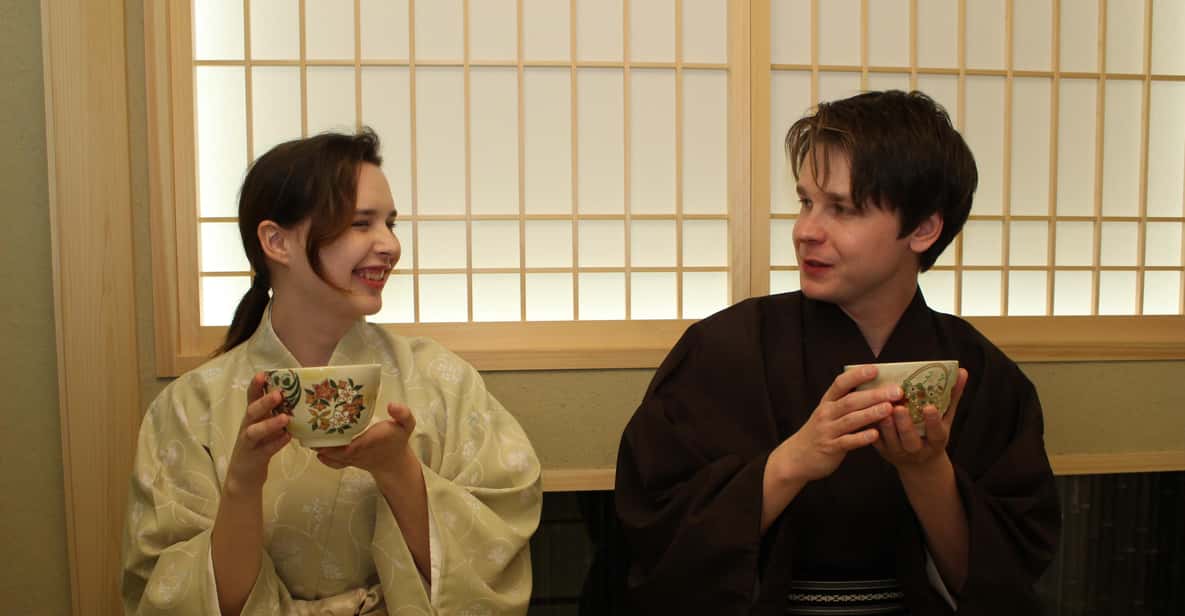
Most tea experiences fall into two categories: show-and-tell, or hands-on practice. This one does both, and it adds something smart in between: sweets.
First, you’ll get an explanation of the tea ceremony’s history and the etiquette around it. That framing matters because tea is not just about taste. It’s about how you participate—how you handle the moment, how you show respect, and how you move through the steps.
Then comes the tasting. Before you prepare tea yourself, you can enjoy a selection of traditional Japanese sweets. This is a nice pacing choice. You get a flavor baseline while you’re still learning the ritual structure, so the later matcha tasting feels connected rather than random.
Finally, the teacher demonstrates Otemae—the structured way the tea is prepared in ceremony. Even if you’ve never seen it before, the demonstration gives you the rhythm you’ll need when it’s your turn.
Otemae demonstration: watching the steps with context
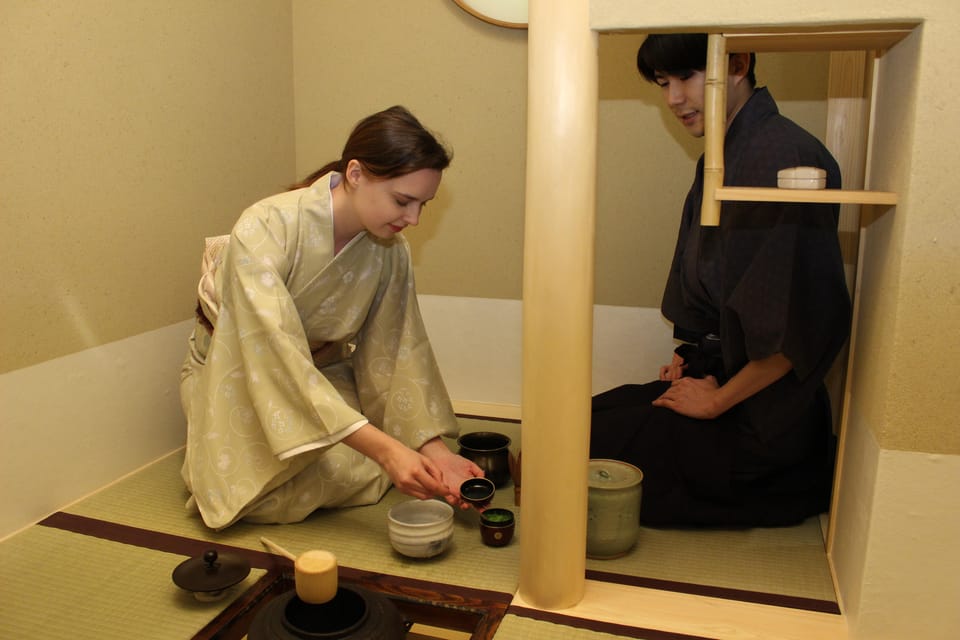
Otemae can sound formal and intimidating. In practice, the lesson is designed to make it understandable. You’re not expected to already know the movements; the teacher breaks down what you’re seeing and connects it to the etiquette you were introduced to earlier.
One reason this part gets top marks is that it’s not just visual. The class explains the meaning behind the steps, and it’s delivered by an English-speaking instructor who has experience teaching tea. That matters, because the same motion can mean something different depending on the setting and the intention.
If you want a class that feels respectful without feeling stiff, this is usually the sweet spot. You’ll get the structure of the ceremony, but you still get room for questions and calm back-and-forth.
Making matcha yourself: the hands-on part that sticks
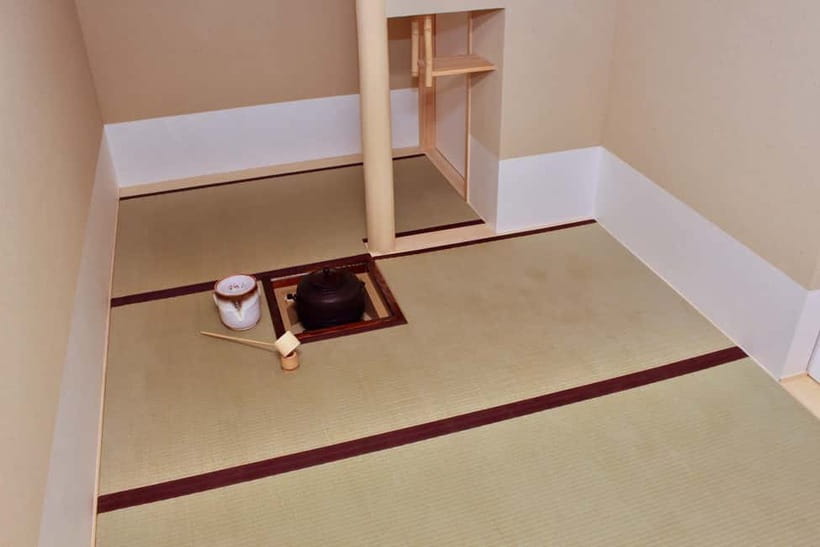
Now for the part you’ll remember. You get to make your own matcha.
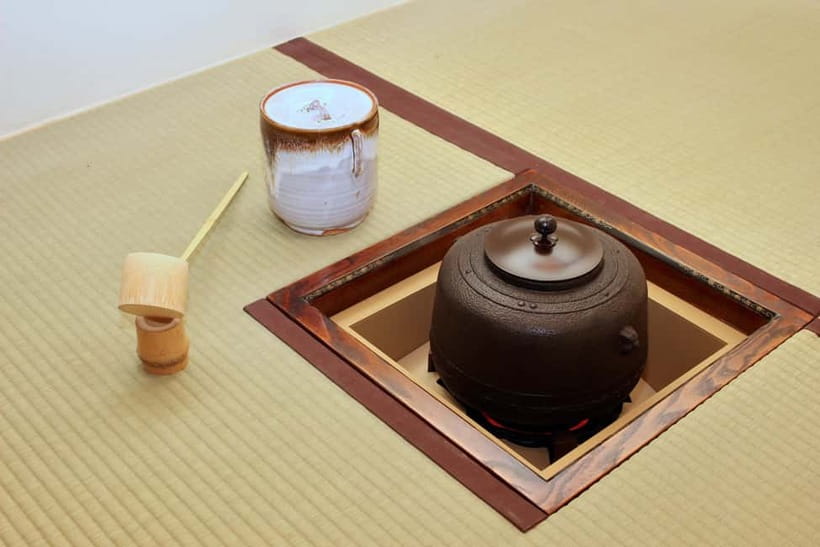
The flow is straightforward: after the explanation and Otemae demonstration, you’ll follow the teacher’s guidance to prepare the matcha, then taste your matcha tea. You’re learning the process in a controlled, private setting where the teacher can help you correct your technique and keep you moving at a comfortable pace.
This is where the experience earns its value. Watching someone else whisk matcha is nice, but making it yourself turns tea ceremony into a skill. It becomes something you can recreate later at home, at least in spirit—even if your home setup will never match a real tea room.
And because you taste your matcha at the end (plus you already tasted sweets earlier), you get an actual comparison in one sitting: the sweetness first, then the matcha flavor on its own terms.
English-speaking teachers and a private pace that feels friendly
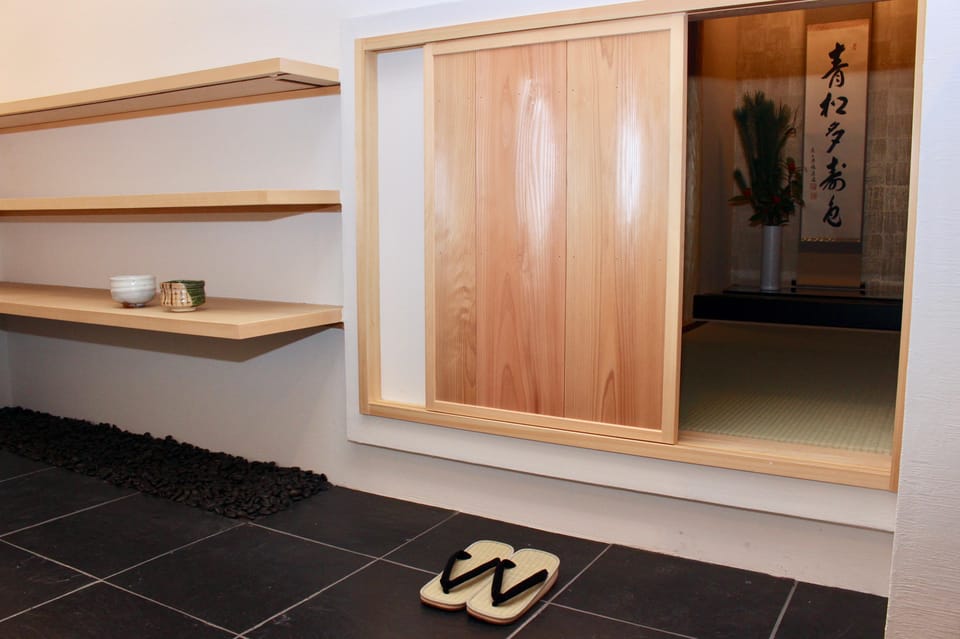
Tea ceremony can be quiet and formal. The trick is making sure it’s also understandable. Here, the teaching language is English, and the instructors are experienced in tea.
That experience shows up in how classes run at the pace of your group. Since you won’t be mixed with strangers, you’re not stuck dealing with a time squeeze where the teacher has to rush through explanations.
I like this model for couples and families, because it feels personal. You can focus on the lesson without worrying about fitting in with a larger crowd.
Some classes are led by specific hosts; one recent session was guided by Mako-san, described as charming and very knowledgeable. You may meet a different teacher depending on the day, but the English instruction and experienced-tea approach stay the same.


Kimono moments, Pokemon souvenirs, and clothing you don’t have to stress about
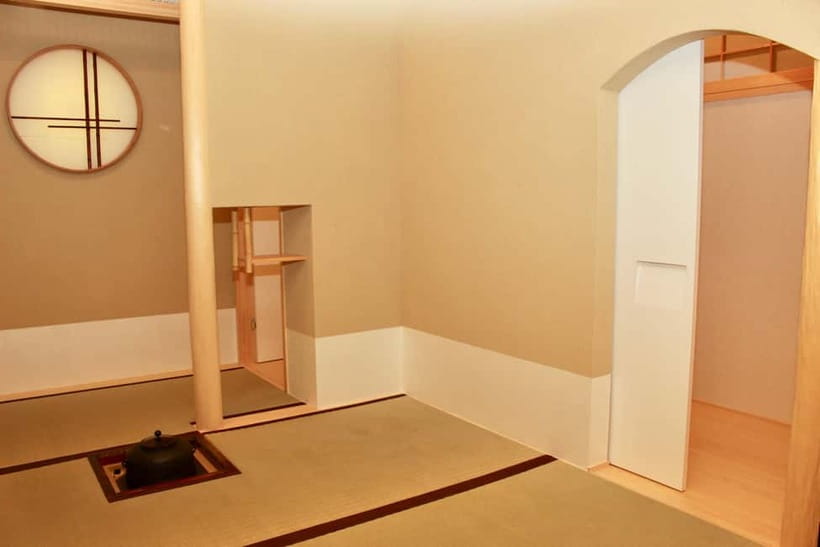
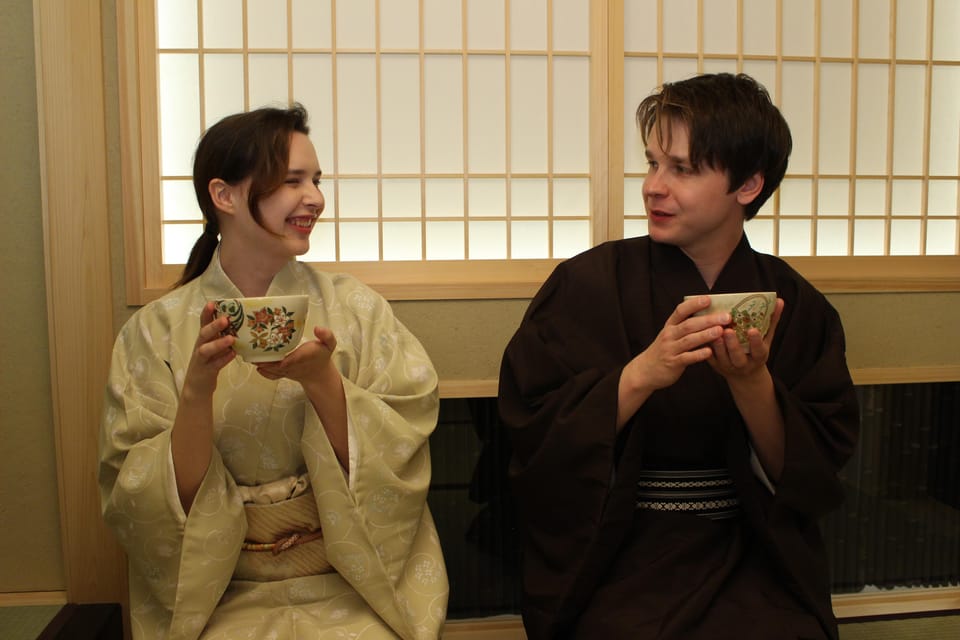
Want the full cultural look? You may be able to wear a kimono during the class, and that option can come with a charge.
Even if you skip kimono, you still get practical help. The dress rule is simple: wear bottoms long enough to cover your knees. If your outfit doesn’t meet that, they can lend suitable pants or a wrap skirt for free. That’s the kind of detail that saves you from last-minute shopping in Shibuya.
There’s also a small souvenir angle beyond the tea. The experience includes souvenirs such as Pokemon items made from kimono material. It’s a fun, easy-to-bring-home add-on that connects the tea room vibe to pop-culture Tokyo, without turning the event into a gimmick.
Tea and sweets included: where the money goes
Let’s talk value. The price is $81 per person, and it includes tea and sweets fees, facility charges, and taxes. That matters because “tea ceremony” can be confusing pricing-wise—some places charge extra for the drink, the space, or special add-ons.
Here, the core experience is folded into the main price: explanation, Otemae demonstration, matcha making, and tasting sweets. If you’re paying for a private class (1 to 4 people, no mixing), that cost structure starts to feel more reasonable.
There’s also a pick-up option. A pick up service is included if needed, but you’ll want to confirm details directly. They also ask you to contact them by email before you book, using [email protected]. That small step helps you avoid surprises about timing and pickup area.
Bottom line: you’re paying for a focused, private cultural lesson with the food and tea included, plus the tea-room overhead baked in.
Who this tea ceremony is best for
This experience is a strong match for people who want an authentic cultural moment without the stress of navigating everything alone.
You’ll probably love it if:
- You like hands-on learning and want to make your own matcha
- You want English explanations, especially for etiquette and the meaning behind the ceremony
- You’re traveling with a small group (up to 4) and want a private setting
- You want a calm activity break inside busy Shibuya
It can also be a good choice as a gift. Private, structured, and teachable—tea ceremony offers a story you can retell later, not just photos.
If you’re the type who only wants big outdoor sights and constant movement, this may feel too slow for your travel style. But if you enjoy cultural depth and careful pacing, it’s a great fit.
What the experience feels like from start to finish
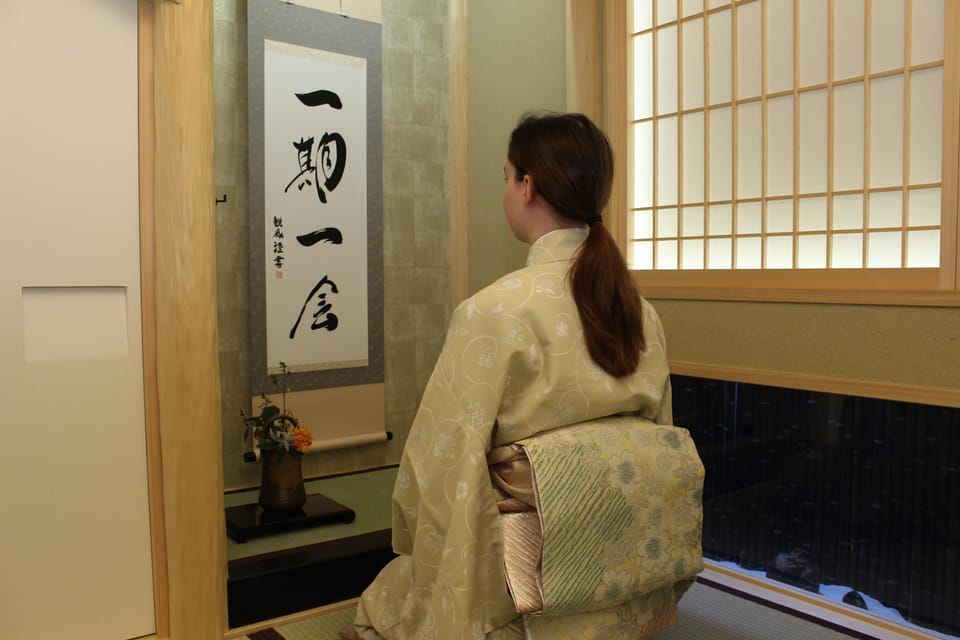
Here’s the mental picture you can plan around.
You start with an introduction to tea ceremony—its history and etiquette. You’ll see the room’s atmosphere and learn how the ceremony frames respect and attention. Then you’re offered traditional Japanese sweets for tasting.
Next, you watch the Otemae demonstration, guided by an English-speaking teacher. Finally, you take your turn making your own matcha and tasting it. The class ends with you stepping back out with a small piece of Japan you didn’t just observe—you practiced.
One practical bonus from the private format: if something doesn’t click right away, you’re not forced to “keep up” with a faster pace. The teacher can slow down and clarify.
Should you book the Shibuya tea ceremony?
I’d book it if you want a genuine, structured tea culture experience with an English teacher, and you care about doing the ceremony steps yourself. The private size (1 to 4) is a real quality booster, and the included sweets + matcha tasting mean you get more than one flavor moment.
Skip it (or think twice) if you’re looking for a fast, high-energy Tokyo hit. This is calm, deliberate, and focused. Also plan for clothing: knees covered is the rule, and kimono wear may cost extra.
If that sounds like your kind of Tokyo evening or mid-day break, this one is worth it. You’ll leave with better understanding, a cup you made yourself, and a small souvenir link to the kimono-meets-modern Tokyo vibe.
FAQ
How many people can join in one booking?
The experience is private for your group. The class size runs from 1 person up to 4 people per booking, and they do not mix sessions.
Is the tea ceremony taught in English?
Yes. The class is led by English-speaking teachers experienced in tea.
What happens during the class?
You’ll get an explanation of tea ceremony history and etiquette, a demonstration of Otemae (tea preparation), time to make your own matcha, and a chance to taste your matcha along with traditional Japanese sweets.
What is included in the price?
The price includes tea and sweets fees, facility charges, and taxes. If needed, pick up service is included.
Do I need to bring anything?
Nothing in particular is required. Wear skirts or pants long enough to cover your knees. If your clothes do not meet that rule, they can lend suitable pants or a wrap skirt for free.
Can I wear a kimono?
You may be able to wear a kimono during the class, but it can involve an extra charge.
What is the cancellation window?
Cancellation is allowed up to 24 hours in advance for a full refund. Booking and payment must be done in advance, and you can also choose a reserve & pay later option for flexibility.