REVIEW · TOKYO
Tokyo: Chopstick-Making Workshop
Book on GetYourGuide →Operated by Traveling Tokyo · Bookable on GetYourGuide
Carve your own chopsticks in Tokyo. This 1-hour workshop in Shinjuku turns a block of wood into a pair you’ll actually use, with wood selection and English-speaking guidance making it feel friendly and doable from start to finish. I love choosing based on the grain and color, and I like that staff such as Koji and Mimi keep the steps clear and calm.
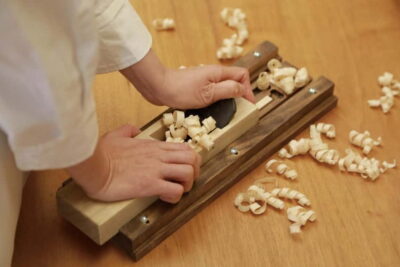
You start by picking the wood you want, then choosing your chopstick length so the final pair fits your grip. You’ll use a hand plane to carve them into shape, sand for comfort, and finish with a coat of natural oil. If you want, you can add engraving in English or Japanese for a more personal souvenir.
One catch: it’s on the 10th floor, so the meeting point can be a tiny bit of a scavenger hunt if you arrive late or miss the entrance signage. Plan a few extra minutes and double-check you’re at the right door at Shinjuku West Square Building 10F.
In This Review
- Key things that make this workshop worth your time
- Chopsticks, Not Souvenirs: Why This Workshop Works
- Finding Shinjuku West Square Building and the 10F Meeting Point
- Wood Picking and Length Choices That Actually Matter
- The Hour-Long Craft Flow: Carve, Sand, Oil
- Hand Plane Time: The Part That Feels Like Therapy
- Engraving in English or Japanese for a Personal Touch
- What the $6 Price Really Covers (and When You Might Pay Extra)
- Group Vibe, English Support, and Comfort for Beginners
- How to Pack Your Chopsticks Home Safely
- Should You Book This Chopstick Workshop in Tokyo?
- FAQ
- How long is the chopstick-making workshop?
- What does the price include?
- How much does it cost?
- Where is the meeting point?
- Is the workshop beginner-friendly?
- Is there English support?
- Can I engrave my name?
- Is food included?
- Can I cancel and get a refund?
Key things that make this workshop worth your time
- Choose the wood first so your chopsticks reflect your taste, not a preset souvenir look.
- Pick your length (short or long) so they feel right in your hand.
- Carve with a hand plane while staff guide you through each shaping step.
- Sand and oil for comfort so they come out smooth and nicely finished.
- Add engraving in English or Japanese, with options for a native-language touch depending on the setup.
Chopsticks, Not Souvenirs: Why This Workshop Works
This isn’t a cookie-cutter craft where you leave with something that looks similar to everyone else. The workshop is built around a few choices that genuinely change the outcome, especially the wood and the shape you end up carving.
The best part is how physical and immediate it is. You’re not just watching a demo. You’re holding the wood, feeling its warmth, smoothing the edges, and watching rough pieces turn into usable chopsticks. People often underestimate how satisfying sanding can be until they’re doing it.
And for Tokyo, the value is strong. At $6 per person (for a full set you make yourself), you’re paying for an experience that turns into a practical item, not just a small trinket. I also like that the room is designed for beginners, so you’re not expected to bring prior carving skill.
You can also read our reviews of more tours and experiences in Tokyo
Finding Shinjuku West Square Building and the 10F Meeting Point
Your meeting point is Shinjuku West Square Building 10F (35.6959774, 139.6984349). Shinjuku is easy to get to, but the workshop is in a specific building and the staff will expect you at the right floor.
A few practical moves help a lot:
- Arrive a little early so you’re not rushing up stairs or elevators.
- Use the coordinates to confirm you’re at the correct building before you look for the entrance.
- If you’re unsure, ask staff at the building for the floor access rather than wandering around trying to spot a sign.
Some people note the entrance can be tricky to find, so the real tip here is simple: don’t cut it close.
Wood Picking and Length Choices That Actually Matter
The workshop starts the way good craftsmanship does: with material selection. You get to choose from different woods, and each one has its own look and character. The staff help you make sense of options so you’re not just picking randomly.
Then comes length. You choose short or long, and that choice changes how the chopsticks feel when you hold them. Longer chopsticks tend to suit a more extended grip. Shorter ones can feel more controlled, especially for smaller hands or quicker movements. Either way, you leave with a pair that’s closer to your own comfort.
A couple extra value notes from what you’ll likely see on-site:
- Some wood types may cost extra, while the initial options can be included. If you’re trying to stay strictly on budget, ask which ones are part of the base price.
- Engraving looks best when the surface is light enough. If you want extra detail, ask what wood works well for engraving on the day you’re there.
The Hour-Long Craft Flow: Carve, Sand, Oil
Expect a structured sequence that moves at a comfortable pace. The goal is to get you to finished, usable chopsticks within the hour, not just halfway through a project.
Here’s the typical flow:
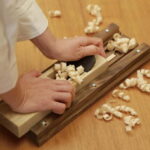
- Carving and shaping: Your wood is placed on a stand, and you carve into shape using a hand plane. This is where the workshop’s guidance really matters, because the teacher helps you keep the process steady and safe.
- Sanding and smoothing: After carving, you smooth the surface and edges with sandpaper. This is the step that turns a rough craft into something you’ll enjoy using.
- Natural oil finish: Then comes a coat of natural oil to protect and enhance the look. The wood gains a softer, polished feel.
The workshop staff are English-speaking, and from how instructors such as Koji, Masa, and Shu show up in the experience, you can expect patient correction. If you start to drift from the intended shape, the help doesn’t feel rushed or harsh.
And yes, the process has that calming rhythm. It’s repetitive work, the kind that can reset your brain after a busy day of walking around Tokyo.
Hand Plane Time: The Part That Feels Like Therapy
If you’re worried you’ll be bad at carving, don’t. The workshop is set up for beginners, and that’s not a marketing line. It’s practical: the wood is secured, the tools are guided, and the instructor watches closely enough to keep you from going off-track.
What you actually learn is not a professional skill you’ll replicate for furniture someday. You learn:
- how pressure and angle affect the shape
- how to carve in a controlled way instead of forcing it
- how to stop when you’re close enough, then refine with sanding
You’ll feel the texture and warmth of the wood as you carve, which sounds like a poetic description until you’re holding it. It makes the end result feel more personal than buying a set from a shop shelf.
One more bonus: in some cases, the team may let you correct a mistake and keep moving toward a finished pair. That matters because it reduces the fear factor for first-timers.




Engraving in English or Japanese for a Personal Touch
Your finished chopsticks can be more than a take-home craft. The workshop offers engraving, and you can do it in English or Japanese, plus there’s mention of options for your native language depending on how the setup is handled.
This is the part that turns your chopsticks into something that feels like your name belongs on them. It’s also useful when you’re buying multiple sets for family—people love seeing their own names on a practical item.
A practical engraving tip: if you’re aiming for a detailed look, lighter wood tends to work better. Some instructors may use a laser for the engraving, and lighter material usually shows detail more clearly than darker tones.
Even if you choose to skip engraving, the plain wooden finish still looks great. But engraving is where the souvenir becomes unmistakably yours.
What the $6 Price Really Covers (and When You Might Pay Extra)
At $6 per person, this is one of the more affordable hands-on workshops in Tokyo. The included items are clear:
- wood selection
- carving and shaping
- sanding and smoothing
- application of natural oil
That’s the core value: you pay for a full process that ends in usable chopsticks, made by your own hands.
Where costs can shift is with upgrades. Some wood options can come with an additional charge. A few people also mention there can be premium choices like a purple wood option. If you want the most unusual look, be ready to add a bit to your total.
Another thing to plan for: meals and transportation aren’t included. Since it’s only one hour, eat before you go unless you’re already nearby. And if you’re traveling across town, build in transit time—especially if you’re meeting at a floor-specific location.
Group Vibe, English Support, and Comfort for Beginners
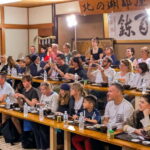
This is the kind of activity that works well for couples, solo travelers, and families. It’s designed for beginners, and the support is active—staff are available to help throughout the process.
English support is a major reason it flows smoothly. Instructors like Koji, Lucy, Mimi, and Karen show up as patient and interactive, which is exactly what you need when you’re holding a tool you’ve never used before. The teachers don’t just point at steps; they help you correct and keep going.
You might also share the workshop space with Japanese participants, which can make the vibe feel less like a tourist-only production and more like a real local activity you’re borrowing for an hour.
Wheelchair accessibility is also listed, which matters because not every workshop setup is friendly to mobility needs. If accessibility is a concern for you, it’s worth confirming the easiest floor access at the building itself when you arrive.
How to Pack Your Chopsticks Home Safely
You’ll take your chopsticks home in a finished state after oiling, so treat them like a fresh craft, not like an off-the-shelf product.
A few smart habits:
- Keep them in the provided area or packaging if you receive it.
- Avoid stacking heavy items on top right away.
- Let them settle after oiling before you toss them in a bag where they can rub.
If you’re engraving names, protect the lettering from getting scuffed. Chopsticks are simple tools, but the surface finish is what makes your work look great long after the workshop ends.
Should You Book This Chopstick Workshop in Tokyo?
Yes, if you want a short, satisfying Tokyo activity that leaves you with something real. It’s great for people who like hands-on work, want an affordable souvenir, and enjoy the idea of making a daily-use item instead of carrying around a fridge magnet.
Skip it if you’re looking for a long cultural performance or a deep lecture-only experience. This workshop is about doing the craft: selecting wood, carving, sanding, oiling, and optional engraving.
A final decision check:
- If you can spend one hour in Shinjuku at the 10F meeting point, this is a strong pick.
- If you want a personalized gift for yourself or someone back home, the engraving option makes it extra worthwhile.
- If you’re sensitive to getting around a building entrance, arrive early and follow the coordinates so the start is smooth.
FAQ
How long is the chopstick-making workshop?
The workshop lasts 1 hour.
What does the price include?
Your price includes wood selection, carving and shaping, sanding and smoothing, and application of natural oil.
How much does it cost?
It’s listed at $6 per person.
Where is the meeting point?
It’s at Shinjuku West Square Building 10F, coordinates 35.6959774, 139.6984349.
Is the workshop beginner-friendly?
Yes. It’s suitable for beginners, and staff are available to assist.
Is there English support?
Yes. The staff provide English language help.
Can I engrave my name?
You can add engraving in English or Japanese, and there’s also an option described as engraving in Japanese or your native language.
Is food included?
No. Meals are not included.
Can I cancel and get a refund?
Yes. Free cancellation is available up to 24 hours in advance for a full refund.