REVIEW · TOKYO
Shibuya Tokyo: Sushi Making Class (Vegan/Vegetarian/Halal)
Book on GetYourGuide →Operated by Tabiji Partners Co., Ltd. · Bookable on GetYourGuide
Tokyo can be loud. Shibuya teaches you calm with sushi. This hands-on class pairs an easy welcome sushi quiz with step-by-step guidance from English-speaking local instructors, including teachers like Momoyo and Kaito. I like that it’s not just watching it happen—you actually roll, shape, and taste.
I also love the class’s practical inclusivity. You can choose vegan, vegetarian, halal-friendly, or gluten-free (normal) options, so the food stays aligned with what you eat back home. One small drawback to consider: menu changes on the day of class can’t be accommodated, and the meeting point can vary by booking, so plan a little extra time to find the studio.
In This Review
- Key Highlights You’ll Feel in the First 10 Minutes
- Shibuya Sushi Class: A Fun Food Activity in a Real Neighborhood
- Getting Started: Sushi Quiz, Tools, and First Wins
- Rolling Vegan Sushi: California Rolls With Fresh Ingredients
- Nigiri Practice: Shaping the Most Iconic Sushi
- Choosing Your Option: Vegan, Vegetarian, Halal, and Gluten-Free (Normal)
- Eat What You Make: A Meal in Shibuya You Don’t Have to Restaurant-Wait For
- Timing and Getting There From Shibuya Station
- Price and Value: Is $58 Fair for Sushi Skills in Tokyo?
- Who This Class Is Best For (and Who Might Skip It)
- Should You Book This Shibuya Sushi Making Class?
- FAQ
- How long is the sushi making class?
- Where is the studio located?
- What does the class cost?
- Do I get to eat the sushi I make?
- Is instruction available in English?
- Can I choose vegan, vegetarian, halal, or gluten-free options?
- What sushi will I make?
- Is there a sushi history quiz?
- Are there any restrictions on recording during the class?
- Can you accommodate menu changes on the day of the class?
Key Highlights You’ll Feel in the First 10 Minutes
- Sushi history warm-up with a fun quiz before you touch the tools
- English-speaking instruction that keeps beginners moving confidently
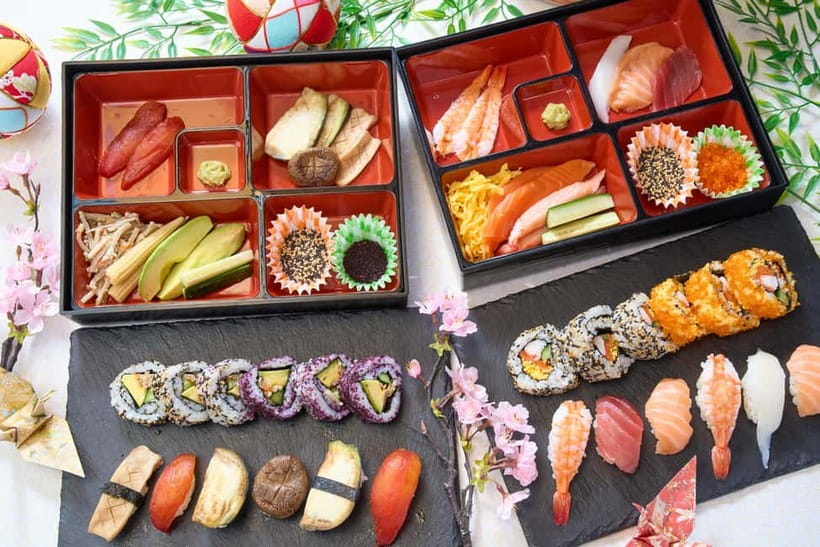
- Vegan/vegetarian building blocks like eggplant, mushroom, tomato, and avocado
- You make two formats: California rolls and nigiri
- You eat what you make in a stress-free, photo-friendly setup
Shibuya Sushi Class: A Fun Food Activity in a Real Neighborhood
If you want a Tokyo experience that’s more than photos, this is a smart pick. You’ll be in Shibuya, a busy part of town, but the class itself feels like a pocket of calm—clean workstations, friendly instruction, and a clear path from rice to roll to plate.
What makes it especially appealing is the mix of culture and technique. The sushi quiz gives you context (not a lecture), then the lesson turns that context into something you can do with your own hands. You’re not waiting for a show; you’re part of the process.
For me, the biggest value is how the class handles dietary needs without making you feel like a special case. You choose your option ahead of time, and the ingredients are arranged around that.
You can also read our reviews of more tours and experiences in Tokyo

Getting Started: Sushi Quiz, Tools, and First Wins
Before you start rolling, you’ll jump into a short sushi history quiz. It’s designed to be upbeat and not boring—an easy way to get in the mood, and also a chance to pick up a few facts about sushi culture along the way.
Then the instructor brings out the tools and gets you oriented. Expect step-by-step guidance on how sushi is built, not just how to copy one example. This matters because the real skill is repeatable: rice handling, ingredient placement, rolling technique, and how to shape nigiri without panic.
You’ll also get that calming benefit that good instructors bring—friendly pacing and clear explanations. In previous sessions, teachers like Momoyo are known for making people comfortable quickly, which is a big deal if you’re traveling solo or you’re nervous about cooking.
Rolling Vegan Sushi: California Rolls With Fresh Ingredients
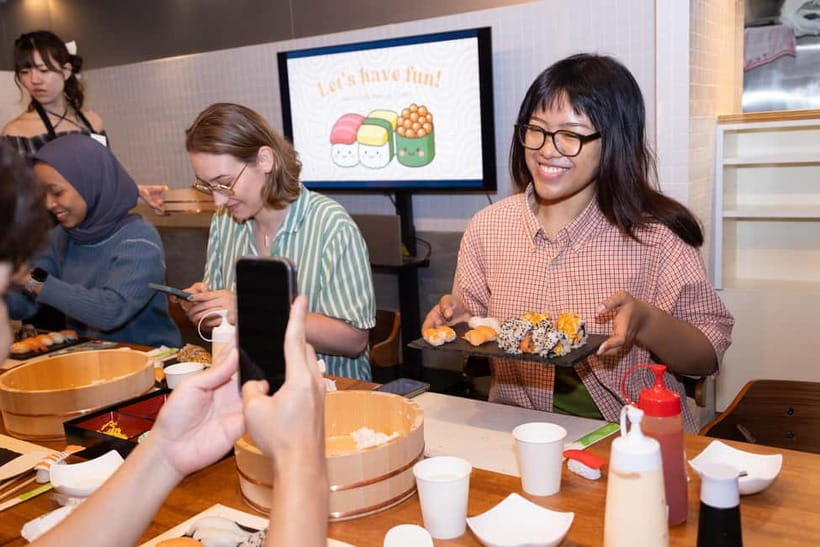
The main hands-on segment focuses on California rolls, built with fresh ingredients designed for your chosen diet. If you book vegan or vegetarian, you’ll use vegetables such as eggplant, mushroom, tomato, and avocado—a mix that gives your roll color, flavor, and texture.
Here’s what you’ll learn that’s actually useful back home:
- how to portion fillings so your roll stays neat
- how to spread and place ingredients so bites feel balanced
- how to roll with steady pressure, so you don’t end up with a loose or lumpy spiral
This part is where beginners usually relax. Even if you’ve never made sushi, the process is concrete: you do it, adjust, and try again. And because it’s a 90-minute class, you’re not stuck in a long, slow cooking lesson. You get momentum.
Nigiri Practice: Shaping the Most Iconic Sushi
After the rolls, you’ll move to nigiri, the classic hand-formed sushi. This is the part that feels most “Japanese hands-on,” because the technique is all about feel and consistency.
What you’re aiming for with nigiri is simple but not trivial:
- consistent rice placement
- a smooth, compact form
- a topping that sits neatly and tastes right in one bite
The instructor guidance here matters. When you’re learning, tiny adjustments are everything—rice amount, how you shape, and how you handle the topping. Done well, it looks good and eats even better.
And yes, you’ll eat what you make. That closes the loop: you don’t just learn technique—you confirm it with a satisfying bite.
Choosing Your Option: Vegan, Vegetarian, Halal, and Gluten-Free (Normal)
This is one of the strongest reasons to book this class instead of picking a random cooking activity. You can select:
- Vegan
- Vegetarian
- Halal-friendly
- Gluten-free (normal)
The practical takeaway: sushi ingredients can get complicated when diets are strict, especially with sauces or hidden products. Here, the class is set up to accommodate dietary needs when you book. That means you’re not standing there improvising substitutions while everyone else moves on.
Two important notes so you’re not surprised:
- Indicate your dietary restrictions when booking, so the ingredient plan matches your needs.
- Menu changes can’t be accommodated on the day of the activity, so double-check your selection before you arrive.
If you’re traveling with food restrictions, this matters more than fancy decor. It’s about eating confidently and learning something you can recreate responsibly.
You can also read our reviews of more tours and experiences in Tokyo


Eat What You Make: A Meal in Shibuya You Don’t Have to Restaurant-Wait For
After you finish rolling and shaping, you’ll sit down and eat your creations. This isn’t just a snack. You’re basically turning a cooking lesson into a meal, right there in the studio.
A nice extra touch: staff can help take photos of your sushi before you eat. That’s useful because sushi can look surprisingly good when it’s freshly made—but it also disappears fast. Having pictures helps you remember what you actually accomplished.
The flavor payoff is real. When you cook with fresh ingredients and build each bite intentionally, it tastes different from ordering something off a menu. You’ll notice the difference in rice texture, how the fillings balance the bite, and how the topping placement affects the first chew.
Timing and Getting There From Shibuya Station
The class lasts 90 minutes, so it fits easily into a day of sightseeing. It’s short enough that you won’t feel like your Tokyo schedule got swallowed, but long enough to learn two sushi styles and eat.
Location-wise, the studio is about a 7-minute walk from Shibuya Station. That’s convenient, but Shibuya can feel like an endless maze when you first arrive. One caution from practical experience: building in extra time to locate the venue is smart, especially if your meeting point details vary by booking.
If you tend to run late when trains or crowds surprise you, plan a buffer. You’ll enjoy the class more when you’re not rushing in.
Price and Value: Is $58 Fair for Sushi Skills in Tokyo?
At $58 per person for 90 minutes, this sits in the mid-range for Tokyo classes. The key question isn’t just whether it’s “cheap”—it’s whether you get skills plus a meal plus English instruction.
Here’s what you’re paying for, in plain terms:
- English-speaking guidance throughout
- hands-on instruction (not just watching)
- fresh ingredients tailored to your dietary option
- you make California rolls and nigiri
- you eat what you make
If you’ve ever taken a food class that’s more theater than technique, you’ll recognize the difference here. You’re doing the work. And because sushi is built on repeatable steps, what you learn can bring you joy later, not only during the class.
Could you eat vegan sushi in Tokyo for less? Sometimes, yes. But this gives you something a restaurant can’t: the process, the method, and the satisfaction of producing it yourself.
Who This Class Is Best For (and Who Might Skip It)
This is a strong fit if:
- you want an active, guided Tokyo experience that doesn’t require prior cooking skill
- you need vegan/vegetarian/halal/gluten-free options handled thoughtfully
- you like short cultural context plus real technique (the sushi quiz helps)
- you’re traveling solo or in a small group and want a friendly, low-stress environment
It may be less ideal if:
- you’re expecting a long, advanced training session with many additional dishes (this focuses on core items: rolls and nigiri)
- you need last-minute menu changes for allergies or dietary details (you should confirm in advance)
- you rely on recording instruction for later review, because audio recording isn’t allowed
Should You Book This Shibuya Sushi Making Class?
I’d book it if you want a fun Tokyo activity with real take-home value. The combination of English instruction, hands-on practice, and diet-friendly options makes it one of the more practical classes for travelers who don’t want to gamble with food compatibility.
If you’re the type who likes learning one or two skills you can repeat, you’ll get a lot out of the California rolls + nigiri focus. And if Shibuya is on your agenda anyway, this is the kind of experience that turns a crowded neighborhood into a satisfying cooking moment.
FAQ
How long is the sushi making class?
The class is 90 minutes long.
Where is the studio located?
The studio is right in the heart of Shibuya, Tokyo, about a 7-minute walk from Shibuya Station.
What does the class cost?
The price is $58 per person.
Do I get to eat the sushi I make?
Yes. After making your sushi, you sit down and eat what you created.
Is instruction available in English?
Yes. The instructor speaks English.
Can I choose vegan, vegetarian, halal, or gluten-free options?
Yes. Vegan, vegetarian, halal-friendly, and gluten-free (normal) options are available. You should indicate your preferences or dietary restrictions when booking.
What sushi will I make?
You’ll make California rolls and nigiri.
Is there a sushi history quiz?
Yes. The class includes a welcome quiz about the history of sushi before you start cooking.
Are there any restrictions on recording during the class?
Audio recording is not allowed.
Can you accommodate menu changes on the day of the class?
No. Menu changes cannot be accommodated on the day of the activity.