REVIEW · TOKYO
Tokyo: Shinjuku Chopstick Making Class
Book on GetYourGuide →Operated by Traveling Tokyo · Bookable on GetYourGuide
Carving chopsticks beats jet-lag. In a small workshop above the streets of Shinjuku, you’ll use traditional tools to shape a pair of wooden chopsticks from start to finish, then leave with them wrapped and ready to use or gift.
I like two things most: the patient English guidance (I’ve seen instructors stop and help when your grip or sanding goes off track), and the fact that you actually take home something you made with your hands. One thing to keep in mind: the included wood options can feel different in difficulty, and personal touches like engraving can add cost.
In This Review
- Key moments you’ll remember
- Finding the workshop above Shinjuku’s noise
- What happens during the 1-hour chopstick class
- Choosing wood: included options and what affects difficulty
- Smooth, finish, and wrap: leaving with usable chopsticks
- Instructors make (or break) the workshop
- Price and extras: the $12 value, plus what can add cost
- Who this class suits best in Tokyo
- Cultural context: chopsticks as everyday craft
- Should you book Shinjuku chopstick making?
- FAQ
- How long is the Shinjuku chopstick making class?
- Where do I meet for the workshop?
- Is the class taught in English?
- What is included in the price?
- Are there any extra costs?
- Can I cancel or change my plans?
Key moments you’ll remember
- You carve a real working souvenir: not a demo, not a craft show
- English-speaking support at every step, with extra help when needed
- Wood choice affects the experience, including how easy it is to get a nice shape
- Sanding and finishing turn rough wood into smooth chopsticks
- Optional engraving is available if you want names or a date
- A calm pace inside a compact room, even though Shinjuku is loud outside
Finding the workshop above Shinjuku’s noise
This is one of those Tokyo experiences where the location sounds hectic, but the actual room feels calm. You meet on the 10th floor of the Shinjuku West Building. Use the elevator, and look for the building that has 617 Bar nearby and is close to the post office.
If you’re mapping it, the coordinates are 35.6959774, 139.6984349. I always recommend arriving a few minutes early in Tokyo, especially for anything on an upper floor—elevators, signs, and foot traffic can slow you down.
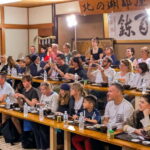
Once you’re inside, expect a small, hands-on setup. From what I’ve seen in the class setup, it’s more like a workshop room than a big auditorium. That’s part of the charm: you’re close to the instructor and the tools, and you can ask questions without shouting.
You can also read our reviews of more tours and experiences in Tokyo

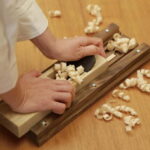
What happens during the 1-hour chopstick class
The whole experience is about one hour, and it’s structured so you’re never just watching. Here’s the flow you can expect.
First, you’ll get oriented to the process and how the tools work. Then you start on the core task: carving your own chopsticks. You’re shaping the wood so the sticks become evenly sized and tapered enough to pick food properly.
Next comes the smoothing stage. This is where the workshop shifts from cutting into detail work. You refine the surfaces until the chopsticks feel pleasant in your hands. In many classes like this, the sanding step is the one that decides whether your chopsticks feel great or just okay—so don’t rush it.
Then you finish and prepare them to take home. You’ll get the chopsticks in special wrapping, so you can either use them right away or pack them safely as a gift.
One more practical note: the class tempo can feel different from person to person. If your wood is easier to work with, you may progress faster. If you run into trouble (and it’s normal), your instructor should guide you back on track so you still end with a pair you’re proud of.
Choosing wood: included options and what affects difficulty
The ticket includes a choice of wood—two types of wood are included in the standard price. That matters more than it sounds, because different woods can change how your carving feels in real time.
Some guides emphasize this clearly: one wood can be easier to shape and another can be more challenging. If you’re new to carving, I’d treat this as a “you set the comfort level” option. Picking the easier-feeling wood can make the workshop more relaxing and less frustrating, especially if you’re doing it with kids or people who want an easy win.
You may also see upgrades. There are indications that you can pay extra for higher-qualified wood beyond the included options. So if you’re counting yen, plan around the base class first, and only add upgrades if you’re comfortable with the extra cost.
If you want a souvenir that looks a bit more special, ask how the wood choice will change the final look and feel. Even when the class is “simple,” the final result depends on the material and your patience at the sanding step.
Smooth, finish, and wrap: leaving with usable chopsticks
This is the kind of workshop where the payoff is immediate. You’re not leaving with something decorative that never gets used—you’re leaving with functional chopsticks you can actually eat with.
As you finish, you’ll focus on getting the surface smooth enough for comfortable use. That’s the step that turns the sticks from “project” into “tool.” The instructors tend to help you check progress as you go, so you don’t end up with chopsticks that are uneven or rough at the tips.
At the end, your chopsticks come in special wrapping. It’s a small thing, but it makes the souvenir feel intentional. It also helps with travel. Even if you’re planning to bring them home in your luggage, wrapped chopsticks are less likely to get damaged—or scratch other items.
And yes, you might even get extra enjoyment from the leftovers. In at least some cases, you’re allowed to keep the natural wood shavings. People have used them for practical keepsakes like bath fragrances or pot-pourri, but make sure you understand the rules for taking raw wood out of Japan before you pack them.
Instructors make (or break) the workshop
The standout strength here is the human guidance. This class is designed for beginners, but the real difference is the instructors’ patience and clarity.
I’ve seen a lot of positive experiences tied to specific staff names: Koji and Masa pop up often as supportive, practical guides. Shu and Yuki are praised for clear step-by-step help and encouragement when someone hits a snag. Mimi and Jen are noted for keeping people confident and guiding them through mistakes fast, without making anyone feel behind.
What I value in this setup is that it’s not a generic “good luck” craft. If your shaving isn’t going how you expect, an instructor should step in and correct your approach. That’s crucial for a hands-on class like this, where small technique changes make a huge difference.
Also, many instructors will help with the social side of the experience. People mention that staff take photos, and there’s a collaborative vibe in the room. If you’re traveling solo, that matters—you can end up leaving with the souvenir and also a few friendly faces from the table next to you.



Price and extras: the $12 value, plus what can add cost
At $12 per person for about an hour, this is a very fair price for what you get: tools, guidance in English, and the chance to produce a take-home item.
But it’s smart to go in knowing what’s included and what might be optional. The base price covers:
- the chopstick making workshop
- English-speaking staff support
- use of traditional and authentic tools
- your own chopsticks to take home
- a choice between two wood types included in the ticket
From the experience details and add-on pricing, you should expect optional charges for personalization. Engraving is described as available for an extra fee, including an example cost of 2000 JPY. Upgrades for additional or higher-qualified wood may also cost extra.
So my practical advice: treat the $12 as the workshop core. If you want engraving or a premium wood look, budget a bit more. That way you won’t feel surprised when you see the add-on menu in the room.
Who this class suits best in Tokyo
This is one of those Tokyo activities that works for a lot of travel styles.
If you want something calming after a day of train lines and crowds, this fits. People describe it as relaxing, even with friends or family, because it’s slow work with immediate results.
If you’re a hands-on person, you’ll like the focus on technique—shaping, smoothing, and finishing. It’s also a great entry-level craft for beginners. You’re not expected to have carving skills before you walk in.
If you’re traveling as a family, it’s also a strong option. There are examples of kids enjoying it, as long as the wood choice and pacing match their comfort. For parents, I’d be ready to choose the easier wood option so the class stays fun instead of stressful.
If you’re traveling solo, the small room and instructor attention can help you feel less awkward. The workshop doesn’t feel like you’re taking part in a performance—you’re working at your table, asking questions, and making something real.
Cultural context: chopsticks as everyday craft
You’re not just carving because it’s fun. The class also shares the cultural meaning of chopsticks in Japan and why craftsmanship matters in everyday objects.
You don’t need a background in Japanese food culture to enjoy this. The key is that chopsticks are more than utensils here—they’re a daily practice. When you carve them yourself, you start noticing details you normally skip: how shape affects grip, how smoothness affects comfort, and how balance matters for using them confidently.
That’s why this workshop feels more meaningful than a typical souvenir stop. It connects the object to your own hands, which makes the cultural lesson stick.
Should you book Shinjuku chopstick making?
Book it if you want a small, hands-on Tokyo experience that produces an item you’ll actually use. The strong points are clear: English-speaking help, patient instructors, and the simple joy of making something by carving and smoothing wood for a full hour.
Skip it (or be cautious) if you know you’ll feel frustrated by fine, careful work. The class rewards patience, and wood choice can affect difficulty. Also, if you’re trying to keep costs very tight, plan for optional engraving or premium wood upgrades.
If you’re in Shinjuku with time for one creative stop, this is a smart bet—especially as a break from busy streets and late-night ramen hunts.
FAQ
How long is the Shinjuku chopstick making class?
The class lasts about 1 hour.
Where do I meet for the workshop?
Meet at the 10th floor of the Shinjuku West Building. Use the elevator, and it’s near 617 Bar and close to the post office.
Is the class taught in English?
Yes, the staff/instructor is listed as English speaking.
What is included in the price?
You get the chopstick making workshop, English-speaking staff support, the use of traditional and authentic tools, and you’ll make your own chopsticks. The ticket also includes a choice of wood with two types included.
Are there any extra costs?
Engraving is available for an extra fee, and there may be extra cost for wood options beyond the two included types.
Can I cancel or change my plans?
Free cancellation is offered up to 24 hours in advance for a full refund, and you can reserve and pay later.