REVIEW · TOKYO
Tokyo: Sushi Making Class
Book on GetYourGuide →Operated by Cooking Sun · Bookable on GetYourGuide
Sushi feels simple until the rice is right. In this Tokyo sushi making class, you spend 3 hours learning sushi rice technique and building nigiri, inari, and several rolls with local instructors in a small, informal setting.
I love how clearly the class breaks sushi down into steps, from Japanese seasonings to rice handling and rolling. I also like that your final meal is included and actually feels like an accomplishment: miso soup, wasabi, and pickled ginger served with what you make. One catch: the studio is in a residential building, so give yourself extra time to find the beige 2nd floor and enter through the right-side door.
In This Review
- Quick hits: what makes Cooking Sun’s class worth your afternoon
- Tokyo sushi making class in a small kitchen (and why that matters)
- Getting to Cooking Sun Tokyo: a residential studio test
- The 3-hour flow: from ingredients to your final plate
- 1) Ingredient intro: dashi, seasonings, and miso soup
- 2) Tamagoyaki: the rolled egg skill test
- 3) Sushi prep: rice, toppings, and getting set up
- 4) Hands-on sushi making: nigiri, inari, hosomaki, California roll
- 5) Eat what you make
- The real star: sushi rice technique (this is where you win)
- Nigiri, inari, and rolls: you’ll learn structure, not just shapes
- Nigiri: pressure and proportion
- Inari: sweetness meets texture
- Hosomaki and California roll: clean rolling basics
- Tamagoyaki and miso soup: small extras that upgrade your sushi game
- English-friendly teaching that keeps you moving
- Dietary needs and substitutions: planning ahead actually helps
- What to pack (and what to expect from included gear)
- Who this Tokyo sushi making class suits best
- Price and value: what $67 buys beyond the sushi
- Should you book Cooking Sun Tokyo’s Sushi Making Class?
Quick hits: what makes Cooking Sun’s class worth your afternoon
- Sushi rice technique first, so your rolls and nigiri hold together (and taste right).
- You make multiple styles: nigiri, inari, hosomaki (thin roll), and California roll.
- Hands-on pace in a small group (max 9), with real instructor support while you shape and roll.
- Japanese cooking skills beyond sushi, including miso soup and tamagoyaki (rolled egg).
- Dietary needs are handled with substitutions, including gluten-free/celiac accommodations when you tell them ahead of time.
Tokyo sushi making class in a small kitchen (and why that matters)
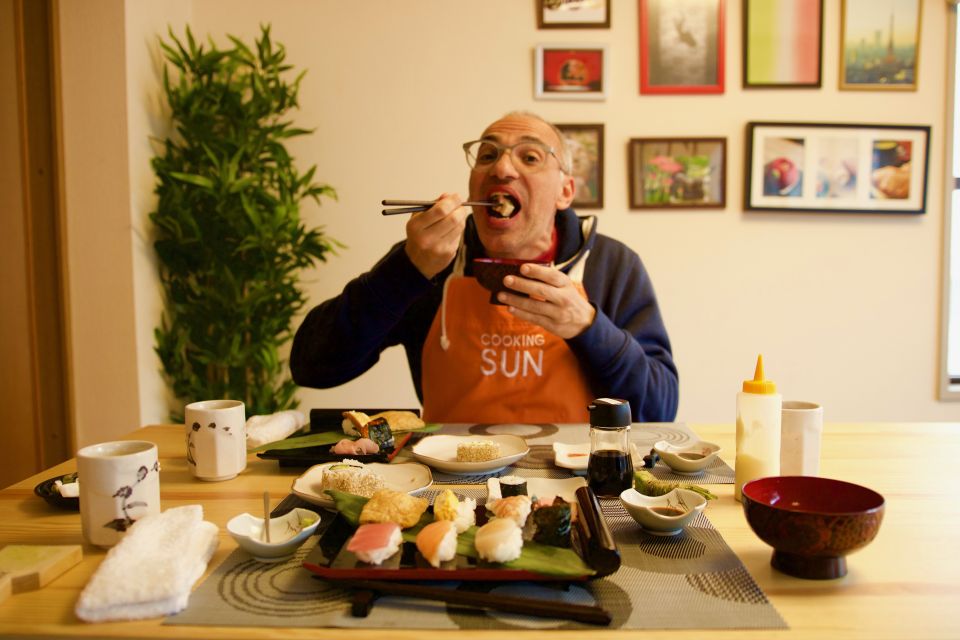
This class isn’t built like a show. It’s built like a practical workshop. You’ll be working with ingredients, tools, and direct guidance, which is the difference between watching sushi get made and actually learning what to do when you’re back home.
The format helps for another reason: sushi success is mostly about small choices. Rice temperature, seasoning amounts, pressure when pressing nigiri, and how neatly you roll a thin hosomaki. When you’re in a group limited to 9, you’re less likely to get stuck in a corner while everyone else moves on.
Price-wise, $67 for 3 hours can sound modest until you add up what’s included: all ingredients and utensils, towel and apron rental, recipes to take home, and the meal you create. You’re paying for instruction plus the prep that would be a pain to recreate on your own—especially in Tokyo, where even “simple” cooking supplies can add up.
You can also read our reviews of more tours and experiences in Tokyo

Getting to Cooking Sun Tokyo: a residential studio test
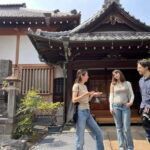
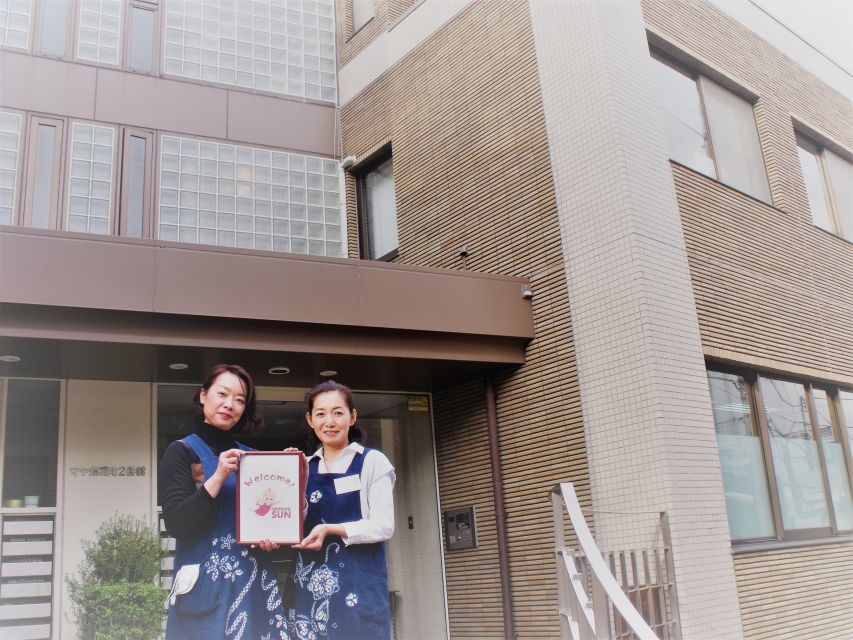
Meeting point details are part of the experience here. The studio is on the 2nd floor of a beige residential building. At the entrance, you’ll see two doors; use the right-side door that leads to the studio. If you need help, press 314 on the intercom.
If you have Wi‑Fi, use Google Maps and search for Cooking Sun Tokyo (Shinanomachi 18-39, Shinjuku-ku, Tokyo). If you don’t, plan ahead and use the detailed directions they provide online.
This matters because the class runs for 3 hours, and it starts on time. When you’re easy to find, you can spend more of that afternoon actually cooking.
The 3-hour flow: from ingredients to your final plate
The class is structured so you build skills in the right order. You start with what makes Japanese flavor work, then you move into rice and toppings, and you finish with shaping multiple sushi types.
1) Ingredient intro: dashi, seasonings, and miso soup
Early on, you’ll get an overview of essential Japanese flavors. You’ll hear about dashi (soup stock) and traditional seasonings, plus how miso soup fits into the meal.
This part sounds “extra” if you only care about sushi, but it’s useful. Dashi and miso are the flavor backbone of so much Japanese comfort food, and they also teach you how Japanese cooking balances savory depth with careful seasoning.
2) Tamagoyaki: the rolled egg skill test
Next comes tamagoyaki—Japanese rolled omelet—taught with step-by-step guidance. If you’ve never done it, don’t worry. The point is not to be perfect. The point is to learn the rhythm: cooking in layers, shaping as you go, and getting the texture fluffy enough to work as a sushi topping.
This segment also helps you understand why sushi uses different textures together. The egg adds softness, while the rice provides structure.




3) Sushi prep: rice, toppings, and getting set up
Then you shift into prep mode. You’ll prepare sushi rice and toppings such as shrimp. Once your station is ready, you’re rolling and pressing with the ingredients set in front of you, not chasing tools across the room.
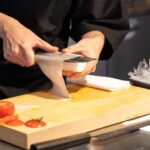
Important note: the class uses pre-sliced fish. And the instruction does not include how to cut raw fish. So if you’re hoping to learn knife work on fish, this isn’t that kind of class. You’ll still get the core sushi skills—rice, seasoning, assembly, and shaping.
4) Hands-on sushi making: nigiri, inari, hosomaki, California roll
Now the fun part. You’ll watch demonstrations, then make sushi yourself. The lineup is practical and popular:
- Nigiri (hand-pressed sushi)
- Inari (sweet tofu pouch sushi)
- Hosomaki (thin roll)
- California Roll
In a small group, you’re not just repeating a template. Instructors can spot what’s going wrong—too much rice, uneven pressure, messy edges—and they can show you how to fix it immediately.
5) Eat what you make
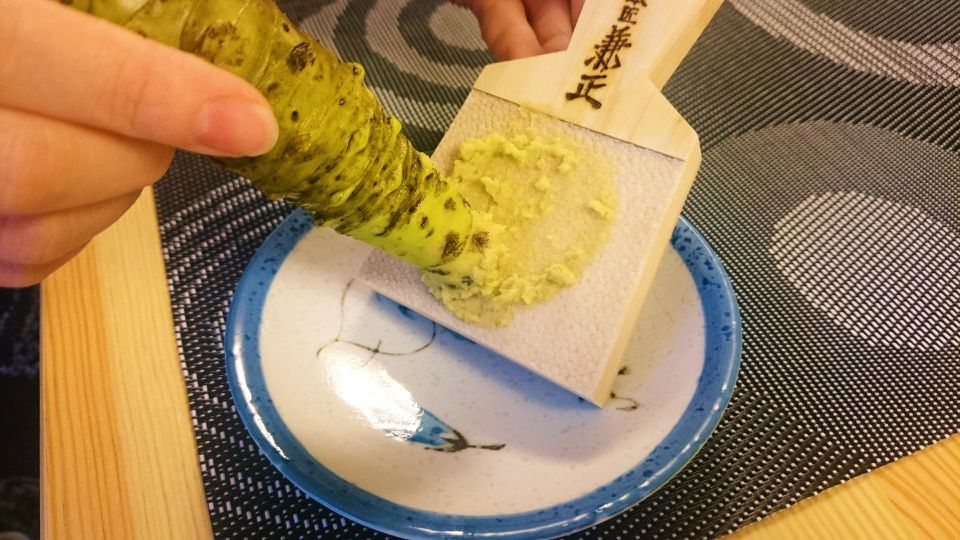
At the end, you sit down and enjoy your handmade sushi with miso soup. Fresh wasabi and pickled ginger come on the side, which is a nice touch because it keeps your sushi eating flexible. You can taste the sushi first, then adjust with wasabi and ginger after.
And yes, the meal is generous enough that you’ll likely skip dinner later. More than one person has said this class basically covers the food part of the afternoon.
The real star: sushi rice technique (this is where you win)
If you only remember one thing from this class, make it the rice. Sushi rice isn’t just cooked rice. It’s seasoned rice with a specific texture, cooled and handled in a way that helps it stick without becoming gummy.
In the class, you’re taught techniques for making tasty sushi rice, including how seasoning and handling affect the final bite. When you nail the rice, nigiri feels solid, rolls hold shape, and the sushi tastes balanced instead of flat.
This is also why the class works for beginners. You don’t need to be a sushi expert to succeed—you just need to follow the steps and pay attention to consistency.
Nigiri, inari, and rolls: you’ll learn structure, not just shapes
A lot of sushi lessons focus only on one style. Here you get multiple, and that changes how you think about sushi.
Nigiri: pressure and proportion
For nigiri, the trick is pressure. Too light and it falls apart. Too hard and you pack it into something dense. You’re guided on the hand-pressed method, so you learn how to shape without turning it into a brick.
Inari: sweetness meets texture
Inari uses sweet tofu pouches, which adds a totally different flavor profile than fish and sea. It’s a good choice for learning because the tofu has its own character, so you get practice balancing flavors rather than relying only on soy sauce.
Hosomaki and California roll: clean rolling basics
Rolling teaches accuracy. Hosomaki is a thin roll, so a small mistake shows up fast. California roll brings in more variety, so you practice assembling layers and rolling evenly.
Either way, your instructor support helps you move from demonstration to muscle memory. And because the group is small, you can get correction in real time.
Tamagoyaki and miso soup: small extras that upgrade your sushi game
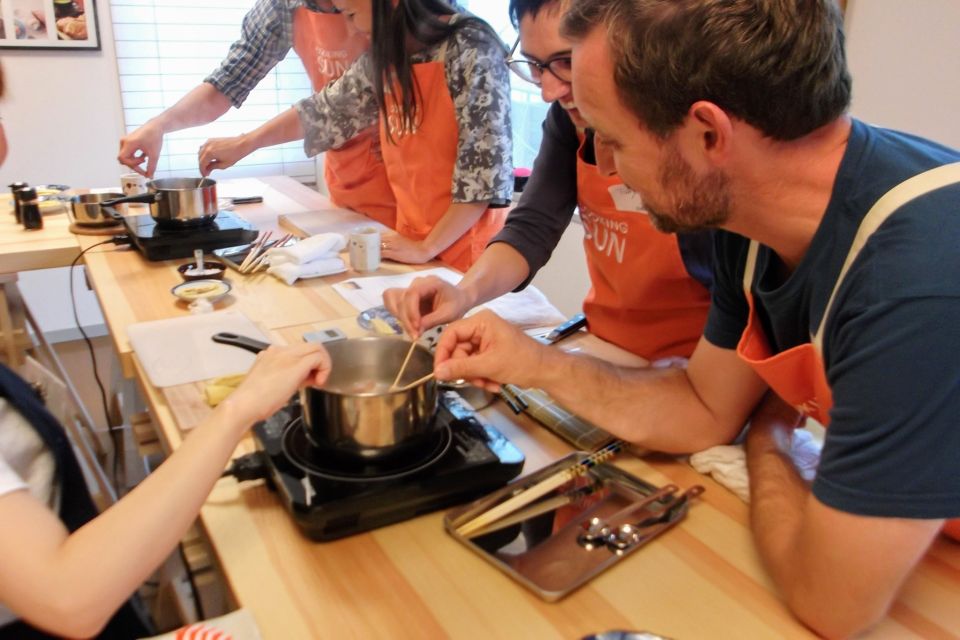
Tamagoyaki and miso soup aren’t filler here. They teach you how Japanese meals work as a set of flavors and textures.
Tamagoyaki gives you a controlled way to work with egg texture and shape. Miso soup teaches savory balance with dashi and miso seasoning. Together, they help you understand sushi as part of a wider Japanese meal, not a standalone bite.
Even if you don’t plan to make sushi every week at home, these two skills make the class feel more complete—and you’ll have more than one dish to recreate later.
English-friendly teaching that keeps you moving
Instruction is in English, and the teaching style is step-by-step. That matters when you’re learning techniques like rice seasoning and rolling. You don’t have to guess what “just enough” means. You can watch, try, then adjust.
The class also keeps the kitchen rhythm friendly and calm. People commonly mention that the instructors are patient and willing to help when hands start fumbling. In this size group, you’re not stuck waiting for attention.
Dietary needs and substitutions: planning ahead actually helps
If you have allergies or dietary restrictions, tell the team when you book. The class can substitute ingredients to accommodate food allergies, gluten-free diets, religious dietary restrictions, vegetarian preferences, and more.
This is one of the most reassuring parts of the offering. Sushi ingredients can be tricky, especially with sauces and cross-contact risk. Having a substitution plan means you’re not forced into a watered-down experience where you just watch someone else cook.
What to pack (and what to expect from included gear)
You don’t need to bring cooking tools. The class provides all ingredients and utensils, plus towel and apron rental. You’ll also take home recipes.
So practically, you just show up comfortable. Wear something you can move in, since you’ll be shaping and rolling at a work station. Bring a small appetite too, because the final meal is a big part of the value.
Who this Tokyo sushi making class suits best
This class fits best if you want:
- A hands-on lesson that’s not overwhelming
- A small group cooking experience with clear guidance
- Multiple sushi styles in one afternoon
- Cooking fundamentals like sushi rice, miso soup, and tamagoyaki
It’s also a solid family option if you’re traveling with kids who are excited about food. One parent specifically mentioned they brought a sushi-obsessed child and the instructors were patient and helpful.
If you’re hoping for a hands-on raw fish butchery or knife skills class, adjust expectations. This isn’t that. Fish is pre-sliced, and cutting raw fish is not part of the instruction.
Price and value: what $67 buys beyond the sushi
At $67 per person for 3 hours, you’re paying for more than ingredients. You’re paying for:
- instruction in several sushi types
- rice and sauce basics you can use again later
- a full meal you didn’t have to plan or cook
- everything supplied: tools, utensils, and aprons/towels
- recipes to take home
Tokyo sushi can be expensive, and cooking classes elsewhere often charge more for less time and smaller menus. Here, the time is long enough to actually learn, and the included meal helps justify the cost in a very practical way.
Should you book Cooking Sun Tokyo’s Sushi Making Class?
If you want a beginner-friendly, English-taught Tokyo experience where you leave with real skills—not just photos—this is an easy yes. The biggest payoff is sushi rice technique plus the chance to shape nigiri, inari, and rolls yourself in a small group.
Book it if you’re okay with the studio being in a residential area and you’re willing to plan a little extra time for arrival. Skip it only if your main goal is cutting raw fish or you want a class focused on one sushi style.