REVIEW · TOKYO
Tokyo: Sumo Morning Training Visit
Book on GetYourGuide →Operated by H.I.S. Co Ltd(TIC) · Bookable on GetYourGuide
Tokyo morning sumo training is one of those rare chances to see Japan at work. You get up-close keiko at a real stable and a group picture with the wrestlers at the end. I like that it is not a staged performance and that you witness the intensity from nearby.
One heads-up: you will spend a long time sitting and staying very quiet, and the experience can feel light on narration unless your guide happens to offer more detail that day.
In This Review
- Key Points I’d Plan Around
- Why a Sumo Stable Visit Feels Different Than a Tournament
- The Biggest Practical Tip: Use Your Email for the Meeting Place
- Optional hotel pickup: helpful, but not English-first
- Entering the Stable: What Your 60 Minutes Really Looks Like
- Seating reality: clear views are not guaranteed
- What You Will See: Keiko, Warm-Ups, and Sparring Moments
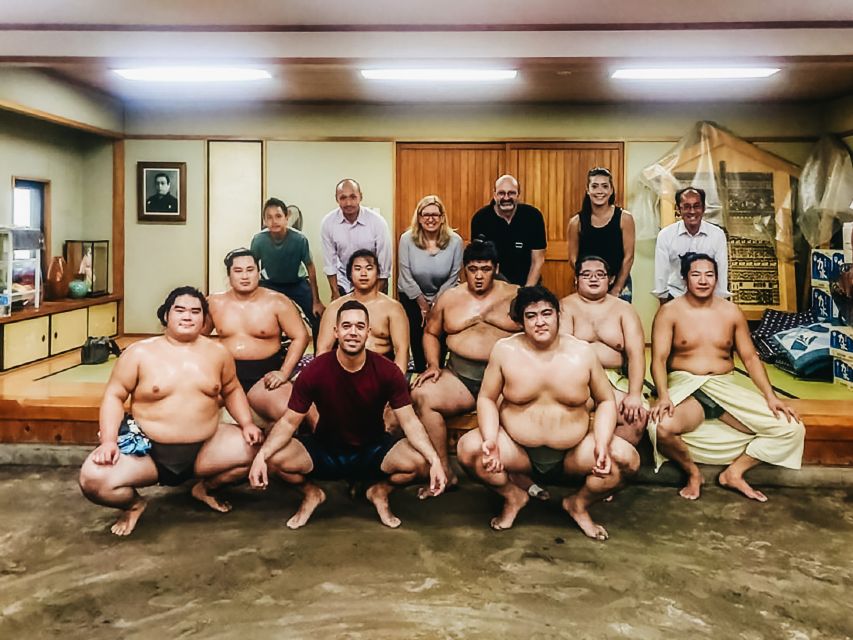
- The group photo is part of the deal
- Stable Rules You Should Follow (Before Someone Taps Your Shoulder)
- Video and photos: what is allowed
- The Role of the English Greeter: Expect Light Storytelling
- Price and Value: Is $77 a Good Deal?
- Who This Tour Suits Best (And Who Should Rethink It)
- Should You Book This Sumo Morning Training Visit?
- FAQ
- How long is the Tokyo Sumo Morning Training visit?
- What is included in the price?
- Is hotel pickup available?
- What if I cannot find the meeting point?
- Does the meeting time depend on the day?
- Can I arrive early and wait inside?
- What should I bring?
- What items are not allowed inside the stable?
- Is flash photography allowed?
- What happens if I leave before the end?
Key Points I’d Plan Around
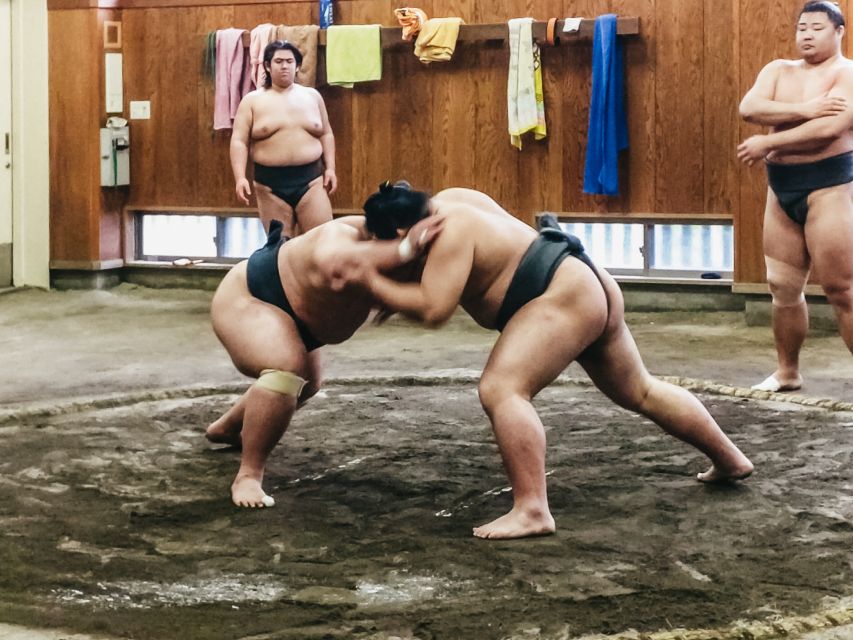
- Real stable, real training: you watch professional wrestlers practicing, not acting in a show
- A group photo at the end: leaving early usually means you miss it
- Meeting point changes day to day: use the email location, not the Google Map pin
- Rules are strict inside: mask required, no flash, silent phones, and no hats or sunglasses
- Training length can shrink: about 60 minutes normally, but closer to 30 minutes during major tournament weeks
Why a Sumo Stable Visit Feels Different Than a Tournament
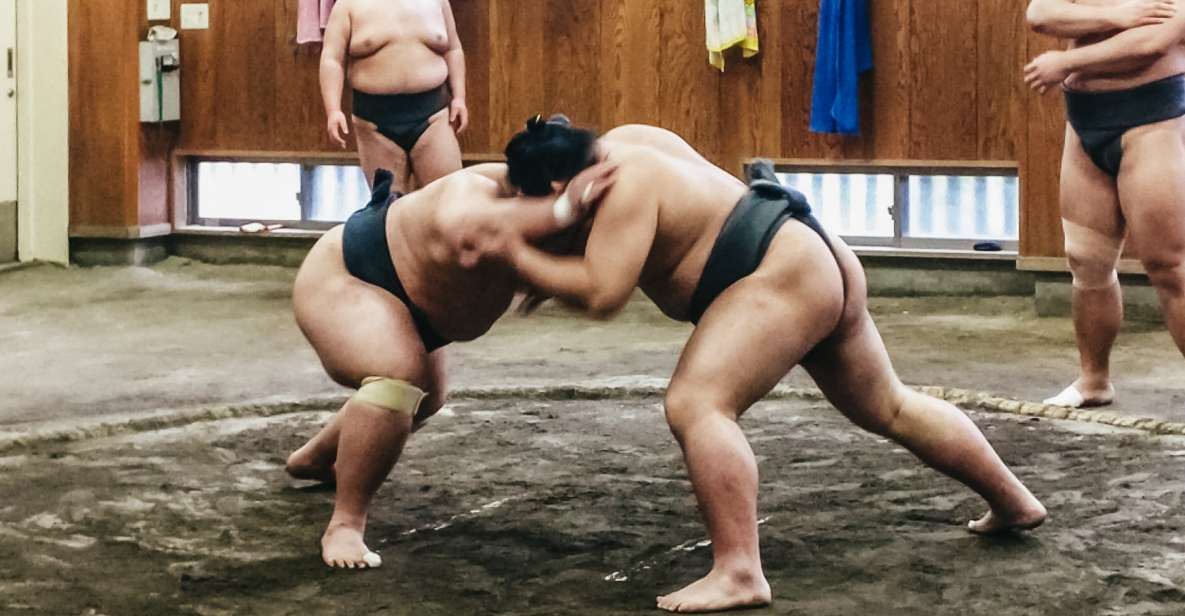
A sumo tournament is loud, crowded, and focused on results. A morning stable visit is different. You are watching the process: drills, warm-ups, and practice that builds strength, timing, and balance. It is closer to what athletes do every day, not just what they do when cameras and tickets are involved.
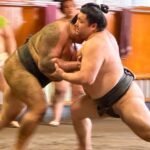
What I love most is the closeness. You are not looking at sumo from far away behind glass or distance. You get to observe body mechanics in motion—how wrestlers set their feet, how they reset, how they move with surprising control for such massive physiques. It can also be visually unforgettable: the sweat, the speed of repeated drills, and the sheer physical effort.
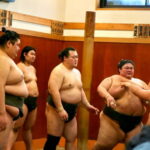
The other big reason this works is the ending. The group picture means you leave the stable with a tangible memory, not just a set of photos from a distance. It is also a strong reminder you are stepping into a living training space, not a theme park.
You can also read our reviews of more tours and experiences in Tokyo

The Biggest Practical Tip: Use Your Email for the Meeting Place
This is not a “show up at one fixed address” kind of tour. Your meeting time and exact location are confirmed by email about 3 days before. And yes, the Google Map location can be wrong. That is not a small detail. It is the difference between arriving on time for training versus missing part of it.
Check both the email and the voucher you receive, then follow the stable listed there. Another rule that matters: check-in starts at the meeting time. If you arrive early, do not ring the doorbell or enter. The entry process is controlled, and you do not want to create problems for the stable staff.
If you are worried about confusion, you can take a page from people who had smooth days: call the contact number in your confirmation email if you cannot find the meeting spot quickly. Also, build a small buffer into your morning routine so you do not feel rushed.
Optional hotel pickup: helpful, but not English-first
There is an optional one-way transfer from hotels, but it comes with constraints. Pickup must be within Tokyo’s 23 wards, drivers speak Japanese (not English), and hotels without a front desk are not acceptable for pickup. If you choose pickup, make sure your hotel can actually receive that kind of coordination.
Entering the Stable: What Your 60 Minutes Really Looks Like
Training sessions usually last about 60 minutes. During Tokyo Grand Sumo Tournaments (January, May, and September), sessions are often around 30 minutes. The schedule can also change depending on the wrestlers’ condition, because this is training, not a clockwork show.
Inside, you enter only with the guide. That matters for two reasons:
1) it keeps the stable orderly, and
2) it means you should treat the tour as timed admission, not open visiting hours.
Once you are seated, the vibe is calm but strict. Talking loudly is prohibited, and your phone needs to be switched to silent mode. You will also be expected to act like you are part of the training environment, not a spectator in a theater.
Seating reality: clear views are not guaranteed
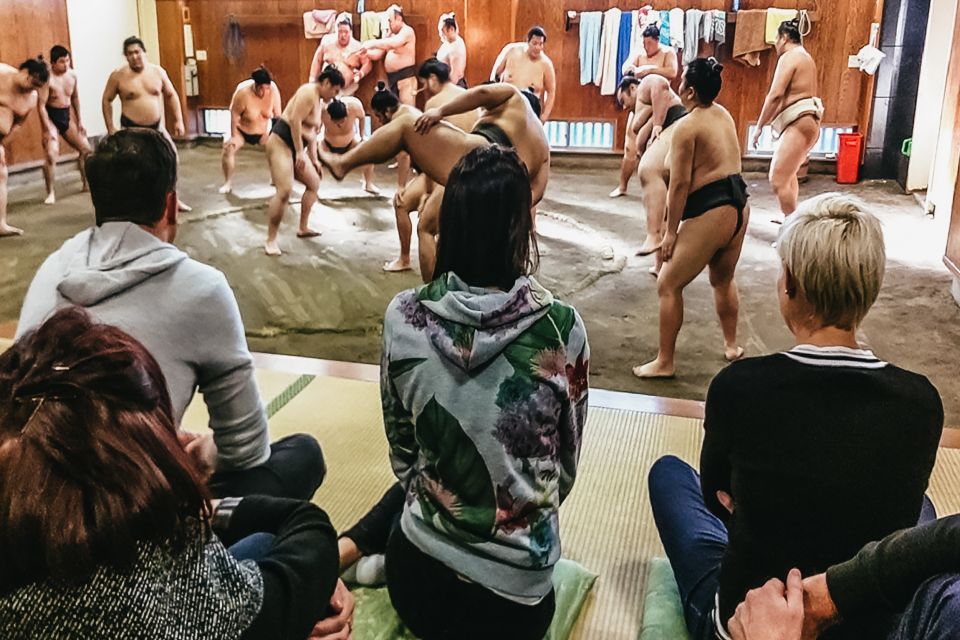
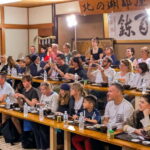
In some sessions the view improves if you sit closer to the front, and there is often a free seating setup. Last-row seats can mean you are looking around other people. If you want the best angles, show up with time to get seated right away once you are allowed in.
Also plan for floor seating. Some people report it being a long stretch of stillness. If you have knee issues, you should think ahead. One way to handle it is to ask in advance if extra seating options (like a cushion or a chair) can be arranged. Even if you do not have a medical need, consider whether you can comfortably sit quietly on the floor for the full period.




What You Will See: Keiko, Warm-Ups, and Sparring Moments
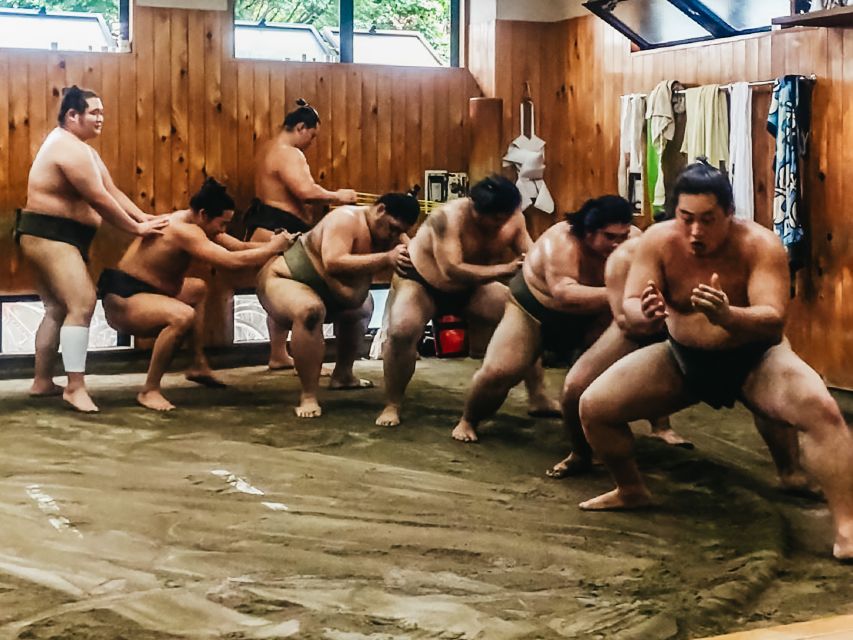
This experience is built around active professional practice. You should expect to see wrestlers training up close—often including warm-ups and practice drills that show technique rather than entertainment.
One common pattern is that you might see a mix of exercises and interaction across the clay ring (the dohyo). Depending on the stable and the day, you may or may not see full bouts in the way you picture from tournament broadcasts. Some sessions can feel more like keiko (practice) than like competition.
During tournament weeks, the shortened time can also affect what you catch. You may end up seeing warm-up and fewer segments than you would on a non-tournament day. That is not a defect in the tour—it is simply what happens when the stable compresses training.
The group photo is part of the deal
Stay through the end if a group picture matters to you. If you leave earlier, you will not receive the group photo. That is a clear trade: you can step away early, or you can stay and get the full wrap-up.
Stable Rules You Should Follow (Before Someone Taps Your Shoulder)
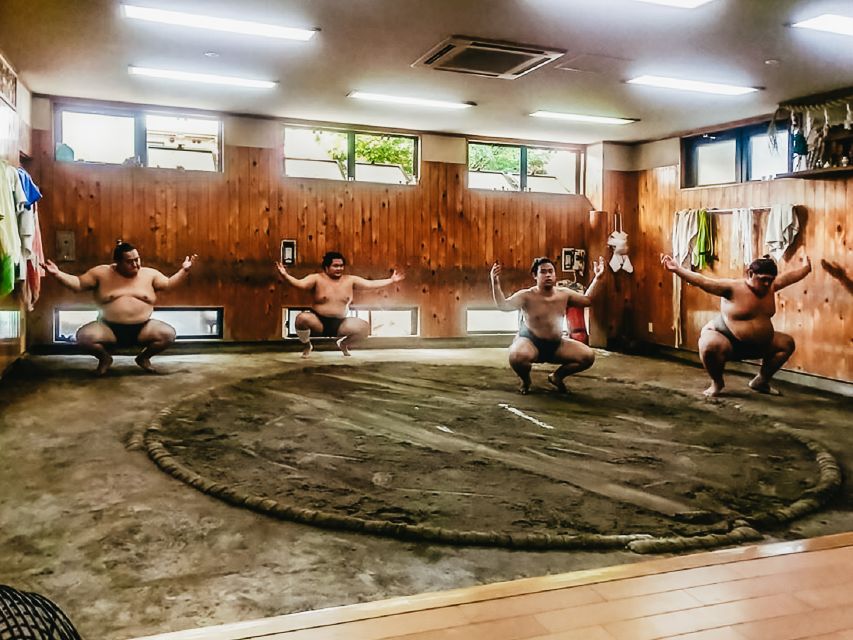
You do not need to memorize a 20-page etiquette manual, but these rules are specific and enforced:
- Face mask or protective covering is required
- No hats
- No sunglasses
- No food or drinks
- No luggage or large bags
- No smoking indoors
- Flash photography is forbidden
- Phones must be on silent
- Talking loudly or making noises is prohibited
Also, keep your behavior respectful and still. Some guests noticed that people who leaned on walls, shifted constantly, or otherwise disrupted the quiet atmosphere were treated negatively by staff. Basically: act like you are in a workplace where athletes need focus.
Video and photos: what is allowed
Flash photography is out. Video may be possible only with prior permission. So treat the safe approach as: take photos without flash, and if you are planning video, ask or wait for guidance rather than assuming.
The Role of the English Greeter: Expect Light Storytelling
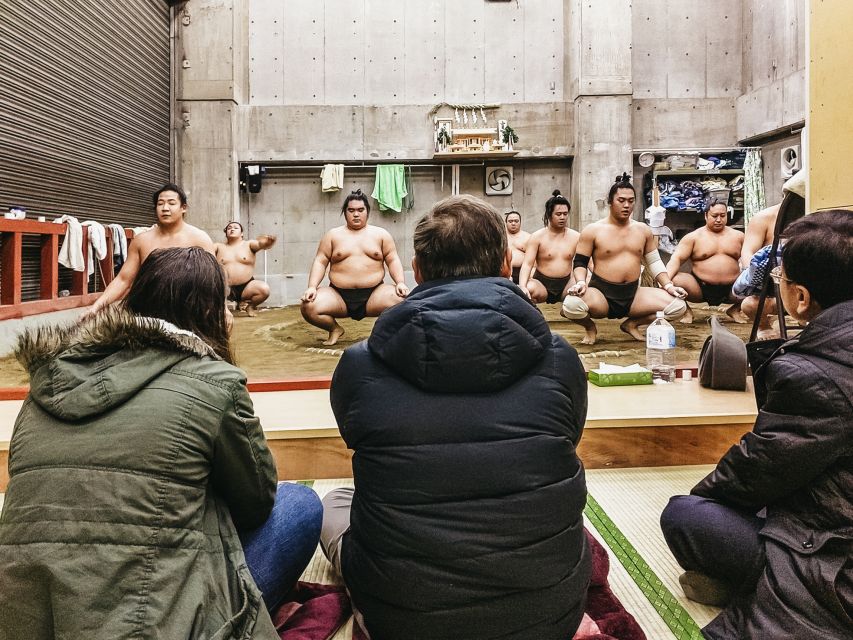
The tour includes an English host or greeter, but the amount of explanation can vary. On some days, the person you meet may mostly handle entry and provide a rules sheet. On others, communication may be limited, or you may get fewer background details than you hoped for.
That means you should not assume this will teach you every sumo ritual. If you want extra context—like what wrestlers are doing and why certain steps matter—do a little homework before you go. Even a basic understanding of keiko and typical stable routines will help the practice “click” faster while you are sitting there.
Still, even with minimal narration, the value is the direct view of training. This is one of those tours where observation does most of the work.
Price and Value: Is $77 a Good Deal?
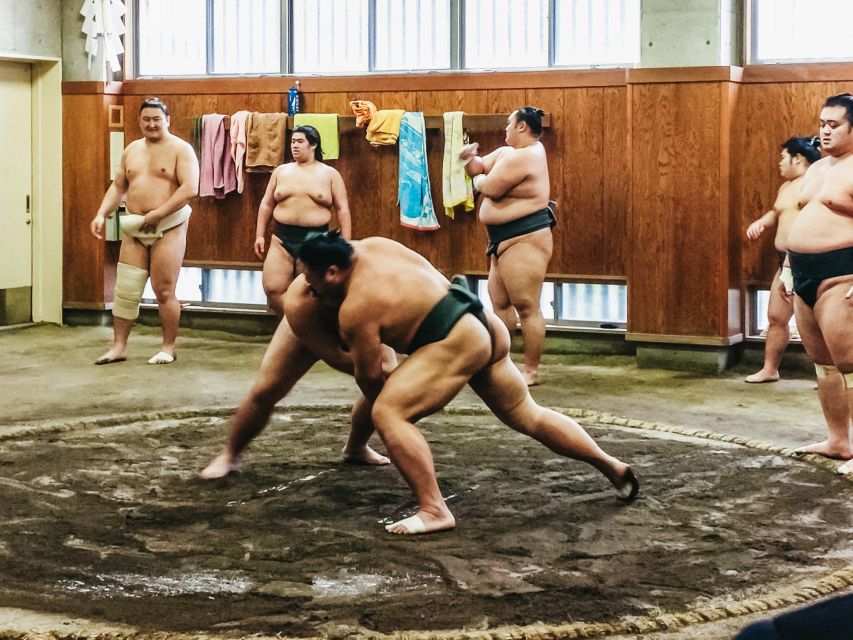
At $77 per person for about an hour, this is priced for a particular kind of value: access. You are paying for a guided visit to a real training stable and a group photo, not a seat at a stadium event.
Here is the fair way to judge it:
- If you want the closest look at professional practice, this can be a good ROI compared with trying to catch sumo elsewhere. Several people noted it felt cheaper than watching a formal show.
- If you are traveling during a tournament week and your main goal is to see actual high-stakes bouts, this may disappoint. Sessions can shrink to around 30 minutes, and you might not see full competition-style matches in that compressed time window.
So think of the tour as a “training access” experience. If your priority is competition, hunt for tournament tickets. If your priority is technique, routine, and proximity, this is a strong choice.
Who This Tour Suits Best (And Who Should Rethink It)
This is a great fit for you if:
- you want authentic stable access rather than a staged show
- you like sports and want to watch disciplined practice up close
- you enjoy cultural experiences where rules matter and quiet is part of the deal
- you want a group photo with real wrestlers
It may be less ideal if:
- you need lots of verbal explanation to enjoy tours (some sessions focus more on entry and rules than storytelling)
- you have trouble sitting on the floor for a long period
- you are uncomfortable following strict stable etiquette (no flash, no noise, limited movement)
If you know you will struggle with floor seating, plan early. You can also bring a small, practical strategy: wear comfortable layers and dress for cool morning temps, because being still for a while is easier when you are comfortable.
Should You Book This Sumo Morning Training Visit?
If you want a real look at pro sumo training from close range, and you are willing to follow stable etiquette, I think this is worth booking. The group photo, the access to active wrestlers, and the chance to watch keiko up close are the kind of memories that tend to last.
Book it especially if you are traveling when you might not easily get tournament tickets, or if you prefer watching training over competition. Just do two things that make a big difference: use the email-confirmed meeting location, and stay through the end if you want the group picture.
If your top goal is full bouts during a tournament week, you might get a better overall experience by planning for competition tickets instead. In that case, treat this visit as a bonus for technique and atmosphere, not as your only sumo moment.
FAQ
How long is the Tokyo Sumo Morning Training visit?
The activity duration is listed as 1 hour. Training normally runs about 60 minutes, but during Tokyo Grand Sumo Tournaments (January, May, September) it can be shorter at around 30 minutes.
What is included in the price?
Your visit includes entry to watch the wrestlers’ morning training and a group picture.
Is hotel pickup available?
Hotel pickup is optional as a one-way transfer. Pickup must be within Tokyo’s 23 wards, and drivers speak Japanese (not English).
What if I cannot find the meeting point?
The meeting place is decided 3 to 2 days before and you will be informed by email. If needed, use the contact number provided in your confirmation email for assistance.
Does the meeting time depend on the day?
Yes. The meeting time and location vary by day, and you will receive a separate email with the confirmed details about 3 days before.
Can I arrive early and wait inside?
Check-in starts at the meeting time. If you arrive early, do not ring the doorbell or enter.
What should I bring?
Bring a face mask or protective covering.
What items are not allowed inside the stable?
Hats and sunglasses are not allowed. Food and drinks are not allowed, and you should not bring luggage or large bags. Smoking indoors is also not allowed.
Is flash photography allowed?
No. Flash photography is forbidden. Videos may only be taken with prior permission.
What happens if I leave before the end?
You may leave earlier, but you will not receive the group picture if you do not stay through the end of the visit.