REVIEW · TOKYO
Mount Fuji-Lake Kawaguchi Private Tour with Bilingual Driver
Book on GetYourGuide →Operated by Tour Japan · Bookable on GetYourGuide
Mount Fuji days can be hit-or-miss. This one helps because you’re not stuck with a rigid group schedule and you’ve got an English-speaking driver who keeps the moments interesting even when skies don’t cooperate. I also like the private luxury car setup: it’s just your group, so you can move at a comfortable pace and stop where the views make sense. One thing to consider: Mt. Fuji visibility depends on weather and road conditions, and the optional 5th Station can change if conditions aren’t right.
If you care about the classic Fuji-photo stops, plus the weirder stuff like lava caves and frozen tubes, this route hits a lot of ground in one day without feeling rushed. The driver name Maz shows up in the feedback too, and the theme is clear: friendly, helpful, and willing to work around what the day gives you. The potential drawback is simple math—this is a long day, so if you’re sensitive to lots of stairs or cave walking, plan your energy accordingly.
In This Review
- What Makes This Private Fuji Tour Feel Worth It
- A 10-Hour Fuji Day With Real Flexibility (Not a Bus Stampede)
- Meeting Mount Fuji: Weather Planning and the 5th Station Reality Check
- Chureito Pagoda: The Classic Fuji Postcard, Up Close
- Oshino Hakkai and the Spring-Water Story You Can Actually See
- Arakurayama Sengen Park and the Shrine Steps That Lead the Eye
- Saiko Iyashi no Sato Nenba: Reconstructed Village, Real Cultural Break
- Lava Tubes: Narusawa Ice Cave and Fugaku Wind Cave
- Lake Kawaguchi and Kawaguchiko-Machi: Five-Lake Views Plus Water Fun
- Mt. Fuji Panoramic Ropeway and the View-Upgrade Moment
- Mt. Fuji 5th Station: The Optional Magic (With a Fee)
- Food on This Tour: Traditional Japanese Meals and Easy Lunch Timing
- Price and Logistics: What You’re Paying for at $445 per Group
- Who Should Book This Mount Fuji Private Tour
- The Maz Factor: When the Guide Makes the Difference
- Should You Book This Tour?
- FAQ
- What’s the duration of the Mount Fuji Lake Kawaguchi private tour?
- Where can the tour pick you up in Tokyo?
- Where do you get dropped off at the end of the tour?
- Is the Mt. Fuji 5th Station entrance fee included?
- What’s included in the price?
- Are food and drinks included?
- Do I need a child seat?
- What happens if weather or road conditions are bad?
What Makes This Private Fuji Tour Feel Worth It
- A bilingual, English-forward experience: communication is easy, and the guide can explain what you’re seeing as you go.
- Only your group in the car: you keep the day private and flexible, instead of squeezing into a bus rhythm.
- The day blends famous icons with offbeat stops: pagodas, springs, a reconstructed village, and lava caves in one loop.
- Mt. Fuji views built in at multiple points: you’re not relying on a single viewpoint to make the day work.
- Maz-style detail and friendliness: the best feedback is about effort—helpful planning, pleasant attitude, and smart stop choices.
- Optional 5th Station, not forced: you can adjust based on conditions so the day stays enjoyable.
A 10-Hour Fuji Day With Real Flexibility (Not a Bus Stampede)
This is set up for a full day, running about 10 hours with pickup and drop-off in central Tokyo (Tokyo 23 wards) or Haneda Airport. The biggest difference versus group tours is the car: it’s a private luxury vehicle with an English-speaking driver, so you don’t have to wait for ten other people’s coats, tickets, and photo angles.
That matters on Mount Fuji days. You often get changing weather minute to minute—clouds, haze, or a clear window that appears at the right time. With a private setup, you can spend your best moments looking instead of negotiating.
The practical part: you’ll want comfortable shoes and a light layer you can adjust quickly. You’ll move through viewpoints with stairs (notably around the pagoda area), then switch gears to caves, where walking conditions can be cooler and more enclosed.
You can also read our reviews of more private tours in Tokyo
Meeting Mount Fuji: Weather Planning and the 5th Station Reality Check
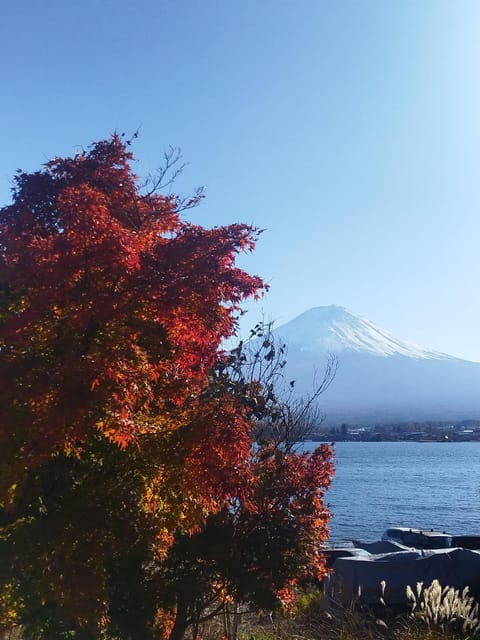
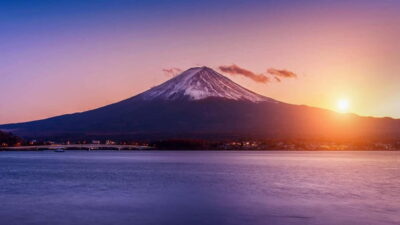
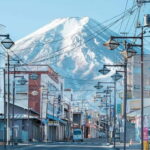
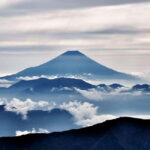
Mt. Fuji is famous, so it’s also famous for being dramatic. If the mountain is partially hidden, that’s not a failure—it’s just the mountain doing what it does. This tour is designed with multiple chances at views: Chureito Pagoda, Arakurayama Sengen Park, and the Lake Kawaguchi area all give you different angles.
The optional Mt. Fuji 5th Station is the one that can be most weather-dependent. It sits around 2,300 meters, it can offer views like the Fuji Five Lakes and sometimes cloud layers, and it has its own Fuji-themed food stalls and souvenirs. Still, access is subject to weather and highway conditions, and the entrance fee (JPY 2,100 per vehicle) is not included.
My advice: treat the 5th Station as a bonus, not the whole point. If conditions aren’t great, the day can still be satisfying because the rest of the route is built around scenery and culture near the mountain.
Chureito Pagoda: The Classic Fuji Postcard, Up Close
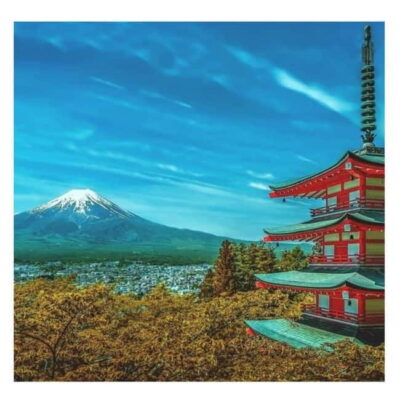
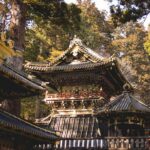
You start with the Chureito Pagoda, a Shinto shrine area with a five-tiered pagoda and an observation deck. It’s one of those places where composition does the heavy lifting: the pagoda plus Mount Fuji is the whole deal.
This stop is short—about 30 minutes—so it’s best used strategically. Give yourself a few minutes to find a good angle, then slow down for the shot and the skyline. If you’re there during clearer light, you’ll feel the appeal right away. If not, at least you get the shrine atmosphere and the view-seeking vibe without wasting the whole day.
Also note: the area includes stairs and a park feel, with seasonal cherry blossoms possible. If your knees aren’t fans of stairs, keep that in mind early in the day so you don’t get tired later when you’d rather have energy for caves and walking.
Oshino Hakkai and the Spring-Water Story You Can Actually See
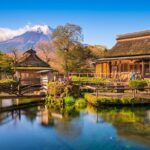
Next up is Oshino Hakkai, a spot in the foothills of Mount Fuji known for abundant spring water from the mountain. What makes it worth your time is not just the photos—it’s the way the pond-and-water system creates a calm, clear atmosphere that contrasts with the big-city rhythm you left behind.
You’ll spend about 40 minutes here. That’s long enough to walk the area, take in the ponds, and understand why it’s famous: the spring water is the draw, and it’s tied to Mount Fuji’s water cycle in a way that feels more tangible than a brochure.
Tip: if the sky is hazy, Oshino can still deliver because water reflections can stay attractive even when the mountain is faint.
Arakurayama Sengen Park and the Shrine Steps That Lead the Eye
Arakurayama Sengen Park is one of those viewpoints where you earn the view. You’ll visit the Sengen Shrine area and take in dramatic Mount Fuji perspectives from the steps and observation spots. Expect about 20 minutes here, which is basically enough time to get oriented, climb to where the view opens, and take a few photos without turning it into a full hike.
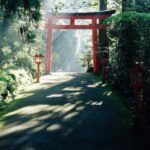
This is also a meaningful cultural stop. The Sengen shrines are linked to the faith of people who climbed Mount Fuji. You’ll see cedar-lined steps and stone lanterns that add texture beyond the mountain view itself. The main hall is noted as a red-painted building built in 1615, which gives the site a real sense of age.
Consideration: this is a viewpoint with stairs. If your schedule includes the 5th Station later (or even just lots of walking after), pace yourself.
You can also read our reviews of more tours and experiences in Tokyo


Saiko Iyashi no Sato Nenba: Reconstructed Village, Real Cultural Break
Then you switch from viewpoint-stepping to village-style wandering at Saiko Iyashi no Sato Nenba. This is a reconstructed traditional Japanese village by Lake Saiko, where you can explore houses and even rent traditional clothing.
Why this works in a Mount Fuji day: it breaks the pattern. Instead of chasing photos, you get a slower, human-scale experience—walking through a period-style village layout, seeing how people might have lived near the lake region.
This stop is a good mental reset before you go into more physically different places like caves.
Lava Tubes: Narusawa Ice Cave and Fugaku Wind Cave
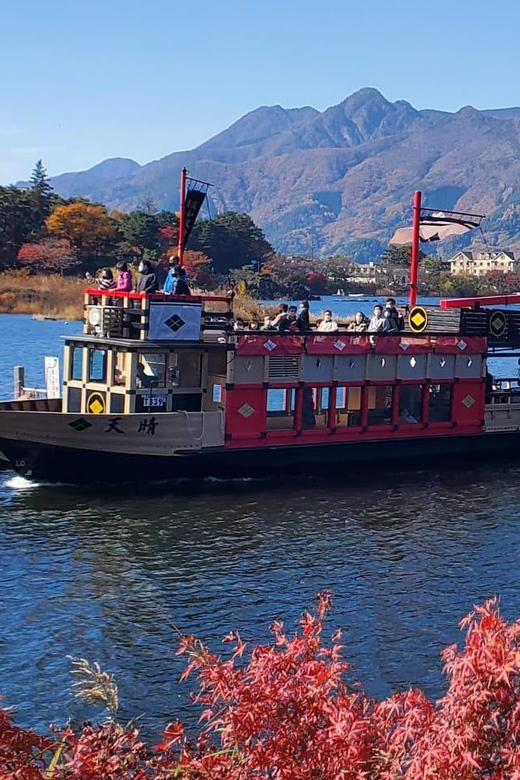
One of the most memorable parts of this day is that it doesn’t only rely on Fuji beauty. It leans into geology with two lava-tube cave experiences:
- Narusawa Ice Cave: described as a lava tube in the Aokigahara forest, with a short visit (about 15 minutes).
- Fugaku Wind Cave: another lava tube at the northern foot of Mount Fuji, also about 20 minutes, and listed as the largest of the lava tubes in the Aokigahara forest in Fujikawaguchiko Town.
Caves feel like a change of pace, and that’s exactly what you need after walking shrine areas and pond zones. Also, caves tend to be cooler—so even on a hot day, you’ll probably appreciate the temperature shift. The tradeoff is space and footing: keep your steps sure, because caves aren’t designed for casual slowness like a garden.
Lake Kawaguchi and Kawaguchiko-Machi: Five-Lake Views Plus Water Fun
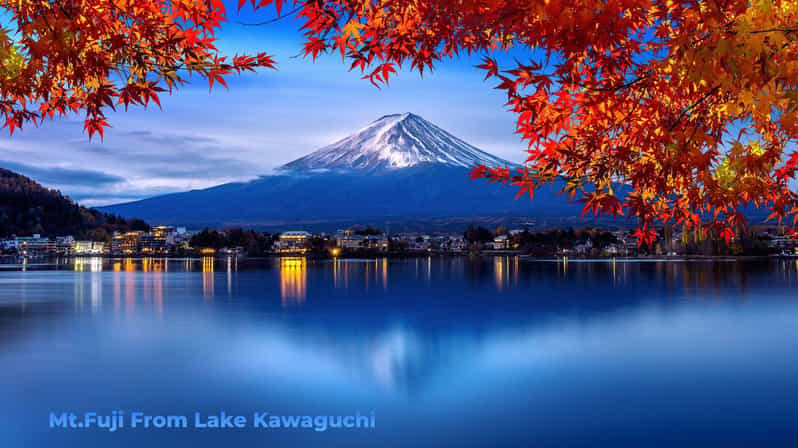
After the caves, the tour shifts into the heart of the Fuji Five Lakes region.
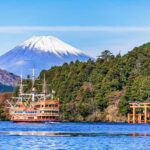
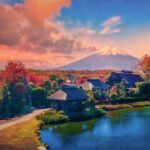
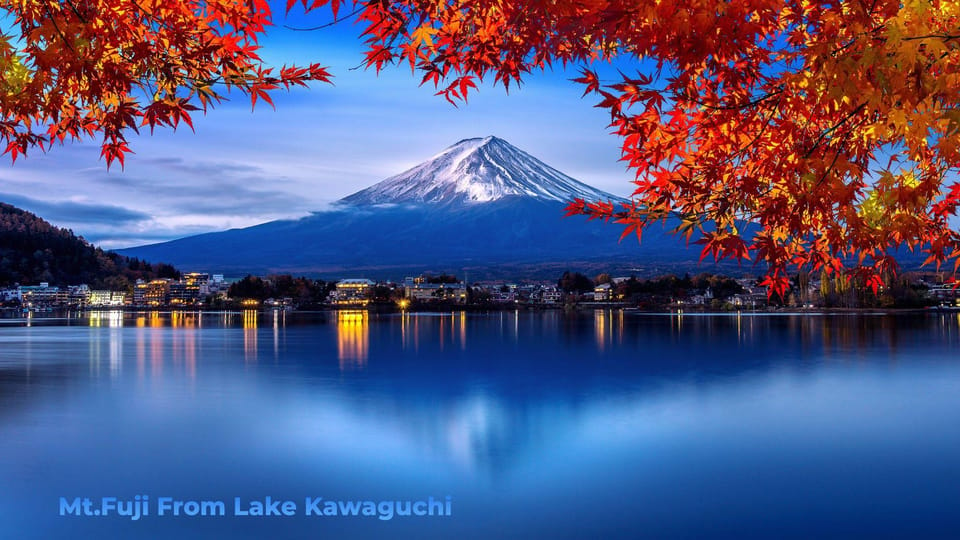
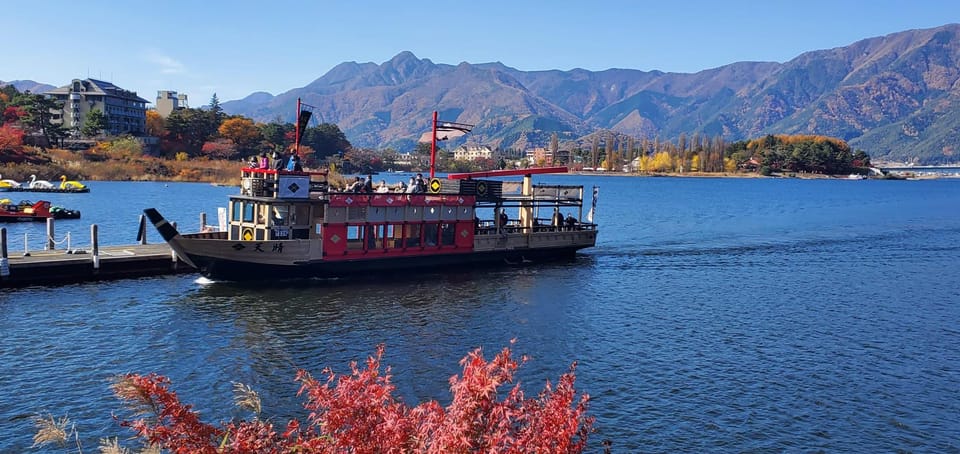
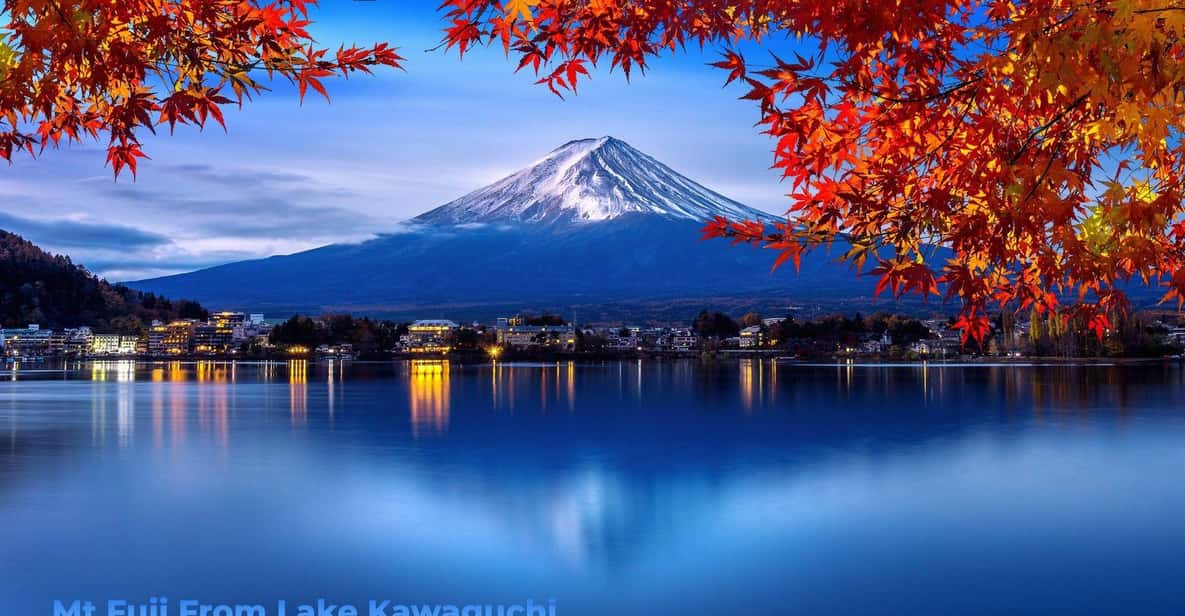
You’ll spend about 1.5 hours around Lake Kawaguchi and Kawaguchiko-machi, where you get the most direct Mount Fuji framing through the lake view—plus the sense that you’re surrounded by the wider “five lakes” area (Yamanaka, Kawaguchi, Saiko, Shoji, and Motosu). This is also where the tour naturally supports food: there are many restaurants around the lake, and this area is specifically noted as a good place to take lunch.
This is where you’ll also have options depending on timing:
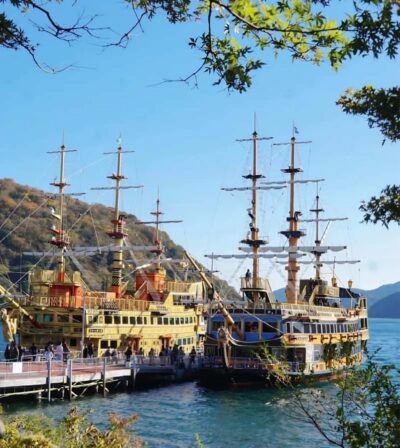
- A cruise on the lake if schedule permits
- Motor boating or paddle boats
- A panoramic ropeway near the lake (time allowing)
In practical terms, this is the stop that gives you a “day made of views” feeling. If Mount Fuji is visible, the lake framing can be stunning. If it isn’t, the water activities and relaxed pacing still keep things from feeling like a day of missed targets.
Mt. Fuji Panoramic Ropeway and the View-Upgrade Moment
The Mt. Fuji Panoramic Ropeway is designed to help you see more at once. You’ll find it near Kawaguchi Lake, and it’s part of the plan to boost the viewpoint angle without turning the day into a long trek.
If clouds come and go, ropeway timing can help you catch a better window. Since it’s included in the overall day flow (but still depends on timing), it’s a strong “mid-day viewpoint” that fits well after the cave stops.
Mt. Fuji 5th Station: The Optional Magic (With a Fee)
If conditions allow, the tour includes Mt. Fuji 5th Station, the popular starting point of the Yoshida Trail. You’ll spend about 30 minutes there, and the altitude (around 2,300 meters) can bring a more dramatic sky feel—sometimes even the chance to see sea-of-cloud style layers.
What makes it more than a checkbox is the vibe and the food. You can find Mt. Fuji gourmet items and famous local products, like Mt. Fuji curry that imitates the mountain shape, and Mt. Fuji melon bread. Note the fee: JPY 2,100 per vehicle is excluded, so plan for that cost if you choose this stop.
Condition note matters: access is subject to weather and highway conditions. If the mountain is hidden but roads are open, you can still get the altitude experience. If the roads aren’t cooperating, the day can shift toward the other view-heavy stops.
Food on This Tour: Traditional Japanese Meals and Easy Lunch Timing
A key part of the promise here is local traditional Japanese food included in the experience style. The day is arranged so lunch is easiest around the lake area where there are lots of restaurant choices, including spots that match the Fuji region mood.
Food detail you can act on: since you have a packed day, prioritize a meal that’s quick and satisfying. The lake area is the point where you can choose what fits your energy level—sit-down comfort or a faster bite—without losing too much time.
Price and Logistics: What You’re Paying for at $445 per Group
At $445 per group (up to 5 people) for about 10 hours, this isn’t priced like a budget bus tour. You’re paying for the private car experience with an English-speaking driver, and the value is in how it reduces friction.
Here’s what’s included:
- Hotel pickup and drop-off in Tokyo 23 wards and Haneda
- Luxury car and an English-speaking driver
- Toll and fuel
- Passenger insurance
What costs extra:
- Parking fees
- Entrance fees for sights
- Food and drinks
- Mt. Fuji 5th Station entrance fee (JPY 2,100 per vehicle)
- Extra hour charges (JPY 5,000 per hour)
My take: the price makes sense if you’re a small group and you hate spending vacation time in transit confusion. If you’re a solo traveler, the per-person value might feel different. But for couples and small groups who want a smoother day and flexible stops, this is the kind of pricing that can save you stress.
Who Should Book This Mount Fuji Private Tour
This is a great fit if you:
- Want a private, flexible Mount Fuji day rather than a fixed-group schedule
- Appreciate an English-speaking guide to make stops feel more meaningful
- Like variety: pagoda viewpoints, springs, traditional village browsing, and lava caves
- Plan to maximize one trip instead of doing multiple separate half-days
It might be less ideal if:
- You need fully flat walking the whole time (stairs show up at viewpoint stops)
- Your group’s energy is limited for a 10-hour day
The Maz Factor: When the Guide Makes the Difference
One detail that stands out in the feedback is the mention of Maz by name. The consistent message is about effort and communication: informative, pleasant, and willing to go the extra distance with details. There’s also a note that when the weather didn’t cooperate, the guide still worked hard to make the day enjoyable.
That’s exactly what you want in a Fuji-focused tour. When the mountain plays hide-and-seek, the guide’s job becomes turning the day into something you still feel good about—timing, alternative photo angles, and keeping the mood upbeat.
Should You Book This Tour?
If your Mount Fuji trip is short and you want a well-rounded day that mixes iconic sights with unusual geology, I’d book it. The private car plus English-forward guidance is a strong combo for first-timers and repeat visitors alike.
Book this especially if you’re traveling with up to four others and you want to trade crowds for comfort and control. If your group can handle stairs and cool cave temps, you’ll be in a sweet spot. And if the forecast looks uncertain, this setup still works because it gives you multiple chances at views plus enough cultural variety to keep the day satisfying even when the sky changes.
FAQ
What’s the duration of the Mount Fuji Lake Kawaguchi private tour?
The total duration is 10 hours.
Where can the tour pick you up in Tokyo?
Pickup is included from hotels within Tokyo’s 23 wards. Haneda Airport pickup is also available.
Where do you get dropped off at the end of the tour?
Drop-off is listed as the same as pickup location, with an option to drop off at Haneda Airport.
Is the Mt. Fuji 5th Station entrance fee included?
No. The 5th Station entrance fee is listed as JPY 2,100 per vehicle and is excluded.
What’s included in the price?
The price includes hotel pickup and drop-off (Tokyo 23 wards and Haneda Airport), a luxury car, an English-speaking driver, toll and fuel, and passenger insurance.
Are food and drinks included?
No. Food and drinks are not included.
Do I need a child seat?
If child seats are required, you need to mention it at booking. Children under 6 years require a child/booster seat.
What happens if weather or road conditions are bad?
Mt. Fuji 5th Station is subject to weather and highway conditions. The tour notes weather and road conditions as factors.