REVIEW · TOKYO
Tokyo: Private Car Tour with Mai
Book on GetYourGuide →Operated by 株式会社ジャストキーマン · Bookable on GetYourGuide
Tokyo makes more sense from the inside, especially on a private car tour with Mai. I like how the car does the heavy lifting, so you spend your energy looking at Tokyo instead of wrestling transit. The tone is friendly too, with uplifting talks and music that keep the ride from feeling like a checklist.
What really won me over is the way the guide connects landmarks to everyday life. You get short, guided walk moments like Asakusa and street-area time where local culture isn’t just explained, it’s shown in the rhythms of the neighborhood.
One consideration: this is a tight 3–3.5 hour loop, and food isn’t included. If you’re hoping for long temple wandering or a sit-down meal stop, you’ll want to set expectations or ask to adjust priorities in advance.
In This Review
- Key Things That Make This Tour Work Well
- How a Private Car Tour Keeps Tokyo Simple
- Meeting Mai: A Tokyo Fan Who Makes the City Make Sense
- National Diet Building and the Political Side of Tokyo
- Imperial Palace Drive-By: Seeing Tradition Without Trying to Overpack
- Rainbow Bridge and Tokyo’s Water Logic
- Old Downtown Time and Architecture Notes You Can Spot
- Sumida and Asakusa Walk Time for Local Tokyo Vibes
- Taito City Break and the Tokyo Skytree Finish
- Price and Logistics: Is $161 Good Value?
- Who This Tour Fits Best (And Who Should Skip It)
- Practical Tips to Get the Most From 3 Hours
- FAQ
- How long is the Tokyo private car tour with Mai?
- Is the tour private or group-based?
- What language is the guide?
- Where do you get picked up?
- Does the tour include food and drinks?
- What are some of the main places you’ll see?
- Can I cancel for a refund?
- Is alcohol allowed during the tour?
- Should you book this tour if you want a lot of photos?
- Should You Book Tokyo DD Tour With Mai?
Key Things That Make This Tour Work Well
- Private car from door to door so Tokyo logistics stay out of your way
- Mai as your guide with a warm, Tokyo-fan perspective and friendly, lively storytelling
- A smart mix of viewpoints and walk time: government area, river views, and market streets
- History and culture explained in context rather than as random facts
- Stops designed around iconic + local Tokyo including Imperial Palace drive-bys and Asakusa time
- Flexible route feel since the total duration shifts with traffic
How a Private Car Tour Keeps Tokyo Simple
Tokyo can be wonderfully efficient, then suddenly complicated when you’re moving across neighborhoods with jet lag. This tour solves that by using a private transfer during the experience, meaning you’re not planning routes, changing lines, or calculating walking transfers every time the itinerary shifts.
The duration is listed as 3 hours, but you should plan for roughly 2.5 to 3 hours depending on the day’s traffic. That actually matters. Tokyo traffic can turn “short drives” into longer ones fast, and a private car gives you a cushion to still hit the main sights without the stress of missing connections.
Pickup is included, and you can decide the location with the provider once your booking is confirmed. That’s a small detail that pays off. Getting picked up where you’re staying helps you show up rested, not stressed. Also, the tour is a private group. That means you can move at a comfortable pace and ask questions without feeling like you’re talking over a crowd.
You can also read our reviews of more private tours in Tokyo

Meeting Mai: A Tokyo Fan Who Makes the City Make Sense
Mai is the star attraction here, and the reviews paint a consistent picture: she’s friendly, energetic, and genuinely excited about Tokyo. One reviewer even called her a legend of Tokyo, and that’s the vibe you’re paying for. You’re not just renting sightseeing time; you’re getting a guide who can translate the city into something you’ll remember.
A big plus: the guide’s focus is on local culture, with history and culture tied to what you’re seeing from the car and on foot. That approach is practical. Tokyo landmarks can look impressive on a postcard, but the meaning often clicks only when someone connects it to how the country thinks and lives.
You’ll also get “uplifting talks” and music during the drive. That sounds like a small thing until you’re sitting in a car for hours in a foreign language environment. The result is a tour that feels like company, not a lecture.
National Diet Building and the Political Side of Tokyo
You’ll start with pickup, then head to the National Diet Building area. This is one of those stops that can be easy to overlook if you only think about Tokyo’s trendier angles. But even a short guided look here helps you understand the country’s modern center of government.
Why it’s worth your time: Japan’s history isn’t just museum-history. It shows up in institutions, civic spaces, and how the city organizes power. The guide’s explanation helps you see the political district as part of Tokyo’s real structure, not just a photo spot.
After that, you’ll enjoy a scenic drive through the neighborhood feel around the Diet area. Even if you don’t go deep inside, the car time matters because it frames what’s nearby. You start to see how Tokyo layers official buildings next to urban flow.
A quick practical note: this is early enough in the loop that your attention is still fresh. Keep your questions for the guide here while everything is still new.
Imperial Palace Drive-By: Seeing Tradition Without Trying to Overpack
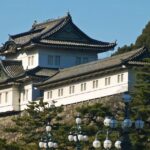
Next comes the Imperial Palace area. You’ll explore it with a guided component, plus driving and a walk segment noted in the itinerary (around 30 minutes for this part). Then you’ll get scenic drive time as well.
This stop works because it gives you contrast. Tokyo’s modern power and Tokyo’s historic identity sit side by side, and the Imperial Palace area is the bridge between them. Even without going on a long, marathon walking plan, the viewpoint changes from street-level city texture to a more formal, ceremonial feeling.
What I like about this approach is that it doesn’t demand you spend hours there. In a short 3-hour tour, it’s better to get a clear orientation and then move on than to burn time waiting, walking too long, or losing momentum.
Rainbow Bridge and Tokyo’s Water Logic
Tokyo is a city of water. That point isn’t just poetic; it helps you understand the city’s layout and why certain views and transport corridors matter.
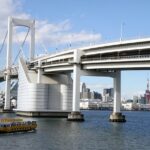
You’ll see Rainbow Bridge during the drive. The goal isn’t only the photo. It’s the perspective: you’re being shown the city as a system connected by bays, rivers, and routes. The guide also references Tokyo’s smart irrigation systems from earlier times, which is a fascinating way to connect the past to how urban Japan developed.
You’ll also pass areas connected with fish markets, including both older and newer market zones. Again, the value here is context. Fish is a daily-life topic in Japan, not a rare-food “event.” When your guide frames market areas as part of how Tokyo eats and operates, your sightseeing turns into understanding.
If you like cities where the infrastructure has a story, this is a strong segment. If you’re only chasing skyline photos, you’ll still get the views, but the meaning is what makes it stick.
You can also read our reviews of more tours and experiences in Tokyo


Old Downtown Time and Architecture Notes You Can Spot
Mid-tour, you’ll spend time on the “old/downtown” side of Tokyo, with architecture and heritages highlighted. Even a short stop can help you learn what to look for. Japan’s older neighborhoods and city blocks can feel visually subtle if you don’t have cues.
This is where a guide earns their pay. You’re not just driving past streets. You’re getting explanations that help you recognize patterns: how buildings relate to the street, how historic areas sit next to newer structures, and how Tokyo blends continuity with change.
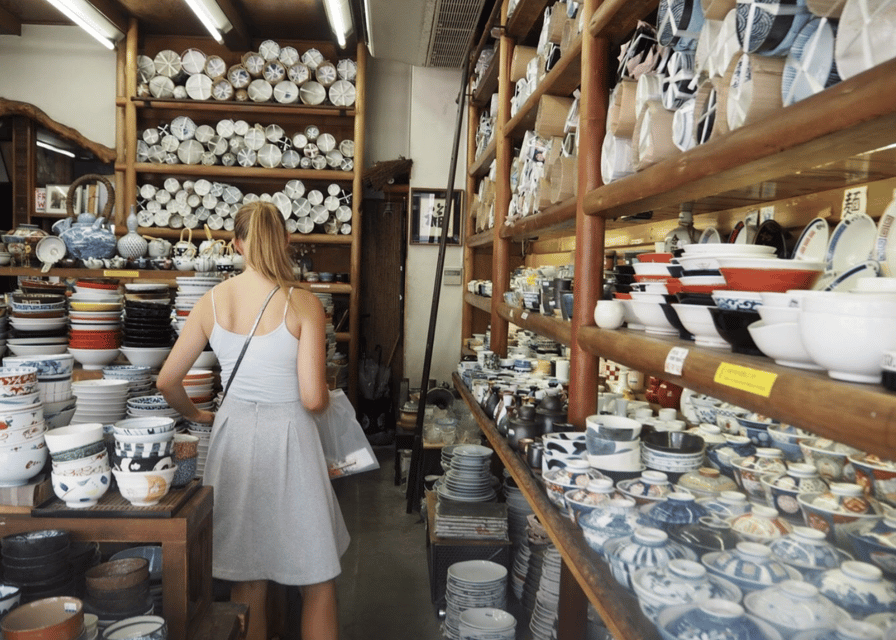
You also get local lifestyle, market-street time. That’s important for first-timers because it’s easy to see only the iconic sites. Market streets show you the real texture: the pace, the human scale, and the sense that Tokyo is built for daily life, not only tourism.
If you’re the type of traveler who likes to notice details, bring your curiosity. This part rewards it.
Sumida and Asakusa Walk Time for Local Tokyo Vibes
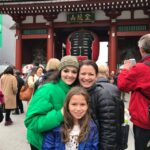
Sumida comes next with guided tour and walking. Then the itinerary shifts to Asakusa for a visit and sightseeing walk lasting about an hour.
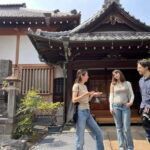
This is the part where the tour stops acting like a driving tour and starts acting like a real neighborhood experience. You’ll get out, walk, and use the guide as your filter. When you’re in Asakusa, the streets can feel busy, but the guide can help you move with purpose—what to prioritize, what to notice, and how each street connects to the area’s identity.
Why Asakusa is a smart mid-tour choice: it’s energetic, historical in feel, and very “Tokyo” in the way it mixes tradition with everyday motion. You’re also still early enough that you’re not exhausted by long transit segments.
One more practical point: you’ll have a guided walk segment, so comfortable shoes matter. You won’t be doing a long hike, but you are walking.
If you care about culture you can actually see—not just read about—this is likely the segment you’ll remember most.
Taito City Break and the Tokyo Skytree Finish
After Asakusa, you’ll have break time and sightseeing in Taito City for about 20 minutes. That built-in pause is more than convenience. It helps you reset mid-tour so the last stretch feels enjoyable instead of rushed.
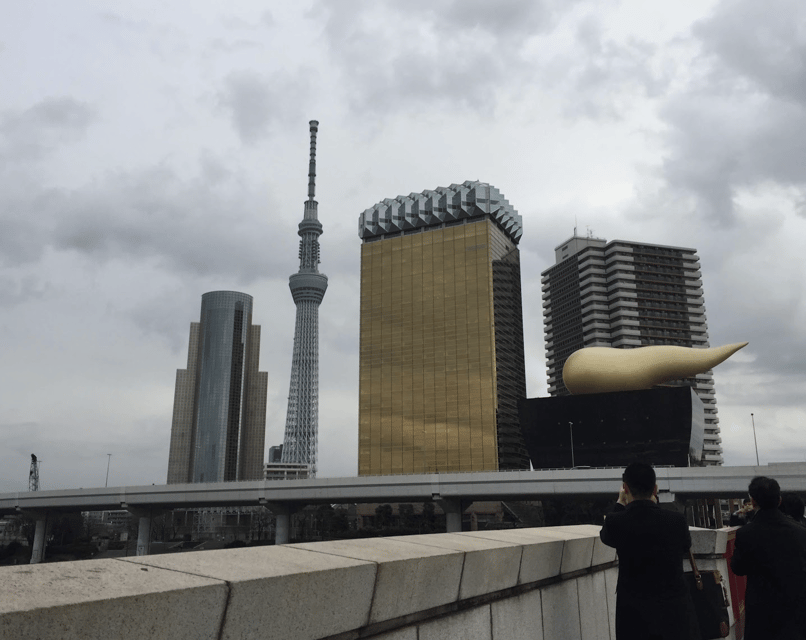
Then the tour targets Tokyo Skytree as a destination. Skytree is an icon, but what makes it worth including on a short private tour is what it represents in Tokyo’s skyline identity. In a few hours, you get a range: government area, Imperial Palace context, river views, old/downtown heritage, neighborhood walking, then a major modern landmark finish.
This ending style works well for most visitors. You get a satisfying “big picture” moment to cap the tour, plus you’re already positioned to decide what you want to do next on your own afterward.
Price and Logistics: Is $161 Good Value?
The price is $161 per group up to 4 people, for about 3 hours. That’s the key value math: if you split it between four people, you’re effectively paying around $40 per person for private guide + private transfer time (before any additional personal spending like food).
That’s strong value when you compare it to the cost of solo taxis plus paying for separate entrance time or local orientation with no guarantee of a smooth route. Here, the tour is built for convenience: you’re paying for time saved and clarity gained.
You also get English live guiding, which is a major factor in value. A private guide isn’t just translation. It’s decision-making support: where to spend your limited time, what to notice, and how to understand what you see without turning it into an overwhelming self-guided research project.
Only one caution on value: food and drinks aren’t included. If you’re trying to make the whole day work on one ticket, you’ll still need to plan your meal around the tour time.
Who This Tour Fits Best (And Who Should Skip It)
This experience is a good match if you want:
- A first-time-friendly orientation to Tokyo without intense planning
- A private group experience where you can ask questions as you go
- A blend of big landmarks plus real neighborhood walking like Asakusa
- A guide-led approach to history and culture that feels connected to what’s outside the window
It may be less ideal if you:
- Want a full-day plan with multiple deep museum stops
- Prefer food-focused touring with several tasting stops
- Are traveling with a very strict schedule for meals and don’t want to adjust on the fly
The sweet spot is short, high-impact touring with enough guidance to make the city click.
Practical Tips to Get the Most From 3 Hours
A few small moves will help you enjoy this tour more:
- Tell Mai your priorities before the day. The tour explicitly invites you to request places you want to see or food you want to try in advance.
- Wear shoes you can walk in. You’ll have guided walking time in Sumida and Asakusa.
- Bring a short question list. Topics like how Tokyo’s water development connects to today’s city layout, or what you’re seeing in the government district, can turn photos into understanding.
- Build in buffer time for traffic. The tour duration can shift slightly, and private cars handle it better than public transit, but your day should still stay flexible.
Also note the rules: alcohol and drugs aren’t allowed. Keep it simple and you’ll have an easy time.
FAQ
How long is the Tokyo private car tour with Mai?
It runs for about 3 hours, and it may take around 2.5 hours to 3 hours depending on traffic. Slight timing changes can happen.
Is the tour private or group-based?
It’s a private group experience, so you’re not joining a large shared group.
What language is the guide?
The live tour guide is available in English.
Where do you get picked up?
Pickup is included, and you can decide on the pickup location with the provider after booking is confirmed.
Does the tour include food and drinks?
No. Food and drinks are not included.
What are some of the main places you’ll see?
You can expect stops around the National Diet Building and Imperial Palace area, views like Rainbow Bridge, guided time in Sumida and Asakusa, and a destination at Tokyo Skytree, with additional sightseeing time in Taito City.
Can I cancel for a refund?
Yes. The tour offers free cancellation up to 24 hours in advance for a full refund.
Is alcohol allowed during the tour?
Alcohol and drugs are not allowed.
Should you book this tour if you want a lot of photos?
Yes, if you want a mix of scenic drive views and at least some walk time in key areas. The tour is designed to hit major highlights efficiently within a short window.
Should You Book Tokyo DD Tour With Mai?
If your goal is to understand Tokyo fast—without fighting transit, guessing what you’re looking at, or packing in a dozen stops—this is a smart buy. I especially like that you get both landmark context and neighborhood walking, with Mai keeping the energy high and the explanations practical.
Book it if you’re traveling with up to four people and want value through private logistics. Pass if you want a long, food-heavy day or you’re looking for hours of independent exploring with no guiding. For a short Tokyo reset with local culture in your pocket, this tour is the kind you’ll be glad you did.