REVIEW · KAMAKURA
Your Own HANKO Name Seal Activity in Kamakura.
Book on Viator →Operated by Name of Japan. Kamakura HANKO · Bookable on Viator
A name seal in Japan is identity, not just a souvenir. In this Kamakura workshop, I like the clear story of hanko history and the hands-on design choices that turn your name into a real tool you can use. The one possible catch: the class runs in the morning only, so you’ll need to build your day around that start time.
You’ll work with the shop in Kamakura (near public transportation) on a private basis, typically with your own group only. You design a katakana-style seal, choose options, and get an engraved result you can pick up in the afternoon the same day (or request shipping).
In This Review
- Key things that make this hanko workshop worth your time
- Why a hanko in Kamakura feels more personal than a postcard
- What you’re actually making: a katakana hanko name seal
- Designing your seal style: font, look, and material options
- Seal type and font choices
- Color and material options (and what costs extra)
- The case and storage choice
- How the engraving is made: machine rough cut plus hand finish
- Your time in Kamakura: morning workshop, afternoon pickup
- Meeting point and finding the shop with less stress
- Price and value: what $131.65 covers and what adds up
- What’s included
- What’s not included (the common extras)
- Taking your hanko home: using it, storing it, and ink reality
- Who this Kamakura hanko workshop is best for
- Should you book the Kamakura Hanko name seal workshop?
- FAQ
- How long does the Hanko name seal workshop take?
- What is included in the price?
- Can I design my seal with katakana and choose fonts?
- Are premium materials and cases included?
- Is red ink included?
- When do I pick up my finished seal?
- Can I have my seal shipped instead of picking it up?
Key things that make this hanko workshop worth your time
- You start with the why: history and styles of hanko before you start designing
- Your name becomes katakana art: you choose seal type and a font style suited for official use
- Hands-on crafting, not a factory feel: rough carving by machine, final finishing by hand
- Options for look and material: color choices for the engraved seal, plus paid upgrades like horn/wood/gemstone
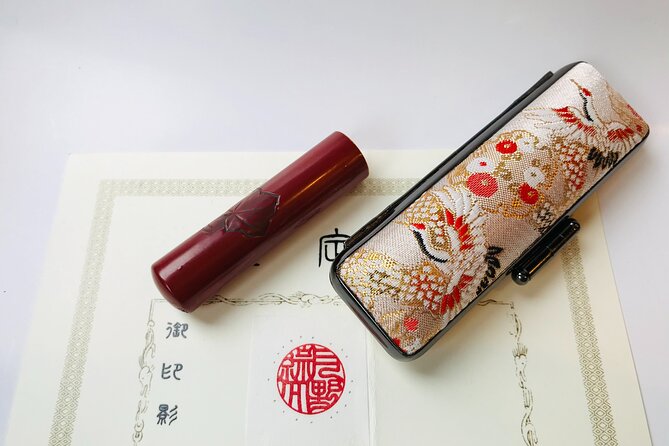
- A real souvenir kit: the workshop includes an engraved seal (Japanese boxwood), a pouch, and an engraved fee for katakana
Why a hanko in Kamakura feels more personal than a postcard
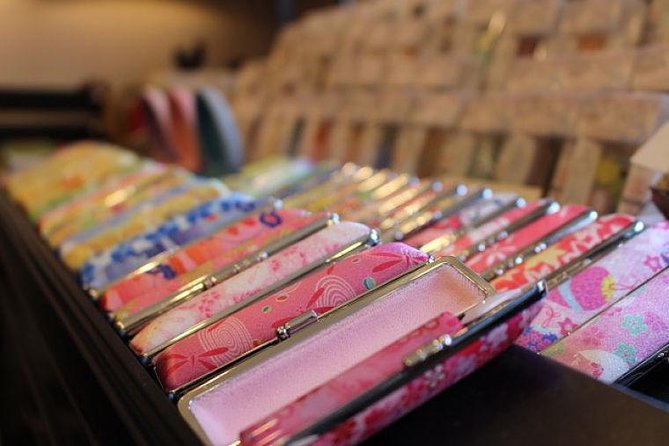
Kamakura has plenty of sights, but a hanko name seal hits differently because it connects to daily life. In Japan, a hanko is tied to identity, and the workshop treats it like a small craft you’re participating in—not a generic keepsake you buy off a shelf. That matters because you don’t just leave with something pretty; you leave with something that has a purpose.
I also like that the workshop is structured. You get the background first: what hanko are, how they developed, and what different styles are used for. That makes your design choices feel less random. When you later pick a katakana style, font, and finish, you understand what you’re choosing and why.
There’s also a “craft realism” element that I respect. The process includes both machine work and hand work. That’s a useful detail because it explains why the final stamp looks crisp: the shop uses modern precision to get you close, then craftsmen finish it the traditional way.
You can also read our reviews of more tours and experiences in Kamakura.

What you’re actually making: a katakana hanko name seal
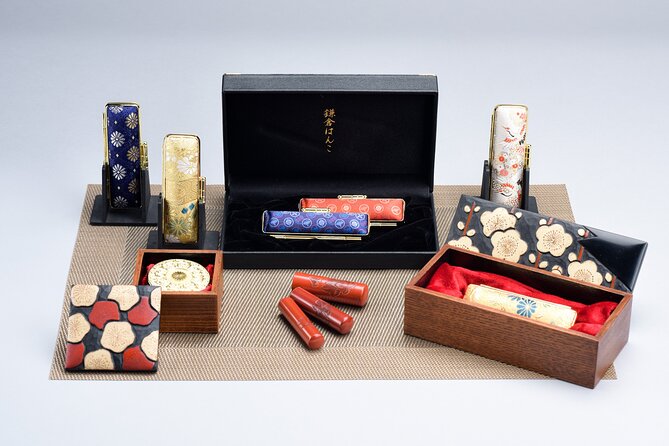
Your custom seal is built from your name written in Japanese. The workshop focuses on katakana as the seal type, and you’ll choose a font style. The shop even recommends a katakana font that fits official seals, which is practical if you want something that looks correct rather than just decorative.
In practice, this is the part that turns the workshop from entertainment into something you’ll remember. You’re not choosing from a handful of pre-made designs. You’re shaping how your name appears as a seal form—how it’s styled, how it reads, and how it fits the seal format.
You’ll also be guided on character writing. The process includes help writing your name in Japanese characters that reflect your personality. That guidance is important if you’re worried about getting it wrong; the workshop sets you up so you can make choices confidently.
Designing your seal style: font, look, and material options
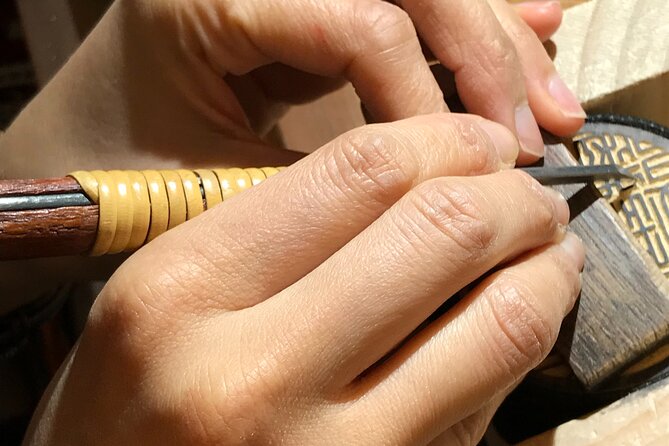
This is where you’ll spend the most decision-making time, and the workshop does a nice job of making it feel guided rather than overwhelming.
Seal type and font choices
You select the seal type (katakana) and the font. The key detail here is the idea of a font suitable for official seals. That’s a smart way to frame it: you’re not just making a souvenir; you’re making something that follows Japanese expectations for seals.
Color and material options (and what costs extra)
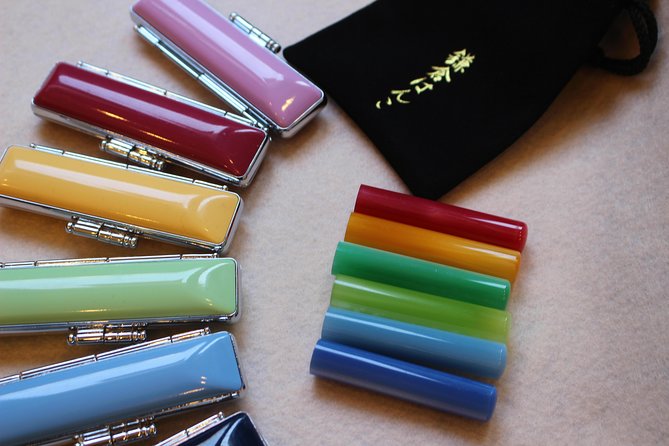
The included experience includes an engraved seal (Japanese boxwood) and the engraving fee for katakana. You can choose your preferred color for the engraved seal.
For upgrades, you may pay extra if you choose different materials such as horn or wood, and gemstone options are also listed. The case is also a separate purchase.
Here’s the practical tip: decide what you want most—visual impact or authenticity feel. If you care most about the look, go for the color and any premium material upgrade that matches your taste. If you’re mostly focused on keeping the seal usable and classic, the included setup is already built for that.
The case and storage choice
The workshop lets you pick your case type and color, but the case is sold separately. Don’t ignore this, because the case is part of the final ownership experience. A good case helps protect the seal and makes it feel like a real item you’d keep on your shelf or in a drawer.
How the engraving is made: machine rough cut plus hand finish
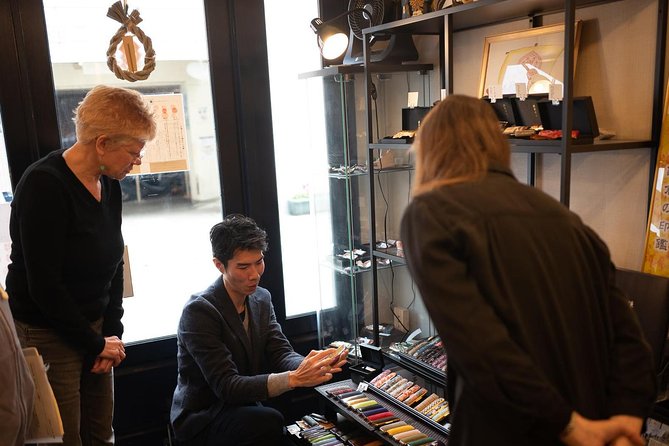
One of my favorite parts of a craft workshop is understanding what happens after you make choices. Here, the shop’s engraving process is explained: they use an engraving machine for the initial rough carving, then skilled craftsmen do the final touches by hand.
That detail matters. A totally machine-made seal can look sharp but slightly flat in its finish. A fully hand-carved seal can be beautiful but slow and inconsistent for a workshop schedule. This hybrid approach is designed to give you both speed and quality.
So when you pick up your seal later, you’re seeing the result of a process that’s split into stages, not a single instant click. It also helps you appreciate the final carving work you paid for.
Your time in Kamakura: morning workshop, afternoon pickup
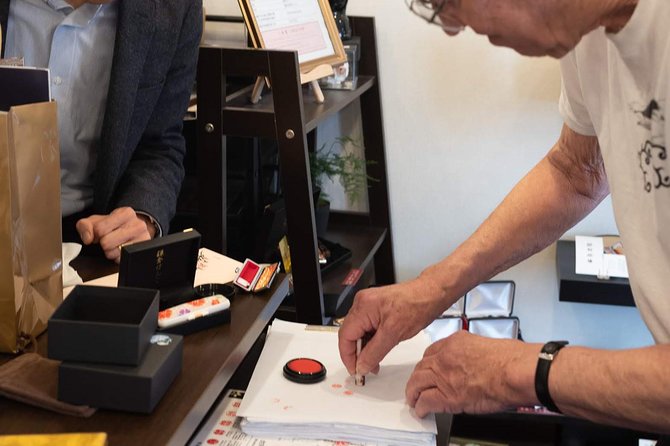
The schedule is simple, but you need to plan around it.
- The experience requires preparation, so you should arrive punctually.
- It’s available only in the morning.
- The workshop ends back at the meeting point.
- Your pick-up time can be any time in the afternoon of the same day.
This structure can actually make your day easier. You do the creative work in the morning, then you have the afternoon free to explore Kamakura temples, shrines, or the coastal walk—while the shop finishes your seal.
Also, keep an eye on the practical timing. People have described returning around 2pm for finished seals, and at least some have mentioned a quicker same-day completion before pickup. That’s not guaranteed for every schedule, but it’s a helpful expectation: the shop plans turnaround in a way that fits a normal sightseeing day.
Meeting point and finding the shop with less stress
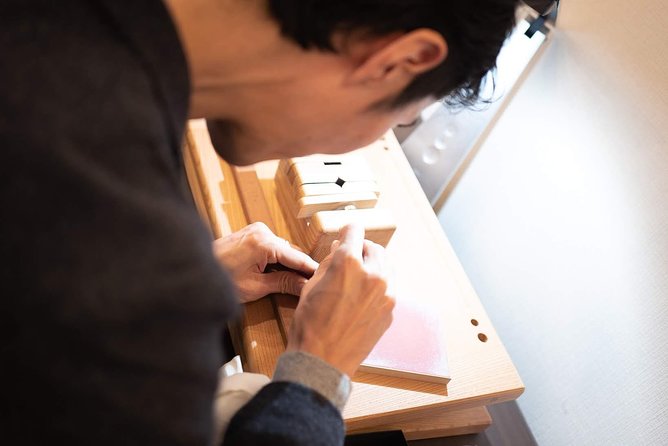
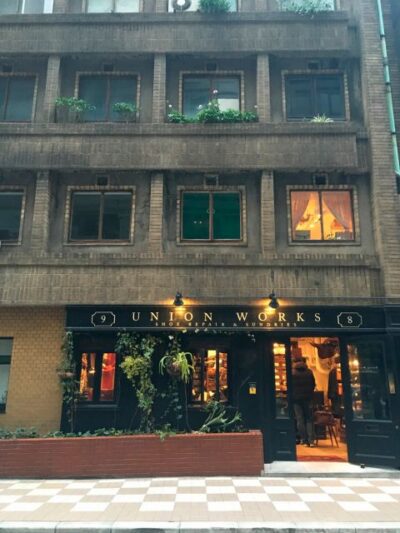
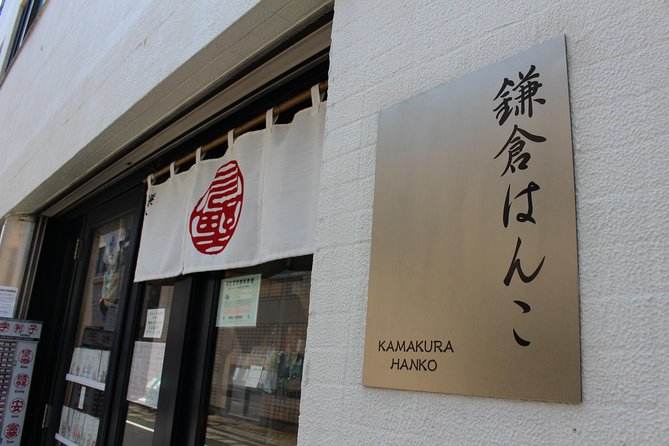
The meeting point is at the Kamakura seal shop souvenir area, 5-6 Onarimachi, Kamakura, Kanagawa. It’s described as near public transportation, which is exactly what you want in a place like Kamakura where you might otherwise waste time figuring out the last walking leg.
Since this is a private tour/activity and only your group participates, you won’t be shuffled around by a large crowd. That tends to matter for a craft workshop because it keeps the conversation and guidance focused.
Bring yourself with enough time to arrive a few minutes early. The shop emphasizes punctual arrival due to workshop prep, so treat this like a train departure, not a casual stroll.
Price and value: what $131.65 covers and what adds up
At $131.65 per person for about 45 minutes, this workshop is priced like a real craft experience. What makes it feel fair isn’t just the time. It’s what you take home and what’s included.
What’s included
- An engraved hanko seal made from Japanese boxwood
- Engraving fee for katakana
- An original pouch for your hanko
That pouch matters more than you’d think. It’s part of the ownership feel and helps protect the seal from knocks while you’re sightseeing.
What’s not included (the common extras)
- Shipping (only if you request it instead of pickup)
- Upgraded material fees if you choose horn/wood/gemstone
- Character/font upgrades beyond what’s included
- A hanko case (sold separately)
- Red ink (not included)
Here’s the value-minded way to think about it: if you keep your choices to the included setup plus a case (if you want one), your cost stays predictable. If you upgrade materials and want extra extras like a premium case, your final spend rises—but you’re choosing to pay for appearance and feel.
Taking your hanko home: using it, storing it, and ink reality
Your workshop seal comes with a pouch included, and you can buy a case separately. If you want to use your hanko right away, note that red ink is not included. That doesn’t mean you can’t use it—just plan for the small “one more thing” in Japan that many first-timers forget.
If you’re the type who likes to stamp things (mail, documents, crafts, journal pages), this workshop is a great fit because you’ll leave with the actual tool. If you’re mostly collecting souvenirs, it may still be worth it, but choose your design with intention. A hanko works best when it feels like your name, your style, your identity.
Also, remember that you’re not picking a generic symbol. You’re making something that visually represents you in a Japanese format. That’s why the design step feels important, and why so many people leave happy with their final result.
Who this Kamakura hanko workshop is best for
I’d book this if you:
- want a hands-on cultural craft with a story behind it
- enjoy personalized souvenirs that you’ll actually use
- like learning how Japanese traditions work, not just watching
- want a small, private setting where questions get answered
It’s also a strong choice if you like the idea of choosing materials and colors and seeing the difference in the finished item.
If you’re short on time, double-check the morning-only format. If your travel day is chaotic and you can’t reliably show up in the morning window, you might feel squeezed. And if you’re trying to keep souvenirs to strictly non-technical items, you’ll likely still enjoy this, but understand that you are making a functional seal, not just a decorative tag.
Should you book the Kamakura Hanko name seal workshop?
Yes, if you want an authentic, personal craft souvenir that connects to how identity works in Japan. The price makes sense because it includes the core engraved seal, an engraving fee for katakana, and a pouch—then you have optional upgrades for materials and presentation.
Book it soon if your dates are fixed, since the experience is commonly reserved ahead of time. And when you do, plan your Kamakura day around a morning start: you’ll design in the morning and pick up later in the afternoon, leaving you free to enjoy the rest of Kamakura.
If you want a memorable keepsake that isn’t cookie-cutter, this is one of the few workshops where your choices genuinely change the end product.
FAQ
How long does the Hanko name seal workshop take?
The experience is about 45 minutes.
What is included in the price?
The package includes the hanko seal (Japanese boxwood), the engraving fee for katakana, and an original pouch for your hanko.
Can I design my seal with katakana and choose fonts?
Yes. You choose the type of seal (katakana) and the font style. You’ll also get help writing your name in Japanese characters.
Are premium materials and cases included?
Not automatically. Upgrade material options (like horn or wood) may cost extra, and the hanko case is sold separately.
Is red ink included?
No. Red ink is not included.
When do I pick up my finished seal?
Pickup is available any time in the afternoon of the day of the experience. The activity ends back at the meeting point.
Can I have my seal shipped instead of picking it up?
Shipping is available only if you request it instead of picking it up, and it’s not included unless you choose that option.