REVIEW · TOKYO
Tokyo Tsukiji Food & Culture Private Tour Licensed Guide
Book on GetYourGuide →Operated by JGA Inc. · Bookable on GetYourGuide
Fish markets and street snacks. A guide makes it make sense.
I like the licensed local guidance that helps you read Toyosu and outer Tsukiji fast, and I like the way food turns into history and etiquette, not just eating. One consideration: food, drinks, entrance fees, and in-tour transport are not included, so you’ll want extra budget.
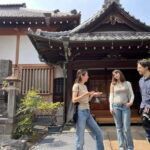
You’ll get a true private day (not a group shuffle), and you can pick your own mix of market sights and shopping stops. The guide meets you at your hotel lobby or at a train station you request, then you head out on foot around Tokyo’s 23 wards. And yes, it runs rain or shine.
In This Review
- Tokyo Food Culture Tour: The Best Way to Do Tsukiji and Toyosu
- What’s Special About a Private Licensed Guide in Tokyo Markets
- Your Day Plan: Toyosu, Outer Tsukiji, and the Food-First Route
- Toyosu Market: See the modern side of Tokyo fish life
- Outer Tsukiji Fish Market: The street-level food experience
- Asakusa shopping street: Street snacks meet old-school Tokyo
- Ueno’s Ameyoko and Kappabashi: When food culture becomes shopping
- Choosing Stops: How to Get 3–4 Sites Right on a 6-Hour Tour
- What You Should Budget For: $141 Value vs. What’s Extra
- Pacing and Timing: Why 6 Hours Feels Better Than You Think
- Rain or Shine: Staying Comfortable in Cold Market Weather
- How This Tour Fits Your Travel Style
- Should You Book This Tokyo Tsukiji and Food Culture Private Tour?
- FAQ
- What areas does this tour cover?
- How long is the tour?
- How many sites will we see on a 6-hour tour?
- Can I choose which stops the guide takes me to?
- Are food and drinks included in the price?
- Do I need to pay for transportation during the tour?
- What language is the guide?
- Where will the guide meet me?
- Does the tour run rain or shine?
- Can I cancel, and do I pay right away?
Tokyo Food Culture Tour: The Best Way to Do Tsukiji and Toyosu
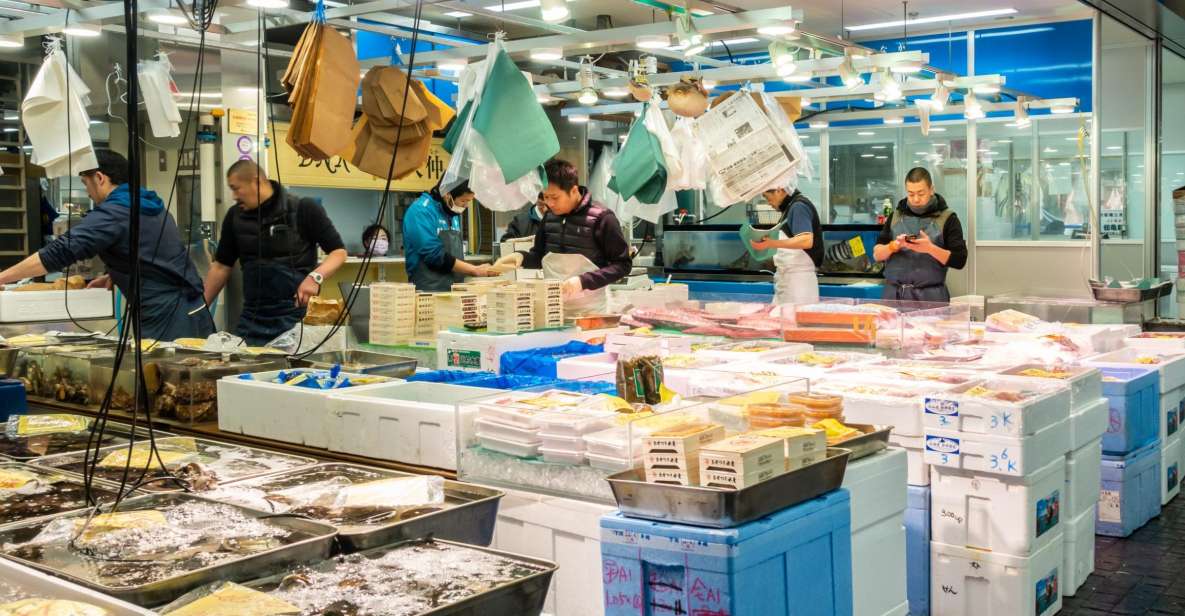
This is a smart way to experience Tokyo’s fish-market world without doing the usual guesswork. With a government-licensed English-speaking guide, you’re not just wandering stall to stall. You’re learning how the places work, what to look for, and how Japanese food culture shows up in everyday behavior.
The private format matters here. On a 6-hour option, you should plan on 3 to 4 stops, which is enough time to actually taste, ask questions, and keep moving. On a 4-hour tour, expect 2 to 3 sites—more sprint than stroll.
Also, guides seem to tailor the day to what you care about. In reviews, I saw examples of guides building itineraries around specific requests and keeping the pace comfortable even when streets got hectic. If you want a Tokyo day that feels designed for you (not for a generic brochure), this fits.
What’s Special About a Private Licensed Guide in Tokyo Markets
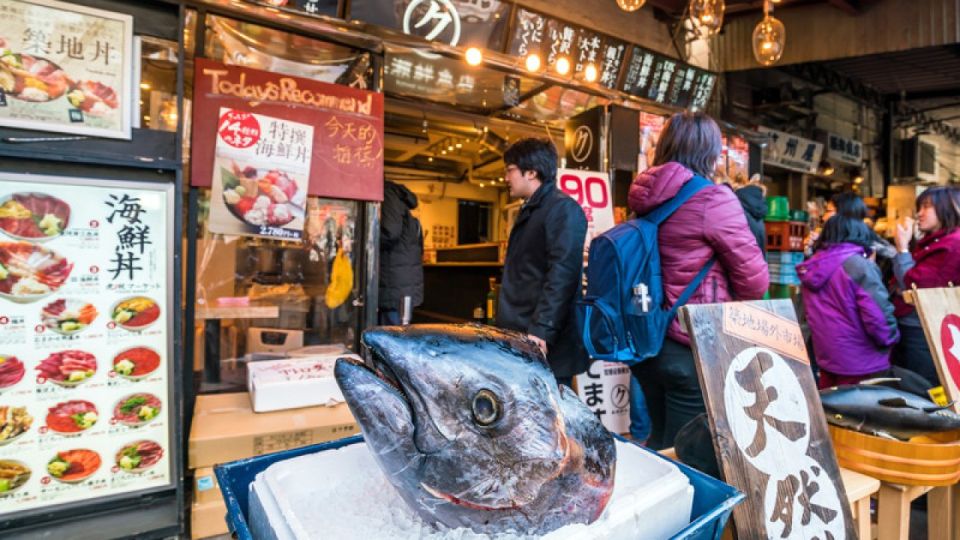
Tokyo markets can be sensory overload. There are crowds, motion, and details you’d miss if you arrive cold. A licensed guide gives you a shortcut: how to navigate, what matters, and why certain foods and rituals exist.
From the review stack, one theme showed up repeatedly: guides don’t just explain ingredients. They explain context—Japanese cuisine and local behavior. That can be surprisingly useful in places where you’re buying small items, taking photos, or moving through tight aisles.
Here are the kinds of moments a good guide can unlock:
- How to handle market etiquette while you shop
- Which streets/stops match your interests that day
- How to get across Tokyo efficiently using public transport when needed
And you’ll see this in the guide examples people mentioned. Names that popped up include Katsu (goreilo), Fumiko, Naomi, Kenji Kasama, Yasuho Suzuki, Michio Akutsu, Yoshii, Koji Shinjo, Sekimoto-san, and Kimy. Different styles, same goal: make the day feel smooth, informative, and worth the walking.
You can also read our reviews of more food & drink experiences in Tokyo
Your Day Plan: Toyosu, Outer Tsukiji, and the Food-First Route
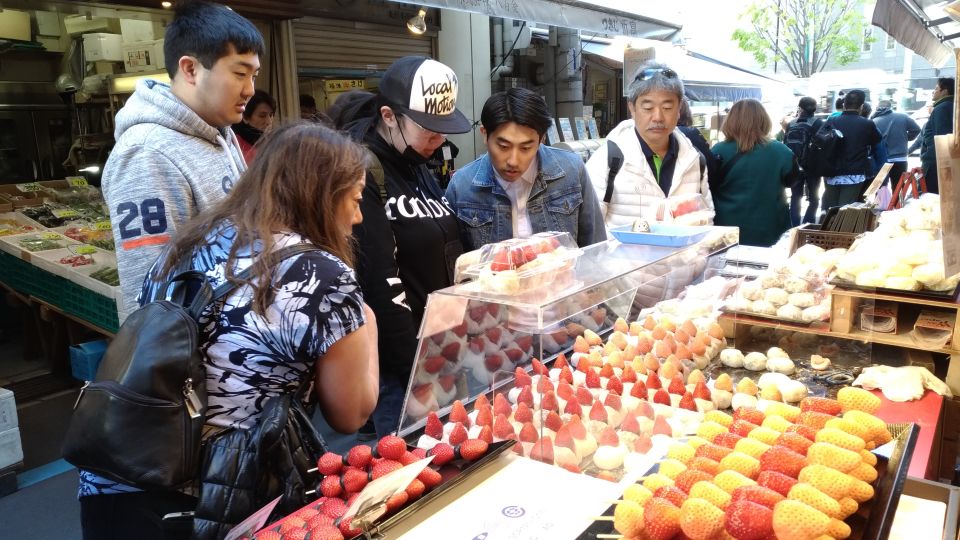
This is an efficient one-day route built around Tokyo’s two famous fish-market areas—Toyosu and Tsukiji—plus nearby neighborhoods where food culture spills into shopping streets.
Toyosu Market: See the modern side of Tokyo fish life
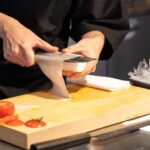
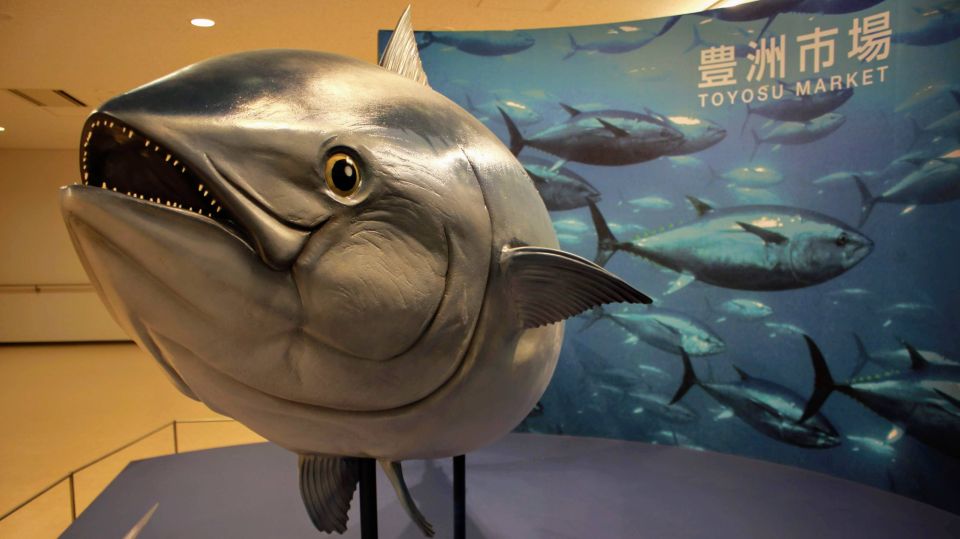
Toyosu is where Tokyo shows you the market system as a working machine. Expect a food-focused walk with stops that connect what you’re seeing to how Japan thinks about sourcing and seafood culture.
A big reason this stop is valuable: it sets the frame for the rest of the day. Once you understand how the supply chain mindset works, the older, more street-level energy of outer Tsukiji makes more sense.
Practical note: since this tour is rain or shine, layers matter. Markets get cold fast, especially in early morning.
Outer Tsukiji Fish Market: The street-level food experience
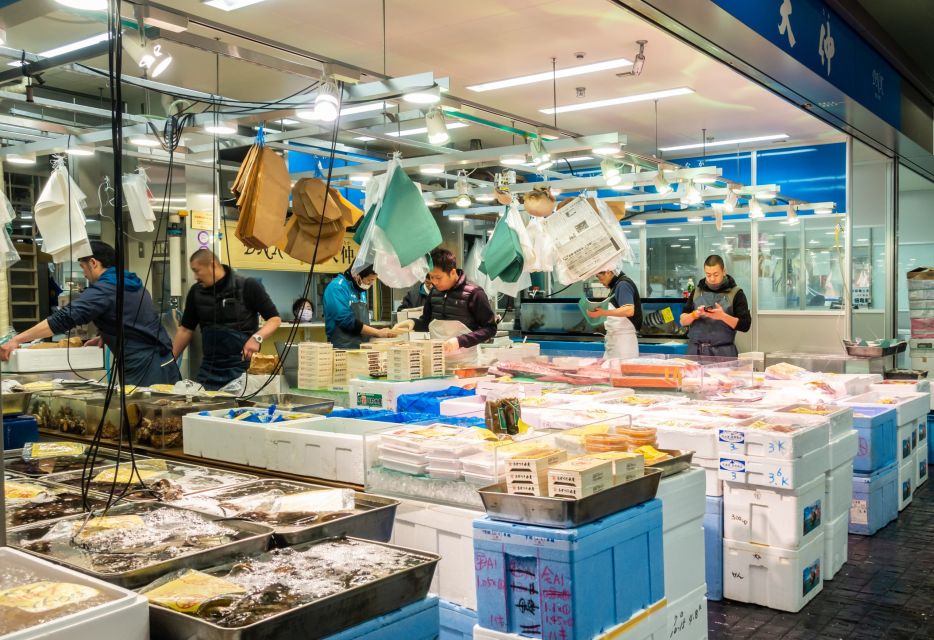
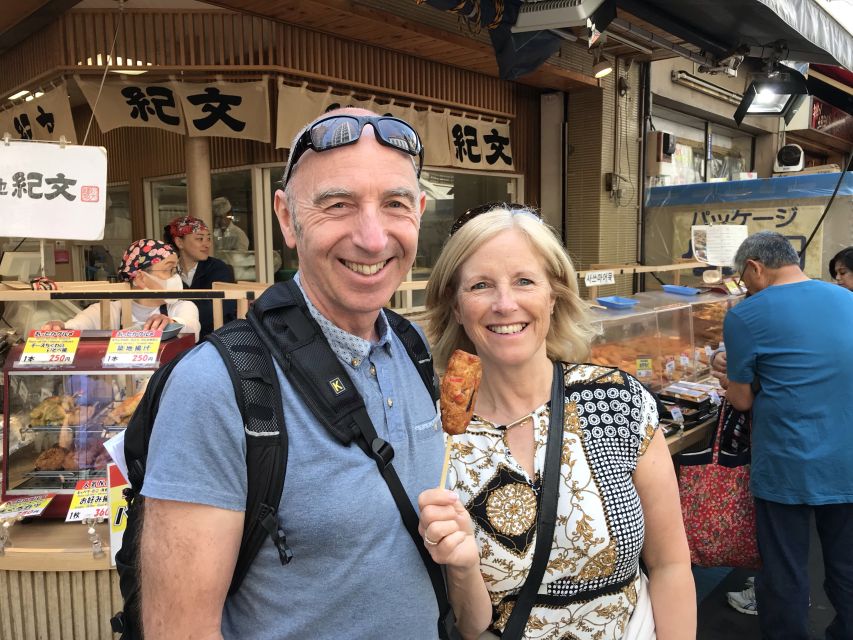
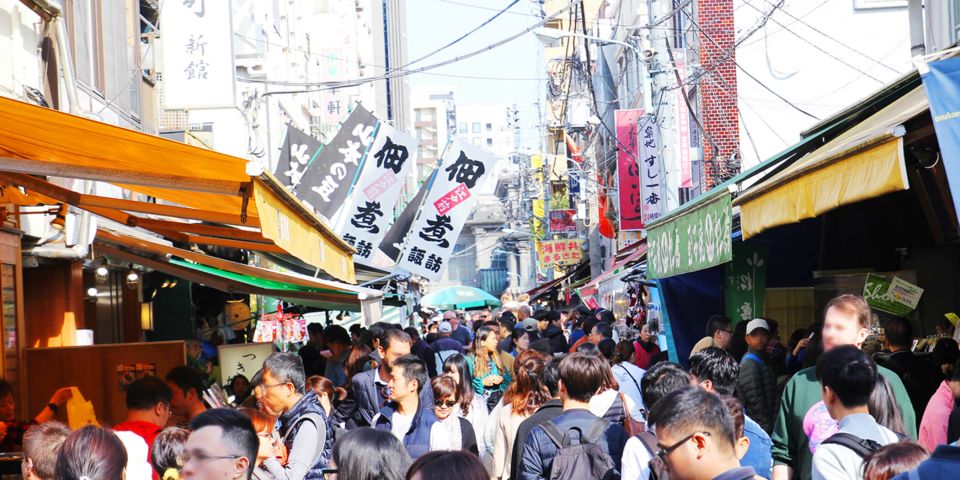
Outer Tsukiji is where the market becomes human. You’re likely to run into a lot of action—busy streets, lots of small storefronts, and nonstop food energy. Reviews specifically praised the experience of walking the outer areas with patient guidance, which tells you something important: this is not a place you want to rush alone.
Why this works on a private tour: you can slow down where it matters to you. If you want to taste and chat, your guide can steer you through. If you want to understand what you’re looking at, you’ll have time to ask.
Asakusa shopping street: Street snacks meet old-school Tokyo
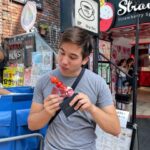
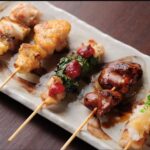
After the markets, the route shifts to Asakusa’s shopping street atmosphere. This is where you move from seafood observations to a broader street-food lesson—how Japan’s food culture lives in casual purchases, not just formal dining.
It also balances the day. Markets can feel intense; Asakusa adds variety and a different pace. Think of it as your chance to snack strategically while keeping your energy for the later shopping stops.
You can also read our reviews of more tours and experiences in Tokyo

Ueno’s Ameyoko and Kappabashi: When food culture becomes shopping
Then comes a very Tokyo pairing: Ameyoko (a lively shopping district) and Kappabashi (kitchenware shopping).
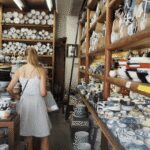
This is not just for people who like cookware. It’s for anyone who enjoys the idea of food culture as tools, packaging, and everyday objects. Kappabashi is known for kitchen supply shops and fake food sample displays—perfect for learning how Japanese menus and presentation work.
If you’re the kind of traveler who loves practical souvenirs, this area is where you’ll actually find useful items, not just keychains.
Choosing Stops: How to Get 3–4 Sites Right on a 6-Hour Tour
The tour’s structure gives you flexibility. You’ll tell your guide which locations you want from a list, and the itinerary adjusts.
For a 6-hour tour, the expectation is 3 to 4 sites. That’s the sweet spot for a food day: enough variety to compare flavors and neighborhoods, but not so many stops that you end up spending your day in transit.
Here’s what the optional sites mean in real life:
- Kappabashi Street: Best if you want kitchenware, fake food samples, and food-as-craft.
- Tsukishima’s Monja Street: A street-food vibe focused on monja culture.
- Yanaka Ginza: Known in this itinerary for fried croquettes and a more old Tokyo feel.
- Toyosu Market and Tsukiji Old Fish Market: The core food-and-history anchors.
My practical advice: pick based on your energy level and your shopping goals. If you’re hungry for tastings, keep one market stop firmly in your plan. If you want souvenirs, give Kappabashi enough time that you’re not browsing while tired.
If your group has mixed interests, a private guide helps. One person can focus on snacks; another can focus on shopping streets and explanation.
What You Should Budget For: $141 Value vs. What’s Extra
The listed price is $141 per person for the private 6-hour option. For that, you get the licensed local guide and a private tour format designed around walking and public transit.
What’s not included:
- Food and drink
- Entrance fees
- Public/private transportation during the tour
So is it good value? In my view, yes—if you want the guide’s planning and cultural framing to do the heavy lifting. You’re paying for the time and expertise of a licensed professional, plus the private control to shape your day. That can cost less than trying to coordinate multiple unplanned fixes yourself, especially around busy market zones.
But you should budget mentally for the day’s real-world expenses. This is a tasting-and-shopping style tour. Even if you eat lightly, you’ll likely spend more than you expect once you hit market food stalls and kitchen shops.
Pacing and Timing: Why 6 Hours Feels Better Than You Think
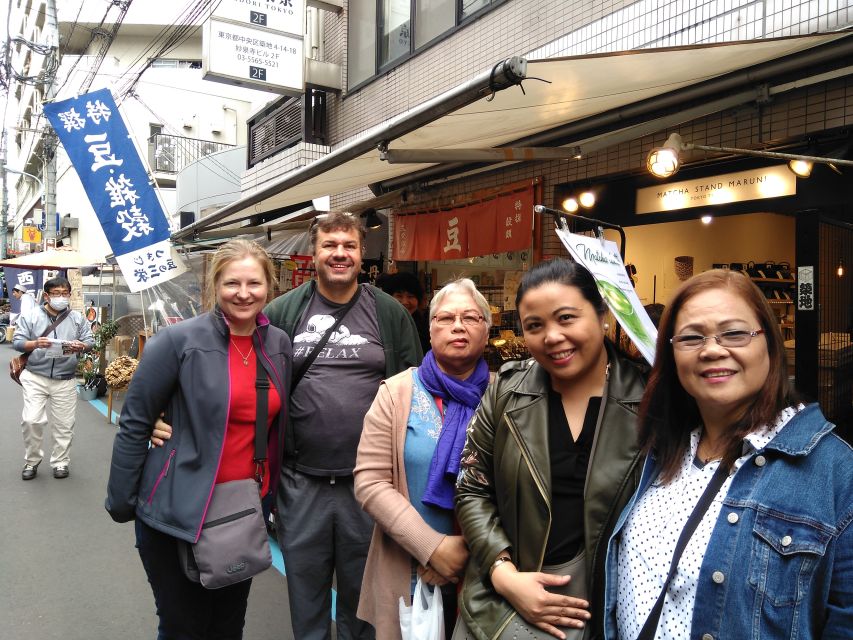
Tokyo markets reward early mornings and patience. A private tour helps you avoid the two common problems: waiting for everyone to catch up, or overshooting places without knowing what you’re seeing.
The timing guidance from the tour format is clear:
- 4 hours: typically 2 to 3 sites
- 6 hours: typically 3 to 4 sites
A 6-hour day gives you room for:
- More than one neighborhood
- Questions without feeling rushed
- The inevitable market detours (small lines, short walks, finding the right street)
One review story that stands out: a guide walked someone through using the train system and even how to buy a train card. That’s exactly the kind of practical support that saves time and stress.
Rain or Shine: Staying Comfortable in Cold Market Weather
This tour runs rain or shine. That’s not just a checkbox. Market days can be cold even when the rest of the city is fine, and streets can get slippery.
What helps:
- Dress in layers
- Bring something small for warmth (markets tend to steal heat)
- Plan to slow down when it’s wet so you don’t feel rushed
And if the weather changes your mood, a skilled guide can adjust the day’s flow. Reviews mention guides keeping the experience enjoyable even with rain and cold conditions, which tells me the private format isn’t just a luxury—it’s a comfort tool.
How This Tour Fits Your Travel Style
This is a great match if you:
- Want a Tokyo food day with structure and local context
- Feel overwhelmed by markets and want help navigating etiquette and choices
- Like shopping streets but also want the story behind what you’re buying
- Prefer a private day so you can move at your own speed
It might not be your best fit if you:
- Want food and drinks fully included in the price
- Hate walking
- Are trying to minimize day-of spending beyond the tour fee
That said, the fact that it’s wheelchair accessible means it’s designed with broader mobility needs in mind. Still, markets involve lots of movement, so it’s wise to think about your own comfort level with stairs and crowding.
Should You Book This Tokyo Tsukiji and Food Culture Private Tour?
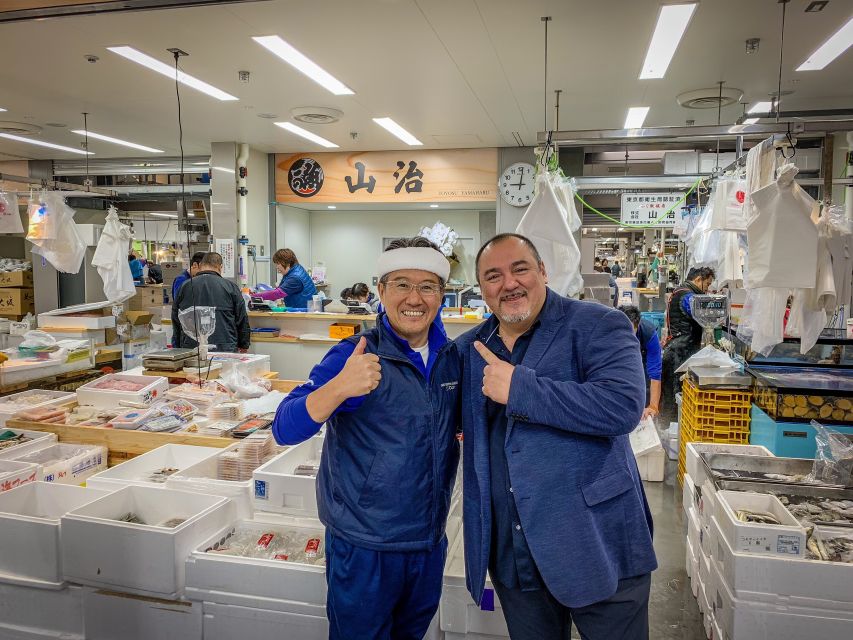
If you’re planning a first or second Tokyo trip and you want the markets plus the food streets and shopping that orbit them, I’d book it. The biggest selling point is the licensed guide who can turn chaos into a readable route—and the private setup means you get to choose your mix of stops.
Book especially if:
- You want both Toyosu and Tsukiji rather than picking just one
- You care about learning the culture behind the food, not just collecting bites
- You like having a plan but still want flexibility on what you see
Skip it if your dream day is fully self-guided and everything-you-need is included. This tour is an excellent guide-led framework, but you’ll still pay for your own food, drinks, and in-tour transport.
If that sounds like your style, you’re going to have a very Tokyo day—fish-market intensity, street-food variety, and kitchen-stuff shopping all in one line.
FAQ
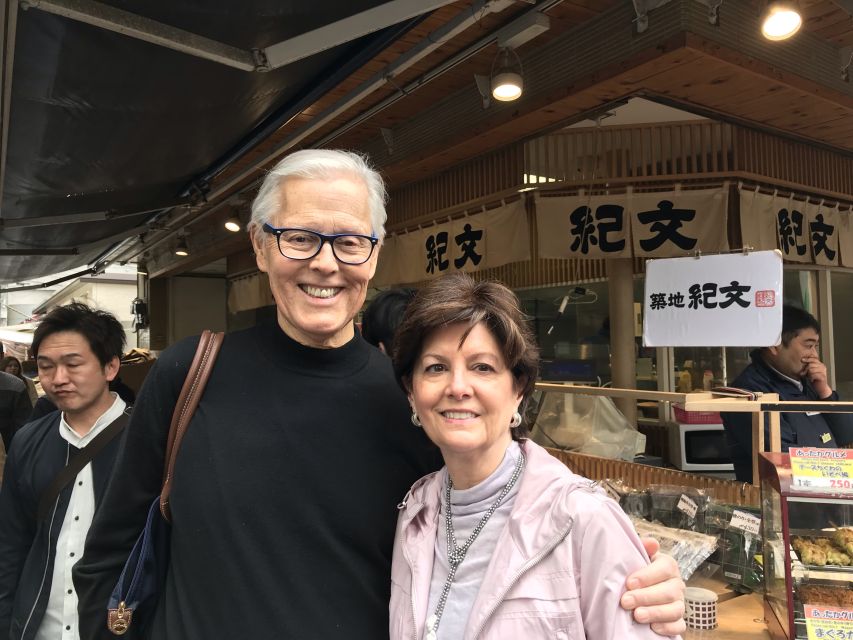
What areas does this tour cover?
It covers Toyosu Market and the outer Tsukiji fish market, plus other local shopping areas in Tokyo that you can choose from.
How long is the tour?
You can book a private 4-hour or 6-hour tour option.
How many sites will we see on a 6-hour tour?
On a 6-hour tour, you can see about 3 to 4 sites.
Can I choose which stops the guide takes me to?
Yes. After booking, you’ll inform your guide which sites you want from the list.
Are food and drinks included in the price?
No. Food and drink are not included.
Do I need to pay for transportation during the tour?
Yes. Transportation fees during the tour are not included, so you’ll pay separately.
What language is the guide?
The tour is available with an English and Japanese live guide.
Where will the guide meet me?
The guide meets you in your hotel lobby or at a train station you request. They will be waiting about 10 minutes before the scheduled pickup time.
Does the tour run rain or shine?
Yes, it runs rain or shine.
Can I cancel, and do I pay right away?
You can cancel up to 24 hours in advance for a full refund, and you can reserve now and pay later (pay nothing today).