REVIEW · KAMAKURA
Kamakura 4hr Private Trip with Government-Licensed Guide
Book on Viator →Operated by Japan Guide Agency · Bookable on Viator
Four hours, zero stress, lots of temples. This private Kamakura half-day is built for an easy start at Kamakura Station and a smooth, on-foot route with a licensed local guide. I like that you choose 2–3 highlights so the day feels intentional, not rushed.
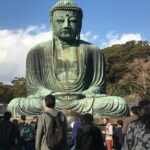
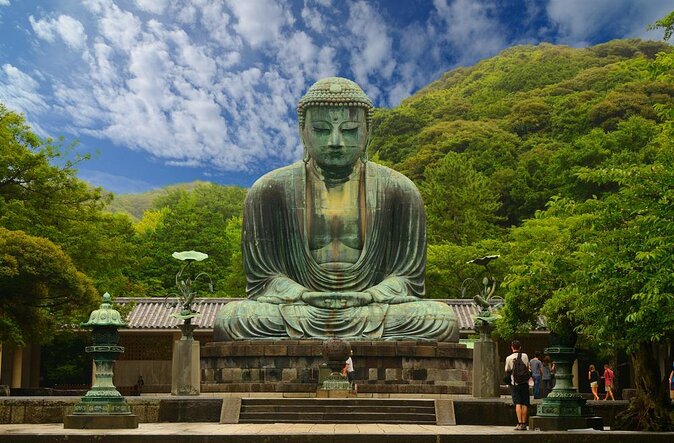
I also love the built-in pairing of star sights and calmer side stops. The Great Buddha of Kamakura at Kotoku-in is the big moment, and then Hasedera Temple rewards you with high-point views and a memorable Kannon statue focus.
One thing to consider: it’s a walking tour, and transport and most entrance fees aren’t included, so your final cost depends on which temples you pick.
In This Review
- Quick reasons this Kamakura day feels worth it
- Why Kamakura in 4 hours is a smart move
- Meet at Kamakura Station, then walk like you know the place
- Picking your 2–3 highlights (and why it changes everything)
- Tsurugaoka Hachimangu Shrine: where Kamakura begins
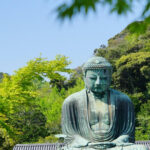
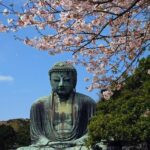
- Kotoku-in and the Great Buddha: the big scale that stops you
- Hasedera Temple: viewpoints and the Kannon focus
- Zen temple choices: Kencho-ji, Engaku-ji, and the five greats
- Hokoku-ji bamboo grove: a quick nature reset
- Zeniarai Benten: the coin-washing tradition
- Kamakura hiking trails: when you want temples plus fresh air
- Enoshima Island: coastal break for a sea-air change
- Engaku-ji and Kencho-ji: Zen atmosphere with context
- Price and value: what $108.99 per person buys you
- Who this tour suits best (and who might want a different plan)
- Should you book this Kamakura private trip?
- FAQ
- Where do we meet the guide?
- How long is the trip?
- Is this a walking tour?
- Can we choose which attractions we visit?
- Are entrance fees included?
- Is transportation included?
- Is lunch included?
- Are there any limits on who can join?
Quick reasons this Kamakura day feels worth it
- Licensed guide in English who can keep you moving and explain what you’re seeing
- Pick 2–3 sites from the best-known Kamakura targets, so the pace matches you
- Meet at Kamakura Station for a clean start (no hunting around for your group)
- Great mix of styles: shrines, big-ticket Buddha, Zen temples, and sea-air Enoshima
- Optional nature time with Kamakura hiking trails connecting temple neighborhoods
- Real-world flexibility—guides in past trips have handled train delays and last-minute changes well
Why Kamakura in 4 hours is a smart move
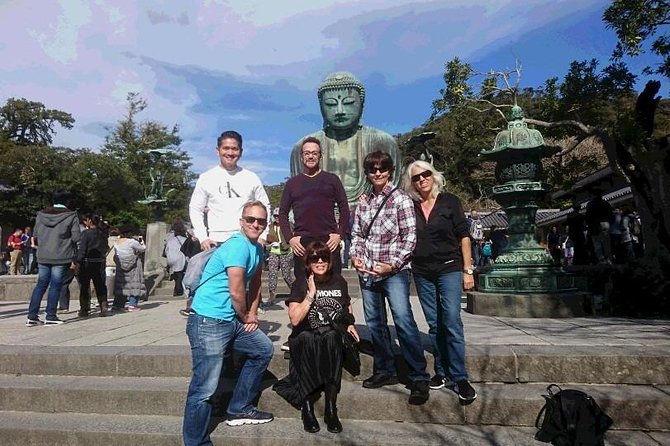
Kamakura is one of those places where “not enough time” is the usual problem. The town is packed with shrines and temples, plus coastal scenery that pulls you off your planned route. That’s exactly why a focused private half-day works so well.
In 4 hours, you’re not trying to conquer everything. Instead, you’ll hit the sights that actually anchor the Kamakura story—samurai-era power at Tsurugaoka Hachimangu, the monumental Buddha at Kotoku-in, and a temple viewpoint at Hasedera. Then you can decide if you want Zen temple focus, a bamboo break, or a coast detour.
And because it’s private, the itinerary can adjust to your timing and interests. Some guides even bring visual aids for symbolism and context, which helps you spot details you’d otherwise gloss over.
You can also read our reviews of more guided tours in Kamakura
Meet at Kamakura Station, then walk like you know the place
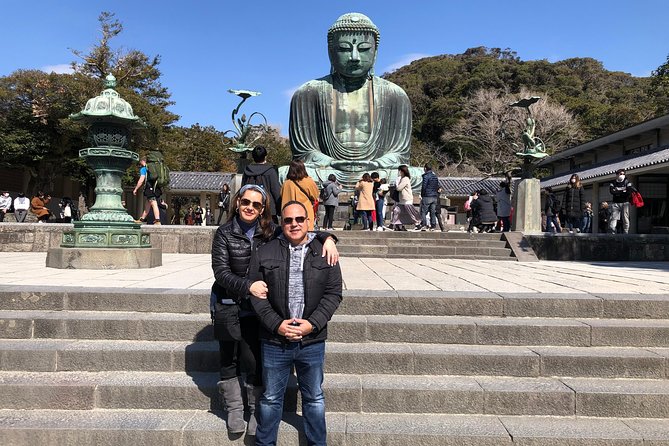
The logistics are refreshingly simple: you meet your licensed English-speaking guide within the designated area around Kamakura Station, and the tour is largely on foot. There’s pickup offered, but it’s described as a walk-based setup, so don’t expect a private car ride door-to-door.
You’ll also travel using public transportation during the day, then shift into walking between sites. This matters because it shapes your experience: you’ll spend more time looking at temples and streets, and less time trapped in transit.
Here’s the practical advantage: your guide helps you stay oriented. Kamakura can feel confusing if you’re bouncing between clusters of temples. A good guide helps you choose the right sequence so you don’t backtrack too much, especially when crowds are heavy.
Picking your 2–3 highlights (and why it changes everything)
This tour is designed to be customizable: you choose 2–3 activities from the “what to expect” list. That choice is the real value, because Kamakura isn’t one theme—it’s a mix of Shinto shrines, Buddhist temples, Zen gardens, and coastal viewpoints.
For example:
- If you want your big-photo moment first, you’ll lean toward Kotoku-in (Great Buddha) and Hasedera.
- If you want quieter, spiritual pacing, you can build around Kamakura’s major Zen temples.
- If you want a visual mood shift, bamboo at Hokoku-ji or the hydrangea gardens at Meigetsuin can be the breath you didn’t know you needed.
A past guide experience that stands out: Shinji was described as flexible and accommodating, including for last-minute booking changes. Another guide, Hiro, helped a family connect the sites to Shinto and Buddhist practices, so the visit felt more like understanding than just sightseeing.
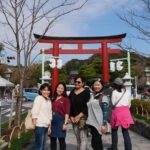
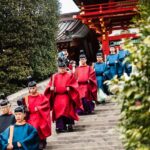
Tsurugaoka Hachimangu Shrine: where Kamakura begins
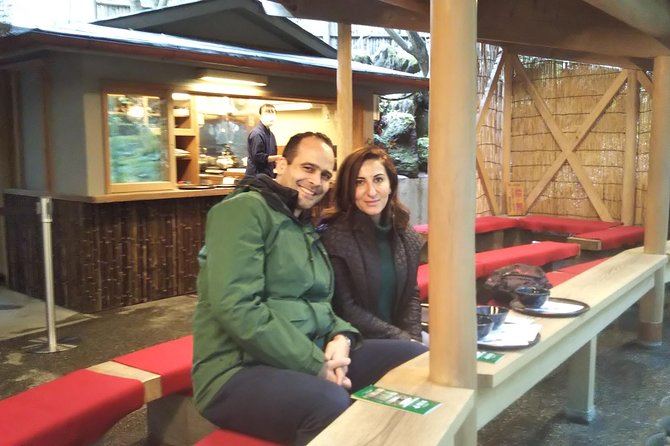
Tsurugaoka Hachimangu is the place to start if you want the samurai storyline in one stop. The shrine is dedicated to Hachiman, a patron god linked to the Minamoto family and samurai in general. The emotional tone here is different from a temple garden: you get the sense of authority and tradition from the start.
Plan on only about 10 minutes at this stop in the typical schedule. That can feel short—but that’s why having a guide helps. You’ll know what to look for quickly instead of wandering around trying to figure out where the meaning is.
If you’re visiting during seasonal crowd peaks (New Year was specifically mentioned in past experiences), timing can help. Visiting early in the route can reduce how long you’ll wait to get around key areas, and you’ll be able to move on while your energy holds.
Kotoku-in and the Great Buddha: the big scale that stops you
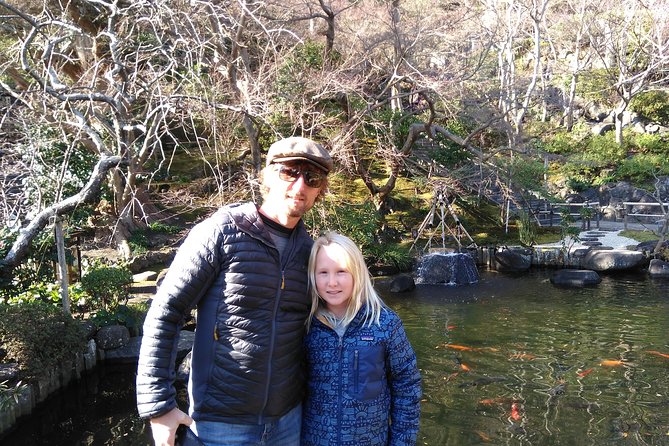
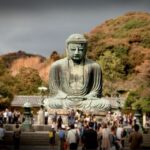
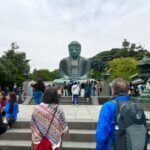
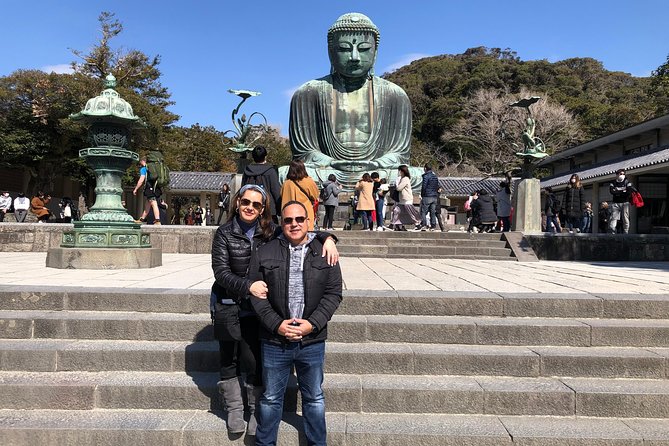
Kotoku-in’s Great Buddha is the obvious headline: an 11.4-meter bronze statue of Amida Buddha. This is the kind of site where scale is part of the message. Up close, it’s not just a photo op—it’s a reminder that Kamakura’s religious culture wasn’t meant to be small or private.
Your stop here is typically around 10 minutes. Entrance fees are not included for this stop, so budget for a ticket if it’s on your chosen list. Still, it’s usually worth making room for Kotoku-in because it gives your day a clear center point.
Practical tip: if you’re the type who likes to read symbolism, ask your guide about what you’re seeing before you enter or while you’re near viewing areas. In one past tour, Mr. Goto brought a booklet of images and helped guests understand religious symbolism and background at each location—those kinds of tools make the Great Buddha visit feel grounded rather than abstract.
You can also read our reviews of more private tours in Kamakura
Hasedera Temple: viewpoints and the Kannon focus
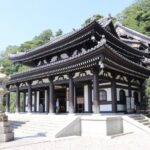
Hasedera (長谷寺) is one of Kamakura’s best “stop for your senses” temples. It’s known for an eleven-headed statue of Kannon (goddess of mercy). The statue is described as a 9.18-meter tall gilded wooden work, and that alone makes the place memorable even if you’re not chasing architecture details.
The schedule typically gives you about 5 minutes for this stop, which is short. But the value here is that Hasedera isn’t just about one object—you get an experience of movement and sightlines, including views from the highest point of the temple.
This stop also has entrance fees not included. If you want the cleanest “high reward for time” visit in 4 hours, Hasedera is a strong pick because it combines an iconic religious image with a built-in viewpoint payoff.
Zen temple choices: Kencho-ji, Engaku-ji, and the five greats
If you want a more contemplative route, Zen temples are where you can shape your day. Kamakura’s major Zen sites are grouped in a way that’s easy to understand once your guide explains it. Kencho-ji is described as the number one of Kamakura’s five great Zen temples, founded by regent Hojo Tokiyori in 1253. Engaku-ji is listed as the number two, founded in 1282 by Hojo Tokimune.
In the typical flow, you might spend around 10–15 minutes at each temple stop. Entrance fees are not included for these stops, so expect tickets for any Zen temple you choose.
Why this choice is valuable for you: Zen temples often reward slow looking—stone details, garden lines, the way space is structured. Even if you only have 15 minutes, a guide can point you to what matters so you don’t just walk through a gate and miss the site’s logic.
If you like options beyond the big two, the tour list includes additional Zen temples such as:
- Jufukuji (number three)
- Jomyoji (number five)
- Jochiji, Jomyoji, Zuisen-ji, and Tokeiji as smaller branch-temple stops
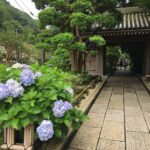
- Meigetsuin (Hydrangea Temple), which is especially tied to hydrangea season
If you’re visiting in a bloom-heavy period, Meigetsuin’s hydrangea focus can add a color-driven reason to stop. (That matters if you want your photos to vary, not all temple stone all day.)
Hokoku-ji bamboo grove: a quick nature reset
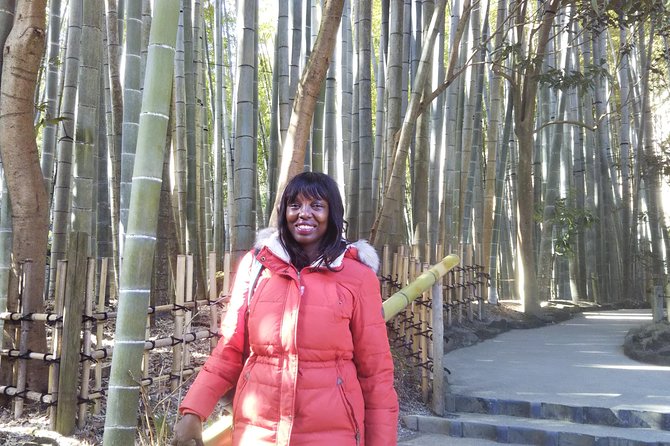
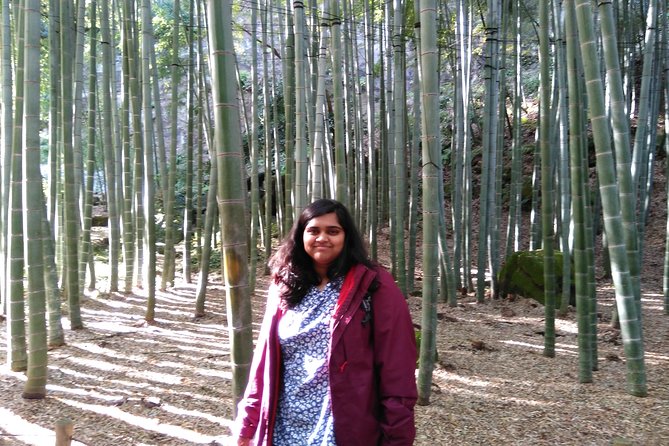
Hokoku-ji is best known for a bamboo grove behind the main hall, with more than 2,000 bamboo stalks. This is the kind of stop that makes your brain switch modes. One moment you’re processing shrine or temple symbolism; the next you’re in shaded, vertical rhythm.
Your typical time here is about 15 minutes. Entrance fees aren’t included. Even so, bamboo is one of those Kamakura experiences that feels easy to appreciate because it’s visual and sensory, not just historical.
If you’re going with kids or you’re traveling with family, this can be the “let them breathe” stop. In past experiences, guides have been patient with children and adapted pacing when arrival delays happened, which is helpful because bamboo groves are best enjoyed at a human walking pace.
Zeniarai Benten: the coin-washing tradition
Zeniarai Benten Shrine is famous for coin washing. The meaning is simple: people visit to wash their money at the spring, and there’s a belief that the act brings good outcomes. Your typical stop is around 15 minutes, and it’s listed as free.
This stop is not about scale. It’s about ritual and participation. Even if you don’t fully “get” every aspect instantly, you’ll understand quickly that it’s a living tradition, not a reenactment.
Why include it? It’s a short cultural moment that changes the feel of the day. Instead of only looking outward at buildings, you see a community practice in action.
Kamakura hiking trails: when you want temples plus fresh air
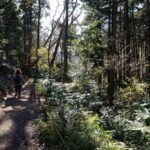
Kamakura’s geography does a lot of the work for you. The town is surrounded by ocean to the south and hills in other directions, and hiking trails connect temple neighborhoods. The tour schedule includes time for Kamakura hiking trails, around 15 minutes in the plan, typically with free admission.
This is a smart choice if:
- you want fewer crowds than the main shrine streets
- you enjoy walking and views
- you’d like a transition between temple clusters
Keep expectations realistic: in 4 hours, hiking is more of a scenic connector than a full hike. But even a short stretch can make the day feel lighter.
Enoshima Island: coastal break for a sea-air change
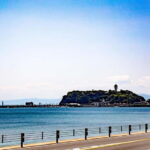
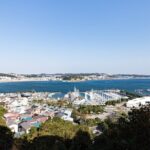
Enoshima is a short train ride west of Kamakura, connected by bridge to the mainland. It’s pleasantly touristy but offers shrines and sea views, making it a good “change of scenery” add-on.
In the typical schedule, Enoshima gets about 15 minutes and is listed as free. You’ll likely need to handle your own transport costs outside the included scope, since transportation fees aren’t included.
Why you might love it: it balances the temple-heavy portion of the day. If you pick Great Buddha plus Hasedera and then feel temple fatigue, Enoshima can reset your energy.
Engaku-ji and Kencho-ji: Zen atmosphere with context
When you include Engaku-ji and Kencho-ji, you’re not just checking off buildings—you’re getting a sense of how Kamakura’s Zen tradition shaped daily life and art. Engaku-ji and Kencho-ji are called leading Zen temples in Eastern Japan in the provided descriptions, and both are among Kamakura’s five great Zen temples.
Your typical time per stop is 10–15 minutes, entrance fees not included. With a good guide, you’ll understand what you’re seeing faster. In at least one past experience, a guide (Andy) used helpful visual tools to explain history and religious symbolism. That approach is exactly what helps when time is tight.
A small caution: Zen temples can feel quiet and visually subtle. If you’re in a hurry, you might miss the point. If you’re even slightly curious, this is where a guide earns their keep.
Price and value: what $108.99 per person buys you
At $108.99 per person for a roughly 4-hour private trip, the question isn’t just cost—it’s what you’re buying.
You’re paying for:
- a licensed local English-speaking guide
- a private experience (only your group)
- a customizable set of 2–3 sites
- help meeting up at Kamakura Station and staying oriented on foot
- the ability to adjust the route to what you care about
What you’re not getting automatically:
- transportation fees
- entrance fees for many temples
- lunch
So the value math depends on your choices. If you plan to see only one “iconic” site, you might feel like you paid for guiding that you could have done with transit apps. But if you want 2–3 key stops (especially combining Great Buddha, Hasedera, and a Zen temple), the guide’s context and routing help you squeeze far more meaning into fewer minutes.
Also, your private format can be a budget advantage if you’re traveling as a family and don’t want the friction of large-group pacing.
Who this tour suits best (and who might want a different plan)
This Kamakura private trip fits best if you:
- want a focused taste of Kamakura without overplanning
- like guided explanations tied to specific sites
- prefer walking with structure over wandering solo
- need a smoother approach to trains and connections
It’s also a good fit for families. In past experiences, guides handled child-friendly pacing and helped with practical questions like where to eat. If your group has someone who’s tired of “just walking” but still wants culture, bamboo, coin washing, and viewpoint stops create natural variety.
You might want a different option if:
- you strongly dislike walking (the tour is explicitly described as a walking tour)
- you expect entrance fees and transport to be included
- you only want one stop and don’t care about context
Should you book this Kamakura private trip?
If you want the core Kamakura highlights in a short window, this is an excellent way to do it. The biggest reason: the private, licensed guide format helps you choose the right 2–3 stops and understand what you’re seeing—especially at Kotoku-in’s Great Buddha and Hasedera’s Kannon-and-viewpoint setup.
Book it if you’re the type who cares about meaning, not just checklists, and you’re happy to walk. Skip it if you’re trying to pack in a long list of places or if you want a fully bundled day with transport and all admissions included.
If you do book, pick your “must-see” first—then let the guide fill the rest around your pace. That’s where the day feels most like your Kamakura.
FAQ
Where do we meet the guide?
You meet your licensed guide on foot within the designated area around Kamakura Station.
How long is the trip?
The tour is about 4 hours.
Is this a walking tour?
Yes. It’s described as a walking tour, and you’ll move on foot between sights.
Can we choose which attractions we visit?
Yes. You can customize the tour by choosing 2–3 sites from the listed options.
Are entrance fees included?
Not all of them. The tour notes that entrance fees are not included, and some listed stops are marked free while others are not included.
Is transportation included?
No. Transportation fees are not included, and the tour mentions travel by public transportation and on foot.
Is lunch included?
Lunch is not included.
Are there any limits on who can join?
The information says most travelers can participate, it’s a private tour for your group only, and service animals are allowed.