REVIEW · KAMAKURA
Kamakura Walking Tour – The City of Shogun
Book on Viator →Operated by Localized Walking & Food Tours · Bookable on Viator
Shogun history moves at walking speed. I like the small-group pace that keeps the conversation going, and I like how the route links Shinto, Buddhist, and street-life in one easy day. One thing to plan for: the 1,200 yen add-on for transit and key admissions is not included.
This tour runs about 3 hours 30 minutes, starting at 10:00 am at Kamakura City Tourist Information Center (1-chōme-1-1 Komachi). With a mobile ticket and the guide fee included in the $35 price, you can focus on the sights instead of the logistics.
The group is capped at 10 people, and the meeting point is near public transportation. The tour ends at Hase Station (2 Chome-14 Hase), which is handy if you’re heading onward after temples and sea views.
In This Review
- Key highlights worth planning for
- A Shogun-Era Walk Through Kamakura’s Religious Power
- Getting Started at Kamakura City Tourist Information Center (10:00 am)
- Tsurugaoka Hachimangu Shrine: The Moment Shinto Becomes History
- Komachi Street: Where Poetry, Snacks, and Street Life Collide
- Kotoku-in and the Kamakura Great Buddha: Big Scale, Real Fees
- Hasedera Temple: Quiet Gardens and a Towering Wooden Statue
- The Guide Factor: Clear Explanations and Streetside Context
- Coastal Views and Traditional Rituals Along the Way
- Price and Value: $35 Plus the 1,200 Yen You Should Plan For
- Who This Tour Suits Best (and Who Might Want Something Different)
- Should You Book This Kamakura Walking Tour?
- FAQ
- FAQ
- How long is the Kamakura Walking Tour – The City of Shogun?
- Where does the tour start, and what time does it begin?
- Where does the tour end?
- What is included in the $35 price?
- What extra costs should I expect?
- Is the ticket mobile?
- How many people are in the group?
- Are service animals allowed?
- What happens if I need to cancel or if the weather is poor?
Key highlights worth planning for
- Max 10-person group keeps the tour personal and question-friendly
- Four big stops: Tsurugaoka Hachimangu, Komachi Street, Kotoku-in (Great Buddha), and Hasedera
- Shinto and Buddhist context so you understand what you’re seeing (not just where it is)
- Mobile ticket for a low-fuss check-in
- You’ll finish at Hase Station, making it easy to continue your day
- Set aside 1,200 yen for transit and the paid temple elements
A Shogun-Era Walk Through Kamakura’s Religious Power
Kamakura is the kind of place where politics, faith, and everyday life share the same streets. This walking tour leans into that idea by threading Shinto shrines and Buddhist temples together with stops like Komachi Street, so you get the full texture of the city rather than a checklist of buildings.
I also like that the tour is built around time-efficient highlights. In about 3.5 hours, you cover major landmarks tied to Japan’s warrior history and ongoing spiritual practice. For a first visit, that’s a smart way to get bearings fast and save your energy for the rest of the day.
The big trade-off is pacing. You’re walking a route that hits several meaningful sites, so if you’re looking for long sit-down breaks between attractions, this may feel a bit tight. Still, the flow is designed to keep moving without turning your day into a sprint.
You can also read our reviews of more walking tours in Kamakura
Getting Started at Kamakura City Tourist Information Center (10:00 am)
Your day starts at Kamakura City Tourist Information Center (1-chōme-1-1 Komachi), right at 10:00 am. That timing matters because many of Kamakura’s best-known spots feel most enjoyable earlier in the day, before crowds thicken.
You also get a mobile ticket, which is practical. It means you can keep everything on your phone instead of fishing through paper confirmations while you’re trying to meet your guide on time.
One small planning note: the tour lasts about 3 hours 30 minutes, so you’ll want something flexible afterward. Since the tour ends near Hase Station, it’s a clean transition point for more sightseeing, shopping, or a train ride back toward Tokyo.
Tsurugaoka Hachimangu Shrine: The Moment Shinto Becomes History
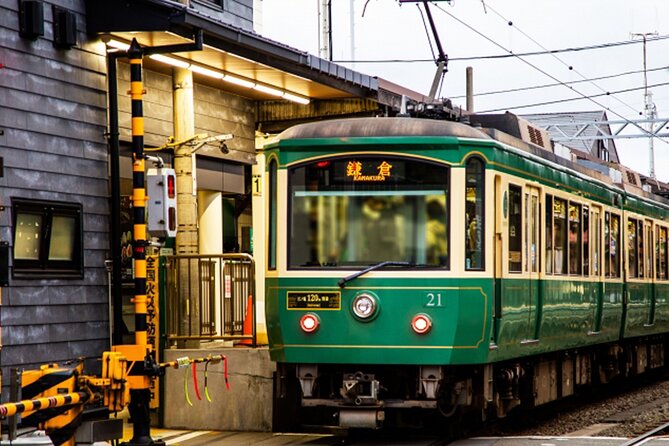
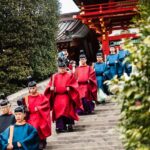
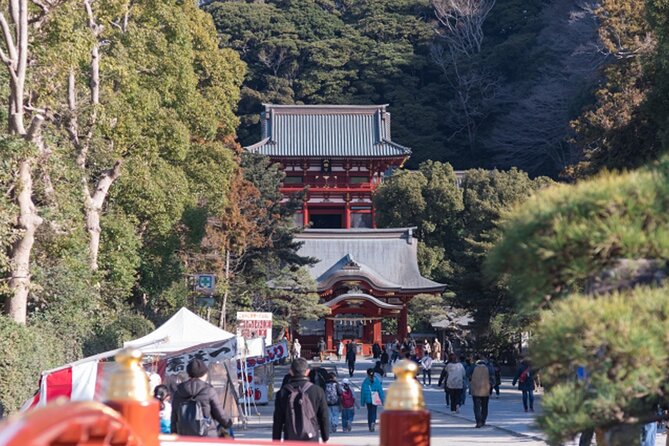
Stop 1 is Tsurugaoka Hachimangu Shrine. This isn’t just a pretty shrine you pass by. It’s tied to power in the 12th century: Minamoto no Yoritomo founded it, and it is dedicated to Hachiman, the Shinto god strongly connected with warriors and protection.
What I like about including this shrine first is how it sets the tone for the whole day. If you only see the Great Buddha later without context, you can miss the deeper story of why Kamakura mattered to people for centuries. Starting here helps you understand the city’s spiritual logic and the political weight behind it.
The admission ticket for this stop is free, so you can enjoy it without immediately worrying about extra costs. The scheduled time is about 30 minutes, which is enough for a guided walkthrough and a chance to notice details you might skip on your own.
Komachi Street: Where Poetry, Snacks, and Street Life Collide
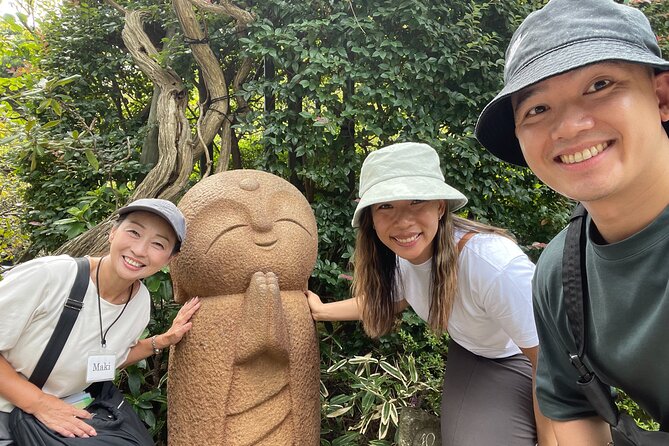
Stop 2 is Komachi Street, a pedestrian shopping street at the heart of Kamakura. It’s named after Ono no Komachi, a famous poet, and that detail matters because it tells you the street is not just for souvenirs—it’s part of Kamakura’s identity.
This is the spot where you shift from formal religious space into everyday city rhythm. Expect a lively stretch where you can reset your legs and eyes after the shrine.
The time is about 20 minutes, and that works well as a quick palate cleanser. If you’re the kind of person who likes to taste what you’re learning, you’ll probably appreciate this stop because the tour is positioned to talk about culture and local life rather than only architecture.
Tip: treat this as a short break. If you see something you really want to buy or eat, don’t wait for the very end of the tour—you may not have time to return.
Kotoku-in and the Kamakura Great Buddha: Big Scale, Real Fees
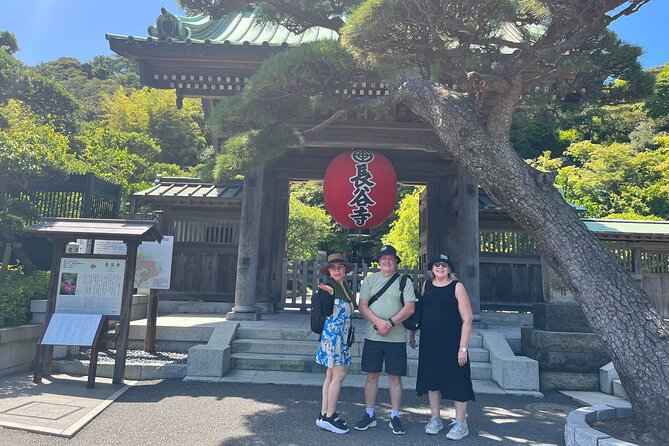
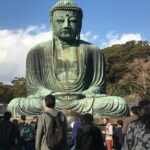
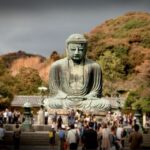
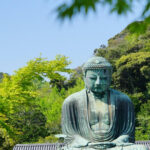
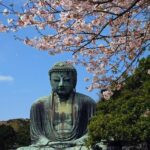
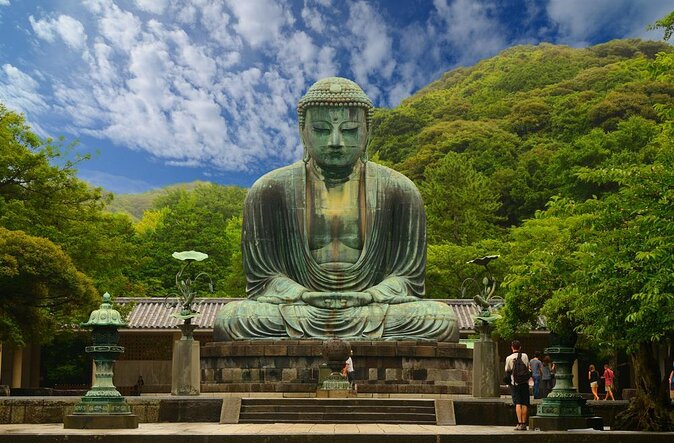
Stop 3 is Kotoku-in, home to the Kamakura Great Buddha (Kamakura Daibutsu). This is the showstopper: a colossal bronze statue about 13.35 meters tall. Seeing that scale in person is one of those travel moments that makes the whole day feel worth it, even if you’re a little tired from walking.
Here’s the practical part: admission ticket is not included for this stop. The tour tells you there’s an extra budget total of 1,200 yen for transportation and admissions, and this is one of the elements that likely explains part of that number.
I like that the time is about 30 minutes. It gives you enough time to take it in, but not so much you feel stuck waiting around. If you want photos, plan to spend your first minutes orienting yourself, then let the later time be slower and more deliberate.
Even if you’ve seen big Buddha statues elsewhere in Japan, this one carries Kamakura’s distinct mood—less manufactured, more grounded in a city that feels lived-in.
You can also read our reviews of more city tours in Kamakura
Hasedera Temple: Quiet Gardens and a Towering Wooden Statue
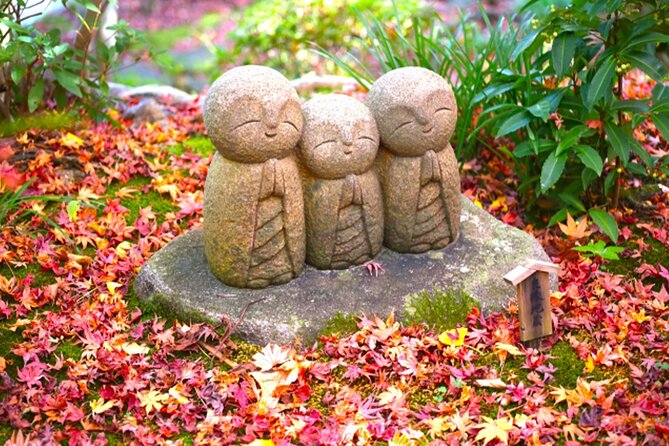
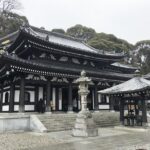
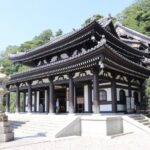
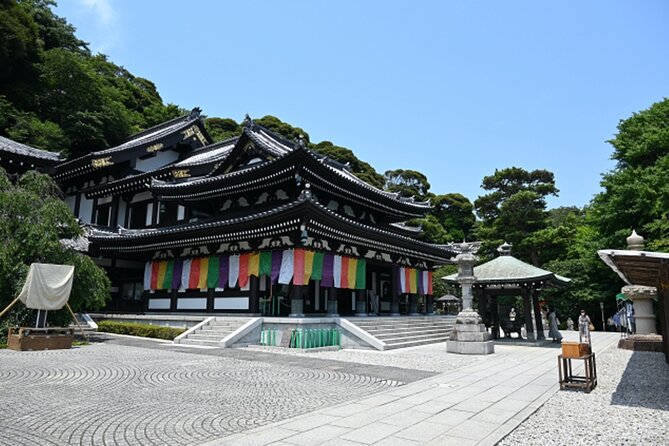
Stop 4 is Hasedera Temple, also known as Hase Kannon Temple. It’s known for a serene atmosphere, beautiful gardens, and a towering wooden statue of Kannon.
This stop is a smart contrast to Kotoku-in. After the massive bronze Great Buddha, Hasedera gives you a different kind of presence—more about space, stillness, and visual storytelling through garden design and religious art.
The tour allots about 40 minutes here, which is enough to slow down. If you tend to rush when you see temples, this timing helps you reset and actually enjoy the setting. And since the admission ticket is not included for Hasedera, it again ties back to that 1,200 yen add-on budget.
Because this is a temple with gardens, weather and light can change how it feels. You’ll get the most from it when your schedule allows you to stop and look, not just walk through.
The Guide Factor: Clear Explanations and Streetside Context

A huge part of the value here is the guide. Names like Miyu, Midori, and Maki come up in the experience descriptions, and the through-line is the way they explain what you’re seeing in plain language.
I’d especially take note of how guides handle questions. You’re not just receiving a script. The tour is designed so you can ask about the history of shrines and temples, and about how customs continue today. That matters at stops like Tsurugaoka Hachimangu and the Great Buddha, where the meaning can feel hidden unless someone translates it into everyday terms.
Guides also help you read the city as you walk. When Komachi Street shows up after the shrine, you’re not just moving between attractions—you’re moving between two different layers of culture. A good guide makes that connection feel obvious.
And the small-group size supports this. With a maximum of 10 people, the tour doesn’t turn into a head-count exercise. You’re more likely to hear details rather than strain for them.
Coastal Views and Traditional Rituals Along the Way
The tour overview points to more than monuments. You can also expect traditional rituals, artistic treasures, and coastal views woven into the route.
That’s important because Kamakura isn’t only sacred sites. It’s also a seaside city where the ocean shapes the atmosphere. When you learn what you’re looking at—ritual elements, artistic details, and why certain places matter—you start noticing things on your own later that you’d otherwise miss.
Practical note: the tour is about 3 hours 30 minutes, so these extra moments are likely built into walking time and short stops, not long detours. If you’re the type who wants to sit for a long while and sketch or photograph, you’ll still have time, but you may need to make choices.
Price and Value: $35 Plus the 1,200 Yen You Should Plan For
At $35 per person, you’re paying mainly for the guide fee. Transportation and admissions are not included, with a combined total noted as 1,200 yen.
Here’s how I think about the value. You’re getting:
- A structured route across major Kamakura highlights
- Context so you understand shrine and temple significance
- A small group with time to ask questions
If you planned to do this on your own, you could absolutely visit the sites. But you’d lose the connecting tissue: the story of why these places mattered together and what details signal how faith and history worked here. This tour is designed to do that linking for you.
So the best way to budget is simple: pay the $35, then set aside the extra 1,200 yen for the day’s paid components and local movement. If you go into it with that mindset, the pricing feels fair for a short, focused day.
Who This Tour Suits Best (and Who Might Want Something Different)
This tour fits well if you:
- Want to see key Kamakura sights without building a route yourself
- Like history tied to what you’re standing in front of
- Appreciate clear explanations and time for questions
- Prefer a small group (maximum of 10)
It’s also a good option if you’re traveling with kids, since the tour pacing and guided explanations are designed to keep attention on the meaning behind the places, not only the sight itself.
If you’re someone who wants complete freedom to spend extra time at one location, you might prefer a DIY day. This one moves through four major stops with set times, so you’re choosing breadth over deep linger time at a single attraction.
Should You Book This Kamakura Walking Tour?
Yes, if you want a first solid day in Kamakura that connects Shogun-era identity to living religious practice. The mix of Tsurugaoka Hachimangu, Komachi Street, Kotoku-in, and Hasedera gives you a well-rounded sense of the city in just 3 hours 30 minutes.
Book it with two expectations set in advance: budget the 1,200 yen add-on for transit/admissions, and be ready to walk from stop to stop. If you’re good with that, this tour is a smart way to make Kamakura feel understandable fast.
FAQ
FAQ
How long is the Kamakura Walking Tour – The City of Shogun?
The tour lasts about 3 hours 30 minutes.
Where does the tour start, and what time does it begin?
It starts at Kamakura City Tourist Information Center (1-chōme-1-1 Komachi, Kamakura) at 10:00 am.
Where does the tour end?
The tour ends at Hase Station (2 Chome-14 Hase, Kamakura).
What is included in the $35 price?
The tour includes the tour guide fee.
What extra costs should I expect?
Transportation and admission fees are not included. The total noted extra amount is 1,200 yen.
Is the ticket mobile?
Yes, the tour provides a mobile ticket.
How many people are in the group?
The tour has a maximum of 10 travelers.
Are service animals allowed?
Yes, service animals are allowed.
What happens if I need to cancel or if the weather is poor?
You can cancel for a full refund if you cancel at least 24 hours before the experience’s start time. The experience requires good weather, and if it’s canceled due to poor weather, you’ll be offered a different date or a full refund.