REVIEW · KAMAKURA
Kamakura: Half day Walking tour & Japanese sweets
Book on GetYourGuide →Operated by Kelly · Bookable on GetYourGuide
Kamakura feels calmer than Tokyo, especially on foot. This 4-hour half-day tour with local guide Kelly mixes the big-hitter sights (hello Great Buddha) with the softer, spiritual side of Kamakura (Hase-dera gardens and Zen atmosphere). I loved the Kotoku-in Great Buddha storytelling and the nerikiri plus matcha cafe stop that feels like a small ritual, not a tourist trap. The main drawback: the route includes stairs and some uneven temple grounds, so it can be tough if you have low fitness.
You’ll start at 13:00 at Kamakura Station’s East Exit tourist info area (right by the ticket gate), then walk and take short local train connections between temples. The group stays small (up to 6), the tour runs in English, and food plus major entrance fees are included—so you’re not constantly pulling out your wallet.
In This Review
- Key Points at a Glance
- Why This Half-Day Kamakura Walk Works So Well
- Start Point and Timing: The 13:00 Plan That Avoids Peak Rush
- Getting From Kamakura Station to Hase: Local Train, Real Geography
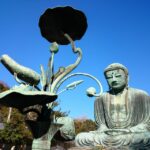
- Kotoku-in’s Great Buddha: Zen, Samurai Time, and Your Best Photo Setup
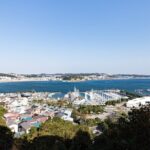
- Hase-dera Gardens and the Observation Deck: Beach Views Meet Temple Quiet
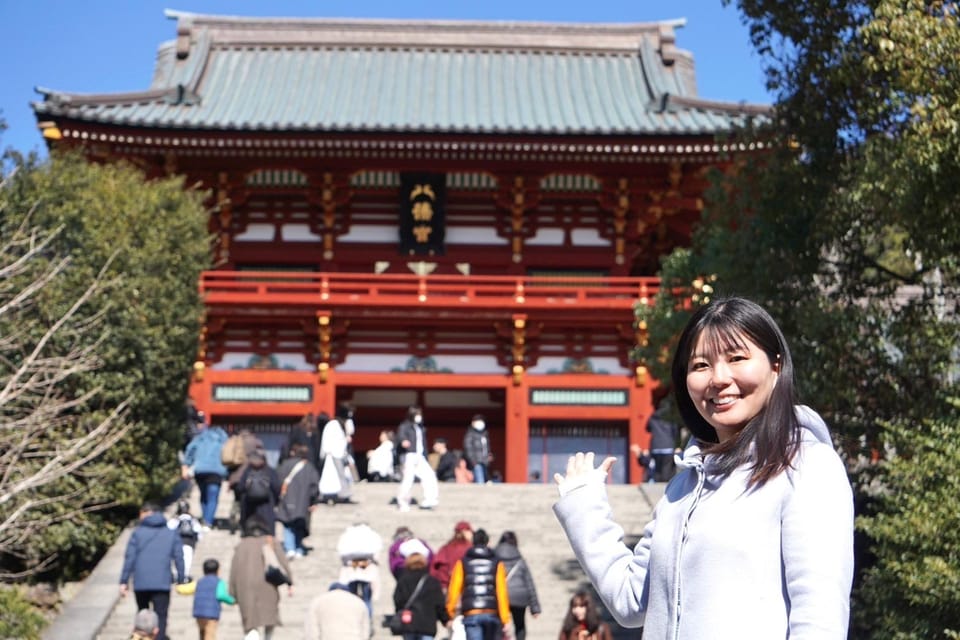
- Tsurugaoka Hachiman-gu: The Samurai Center of Kamakura
- Komachi-dori Street for Tea: Nerikiri and Matcha at a Local Cafe
- Narrow Rear Streets and Shortcuts: Where You Feel the Neighborhood
- Shopping Time on Komachi-dori: Practical Browsing Before You Catch Your Train
- Price and Included Costs: Is ¥400 Train Fare Worth It?
- Who This Tour Fits Best (and Who Should Rethink)
- Should You Book This Kamakura Tour?
- FAQ
- What time does the Kamakura tour start, and how long is it?
- Where is the meeting point?
- Who is the guide, and is the tour in English?
- What are the main stops during the 4 hours?
- Are entrance fees included?
- What food is included, and is it vegetarian friendly?
- Is the local train fare included?
- How big is the group?
- Is the tour suitable for wheelchair users or low-fitness travelers?
Key Points at a Glance
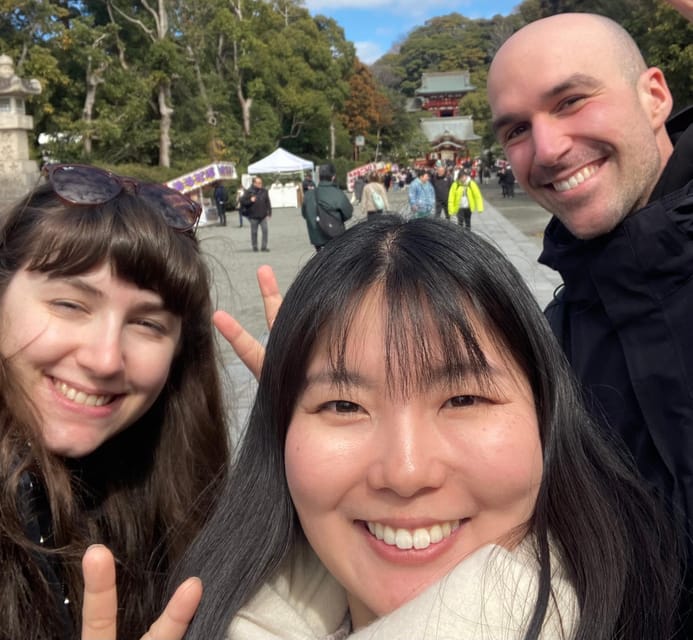
- National-licensed local guide Kelly gives you history and practical street-smart tips while you’re walking
- Kotoku-in Great Buddha is the top photo stop, with background tied to Zen and the samurai era
- Hase-dera gardens + observation deck give you beach and townscape views, plus a donjon cave in the precinct
- Tsurugaoka Hachiman-gu grounds the visit in an about-800-years-old samurai-centered tradition (and there’s no entrance fee)
- Nerikiri and matcha break is built in, with vegetarian-friendly options at the cafe
- Narrow local streets are part of the experience, not just the main shopping drag
Why This Half-Day Kamakura Walk Works So Well
Kamakura is one of those places where “just seeing temples” doesn’t really explain what’s special. What makes it click is the way you move through small routes—stone steps, quiet lanes, viewpoints—and your guide stitches it into a story about samurai culture and Zen thinking.
This tour is also a smart length. Four hours is long enough to feel like you left the station and actually toured, but short enough that you won’t spend the whole day queueing. With a max group size of 6, you’re more likely to ask questions and get answers that fit what you’re looking at in real time.
The value angle is practical: the tour includes entrance fees for Kotoku-in and Hase-dera, plus your cafe sweets and matcha. So your spending pressure stays low compared with a “sightseeing bus” plan where everything costs extra.
You can also read our reviews of more walking tours in Kamakura
Start Point and Timing: The 13:00 Plan That Avoids Peak Rush
I like that the tour starts at 13:00. Late morning in Japan can be intense around the biggest temple zones, so a 1 pm start gives you a better shot at a calmer pace—especially for a walking tour.
You meet at Kamakura City Tourist Information Center, next to the ticket gate at the East exit. The guide holds a meeting board, so you’re not hunting the group. Also, the tour ends on Komachi-dori Street, which matters because that’s where you naturally keep exploring or grab a train afterward.
One small consideration: this is a walking-and-transit loop. You’ll use a local train between stops, so wear shoes you trust and plan for steps.
Getting From Kamakura Station to Hase: Local Train, Real Geography
After meeting, you take a short local train ride to Hase Station. The good news is the ride is brief, and it keeps the walking manageable. The cost is not included, though: plan on budgeting ¥200 one way (and the overall transport adds up to about ¥400 round trip).
This is also where you get the “real Kamakura” feeling. Temple days can blur together if you only move by taxi or bus. Here, you’re traveling like locals do—quick hop, then walking through the next neighborhood layer.
If you hate being rushed, you’ll appreciate the small group. It’s easier for Kelly to slow down for questions without the whole line getting stuck.
Kotoku-in’s Great Buddha: Zen, Samurai Time, and Your Best Photo Setup
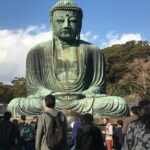
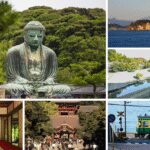
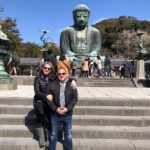
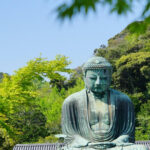
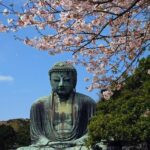
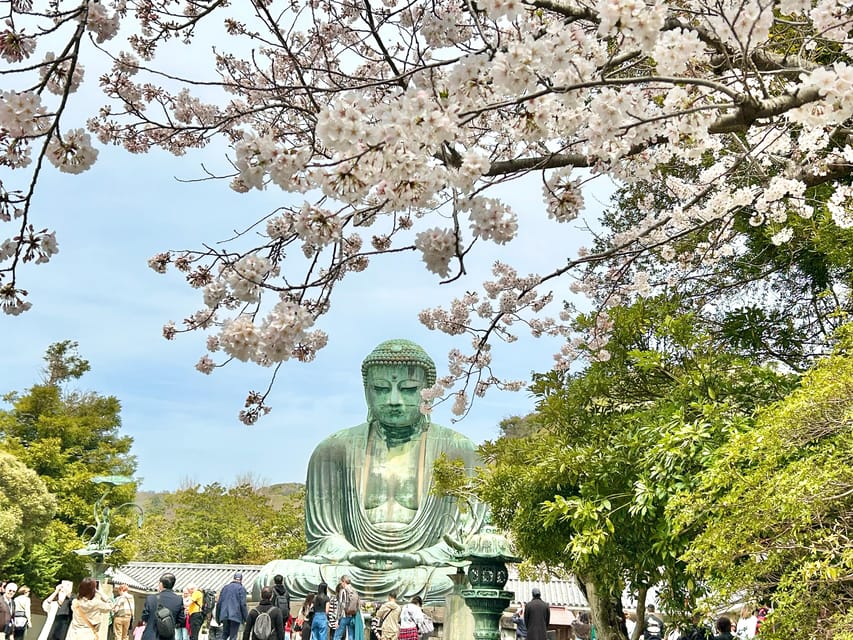
Kotoku-in is the headliner for a reason. You come to the giant Buddha statue—one of Japan’s most famous photo spots—and your guide connects what you see to the history behind it.
What I like about this stop is that it’s not treated like a quick photo and move on. Kelly explains the background of the statue and ties it to the samurai period and Zen philosophy, which gives the place meaning beyond its fame. When a guide frames why something exists, you end up noticing details you would otherwise skip.
You should also know what to expect physically. Kotoku-in is famous, but you’ll still deal with walking and stairs in parts of the complex. Comfortable shoes matter here, because your enjoyment drops when your feet start blaming you.
Entrance fee for Kotoku-in is included on the tour, which keeps the stop easy on your budget.
Hase-dera Gardens and the Observation Deck: Beach Views Meet Temple Quiet
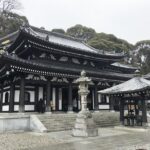
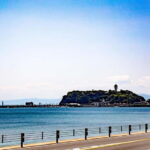
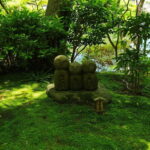
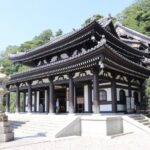
Hase-dera is where Kamakura turns scenic. You get a full hour here, which is enough time to see the gardens and actually pause. The temple grounds include beautiful Japanese garden areas and an observation deck where you can admire the beach and townscape of Kamakura.
There’s also a donjon cave in the precinct—described as mysterious on this itinerary. Even if you’re not the type who reads every sign, it’s the kind of feature that makes you slow down and look around.
The best reason to prioritize Hase-dera is simple: it’s a switch from “famous statue” to “you are standing inside a place with atmosphere.” The mix of gardens, viewpoints, and seasonal nature makes it feel different depending on the time of year.
Entrance fee for Hase-dera is included, which is a nice win. Your cafe break later will feel like a reward, not a random interruption.
You can also read our reviews of more tours and experiences in Kamakura

Tsurugaoka Hachiman-gu: The Samurai Center of Kamakura
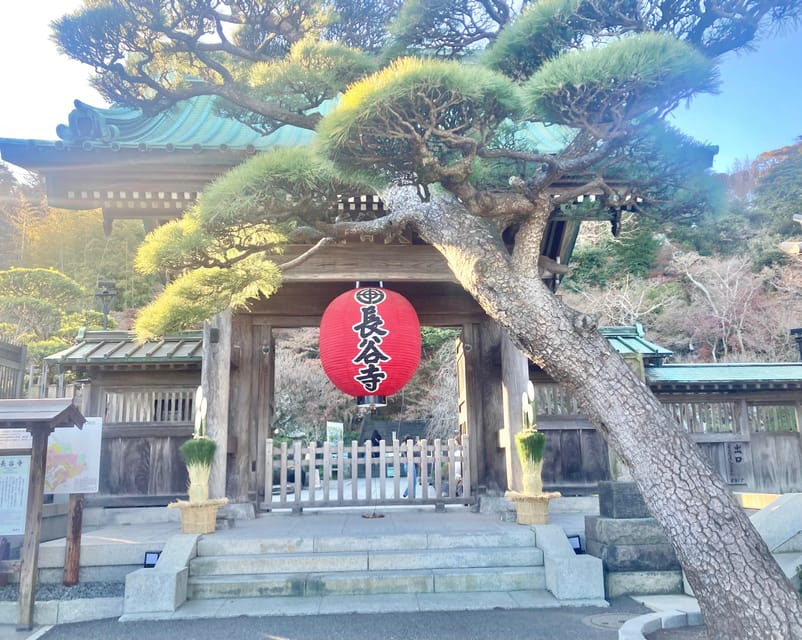
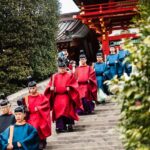
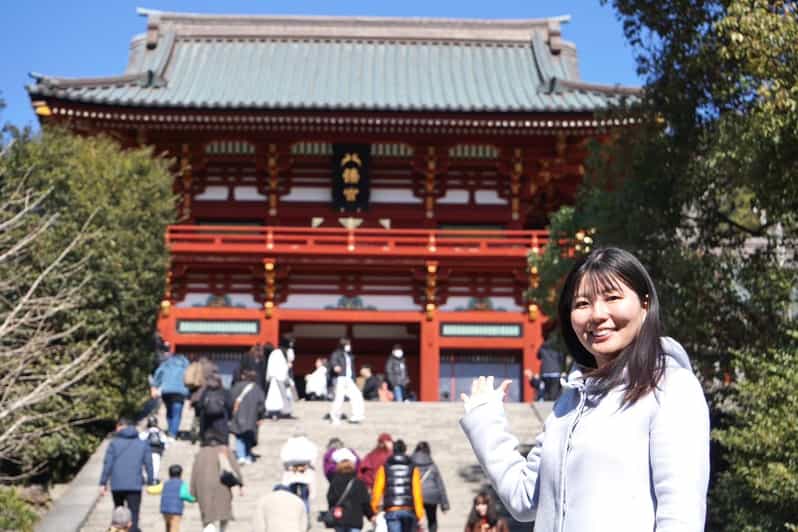
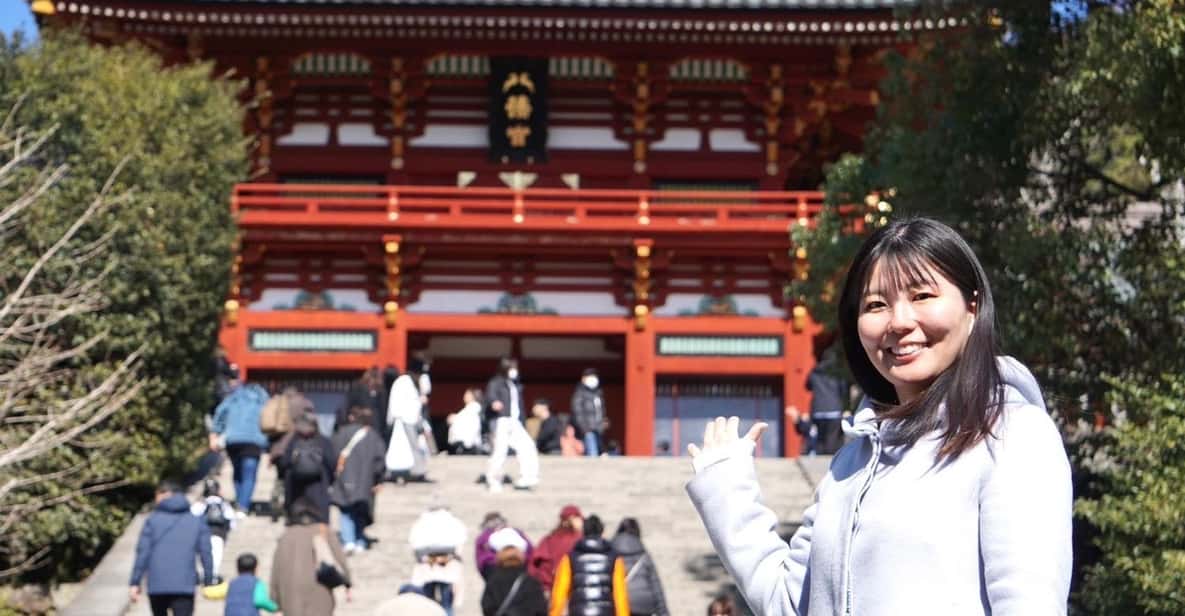
Then you shift to the center of Kamakura at Tsurugaoka Hachiman Shrine. This stop is 45 minutes, and it’s worth your time because it gives structure to the story of the town.
Kelly points out traces connected to the samurai period, and the shrine’s history is tied to roughly 800 years. That makes the day feel like more than a highlight reel. It helps you understand why Kamakura developed the reputation it has—especially as a place that mattered to warriors and power.
Another practical bonus: there’s no entrance fee for this shrine. So you’re not paying twice for different types of “temple moments.” It’s also a good zone for questions because you’re looking at a place with layered meanings.
Komachi-dori Street for Tea: Nerikiri and Matcha at a Local Cafe
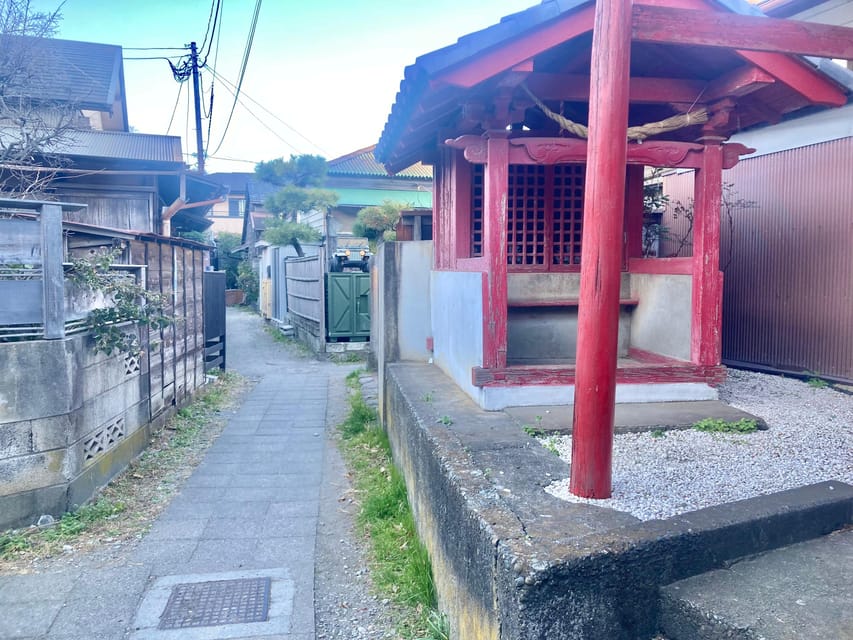
By the time you reach Komachi-dori Street, you’re at the point in the tour where your brain wants a reset. That’s exactly when the cafe stop lands.
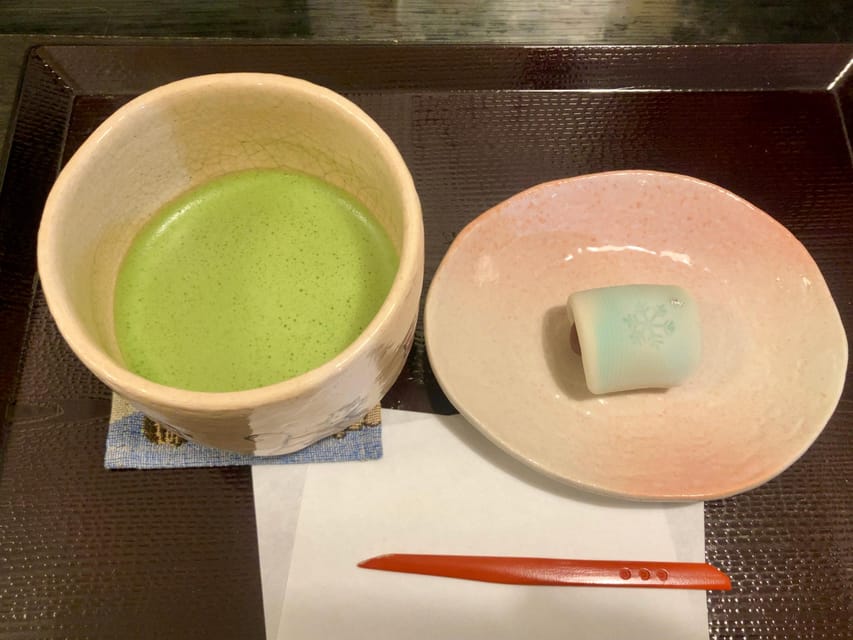
The tour includes traditional Japanese sweets (nerikiri) and matcha green tea. Nerikiri is often made with delicate techniques and shaped details, and this tour frames it as something you can try only in Japan. Even if your matcha level is “I’ll try it,” the experience is easy to enjoy because it’s served as a calm break, not a class.
I also like that the food cost is included, and the plan is vegetarian friendly. So you don’t have to stress about whether you’ll find something after the walking part.
Timing is also friendly. The tea and sweets time is built in around 45 minutes, and you can use it to regroup before the final shopping stretch.
Narrow Rear Streets and Shortcuts: Where You Feel the Neighborhood
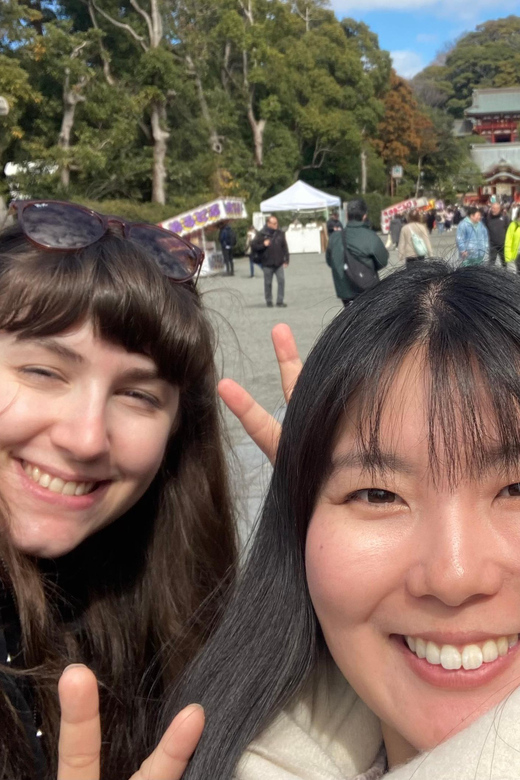
One of the best parts of this tour is the walking beyond the obvious main lanes. You’ll move through narrow streets known more by locals than by first-time visitors. This is where Kamakura’s atmosphere shows up in small ways: quieter corners, hidden turns, and street layouts that feel like you stepped into daily life.
The tour also uses short cuts to avoid narrow, busy areas. That matters because Kamakura can get crowded around the popular shopping zones, and no one wants to lose time in a slow-moving crowd when you’re on a half-day schedule.
In the end, you walk away with something more useful than photos. You understand how the town is arranged, and you can keep exploring afterward without feeling completely lost.
Shopping Time on Komachi-dori: Practical Browsing Before You Catch Your Train

The tour finishes on Komachi-dori Street, right where you’ll likely want to do some browsing. There’s a shopping window after the tea stop, and it’s designed so you can pick up snacks, small souvenirs, or things you find in the moment.
Even if you don’t buy much, this part is useful because it gives your legs a break from constant walking between attractions. You’re still in the action zone, but you get more control over your pace.
If you’re staying near a bigger station line, Kelly’s helped some participants plan train connections afterward. So if you’re unsure how to get back, it’s worth asking before you move on.
Price and Included Costs: Is ¥400 Train Fare Worth It?
At $64 per person for about 4 hours, the ticket price isn’t just “for the guide.” You’re also covering several concrete items.
Included:
- Local guide Kelly (national licensed)
- Entrance fees for Kotoku-in and Hase-dera
- Cafe food cost (nerikiri and matcha)
- Vegetarian-friendly option
Not included:
- Local train transportation fare (noted as ¥200 one way; also listed as ¥400 overall in the tour details)
So you’re paying a bit of “set price” for the structure, and then budgeting a modest amount for transit. For a walking tour that hits major sights plus a meal component, this is good value. Especially because the biggest paid moments (temple entrances + the sweets/tea stop) are already handled.
If you tried to DIY this yourself, you’d still pay entrance fees and likely spend time figuring out the route. Here, the guide helps you move efficiently and explains why each place matters.
Who This Tour Fits Best (and Who Should Rethink)
This tour is best if you want a focused half day. You’ll get the must-see highlights, but it’s not only about checkmarks. Kelly’s history talk ties sites to samurai culture and Zen philosophy, and that makes the temples feel more connected.
It’s also a good fit if you love food as part of sightseeing. The nerikiri and matcha break is integrated into the route, so you’re not searching for a cafe after being tired from stairs.
You should rethink if:
- You use a wheelchair, since the tour is marked not suitable for wheelchair users
- You have low fitness, because the route includes staircases
- You can’t do basic walking for multiple temple zones
- You plan to wear high-heeled shoes (not allowed)
Pets aren’t allowed either (assistance dogs are allowed), so plan accordingly.
Should You Book This Kamakura Tour?
If you’re doing Kamakura as a half-day escape and you want a guide who makes the places feel meaningful, I think this is a strong booking. You’ll see the Great Buddha, spend real time at Hase-dera for gardens and beach views, and connect it all to samurai and Zen themes—then you end with a proper matcha-and-sweets pause.
Book it if:
- You want small group attention (6 people max)
- You care about getting the history context, not just standing for photos
- You want entrance fees and cafe treats handled upfront
- You like the idea of walking narrow local streets, not only the obvious storefronts
Skip it or look for another option if you need wheelchair accessibility or you’re uncomfortable with stairs. For most people with decent mobility and comfy shoes, this tour hits a sweet spot: short, full, and genuinely Kamakura.
FAQ
What time does the Kamakura tour start, and how long is it?
The tour starts at 13:00 and lasts 4 hours.
Where is the meeting point?
Meet at Kamakura City Tourist Information Center, just next to the ticket gate at Kamakura station East exit. The guide will have a meeting board.
Who is the guide, and is the tour in English?
The tour uses a local National licensed tour guide (Kelly) and is offered in English.
What are the main stops during the 4 hours?
You visit Kotoku-in (Great Buddha statue), Hase-dera, and Tsurugaoka Hachiman Shrine, plus time on Komachi-dori Street for tea and shopping.
Are entrance fees included?
Yes. Entrance fees are included for Kotoku-in and Hase temple (Hase-dera). The tour notes no entrance fee for Tsurugaoka Hachiman Shrine.
What food is included, and is it vegetarian friendly?
The tour includes traditional Japanese sweets (nerikiri) and matcha green tea at a cafe. It is marked vegetarian friendly.
Is the local train fare included?
No. Train fare is not included. The details mention ¥200 one way (and ¥400 as the transportation fare total).
How big is the group?
The tour is a small group limited to 6 participants.
Is the tour suitable for wheelchair users or low-fitness travelers?
It is not suitable for wheelchair users, and it’s also listed as not suitable for people with low level of fitness due to stairs.