REVIEW · KAMAKURA
From Tokyo: Kamakura & Enoshima 1-Day Bus Tour
Book on Viator →Operated by VIP Japan Tours · Bookable on Viator
Kamakura feels like a world away. This 9 to 10 hour bus tour pairs samurai-era shrine stops with the ocean-side atmosphere of Enoshima, so you get history and sea air in one day. I like that the itinerary mixes guided facts with real time to wander—especially the shopping-stroll rhythm around Tsurugaoka and the self-paced hillside walking on Enoshima. One drawback to plan for: it’s a full day with lots of foot movement and stair-heavy areas, and the timing can feel tight if you get delayed.
A big part of the experience is the guide, and the strongest feedback I’ve seen is tied to names like Omar and Chen (plus other friendly, attentive guides such as Yuki and Mitsi). When the guide is in a good groove, the day clicks. If the group pacing doesn’t match your walking style, you may feel rushed—especially near the bus at the end of Enoshima time.
In This Review
- Key Things To Know Before You Go
- A Day Trip That Actually Feels Like a Reset
- Price, Time, and What $66.05 Buys You
- Shinjuku Start, Strict Timing, and One Drop-Off
- Tsurugaoka Hachimangu and Komachi Street: Shrines Plus Real-Life Snacks
- Kōtoku-in Great Buddha: The Fast Stop That Hits Hard
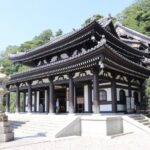
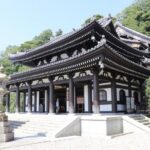
- Hase-dera Temple: Kannon, Stairs, and Staying Comfortable
- Enoshima Island: Shrines, Ocean Views, and the Mt. Fuji Maybe Factor
- Bus Comfort, Group Size, and Why the Guide Matters
- Who This Tour Fits Best (and Who Should Rethink)
- Should You Book This Kamakura and Enoshima Bus Tour?
- FAQ
- What are the main stops on the day trip?
- How long does the tour take?
- Is lunch included in the tour price?
- What does the price include?
- Where do I meet the tour, and where do I end?
- Will the bus return to Ikebukuro?
- Do I need a paper ticket?
Key Things To Know Before You Go
- Two centrally timed Tokyo departures can make meeting up easier than you’d think in Shinjuku
- Tsurugaoka Hachimangu + Komachi Street gives you a shrine visit plus snack-and-souvenir freedom
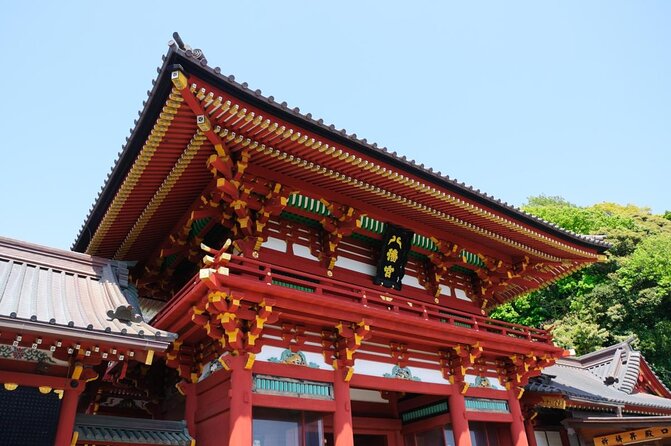
- Kōtoku-in (Great Buddha) is fast but memorable, with an included admission ticket
- Hase-dera brings the famous Kannon statue to life, and the site can mean stairs
- Enoshima rewards clear days with big ocean views (and possible Mt. Fuji in the distance)
- Guide commentary plus mobile ticket helps you keep your bearings all day
A Day Trip That Actually Feels Like a Reset
If you’ve been in central Tokyo for a few days, Kamakura can feel like the antidote. You trade dense city blocks for temple gates, carved wood, and seaside air. The tour’s structure matters here: you’re not doing a frantic “see-and-run” circuit. You get guided context, then time to actually look, snack, and take photos.
The best part is how the day moves between moods. Kamakura is spiritual and historic—shrines, gardens, and the Great Buddha under an open sky. Enoshima adds a different flavor: ocean views, hillside shrines, and a coastal “wander and discover” feeling. You’ll come back to Tokyo tired, sure, but it’s the good kind of tired.
You can also read our reviews of more tours and experiences in Kamakura
Price, Time, and What $66.05 Buys You
At about $66.05 per person, this tour isn’t expensive for Japan day-trip pricing—mainly because it bundles the big costs: roundtrip bus transport, air-conditioned comfort, and included temple admissions for key stops (Kōtoku-in and Hase-dera). Tsurugaoka Hachimangu and Enoshima sights are listed as free where applicable, so you’re not paying multiple tickets on top of the tour price.
Also, this is not just a “sit on a bus” deal. You get an English/Chinese-speaking guide with commentary (depending on the group), plus facts that give you something to chew on while you’re standing in front of important shrines. Several people highlighted how time flew because the day ran with clear instructions and a workable rhythm.
The tradeoff is that lunch isn’t included. You’ll need to budget for food, and where you eat depends on the day’s timing. If traffic or road issues shift the schedule, the lunch window can move earlier or later than you’d prefer.
Shinjuku Start, Strict Timing, and One Drop-Off
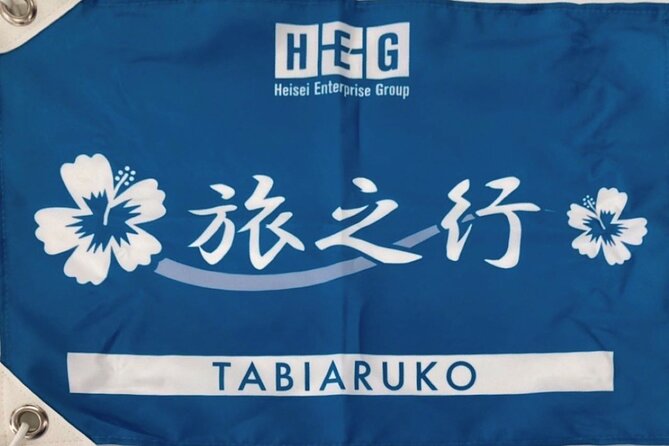
Your day begins at Shinjuku Post Office area (Shinjuku City, Nishishinjuku 1-chōme-8-8). The operator notes that you should arrive about 10 minutes early and look for the guide holding a pale blue flag. The instructions are clear: the bus and guide are organized by meeting point, and arriving late or at the wrong location can mean missing the tour with no refund.
At the end, you return to Shinjuku Station area (West Exit). The bus is listed as not returning to Ikebukuro, so don’t plan on using this to hop further east in Tokyo afterward.
Practical tip: if you’re coming from elsewhere in Tokyo, give yourself extra buffer to find the meeting pin on Google Maps. Shinjuku is huge, and the tour departs on time.
Tsurugaoka Hachimangu and Komachi Street: Shrines Plus Real-Life Snacks
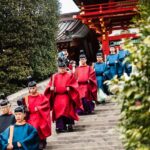
Tsurugaoka Hachimangu is the centerpiece shrine in Kamakura. You’ll enter through the large torii gate and then step into a calmer, pond-and-garden feel. The tour schedule gives you about 2 hours, and the time window matters because Kamakura shrines reward wandering, not just photo-taking at speed.
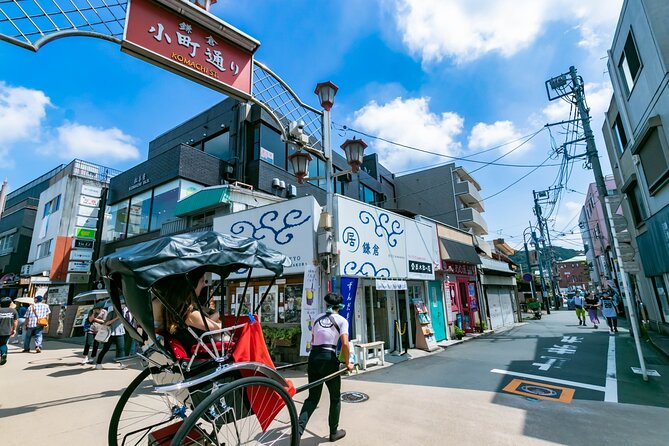
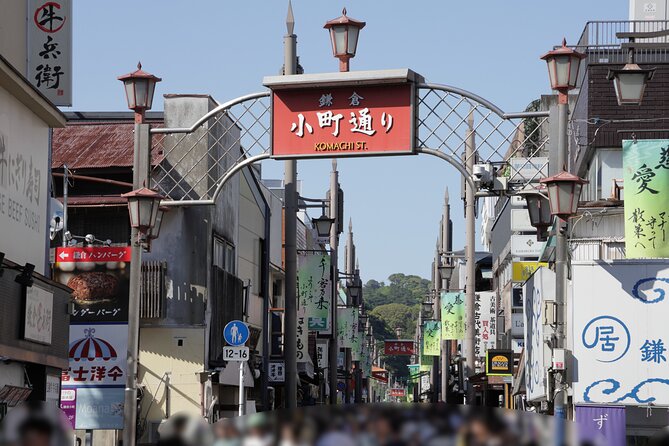
After the main shrine area, Komachi Street is built right into the experience. Think of it as your “Kamakura first taste”: snack stalls, Kamakura-exclusive souvenir shops, and handmade crafts. This is where you can slow down and do the fun tourist stuff without feeling like you’re behind the clock.
What I like about this stop is the balance. You get a spiritual anchor first, then you transition into an easy street stroll where you can decide what you want to buy and eat.
A drawback to watch for: this area can be busy, and if you want lots of shopping time, be mindful that you still have later stops. Set a small shopping mission, like one snack and one souvenir category, and you’ll avoid spending the entire morning turning circles.
Kōtoku-in Great Buddha: The Fast Stop That Hits Hard
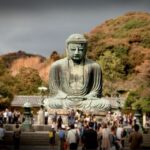
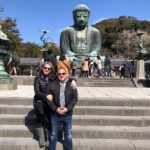
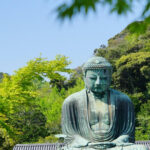
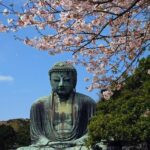
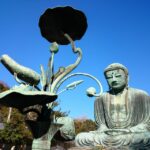
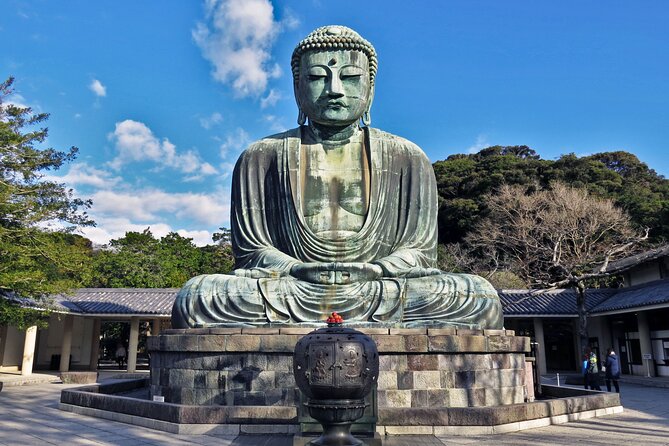
Kōtoku-in is where the famous Great Buddha of Kamakura lives. The tour allots around 30 minutes, and that short window is actually part of the appeal: you get the wow factor without losing the entire day to one location.
The Great Buddha is outdoors, bronze, and serene in that classic Japan way—less “museum” and more “you are standing in history.” The admission ticket is included, so you don’t have to juggle extra payment steps mid-day.
If you dislike crowds, plan your photo and viewing strategy. One common issue noted on tours like this is queueing when areas get crowded. If you’re flexible, you can enjoy the statue first, then come back for photos if needed.
For most people, this stop is the best “high-impact, low time tax” moment on the itinerary.
Hase-dera Temple: Kannon, Stairs, and Staying Comfortable
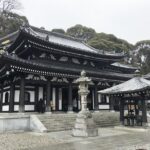
Hase-dera runs about 50 minutes and centers on the famous eleven-headed statue of Kannon, the Goddess of Mercy. This is the kind of temple visit where context helps: you’re not just looking at a statue, you’re looking at a landmark of Japanese Buddhist art and devotion.
The admission ticket is included, which helps keep the day smooth. The area also involves walking around temple grounds, and you should assume you’ll do more steps than you might expect on a “bus tour day.” One review theme (across groups) was that there can be a lot of walking up stairs during the overall day, so wear shoes you trust.
If you want a stress-free experience, pace yourself here. Don’t try to do every viewpoint and side area in one go unless you’re a fast walker. Better to enjoy the main areas and keep your energy for Enoshima.
Enoshima Island: Shrines, Ocean Views, and the Mt. Fuji Maybe Factor
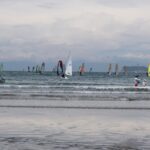
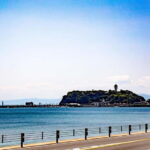
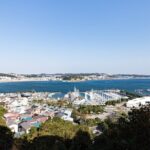
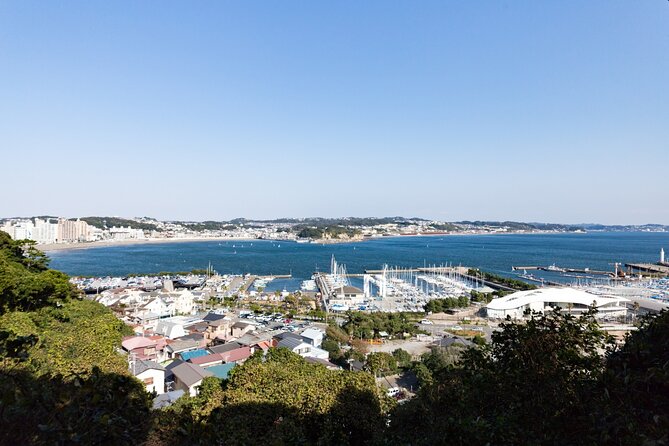
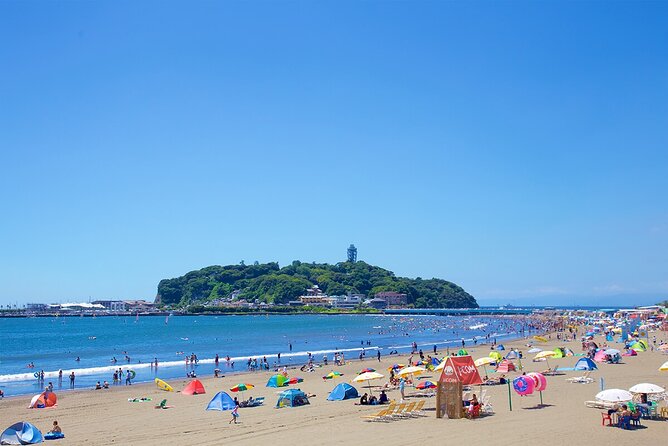
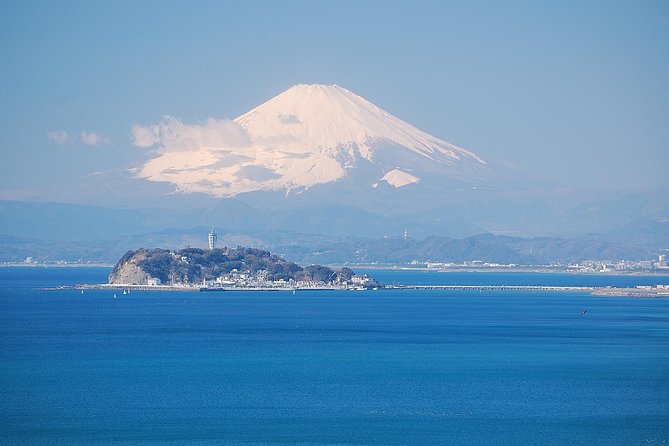
Enoshima is the big finish—about 2 hours on the island. On clear days, you may see Mt. Fuji in the distance, which turns the entire coastline feel up a notch. Even when Fuji is hidden, Enoshima’s ocean energy usually delivers: sea breeze, steps, and little pockets of sightseeing.
The tour focuses on a cluster of spiritual stops, especially the shrine complex dedicated to Benzaiten (music, wealth, wisdom). You may visit multiple shrine areas on the grounds, including references to Hetsu-no-miya and Nakatsu-no-miya. You’ll also likely encounter Shirahata Shrine near Yanagihara Pond and Zeniarai Benten Shrine, known for the tradition of washing coins in the spring (the idea is money washed there will double).
You get more than just shrines too. The day includes time tied to the Samuel Cocking Garden area and its observatory lighthouse, listed as reopened after renovations on April 29, 2003, with a structure height of 59.8m (and 119.6m above sea level). That kind of detail matters because it hints at what you’re chasing: views, elevation, and a bigger panorama than you’d get at street level.
Two practical notes for Enoshima:
- There can be stairs and route changes, so the walking load is real.
- If you want to use escalators to save energy, you may still face extra stairs on the remaining route. Build in buffer so you’re not sprinting at the bus time.
Enoshima also has shops and dining clustered around shrine/tourist areas. If your schedule shifts due to traffic, lunch timing may change too—one review mentioned eating earlier than expected because of a route adjustment. You can reduce stress by carrying a small snack or water.
Bus Comfort, Group Size, and Why the Guide Matters
The bus is air-conditioned and described as modern by some reviewers, with features like USB charging mentioned in the feedback. Group size is capped at 90 travelers, so it’s not a tiny private car, but it usually stays manageable if the tour runs on time.
The guide factor is huge. The best experiences in the provided feedback repeatedly name guides such as Omar, Chen, Yuki, Mitsi San, and Mits as friendly, organized, and good at explaining history in a way that keeps people engaged. Even when the group is large, the guide’s job is to give clear cues: where to go, when to meet, what’s worth prioritizing, and how to handle the inevitable stairs and crowds without losing the bus.
One more reality check: this is a full-day roundtrip from Tokyo, and the return drive can be long due to traffic. That doesn’t mean the trip is poorly run—it just means you should treat the bus ride as part of the day, not as downtime you can count on to be short.
Who This Tour Fits Best (and Who Should Rethink)
This tour is a great match if you want:
- A structured day with multiple major sites, without planning train connections
- A guided history layer while you visit iconic Kamakura shrines
- A mix of organized stops and free exploration time, especially on Enoshima
- A manageable way to see the coast without switching transportation modes
It may be less ideal if you:
- Hate stair-heavy sightseeing and long walking loops
- Need strict lunch timing (because lunch isn’t included and timing can shift with traffic)
- Are very sensitive to schedule changes—this day is weather- and traffic-dependent in practice, even though the operator says the tour departs unless notified otherwise
Should You Book This Kamakura and Enoshima Bus Tour?
I’d book it if you want one day that hits the classics: Tsurugaoka Hachimangu, the Great Buddha at Kōtoku-in, Hase-dera’s Kannon focus, and Enoshima’s shrine-and-coast vibe. The value is strongest when you appreciate guided context and you’re okay with a full, active schedule.
If you’re planning your first Kamakura day trip from Tokyo, this tour is a practical shortcut. Bring comfortable shoes, plan on eating lunch on your own, and give yourself mental buffer for crowds and stairs—especially at Enoshima routes and viewpoints.
If that sounds like your style, this is a solid way to leave Tokyo, soak up coastal Japan, and come home with a clear sense of what Kamakura and Enoshima are about.
FAQ
What are the main stops on the day trip?
You’ll visit Tsurugaoka Hachimangu Shrine, Komachi Street, Kōtoku-in (the Great Buddha), Hase-dera Temple, and Enoshima Island. Enoshima includes a Benzaiten shrine complex, Zeniarai Benten Shrine, and time around the island’s sightseeing areas such as Samuel Cocking Garden and its observatory lighthouse.
How long does the tour take?
The duration is listed as about 9 to 10 hours.
Is lunch included in the tour price?
No. Lunch isn’t included, so you’ll need to plan for your own meal during the day.
What does the price include?
The tour includes an air-conditioned vehicle, all fees and taxes, entrance fees to Hase-dera and Kōtoku-in, and commentary via an English/Chinese-speaking guide (commentary languages can depend on group setup). A mobile ticket is provided.
Where do I meet the tour, and where do I end?
You meet at Shinjuku Post Office area in Nishishinjuku. The tour ends at Shinjuku Post Office area as well, but the listing notes the drop-off is near Shinjuku Station (West Exit).
Will the bus return to Ikebukuro?
No. The bus does not return to Ikebukuro; the only drop-off point at the end is near Shinjuku Station (West Exit).
Do I need a paper ticket?
No. The tour uses a mobile ticket. You’ll also get guidance to find the meeting point, including the instruction to look for the guide holding a pale blue flag.