REVIEW · TOKYO
Tokyo: Kichijoji Walking Tour with Local Guide
Book on GetYourGuide →Operated by O2 Japan Travel · Bookable on GetYourGuide
Tokyo turns quiet in Kichijoji. I like how this Kichijoji walk feels local and relaxed, then hands you off to a Studio Ghibli Museum visit that runs at your pace. Guides such as Mina and Yuma keep things friendly, with real neighborhood details instead of a script.
What I really love is the before-museum Tokyo you get: shopping arcades, side streets, and that easy “what should I eat?” guidance that makes Harajuku-style wandering unnecessary. The park stop also stands out—Inokashira Park is a calm reset after city noise, and it sets the mood for the Ghibli world without turning the day into a rush.
One thing to consider: the museum time is set, so if you like to linger for hours inside and take lots of photos, you may wish you had more than the roughly two-hour window.
In This Review
- Key things I’d prioritize
- Why Kichijoji Feels Like Real Tokyo
- Finding the Meeting Point Without Stress
- Kichijoji Sunroad: A Simple Walk That Sets the Tone
- Harmonica Yokocho: Snack Time in a Narrow Street
- Inokashira Park: Where the City Exhales
- Studio Ghibli Museum: Included Admission and a Real Plan
- Group Size, Pace, and Why It Feels Friendly
- Price and Value: Why $88 Can Make Sense
- Food, Snacking, and Lunch Timing You’ll Want to Plan
- Who This Tour Suits Best
- Should You Book This Kichijoji and Ghibli Tour?
- FAQ
- FAQ
- How long is the Tokyo Kichijoji walking tour?
- Where do we meet for the tour?
- What’s included in the price?
- Is lunch included?
- What language is the guide?
- How large is the group?
- Is the tour canceled if it rains?
- Is photography allowed inside the Ghibli Museum?
- What is the cancellation policy?
Key things I’d prioritize
- Small group (up to 5) means more personal questions and less waiting around
- Sunroad and Harmonica Yokocho give you that pocket-neighborhood Tokyo feel fast
- Inokashira Park is the mental switch from trains and crowds to trees and water
- Studio Ghibli Museum admission is included, so you spend less time worrying about tickets
- English or Japanese guides plus WhatsApp contact the day before keep logistics smooth
- No-smoking rule and comfy-walking focus make the pace feel relaxed rather than strict
Why Kichijoji Feels Like Real Tokyo
Central Tokyo is easy to overdo: big sights, big crowds, and a schedule that makes your brain tired before lunch. Kichijoji is different. It feels like a neighborhood you’d actually choose to spend a weekend in—shops, side streets, and people out for errands without the tourist spotlight.
This tour gives you that local rhythm. You’re not just “passing through” the area; you’re learning how to move through it, what to notice, and where to look when you want food or a short break. The day ends with the Studio Ghibli Museum, but the build-up is just as important as the headline attraction.
If you’re traveling with kids, this structure helps. It’s not a marathon. It’s a steady walk, a park reset, and then a paced museum visit that you control once you’re inside.
You can also read our reviews of more walking tours in Tokyo


Finding the Meeting Point Without Stress
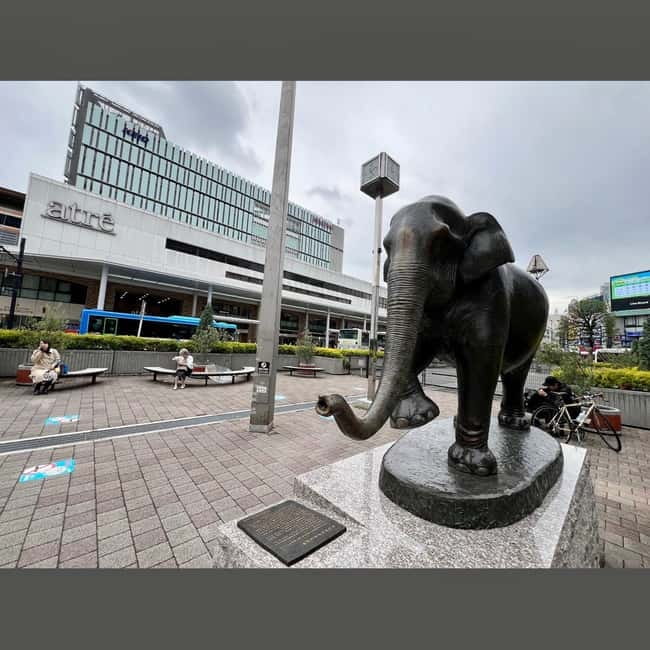
The meeting point is the Hanako Elephant Statue at Kichijoji Station’s North Exit. It’s a straightforward place to orient yourself, and the tour team helps you spot them by using a lanyard. If you’ve ever arrived in Tokyo and felt unsure who you’re supposed to be looking for, this is the kind of detail that saves time.
The guide contacts you on WhatsApp the day before to confirm details. That matters more than it sounds, especially if you’re juggling transit schedules. Bring comfortable shoes—this is a walk-first experience, and you’ll appreciate cushioning on the pavement.
Also note the tour runs rain or shine. In this part of Tokyo, weather changes can happen fast, but the plan stays the same, so pack like you’re going to be outdoors.
Kichijoji Sunroad: A Simple Walk That Sets the Tone
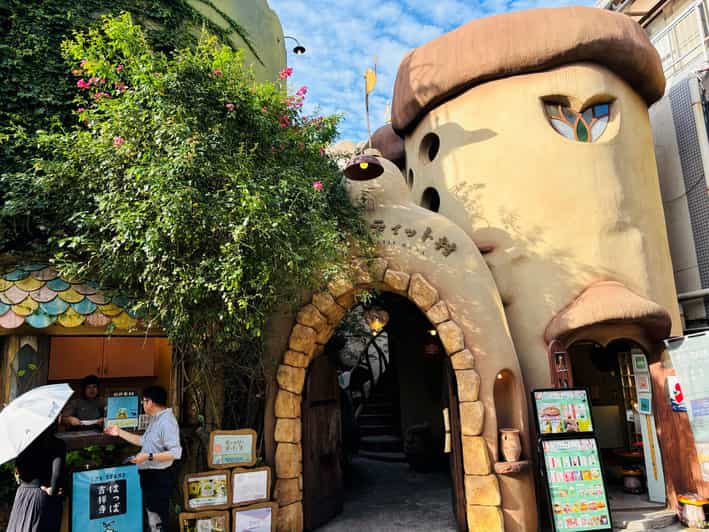
Right after you start, you’ll head into Kichijoji’s Sunroad area. This is a shopping stretch where Tokyo feels human-sized. Think small storefronts, everyday foot traffic, and that slightly nostalgic shopping vibe that makes you slow down without trying.
The guide keeps it useful, not just chatty. You get context for what you’re seeing—why this neighborhood has its particular character and how locals use these streets. It’s the kind of info that makes you feel like you understand the place, even if you’ve never been here before.
The guide also gives you permission to wander with purpose. You’ll know what to look for, and you’ll start noticing details on your own as you move to the next stop.
Harmonica Yokocho: Snack Time in a Narrow Street
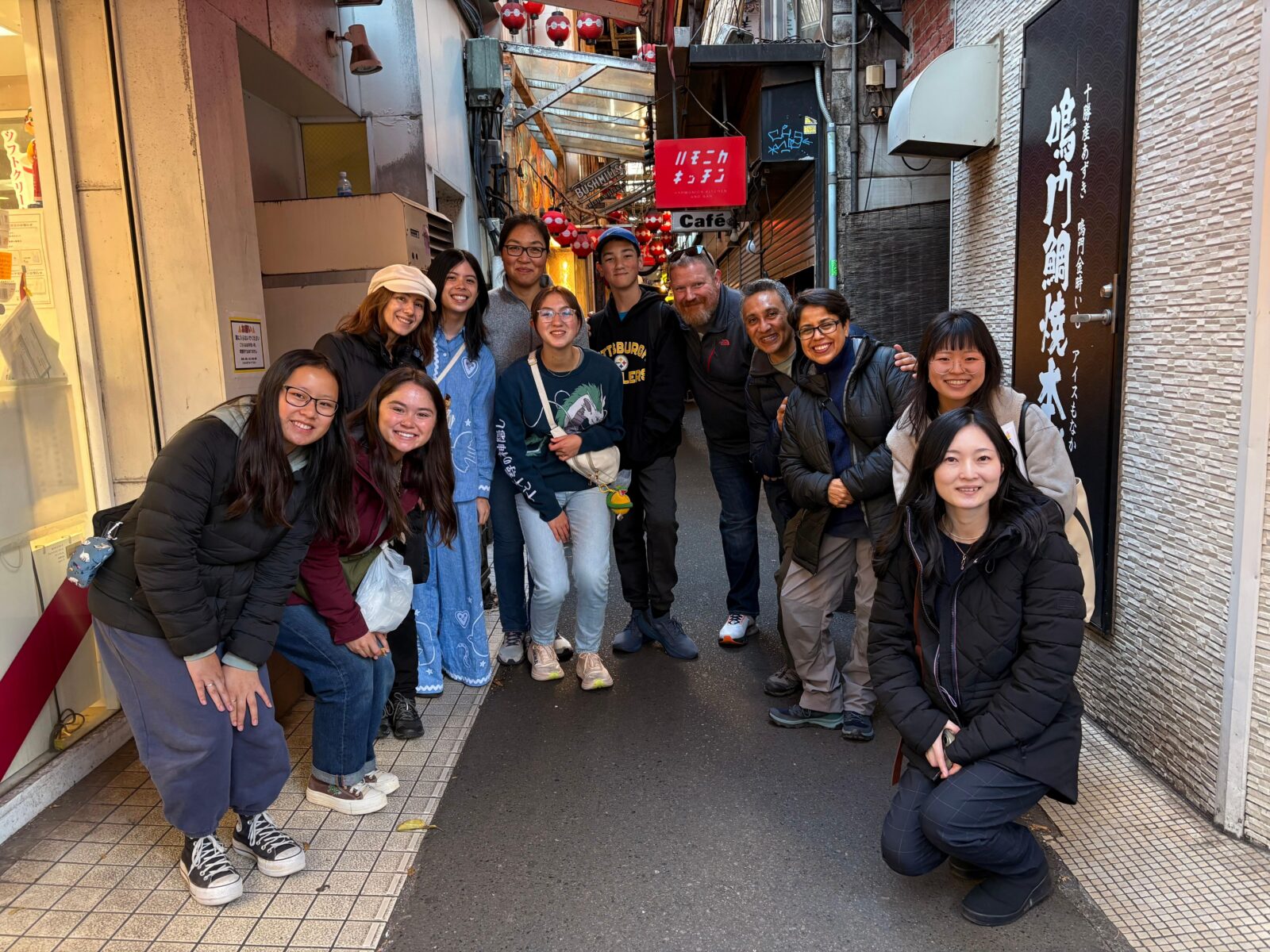
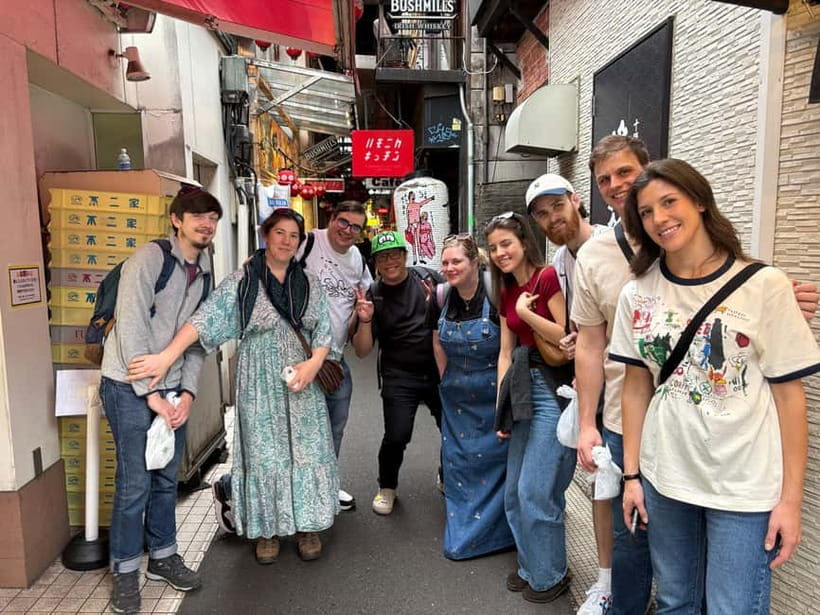
Harmonica Yokocho is the street moment that makes people grin. It’s narrow, packed with food choices, and it smells like you’re walking past lunch decisions already made.
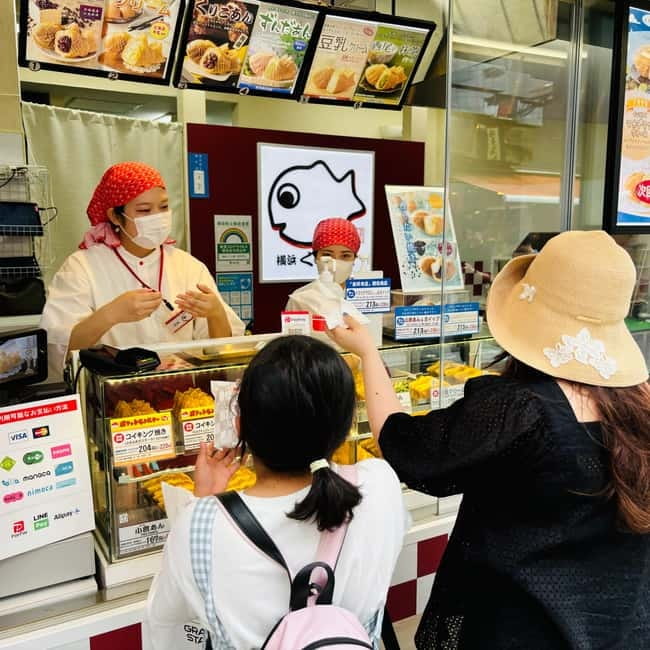
This is one of those areas where having a guide helps you avoid decision fatigue. You get guided time here, so you’re not stuck standing at the entrance while everyone else disappears into stalls. The tour includes a snack, which is a nice bridge from the morning walk to the park and museum timing.
From what I see in the experience details, you’re also getting a mini lesson in local shopping habits—where people go, how small food counters work, and how to order without turning it into a comedy of errors. And yes, the street really does live up to its name.
Inokashira Park: Where the City Exhales
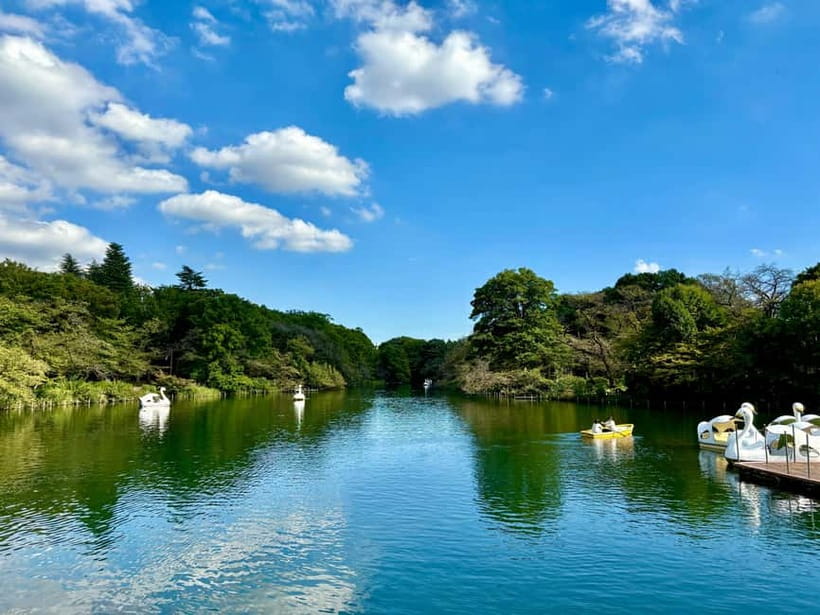
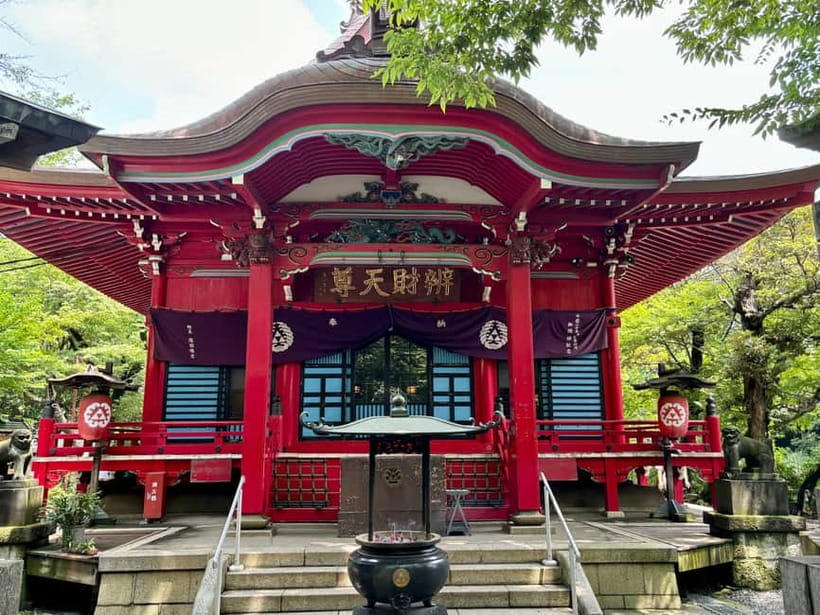
After the shopping streets, the tone changes. Inokashira Park feels like the reset button in the middle of Tokyo’s pace. Even in winter, it’s still a place locals use, which is exactly why it works for first-time visitors who want more than just sights.
The guide’s time here is short enough to keep you moving, but long enough to set you up for what to look for. You get a guided walk through the greenery and the calm water-side atmosphere, and then you can keep the park experience going at your own pace later.
One small detail that sticks: swan boats on the lake can be a surprise when you see them in person. That’s the kind of moment that makes you think, Oh right—this neighborhood isn’t just a transit stop. It’s a real hangout space.
This park portion is also family-friendly. Kids often handle it better than museums-only afternoons because it’s outdoors and you can stretch legs without needing a strict itinerary.
You can also read our reviews of more guided tours in Tokyo


Studio Ghibli Museum: Included Admission and a Real Plan
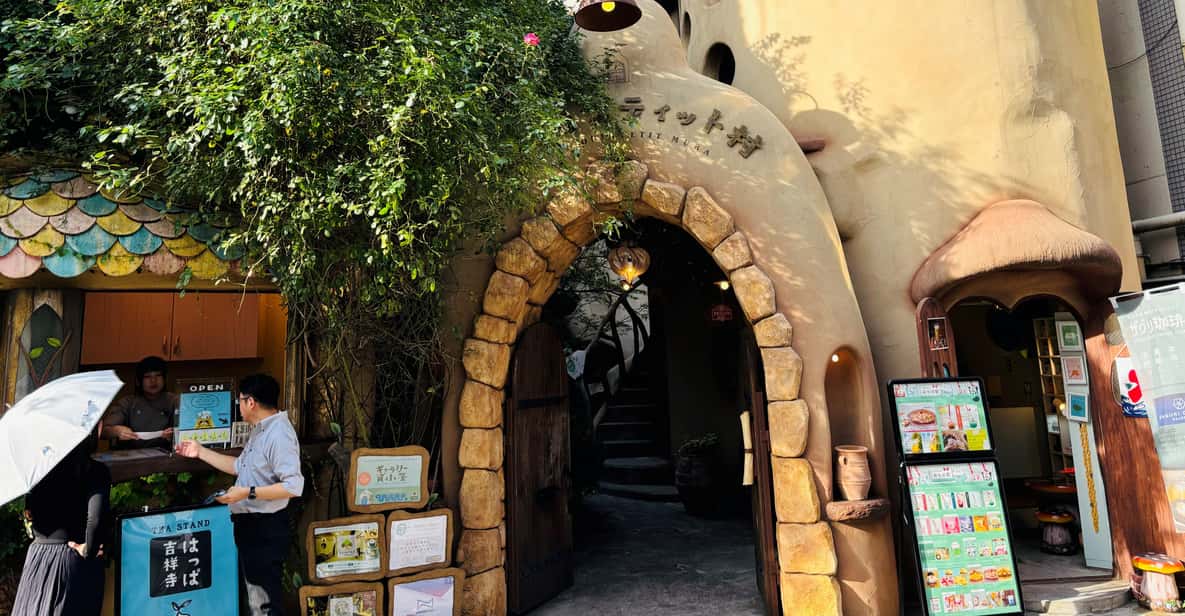
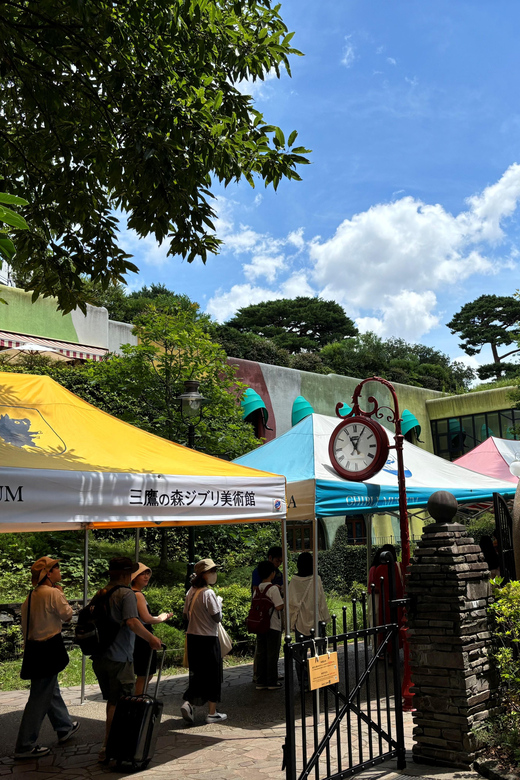
This is the reason many people book. The tour includes admission to the Studio Ghibli Museum, and you get time to experience it at your own pace afterward. For many visitors, the hardest part of a Ghibli trip is simply getting in. Here, that stress is mostly handled for you.
Your museum visit includes about two hours of free time. That’s enough to see the core exhibits and take in the atmosphere, but it’s not an all-day museum crawl. If you love Ghibli and could easily spend longer, this is the one area where you’ll want to manage expectations.
Photography rules inside the museum can be limited, so plan to enjoy what you see rather than turning the visit into a camera project. Still, there can be nice photo opportunities outside, so it’s worth watching for that timing after you enter the site area.
Practical flow tip from how the space is commonly navigated: there are stairs that can change your route direction. Some visitors find it helpful to start at the lower levels if you want to end near the gift shop up top, even though you still have to use stairs to exit.
Once inside, treat this like a choose-your-own-adventure. The guide gets you there, you get your ticket, and then you decide how to spend your time—scenes, sketches, and small details at whatever speed fits your group.
Group Size, Pace, and Why It Feels Friendly
This is a small group tour capped at five participants. That small size matters in Tokyo. You’re not shouting over crowds, and the guide can check in with people who lag behind.
The pacing matches that small-group approach: short guided stops, a couple of brief walking segments, and then a longer museum block where you control your time. People also like the fact that the guides are personable. Names that show up in guide experiences include Mina, Yuma, Daiske, and others—each described as warm, organized, and focused on keeping the day enjoyable.
Communication can be simple too. WhatsApp contact the day before keeps you from standing around wondering if you’re in the right place. Even if your Japanese is limited, you can still get through with English support plus translation help if needed.
Because it’s family-friendly, I like that it doesn’t feel like “forced culture class.” You get structure, but you still get freedom—especially at the museum.
Price and Value: Why $88 Can Make Sense
The headline price is $88 per person, and it can feel steep if you compare it only to the museum ticket line. But you’re not paying just for entry.
You’re paying for:
- Guide time across Kichijoji, not just a quick pickup
- The included snack
- A small-group, low-stress path to Ghibli admission, which is a big deal during ticket-demand periods
- Time management so you spend your day experiencing rather than solving logistics
Some people also mention that lunch happens as part of the day, but lunch is not listed as included in the tour price. Practically, that means you should budget for food separately, and the guide can help point you toward good options based on what you like.
If you’re a serious Ghibli fan and you know you might struggle with museum access on your own, the value is easier to see. You’re buying certainty and guidance, not just a ticket.
If you’re the type who can plan tickets and navigate confidently on your own, you might weigh whether the guide-only value feels worth it. For many visitors, though, the Kichijoji portion is a genuine payoff even before the museum doors open.
Food, Snacking, and Lunch Timing You’ll Want to Plan
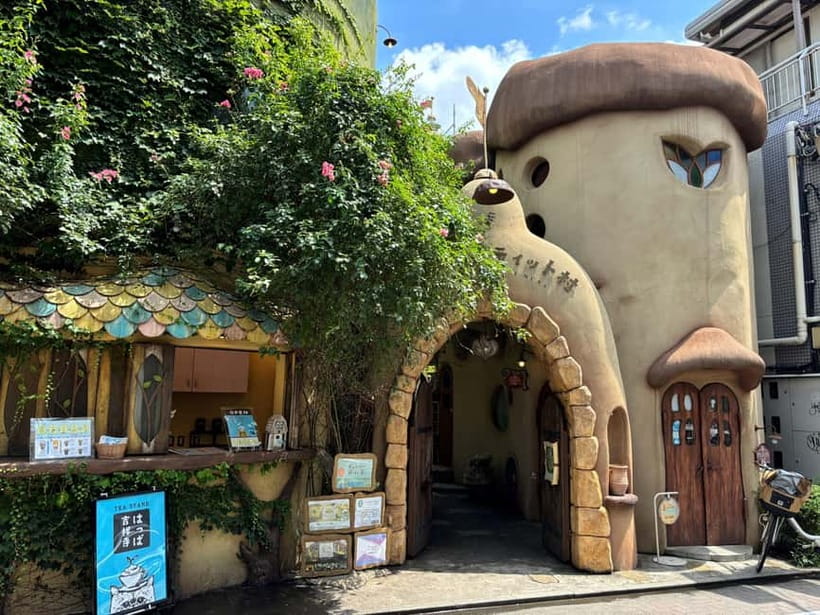
The tour includes a snack, and the streets you visit are designed for eating in small bites. That helps you avoid the classic Tokyo problem: you arrive hungry, then spend energy trying to decide what to eat instead of enjoying the neighborhood.
Lunch is not included, so you’ll want to decide based on timing and what you feel like. The rhythm of the day—shopping streets, then a park walk, then the museum—makes it smart to eat earlier rather than waiting too long. Several guide experiences mention local lunch spots like fish restaurants and desserts such as taiyaki, but your exact choice can vary based on preferences and group needs.
If you have dietary needs, it’s worth thinking ahead. Guides can often help find vegetarian-friendly options, but you should still expect to confirm details when your WhatsApp message arrives.
Practical takeaway: bring water if you get thirsty while walking, and don’t plan a huge sit-down lunch unless you’re confident about timing.
Who This Tour Suits Best
This tour fits people who want Tokyo in layers: neighborhood life first, then a major cultural stop. It’s especially good if you:
- Want a calmer afternoon with a guided pace
- Like anime, but also want a real Tokyo neighborhood day around it
- Travel as a couple or with kids who need a schedule that doesn’t drag
- Appreciate small-group attention over big-bus logistics
You might reconsider if you’re hoping for a marathon of nonstop sightseeing with minimal walking, or if you need lots of museum time for a slow, thorough read of every exhibit. Two hours at Ghibli is a good, workable block, but it’s still a block.
Also, photography expectations matter. If you’re planning to shoot a lot inside, review the museum’s limits ahead of time so you’re not surprised on arrival.
Should You Book This Kichijoji and Ghibli Tour?
Book it if you want the easiest path to Ghibli admission plus a neighborhood day that feels like Tokyo beyond the famous landmarks. The combination of Kichijoji’s street feel, Inokashira Park’s calm, and a guided setup that gets you into the museum with minimal stress is exactly what makes this kind of tour worth paying for.
Skip it if you already have a solid plan for museum tickets and you’re comfortable wandering Kichijoji without a guide. In that case, you could piece together a similar afternoon on your own—though you’d give up the small-group guidance and the included snack.
My simple rule: if getting into the museum is your main mission and you want your day to feel smooth, this is a smart use of time.
FAQ
FAQ
How long is the Tokyo Kichijoji walking tour?
The tour lasts 4 hours.
Where do we meet for the tour?
Meet at the Hanako Elephant Statue at Kichijoji Station North Exit. Look for a guide wearing a lanyard.
What’s included in the price?
Admission to the Ghibli Museum, the walking tour, a guide, and a snack are included.
Is lunch included?
Lunch is not included.
What language is the guide?
The live tour guide is available in English and Japanese.
How large is the group?
The group is small, limited to 5 participants.
Is the tour canceled if it rains?
The tour operates rain or shine.
Is photography allowed inside the Ghibli Museum?
Photography may be limited inside the museum.
What is the cancellation policy?
You can cancel up to 24 hours in advance for a full refund.