REVIEW · TOKYO BAY
Tokyo Bay: Traditional Japanese Yakatabune Dinner Cruise
Book on GetYourGuide →Operated by H.I.S. Co Ltd(TIC) · Bookable on GetYourGuide
A Tokyo night cruise on a yakatabune is a feast for your eyes and appetite. This Tokyo Bay dinner cruise pairs nighttime scenery with a real Japanese houseboat setting, including photo-friendly stops for Tokyo Skytree and Rainbow Bridge. I like that the onboard service keeps the meal moving (and the tempura shows up fresh), and I like that drinks are unlimited during the cruise. The main drawback to plan for: a lot of what’s happening and being explained may be in Japanese, and you may also share a table with other guests.
You’ll board at the Funasei Boat Pier in Shinagawa-Ku, with departures usually between 5:00 PM and 6:30 PM. Once you’re cruising, the dining room is fully air-conditioned, and you can sit either at a normal chair table or at a low table over a floor opening.
The cruise runs in rain, but it isn’t a flexible “anything goes” operation, so you’ll want to check updates if weather turns serious. For most people, it’s a smooth, memorable way to see Tokyo’s lights while eating one solid course after another.
In This Review
- Key things to know before you go
- Tokyo Bay by Yakatabune: What This Traditional Dinner Cruise Feels Like
- Funasei Pier in Shinagawa-Ku: Getting On Board Without Stress
- Night Views You Can Photograph: Skytree, Rainbow Bridge, Odaiba, and More
- The Full Course Dinner: A Real Japanese Menu, Not Just a Meal Ticket
- Unlimited Drinks: Turning a Meal Into Value
- Seating, Table Sharing, and Comfort: Small Details That Matter
- Language and Onboard Explanations: How Much English Should You Expect?
- Rain, Route Changes, and Timing: What Can Go Wrong
- Who This Cruise Is Best For (and Who Might Want a Different Plan)
- Price and Value: Is $108 Worth It?
- My Take: The Best Way to Enjoy This Cruise
- Should You Book This Tokyo Bay Yakatabune Dinner Cruise?
- FAQ
- How long is the Tokyo Bay yakatabune dinner cruise?
- Where do I meet for the cruise?
- What time does the cruise usually depart?
- What route and sights should I expect?
- Is the dinner included, and what is it like?
- Are drinks included?
- Can they accommodate dietary requirements?
- What seating options are available on board?
- Will the cruise operate in rain?
- Is English provided during the cruise?
Key things to know before you go
- Yakatabune tradition on the water: You’re dining on a Japanese houseboat, not a generic boat with buffet food.
- Skytree and Rainbow Bridge photo moments: The route typically includes both, with chances to get outside for shots.
- A full multi-course dinner: From sashimi and tempura to rice, noodles, and dessert, it’s not a light meal.
- Unlimited drinks in a big range: Beer, sake, shochu, wine, whiskey, plum liqueur, plus soft drinks.
- Comfort setup inside: Fully air-conditioned with either chair seating or a low table over a floor opening.
- Language can be a factor: Some commentary may be in Japanese, but the crew often helps with practical needs.
Tokyo Bay by Yakatabune: What This Traditional Dinner Cruise Feels Like
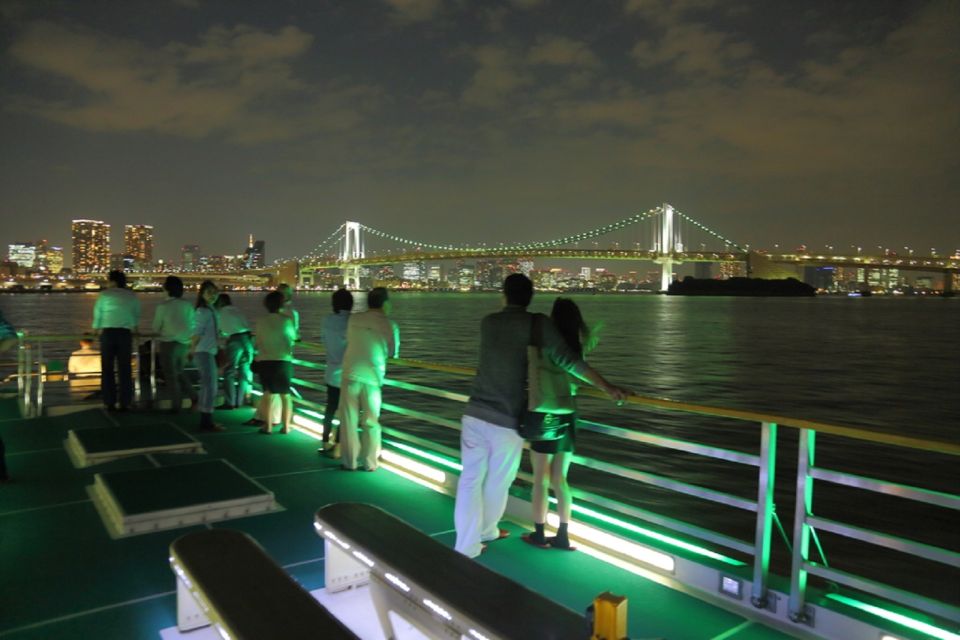
A yakatabune dinner cruise is one of those Tokyo experiences that doesn’t feel like a theme park. It’s grounded in a real local tradition: houseboats built for dining on the water. On board, you’re surrounded by the glow of the city and the simple rhythms of meal service—courses arriving, plates setting down, and staff keeping everything moving.
I also like how the boat atmosphere feels social in a Japanese way. In the evenings, you’ll often share the vibe with local families and groups, not just people hunting for a quick souvenir photo. That matters, because it changes the tone. You’re not watching the city from a crowd of strangers on a big tour bus; you’re eating and interacting on a smaller platform tied to the water.
The experience is also very “Tokyo by night” without you needing a second plan. When the lights reflect on the bay and the river, you get that cinematic feel fast. And because the cruise includes a structured dinner (not just a drink-and-snack boat), the night feels like an event rather than transportation.
Funasei Pier in Shinagawa-Ku: Getting On Board Without Stress
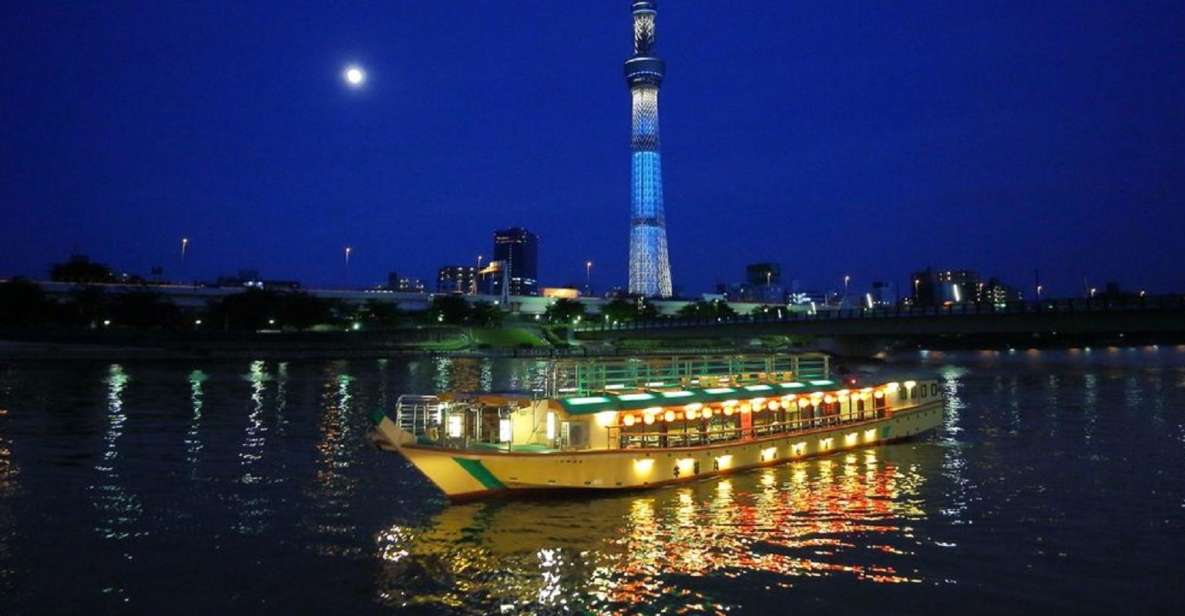
Your meeting point is the Funasei Boat Pier in Shinagawa-Ku. Departures typically fall between 5:00 PM and 6:30 PM, depending on the date and weather. The exact departure time gets confirmed by email, so plan your day around that message, not just a guess.
Check-in timing is important. You’ll want to arrive about 30 minutes before departure, because if you’re late you may not receive a refund. If you’re coming by taxi (often the easiest option), build in a buffer for finding the pier. Some travelers noted that Google Maps can send people to the wrong place, so treat navigation apps as a starting point, not the final answer.
One more small practical detail: the route can change. That doesn’t mean the cruise is chaotic—it just means the operator adjusts for conditions. For you, the takeaway is simple: don’t schedule a tight connection right after the cruise ends. Tokyo traffic happens.
Night Views You Can Photograph: Skytree, Rainbow Bridge, Odaiba, and More
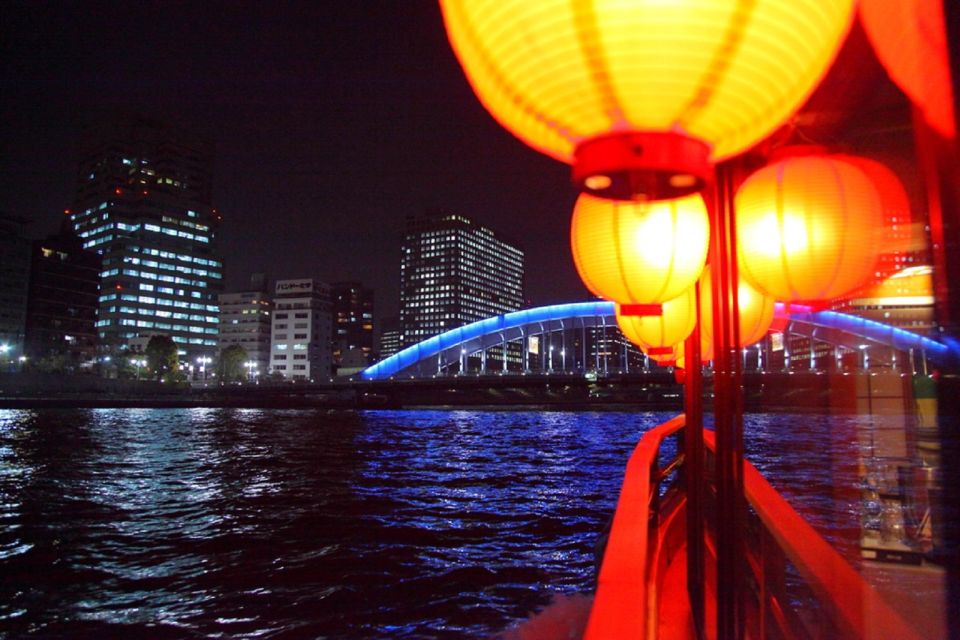
This is the part most people remember. The cruise is designed to take you along sections of Tokyo’s waterfront where landmarks pop in the dark. You’ll typically travel from Shinagawa area toward Tokyo Bay and through river scenery, with stops or slow passes that line up with major sights.
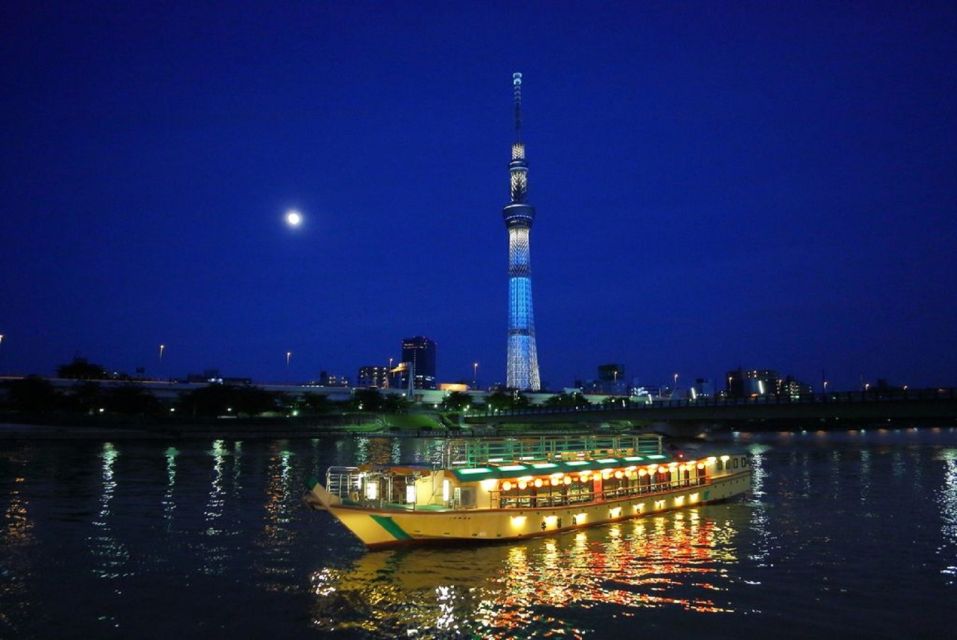
Tokyo Skytree is a highlight. You get a photo-ready moment with the tower lit up in the night sky. Rainbow Bridge is another key target. It’s the kind of bridge that looks good from anywhere, but it’s extra dramatic from the water when the city is reflecting around it.
Odaiba often shows up too, and that’s a bonus if you like wide-open city views. Since you have an observatory deck on top of the boat, you can step out (when you’re allowed) and frame the skyline for photos. Reviews also mention that staff help with group photos during certain stops, so you’re not stuck asking strangers to shoot your picture.
Reality check: the exact viewing plan can shift due to weather and route adjustments. Still, the cruise is built around the idea that you’ll see multiple “Tokyo at night” landmarks, not just pass by the general skyline.
The Full Course Dinner: A Real Japanese Menu, Not Just a Meal Ticket
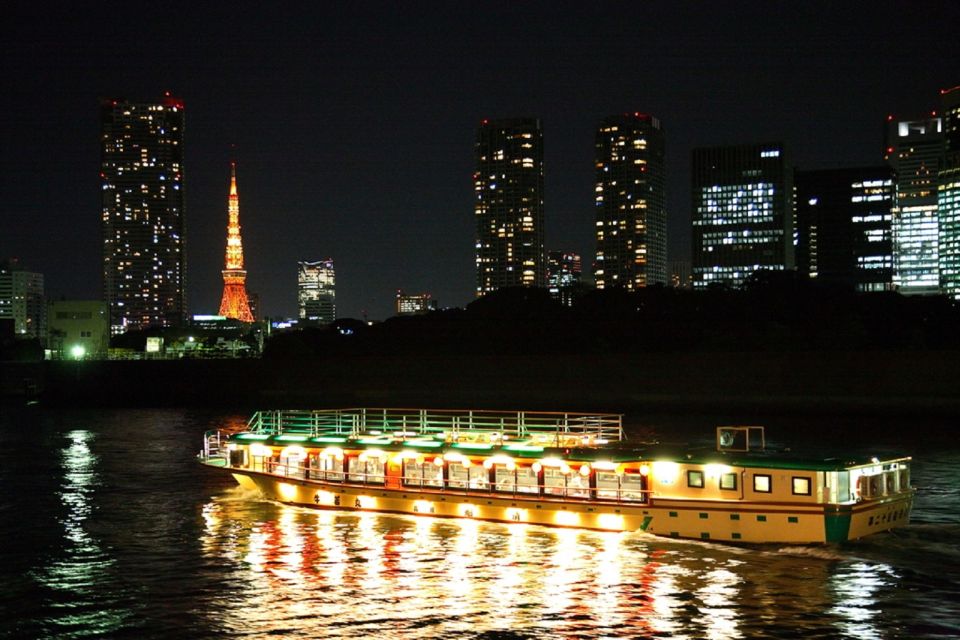
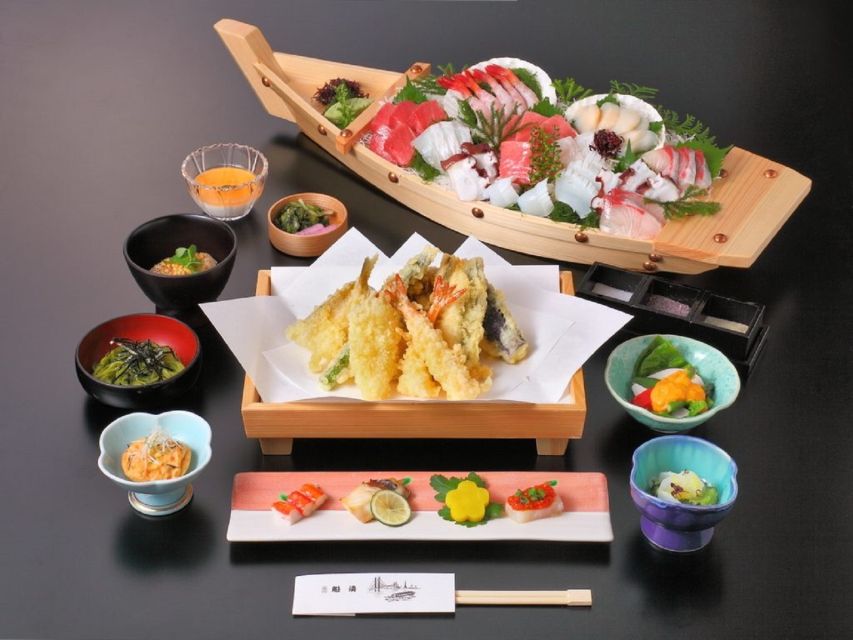
The dinner is a multi-course Japanese-style set, freshly prepared that day. This matters because yakatabune cruises can vary. Here, you’re getting a menu that includes multiple textures and seafood-forward items, plus warm fried tempura and a finishing dessert.
Here’s what’s in the course flow:
- Shikidashi plus vegetables and kobachi (starter assortment)
- A sashimi boat (seafood highlight)
- Fresh tempura (served hot; some travelers noted it’s prepared in stages so food keeps arriving)
- A seasonal rice dish
- Konomono (vegetables)
- Salad
- Shime no men (noodles)
- Dessert
If you’re thinking food will be rushed, don’t. Service is paced course-by-course, and drinks are kept flowing. A few reviews specifically mentioned the staff moving frequently to deliver items so you get fresh tempura rather than one lump of fried food.
Dining setup is also worth knowing. The dining room is fully air-conditioned. You’ll either sit at:
- a standard table with chairs, or
- a low table over a hole in the floor (traditional style)
That second option is great if you’re comfortable sitting low. If you hate it, choose the chair seating when available.
One helpful bonus for non-Japanese speakers: there are typically table labels in English that explain what goes with what (for example, when to use soy sauce for sashimi). It won’t replace explanations from a guide, but it helps you eat properly without guessing.
Unlimited Drinks: Turning a Meal Into Value
The drink situation is one of the biggest reasons this cruise feels like good value. The package includes unlimited drinks, and the range is wide: beer, shochu, Japanese sake, wine, whiskey, plum liqueur, and soft drinks.
Practically, that means you don’t have to decide in advance whether to order alcohol or worry about budget after the first drink. You can try different options—especially if you’re curious about plum liqueur and want something sweet and easy to sip.
Some travelers reported that drink orders work quickly via a code at the bar (you scan and drinks appear fast). Even if your method differs, the key point is that the bar is active and service is frequent.
My advice: pace yourself. This is a 3-hour dinner with multiple courses, so even if drinks are unlimited, you’ll enjoy the cruise more if you alternate water with alcohol. You’ll want clear judgment for stepping on and off the top deck for photos.
Seating, Table Sharing, and Comfort: Small Details That Matter
You might share a table with other guests, up to 6 people. That’s not automatically bad—it can add to the fun, and staff are used to helping groups settle in. But if you’re on a date night and want private conversation, be aware that table sharing can change the feel.
Your seat style also affects comfort. Chair seating can be easier if you’re used to western dining. Low-table seating over a floor opening is traditional, but it takes a bit of adjustment, especially if you’re not great with kneeling or sitting on the floor for a while.
The upside is that the dining room is air-conditioned. So even when Tokyo is muggy or rainy, you won’t be cooked inside.
Language and Onboard Explanations: How Much English Should You Expect?
The honest answer: you should plan for limited English during the sightseeing commentary. Several reviews noted that much of the information and emceeing is in Japanese. That means you might miss the verbal explanation of landmarks while cruising.
The good news is that the crew tends to compensate with action and practical help. Staff often guide you on where to go for top-deck photos, how to order drinks, and how the meal service works. And the table labels in English help you navigate the dinner course without needing a full translation of everything being said.
If you’re the type who loves learning stories behind landmarks, this is the one area where the cruise won’t fully deliver. If you’re there mainly for the food and nighttime views, you’ll still get a lot out of it.
A simple strategy: learn a few basics in Japanese (arigato, sumimasen, onegai) and rely on visual cues and staff directions. You’ll spend more time enjoying the moment and less time worrying about the language gap.
Rain, Route Changes, and Timing: What Can Go Wrong
This cruise operates in rain. That’s reassuring, because Tokyo evenings can flip from clear to rainy fast. Still, there are limits: it won’t run under special circumstances like earthquake, tsunami, or storm.
If the cruise is canceled, you’ll be contacted by email. Also, since the route can change, you shouldn’t assume you’ll see exactly the same angle of every landmark on every departure.
Timing is the real “you can control this” issue. Check in 30 minutes early, and don’t plan to slide in at the last second. Late arrival can mean you won’t get a refund.
Who This Cruise Is Best For (and Who Might Want a Different Plan)
I think this works especially well for:
- food lovers who want a proper multi-course Japanese meal
- people who want an easy, one-ticket Tokyo night plan with a built-in schedule
- couples and families who enjoy traditional settings
- anyone who wants landmark views without managing trains and transfers for one evening
It may be less ideal if:
- you have strict dietary requirements (dinner can’t be catered)
- you strongly prefer private, silent dining (table sharing can happen)
- you expect English sightseeing narration throughout (language may be mostly Japanese)
Families are often a good fit because the meal structure is clear and service is organized. Reviews also mention that infants aged 3 to 5 may receive a special meal, which makes the experience easier for families traveling with kids.
Price and Value: Is $108 Worth It?
At $108 per person for a 3-hour evening, this isn’t a budget activity. But it can be good value because you’re paying for three things together:
- a long-ish cruise duration
- a full course Japanese dinner (not just appetizers)
- unlimited drinks across multiple alcohol types plus soft drinks
In Tokyo, eating well and adding alcohol can add up fast. Here, the “risk” of over-ordering drinks mostly disappears. You can sample and enjoy without calculating every purchase.
You’re also buying convenience. Hotel pickup and drop-off are not included, but once you’re at Shinagawa-Ku for check-in, the evening runs as a guided experience with a set service rhythm.
If you’re the type who wants both a meal and a night view plan, it’s easier to justify. If you mainly want a quick harbor cruise with minimal food, you may find this pricier than you need.
My Take: The Best Way to Enjoy This Cruise
Go in with the right mindset: this is a dining experience first, sightseeing second. The lights are a major part of the charm, but the structure of the dinner is what keeps the night special.
Before you board:
- expect table sharing up to 6
- plan to use the English labels at the table if you need help
- wear something comfortable for low-table seating
- keep your phone ready for top-deck photo windows
During the cruise:
- try the tempura while it’s fresh and hot
- taste a few drinks slowly instead of locking into one
- take photos when staff signal or when the boat stops near landmark moments
If you’re celebrating a birthday or honeymoon, it’s worth keeping an eye out for small touches. Some people reported the crew adding a surprise gift.
Should You Book This Tokyo Bay Yakatabune Dinner Cruise?
Book it if you want a classic Tokyo night experience that’s genuinely more than sightseeing. The combination of a full course dinner, unlimited drinks, and landmark photo opportunities (Skytree and Rainbow Bridge) makes the price feel rational.
Skip it (or look for another option) if you need catered dietary meals, want nonstop English commentary, or dislike the idea of sharing a table.
My final advice: book early. This kind of cruise fills up, and the people who plan ahead get better choices for seating and timing.
FAQ
How long is the Tokyo Bay yakatabune dinner cruise?
The duration is about 3 hours.
Where do I meet for the cruise?
You meet at the Funasei Boat Pier in Shinagawa-Ku.
What time does the cruise usually depart?
Departure time is typically between 5:00 PM and 6:30 PM, and the exact time is confirmed by email.
What route and sights should I expect?
The route usually includes Tokyo Bay and the Sumida River area, with sightseeing of Tokyo Skytree and Rainbow Bridge. Odaiba is also commonly included, and the route can change.
Is the dinner included, and what is it like?
Yes. You get a Japanese-style course meal with multiple dishes, including sashimi, tempura, seasonal rice, noodles, and dessert.
Are drinks included?
Yes. Unlimited drinks are included, such as beer, shochu, Japanese sake, wine, whiskey, plum liqueur, and soft drinks.
Can they accommodate dietary requirements?
No. The dinner cannot be catered for dietary requirements.
What seating options are available on board?
The dining room is air-conditioned, and you can sit at a table with chairs or at a low table over a hole in the floor.
Will the cruise operate in rain?
Yes, it operates in rain. It may be canceled for special circumstances, and you’ll be notified by email if canceled.
Is English provided during the cruise?
The onboard information may be mostly in Japanese. Some staff may still help with practical items like ordering drinks and where to go for photos, and there are table labels in English to help you during the meal.