Tokyo clicks faster with a local by your side. This private, custom walking tour is built around your interests and pace, so you get a Tokyo day that feels less like a checklist and more like a smart friend showing you around.
I especially like the personalized planning. You fill out a quick questionnaire, then your host shapes a route based on what you actually care about, from temples and traditional neighborhoods to street fashion and anime. I also like the flexibility. Your guide can adjust on the fly, including swapping plans when the weather changes or when you want to linger somewhere.
One thing to consider: this is a walking experience, and food/tickets aren’t included. You’ll likely use public transport or taxis between stops (costs depend on what’s needed), so it’s not the best fit if you want a car-heavy, low-step day.
In This Review
- Key things to know before you book
- Starting in Asakusa: a practical launch point
- How the questionnaire turns into your kind of Tokyo
- Flexibility on foot: what “custom” means day-to-day
- Yanaka and side streets: the Tokyo you spot only when you slow down
- Mixing tradition and pop culture without whiplash
- Food and tickets: how to budget when nothing is included
- Getting around between neighborhoods (and the real cost of transit)
- Hotel pickup: when it’s worth it
- Price and value: is $64 per person fair?
- Who this tour fits best
- Should you book this Tokyo custom walking tour?
- FAQ
- How long is the Tokyo custom walking tour?
- Is this tour private?
- What languages are the guides?
- Where do I meet the guide?
- What’s included in the price?
- Are food, drinks, and attraction tickets included?
- Will I use public transportation during the tour?
Key things to know before you book
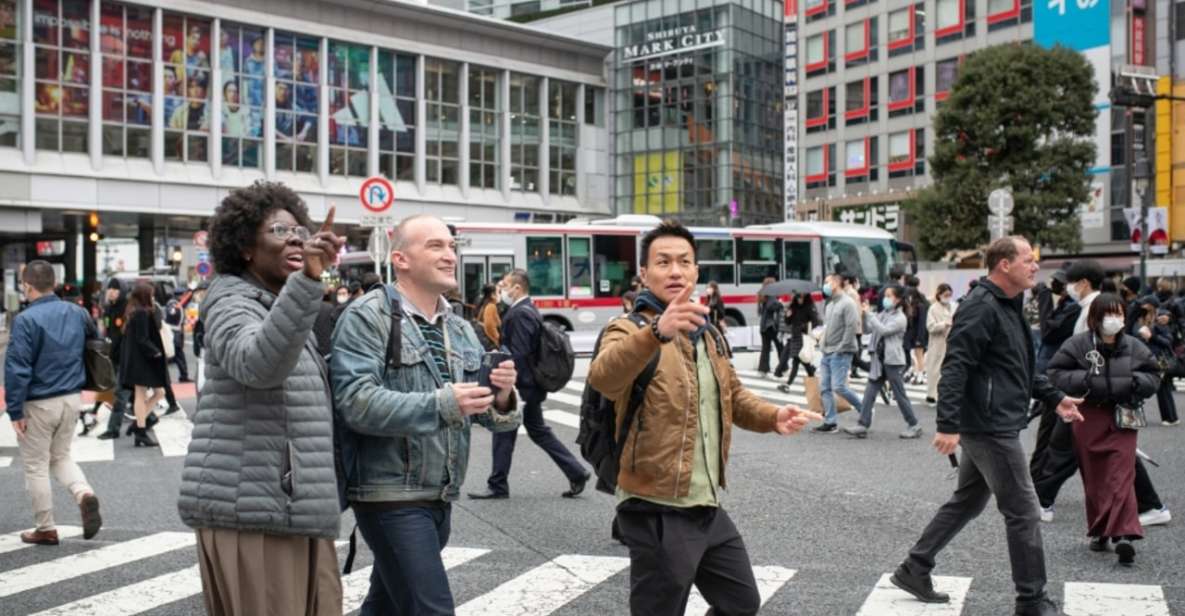
- Your day is tailored using a pre-tour questionnaire, with a like-minded host matched to your interests.
- You can go beyond the famous lanes with side streets, small shops, and quieter neighborhoods like Yanaka.
- A guide you can contact directly helps keep the plan flexible and responsive.
- 2 to 8 hours gives real control: you can do a focused sprint or a longer neighborhood-hopping day.
- It’s private, but still on foot—expect walking first, then optional transit between areas.
- You can request specific themes that guides have handled well, like anime/manga, Harajuku style, or sumo culture.
Starting in Asakusa: a practical launch point
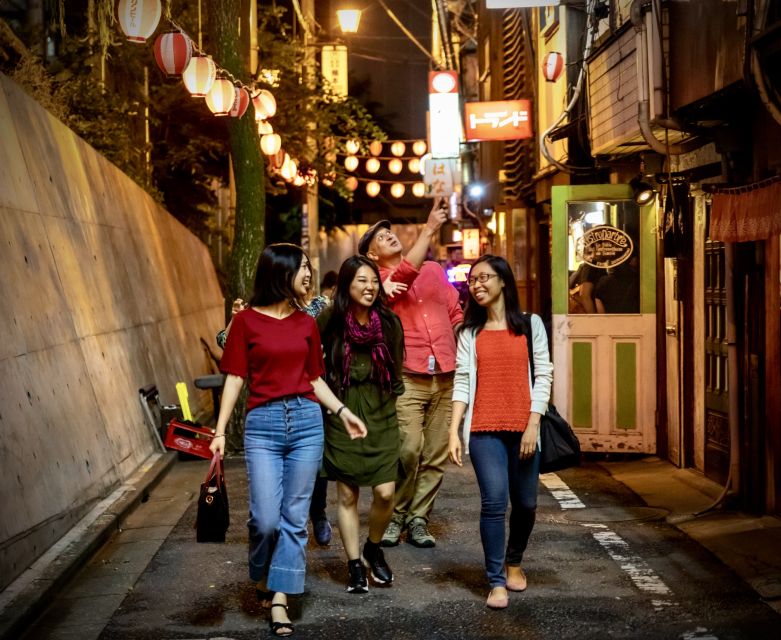
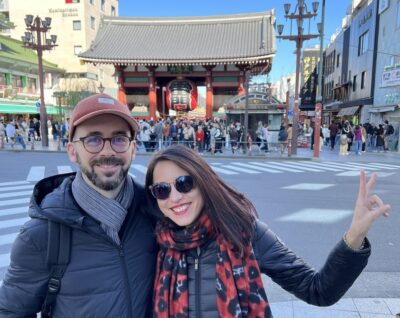
The meet-up is simple and central: Asakusa Culture Tourist Information Center (2-chōme-18-9 Kaminarimon, Taito City). Starting here is useful because it’s a real neighborhood, not just a landmark. As you walk, you get that Tokyo rhythm fast: small streets, local storefronts, and the feeling that the city is built for people who wander.
If you arrange hotel pickup, it’s designed for centrally located hotels, so you’re not spending your prime energy herding yourself through stations before the tour even begins. That matters. In Tokyo, “getting there” can steal time. Here, the goal is to help you spend more of your day actually moving through neighborhoods.
The big takeaway: you’re not just moving between sights. You’re learning how Tokyo looks and sounds at street level.
You can also read our reviews of more guided tours in Tokyo

How the questionnaire turns into your kind of Tokyo
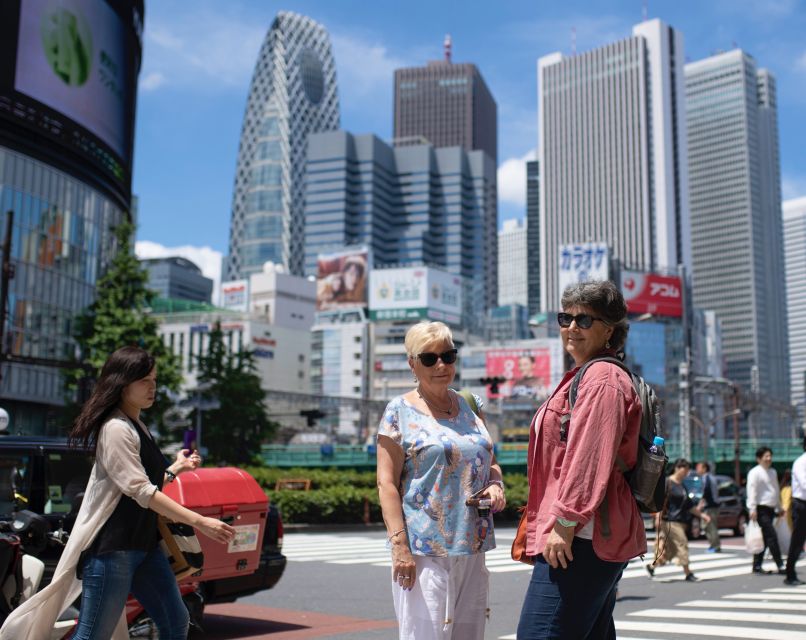
Before you meet your guide, you’ll get a questionnaire about your interests and personality. Then you’re assigned a host who matches your vibe, and you communicate directly to refine the plan.
This is where the tour becomes more than a route. If you want a day built around anime and manga, or you’re curious about Japanese culture through temples and everyday life, the guide can steer you accordingly. One guide matching can even mean you get the difference between watching street fashion as spectacle versus understanding what you’re seeing and why people dress that way.
You’ll also get pacing control. If your ideal day includes stopping for photos, asking questions, or just taking things slowly, you can say that. If you want to cover more ground, you can too. The tour is built to shift based on you, not the other way around.
Flexibility on foot: what “custom” means day-to-day
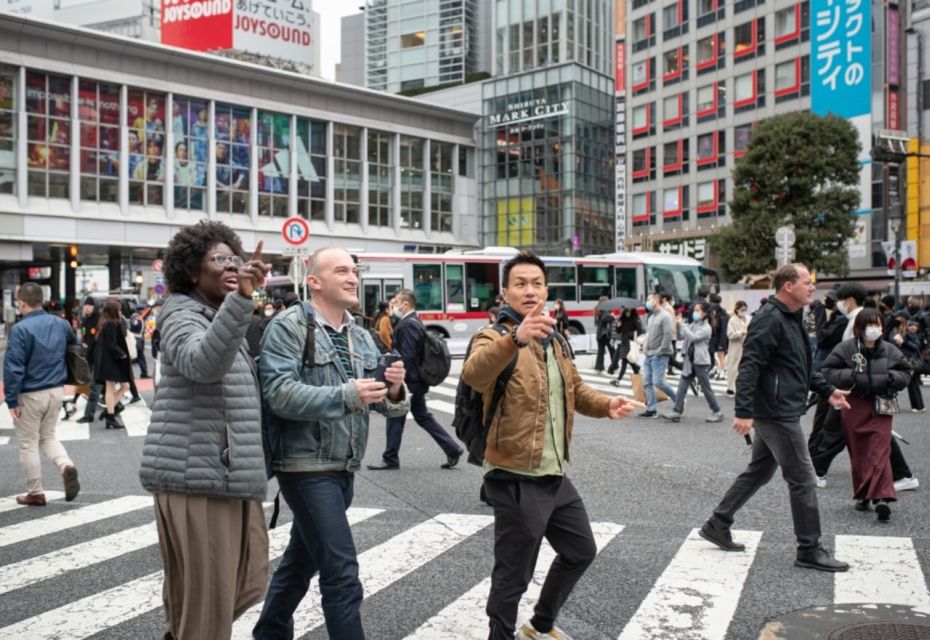
Tokyo days can change. Weather changes. Lines get long. A shop you didn’t plan to see becomes the highlight. On this tour, your host can react.
This isn’t flexibility as a slogan. It’s practical. If rain shows up, a good guide can reroute to indoor-friendly areas and keep your time meaningful. If you’re curious about how to navigate transit, some guides have shared hands-on subway guidance with first-timers, which can save you hours later in your trip.
And because it’s private, your guide isn’t trying to keep a whole group together. You can adjust your pace without the awkward feeling that you’re holding people back.
If you want to get the most out of the flexibility, do this: before you lock in your theme, tell your host what would make you happiest in the next 60–90 minutes—quiet, busy, traditional, modern, food-focused, or photo-focused. That gives the guide something concrete to build around.
Yanaka and side streets: the Tokyo you spot only when you slow down
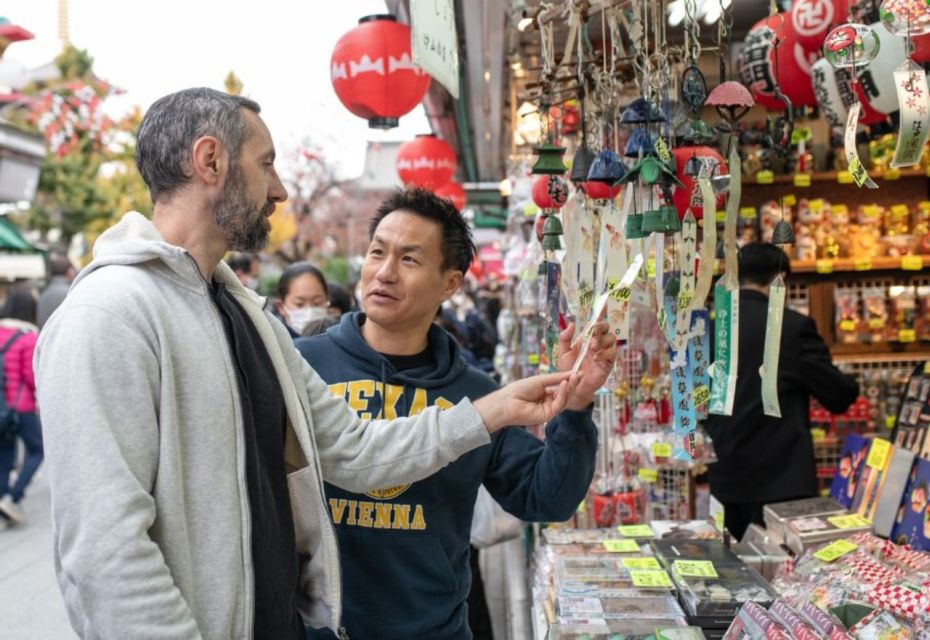
One of the most praised neighborhood directions is Yanaka, known for its old-world charm. On a custom walking day, that translates to a different Tokyo feeling: smaller streets, a sense of continuity, and places that feel like they’ve been serving the neighborhood for years.
The tour also leans into the street texture that guidebooks often flatten into photos. You might wander tiny alleyways lined with independent shops, then pivot to a quieter cultural moment—like a calm teahouse experience where you can pause and take in a slower Tokyo pace.
A key advantage here is context. A guide can point out what you’re actually looking at: the kind of shops that carry local character, the difference between a tourist-facing storefront and what locals use, and how neighborhoods change block by block. That’s the kind of detail that turns a nice walk into understanding.
Just remember: these are walking neighborhoods. Comfortable shoes aren’t optional. Tokyo pavement is great for photos and bad for sore feet.
Mixing tradition and pop culture without whiplash
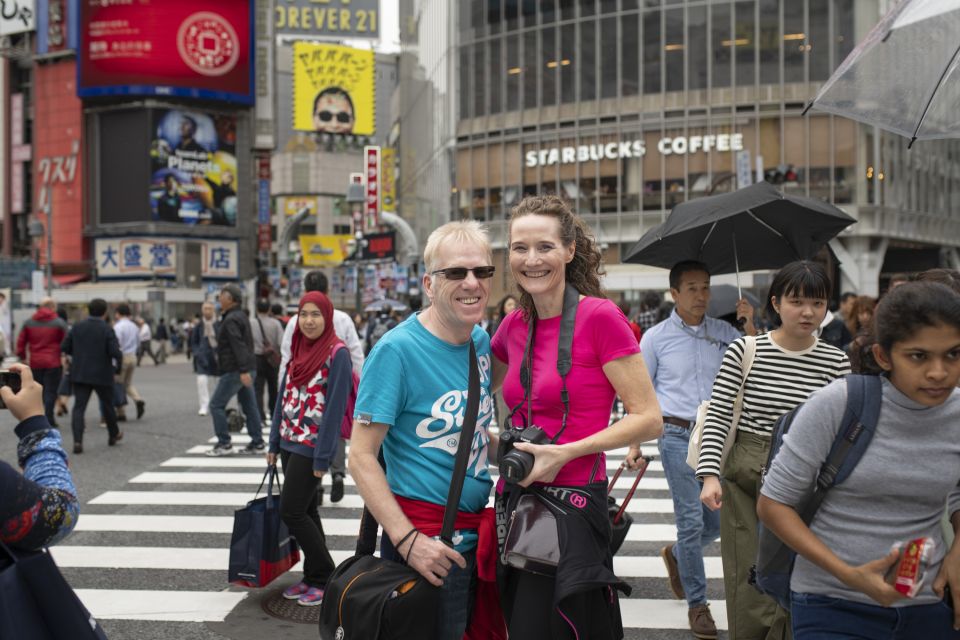
Tokyo has a superpower: it can hold old and new in the same day. This tour is designed to let you do that without feeling like you’re speed-running categories.
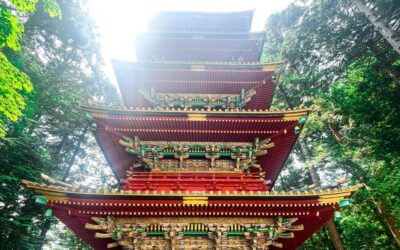
For tradition-side interests, guides have leaned into temples and modern cityscapes, plus cultural explanations tied to Buddhism and everyday life. If you’re the type who wants meaning (not just architecture photos), that’s where you’ll likely feel the tour click.
For pop culture, you can ask for routes around Harajuku and the kind of street energy that makes Takeshita Street famous. Some hosts have guided visitors through that scene and then contrasted it with nearby higher-end shopping—an easy way to see how Tokyo style can range from playful to polished within minutes.
If your interests skew toward anime and manga, that’s also a common theme. You might not get the same shopping stops every time, but the point is the guide can tailor the route around what you’re excited to see, not what’s easiest for mass tourism.
Best strategy: tell your guide you want a mix, then choose the ratio. If you want 70% tradition and 30% pop, say it. If it’s the reverse, say that too. Your host can shape the day.



Food and tickets: how to budget when nothing is included
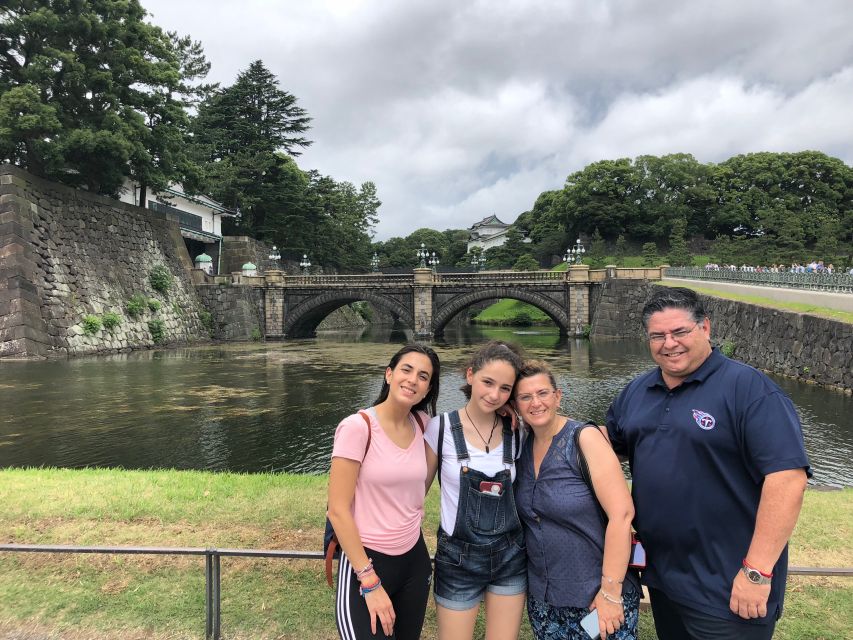
Food, drinks, and attraction tickets aren’t included. That means you control the splurges and the tastes, which can be a good thing. But you should budget for it up front.
Here’s how to handle it smartly:
- Tell your guide what you want to eat (or what you want to avoid).
- Ask for options in the exact areas you’re walking through, not a random far-off recommendation.
- Expect to pay at the time of your meal or ticket.
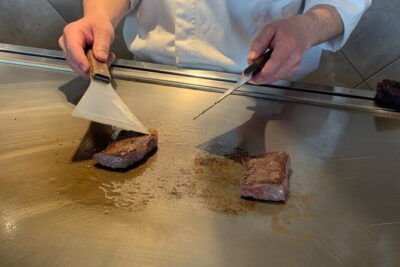
In past experiences with similar hosting, guides have helped arrange hands-on food moments, including working with chefs when language was a barrier. Even when tickets aren’t part of the plan, good hosts often know what’s worth paying for and what’s better enjoyed from the street.
My practical tip: set a food budget per person before you go, and treat it like part of the tour cost. That keeps you from making decisions while hungry, which in Tokyo is how you accidentally end up with an expensive meal you didn’t want.
Getting around between neighborhoods (and the real cost of transit)
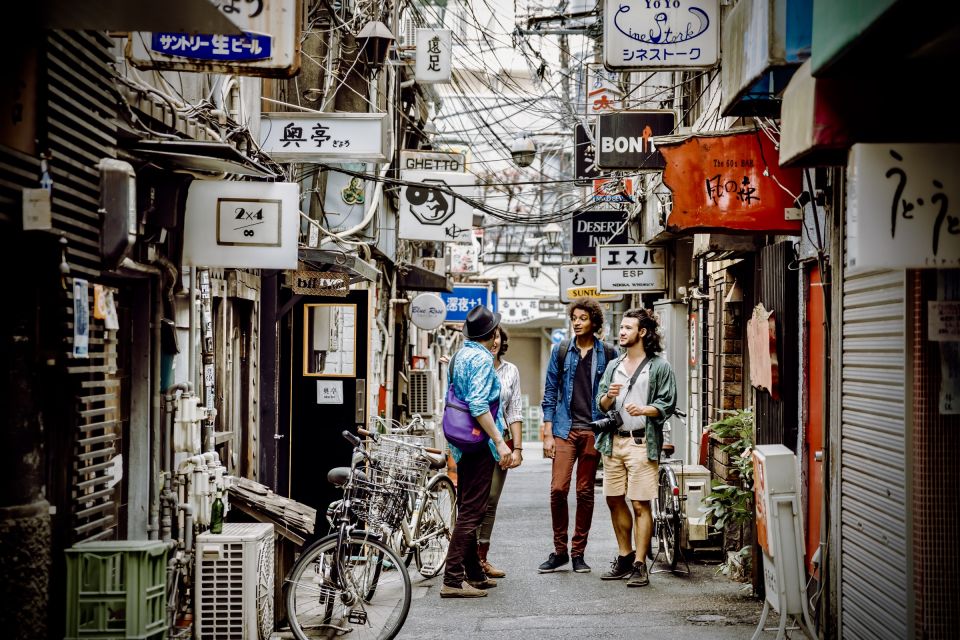
This is a walking tour with no private vehicle. Between stops, public transport or taxis may be used, and transportation costs can be discussed with your host after booking.
That’s important because Tokyo walking can be deceptive. Some days feel like slow strolling; other days are a sequence of neighborhoods that are close on the map but not always close on foot. Your guide will likely balance distance, street comfort, and what fits your 2–8 hour time window.
If you want minimal transit, ask early. If you’re okay with short subway hops to unlock better variety, say that too. Your host can build the route around your tolerance, and it keeps the day from turning into an endurance test.
Hotel pickup: when it’s worth it
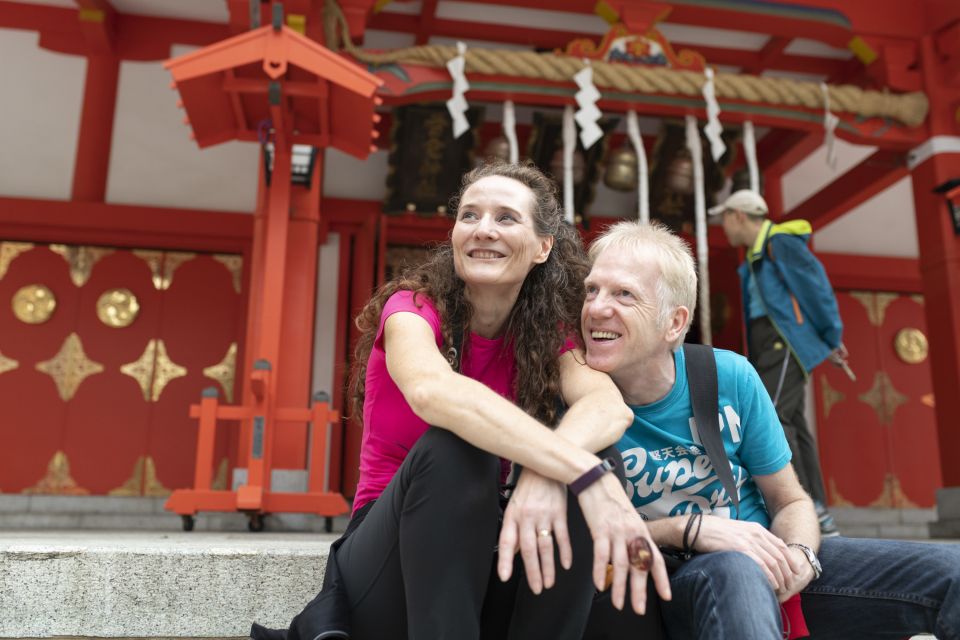
Hotel pickup can be arranged from centrally located hotels. If your lodging is near train lines and major areas, pickup can make the tour start smoother. If you’re staying far out, you may need to meet at the Asakusa information center instead (or cover the journey on your own).
Either way, the goal is simple: start the tour without wasting time. Tokyo is too good to spend your morning figuring out how to get to it.
If you want the easiest day, prioritize hotels in central Tokyo and choose a duration that matches your energy level.
Price and value: is $64 per person fair?
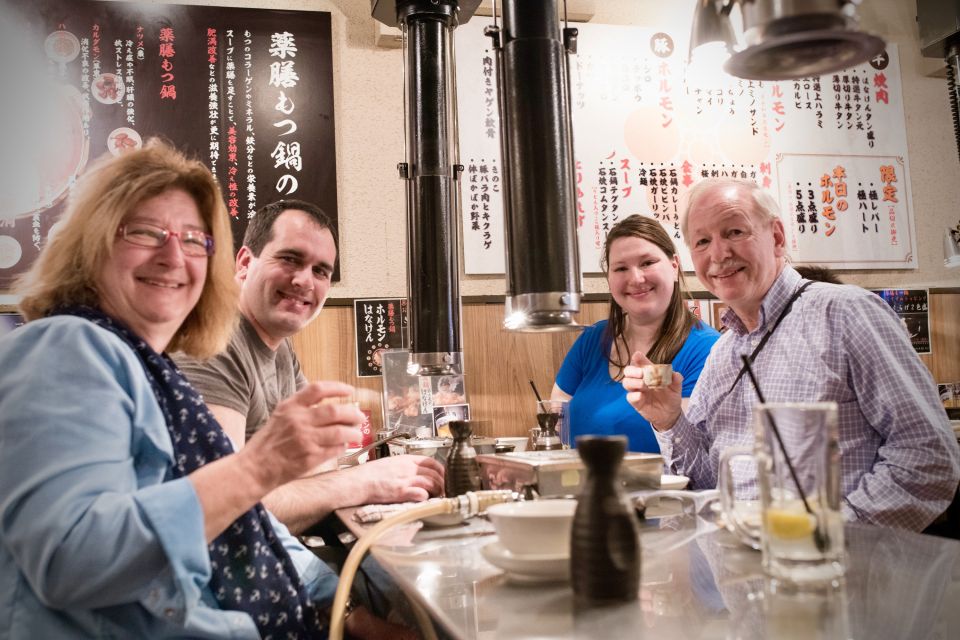
At $64 per person, the value is strongest when you use what you’re paying for: privacy, personalization, and a local host who can reshape your day.
You’re not just buying access to a route. You’re buying:
- a guide matched to your interests through a pre-tour questionnaire,
- direct communication to plan the day with a real person,
- flexibility for weather, pacing, and spontaneous stops,
- and a walking-first style that brings you into neighborhoods you might skip on your own.
The “watch-outs” for value are equally clear:
- food, drinks, and tickets aren’t included,
- transit between areas may cost extra,
- and you’re walking, so you’ll want to bring the right expectations.
If you’re in Tokyo for a short stay or you’re going to feel disappointed if your day becomes a string of crowded landmarks, this price can feel like a bargain. If you already know exactly what neighborhoods you want and you don’t want to walk much, a custom guide may not add enough.
But for the sweet spot—someone who wants a local plan and a personal touch—$64 for a private, flexible day can be a very sensible spend.
Who this tour fits best
I’d book this if you:
- want Tokyo beyond the big-photo stops,
- like the idea of a day that can pivot (not one that punishes you for not being in the right place at the right time),
- enjoy walking and exploring neighborhoods on foot,
- want a guide who can tailor the day to specific themes like anime/manga, Harajuku style, temples, or sumo culture.
I might skip it if you:
- hate walking or need a low-step itinerary,
- want tickets and meals included in one price,
- or you prefer to handle every plan on your own with zero guide input.
Should you book this Tokyo custom walking tour?
Book it if you want a Tokyo day that feels personal instead of prepackaged. The best part is the mix of planning and flexibility: you start with your interests, then the guide can adjust as you go. If you’re the type who asks questions, stops for details, and likes discovering neighborhoods like Yanaka, you’ll likely love how the day unfolds.
Don’t book it if you’re mainly chasing a fixed list of attractions and you don’t want to budget for food, tickets, or occasional transit. Also, wear good shoes. Tokyo is generous, but your feet are the limiting factor.
If you want a calmer, smarter way to see the city—one that doesn’t treat you like part of a crowd—this is a strong choice.
FAQ
How long is the Tokyo custom walking tour?
It runs from 2 to 8 hours, depending on the duration you choose when booking.
Is this tour private?
Yes. It’s a private group experience.
What languages are the guides?
The live tour guide speaks English and Japanese.
Where do I meet the guide?
You can meet at Asakusa Culture Tourist Information Center, 2-chōme-18-9 Kaminarimon, Taito City, Tokyo 111-0034. Hotel pickup can also be arranged from centrally located hotels.
What’s included in the price?
You get a private and personalized walking experience with insider tips, a pre-tour questionnaire, direct communication with your host for planning, and flexible duration/start time options.
Are food, drinks, and attraction tickets included?
No. Food, drinks, and attraction tickets are not included.
Will I use public transportation during the tour?
Since it’s a walking tour, transportation may be used between sites, either by public transport or taxi. Exact transportation costs can be discussed with your host after your reservation is finalized.