REVIEW · TOKYO PREFECTURE
Vegan/Vegetarian Ramen and Gyoza by Bentoya cooking
Book on Viator →Operated by BentoYa Cooking,Japanese Vegan/Vegetarian Cooking School · Bookable on Viator
Ramen gets way more fun when you cook it. Bentoya’s vegan/vegetarian cooking class turns Tokyo ingredients shopping and real hands-on prep into vegan ramen and gyoza you can confidently remake at home. The goal is practical: learn the soup basics from scratch, then wrap and cook dumplings the Japanese way.
I really like how the class doesn’t just talk food; it shows you the ingredients and techniques step by step. You’ll work in a small group with a local certified instructor (names you may meet include Kaori, Miwa, and Rina), and you’ll also get a look at how Japanese pantry items come together. One consideration: at $75 per person for about 2.5 hours, this is a best-fit experience if you want real cooking skills, not just a quick snack tour.
Key things to know before you go
- Supermarket time included: you get introduced to Japanese ingredients before you start cooking.
- Ramen from scratch: you learn the foundations of building vegan/vegetarian soup flavor.
- Gyoza technique focus: you practice hands-on dumpling prep, not just eating.
- Small group (max 6): you’re not lost in a crowd; questions actually get answered.
- Recipe/instruction follow-up: you get detailed materials to help you cook again later.
In This Review
- Entering a Tokyo home kitchen near Komae Station
- A real supermarket stop for Japanese vegan and vegetarian basics
- Vegan/vegetarian ramen soup from scratch: what you’re actually learning
- Gyoza practice: wrapping, seasoning, and getting texture right
- Meeting your instructor: English help and real questions
- Duration, price, and value: is $75 worth it?
- What to expect at the end: your ramen and gyoza results
- Should you book Bentoya’s vegan ramen and gyoza class?
- FAQ
- Where is the meeting point, and how do I get there?
- How long is the class, and what time does it run?
- Is the food vegan and vegetarian?
- Do we visit a supermarket during the experience?
- How big is the group?
- What happens if the weather is bad, or I need to cancel?
Entering a Tokyo home kitchen near Komae Station
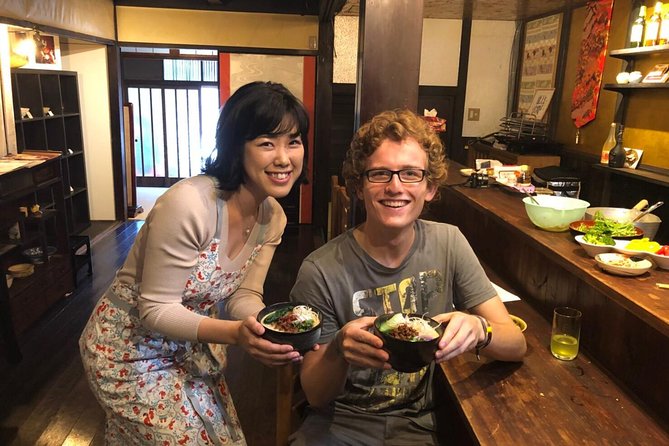
This class starts in Komae, Tokyo, near Komae Station (the meeting point listed is 1 Chome-7 Motoizumi, Komae). The session runs in a late-morning window, listed as 10:00 AM to 1:00 PM, and the experience itself is about 2 hours 30 minutes. You’ll end back at the meeting point.
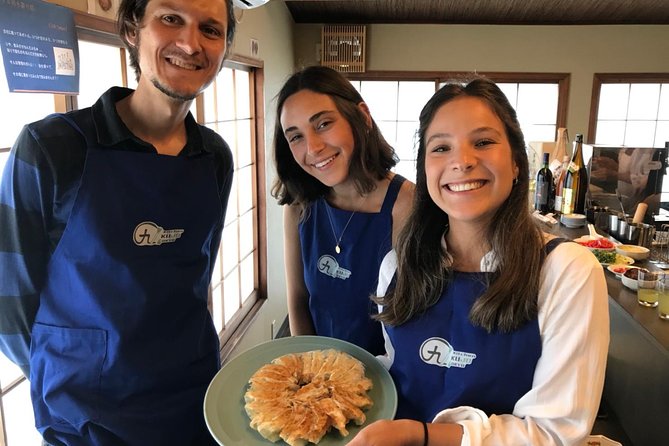
The vibe here is not a huge studio with strangers lined up. It’s set up like a small cooking lesson in a real kitchen, which matters because ramen and gyoza both reward technique. Cutting, seasoning, dough-handling, heat control—those are hard to learn from a book. A small group also helps you actually get feedback on your own work, especially when you’re trying dumpling shapes or adjusting seasoning.
You’ll also want to plan for the class requirement: it needs good weather. The activity is outdoors-free in spirit (it’s a cooking class), but the operator still notes weather can affect scheduling. If that happens, you’re offered a different date or a full refund.
Getting there is part of the ease. It’s marked as near public transportation, and you’ll have a mobile ticket, so you won’t be juggling paper receipts or finding a hidden street with printed instructions.
A real supermarket stop for Japanese vegan and vegetarian basics
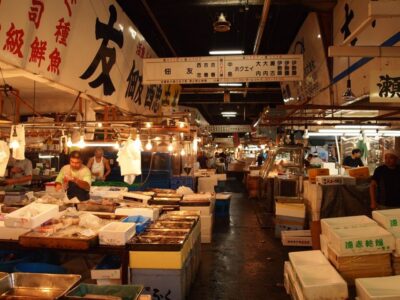
A big part of the learning happens before the first pot boils. The experience includes time to visit a local supermarket, where your instructor introduces Japanese basic ingredients. This is where a lot of cooking classes fall short: they teach recipes but not how to shop in Japan.
Here, you’re learning what to look for—ingredients that show up in everyday Japanese cooking, and ingredients you’ll need to build a vegan/vegetarian approach. In Japan, vegetarian food can get tricky because dashi is common, and traditional dashi is often fish-based (like bonito flakes). So this lesson is valuable for one reason: it prepares you to understand what’s different in Japanese flavor-building when you avoid fish stock.
Even if you’re already confident in vegetarian cooking, this shopping step helps you connect your home pantry to what’s available in Tokyo. You get a chance to ask questions about substitutions, naming, and what something is used for. That’s the kind of practical context that makes the difference between following a recipe once and cooking confidently again later.
If you’re the type who likes to understand what’s behind the flavor, you’ll appreciate this setup. You’re not just collecting items—you’re learning how ingredients behave in Japanese ramen and gyoza cooking.
You can also read our reviews of more tours and experiences in Tokyo Prefecture.
Vegan/vegetarian ramen soup from scratch: what you’re actually learning
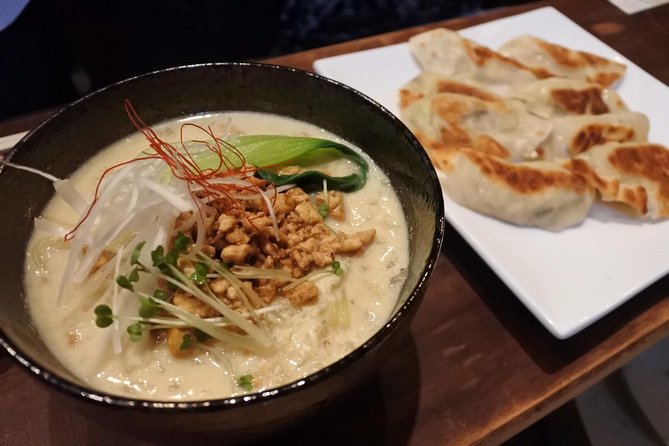
Ramen is a noodle dish, but the real work is the soup. This class is built around making vegan/vegetarian Japanese ramen with the soup developed from scratch. You don’t just mix a packet and call it ramen. You learn the basics of ramen soup and how the pieces come together.
Why that matters: the difference between a bland pot and a bowl that tastes like ramen isn’t the noodles. It’s the balance of savory depth, aromatics, and seasoning. And for vegan/vegetarian versions, the challenge is often the absence of fish-based dashi. The class specifically addresses this reality—vegetarian in Japan can be tough because of dashi—so you get a structured way to build flavor without relying on typical fish stock.
In a good ramen lesson, you’re learning technique in layers:
- how to start the soup base,
- how to season gradually,
- and how to think about taste while cooking.
From the format, you can expect a clear flow: soup work comes first, and you practice the foundational moves before you move on to toppings and dumpling prep. That sequence is smart. By the time the gyoza is ready to cook, you already understand what the soup needs.
Also, ramen is a forgiving teacher. If you taste as you go (and you should), ramen lets you correct course—salt level, balance, and intensity—without wasting the whole batch. This is the kind of skill that helps at home, not just during class.
Gyoza practice: wrapping, seasoning, and getting texture right
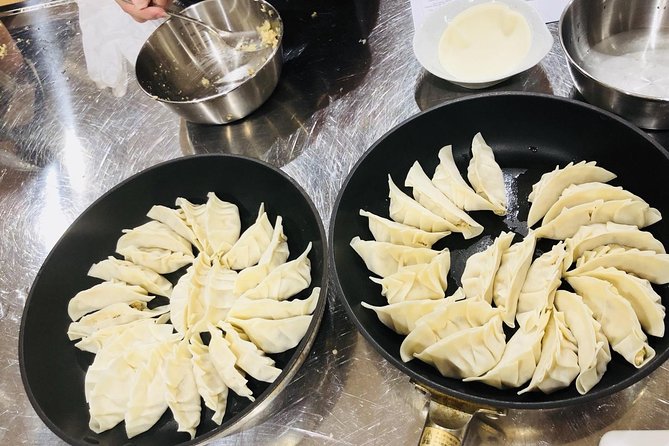
After you’ve started ramen soup, you shift gears to gyoza, the dumplings made with minced stuffing. This class focuses on hands-on skills—how to handle, wrap, and cook gyoza so the texture makes sense, not just the ingredients.
Gyoza is the kind of food where small details matter:
- dough and filling proportions,
- how tightly you seal,
- and how cooking method changes the final bite.
Even if you’ve eaten gyoza in Tokyo before, learning the process changes what you notice. You start to understand why certain dumplings have that crisp edge while the inside stays tender.
The class is built for repeatability. Many cooking classes teach you a one-time result. This one is designed so you can come home and make the technique again. One helpful detail from past participants is that you’ll receive detailed instruction materials afterward, which makes it easier to rebuild the steps exactly once you’re back in your kitchen.
If you’re coming with family or friends, gyoza is a great activity. It’s skill-based but also forgiving—your first few folds might not be perfect, but you’ll learn fast and improve in real time. And because it’s in a small group, you can get help when you need it instead of guessing.
Meeting your instructor: English help and real questions
One reason these classes earn strong satisfaction scores is the teaching style. You may work with instructors such as Kaori (and in some sessions, Miwa). Other instructors mentioned include Rina. The common thread is clear: the class is organized, and the instruction language support is strong.
This matters because ramen and gyoza aren’t just about ingredients. They’re about doing the steps the right way. If you can ask questions and understand what the instructor wants, you avoid the classic home-cooking problem: you followed a recipe, but you didn’t understand why.
A small group size (maximum 6 travelers) also changes the experience. It’s easier to get feedback when your soup needs a tweak, when your seasoning feels off, or when your dumpling folding needs correction. You’re not standing around waiting for a general lecture.
This is the kind of class where people tend to leave with more than a meal. You leave with a sense of confidence—how to cut, cook, season, and present your final bowl and plate.
Duration, price, and value: is $75 worth it?
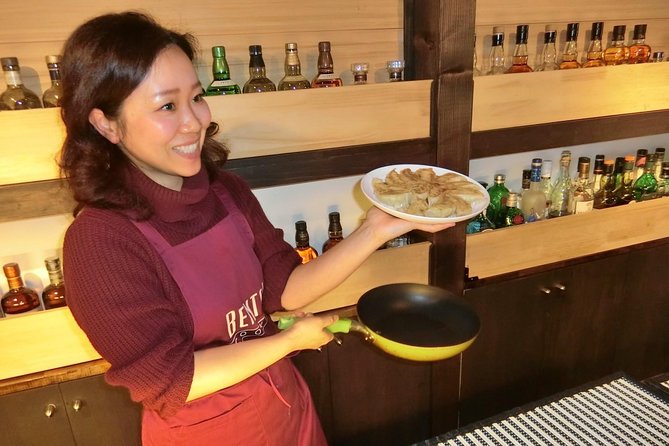
Let’s talk money plainly. The price is $75 per person, and the experience is about 2 hours 30 minutes. That’s not “cheap,” especially for Tokyo. So the key question is: what are you buying?
You’re buying three high-value pieces:
- Hands-on technique for ramen soup and gyoza, not just tasting.
- Ingredient education via a local supermarket stop, so you learn how to shop and what Japanese basics mean in practice.
- Take-home support, because you get instruction details afterward to recreate what you made.
If your goal is to taste one vegan bowl and move on, then this might feel expensive. If your goal is to learn how to cook vegan Japanese food at home—especially ramen soup foundations and gyoza prep—then it becomes much more reasonable. You’re paying for guided, repeatable skill.
It also helps that the class is capped at 6. That low headcount supports quality teaching and makes the session feel less rushed. Many people book in advance too (on average about 27 days), so if you’re set on a date, plan ahead.
Bottom line: this is best value for cooks-in-training and for anyone who wants to bring a real Japanese skill back home.


What to expect at the end: your ramen and gyoza results
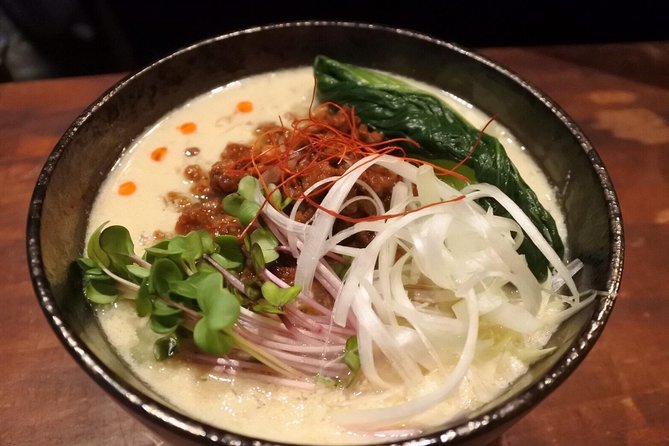
By the end, you’ll sit down with what you cooked: vegan/vegetarian ramen and gyoza made during the lesson. The class is designed around getting to an end result you can taste and evaluate. That’s important. Cooking classes that never let you judge flavor and texture leave you guessing.
You’ll also have a better sense of presentation, because ramen and gyoza are not just edible—they’re visual. Part of learning is seeing how the final bowl and plate come together.
And because you get detailed instruction materials afterward, the lesson doesn’t vanish the moment you wipe your hands clean. The goal is that, later on, you can reproduce the soup base, rebuild the seasoning logic, and handle gyoza wrapping with less frustration.
Should you book Bentoya’s vegan ramen and gyoza class?
I’d book this if you meet one of these needs:
- You want real skill-building in vegan/vegetarian Japanese cooking, not just a one-time food stop.
- You enjoy learning how Japanese ingredients work in practice, including supermarket basics.
- You’re going with friends or family who like to participate, ask questions, and cook together.
I’d skip it if you’re on a tight budget or you only want to eat. At $75 for about 2.5 hours, it’s worth it when you’ll actually use what you learn at home.
One more smart tip: if you’re serious about ramen, come hungry and ready to taste as you cook. If you’re not a big eater, that’s fine too, but you’ll get more out of the lesson when you can notice differences in seasoning and texture.
If you want a hands-on Tokyo experience that leads somewhere—into your own kitchen later—this class has the right ingredients.
FAQ
Where is the meeting point, and how do I get there?
You meet near Komae Station at 1 Chome-7 Motoizumi, Komae, Tokyo 201-0013, Japan. It’s listed as near public transportation, so you should be able to reach it easily by train.
How long is the class, and what time does it run?
The experience lasts about 2 hours 30 minutes. The listed daily opening hours are 10:00 AM to 1:00 PM.
Is the food vegan and vegetarian?
Yes. The class is for Japanese vegan/vegetarian cooking, including ramen soup and gyoza, with an emphasis on vegetarian challenges in Japan (like dashi).
Do we visit a supermarket during the experience?
Yes. The experience includes taking you to a local supermarket to introduce Japanese basic ingredients.
How big is the group?
The class has a maximum size of 6 travelers.
What happens if the weather is bad, or I need to cancel?
You can cancel for a full refund if you cancel at least 24 hours before the experience starts. If it’s canceled due to poor weather, you’ll be offered a different date or a full refund.