REVIEW · TOKYO
Mt. Fuji 6 Attractions Tour: Lake Kawaguchi, Oshino Hakkai
Book on GetYourGuide →Operated by Wandering Japan Adventures · Bookable on GetYourGuide
Fuji runs the whole day. This Mt. Fuji 6 Attractions Tour strings together shrines, lakeside parks, and Oshino Hakkai’s spring water, with a guide explaining why the area feels so spiritual. I liked the Arakura Sengen climb for the pagoda-and-Fuji panorama, and I liked Oshino Hakkai for its eight Fuji-fed crystal springs. The only catch: Mt. Fuji visibility depends on the weather, and the day stays tightly scheduled.
For the price of $50 per person, you get more than a basic sightseeing bus: admission to the stops, an English/Chinese/Japanese-speaking guide, and an air-conditioned coach with pickup and drop-off. Just note that meals and drinks aren’t included, and the return to Tokyo can run later during busy seasons (often 17:00–18:00, sometimes as late as 21:00).
In This Review
- Key Points Before You Go
- Price and Logistics: What Your $50 Covers (and What Doesn’t)
- When to Go: Summer, Cherry Blossoms, Fall Color, Winter Snow
- The Day’s Rhythm From Tokyo: Meeting, Coach Time, and Return Windows
- Arakura Sengen Shrine and Shinkurayama Sengen Park: The 398-Step “Path of Faith”
- Hikawa Clock Shop and Honcho Street: Showa Nostalgia and the Sky Ladder Effect
- Oshino Hakkai: Eight Crystal Springs Made From Fuji’s Snow
- Lake Kawaguchi Oishi Park: Iconic Fuji Framing With Seasonal Flowers
- Seasonal Limited Moments: Maple Corridor and Cherry Blossom Festival
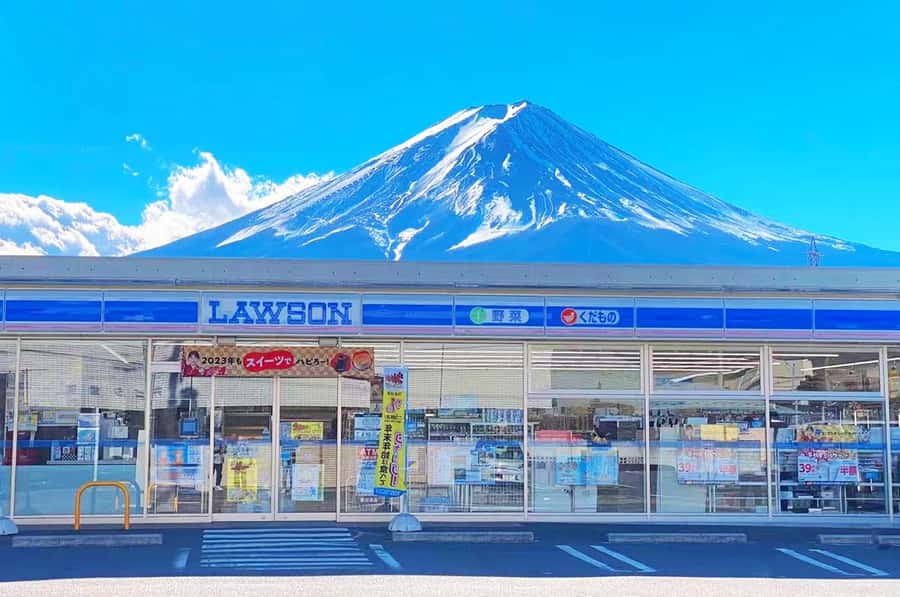
- The Lawson Convenience Store Stop: Fuji From a Not-So-Postcard Angle
- What the Guide Adds: Clear History, Photo Tips, and Schedule Control
- Who This Tour Suits Best (and Who Should Skip It)
- Should You Book This Mt. Fuji 6 Attractions Tour?
- FAQ
- What does the tour price include?
- Are meals included during the day trip?
- What time does the tour start and when do we get back to Tokyo?
- Will I definitely see Mt. Fuji?
- Do I need cash?
- Is this tour wheelchair accessible or suitable for elderly travelers?
Key Points Before You Go
- 398 steps at Arakura Sengen for one of the area’s most famous Fuji-and-pagoda views
- Oshino Hakkai’s eight springs fed by Mt. Fuji’s melted snow (filtered over decades)
- Honcho Street as Sky Ladder Town, with clock-shop nostalgia and Fuji-meets-urban perspective
- Kawaguchiko Oishi Park for Fuji framed by seasonal flowers and the Mt. Fuji Assembly Memorial Monument
- A quick Lawson stop where you can catch Mt. Fuji from a different, very real-world angle
- Weather decides the payoff, so plan for possible clouds and keep your pace efficient
Price and Logistics: What Your $50 Covers (and What Doesn’t)
At about $50 per person, this day trip is built like a “one-day circuit” of Mt. Fuji highlights, not a DIY route. You’re paying for the guide, the air-conditioned coach, and admission at the listed stops—plus a professional driver who handles the traffic so you can focus on photos and walking.
What you should budget separately is simple: meals and beverages are not included, and you’ll want some cash. The tour notes that some attractions and local shops may not accept cards, so carrying a little yen helps you avoid last-minute stress.
One practical note: this is not a low-key day. The itinerary is structured to hit multiple classic areas, so you’ll be in and out of rides and walking segments throughout the day. Also, it’s not suitable for wheelchair users, and it’s listed as not suitable for people over 95 years.
You can also read our reviews of more tours and experiences in Tokyo.

When to Go: Summer, Cherry Blossoms, Fall Color, Winter Snow
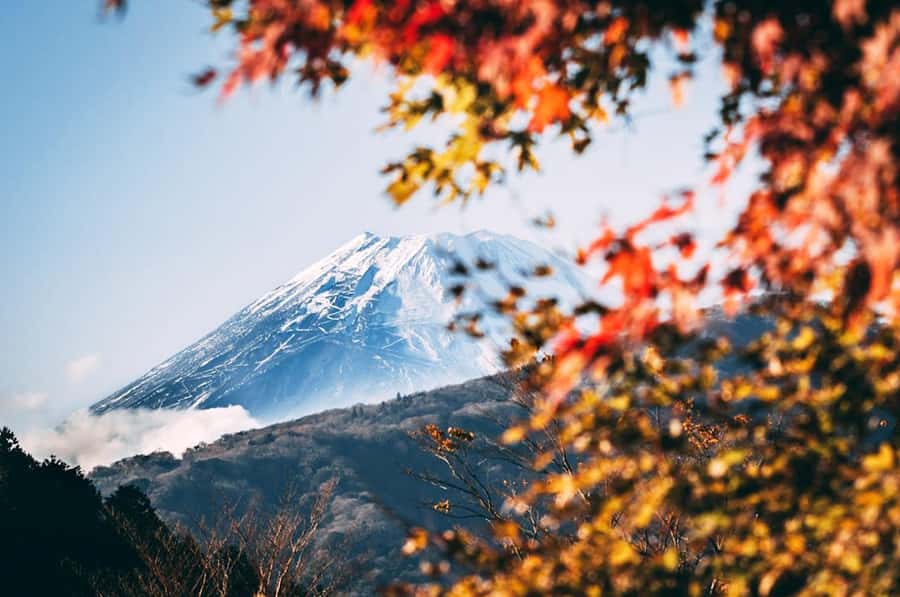
Mt. Fuji is at its most photogenic when the mountain is clear—and the season affects how that clarity shows up. The tour’s own seasonal guidance is useful because it lines up with what you’ll actually see at the lookouts and parks.
- Summer (July–Sep): usually best for trekking-style experiences with clearer summit views.
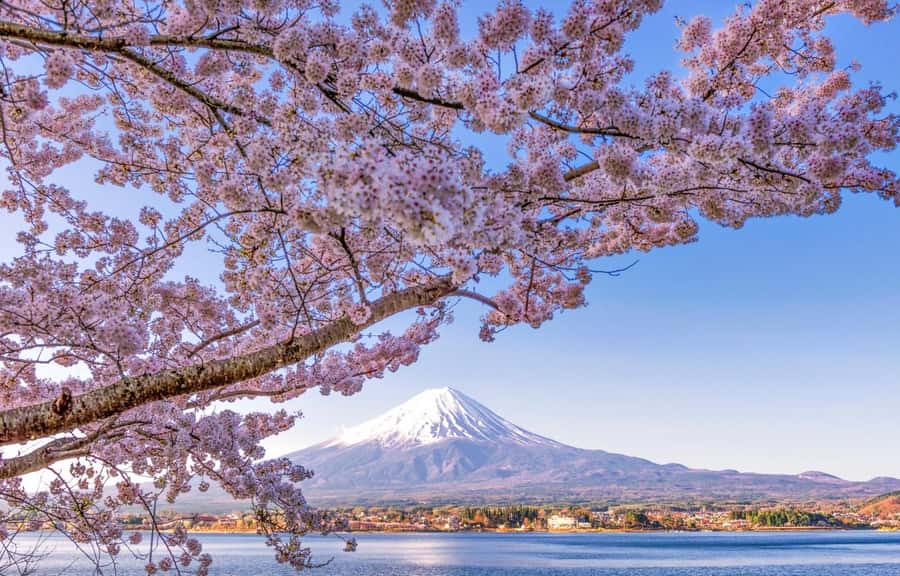
- Spring (Mar–May): cherry blossoms can frame Fuji at the right spots for that “pink petals + sacred peak” feeling.
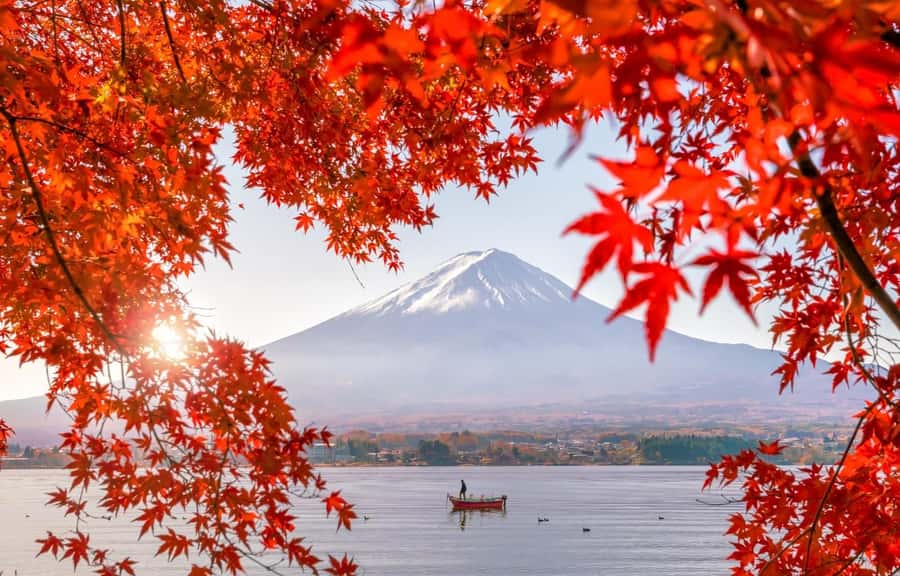
- Autumn (Oct–Nov): fall foliage turns the view into a warmer color story.
- Winter (Dec–Feb): snow-covered peak is great for photography, and winter timing can be when the most dramatic Fuji visuals happen.
If you’re traveling for a specific look—like cherry blossoms or autumn leaves—aim for the seasonal windows. If you want the most consistent “Fuji in the frame” mood, spring and autumn often offer the easiest match between mountain and color.
The Day’s Rhythm From Tokyo: Meeting, Coach Time, and Return Windows
The tour starts at 8:00 AM with pickup in Tokyo at a designated meeting point (which may vary by booking option). You’ll board a comfortable coach and ride out through the countryside toward Mt. Fuji, with the day paced so you can reach the main photo and shrine spots before the afternoon crowds settle in.
Stops begin around 10:30 AM, and the itinerary is designed to keep you moving: shrine views, a nostalgic street walk, then the Oshino Hakkai springs, followed by Lake Kawaguchi sights. The return to Tokyo is typically around 17:00–18:00, but the tour warns that during peak seasons you may get back closer to 21:00 due to traffic and pick-up locations.
If you hate rushing, treat this tour as a structured day. The benefit is that you don’t have to plan transport between scattered Fuji highlights. The cost is that you’ll follow the group pace.
Arakura Sengen Shrine and Shinkurayama Sengen Park: The 398-Step “Path of Faith”
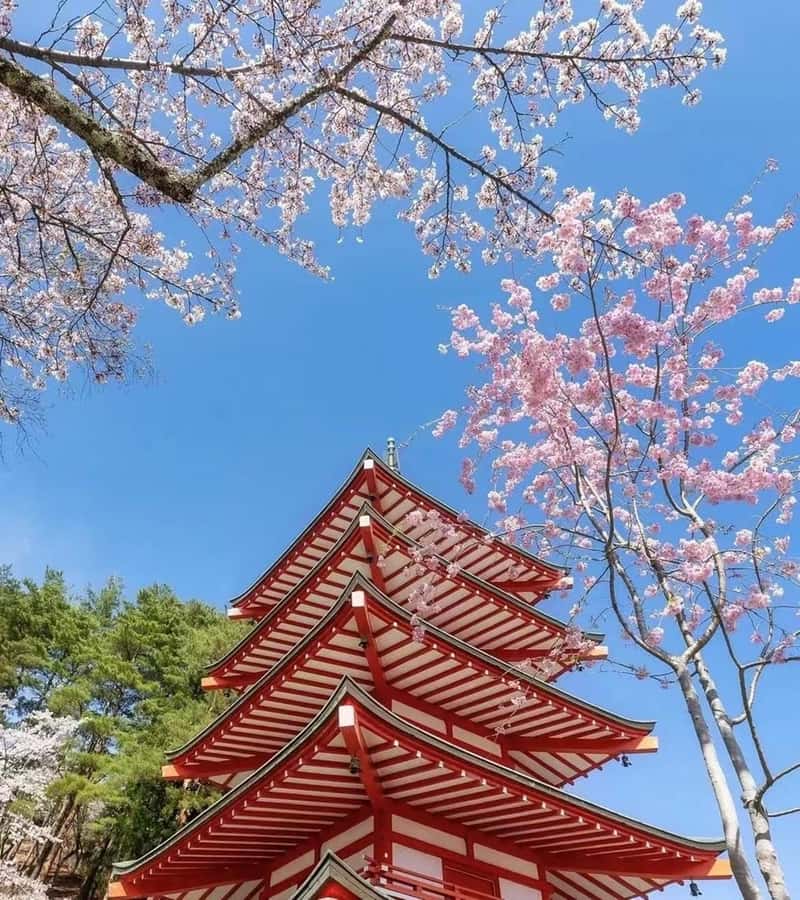
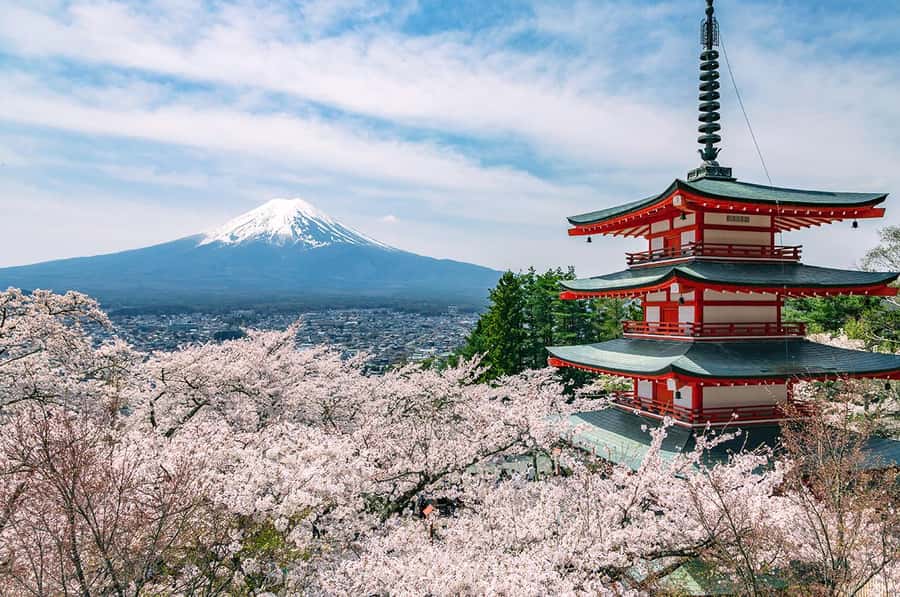
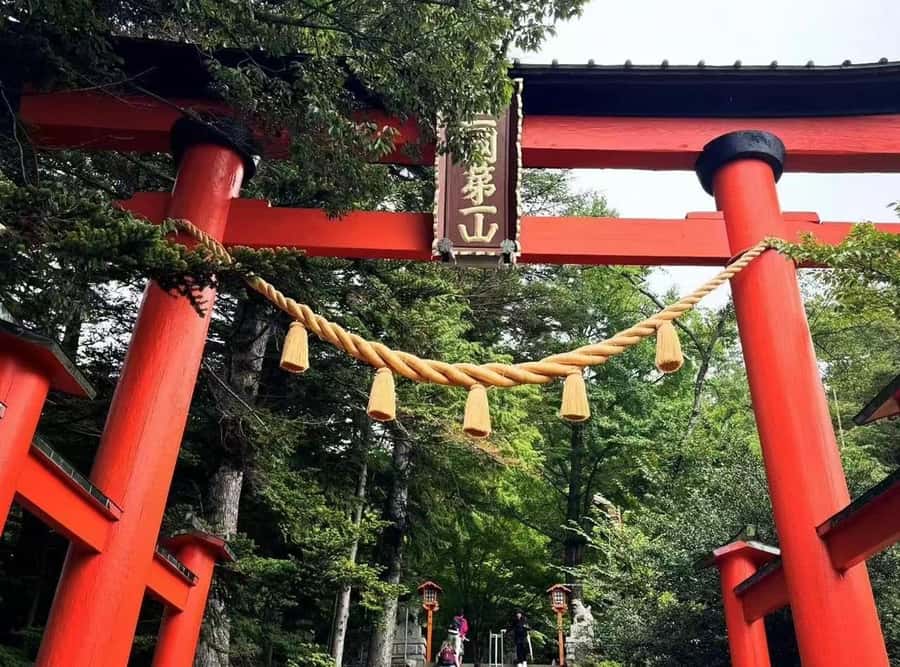
This is where the tour turns symbolic. At Arakura Sengen Shrine & Shinkurayama Sengen Park, you start on the “Path of Faith,” and you’ll climb 398 steps to reach one of the most famous viewpoints in the Fuji area.
What makes this stop so worth it is the composition. From the top, you look toward Mt. Fuji with a five-story pagoda and the townscape of Fujiyoshida in view. It’s the kind of scene that makes you understand why so many people come here for pilgrimage and photos, not just sightseeing.
The climb is real, so consider your comfort with stairs before you go. The tour is also marked as not suitable for wheelchair users, which lines up with the step-heavy nature of this part of the day. On the flip side, if you can handle the steps, it’s one of the most satisfying “work for the view” moments on the itinerary.
Hikawa Clock Shop and Honcho Street: Showa Nostalgia and the Sky Ladder Effect
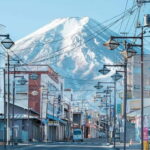
After the shrine viewpoint, the tour heads to Hikawa Clock Shop & Honcho Street—described as Fuji’s Sky Ladder Town. This is less about “mountain trekking” and more about atmosphere.
Here’s the value: you’re switching from big-view photography to a slower walk through traditional shopfronts. The street has that Showa-era charm, and the guide explains the symbolism of how the angles can make Mt. Fuji seem close—almost like a ladder to the divine—while still staying out of reach.
It’s a good stop for two reasons:
1) It gives your legs a different kind of movement after stairs.
2) It’s a reminder that Mt. Fuji isn’t only scenery—it’s woven into daily life and local storytelling.
Oshino Hakkai: Eight Crystal Springs Made From Fuji’s Snow
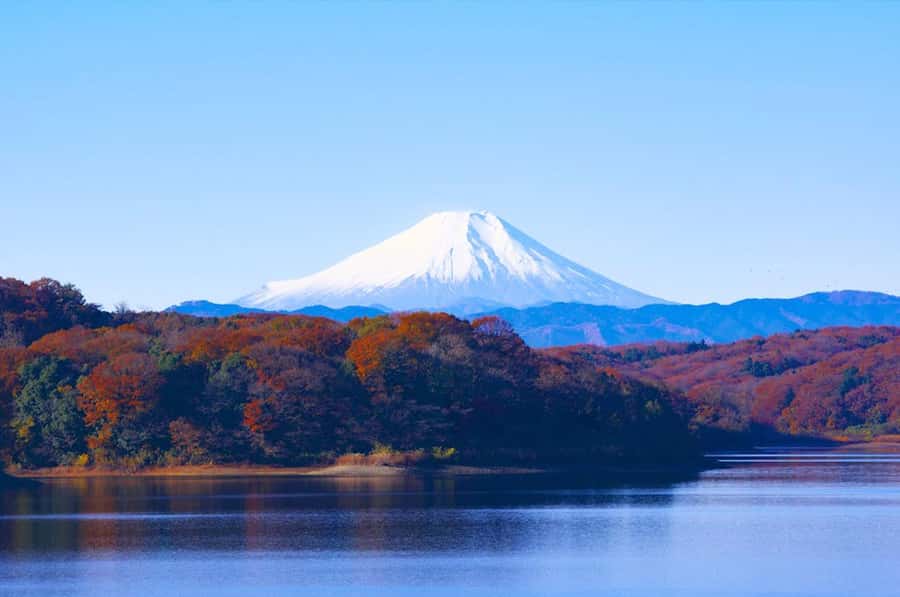
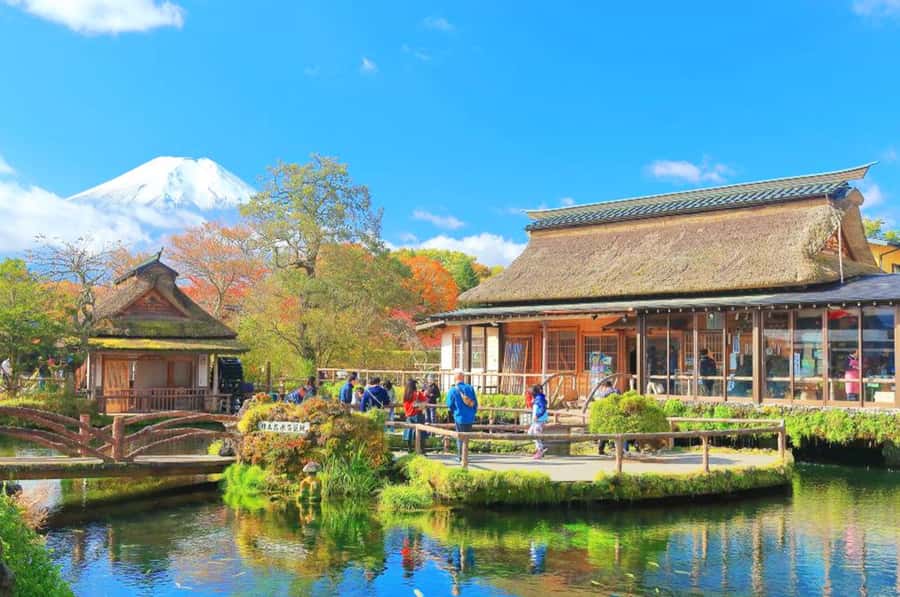
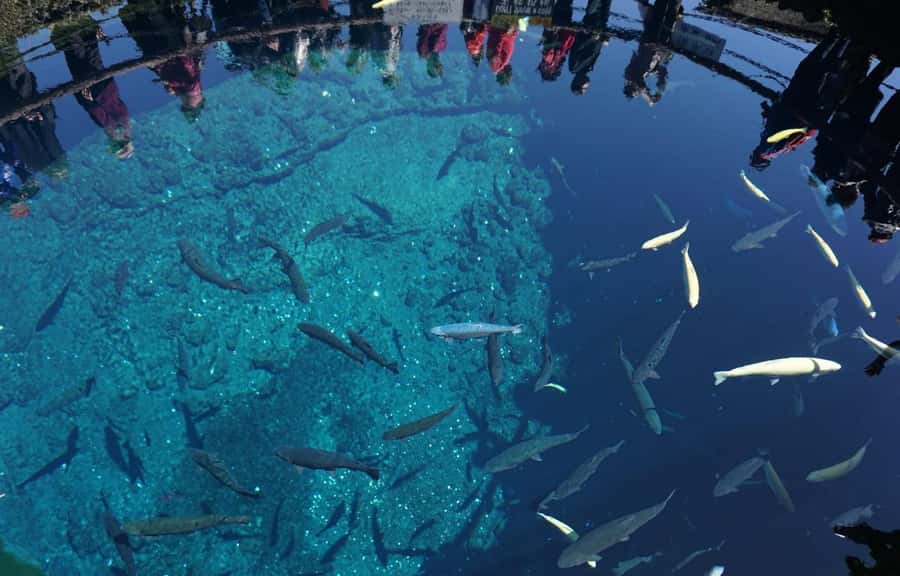
Then you get to the most quietly memorable stop on the day: Oshino Hakkai. This village is famous for eight crystal-clear springs, fed by Mt. Fuji’s melted snow that gets filtered over decades.
If you care about Japan’s water culture and long-term natural systems, this place clicks. The tour notes Oshino Hakkai is recognized as a Natural Monument and is part of the Mt. Fuji UNESCO World Heritage area, which gives the visit a sense of place beyond a quick photo.
What to expect on arrival is a calmer rhythm. You’re not just looking at Fuji from far away—you’re walking around water that’s intimately tied to the mountain’s snowpack and seasonal melt. It’s easy to slow down here, even on a day trip, because the springs invite “stand and watch” more than “run and shoot.”
Lake Kawaguchi Oishi Park: Iconic Fuji Framing With Seasonal Flowers
Next comes Lake Kawaguchi, and specifically Oishi Park on the northern shore. This is classic Fuji framing territory: you get Mt. Fuji in the background with a foreground that changes by season.
The key thing I like about Oishi Park is that it’s built for multiple moods depending on when you’re there. In cherry blossom season, the park can turn into a pink-petal scene with reflective lake views. In other seasons, you still get that “Fuji as anchor” feeling, but with a different foreground palette.
There’s also the Mt. Fuji Assembly Memorial Monument, made from rocks sourced across Japan. The detail matters because it turns the view into a national symbol, not only a local postcard.
If you’re a photographer, this stop is the reason many people do the day trip. Even if Fuji is partially hidden by clouds, the composition around the lake and park helps you still come away with strong images.
Seasonal Limited Moments: Maple Corridor and Cherry Blossom Festival
This tour includes seasonal add-ons at Kawaguchiko, so the same general area can feel completely different across the year.
- Kawaguchiko Maple Corridor: the tour describes a once-a-year style spectacle where Mt. Fuji’s snowy peak can appear against fiery red maple leaves. If you’re chasing the “snow + autumn red” look, this is your window.
- Kawaguchiko Cherry Blossom Festival: held on the northern shore of Lake Kawaguchiko, designed for a famous photo setup where Fuji, the lake, and cherry blossoms can all share one frame.
The practical advice: bring realistic expectations. Fuji still depends on weather. But if the mountain shows up, these seasonal scenes give you that full, seasonal sense of place that a “just look at Fuji” day can miss.
The Lawson Convenience Store Stop: Fuji From a Not-So-Postcard Angle
One of the fun surprises on the itinerary is the Lawson Convenience Store stop near Lake Kawaguchi. It’s described as a uniquely located Lawson where you can view Mt. Fuji from the parking area.
Why it’s worth your time: it breaks the strict rhythm of shrine and park sightseeing. You get a very normal, everyday Japan moment—convenience store stop—while still catching the mountain in the background. It’s a reminder that Fuji is part of real life, not only a framed viewpoint.
Think of it as a short reset. You’re not going to spend hours here, but it’s a good chance to regroup, grab a snack if you want (meals aren’t included), and do a quick photo check if weather conditions improve.
What the Guide Adds: Clear History, Photo Tips, and Schedule Control
The biggest difference between a good and average day trip is usually the guide. This tour runs as a group experience with visitors from multiple countries, and the guide explains things in multiple languages based on the group.
In the feedback connected to this experience, guides named Evita and Anna come up often for being attentive and helpful. Anna is mentioned as especially accommodating for families with children, and as someone who focused on giving practical photo tips and cultural context. Another theme is schedule sense: keeping everyone together and moving through the day without dropping people behind.
What that means for you: you’re more likely to hit the stops efficiently and get the “why” behind them, not just the where. With Mt. Fuji day trips, timing matters because you’re competing with daylight and weather.
Who This Tour Suits Best (and Who Should Skip It)
This Mt. Fuji 6 Attractions Tour is a strong match if you want:
- a structured Tokyo day trip to major Fuji areas without complicated transport planning
- a mix of shrines + water + lakeside viewpoints
- seasonal scenery (cherry blossoms, fall color, winter snow) built into the itinerary
It’s not the best fit if you:
- need a fully accessible route (it’s not suitable for wheelchair users, and there’s a significant stair climb at Arakura Sengen)
- want long free time at each stop rather than a paced circuit
- are traveling with the expectation that Fuji will always be visible (the tour explicitly warns visibility depends on weather)
If you’re comfortable with a busy day and you like photo-friendly stops with meaning, this works.
Should You Book This Mt. Fuji 6 Attractions Tour?
If your goal is to see Lake Kawaguchi + Oshino Hakkai plus a couple of the most iconic shrine/viewpoint moments in one efficient day, I’d say yes. The value is strong for the money because admissions, guide support, and transportation are bundled together—and the route includes both the spiritual side (shrines) and the water side (Oshino springs).
Book it if you’re okay with a schedule and you can handle walking. Skip it or choose a different plan if accessibility is critical for you, or if you want a slow, flexible day built around one single view of Mt. Fuji.
FAQ
What does the tour price include?
The tour price is listed as $50 per person, and it includes admission to the attractions, a guide who speaks English/Chinese/Japanese, an air-conditioned coach bus, and pickup and drop-off at your meeting point, plus a professional driver.
Are meals included during the day trip?
No. Meals and beverages are not included, so you’ll want to plan snacks or a meal on your own.
What time does the tour start and when do we get back to Tokyo?
The tour departs at 8:00 AM from Tokyo. Return time varies due to traffic and pick-up locations—usual arrival is around 17:00–18:00, and during peak seasons it may be as late as 21:00.
Will I definitely see Mt. Fuji?
Not guaranteed. Mt. Fuji visibility depends on weather, and the tour notes that if it’s not visible, you should understand that conditions can change.
Do I need cash?
Yes, it’s recommended. Some attractions and local shops may not accept cards, so bringing some cash can help.
Is this tour wheelchair accessible or suitable for elderly travelers?
No. The tour is not suitable for wheelchair users and is also listed as not suitable for people over 95 years.