REVIEW · TOKYO PREFECTURE
Little Adventure with Cycling in Tokyo No. 1 Crystal Clear River
Book on Viator →Operated by 東京裏山ベース · Bookable on Viator
On a Tokyo day trip, you get the quiet parts fast. This ride is built around electric bikes and the Akigawa Valley—temples, bridges, and riverside breaks that feel far from standard sightseeing. I especially like how the route mixes easy riding with real countryside walking, and how lunch lands right where the scenery stays calm. One thing to consider: the plan leans on good weather, and you’ll be in wet river conditions during the trekking section.
You start from a small base and move with a guide who keeps things simple, so even if you’re not a cyclist, you can still enjoy the pace. The group stays tiny (max 6), so you’re not squeezed into a fast-moving crowd. If you hate any chance of getting your feet damp, you’ll want to think twice about the waterproof-gear river walk.
In This Review
- Key Things That Make This Tour Worth Your Time
- A Tokyo Countryside Day You Can Feel in Your Legs
- Tokyo Outskirts Starting Point and the Small-Group Advantage
- Kotokuji Temple: Thatched Gate, Giant Ginkgo, and Clear Explanations
- Kurochaya and the First Half on Easy E-Bikes
- Akigawa Valley Lunch Outdoors: Special Cuba Sandwich Lunchbox
- The Main Event: River Trekking with Waterproof Gear to a Hidden Waterfall
- 秋川溪谷瀨音之湯: Suspension Bridge Crossing and Hot-Spring Footbath Relief
- Why This Tour Feels Authentic (and Not Like a Tokyo Copy-Paste)
- Timing, Pace, and What Suits You Best
- What You’re Paying For: Value of $143.34 for a Guided River Day
- Weather Reality Check (Because the River Has Its Own Rules)
- Should You Book This Tokyo Cycling-and-River Day?
- FAQ
- Where do we meet for the tour?
- How long is the experience?
- What time does the tour start?
- How big is the group?
- Is there a mobile ticket?
- What are the main activities during the day?
- What happens if the weather is bad?
Key Things That Make This Tour Worth Your Time
- E-bikes that make up for Tokyo legs: easy pedaling so you can focus on scenery and stops.
- Kotokuji Temple’s thatched gate and giant ginkgo tree: a memorable first cultural hit.
- Riverside lunch with a special lunchbox: you eat outdoors where the day’s energy slows down.
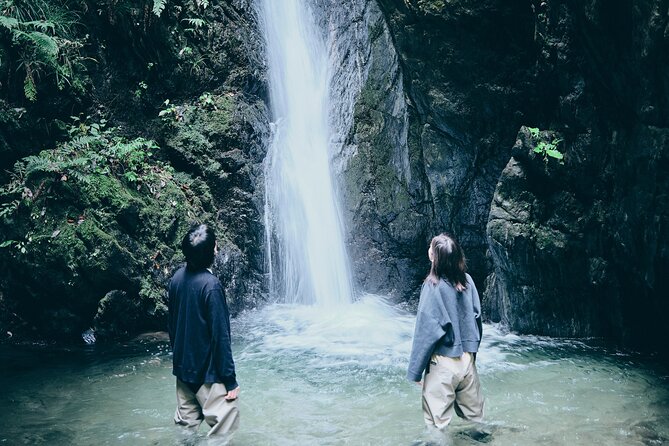
- Waterproof river trekking to a hidden waterfall: the highlight is hands-on, not just viewing.
- Suspension bridge + hot-spring footbath: fun crossing, then soothing recovery.
- Guide Kenji support and easy communication: small-group vibe with real help on the route.
A Tokyo Countryside Day You Can Feel in Your Legs
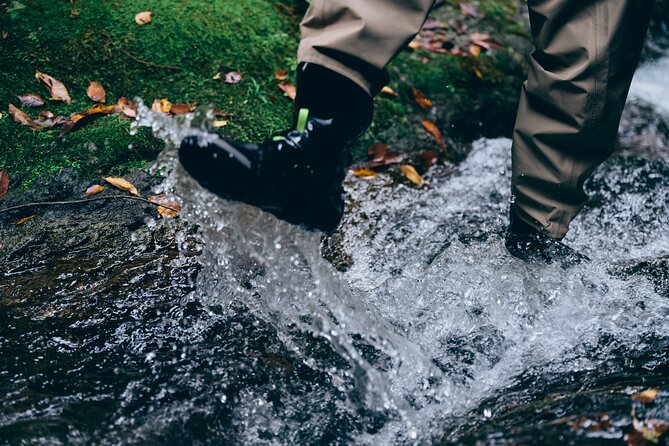
This is the kind of Tokyo experience that makes sense once you’re away from the center. Instead of stacking attractions, the day follows a river corridor up into areas tied to Edo-era forestry and charcoal burning. That connection matters because it explains why you’re cycling through spaces that feel practical and lived-in, not staged.
The best part is the balance. You get enough riding to cover ground, then enough walking to feel like you’re actually in the valley. And because you’re with a guide, you’re not guessing what you’re looking at—temple details, valley stories, and the flow of the day all come in plain language.
For a first-time visitor, this also helps you understand something important: Tokyo isn’t only skyscrapers. It has long edges—rivers, mountains, and old work-life history that shaped the city. This tour compresses that lesson into one satisfying 6-hour circuit.
You can also read our reviews of more tours and experiences in Tokyo Prefecture.
Tokyo Outskirts Starting Point and the Small-Group Advantage
You meet at 東京裏山ベース (Tokyo Urayama Base), 219-7 Tateya, Akiruno, Akiruno, Tokyo 190-0163, Japan, with a 10:00 am start. The base is described as near public transportation, so you’re not solving a complicated last-mile puzzle.
This trip runs with a maximum of 6 travelers, which you’ll feel immediately. The guide can pace the group, stop when the view is worth it, and give clear directions without rushing. For e-bike riding, that kind of control is a big deal. You’re less likely to feel lost, and you can ask questions without waiting.
Also, there’s a mobile ticket, so you don’t need extra paperwork. You’ll want to keep it handy on your phone for smooth check-in.
Kotokuji Temple: Thatched Gate, Giant Ginkgo, and Clear Explanations
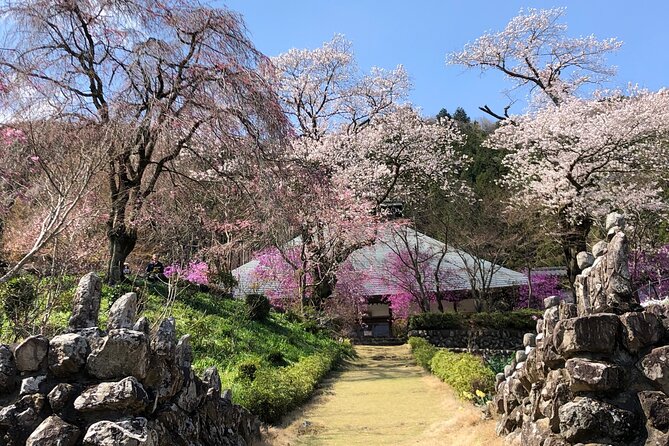
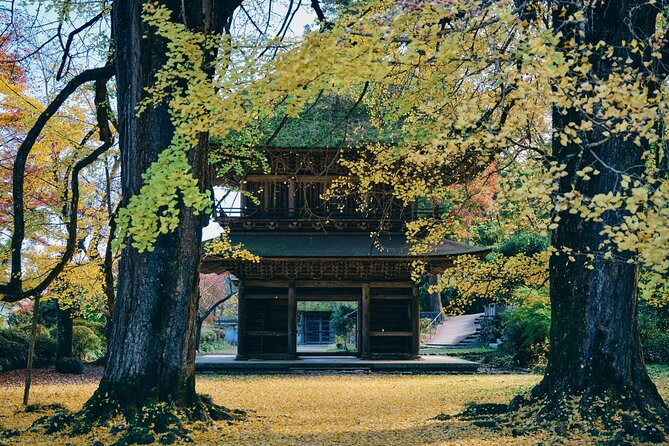
Your first stop is Kotokuji Temple for about 30 minutes. The draw here is simple and visual: you pass through a splendid thatched gate, then you see a giant ginkgo tree.
What makes this stop work is the context. The guide shares the temple’s history in a way that helps you connect what you’re seeing to why it exists here. It’s not only photos and head-nods. It’s just enough story to make the place feel real.
Practical note: temple time is short. If you love long, slow temple wandering, you’ll probably want extra time beyond this tour. But as a starter, it’s a strong move: you begin with something calm and local before the day shifts into river adventure.
Kurochaya and the First Half on Easy E-Bikes
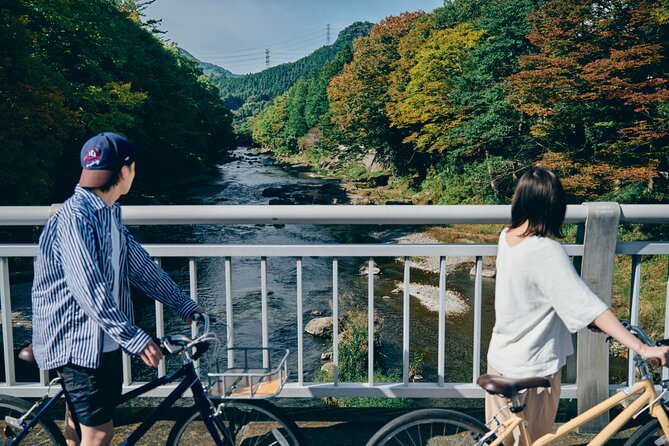
After Kotokuji, you move into Kurochaya. This is where the day turns sporty without turning stressful. For about 1 hour, you ride electric bicycles with the guide and make stops for scenery—bridges, old temples, and Japanese garden-style areas, plus spots like cafes with terraces overlooking the valley.
The e-bike part matters because it changes the math. You can enjoy the route instead of spending your energy just trying to arrive. And because it’s guided, you’re more likely to notice details: what direction the river bends, where the footpath connects, and what to watch for on the next segment.
Also, Kurochaya feels like a “valley pause.” You’re not sprinting between big sights. You’re getting small views that build into the day’s overall mood.
One consideration: if you’re sensitive to motion, the ride segments are still riding segments. The e-bike keeps it easy, but you’ll still be actively moving for much of the morning.
Akigawa Valley Lunch Outdoors: Special Cuba Sandwich Lunchbox
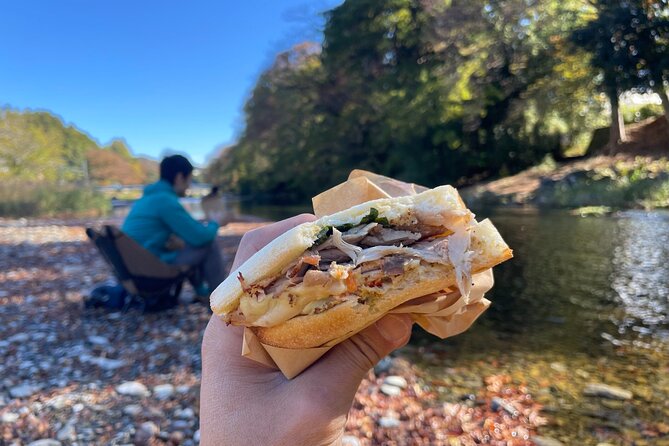
Around 12:00 to 13:00, you get lunch at the Akigawa Valley by setting outdoor chairs at a special riverside spot. The lunch is a special Cuba sandwich lunchbox, served in the open where the sound of the water is part of the atmosphere.
This is one of my favorite styles of meal during a day trip: food breaks that actually use the setting. Instead of eating indoors with a view you can’t touch, you get an outdoor pause that lets your body reset before the more physical part of the day.
The lunchbox choice is practical too. It’s likely designed for an easy carry, and it keeps the day moving without turning into a complicated restaurant schedule. If you’re the kind of traveler who gets grumpy waiting around for long meals, this timing feels respectful of your day.
Tip for you: plan to keep your hands free after eating. You’ll want clear focus for the river trek.


The Main Event: River Trekking with Waterproof Gear to a Hidden Waterfall
From about 13:00 to 14:00, the tour shifts into the adventure highlight: river trekking for roughly 2 hours. The overview calls out a memorable detail—walking through the river in waterproof gear to a hidden waterfall.
This is the part that turns a “nice countryside bike day” into a story you’ll remember. Water makes the valley feel alive. And the waterfall approach changes your role: you’re not only looking; you’re moving through the environment.
What to expect in a grounded way:
- You’ll use waterproof gear for the river walk, which is key for comfort and safety.
- The waterfall is described as hidden, meaning you’re earning the view rather than reaching it by a short stairway.
- Your pace will likely depend on water conditions, footing, and group movement—because it’s in a natural setting.
Possible drawback: if you’re uncomfortable with wet surfaces or slippery rocks, this is the section that could test you. The gear helps, but it won’t make the river into a sidewalk. If you love nature, you’ll probably enjoy it a lot. If you don’t like anything unpredictable, you might find this the most challenging part.
That said, this is also where the tour delivers its biggest value: the waterfall moment is what justifies the whole day.
秋川溪谷瀨音之湯: Suspension Bridge Crossing and Hot-Spring Footbath Relief
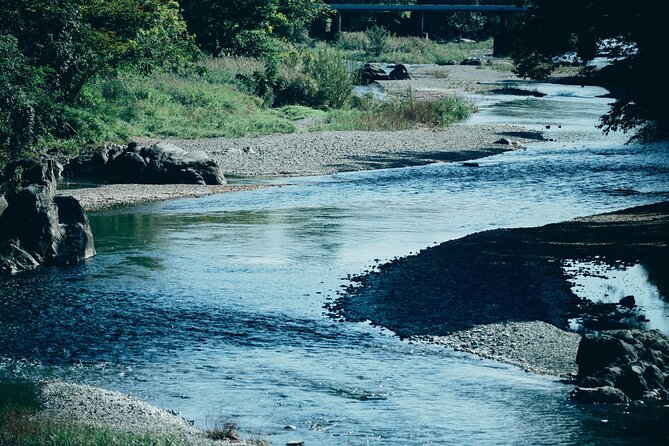
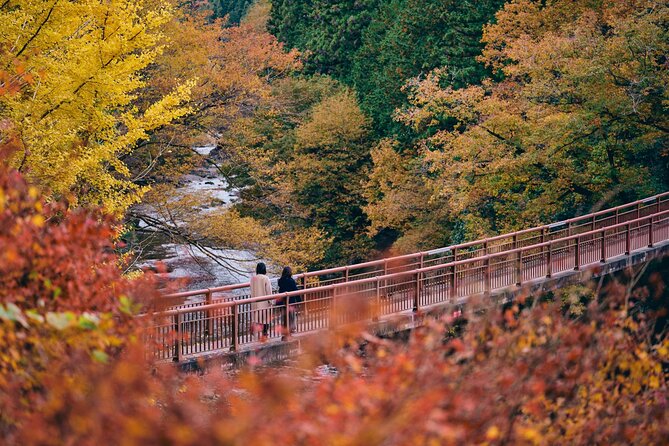
Next comes the late-day recovery. Around 14:00 to 14:40, you ride the electric bicycle again for the second half. Then from 14:40 to 15:30, you get two big elements: a suspension bridge crossing and a visit to a hot spring for a footbath plus souvenir shopping.
This section is smart pacing. After a wet, active river walk, your body usually wants warm, slow recovery. A footbath is perfect for that. It’s not a long spa session, so it fits inside the 6-hour framework, but it still gives you the satisfaction of “we did something, now we relax.”
The suspension bridge is also more than a photo stop. Suspension bridges create a different body feeling—slight sway, step-by-step attention—so it’s a fun contrast after the grounded river trekking.
Practical note: you’ll be crossing and walking around a hot-spring area. Wear gear you can manage easily after the earlier wet section.
Why This Tour Feels Authentic (and Not Like a Tokyo Copy-Paste)
A lot of Tokyo day tours feel like a checklist with city traffic. This one avoids that by following the valley rhythm: temple pause, e-bike flow, riverside meal, river adventure, and then hot-spring calm.
You’re also seeing Tokyo’s edge through work-history context. The upper reaches of the Tama and Akigawa Rivers connect to Edo-era charcoal burning and forestry. That background helps the scenery click into place. Forest, river, and human use aren’t separate stories here—they’re linked.
And the guide style makes a difference. One review specifically highlights Kenji as kind and accommodating, with easy communication. You’ll appreciate that most if you’re trying to understand what to do next, where to stand, or how to handle the river trekking gear.
Timing, Pace, and What Suits You Best
This experience runs about 6 hours with a 10:00 am start, ending back at the meeting point. The structure is designed so you can do a countryside day without sacrificing an entire evening.
Here’s how to judge if it matches your travel style:
- If you want a slower Tokyo day with nature and still food and culture, it fits well.
- If you want active sightseeing but don’t want to be exhausted from the start, e-bikes help.
- If you enjoy hands-on moments, the waterfall trek is the payoff.
- If you dislike getting wet even a little, the waterproof river walk is the part to reconsider.
Most travelers can participate, but the tour still involves cycling and trekking. Think of it as active comfort, not gentle stroller pacing.
What You’re Paying For: Value of $143.34 for a Guided River Day
At about $143.34 per person for a day that’s roughly 6 hours, you’re paying for three things that are hard to replicate solo:
- Guided navigation in a valley setting, where the story and route matter.
- E-bike support, which reduces fatigue and lets you enjoy more sights in one day.
- The river experience setup, including the expectation of waterproof gear and the waterfall goal, plus the hot-spring footbath.
This price also reflects the small group size (max 6). In practice, small groups can mean more attention and more flexible pacing at stops.
And because it’s described as often booked about 46 days in advance on average, plan ahead if you travel in peak periods. The route isn’t a mass-market product; it’s built for a specific kind of day trip.
Weather Reality Check (Because the River Has Its Own Rules)
The tour needs good weather. When conditions aren’t right, the experience may be canceled and you’ll be offered a different date or a full refund. You’re also told that cancellation is free if you cancel up to 24 hours before the start time.
This matters because it’s a river trekking + waterfall walk day. Even with waterproof gear, you want conditions that make footing reasonable and the schedule comfortable.
If you’re planning your Japan trip tightly, it’s smart to keep one extra day in your plan for rescheduling.
Should You Book This Tokyo Cycling-and-River Day?
I’d book this if you want Tokyo without the crowds, and you’re happy trading some city convenience for river air and real movement. The best reason to choose it is the waterfall trek and the way the day is structured: you don’t just see nature, you experience it, then you reset with a hot-spring footbath.
I’d skip it if you hate wet conditions or if you know you’ll be uncomfortable with river walking. It’s not a museum day. It’s an active countryside circuit.
If your idea of value is a guided day that connects culture, food, and nature into one clean storyline, this one delivers.
FAQ
Where do we meet for the tour?
You meet at 東京裏山ベース, 219-7 Tateya, Akiruno, Tokyo 190-0163, Japan. The tour ends back at the same meeting point.
How long is the experience?
It lasts about 6 hours.
What time does the tour start?
The start time is 10:00 am.
How big is the group?
The tour has a maximum of 6 travelers.
Is there a mobile ticket?
Yes. You’ll receive a mobile ticket.
What are the main activities during the day?
You’ll ride electric bicycles, visit Kotokuji Temple, have lunch by the riverside, do river trekking in waterproof gear to reach a hidden waterfall, cross a suspension bridge, and enjoy a hot-spring footbath.
What happens if the weather is bad?
The experience requires good weather. If it’s canceled due to poor weather, you’ll be offered a different date or a full refund.