REVIEW · TOKYO
Tokyo:Luxury Private Tour with English-Speaking driver
Book on GetYourGuide →Operated by Travel on smile · Bookable on GetYourGuide
A full Tokyo day, paced for your group. This private, English-speaking tour strings together food, temples, and skyline views with no hunting for trains or timing.
What I like most is the focus on Tsukiji-area food culture plus the practical comfort of a car and driver doing the navigation. You also get personal pacing, so the day fits families as well as adults.
One consideration: Tokyo Skytree entry isn’t included, and the full schedule means comfortable shoes matter. It’s a lot of Tokyo in 10 hours, so you’ll want a calm mindset and realistic expectations.
In This Review
- Key points at a glance
- Private driver, no train stress: how the day really flows
- Tsukiji Market food time: seafood shopping without the chaos
- Imperial Palace East Gardens: a calmer reset with snacks and open time
- Sensō-ji Temple and Asakusa streets: old Tokyo with a smart walking plan
- Tokyo Skytree and a tea ceremony: skyline views plus a cultural pause
- Meiji Shrine’s greenery: the break you’ll feel in your feet
- Shibuya Crossing and lunch choices: where the day gets loud
- Sumida River stroll: bridges, river air, and a softer Tokyo angle
- Tokyo Tower photos: classic skyline energy to close the loop
- Odaiba and Rainbow Bridge: how to fit the sea-view magic
- What you’ll actually get from the English-speaking guide
- Price and logistics: is $389 per group good value?
- Who should book this Tokyo private day tour (and who should skip it)?
- Should you book this Tokyo private day tour?
- FAQ
- Is this tour private or shared?
- How many people can be in the group?
- How long is the tour including pickup and drop-off?
- Where does pickup take place?
- Do I need to pay for Tokyo Skytree tickets?
- Is lunch included?
- Are tickets skipped for major attractions?
- What languages are available for the guide?
- What should I bring and wear?
Key points at a glance
- Private group up to 6 people means you won’t get shuffled with strangers.
- Car + hotel pickup/drop-off saves you from train logistics and route stress.
- Tsukiji market time with guided context helps you eat and shop with confidence.
- Skytree with tea ceremony time pairs a classic viewpoint with a cultural moment.
- Flexible rhythm in the stops works well if you’re traveling with kids or moving slower.
- Shibuya Crossing + street food breaks keeps the day from feeling like a checklist.
Private driver, no train stress: how the day really flows
This is a private tour, meaning it’s just your group in the vehicle. The price is set per group (up to 6), so if you’re traveling with family or friends, it can feel like good value compared with paying for multiple separate tickets and guides.
The day lasts 10 hours, and that includes pickup and drop-off. That sounds straightforward, but it’s the difference between a “tour” and a “real day.” You’re not constantly stepping in and out of crowds just to get to the next stop. A driver handles the route, parking, and traffic timing, with WiFi and bottled water included.
One detail I’d plan around: your driver could be delayed up to about 30 minutes due to road traffic. In a city where schedules get knocked off by crowds and congestion, that buffer matters. If you’re the type who hates waiting, keep that in mind when setting expectations.
Also, no drinks or alcohol are allowed in the vehicle. If you want something to sip, buy it after stops—not during the ride. It keeps the vehicle rules simple and the day calmer.
You can also read our reviews of more private tours in Tokyo
Tsukiji Market food time: seafood shopping without the chaos
Tsukiji is the headline for a reason. Even if you’ve seen photos of tuna cuts and seafood stalls, standing inside the market area feels different. You get about an hour here, built around photo stops, a guided walk, shopping time, and a sunset moment.
What makes this stop work with a private driver is the context. Instead of aimlessly wandering and trying to figure out what’s worth eating, you can focus on the sights and the food options your guide points you toward. The goal isn’t just souvenirs. It’s getting a sense of how Japanese food culture shows up in everyday market life.
This is also a smart first “Tokyo wow” stop because you’re moving fast while your legs still feel fresh. If you start the day with temples, you often lose energy before you reach food. Here, Tsukiji gets your attention early.
Bring cash if you can, because market stalls can be cash-first. The tour includes shopping time, but it doesn’t include a meal. You’ll still need to choose what you buy and eat on your own.
Imperial Palace East Gardens: a calmer reset with snacks and open time
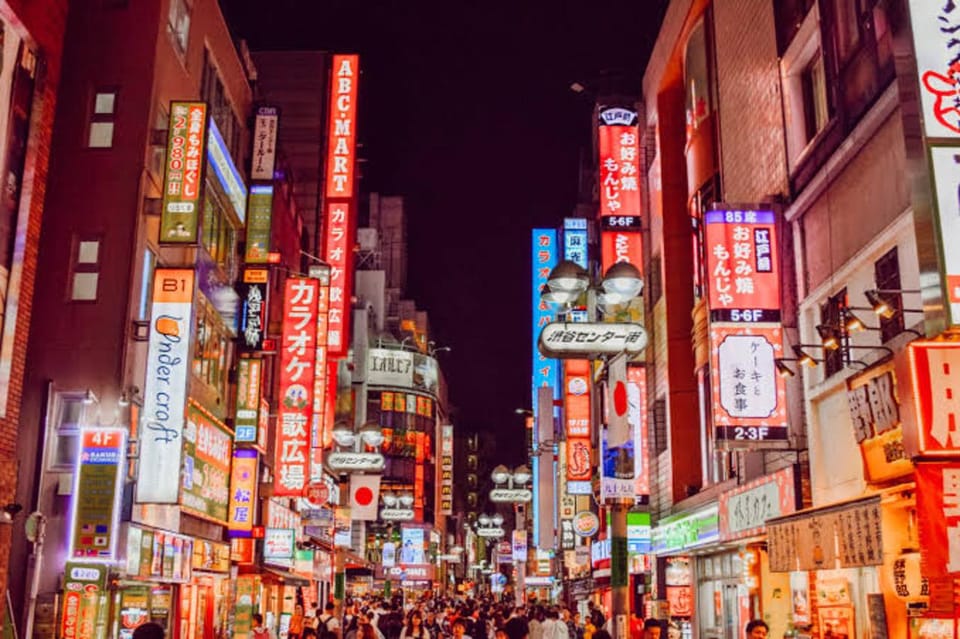
Next up is Imperial Palace East Gardens. This is where Tokyo starts to feel less like a rush and more like a curated stroll. You’ll have guided time plus free time—about an hour total—and the schedule even mentions street food and BBQ.
Now, here’s the practical mindset: that garden block is less about checking boxes and more about getting a break from dense crowds. You’ll trade the market’s sensory overload for space and pathways, and you’ll come out with better perspective for the rest of the day.
If you like photos, this is a strong contrast stop between older Tokyo and modern Tokyo. You can also use the free time to rest your feet and recharge before Asakusa and Skytoku/skyline viewpoints.
Sensō-ji Temple and Asakusa streets: old Tokyo with a smart walking plan
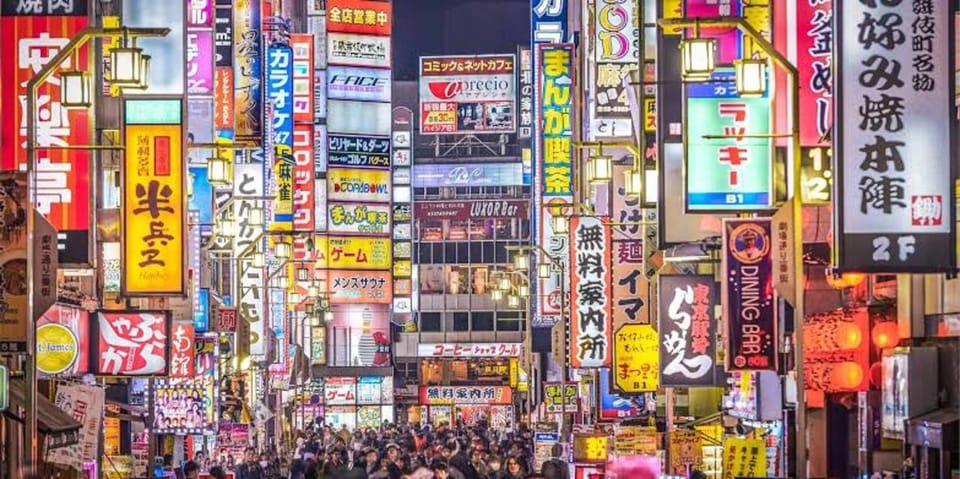
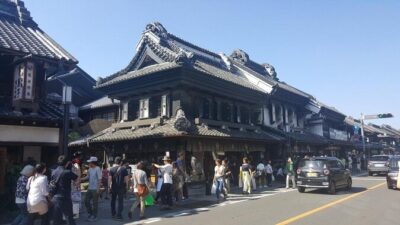
Sensō-ji and Asakusa are the kind of places where Tokyo history becomes visible in one glance. You’ll get a photo stop, guided time, sightseeing time, shopping time, and a walk—again around an hour.
Sensō-ji is a must for first-time visitors. Even if you’ve been to big temples before, the mix here is compelling: dramatic temple architecture, crowded approach streets, and a shopping lane vibe that feels practical rather than staged.
Asakusa continues the theme. You’ll have another hour here for guided exploring and free movement. This is where you can slow down, browse snacks, and shop without feeling like you’re racing the clock.
If you’re sensitive to crowds, you still might find these areas busy, since they’re among Tokyo’s most famous cultural stops. The private-car setup helps because you can arrive and leave on your own timing, instead of being trapped in a massive group schedule.
Tokyo Skytree and a tea ceremony: skyline views plus a cultural pause
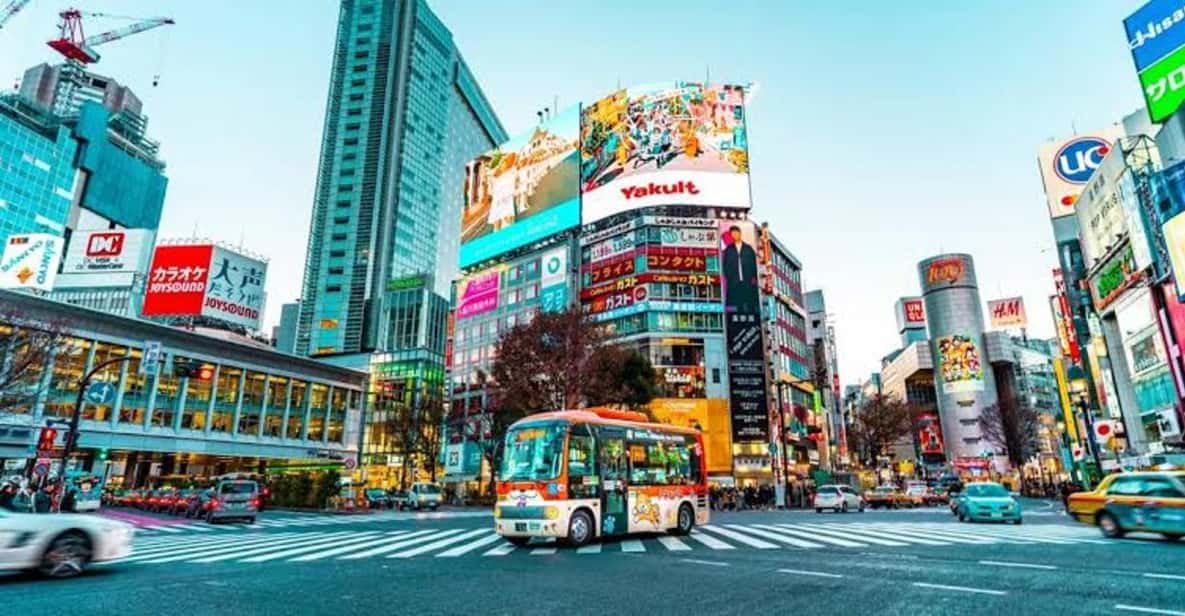
Tokyo Skytree is on the list for a reason: the views are dramatic, and it’s one of the best ways to understand Tokyo’s scale. Your visit includes photo time and guided exploring, plus a planned tea ceremony moment—about 80 minutes for this whole block.
Here’s what I’d treat as a key decision point: Skytree admission is not included. The listing flags the Tembo Deck and related areas as separate tickets. Even with “skip the ticket line,” you’ll still need to pay for entry yourself.
So how do you turn that into a win? Think of Skytree as your paid highlight and the rest of the day as the value-building segments. If you decide sky views are worth it, the tour structure supports that choice well. You’ll get time on-site without having to plan the ticket process between multiple transit legs.
Also, tea ceremony time makes this stop more than a viewpoint. You’re not just standing up high and rushing out—you get a break that resets you for Shibuya’s energy later.
You can also read our reviews of more tours and experiences in Tokyo



Meiji Shrine’s greenery: the break you’ll feel in your feet
Meiji Shrine is a reset button in the middle of a big day. You’ll have a photo stop, guided time, and about an hour total. In practical terms, this is where you catch your breath.
The shrine area is set among trees and walking paths, so it doesn’t feel like you’re going from one concrete-heavy zone to another. Instead, it’s a different pace and mood. If your legs are already tired from Tsukiji and Asakusa, this stop helps you recover without losing cultural value.
If you like seeing how Tokyo mixes tradition into everyday city life, Meiji Shrine is a strong example. It’s also a nice place to slow your camera work and take fewer, better photos.
Shibuya Crossing and lunch choices: where the day gets loud
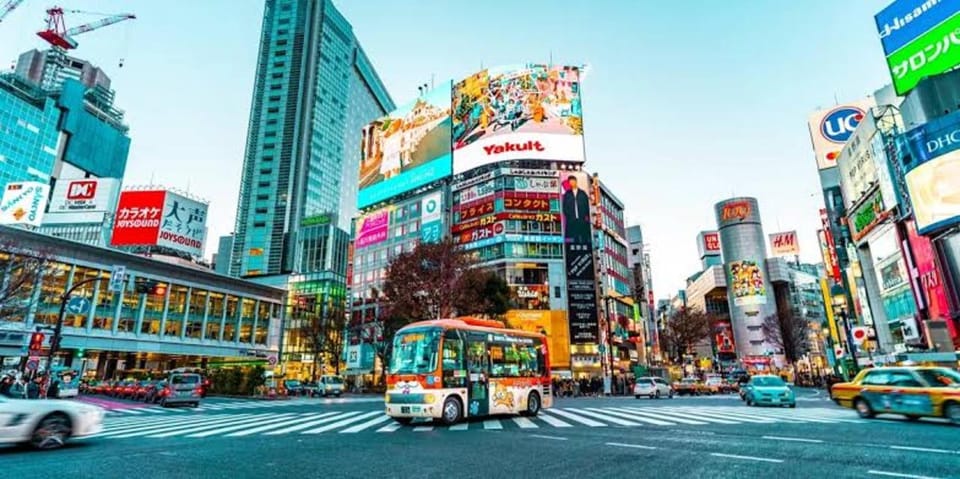
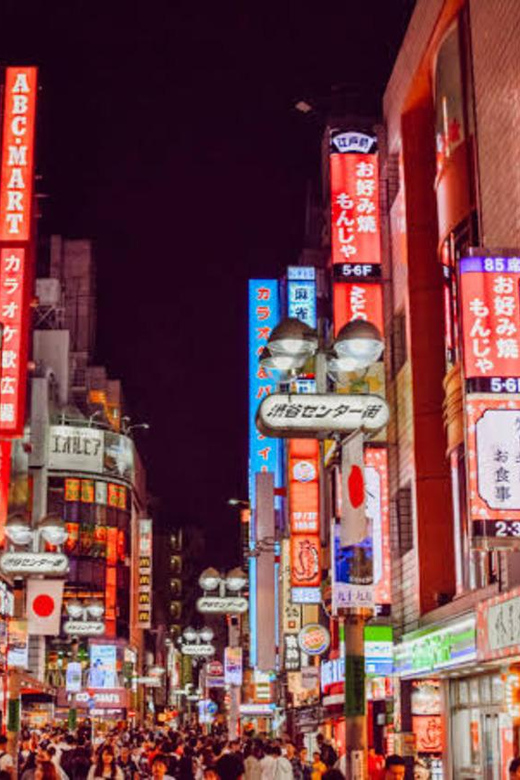
Shibuya Crossing is the kind of landmark that’s hard to describe until you’re standing there. You’ll have a guided walk, a photo stop, street food time, and some free time—about an hour here.
This is also where the tour suggests lunch planning. Lunch isn’t included, but the guide’s direction points you toward Shibuya as the best place to eat that day. That makes sense. You’re surrounded by options, and you’re close to the next big skyline/modern stops.
One detail I really like about a stop like this is that you’re not forced into a single style of lunch. You can choose casual street food if you want quick energy, or go sit-down if you need a proper break.
Also keep an eye out for the 3-D cat billboard in this area. It’s one of those silly-fun Tokyo moments that makes great photos and a nice reminder that the city doesn’t take itself too seriously.
Sumida River stroll: bridges, river air, and a softer Tokyo angle
After Shibuya, the schedule shifts toward a calmer kind of sightseeing: the Sumida River. You’ll get guided time plus free time and walk-and-see space for about an hour.
This stop is valuable because it changes your visual perspective. Instead of towers and temple approaches, you see Tokyo with water and bridges shaping the skyline. It’s the kind of location where you can take photos without constantly looking up.
If you want a strategy: use the free time to grab something small (snacks or a drink) and just walk slowly. With a day this packed, slowing down for 30 minutes can make the whole tour feel less tiring.
Tokyo Tower photos: classic skyline energy to close the loop
Tokyo Tower is a classic, and it works well later in the day because lighting can make photos more interesting. Your time here includes a photo stop, guided time, and free time, about an hour.
This is also where you can compare the feel of different Tokyo icons: Skytree’s modern height versus Tokyo Tower’s older, recognizable silhouette. Both are worth it, but they give different vibes.
If you’re traveling with kids, this is often a good “everyone can enjoy this” stop: it’s visually exciting without requiring long museum-style pacing.
Odaiba and Rainbow Bridge: how to fit the sea-view magic
The day’s plan is also framed to include Odaiba and Rainbow Bridge night-sky views. The big reason this can work is timing flexibility: if the schedule has room, your driver can route you so you get those seaside sights without wrecking your energy.
Since the provided schedule blocks are already full, I’d approach this with one simple question for your driver: where does Odaiba/Rainbow Bridge fit for your group, and what viewpoint is realistic given traffic?
If you care about night views, aim to keep your pace efficient at earlier stops so the later highlights don’t get squeezed.
What you’ll actually get from the English-speaking guide
This isn’t a “drive by the sights” tour. The guide role matters because Tokyo is layered—different neighborhoods feel like different countries, and it’s easy to miss the cultural logic if you’re just following landmarks.
The guide lineup for this kind of tour is reported as English, Hindi, and Japanese. In practice, English-speaking guidance is the point: explanations, historical context, and practical advice at each stop.
In multiple real outings tied to this experience, guides like Mirza and Muhammad are described as professional, attentive, and patient—especially with families and kids. That matters because kids don’t care if you’re on a perfect timeline; they care if they’re bored or uncomfortable. A flexible guide helps you keep the day joyful instead of stressful.
Price and logistics: is $389 per group good value?
The price is $389 per group up to 6 for a full 10-hour day with hotel pickup/drop-off and a private air-conditioned vehicle. For many people, that’s the value equation:
- You’re paying for time efficiency (no transit navigation, less waiting).
- You’re paying for private pacing (your group sets the rhythm).
- You’re paying for a guide across many major areas in one day.
The “not included” items matter for the final cost: lunch isn’t included, and Tokyo Skytree admission is an extra expense. If you add those, your total day cost will rise.
Still, compared with piecing together separate local transport, tickets, and a freelance guide for multiple neighborhoods, this can work out well—especially for groups of 3 to 6 where you split the vehicle cost.
Who should book this Tokyo private day tour (and who should skip it)?
This tour is a strong fit if you want:
- A first-time Tokyo day that covers classic neighborhoods and modern icons.
- A private setup for couples, families, or small groups up to 6.
- Less stress with train timing and crowded transfers.
- A mix of food culture and sightseeing, not just monument photos.
It may not be ideal if:
- You hate long walking stretches. The plan includes multiple walk-and-shopping blocks.
- You don’t want to pay separately for Skytree entry and your lunch.
- You’re traveling with someone who finds full-day walking difficult. (This experience is listed as not suitable for people over 95 years.)
Should you book this Tokyo private day tour?
If your priority is seeing a lot of Tokyo without the logistics headache, I’d say yes. The combination of private pacing, hotel pickup, and guided context is exactly what turns a “Tokyo day” into a usable, memorable one.
Book it if you’ll enjoy a day that blends market food culture (Tsukiji), two major cultural zones (Sensō-ji/Asakusa and Meiji Shrine), and modern-city icons (Shibuya, Sumida River, Tokyo Tower, and Skytree if you purchase admission). Also, it’s a great choice when you’re traveling with kids and want the route to bend to your needs.
Hold off if you’re budget-tight and don’t want extra ticket costs, or if you want a slower, more neighborhood-deep experience. For that, you’d trade “many highlights” for “one area, longer stays.”
FAQ
Is this tour private or shared?
It’s a private group tour, so only your group (up to 6 people) participates.
How many people can be in the group?
The tour is priced for a group of up to 6.
How long is the tour including pickup and drop-off?
The total duration is 10 hours, and it includes hotel pickup and drop-off.
Where does pickup take place?
Pickup is included within Tokyo’s 23 wards (and in some areas outside the 23 wards). Pickup from airports or ports is not available.
Do I need to pay for Tokyo Skytree tickets?
Yes. Entry/admission to Tokyo Skytree (Tembo Galleria + Tembo Deck/Tembo Deck Floor 350) is not included.
Is lunch included?
Lunch is not included. The tour suggests choosing lunch around Shibuya.
Are tickets skipped for major attractions?
The tour includes skip-the-ticket-line help (your guide can assist), but Skytree admission itself is still not included in the package.
What languages are available for the guide?
The live guide language options listed are English, Hindi, and Japanese.
What should I bring and wear?
Wear comfortable shoes and clothes, and bring outdoor clothing since you’ll be walking outdoors.