REVIEW · TOKYO
Tokyo: Shibuya Food Tour, Neon Lights & Local Flavors
Book on GetYourGuide →Operated by AMIGO TOURS JAPAN GK · Bookable on GetYourGuide
Neon street snacks beat a museum every time. This Shibuya nighttime walk pairs iconic landmarks with real-everyday eats, starting at Hachiko Square and rolling through the scramble, shopping alleys, and photo stops.
What I like most is the food-and-street rhythm: you’re not just sampling items, you’re moving through the places locals actually hit. I also love the practical stops for souvenirs, like Don Quijote and Tokyu Hands, so you can eat first and shop after without feeling rushed.
One thing to consider: you’ll cover a lot of ground on foot, so comfortable shoes are non-negotiable. If you’re sensitive to crowds, plan for busy intersections and nightlife lanes.
In This Review
- Key highlights worth your attention
- Entering Shibuya after dark: Hachiko to the scramble
- What to watch for
- Shibuya Crossing stops and konbini snack tasting
- A tip for your camera
- Miyashita Park: the rooftop breather you’ll be glad you have
- Why this stop is good value
- Center Gai energy: snacks, neon lanes, and a 10-yen keepsake
- How to enjoy Center Gai without getting overwhelmed
- Don Quijote: discount chaos that’s fun, not confusing
- Practical note
- Hidden onigiri stand and the sponge cake moment
- What you’re learning by eating these
- Tokyu Hands and a cozy café reset
- End feeling
- Price and value: what $119 buys you in Shibuya
- Who this price works best for
- Who should book this Shibuya night tour
- Who it may not suit
- Should you book this Shibuya food tour?
- FAQ
- Where is the meeting point for the Shibuya Food Tour?
- Where does the tour end?
- What should I bring?
- What language is the guide available in?
- What food will I try on this tour?
- Is this tour a small group?
- Does the tour run in bad weather?
- Can dietary restrictions be accommodated?
- Are pets allowed?
- Is there a pay-later option?
Key highlights worth your attention
- Start at Hachiko Square, then head straight to Shibuya’s most famous scramble energy
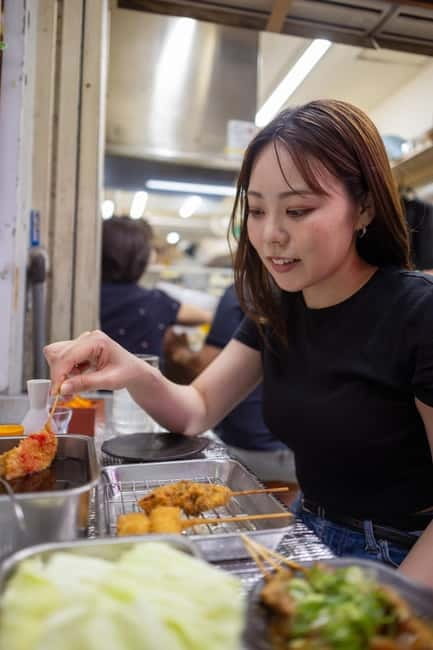
- Konbini tasting near Shibuya Crossing, with items like egg sandwich, onigiri, and crispy fried chicken
- Miyashita Park for a breather plus rooftop views that feel made for photos
- Street-food sampling along Center Gai, including Korean-style corndog or takoyaki
- Don Quijote + hidden onigiri stand, mixing discount-store chaos with quick local comfort food
- Tokyu Hands endcap, for design goods, stationery, and a final café pause
Entering Shibuya after dark: Hachiko to the scramble
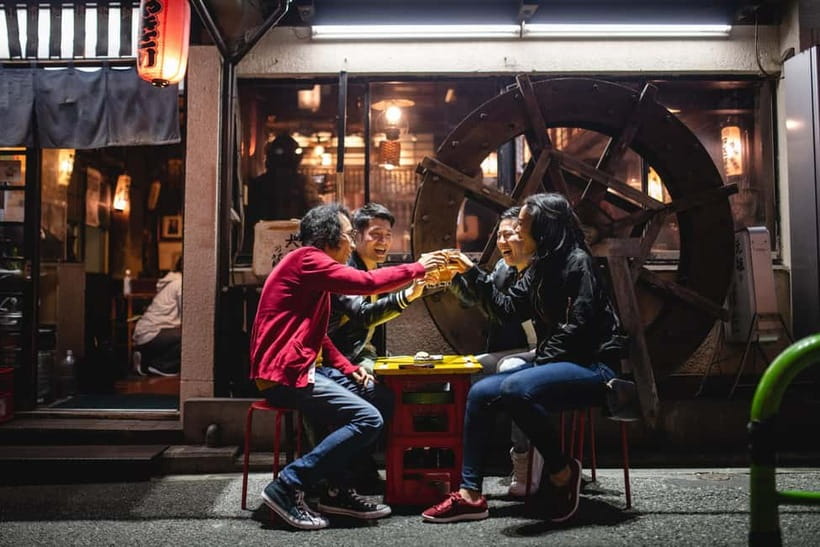
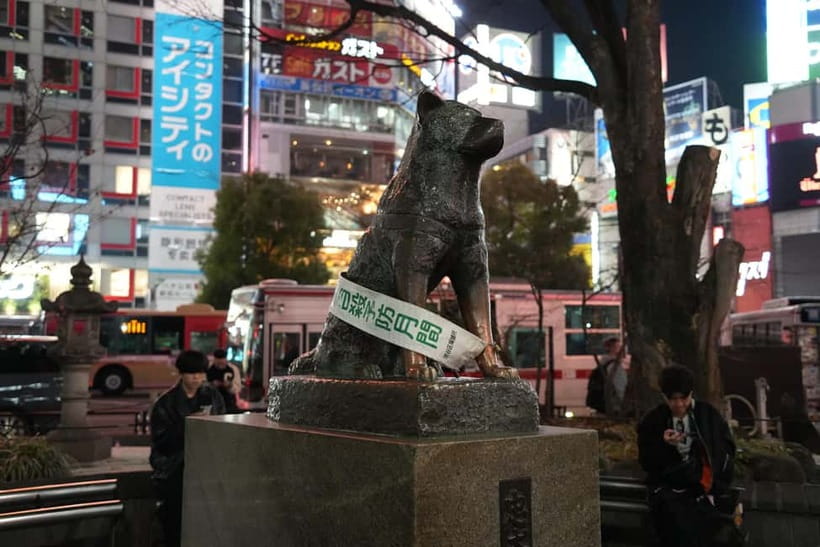
Night in Shibuya hits different. During the day, it’s busy. At night, it’s louder, shinier, and more fun to wander because the neon does the storytelling for you. This tour kicks off at Hachiko Square next to the Hachiko Statue, and you’ll hear the moving tale of the loyal dog that became a symbol of the city. It’s a small start, but it gives you a lens for what you’re seeing next.
After that, you’ll cross over toward Shibuya Crossing—Tokyo’s famous multi-crosswalk intersection—where the flow of people feels like a timed event. It’s exactly the kind of spot where a guided stop makes sense: you get oriented, get your bearings fast, and avoid the common “stand there and wonder where to go next” moment.
You can also read our reviews of more food & drink experiences in Tokyo

What to watch for
This is a nighttime route with lots of foot traffic. You’ll be looking up for signs and menus, and down for where you step—so keep your phone/camera ready, but don’t trip into the crowd. The pace is lively, not a sprint.
Shibuya Crossing stops and konbini snack tasting
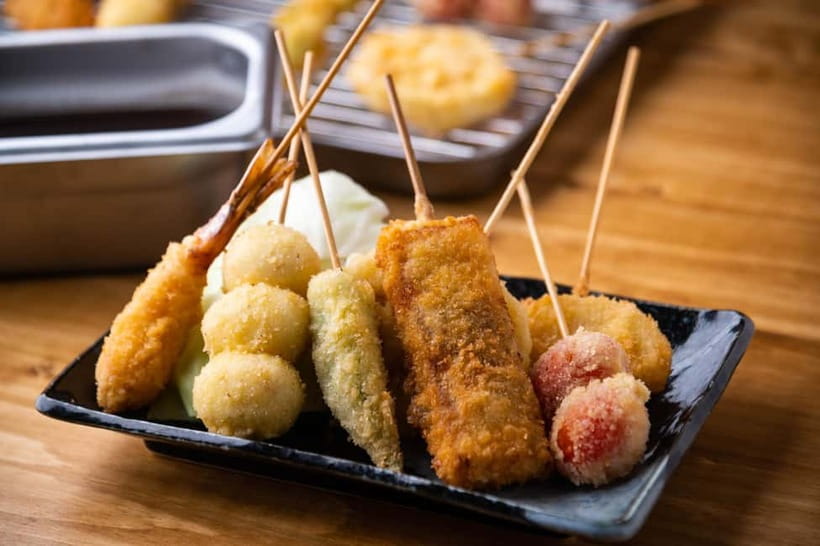
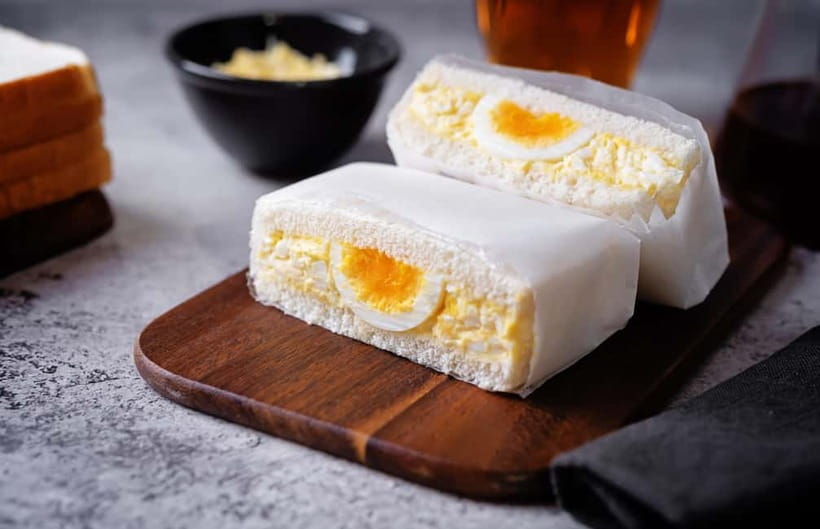
You’ll make a specific stop at a Japanese konbini (convenience store) near the scramble. This is a smart choice, because konbini snacks are part of daily Tokyo life, not just a tourist gimmick. Plus, it’s one of the easiest ways to taste multiple “big-name” Japanese staples in one place.
On the menu, you’ll encounter popular items such as:
- classic egg sandwich
- onigiri (rice balls)
- crispy fried chicken
This tasting matters because it teaches you the baseline flavors. Once you understand what good onigiri and simple sandwiches taste like in their home setting, the later street-food stops won’t feel random. You’ll know what to look for and how to order something similar on your own after the tour.
A tip for your camera
The intersection is a photo magnet, but the konbini moment is more useful than you’d think. You’ll get a chance to photograph packaging, snack variety, and the “this is what locals actually grab” vibe—without having to wait for the perfect crossing timing.
Miyashita Park: the rooftop breather you’ll be glad you have
Between the major landmarks, the tour includes Miyashita Park, a chic urban oasis with shopping, restaurants, and a scenic rooftop park. This stop is more than a lounge break. It gives your legs a short reset and gives your eyes a different kind of view—one that feels like Tokyo has layers, not just streets and signs.
When you come out of Shibuya Crossing, your senses are working overtime. Miyashita Park is where you can slow down, collect your thoughts, and get a few photos that don’t look like the same postcard shot everyone else posts.
You can also read our reviews of more tours and experiences in Tokyo

Why this stop is good value
Food tours can sometimes feel like constant movement and constant eating. This one adds breathing room, so you don’t end the night with “too full, too tired” energy. You’ll still be in Shibuya’s orbit, just with better pacing.
Center Gai energy: snacks, neon lanes, and a 10-yen keepsake
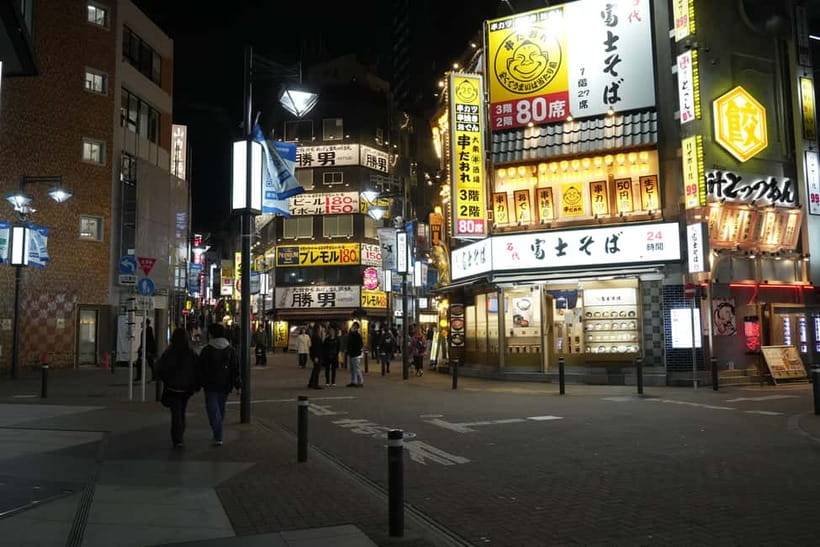
Next you’ll head into Center Gai, one of Shibuya’s busiest streets. This is where the district’s nighttime character really shows: busy storefronts, people weaving around neon signs, and an endless set of “what should I try?” choices.
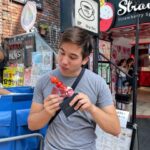
Here’s where you’ll taste more street-style food, including:
- a Korean-style corndog
- or takoyaki
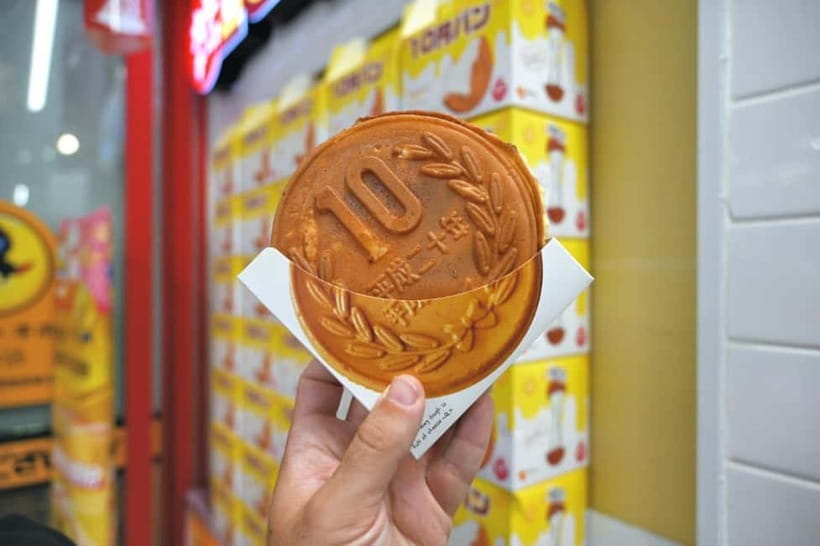
You’ll also get a fun, meaningful keepsake: a 10-yen coin. It’s small, but that’s the point. It becomes a souvenir you’ll actually remember when you see it later—because you earned it in the middle of the experience, not after it.
How to enjoy Center Gai without getting overwhelmed
Let the guide handle the movement. Your job is to:
- keep up at the pace you’re set
- listen for what each snack is and how it’s commonly eaten
- pause for photos only when the group pauses
This approach turns a crowded street into a manageable flow instead of a stressful maze.
Don Quijote: discount chaos that’s fun, not confusing
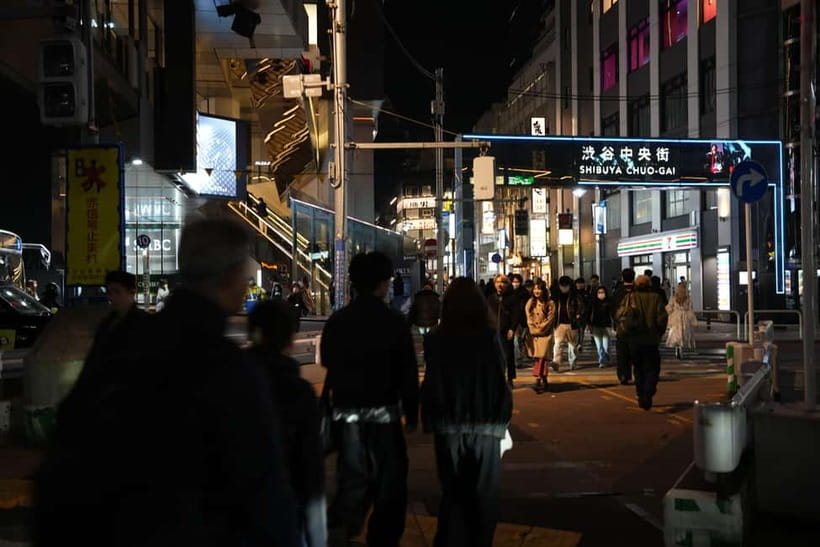
Don Quijote is famous for a reason: it’s Japan’s top discount store, packed with quirky products, snacks, and unusual finds. A big part of why this stop works on a food tour is that it gives you context for how Japanese shoppers think: practical deals, snack browsing, novelty gifts, and last-minute “I need this” purchases all in one place.
You’ll have time to explore, and it’s a great opportunity to grab something you might not find elsewhere—especially if you’re curious about Japanese snack culture beyond what you’re eating on the tour.
Practical note
Shopping in a loud, crowded store is easier with a plan. If you like souvenirs, decide in advance what category you want—snacks, stationery, small gifts—so you don’t lose the group while comparing everything.
Hidden onigiri stand and the sponge cake moment
The tour leans hard into onigiri culture. After Don Quijote, you’ll visit a hidden onigiri stand where you’ll savor one of Japan’s most beloved street foods. That’s the kind of stop that makes a food tour feel like more than a checklist: you’re getting an experience that’s tied to the street itself, not just a famous landmark.
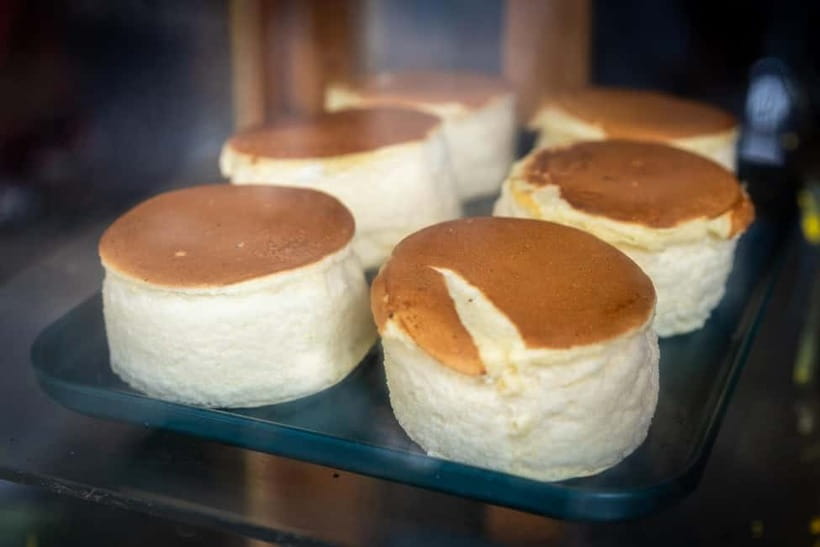
You’ll also taste fluffy Japanese sponge cake during the evening. This is a smart pairing with onigiri. Rice ball meals give you savory structure; sponge cake gives you light sweetness. It helps keep the tasting balanced, so the night doesn’t turn into all-salty, all-the-time.
What you’re learning by eating these
Onigiri teaches you how Japanese comfort food can be simple but precise. Sponge cake shows how even dessert gets the same care—soft texture, clean flavors, and an attention to detail you don’t always expect from a casual snack.
Tokyu Hands and a cozy café reset
To close out the night, you’ll finish at Tokyu Hands, a treasure trove of Japanese design, stationery, and creative goods. This is a satisfying ending because it shifts from food and street energy into items you can take home—pens, paper goods, small design objects. If you like writing postcards, journaling, or picking up useful little things, this stop is worth your time.
After shopping, you’ll take a relaxing break in a cozy café. That pause matters more than it sounds. By the time you hit the end of a Shibuya night walk, you’ll want a quiet moment to settle your stomach and review what you liked—so you can plan what to search for next time.
End feeling
Instead of leaving with only photos, you’ll leave with:
- new flavors you can recognize later
- a sense of where to find similar snacks
- souvenir picks that actually fit your taste
Price and value: what $119 buys you in Shibuya
$119 per person isn’t an impulse price, but it’s also not just “pay for a walk.” You’re paying for three big value drivers:
- A small-group guide in English and Spanish
- Multiple tastings of four iconic Tokyo dishes (from the items you’ll sample during the night)
- Route planning across key Shibuya zones—Hachiko, Shibuya Crossing area, Center Gai, Don Quijote, Tokyu Hands
Food alone can add up fast in Tokyo, especially when you’re trying to taste a range of snacks instead of one meal. And if you’re new to Shibuya, the guided route helps you avoid wasting time trying to figure out where to go next while hungry and jet-lagged.
Who this price works best for
It’s best if you:
- want a guided tasting so you don’t have to research snack stops
- enjoy shopping for design/food-related souvenirs
- like nighttime atmosphere more than daytime sightseeing
If you already know exactly where you want to eat and shop, you might be able to DIY it. But if you want structure and a fun flow, the cost starts to feel reasonable.
Who should book this Shibuya night tour
This tour is a great match for you if you:
- like street food and snack culture, not just sit-down dining
- want a Shibuya evening that’s more local than generic
- enjoy neon districts but also want guidance so the night stays fun
It’s also a solid choice if you’re traveling with a partner or friends who want both food and shopping. The route naturally mixes tastes and stops, and the café break gives everyone a moment to recharge.
Who it may not suit
It’s not suitable for wheelchair users, and the walking involved means it’s easiest to enjoy with comfortable footwear. Also, pets aren’t allowed.
Should you book this Shibuya food tour?
Yes, if you want an efficient way to experience Shibuya at night through food, landmarks, and practical shopping stops. The mix of konbini snacks, onigiri focus, Japanese sponge cake, plus the Don Quijote and Tokyu Hands finish makes it feel like you’re seeing the district from multiple angles—street-level, shopping-level, and souvenir-level.
Book it especially if you’re the type who likes to learn how to order and what to look for. By the end, you’ll have a short list of flavors and places to revisit on your own.
Skip it if you hate crowds, want only a quiet food meal, or you’re not comfortable with lots of walking and nighttime bustle.
FAQ
Where is the meeting point for the Shibuya Food Tour?
Meet the guide at Hachiko Square next to the Hachiko Statue. The guide will be waiting with a sign of Amigo Tours.
Where does the tour end?
The tour ends back at the meeting point.
What should I bring?
Wear comfortable shoes since there is walking. Bring a camera if you want to capture the neon and food moments.
What language is the guide available in?
The guide offers English and Spanish bilingual support.
What food will I try on this tour?
You’ll enjoy tastings of four iconic Tokyo dishes. The itinerary specifically mentions onigiri, Japanese sponge cake, and konbini snacks such as an egg sandwich, onigiri, and crispy fried chicken, plus either a Korean-style corndog or takoyaki.
Is this tour a small group?
Yes. It’s a small group tour.
Does the tour run in bad weather?
The tour operates in all weather conditions, so dress appropriately.
Can dietary restrictions be accommodated?
Dietary restrictions can be accommodated with prior notice.
Are pets allowed?
No, pets are not allowed.
Is there a pay-later option?
Yes, there is a reserve & pay later option.