REVIEW · TOKYO
Tokyo: Mt Fuji Lake Kawaguchi & Yamanaka Hot Spring Day Tour
Book on GetYourGuide →Operated by Hakuu Co Ltd. · Bookable on GetYourGuide
Fuji looks good from everywhere.
This day trip is built for Mt. Fuji photos plus the real-life extras: an onsen session at Lake Yamanaka, and several time-bounded stops that feel fun even when you are moving. I like that it’s a small group (limited to 9) with an English-capable driver-guide, so the day stays manageable and the pace feels intentional. The main drawback is the schedule: you get free time at many stops, so if you want deep explanations at each place, this is more self-guided than lecture-style.
You start in central Tokyo and you end back at Tokyo Station around 6:30 PM, which makes this a practical way to see Fuji without committing to an overnight. The hot spring highlight at Benifuji no Yu is the kind of payoff that makes the commute worth it, especially because Mt. Fuji is part of the view plan. Just plan for limited time at each photo stop and limited luggage space in the vehicle.
In This Review
- Key things that make this Fuji day tour work
- Meeting in Marunouchi: getting to Fuji with minimal stress
- What this means for you
- Small-group transport from Tokyo: comfortable and more personal
- A small logistical reality to plan for
- Oishi Park and the seasonal Fuji color show
- How to make your photo time actually work
- Possible drawback
- Lawson at Kawaguchiko Station: the most oddly useful photo stop
- Best way to handle this stop
- Hikawa Clock Shop: quirky streets with a Fuji viewpoint
- What to watch for
- Oshino Hakkai: the calm water village break you’ll appreciate
- Why this stop adds real value
- Small drawback to plan for
- Lake Yamanaka and Benifuji no Yu: the view you wait for
- Important hot spring etiquette (so you do not feel awkward)
- What makes this hot spring special
- Timing, what to bring, and how to not feel rushed
- My practical tip for this day
- Price and value: is $68 a fair deal?
- Who this tour suits best (and who should skip it)
- A real-world note from guides
- Should you book this Tokyo to Mt. Fuji Lake Kawaguchi & Yamanaka onsen day tour?
- FAQ
- Is this tour private?
- Where do I meet the guide if I’m not using hotel pickup?
- Are tickets and meals included?
- Is the Lake Yamanaka hot spring admission included?
- Do I need swimwear for the hot spring?
- What if my hotel is outside the pickup area?
- Does the seasonal itinerary change?
Key things that make this Fuji day tour work
- Small-group pacing: up to 9 participants keeps photo stops from turning into a cattle lineup.
- Seasonal Fuji scenery: Oishi Park swaps to the Maple Corridor during roughly Oct 30 to Nov 25.
- Classic Fuji photo routes: Lawson at Kawaguchiko Station, Hikawa Clock Shop, and lake viewpoints.
- A real break with water village calm: Oshino Hakkai gives you a scenic walk plus fresh spring-water atmosphere.
- Hot spring payoff: Benifuji no Yu at Lake Yamanaka is included in the experience window, while admission is extra.
- Easy Tokyo start and end: meet at Tokyo Station Marunouchi North Exit or choose hotel pickup in select districts.
Meeting in Marunouchi: getting to Fuji with minimal stress
I like how this tour starts with a clear meeting point: Tokyo Station Marunouchi North Exit. If you choose not to use hotel pickup, you still have a simple target in the biggest transit hub in Japan. The guide sends the gathering location photo through WhatsApp, and they contact you the night before via WhatsApp or LINE—so you will want both apps installed before you go.
The bus departs on time with no exceptions. That’s not a problem if you arrive early, but it does mean you should treat the pickup time like a train connection. In practice, this kind of punctuality is what helps you squeeze in Oishi Park, Kawaguchiko, Oshino Hakkai, and the onsen in one day.
You can also read our reviews of more tours and experiences in Tokyo
What this means for you
If you are traveling solo or you just do not want to wrestle with trains and buses all day, this format is built for you. If you hate running late, you will still be fine—just show up early and do not gamble with last-minute directions.
Small-group transport from Tokyo: comfortable and more personal
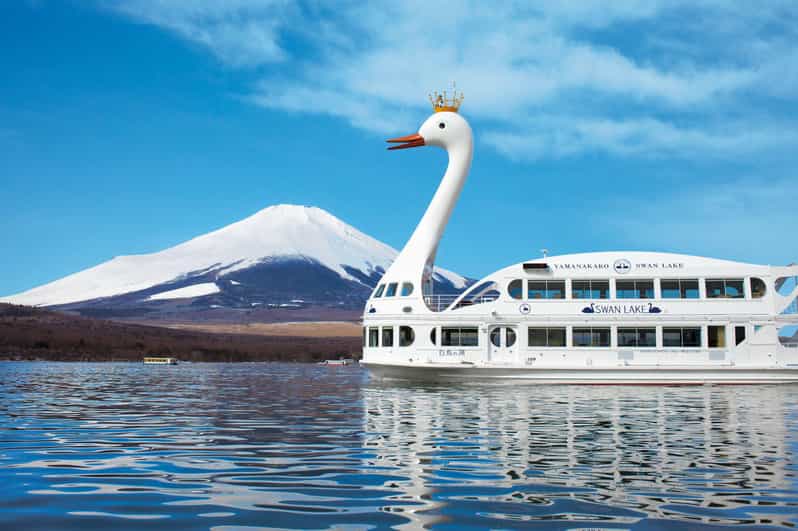
The vehicle is a 10/14-seater (Toyota Hiace or similar). You still get a shared-day tour feel, but the group size stays small (limited to 9 participants), which usually helps at photo stops and when you need to regroup.
You also have a driver-guide on board. The tour is bilingual and the guide can speak basic English. That matters because you will probably get directions and timing reminders, but not a deep explanation at each attraction. So your best strategy is to arrive curious, then use the included stops as a fast visual sampler of the Fuji area.
A small logistical reality to plan for
Luggage space is limited. If you are bringing big bags, you may want to pack lighter or leave bulky items behind. This is a day trip, not a road trip with trunk space.
Oishi Park and the seasonal Fuji color show
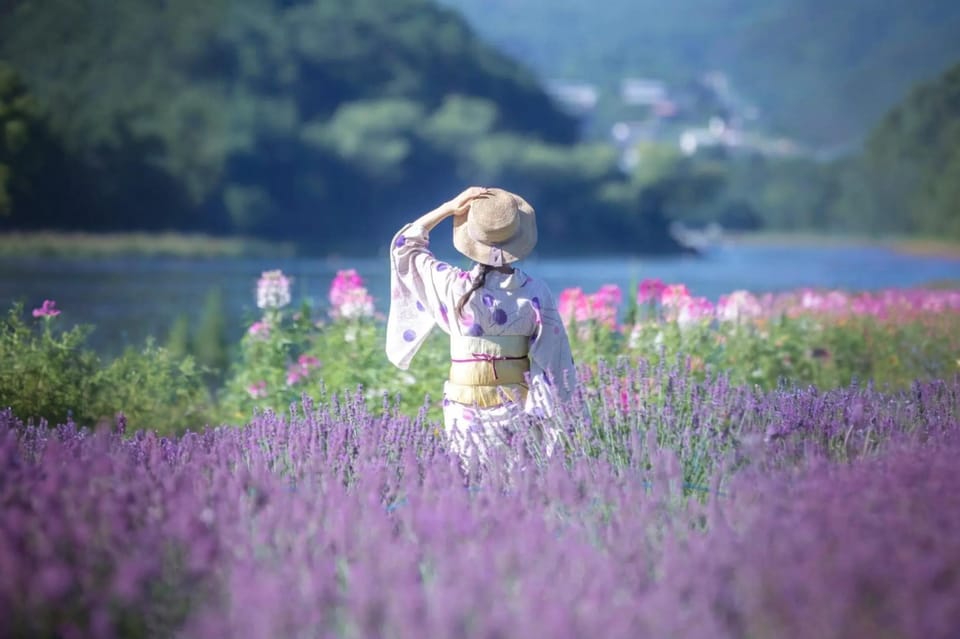
Oishi Park is where this tour gets serious about atmosphere. During summer, the park can be adorned with lavender, which creates a purple-toned foreground that frames Mt. Fuji. In autumn, Kochia shrubs can turn bright red, giving you an entirely different look than the summer fields.
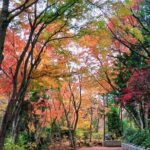
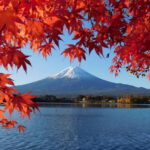
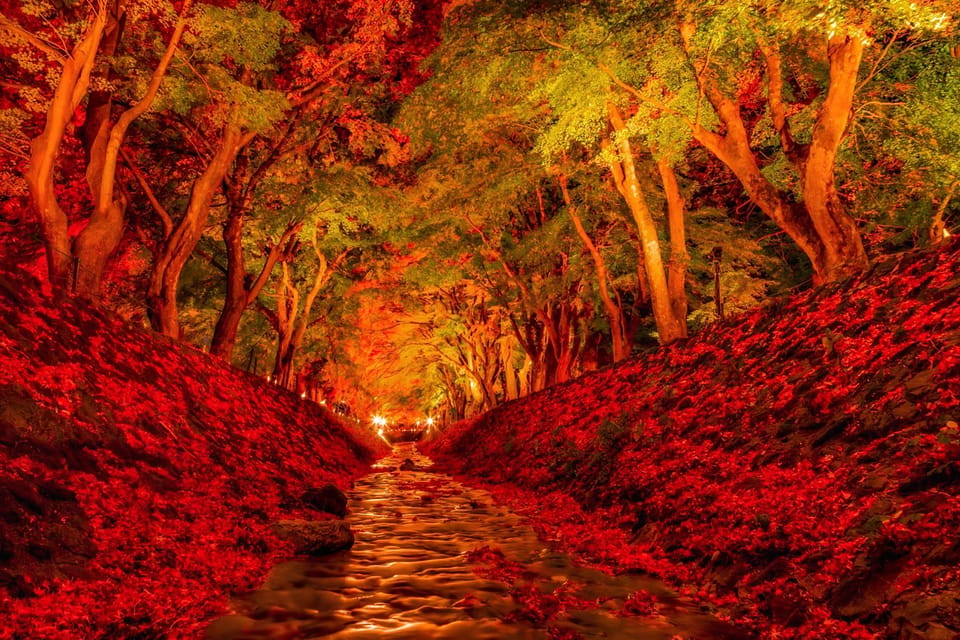
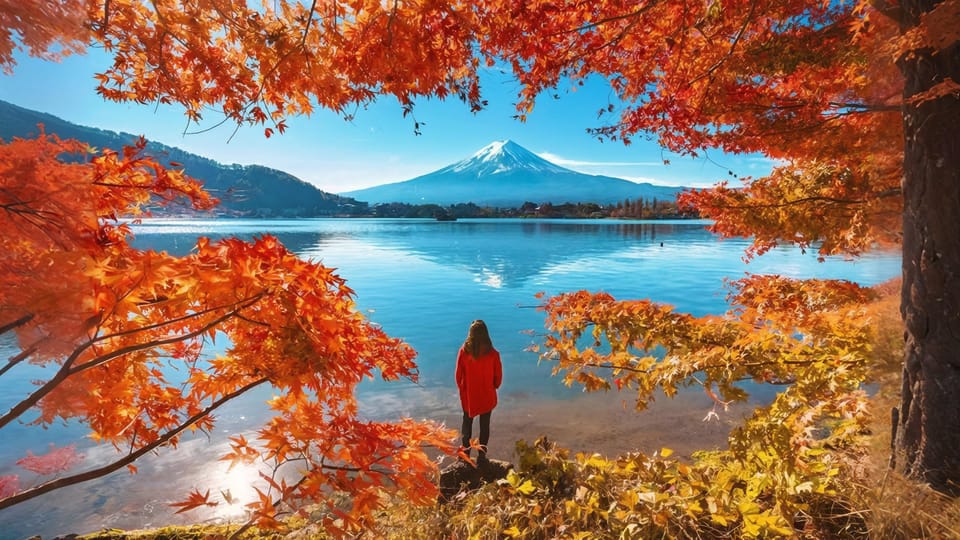
Then there is the seasonal switch. From approximately October 30 to November 25, the itinerary visits Kawaguchiko Maple Corridor instead of Oishi Park. That period is all about fall color, including a scene of snow-capped Mt. Fuji framed by vibrant red maple leaves.
How to make your photo time actually work
Most people rush and then regret it. For these parks, give yourself an easy plan:
- Take one wide shot first (for the full Fuji view).
- Then walk slowly for a closer foreground that matches the season.
- Keep your camera ready for quick changes in cloud cover.
Because the stops are time-bounded (about 50 minutes at Oishi Park), you will get the look you came for, but you cannot wander all day.
Possible drawback
If you travel during peak autumn crowds, the Maple Corridor moment can be crowded and photo angles can feel competitive. The time is still enough to get good shots—you just need patience.
Lawson at Kawaguchiko Station: the most oddly useful photo stop
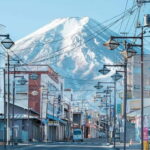
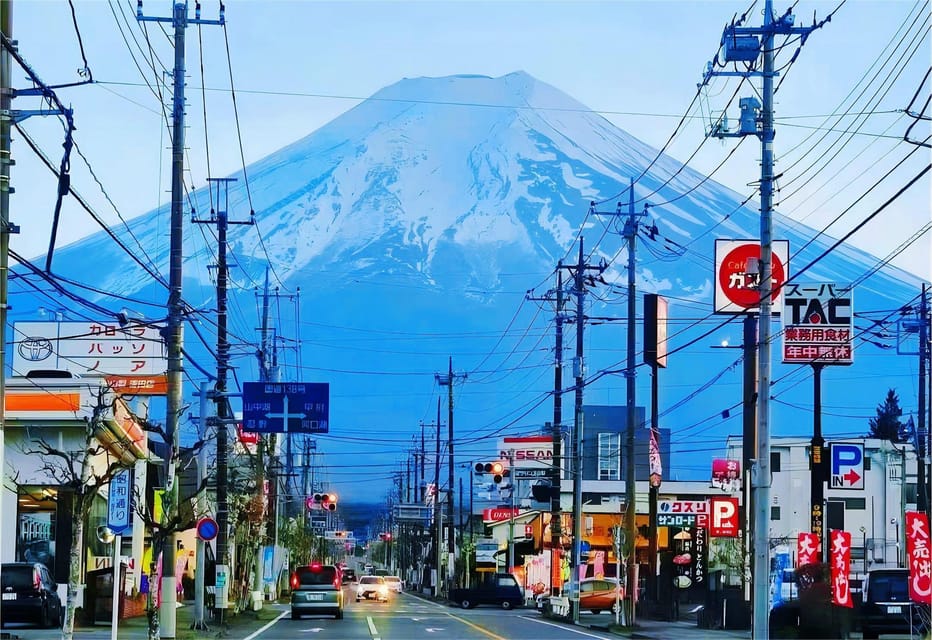
Yes, Lawson. Right near Kawaguchiko Station, there’s a famous Lawson store that is known for having Mt. Fuji in the background. That means you get the kind of casual, everyday-life framing that stands out in a Fuji photo set.
This stop is also a practical reset. You get a break time for shopping and local snacks (about 20 minutes). Even if you skip snacks, the stop is useful: you can rest your legs, grab water, and refuel so the next parts feel easier.
Best way to handle this stop
Treat it like a mini pit stop. You are not there to browse souvenirs for long—you are there to pick up something quick and get your Fuji shot while the light is still good.
Hikawa Clock Shop: quirky streets with a Fuji viewpoint
Next up is Hikawa Clock Shop, a small, photo-friendly area often referred to as The Heavenly Town. The best part is the street vibe: you can walk around, get unique angles, and still keep Mt. Fuji in the story of your day.
This stop is shorter (about 20 minutes), which is exactly why it works. It adds variety without eating your whole schedule. It is also a nice change from the big scenic outlooks—more human-scale, more detail-focused.
What to watch for
Because you are on a tight schedule, wear comfortable shoes and do a quick loop. You will get better results by walking with intent than by standing still hoping for a perfect angle.
Oshino Hakkai: the calm water village break you’ll appreciate
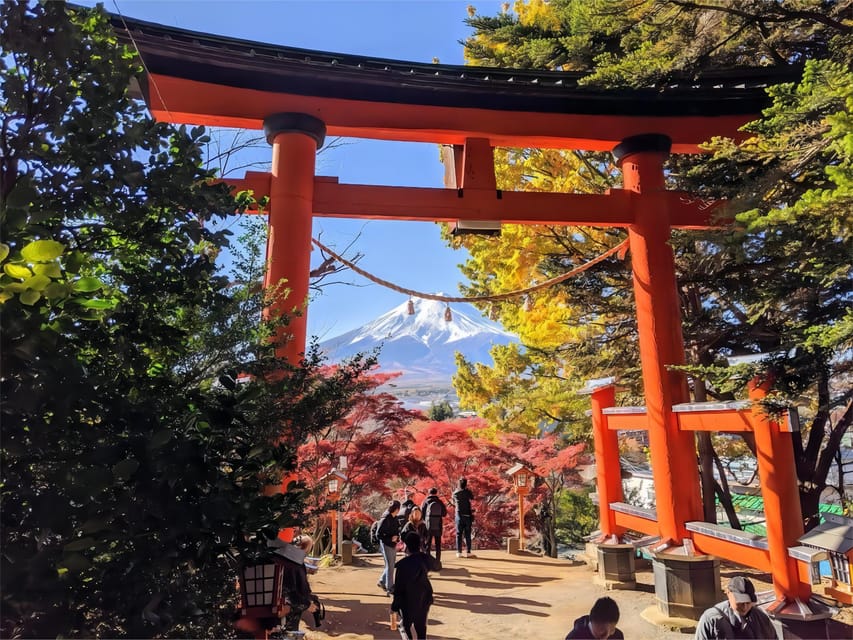
Oshino Hakkai is the traditional village area known as Fuji’s Hidden Pond. This is one of the best places on the route for a slower moment. You get about 80 minutes, which is a lot compared to many photo-stops.
You can stroll, browse, and take in the feel of the area. Fresh spring water is a highlight here, and the atmosphere is built around that quiet, reflective vibe rather than pure photo ops. This is also where you can grab regional food if you want lunch, since meals are not included in the tour price.
Why this stop adds real value
If the earlier parks are all about Mt. Fuji scenery, Oshino Hakkai is about the surrounding culture and daily life connected to the Fuji region’s water systems. Even if you only do a short walk, you’ll feel the difference.
Small drawback to plan for
Because this segment includes time for shopping and food, it can turn into a longer stop for people who want souvenirs. If you care most about the sights, keep an eye on time so you do not feel rushed later at Lake Yamanaka and the hot spring.
Lake Yamanaka and Benifuji no Yu: the view you wait for
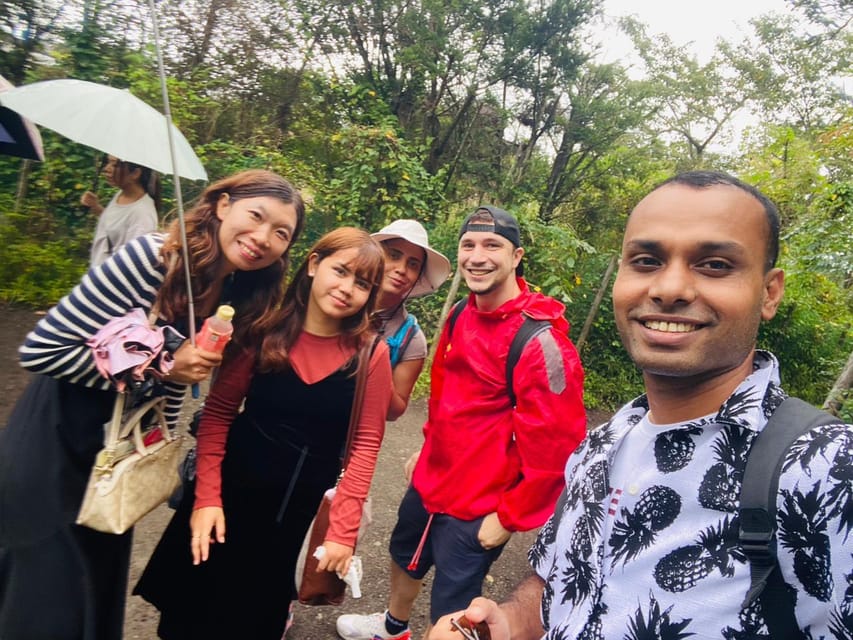
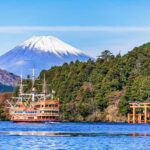
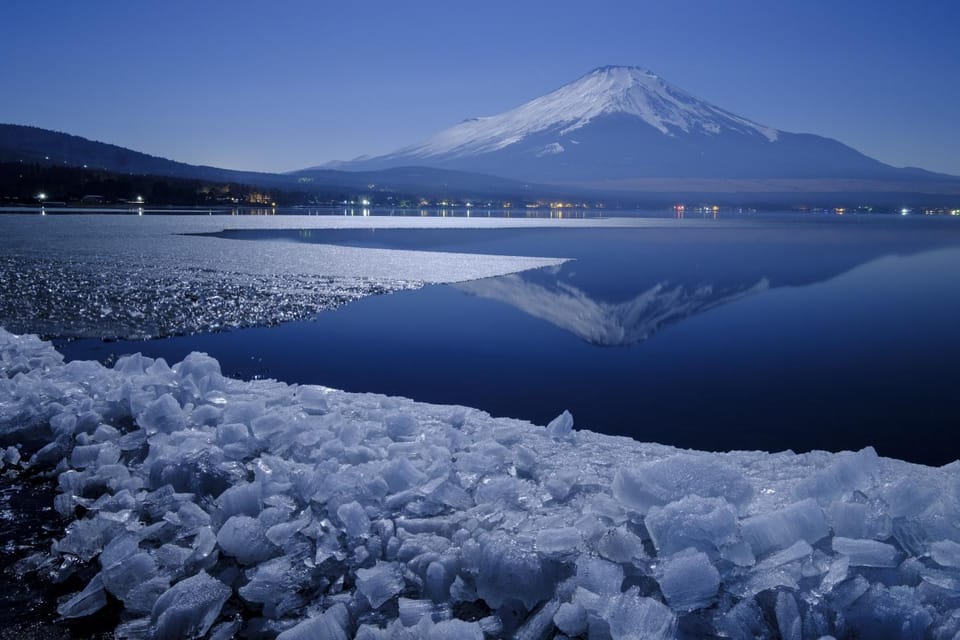
Lake Yamanaka is one of the tour’s payoff moments. You get about 1.5 hours of time for photo stops, sightseeing, and walking. This is also where you get seasonal lake scenery with Mt. Fuji in the background—plus a chance to slow down before the final onsen stretch.
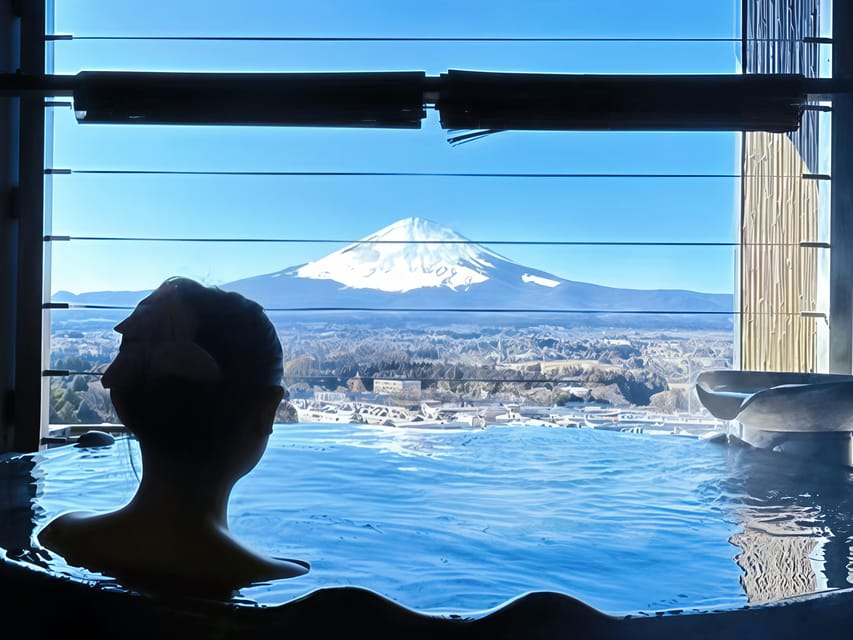
Then comes the hot spring at Benifuji no Yu. You have about 1.5 hours there for a self-guided soak, with hotel or resort activities if available at the facility. Hot spring admission is not included, so you should budget for the ticket separately.
Important hot spring etiquette (so you do not feel awkward)
Japanese hot springs are typically enjoyed without swimwear. Tattoos are generally not permitted; you may be able to cover tattoos with bandages, or you may choose a private bath for an additional fee. If you are traveling with visible tattoos, plan ahead to avoid a last-minute problem.
One practical note from the experience details: the tour staff emphasize hot spring rules, including guidance around what is allowed in the water area. So follow their cues and you will be fine.
What makes this hot spring special
The reason this stop is a highlight is the combination: hot spring relaxation plus a view that includes Mt. Fuji. That is the kind of contrast that makes the day feel complete.
Timing, what to bring, and how to not feel rushed
A day trip to Fuji in 10 hours means you will move. You can make it feel easy with a few basics.
Bring:
- Comfortable shoes
- Hat
- Camera
- Sunscreen
- Water
Also remember:
- The itinerary may alter based on traffic during peak season.
- You cannot smoke in the vehicle.
- Food and drinks are not allowed in the vehicle.
- Visible tattoos are not allowed.
My practical tip for this day
Use the free time like this:
- First 10–15 minutes at each scenic stop for wide shots.
- Then spend the remaining time on details (foreground plants, street corners, water vibes).
It helps you avoid the common trap of spending too long trying to find the perfect angle before you have the basics.
Price and value: is $68 a fair deal?
For about $68 per person, you are paying for roundtrip transportation from central Tokyo, plus the driver-guide and the vehicle (10/14-seater), along with fuel, tolls, and highway fees. Hotel pickup and drop-off are included only if you select that option and you are within the pickup area.
What is not included:
- Meals
- Entry tickets to attractions
- Hot spring admission (Benifuji no Yu)
So the real value question becomes this: does the price cover what you would otherwise spend in time and money navigating trains and buses? For most people, yes. You also get multiple Fuji-area highlights in one day: Oishi Park or Maple Corridor, Kawaguchiko Station area, Hikawa Clock Shop, Oshino Hakkai, Lake Yamanaka, and the onsen experience window.
If you are comfortable DIY-ing public transit and you already have a plan for each stop, you might spend less on transport. But if you want a smooth, pre-timed route and a small-group day with a guide handling the driving, $68 can feel fair—especially because the day returns you to Tokyo Station at a reasonable hour.
Who this tour suits best (and who should skip it)
This tour is a good fit if you:
- Want a one-day Fuji sampler without overnight logistics
- Care about photos and seasonal scenery
- Like the idea of free time plus a hot spring break
- Prefer small-group energy over big bus chaos
It is not suitable for people over 80 years, based on the tour’s stated limits. Also, if you have strict needs for long explanations at each stop, know the guide mainly supports directions and timing, while you explore most attractions on your own.
A real-world note from guides
Two guide names show up in the experience feedback: Jason and Li. The consistent message is that the guides are friendly and helpful, and they keep the day moving smoothly. That matters on a day trip, when small coordination issues can turn into stress.
Should you book this Tokyo to Mt. Fuji Lake Kawaguchi & Yamanaka onsen day tour?
I think this is worth booking if you want a Fuji day that feels organized, not exhausting. The small-group format, the punctual Tokyo start, and the mix of seasonal parks plus a hot spring view make it a solid “best-of” route for many first-time visitors.
I would hesitate if you hate time limits, dislike self-guided shopping and photo stops, or you need the guide to provide detailed history at each site. Also, if hot spring etiquette rules (no swimwear, tattoo restrictions) could be a problem for you, think through that before committing.
If you want a balanced plan—scenery, quirky Fuji-town stops, a calm water village break, and a real onsen payoff—this day tour is built for exactly that.
FAQ
Is this tour private?
No. It is a bilingual non-private tour, with a limited group size of up to 9 participants.
Where do I meet the guide if I’m not using hotel pickup?
Meet at Tokyo Station Marunouchi North Exit (1-chōme-9-1 Marunouchi, Chiyoda City, Tokyo). The guide sends the gathering location photo via WhatsApp.
Are tickets and meals included?
Meals are not included, and entry tickets to attractions are also not included.
Is the Lake Yamanaka hot spring admission included?
No. The hot spring at Benifuji no Yu is part of the stop, but admission is not included.
Do I need swimwear for the hot spring?
Japanese hot springs are typically enjoyed without swimwear.
What if my hotel is outside the pickup area?
Hotel pickup is available in 12 select districts. If your hotel exceeds the pickup area, you will still attend by meeting your guide at Tokyo Station, with a partially refunded amount of 3200 JPY.
Does the seasonal itinerary change?
Yes. From approximately October 30 to November 25, the tour visits the Kawaguchiko Maple Corridor instead of Oishi Park to show the autumn colors.