REVIEW · TOKYO
At an Antique Shop, Tea Ceremony and Japanese Sweets Forming
Book on GetYourGuide →Operated by Beautifuldaytours LLC. · Bookable on GetYourGuide
A tea moment in an antique shop feels different. This experience pairs nerikiri wagashi shaping with a real tea ceremony, all inside a 100-year-old roadside tableware antiques shop that has been featured on CNN. Two things I love right away: you can choose your teacups, including some that are several hundred years old, and you get hands-on guidance that makes the craft feel relaxing instead of intimidating.
One heads-up: this is not suitable for wheelchair users, and it also isn’t a good match if you have certain health conditions like vertigo or epilepsy, or if you’re feeling unwell.
In This Review
- Key highlights you’ll care about
- Inside a century-old antique shop, not an apartment classroom
- Your cup choice sets the tone for the whole tea moment
- Nerikiri wagashi: what you’re making and why it’s worth your time
- Shaping the dough like clay, then adding the fine lines
- The tea ceremony room: chair sitting, real matcha, and conversation
- What the $57 price covers, and how it becomes good value
- Timing, meeting point, and how to set yourself up
- Who this is best for, and who should skip it
- Small rules that help the experience stay respectful
- Should you book this antique shop tea ceremony and nerikiri workshop?
- FAQ
- Where does the experience start?
- What is included in the price?
- Can I choose my teacup?
- What wagashi are you making?
- Is the tea ceremony done in a room where you sit on the floor?
- How old do you have to be to join?
- What languages are used?
- Is it okay to enter the shop without joining the activity?
Key highlights you’ll care about
- Century-old roadside antique shop setting, not a generic studio room
- Teacup selection, including some several-hundred-year-old options
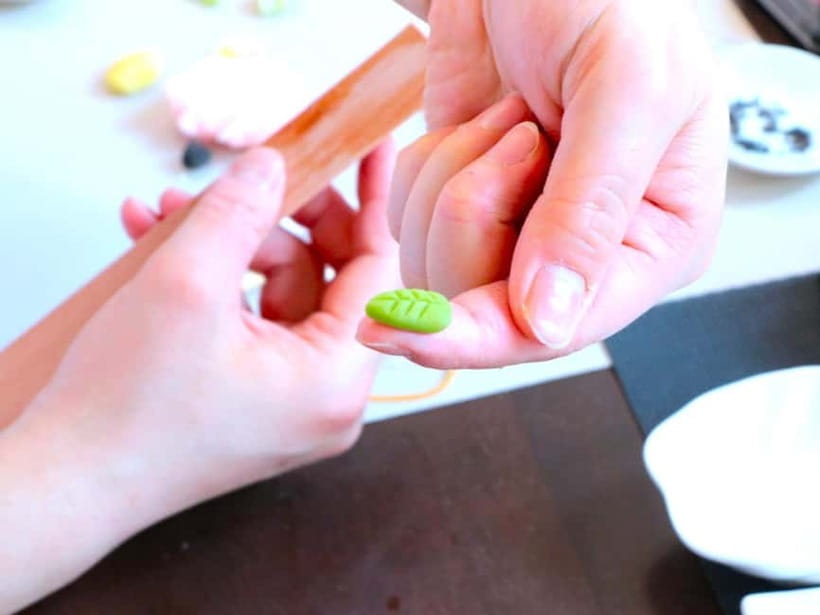
- Hands-on nerikiri wagashi making, shaped like colorful clay
- Seasonal design details added with tools by hand
- Tea ceremony in a chair-based room, with real matcha served
- English-friendly hosting, with an artisan who may not be fluent but makes conversation part of the ritual
Inside a century-old antique shop, not an apartment classroom
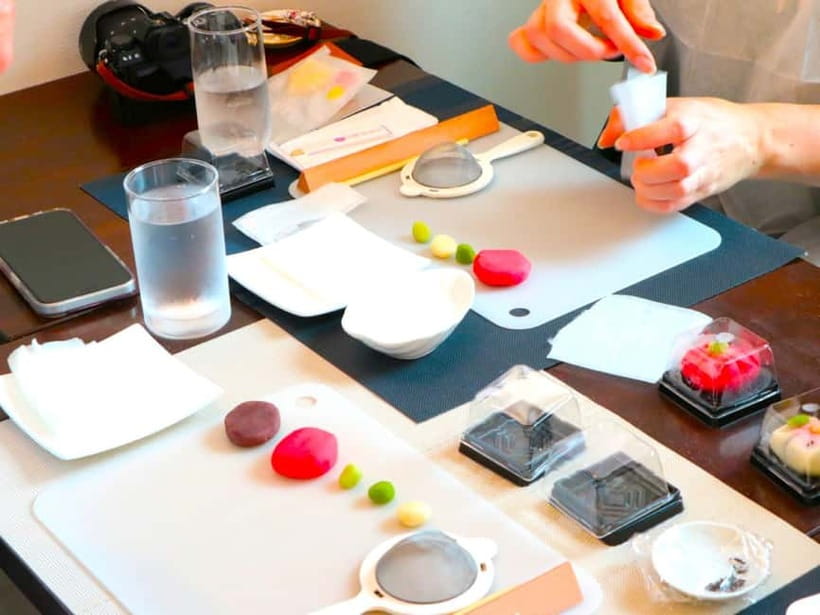
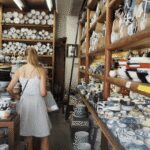
This workshop starts with a setting that instantly changes the vibe. Instead of doing tea and sweets in a standard rental space, you’ll be at a roadside antique tableware shop that’s around 100 years old. It’s the kind of place that slows you down, because you’re surrounded by objects with stories, not just craft supplies.
The shop’s tableware focus matters too. You’re not only learning about tea, you’re seeing how Japanese aesthetics are tied to everyday things like cups, bowls, and small tools. And yes, this is the same shop that’s been interviewed by CNN, which is a fun breadcrumb if you’re the type who likes to spot why a place became famous in the first place.
That calm energy carries into the class itself. Even if you’re not a confident creator, the pace is gentle, with step-by-step guidance that helps you land a finished wagashi you can be proud of. The overall tone stays soft and conversational, and that helps make the tea part feel natural rather than scripted.
You can also read our reviews of more tours and experiences in Tokyo
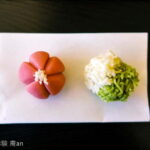
Your cup choice sets the tone for the whole tea moment
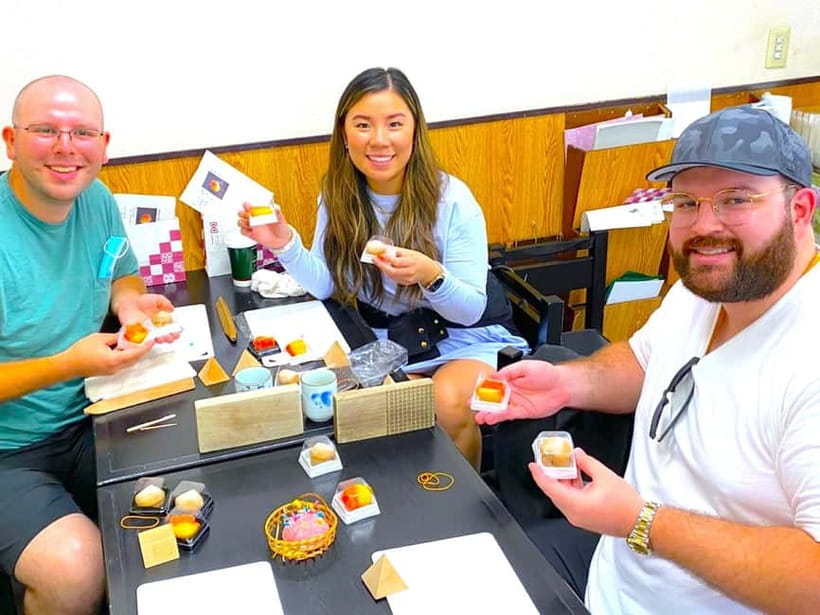
One of the most memorable parts is that you don’t just get a standard cup. You choose the teacups you’ll use during the ceremony, and some of the options are several hundred years old. That changes how you handle your tea—your attention gets sharper, because you’re aware you’re working with something special.
For practical travelers, this is also a nice way to make the experience feel personal without extra effort. You can pick what feels right to you, then settle in. You’re not forced into a single style, and it gives you something to focus on while you’re arriving and getting oriented.
If you love details, you’ll probably enjoy noticing how cup shape and texture affect the way tea feels in your hands. Even without turning it into a lecture, the cup choice quietly teaches you that tea isn’t only about taste. It’s also about form, touch, and timing.
Nerikiri wagashi: what you’re making and why it’s worth your time
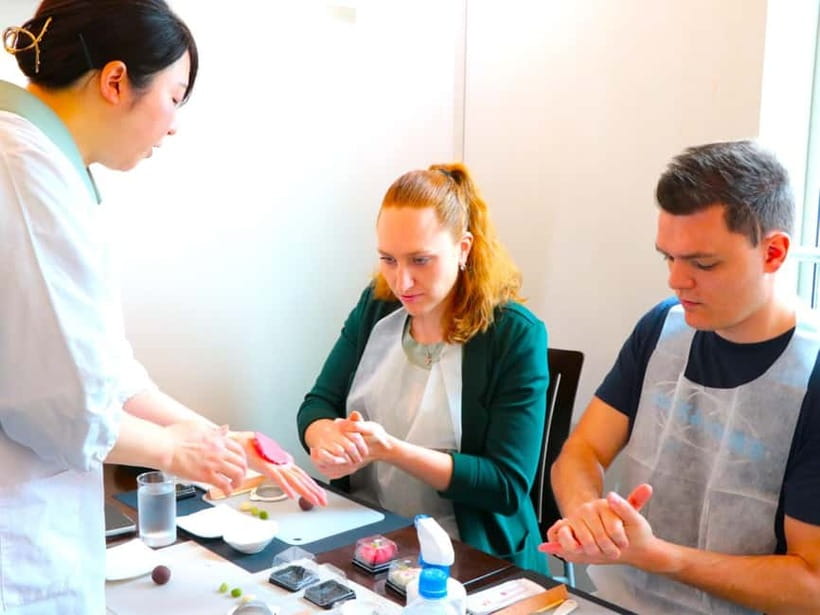
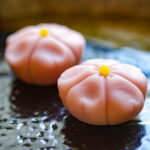
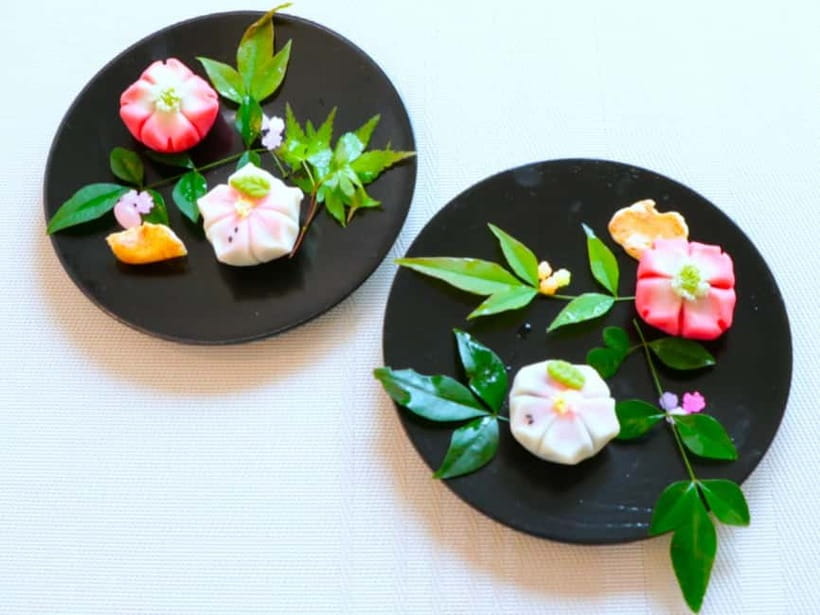
Your sweets-making session centers on nerikiri, a type of Japanese wagashi. The main ingredient is mochi flour, and the class teaches you how to shape it into a target figure using colored materials. If you’ve ever worked with clay, this part will feel familiar in the best way.
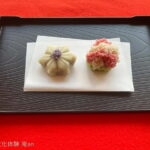
Here’s what makes nerikiri different from a simple mochi or cookie-style sweet: the craft is about forming and refining details by hand. You’ll create shapes based on the theme for the day, then carefully add lines using tools to portray seasonal beauty. In other words, you’re not just making something tasty. You’re also making something that looks like it belongs to a specific time of year.
The class is designed to be approachable. You don’t need cooking skills or prior art experience, because the instructor guides the process carefully. The goal is not perfection; it’s finishing with understanding. That difference matters, especially if you’re coming solo or you’re traveling with friends who worry they’ll be bad at crafts.
Shaping the dough like clay, then adding the fine lines
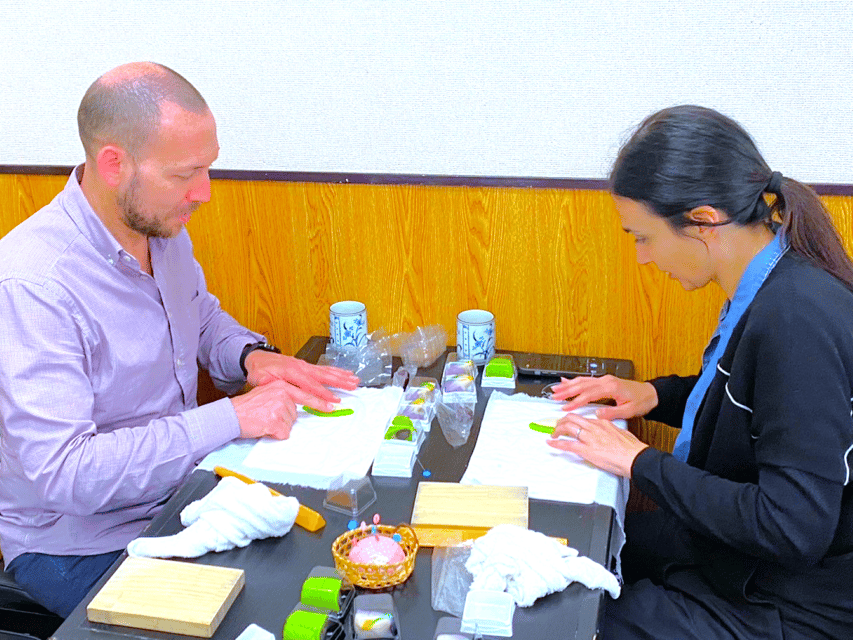
The hands-on portion is straightforward, but it rewards patience. You’ll work with several colored components, then combine and form them into the day’s themed design. The “colored clay” feeling is real: you squeeze, pinch, and shape until the figure starts to look like what you’re aiming for.
After that, the finer work begins. You’ll use tools to add lines carefully so the wagashi reflects the intended seasonal look. This is the part where slow focus pays off, and it’s also where the experience turns calming instead of stressful. You’re busy with your hands, but you’re not rushing against a timer.
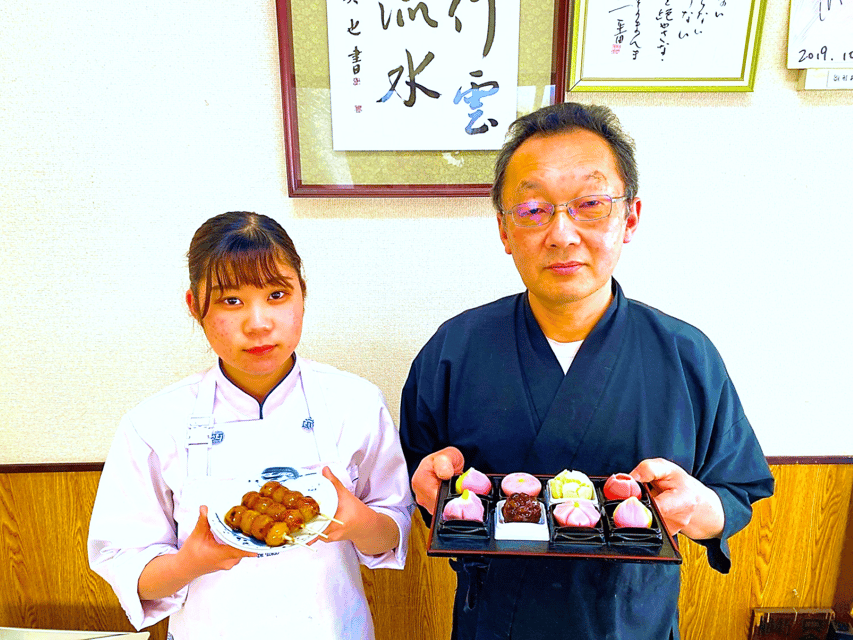
The structure also helps you feel supported. If you’re unsure at any step, guidance is available, and the tone stays friendly. People often describe the instructor as patient and attentive, even when English isn’t the host’s first language. That’s a big deal, because it lowers the anxiety barrier that many craft classes accidentally create.
The tea ceremony room: chair sitting, real matcha, and conversation
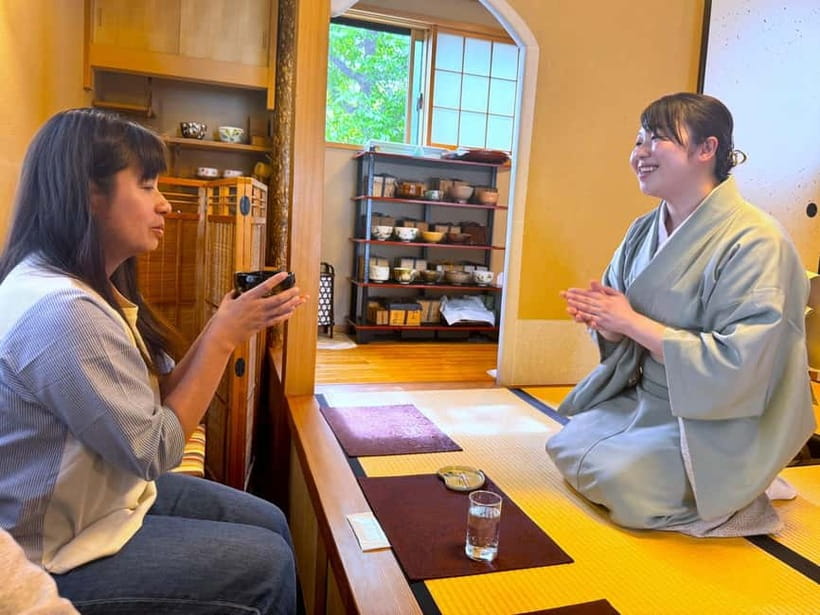
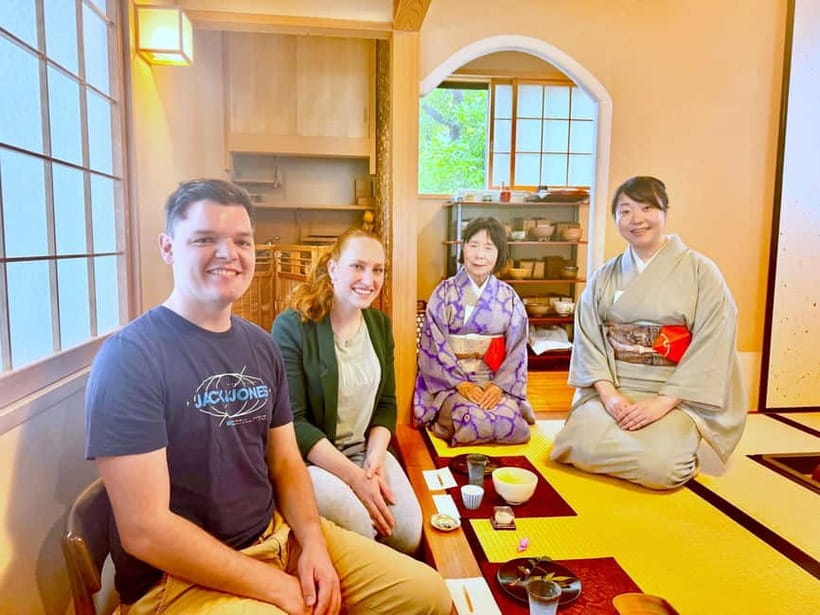
After you shape your nerikiri, you move into the tea ceremony area. One detail that makes this feel comfortable for most visitors is that the room is designed for you to sit in chairs. That removes a layer of stress people sometimes worry about with traditional-style spaces.
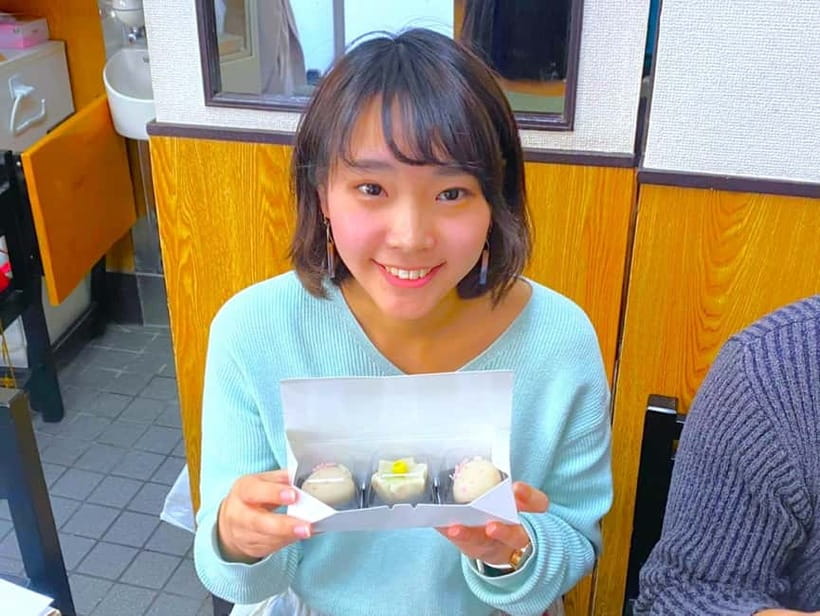
You’ll be served by the host, with confection first, then real matcha. The sweets you made become part of the flow, so your earlier effort doesn’t feel separate from the tea ritual. You’re essentially pairing your craft with the ceremony that explains the role of sweets and tea together.
Conversation is also part of the experience. The host is described as an artisan rather than a commercial-style speaker, and that affects the style of interaction. English may not be perfect, but the experience is set up so you can ask questions and learn as you go. The more you engage, the more the ceremony deepens—at least in terms of meaning and connection.
For visitors who like cultural context, this is one of the most valuable parts. You’re not only observing. You’re interacting in a respectful, low-pressure way that helps you understand what the host thinks is important.




What the $57 price covers, and how it becomes good value
The price is $57 per person, and that number makes sense when you look at what’s included. Your fee covers the experience itself plus facility, tool usage, and the material costs for matcha and wagashi. Consumption tax is included too.
The practical value here is that you’re paying for more than a guided activity. You’re paying for:
- Access to a specific venue (the antique shop and its tea room)
- Cup selection for the ceremony
- Ingredients and tools for nerikiri shaping
- Tea and sweets served as part of the ceremony
In a lot of similar experiences, you may get instructions but still feel like you’re paying extra for the “real” parts. Here, the key components are included, so there’s no surprise at the end that you’ve only booked a tutorial. You leave with the satisfaction of having made the sweet, plus having tasted the ceremony pairing in a thoughtful setting.
If you’re deciding between this and a more generic tea class, the venue is the deciding factor for me. Doing it in a 100-year-old antique tableware shop isn’t just aesthetic. It’s part of the lesson. It makes the ceremony feel more grounded and less like a product you bought.
Timing, meeting point, and how to set yourself up
The meeting point is about 10 minutes from Nippori Station. You’ll get detailed location instructions after reservation, which is helpful because the shop is described in a way that suggests it’s not exactly on a loud main drag. Plan a little buffer time so you don’t arrive breathless, and you can actually enjoy the antique window-shopping moment when you arrive.
Also note how the schedule works. Even if you’re late, the experience ends at the originally scheduled time. That means your best strategy is simple: arrive early enough to settle in and look around.
When you do arrive, you’ll be asked to take your time to look at the antique tableware first. That isn’t just a formality. It’s part of how the experience opens your attention before you start shaping sweets and drinking tea.
Who this is best for, and who should skip it
This is a strong fit if you want a Japanese activity that feels calm, hands-on, and culturally respectful. It works well for adults and older teens because participants must be at least 13 years old. If someone is under 18, they need to be accompanied by an adult.
It also suits people who like craft with structure. You’re making nerikiri by hand, but you’re not left to guess. The instructor guides you carefully, and you can ask questions during the tea ceremony too. Even if English support isn’t perfect on every detail, the experience is set up to help you get what you need.
Who should skip it:
- Wheelchair users (not suitable)
- People with vertigo or epilepsy (not suitable)
- People who are currently unwell or have symptoms of being under the weather (not allowed)
- Anyone traveling with very young kids (unaccompanied minors aren’t allowed, and it’s not suitable for children under 13)
If you’re sensitive to rituals that require staying focused, this may actually be a good option. The “clay-like” wagashi shaping gives your brain something steady to do, which can reduce the mental load many tourists feel.
Small rules that help the experience stay respectful
Some house rules matter because they protect the atmosphere. Smoking and intoxication aren’t allowed. Chewing gum is also not allowed, and you’re asked not to attend if you’re unwell or under the influence of alcohol or drugs.
Bare feet are also not allowed. If you’re the type who likes to walk around in sandals all day, just keep that in mind and bring appropriate footwear.
One more practical point: you can’t just walk in and wander for free. If you want to enter the venue without participating in the program, you still need to pay a fee in advance; unpaid visitors won’t be admitted.
These rules sound strict, but they make the space feel like an actual working craft and tea environment, not a casual storefront you can treat like a museum.
Should you book this antique shop tea ceremony and nerikiri workshop?
I’d book it if you want the real package: hands-on wagashi making plus a chair-based tea ceremony, all in a 100-year-old antique tableware shop. The cup selection alone is a standout detail, and the nerikiri process gives you something tangible to remember beyond photos.
Skip it if accessibility is an issue for your group or if you or someone in your party is dealing with conditions listed as not suitable. Also skip if you expect a fully scripted, language-simple experience with zero conversation. The host is described as an artisan who may not speak English fluently, but your experience can still be great if you’re willing to ask questions and stay patient.
If you want a calm, respectful, truly Japanese craft day that doesn’t feel generic, this is the kind of workshop that makes travel feel like more than checking boxes.
FAQ
Where does the experience start?
The meeting point is about 10 minutes from Nippori Station. Detailed location information is provided after you make your reservation.
What is included in the price?
Your experience fee includes facility, tool, matcha and wagashi material costs, and consumption tax.
Can I choose my teacup?
Yes. You can choose the teacups you use, and some of them are several hundred years old.
What wagashi are you making?
You’ll make nerikiri wagashi, a Japanese sweets type made using mochi flour.
Is the tea ceremony done in a room where you sit on the floor?
The tea room is designed for you to experience the ceremony sitting in a chair.
How old do you have to be to join?
Participants must be at least 13 years old, and anyone under 18 must be accompanied by an adult.
What languages are used?
English is listed as the available language.
Is it okay to enter the shop without joining the activity?
No. If you want to enter without participating in the program, you still have to pay a fee in advance, and unpaid visitors won’t be admitted.