REVIEW · TOKYO
Discover Japanese Coffee Brewing Experience at Tokyo
Book on GetYourGuide →Operated by Tasse Coffee Roastery · Bookable on GetYourGuide
If you like coffee, this workshop gives you hands-on control, not just facts. In central Tokyo, you’ll learn Japanese-style brewing step-by-step, then taste how each method changes aroma, acidity, body, and aftertaste.
I love how practical it is: you start with cupping to train your palate, then you actually brew using three distinct systems. One thing to consider: it’s a private, small-group format and it runs 2 hours, so if you only want a quick look or zero tasting, the time commitment may feel like more than you need.
In This Review
- Key Takeaways Before You Go
- A Tokyo Coffee Workshop Where Siphon, Kyūsu, and Hand Drip Teach You the Why
- Inside Tasse Coffee Roastery: A Calm Room That Helps You Focus
- Coffee in Japan 101: From Beans and Roasts to Farm-to-Cup Logic
- Cupping Exercise: Train Your Nose and Tongue Before You Brew
- Siphon Brewing (Japanese Style): Elegant Technique With Measurable Results
- Kyūsu 急須 Coffee: A Japanese Teapot Adapted for Brewing Precision
- Hand Drip Method: Water Temperature and Pour Control That Actually Matters
- What You Taste During the Session (and Why It’s Not Random)
- Price and Value: Is $116 for Two Hours Worth It?
- Language and Teaching Style: English and Japanese Support
- Who Should Book This Workshop (and Who Might Skip It)
- Should You Book This Japanese Coffee Brewing Experience in Tokyo?
- FAQ
- How long is the Japanese coffee brewing workshop in Tokyo?
- Where does the workshop take place?
- What is the price per person?
- What brewing methods are included?
- Is there a coffee cupping session?
- What languages are the instructors?
- Is it a private or group class?
- Is it suitable for children?
- Can I buy an optional coffee tasting kit?
Key Takeaways Before You Go
- Cupping first so you understand what you’re tasting, not just drinking.
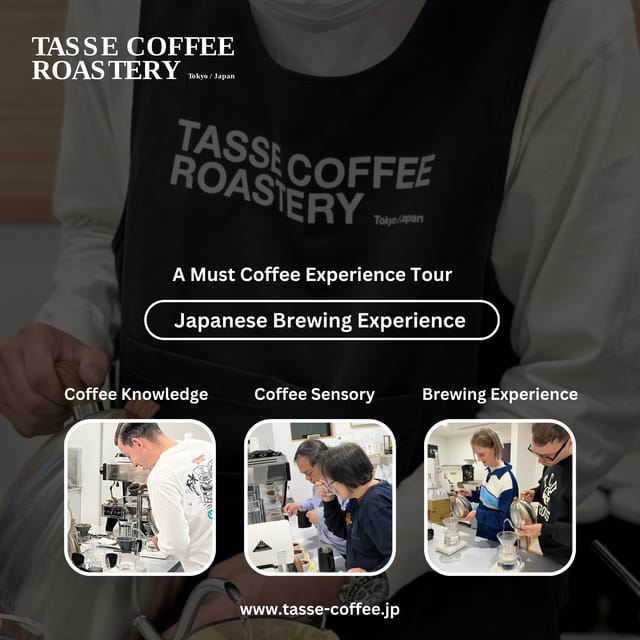
- Three brewing methods in one session: siphon, kyūsu, and hand drip.
- Japanese coffee culture context tied directly to flavor and technique.
- Small group, private format helps you get feedback while you pour.
- English and Japanese instruction, including a uniquely helpful angle for visitors in Tokyo.
A Tokyo Coffee Workshop Where Siphon, Kyūsu, and Hand Drip Teach You the Why
This isn’t a coffee lecture. It’s a short, focused 2-hour workshop designed to make the connection between technique and flavor feel obvious. You’ll move from learning the building blocks of coffee to brewing and comparing results across methods.
What makes this appealing in Tokyo is the mix of tradition and precision. Japanese coffee culture is often known for clarity in taste, and you’ll see how that shows up when you switch between a siphon brewer, a kyūsu (a Japanese teapot adapted for coffee), and classic hand drip.
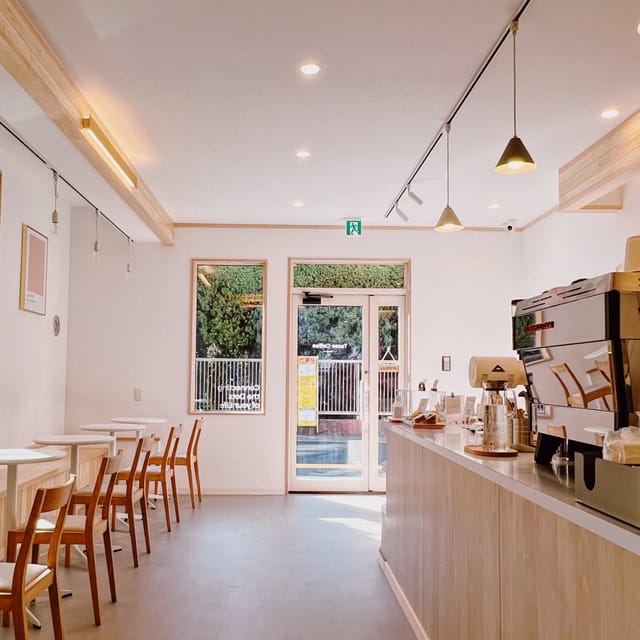
You’ll also be in a calmer setting at the roastery—natural wood tones and a comfortable setup meant for learning. In other words, you’re not fighting for space at a loud café bar. You’ll have room to practice and pay attention to what changes in the cup.
You can also read our reviews of more tours and experiences in Tokyo
Inside Tasse Coffee Roastery: A Calm Room That Helps You Focus
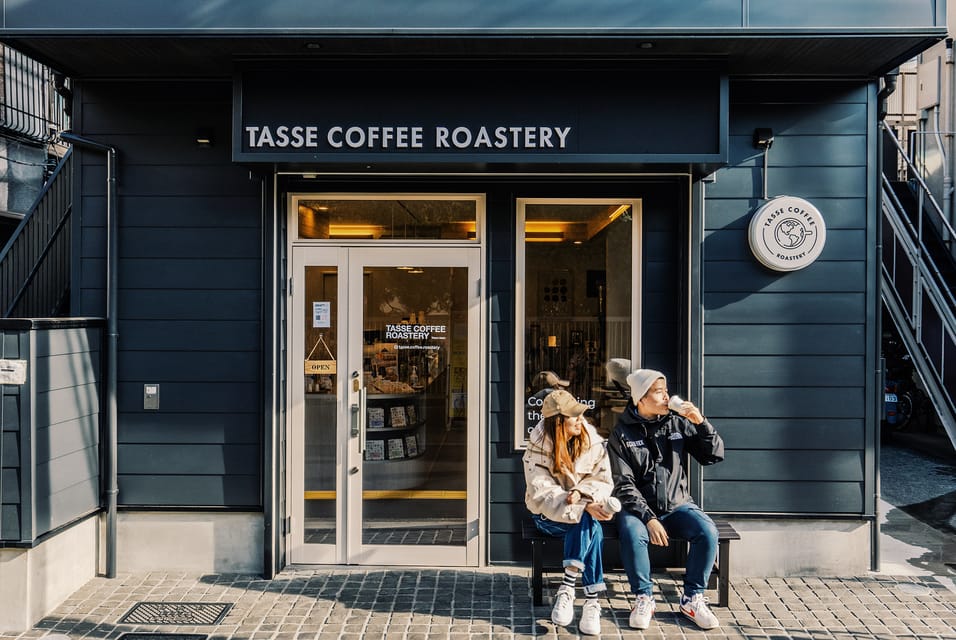
The workshop happens at Tasse Coffee Roastery. The venue is designed with soothing, natural wooden tones, so you can concentrate on technique and tasting instead of noise and crowds.
Since the group is kept small, you won’t feel like you’re watching from the sidelines. You’ll be handling brewing equipment and comparing brews, which is exactly where this type of workshop does its best work. If you learn by doing, the atmosphere matters—and this one is set up for that.
Coffee in Japan 101: From Beans and Roasts to Farm-to-Cup Logic
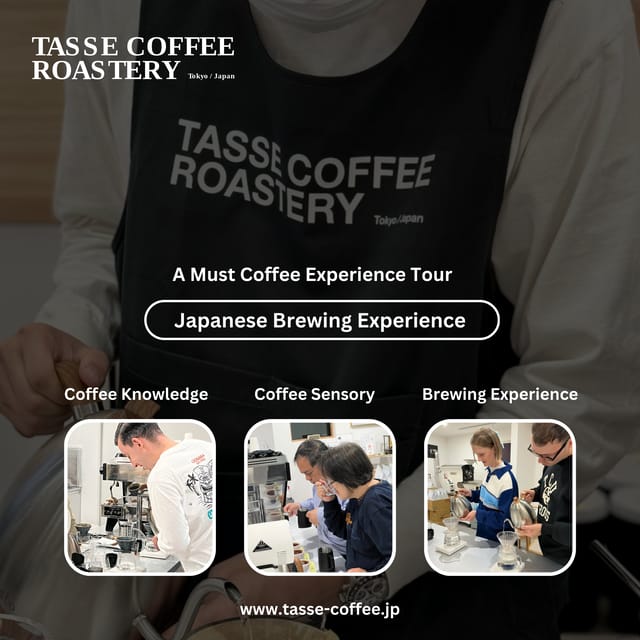
Before any brewing, you start with an introduction to coffee that stays practical. You’ll cover coffee history and culture in Japan, plus how beans and roasts affect what ends up in your cup.
A big part of the learning is the journey from farm to cup—how coffee changes from processing choices to roasting decisions. That context helps you understand why the same coffee can taste different depending on how it’s brewed. It also makes the tasting session more than a random “try this, try that” experience.
If you’ve had coffee in Japan and wondered why certain cups taste cleaner or more structured, this is where those questions start to make sense.
Cupping Exercise: Train Your Nose and Tongue Before You Brew
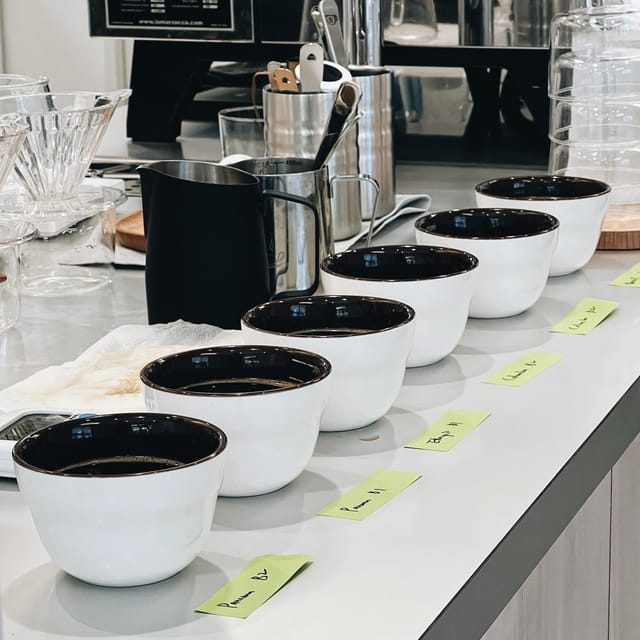
The workshop includes a guided cupping exercise, which is one of the fastest ways to level up your coffee skills. Instead of guessing, you learn how to identify aromas and how to describe what you taste.
You’ll practice paying attention to:
- aroma
- acidity
- body
- aftertaste
That order matters. When you train your senses first, you’ll notice brewing differences much more clearly later. And when you compare siphon vs. kyūsu vs. hand drip, you’ll understand what changed, not just that the coffee tasted different.
Cupping also builds confidence. Even if you consider yourself a beginner, you’ll be given a framework for evaluating coffee—so it doesn’t feel like you’re “wrong” if you can’t quote professional tasting notes on the spot.
Siphon Brewing (Japanese Style): Elegant Technique With Measurable Results
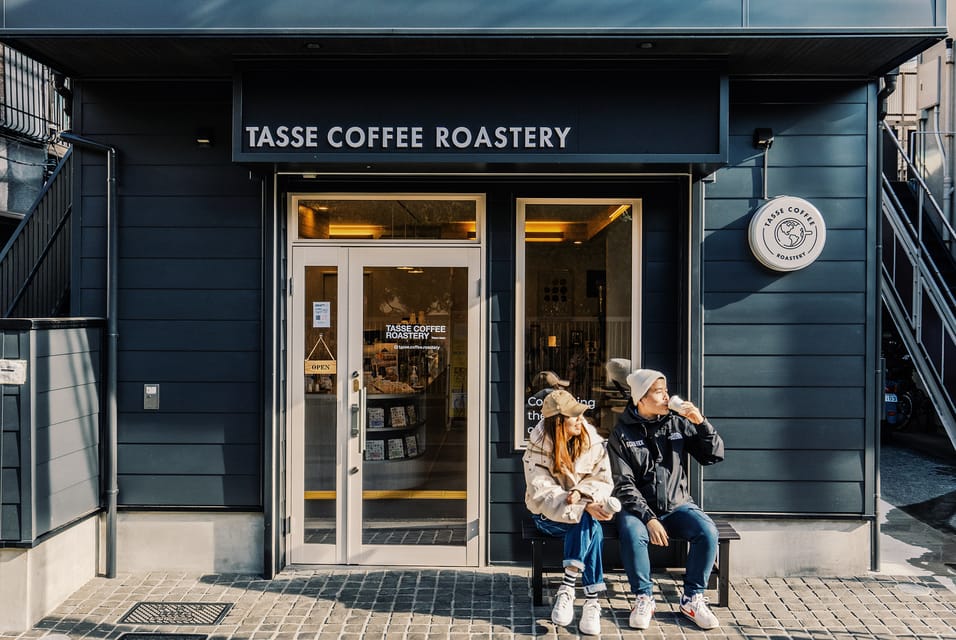
Then comes the fun part: you get hands-on time with siphon brewing, a method known for its visual drama and careful control. You’ll explore the history and the elegance of the siphon technique, but the real value is how it teaches flavor impact.
During the siphon session, you’ll do a demonstration and then practice the method yourself. You’ll learn how the technique influences extraction and how that shows up as differences in the cup.
Why this is worth your time: siphon is not just a showy gadget. It forces you to slow down and pay attention to brewing steps, which makes your later hand-drip decisions easier. You also get a clean comparison point, because you’ll taste what you brew and compare it to the other methods in the same workshop.
You can also read our reviews of more tours and experiences in Tokyo

Kyūsu 急須 Coffee: A Japanese Teapot Adapted for Brewing Precision
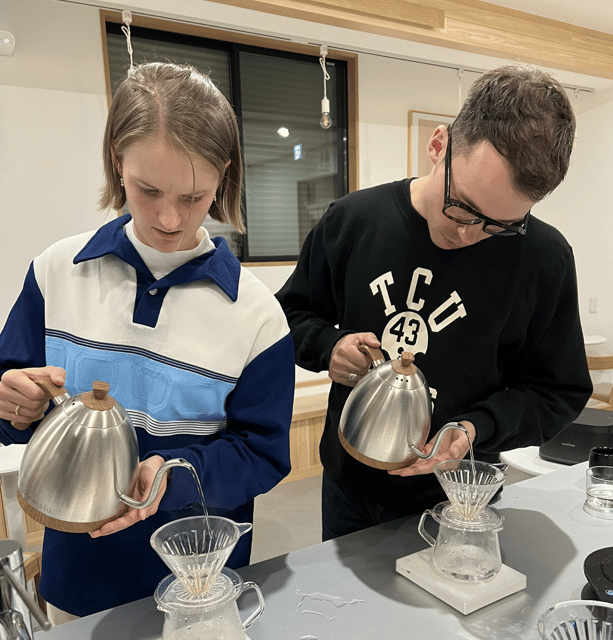
Next is the kyūsu 急須 method, which is essentially a traditional Japanese teapot repurposed for coffee brewing. That twist is exactly why this workshop feels authentically Japanese rather than generic.
You’ll learn techniques for brewing coffee using a kyūsu and compare the resulting taste profile with other methods you’ve already tried. The best part here is the comparison. Instead of learning one method in isolation, you’re building a mental map of how technique shifts flavor.
If you love small, cultural details—like how everyday Japanese tools can be adapted—you’ll enjoy this section. It’s also a great chance to notice how pour behavior and brew dynamics change the final cup.
Hand Drip Method: Water Temperature and Pour Control That Actually Matters
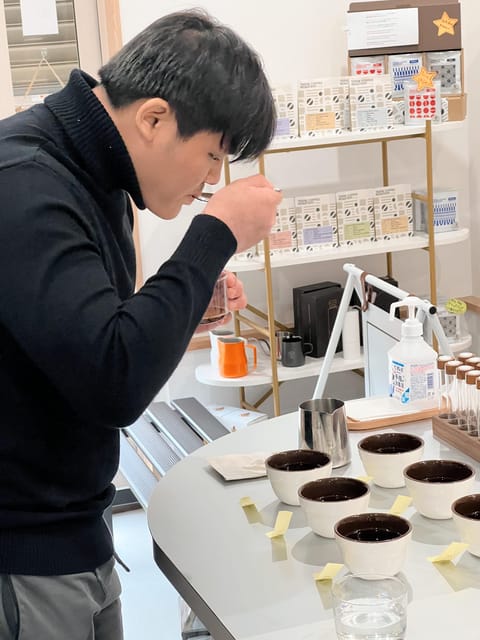
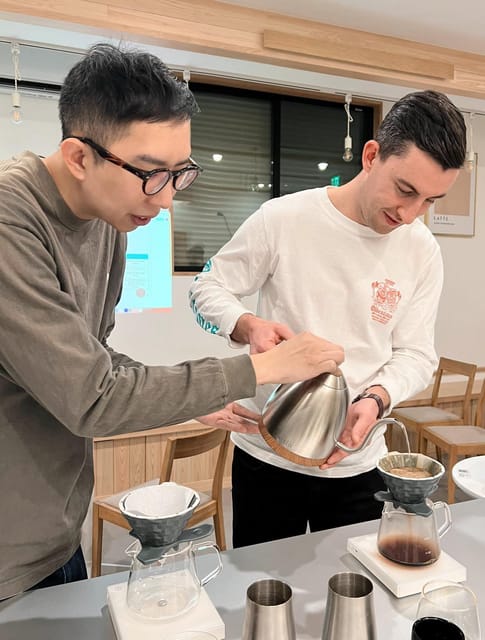
Finally, you’ll work on the hand drip method. This is the classic brewer-by-brewer skill, but the workshop keeps it grounded in two things that matter most for results: water temperature and pouring technique.
You’ll learn how to adjust temperature and how to pour with control. Then you’ll practice and taste again, with comparison built into the experience. That means you don’t just hear that hand drip is sensitive—you experience it.
For many people, this is where things click. Once you notice the difference between a rushed pour and a controlled pour, you’ll start thinking like a brewer. And that skill transfers outside the workshop, whether you own equipment later or just want better control at home.
What You Taste During the Session (and Why It’s Not Random)
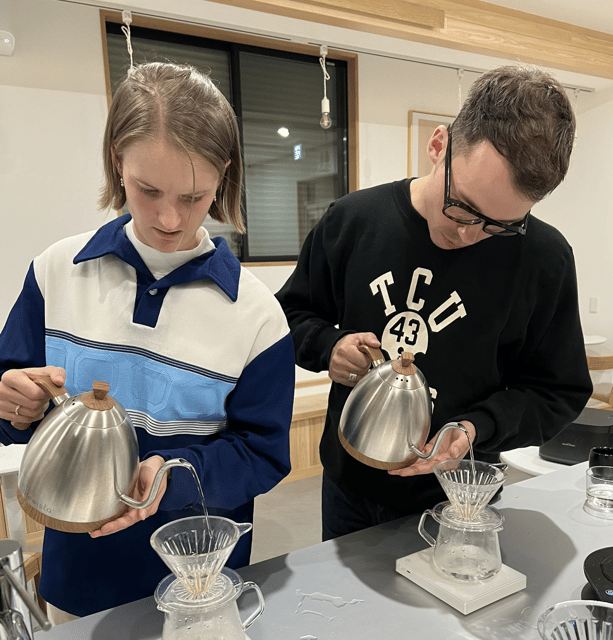
You won’t just brew one coffee and call it a day. You’ll enjoy beverage samples made during the workshop and taste multiple coffee blends.
The workshop also includes quality coffee beans selected for the session, and you’ll get insight into coffee selection—so after the event, you’re not stuck asking what to do next. The tasting comparisons are a core part of the learning design.
Optional upside: there’s an exclusive coffee tasting kit available for purchase. If you want to keep practicing after you leave, a kit can help you continue the same tasting habits you built during cupping.
Price and Value: Is $116 for Two Hours Worth It?
At $116 per person for a 2-hour private workshop, the cost can look steep at first glance—until you break down what’s included.
Here’s the value math that makes sense for this kind of experience:
- You get instruction from coffee professionals throughout, not a quick explanation.
- You brew with three different methods (siphon, kyūsu, hand drip), plus cupping.
- All necessary brewing and tasting equipment is provided.
- You taste multiple coffees and blends during the session.
- The format is small-group and private, which usually means more personal feedback while you practice.
So you’re not paying just for drinks. You’re paying for guided practice, equipment, and structured sensory training. For coffee lovers, that’s the kind of cost that often feels worth it because it gives you skills you can reuse.
If you’re only casually curious, you might feel the price is more than you need. But if you want to genuinely learn to brew better coffee, this workshop gives you a short path to real technique.
Language and Teaching Style: English and Japanese Support
Instruction is available in English and Japanese. That’s a practical detail for travelers: you can follow along clearly, and you’re not relying on silent demonstrations alone.
For people who live in Japan, learning coffee in English can also be a useful twist. Coffee terms, tasting vocabulary, and explanations often land faster when you can match technique words to actions. The instructors are also reported as kind and supportive, with useful exercises—exactly what you want when you’re learning to pour accurately.
Who Should Book This Workshop (and Who Might Skip It)
This workshop is a strong fit if:
- you want hands-on coffee skills, not just sightseeing
- you’re interested in Japanese coffee culture
- you enjoy tasting and comparing flavors
- you like structured training (cupping, then brewing, then tasting again)
It’s not suitable for children under 16, which makes it feel more like an adult-focused craft session than a family outing.
If you’re the type who wants a single method only (say, only hand drip), you might ask whether siphon and kyūsu are “extra.” In this format, though, the comparisons are the point—so the variety is what turns it into a learning experience.
Should You Book This Japanese Coffee Brewing Experience in Tokyo?
I’d book it if you want a real coffee education you can use, delivered quickly. The cupping-to-brewing flow is smart, and the three methods let you see cause and effect in the cup. With equipment provided and small-group attention, you’re set up to practice rather than just observe.
Skip it if you only want a light taste with no focus on technique. This is a craft workshop with tasting comparisons built in, so it works best when you’re ready to pay attention, smell, taste, and pour.
If you’re serious about coffee—or even if you just want to take your next cup to a higher level—this Tokyo session is one of those short experiences that can genuinely change how you drink after.
FAQ
How long is the Japanese coffee brewing workshop in Tokyo?
It lasts 2 hours.
Where does the workshop take place?
The workshop is located in Tokyo, Honshu, Japan, at Tasse Coffee Roastery.
What is the price per person?
The price is $116 per person.
What brewing methods are included?
You’ll learn and practice siphon brewing, the kyūsu (Japanese teapot) method for coffee, and the hand drip method.
Is there a coffee cupping session?
Yes. The workshop includes a guided cupping exercise to learn flavor profiles.
What languages are the instructors?
Instruction is available in English and Japanese.
Is it a private or group class?
It is a private group with a small-group format.
Is it suitable for children?
No. It is not suitable for children under 16.
Can I buy an optional coffee tasting kit?
Yes. An exclusive coffee tasting kit is available for purchase (optional).