REVIEW · TOKYO
Asakusa Kimono Photography Tour
Book on GetYourGuide →Operated by MagicalTrip · Bookable on GetYourGuide
Kimono photos in Asakusa start early. This Asakusa kimono photography tour pairs traditional dress with guided shooting, so you get pictures that look like Japan, not like a typical sightseeing day. I especially like the crowd-light timing and the fact that you’re guided by a local who also works as your photographer.
Two big wins for me: you pick out your kimono (with hairstyle and accessories for women), and you don’t have to guess what to do in front of the camera. One thing to consider is that you’ll be dressed up and walking for about 150 minutes, so plan for a slower pace than a self-guided stroll.
If you’re worried you’ll feel awkward, that’s where tours like this earn their keep. The guide’s approach matters, and the experience I’m describing is built around gentle direction and photo ideas that help even first-timers feel steady in kimono.
In This Review
- Key Points You’ll Care About
- Why Asakusa Works So Well for Kimono Photos
- Price and What You Really Get at $122
- Meeting at Seven-Eleven: Easy Start, Clear Finding Point
- Dressing Time: Picking Your Kimono and Getting Ready to Pose
- The 150-Minute Photo Walk at 1:30 PM: How the Route Works
- Photography Direction That Helps If You’re Shy
- Getting Both Raw and Edited Photos (Not Just One Folder)
- Learning Asakusa’s Story With Your English Guide
- Who This Tour Fits Best: Couples, Families, and Solo Travelers
- Small Details to Plan For: Comfort and No Food Included
- Should You Book This Asakusa Kimono Photography Tour?
- FAQ
- Where is the meeting point for the Asakusa Kimono Photography Tour?
- How long is the tour?
- What time does the tour start?
- Is the tour guide English-speaking?
- What is included in the price?
- Do I receive both raw and edited photos?
- Are kids welcome? What are the kimono age limits?
- What should I do about food and drinks?
- Is there a cancellation window?
- Can I reserve first and pay later?
Key Points You’ll Care About
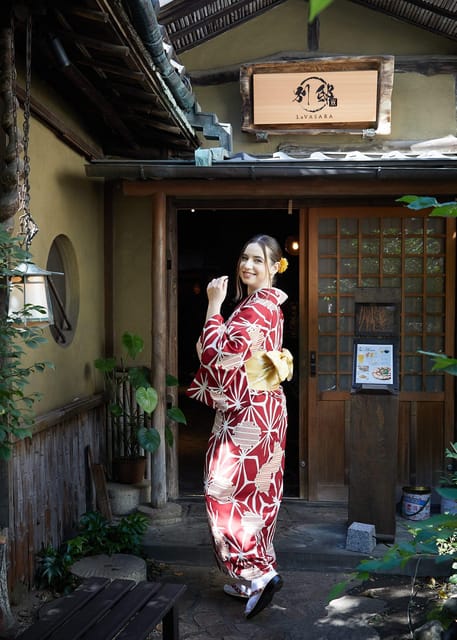
- Kimono (or yukata in summer) + styling help: professional assistance, plus hairstyle and accessories for women
- English-speaking local photographer guide: your guide is also the one composing shots
- Raw and edited photos included: you get both, not just social-media thumbnails
- 1:30 PM start for less crowd pressure: Asakusa looks better before the peak crush
- History and etiquette in the walk: you learn why the streets and practices matter
Why Asakusa Works So Well for Kimono Photos
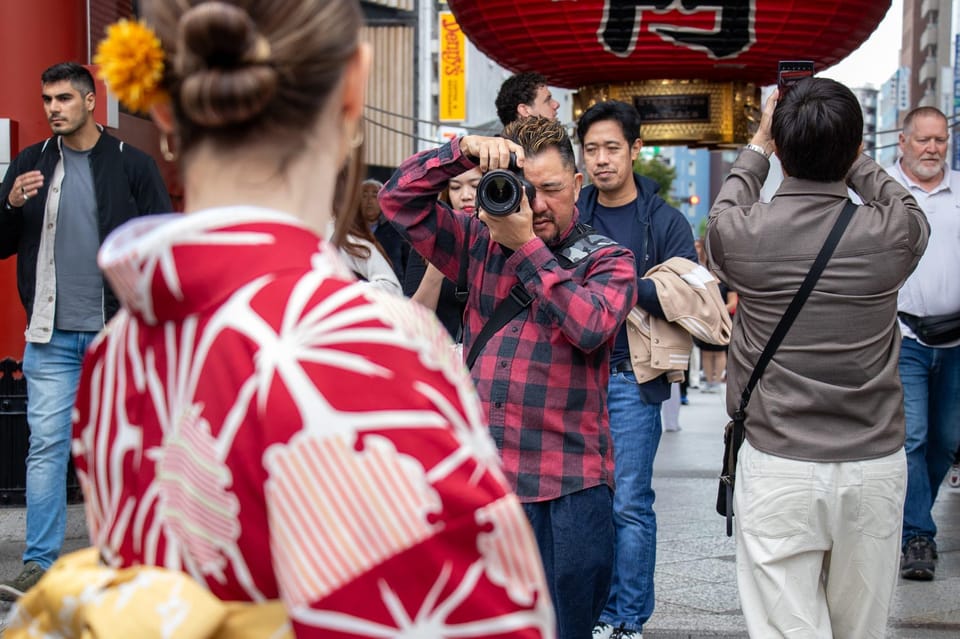
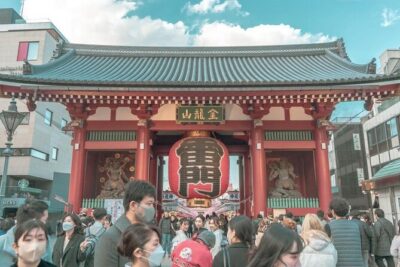
Asakusa is one of those neighborhoods where the street scenes immediately feel “Japanese,” even if you’ve only just arrived in Tokyo. Dress for the part, and you’re basically turning your walking route into a photo set.
This tour leans into that. You’re not just taking pictures at random spots—you’re following a guided path that balances famous views with quieter corners. And because you start at 1:30 PM with the stated goal of crowd-free photos, you get better chances of clean compositions and calmer moments.
You can also read our reviews of more photography tours in Tokyo


Price and What You Really Get at $122
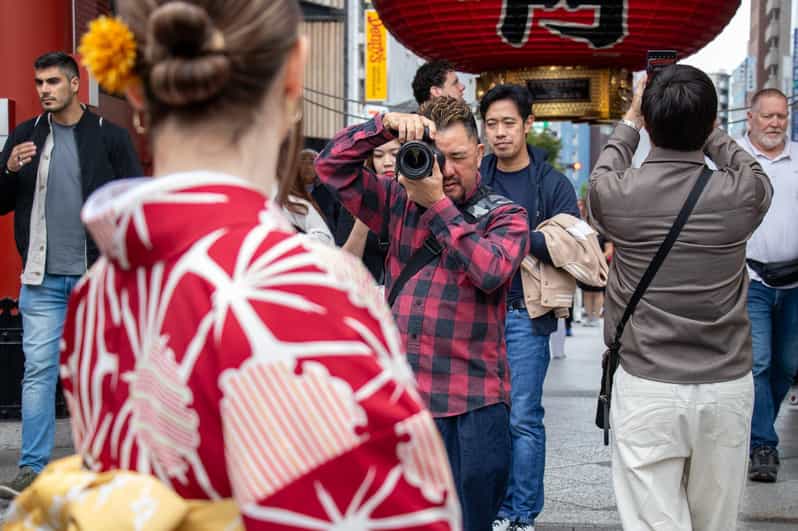
At $122 per person for a 150-minute experience, the question isn’t just whether the price is fair—it’s what’s folded into it. Here, you’re not paying only for a guide. You’re also getting kimono rental, an English-speaking local guide, raw and edited photos, and instructions.
For many photo tours, you pay extra for props, photo editing, or the right to use your images later. This one includes both raw and edited files, which usually makes a real difference if you want options—your favorite shot might be the straight raw version, or it might be the polished edited one.
Meeting at Seven-Eleven: Easy Start, Clear Finding Point
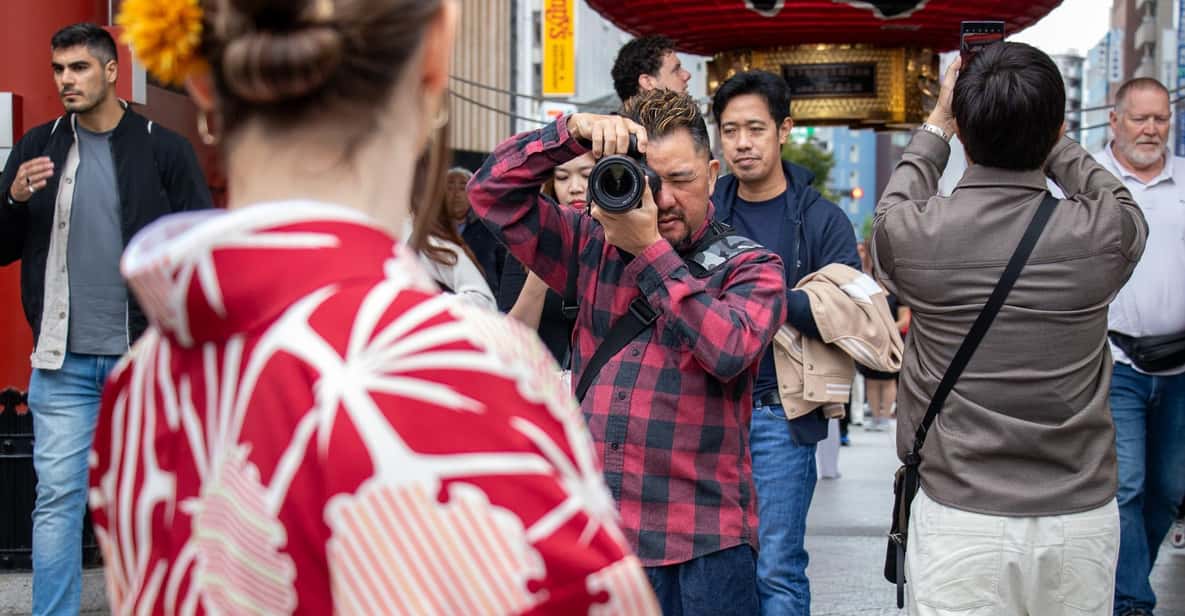
You’ll meet at Seven-Eleven in front of Tobu Asakusa Station (Tobu Asakusa Station-mae store), with the guide holding a red/orange sign for MagicalTrip. That kind of landmark meeting point sounds small, but it matters in Tokyo where station exits can confuse even seasoned travelers.
From the Tobu Line Asakusa Station main ticket gate, it’s about 1 minute on foot. From the Ginza Line Asakusa Station exit A5, it’s about 2 minutes on foot. You can show up, find your guide, and get dressed without wasting your best light time hunting the exact starting spot.
Dressing Time: Picking Your Kimono and Getting Ready to Pose
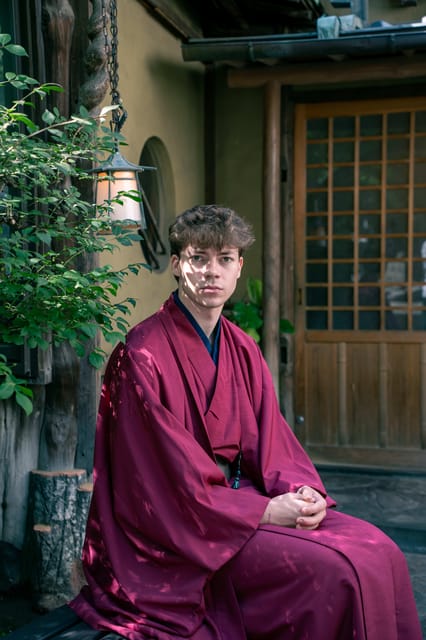
One of the most stressful parts of wearing a kimono is not the look—it’s the setup. This tour solves that with professional assistance putting on the kimono so you’re comfortable and not fighting fabric for the whole afternoon.
You also get to choose your favorite outfit. For women, the included styling goes further than the robe itself: you’ll have hairstyle and accessories included with the kimono selection. That’s a big deal, because the “wow” factor in kimono photos comes from the full presentation, not just clothing.
And if it’s your first time, you’ll get practical kimono etiquette tips as well. That helps you move naturally—how to stand, how to carry yourself, and what to watch for so you don’t feel self-conscious in front of a camera.
Children are an option too. Kimonos are available for kids aged 3 to 10, and children above that age are treated as adults. If you’re traveling with younger kids, this is the kind of detail that can make or break your experience, because it’s built into the planning rather than handled awkwardly on-site.
The 150-Minute Photo Walk at 1:30 PM: How the Route Works
The heart of the tour is a guided photo stop walk lasting about 2.5 hours. The goal is simple: capture Asakusa’s highlights and also pull in lesser-known streets and scenes that many people miss when they rush from one main landmark to the next.
Because the starting time is 1:30 PM, you’re hitting the neighborhood before it reaches its later-day peak. The difference you’ll notice is practical: easier movement, fewer interruptions, and photos where you can actually frame the street without crowds spilling into every shot.
You’ll also get more than camera work. The walk includes guided touring and sightseeing, so each stop comes with context—what you’re looking at and why it fits the Asakusa story. That’s how the pictures stop feeling like souvenirs and start feeling like a memory you can explain.

Photography Direction That Helps If You’re Shy
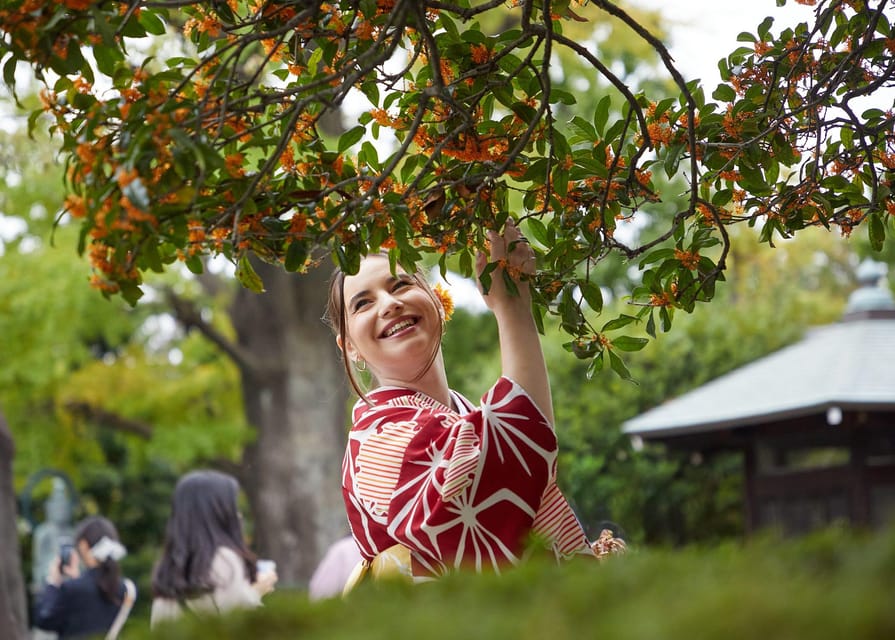
I really like tours where the guide doesn’t just snap photos. Here, the guide is also your photographer and gives you photo direction while you’re walking and stopping.
What that means for you: you’re not left standing there like a statue. Instead, you get ideas for poses and positioning so the kimono looks intentional in the frame. That’s especially helpful if you’re shy, traveling solo, or worried you won’t know what to do with your hands.
One detail that stands out: the guidance is described as supportive and patient. That matters because kimono photos require a slightly different posture than everyday snapshots. When you get comfortable, the photos turn out better—and you enjoy the moment more.
Getting Both Raw and Edited Photos (Not Just One Folder)
A lot of photo experiences advertise results, but then you end up with limited deliverables. This one includes raw and edited photos plus instructions.
So you get flexibility. Raw files are great if you want the original framing or to adjust something later. Edited photos are great if you want the polished look right away for sharing and printing. Having both means you’re less likely to feel disappointed if your favorite image ends up needing the extra attention that editing can provide.
Learning Asakusa’s Story With Your English Guide
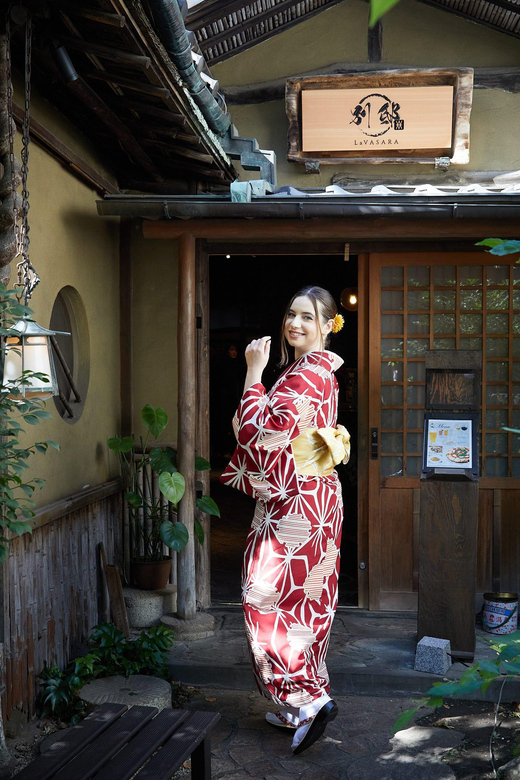
This isn’t a silent stroll in costume. You’ll learn Asakusa’s history from a local guide and photographer as you move between photo stops. The payoff is that you understand what you’re seeing while you’re seeing it—so your photos connect to meaning.
You’ll also learn more everyday context, including kimono etiquette. That’s useful because it’s not just about being respectful; it’s about feeling natural. When you know how to behave in kimono, you relax. And when you relax, your photos improve.
If you want a name to file away, the experience is led by guides such as Gota Murakami, who comes up in multiple accounts as a strong photographer and a kind, engaging host. In real life, that combination is what makes a photo tour feel safe, even if you’re traveling alone or bringing kids.
Who This Tour Fits Best: Couples, Families, and Solo Travelers
This works for a lot of travel styles.
- Couples: You’ll get guided posing so it doesn’t become an awkward self-timer battle, and you’ll leave with coordinated kimono photos that feel like a real date-day story.
- Solo travelers: You’re not left to fend for yourself. The guide’s direction helps you get good frames without needing a friend to hold the camera.
- Families: Kids can join with the 3–10 kimono age range. One account highlights how the guide engaged children well, which is exactly what you want when you’re planning something photo-focused and you don’t want your kids to feel dragged around.
If you’re coming with kids, it also helps that the experience is built to handle different energy levels. A good photo tour needs more than camera skills—it needs pacing.
Small Details to Plan For: Comfort and No Food Included
This tour includes the kimono rental and instruction, but it doesn’t include food or drinks. You’ll want to think about timing. Since it starts at 1:30 PM and runs about 150 minutes, you might need a snack plan before you meet.
Also, remember you’re wearing kimono (or yukata in summer). Even when the fabric choice is lightweight for warm months, it still changes how you move. The tour is designed around walking and photo stops, so keep expectations realistic: you’re doing a photo mission, not a sprint across town.
Finally, there may be additional purchases while you’re out. That’s listed as not included, so if you’re planning to buy anything related to local shopping, set aside extra budget.
Should You Book This Asakusa Kimono Photography Tour?
Book it if you want a Tokyo experience that looks and feels unmistakably Japanese, without having to figure out kimono styling or photography settings yourself. The value is strongest when you care about results: kimono rental + English guide + raw and edited photos in one package, delivered through a structured, photo-focused walk.
Skip it if you hate dressing up, or if you only want freeform time to wander at your own speed. This is a guided tour with a mission, and it works best when you’re okay following direction and posing for a camera during the walk.
If your biggest worry is looking awkward in photos, take heart. The tone you’re aiming for here is supported and practical, including for solo travelers and even families with kids. If that sounds like your kind of trip, this is a smart way to turn an afternoon in Asakusa into something you’ll actually want to revisit.
FAQ
Where is the meeting point for the Asakusa Kimono Photography Tour?
You meet in front of the Seven-Eleven at Tobu Asakusa Station-mae (Tobu Asakusa Station-mae store). The guide will be holding a red/orange MagicalTrip sign.
How long is the tour?
The tour duration is 150 minutes.
What time does the tour start?
The experience starts at 1:30 PM.
Is the tour guide English-speaking?
Yes. The tour is described as having an English-speaking live guide.
What is included in the price?
Included are kimono rental, an English-speaking local guide, raw and edited photos, and instructions.
Do I receive both raw and edited photos?
Yes. You receive both raw and edited photos as part of the included experience.
Are kids welcome? What are the kimono age limits?
Kimonos are available for children aged 3 to 10. Children above this age are treated as adults.
What should I do about food and drinks?
Food and drinks are not included, so you’ll want to plan your own snack or meal before or after the tour.
Is there a cancellation window?
Yes. You can cancel up to 24 hours in advance for a full refund.
Can I reserve first and pay later?
Yes. The option is listed as Reserve now & pay later, so you can book your spot and pay nothing today.