REVIEW · HAKONE
Private Hakone Half-day Car Tour with Hotel Pickup – Local Guide
Book on Viator →Operated by Sunny tours Japan · Bookable on Viator
Hakone in half a day, not half a hassle. This private car tour gives you hotel pickup and a flexible route built to match your pace, interests, and the day’s weather. You’ll cover classic Hakone sights in a short time window, without the stress of switching transport over and over.
I especially like the custom itinerary briefing with your local guide. Guides such as Kumi, Sunny, and Jon have a track record of tailoring the drive on the spot, then adjusting when traffic or conditions change. I also like that the tour is private (up to 5), so you can ask questions, request a slower walk, or swap one viewpoint stop for another.
The main drawback: time is tight. Hakone’s highlights are spread out, and you’ll typically do only 3–4 stops, often with brief time at each. If you’re chasing Mount Fuji views, clouds can steal the show.
In This Review
- Key things I’d plan around
- Private car + hotel pickup: Hakone without the transport headache
- How the guide builds your half-day plan in real time
- Hakone Shrine, checkpoint history, and the old cedar road
- Owakudani: the sulfur valley stop that changes the mood
- Lake Ashi viewpoints and Ōkanzan Observatory: how to chase Fuji chances
- Waterfalls, temple statue counts, and the “power spot” vibe
- Gora Brewery, Yosegi craft, and choosing a lunch/drink moment
- Price and logistics: what $277.42 really buys
- Weather, clouds, and why your guide’s flexibility matters
- Should you book this Hakone half-day private car tour?
- FAQ
- How many people are in this private tour?
- How long is the Hakone half-day car tour?
- Does the tour include hotel pickup?
- Is the guide English-speaking?
- Are admission tickets included for every stop?
- How many places will we visit in a half day?
- Is WiFi available during the tour?
- What happens if the weather is poor?
- What is the cancellation window for a full refund?
Key things I’d plan around
- Hotel pickup + air-conditioned vehicle makes mountain driving painless, especially with luggage
- Route built during a briefing so you can choose: Fuji viewpoints, power spots, or food-and-drink stops
- Owakudani’s volcanic stop brings steam and a strong sulfur smell—go in expecting the sensory hit
- Lake Ashi viewpoints can include Ōkanzan Observatory and scenic drives that frame Fuji if it appears
- Craft and local culture add-ons include Yosegi wood marquetry and a brewery stop in Gora
- Most admission is free, but tickets for specific activities aren’t (and the Hakone checkpoint museum isn’t included)
Private car + hotel pickup: Hakone without the transport headache
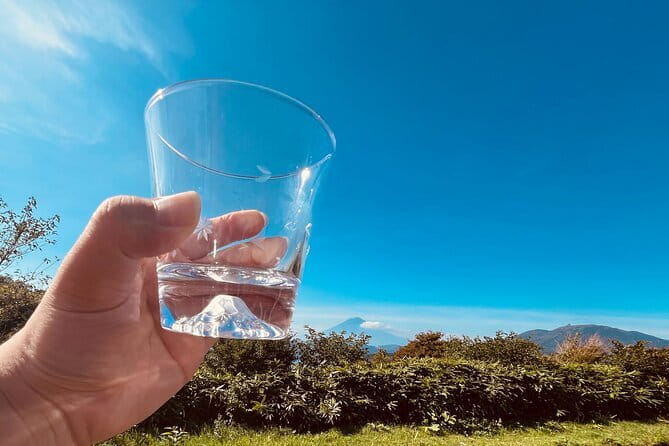
Hakone is the kind of place where public transit works, but it can eat your day. Stops are scattered across hills, lakeside roads, and volcanic zones. This tour avoids that trap with an English-speaking local guide/driver plus an A/C vehicle and parking fees handled for you.
If you’re traveling as a couple, family, or small friend group (max 5), the math starts to look sensible. The price is $277.42 per group for about 4–5 hours, and that includes the driver and car. In practical terms, you’re buying time and control: you’re not locked into bus schedules, and you don’t have to solve transfers while also trying to enjoy the view.
You also get WiFi on board, which sounds minor until you’re trying to map where to meet, check weather for Fuji, or coordinate a last-minute change. Plus, service animals are allowed, and if you’re traveling with kids under 5, you’ll want to confirm car-seat needs.
You can also read our reviews of more guided tours in Hakone

How the guide builds your half-day plan in real time
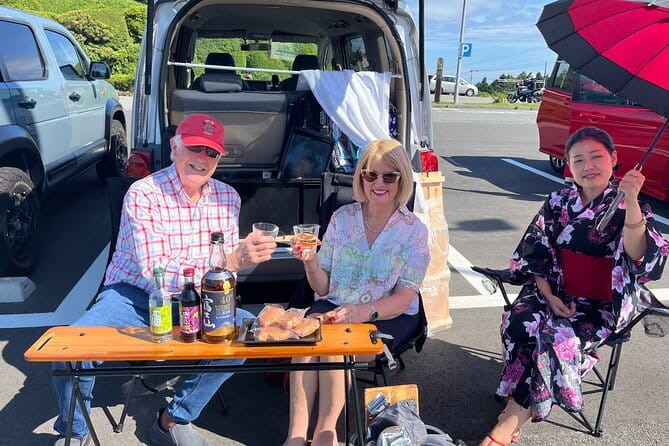
The tour’s biggest strength is flexibility. At pickup, your guide does a quick briefing and then proposes a customized itinerary based on season, weather, and what you actually want to see. One common approach is a “views route,” often pairing spots like Lake Ashi and the Ōkanzan Observatory. Another is a “power spots route,” which leans into shrines and temples. A third approach can be more about taste—stops that support a lunch break plus craft drinks.
This matters because Hakone can’t be “everything in one half day.” The tour is designed to cover 3–4 locations rather than stretching across a long list. That’s not a failure; it’s a smart choice. Your guide can swap order, adjust walking time, and sometimes squeeze in a short scenic driving course when the schedule is good.
In day-to-day terms, you’ll feel the difference the moment traffic shifts or the sky changes. Several guides are known for staying calm and rerouting efficiently when the road gets backed up. Some guides also help with small practical issues, like stopping where cash is needed or moving timing so you still get your key photos.
Hakone Shrine, checkpoint history, and the old cedar road
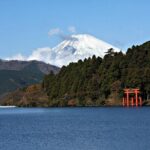
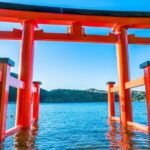
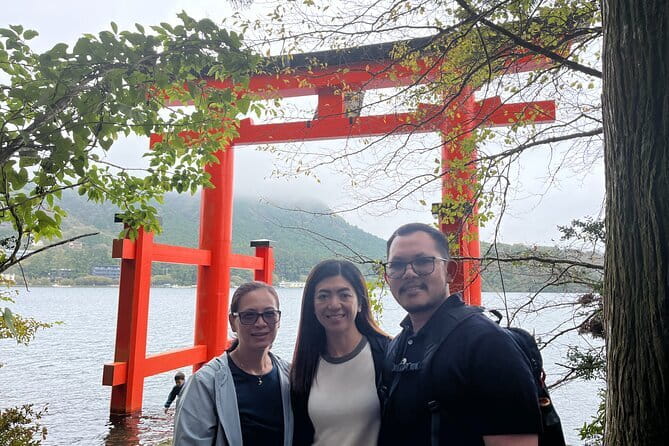
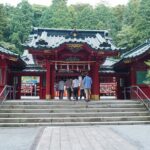
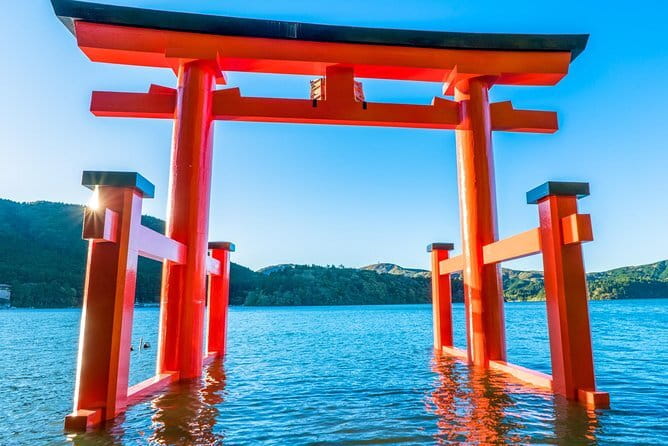
A classic starting point is Hakone Shrine, on the shores of Lake Ashi. Even when your time here is short, the setting does real work: it’s tied to the lake and the region’s spiritual reputation. You’ll get free admission, and it’s a great anchor stop because it sets the tone for Hakone—quiet, scenic, and very “you are here.”
From there, it often flows to history. One option is the Hakone Sekisho (Hakone Checkpoint) and the related museum area. The checkpoint theme is Edo-period road history, with recreated structures that help you picture how movement and control worked along the Tōkaidō route. Just note the museum admission is not included, so you should expect extra cost if you want to go inside.
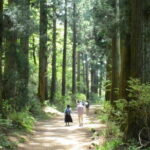
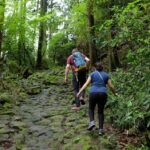
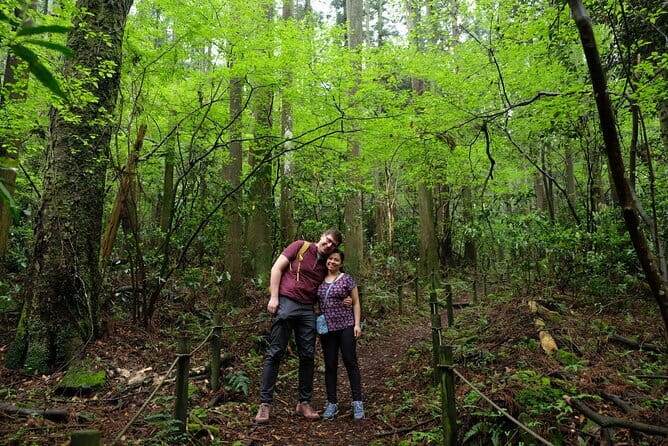
Another easy-to-love stop is the Cedar Trees of the Hakone Old Tōkaidō Road—a cedar-lined stretch that feels like a slow walk through time. Even with short time at the stop, the atmosphere hits: tall trees, shaded footing, and a break from the lake-and-volcano rhythm.
What to watch for: these history and nature stops are often designed as short, photo-friendly moments. If you want long walking loops or deep museum time, you may need to prioritize which site matters most to you and let the guide skip the rest.
Owakudani: the sulfur valley stop that changes the mood
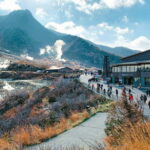
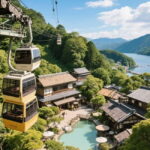
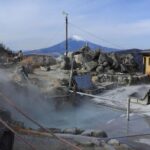
If Hakone has a “wow” moment, it’s often Owakudani—an active volcanic valley you reach via the Hakone Ropeway area. Expect steam and a strong sulfur smell. This is not the stop for people who dislike odors. It’s also not the stop for those who want their day to feel only calm and pretty.
But it’s exactly why this tour works. Owakudani feels like you’ve stepped into a different planet, with dark volcanic landscapes and rising steam. It’s also a popular photo stop because the contrast—black rock, white vapor, mountain shape—is dramatic.
Your tour time here is typically brief, with free admission listed for the stop duration. If you want the full experience (like spending time at viewpoints or adding small activity tickets), the tour notes that activity tickets aren’t included, so you’ll likely pay separately for anything beyond the basic stop.
Practical tip: bring a mask if sulfur smell bothers you. Also, if it’s windy, dress for it—steam zones can feel colder than you’d expect.
Lake Ashi viewpoints and Ōkanzan Observatory: how to chase Fuji chances
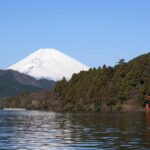
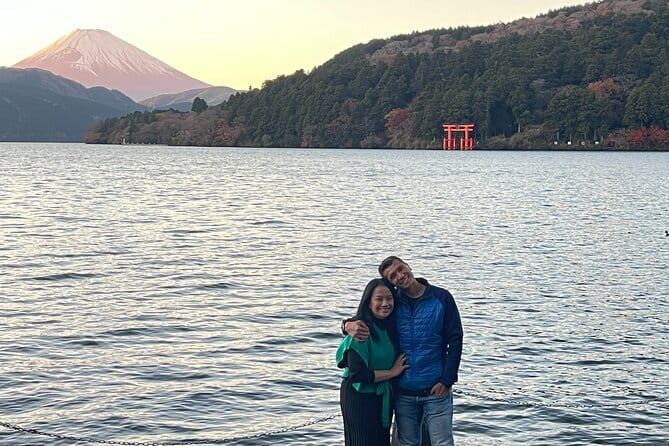
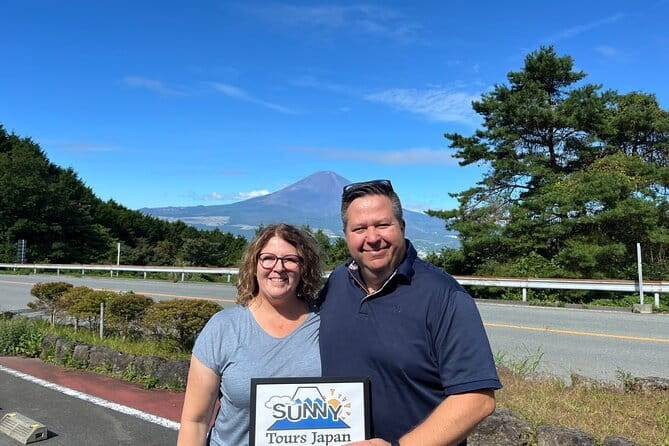
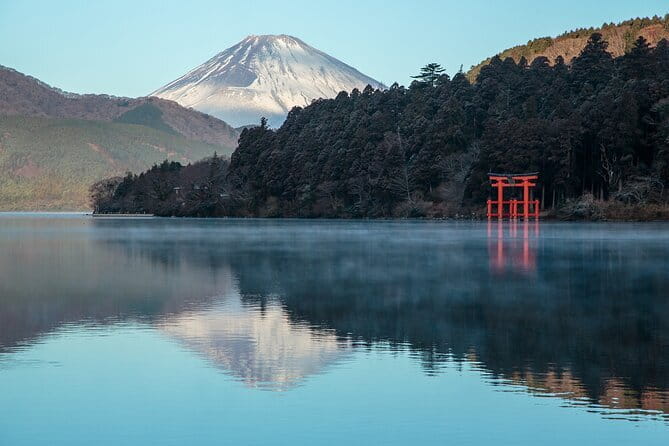
Hakone’s Lake Ashi is famous for views of Mount Fuji when conditions cooperate. Your itinerary may include Lake Ashi itself and scenic driving segments like the Lake Ashi Skyline, which is basically a road-built viewpoint experience.
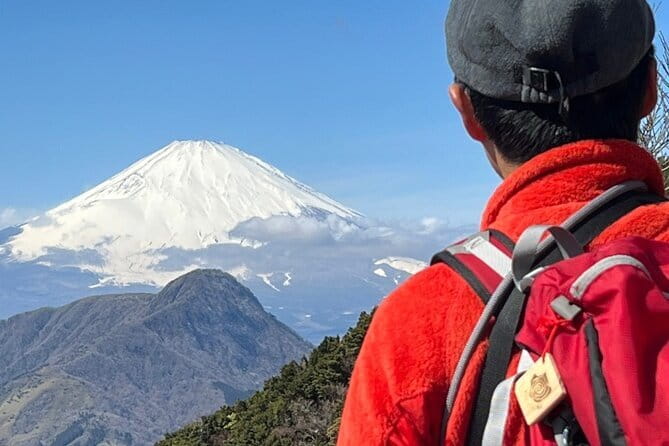
A high-value photo stop is Ōkanzan Observatory (Mt. Taikan), known for wide-angle views—360 degrees is the claim. Even when Fuji is hidden, you can still get a sense of how Lake Ashi sits inside the surrounding mountains. This stop works well in a half-day tour because it gives you broad perspective without requiring a long walk.
One more thing: you may see options related to getting out and moving around near Lake Ashi, including sightseeing cruise opportunities in the broader area. The tour doesn’t promise a cruise ticket inside your base price. Still, it’s useful to know that Lake Ashi is where people go for boat views, and your guide can steer you toward the best option if time allows.
What I’d tell you to plan for: Fuji views depend on weather. If it’s cloudy or hazy, don’t panic. The best guides keep the day moving and help you shift to other good viewpoints so you still leave with photos you like.
You can also read our reviews of more private tours in Hakone

Waterfalls, temple statue counts, and the “power spot” vibe
Hakone isn’t all volcano and lake. You’ll also find waterfalls and temples that give the day a spiritual and scenic rhythm.
Two waterfall choices that appear are Tamadare Falls and Hiryu Falls. They’re both included as free admission stops in the schedule, and they’re known for strong water flow. If you’re coming from Tokyo or another fast city, waterfalls do something subtle: they slow your pace. Even with short stop time, the sound and mist can feel like a reset.
Temple-wise, Senkokuhara Chōan-ji Temple (Choanji Temple) stands out because of the scale of its statuary—over 200 statues connected with worship traditions. In a short tour format, this kind of attraction can be perfect. You get a dense dose of atmosphere without needing all-day exploration.
The one caution: statues and temple spaces can involve walking and standing. If your group has mobility limits, talk to your guide early in the briefing so the order supports your energy level.
Gora Brewery, Yosegi craft, and choosing a lunch/drink moment
One reason I like this tour concept is that it doesn’t treat food as an afterthought. It includes optional stops that feel local instead of generic.
In Gora, you may stop at Gora Brewery Public House, where craft beers are brewed with Hakone ingredients. The stop is short and free-admission for the listed duration, but the tasting itself (if you do it) is something you’ll pay for. The point is that you can treat your afternoon like a real outing, not a checklist.
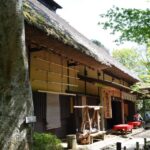
There’s also a craft option: Hatanaka Yosegi Workshop / Hatajuku Yosegi Kaikan. Yosegi is wood marquetry—patterns made from carefully selected wood pieces. Watching artisans work, or learning how the craft stays consistent across generations, gives Hakone a cultural angle beyond scenery.
If you love Japan’s maker culture, this is where the tour can feel extra meaningful. You don’t need deep art history to enjoy it. You just need 20 minutes to look closely at the materials and understand how labor becomes pattern.
What to watch for: craft workshops can be time-sensitive. Since your itinerary is designed around 3–4 stops total, it helps to pick one craft moment, not three.
Price and logistics: what $277.42 really buys
Let’s break down value like a real decision, not a sales pitch.
- Cost: $277.42 per group (up to 5)
- Time: about 4–5 hours
- Included: English-speaking local guide/driver, A/C vehicle, parking fees, and WiFi on board
- Not included: activity tickets if you add ticketed experiences
If you fill the group (5 people), the cost per person drops a lot. If it’s just two people, it’s still often less painful than trying to stitch together taxis and timed connections across Hakone’s hills. Either way, the bigger “value” is less about the exact per-person number and more about what you gain: you spend your limited time seeing, not negotiating routes.
Also, the tour tends to work well for groups with mixed ages. One family-focused experience involved a guide tailoring pace and stops for ages ranging from teens to older adults. That’s what private formats are good at—adjusting the day so everyone can enjoy it.
Tradeoff: because your stops are generally short, this isn’t the format if you want hours inside museums or long hiking routes. It’s built for an overview with smart depth.
Weather, clouds, and why your guide’s flexibility matters
Hakone can change minute to minute: fog can roll in, winds can pick up, and Fuji can vanish. The tour specifically notes it requires good weather, and if it’s canceled due to poor weather you’ll be offered a different date or a full refund.
In practice, the guide’s job is to keep your plan working even when the day isn’t perfect. Several guides are known for calm efficiency during backups, and for having umbrellas or weather-ready thinking. That’s not fluff. It’s the difference between spending the day frustrated versus still getting good moments.
If clouds cover Fuji, aim for what’s still visible: lake curves, ridge lines, steam valleys, cedar shade, and statue-filled temple rooms. Those are reliable in many conditions.
Should you book this Hakone half-day private car tour?
Yes, if you’re in Hakone for a short time and you want a guided overview that you can shape. It’s a strong fit for couples, families, and small groups who value comfort, time efficiency, and a plan that adapts. You’ll especially like it if you want to combine shrines/temples, volcanic scenery at Owakudani, and Lake Ashi viewpoints without wrestling with multiple transfers.
Skip it (or adjust expectations) if your travel style is slow and detailed. You may want longer time at a single attraction, more museum depth, or a full-day route. Also, if your main goal is Mount Fuji at all costs, remember that cloud cover can ruin the view.
FAQ
How many people are in this private tour?
It’s a private tour/activity where only your group participates, up to 5 people.
How long is the Hakone half-day car tour?
The duration is about 4 to 5 hours.
Does the tour include hotel pickup?
Yes. Pickup is offered, and you’ll typically meet your guide at your pickup location.
Is the guide English-speaking?
Yes. The tour includes an English-speaking local guide/driver.
Are admission tickets included for every stop?
Admission tickets are listed as free for many stops, but activity tickets are not included if you choose to add additional ticketed experiences. The Hakone Checkpoint museum admission is noted as not included.
How many places will we visit in a half day?
Due to time constraints, the guide typically visits 3 to 4 locations.
Is WiFi available during the tour?
Yes. WiFi is available on board.
What happens if the weather is poor?
This experience requires good weather. If it’s canceled due to poor weather, you’ll be offered a different date or a full refund.
What is the cancellation window for a full refund?
You can cancel up to 24 hours in advance of the experience for a full refund. If you cancel less than 24 hours before the start time, the amount paid is not refunded.