REVIEW · TOKYO
Kabukicho Macabre Tour – the Real Tokyo Vice
Book on GetYourGuide →Operated by 有限会社スクラムライス · Bookable on GetYourGuide
Tokyo at night can feel like fiction.
This Kabukicho Macabre Tour turns Shinjuku’s neon chaos into a guided walk with context, passing actual murder-site locations and weaving in Tokyo nightlife culture along the way. I especially like that the guide, Vivian, doesn’t just recite rumors—she explains what made the district tick, and uses illustrations to make the stories easier to follow. The other big win for me is the ending: a shrine stop that shifts the mood from street-level shock to something quieter and human.
That said, this is true-crime heavy and not a casual spooky stroll. If you’re sensitive to graphic or grim topics, or you’re coming with kids in tow, you’ll want to skip it—this one isn’t built for under-15 crowds.
In This Review
- Key Things I’d Mark on Your Mental Map
- Kabukicho at Night: Why This District Feels Different
- Meeting at Kabukicho Tower Starbucks: Start Point You Can Actually Find
- The 2-Hour Walk-and-Talk Plan: How the Stories Flow
- Passing Real Murder Sites: The Part That Makes This Tour Feel Real
- Mafia Murders, Murder-Suicides, and Accidents: Dark Topics, Clear Framing
- Love Hotels and the Night-Work World: What the Tour Adds Beyond Crime
- Haunted Streets and Shifting Supernatural Beliefs
- Yakuza and Tokyo Vice Locations: When Pop Culture Meets Side Streets
- What Happens at the Shrine End: A Calmer Finish
- Price and Value: Is $56 Worth 2 Hours of Night Stories?
- Who This Tour Fits Best (and Who Should Skip It)
- Practical Tips to Make It Go Smoothly
- Should You Book the Kabukicho Macabre Tour?
- FAQ
- How long is the Kabukicho Macabre Tour?
- How much does it cost?
- Where do we meet the guide?
- Is the tour in English?
- Is the tour suitable for children?
- Is it wheelchair accessible?
- What does the tour include?
- Does the tour cover Yakuza or Tokyo Vice locations?
Key Things I’d Mark on Your Mental Map
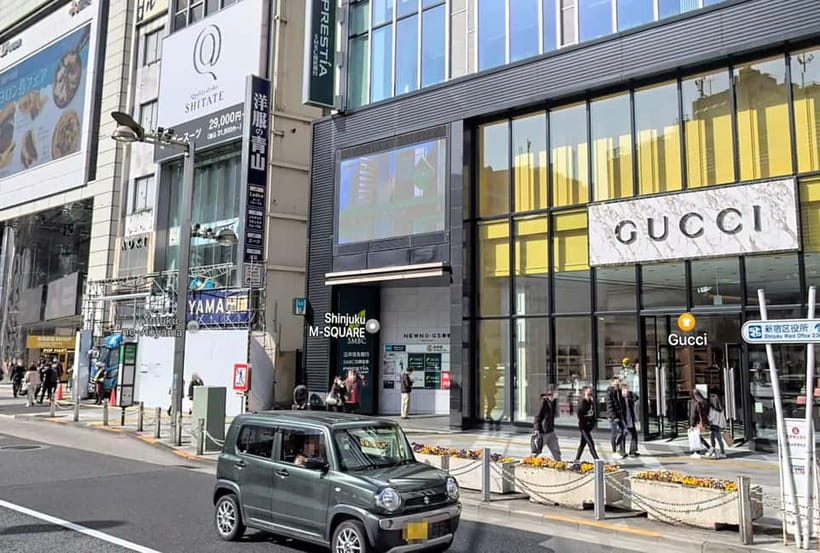
- Small group size (up to 4): easier listening, more chances to ask questions, and less pressure on the guide’s pacing.
- Real locations, not just talk: you pass by murder sites and areas known for spooky folklore.
- Vivian’s researched storytelling: she brings illustrations and connects crime stories to the culture around them.
- Pop-culture crosswalk: you may pass sites tied to the YAKUZA series and the HBO Tokyo Vice world.
- Ends at a shrine: the tour finishes with a calmer, traditional touchpoint rather than a hard stop.
Kabukicho at Night: Why This District Feels Different
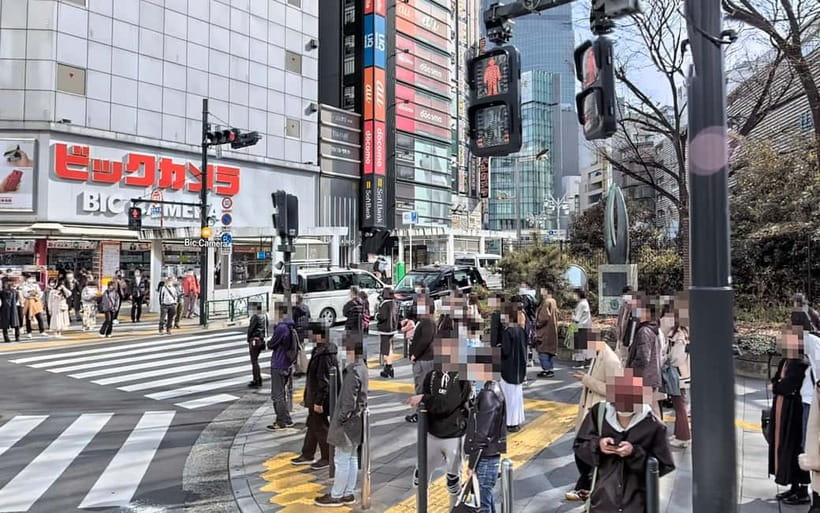
Kabukicho is Tokyo’s loud, high-contrast zone—neon signs, tightly packed buildings, and people moving fast with purpose. The Macabre Tour doesn’t try to polish that image. It reframes it.
The value here is context. Instead of saying Kabukicho is just weird or dangerous, the guide connects what you see on the street to the kinds of incidents that shaped the neighborhood. That’s why the walk feels more grounded than typical ghost tours: you’re hearing the “why,” not only the “what.”
And because you’re moving through the same streets visitors wander through at night, the stories land differently. The district becomes a kind of street map for crime, nightlife economies, and the survival strategies of people working after dark.
You can also read our reviews of more tours and experiences in Tokyo.



Meeting at Kabukicho Tower Starbucks: Start Point You Can Actually Find
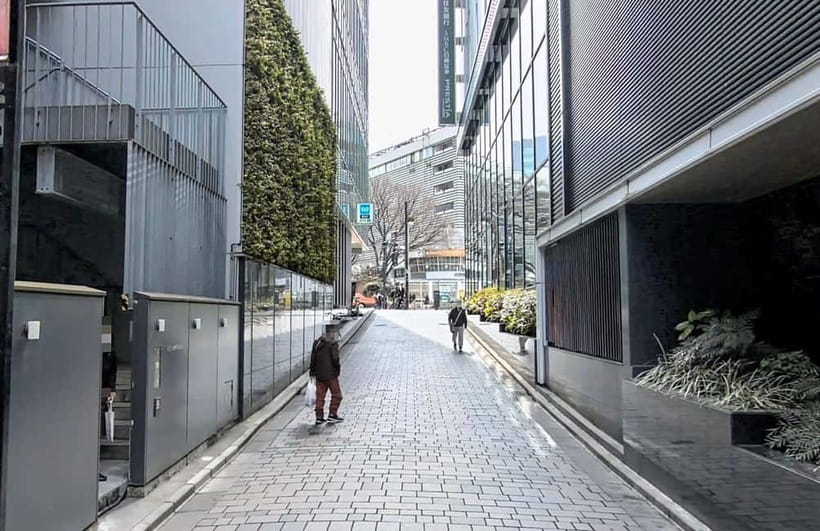
You meet in front of the Starbucks at Kabukicho Tower, on the stairs. If you prefer a pin drop, use this Google Maps link: https://maps.app.goo.gl/dk5fTH8gnUY4hVDY8.
I like this meeting setup because it’s a real, recognizable landmark—not a vague corner. Also, arriving a few minutes early helps you get oriented before the group funnels into the alleys, where directions can get confusing quickly.
Wear shoes that handle sidewalks and uneven pavement. The tour runs for about 2 hours, and even when the pace feels relaxed, Kabukicho is still a lot of walking.
The 2-Hour Walk-and-Talk Plan: How the Stories Flow
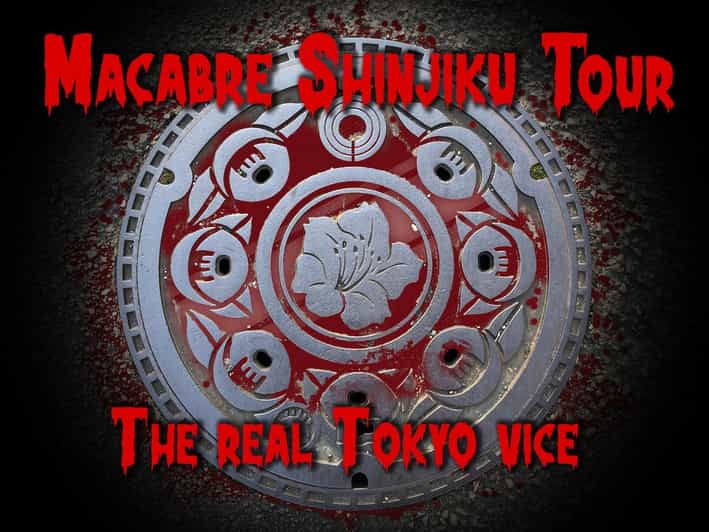
The tour is built like a nighttime guided circuit. You’ll spend the whole experience on foot, with the guide explaining the cultural background of what you’re seeing.
As you move, the content changes in tone and topic: history of Kabukicho, the evolution of the red-light district, and the darker events attached to the area. The guide also ties in broader themes of Japanese nightlife—how night work functions, what people seek in the nightlife economy, and why certain areas become magnets for both money and trouble.
A practical note: this isn’t a long endurance hike. It’s more like a concentrated evening classroom that happens to be outside. That means you should come ready with questions and attention, because once you’re in the flow, it’s easy to miss details if you’re distracted.
Passing Real Murder Sites: The Part That Makes This Tour Feel Real
One of the clearest highlights is that you pass actual locations tied to serious crimes—plus areas associated with haunting stories.
This is where the tour gets more intense. The guide doesn’t treat these incidents as campfire entertainment. She frames them in a way that helps you understand how those events intersected with the district’s nightlife ecosystem, including organized crime history and the kind of violence that can erupt when power, money, and reputations collide.
Why that matters for you: if you’re curious about true crime, generic “spooky Tokyo” tours can feel shallow. This one uses the street itself as evidence. You’re not just hearing about the past—you’re physically moving through the city blocks where people lived, worked, fought, and vanished.
Mafia Murders, Murder-Suicides, and Accidents: Dark Topics, Clear Framing
The tour covers a range of tragic categories: mafia vendettas, murder-suicides, and accidents, plus terrorist attacks tied to the area’s history. That’s a lot of heavy material in one evening, so the guide’s job is to connect it to the cultural landscape without turning it into shock-for-shock’s-sake.
I like that this tour spends time on the “culture behind each incident,” not only the storyline of the crime. When you understand how the red-light district operated—what roles existed, how people got drawn in, and how certain businesses fit into the night economy—the events don’t read like random chaos. They start to look like outcomes in a system.
Still, consider your own comfort level. This isn’t toned down. If you want spooky fun with minimal gravity, you may find it too intense.



Love Hotels and the Night-Work World: What the Tour Adds Beyond Crime
Kabukicho is often described through its most sensational angles, but the tour also points at the everyday machinery that makes a red-light district work. You’ll hear about love hotels, plus the kinds of human stories that spiral into obsession, breakups, revenge, and loneliness—especially around the idea of being jilted or emotionally trapped.
This is where the tour becomes more than true crime. It becomes a study of how nightlife industries operate in Japan, and how anonymity and convenience can shape people’s choices.
I also like that the guide brings academic and lived perspective. She notes having written a graduating thesis on nightlife and night work in Japan, which helps explain why her answers often go beyond the incident itself and into the social mechanics around it.
Haunted Streets and Shifting Supernatural Beliefs
Alongside factual crime locations, the tour also passes areas known for being haunted. That combination matters: it reflects how Tokyo can hold multiple layers at once—documented events, urban legends, and folklore that people keep repeating because it helps explain fear.
You’ll get the spooky atmosphere, but it’s not pure ghost mythology. The guide treats haunted talk as part of how the district’s stories circulate. That approach feels more respectful and less gimmicky.
If you’re looking for a purely paranormal experience with no real-world grounding, this might feel too factual at times. But if you like the mix—street-level mood plus context—this format works well.
Yakuza and Tokyo Vice Locations: When Pop Culture Meets Side Streets
If you’re a fan of the YAKUZA video games or the HBO series TOKYO VICE, you’ll likely recognize parts of Kabukicho from screen portrayals. The tour is designed to pass by places used for those worlds, alongside the real district context behind them.
For you, that can be a fun way to connect entertainment to reality. For me, the best payoff is when pop culture cues help you notice what you might otherwise skip: signs, building shapes, alley scale, and how certain streets function at night.
Just keep your expectations grounded. A tour like this can’t turn fiction into a real-life replay of a scene. What it can do is show you why creators pick these neighborhoods and how the real geography supports the mood.
What Happens at the Shrine End: A Calmer Finish
The tour ends with a shrine visit. That final stop changes the tone.
After absorbing stories of violence, tragedy, and fear, the shrine offers a more traditional, reflective space. It’s a reminder that Tokyo’s neighborhoods aren’t only about what happened in them—they’re also about ongoing life, belief, and ritual.
Some nights may also include a small added touch tied to protection from bad luck or spirits, which has been mentioned in group experiences. Either way, the shrine moment is the tour’s most noticeable reset: you leave feeling unsettled, but also more human and less numb.
Price and Value: Is $56 Worth 2 Hours of Night Stories?
At $56 per person for about 2 hours, you’re paying for more than walking. You’re paying for an English-speaking guide, a small group format, and specialized storytelling that connects crime locations to nightlife culture.
Here’s how I judge value on a tour like this:
- Your time matters. You get a planned route through Kabukicho at night instead of trying to stitch together rumors on your own.
- Your guide matters. Vivian’s mix of research, illustrations, and Q&A time turns “dark stories” into something you can actually process.
- Your group size matters. With a limit of 4 participants, it’s easier to hear explanations and ask follow-ups without shouting in the street.
If you were hoping for a cheap thrill, this isn’t that. But if you care about the real social context behind the neon—true crime fans, YAKUZA players, and people who want an informed look at Kabukicho—$56 can feel fair.
Who This Tour Fits Best (and Who Should Skip It)
This tour fits best if you’re drawn to true crime, subcultures, nightlife history, and the real mechanisms behind districts like Kabukicho. It also works well for pop-culture fans who want to walk where YAKUZA and Tokyo Vice left their visual fingerprints.
It’s not a match if:
- you want kid-friendly Halloween-style spookiness,
- you’re easily distressed by violent stories,
- you dislike walking in crowded nightlife streets at night.
One more practical fit tip: if you’re the type who likes asking lots of questions, the small group size will make you happy. The tour is built for conversation, not silent consumption.
Practical Tips to Make It Go Smoothly
- Plan your restroom break before you meet. The tour moves, and losing time in the middle of a short night walk is frustrating.
- Bring a jacket. Even if it’s not freezing, Shinjuku nights can feel sharp, especially when you stop and start.
- Keep your phone charged. You’ll likely want to check the street layout while the guide explains how locations connect.
- Go in with curiosity. If you treat it like a factual lesson, the experience lands better than if you’re only hunting for scares.
And yes, it’s totally okay to enjoy the eerie mood while still taking the stories seriously. This tour does both.
Should You Book the Kabukicho Macabre Tour?
If you want Kabukicho seen through informed eyes—real incident locations, cultural context, small-group pacing, and an ending at a shrine—then this tour is an easy yes. I especially recommend it to true crime fans and to anyone who’s already spent time in Shinjuku and wants the “other Tokyo” view: the one beneath the neon.
Skip it if you’re here for light entertainment only, if violent subject matter will ruin your night, or if you’re traveling with kids under 15. For the right mood, though, this is one of the more focused ways to understand why Kabukicho feels the way it does after dark.
FAQ
How long is the Kabukicho Macabre Tour?
The tour runs for 2 hours.
How much does it cost?
It costs $56 per person.
Where do we meet the guide?
Meet in front of the Starbucks of Kabukicho tower, on the stairs. The provided Google Maps pin is https://maps.app.goo.gl/dk5fTH8gnUY4hVDY8.
Is the tour in English?
Yes, the live tour guide speaks English.
Is the tour suitable for children?
No. It is not suitable for children under 15.
Is it wheelchair accessible?
Yes, the tour is wheelchair accessible.
What does the tour include?
It is a walk-and-talk experience showing various locations, with the guide explaining context and culture behind incidents, plus a shrine visit at the end.
Does the tour cover Yakuza or Tokyo Vice locations?
Yes. The route can pass locations from the game YAKUZA and locations used to film the HBO series TOKYO VICE.