REVIEW · TOKYO
Tokyo: Night Cooking Class: 5 Home-Cooked Japanese Dishes
Book on GetYourGuide →Operated by MagicalTrip · Bookable on GetYourGuide
Tokyo at night smells like grilled food and possibility. This class pairs hands-on cooking with a real look at Japanese home nomikai drinking culture, all in a tight 3-hour format. I love that you learn how to cook dishes you can actually remake at home, and you also get practical drink-food pairings instead of generic food facts. The main drawback to plan around: it’s not suited for vegan or gluten-free diets, and alcohol is only for guests age 20+.
The vibe is like a friendly izakaya night: you cook, taste, and talk with a small group while your English-speaking guide guides you through technique and timing. In a past session, guides such as Alice, Masae, and Fuji were praised for keeping things fun and clear, which matters when you’re juggling heat, knives (if eligible), and a class schedule.
One more consideration: this is a knead-knife-heat kind of activity. If you’re traveling with kids, pregnancy, or accessibility needs, you’ll want to read the rules carefully before you book.
In This Review
- Key things to know before you go
- Getting to the class: Iriya Station after dark, minus the stress
- What you’ll cook: five home dishes built for izakaya style
- Knife rules, heat, and age limits you should actually plan for
- Drink pairings: the lesson is how to think, not just what to sip
- Nomikai culture: why cooking and drinking are linked in Japan
- The small-group setup: English guide plus real interaction
- Pricing and value: is $103 for 3 hours a fair deal?
- Vegetarian-friendly, but not everything for everyone
- Practical tips for a smoother night in the kitchen
- Should you book this Tokyo night cooking class?
- FAQ
- How long is the Tokyo night cooking class?
- What dishes are included in the hands-on cooking?
- Are drinks included?
- Is sake tasting available to everyone?
- Is the class suitable for vegetarians?
- Is it available for vegan or gluten-free diets?
- Where is the meeting point?
- What languages are offered?
- Is smoking allowed during the tour?
Key things to know before you go
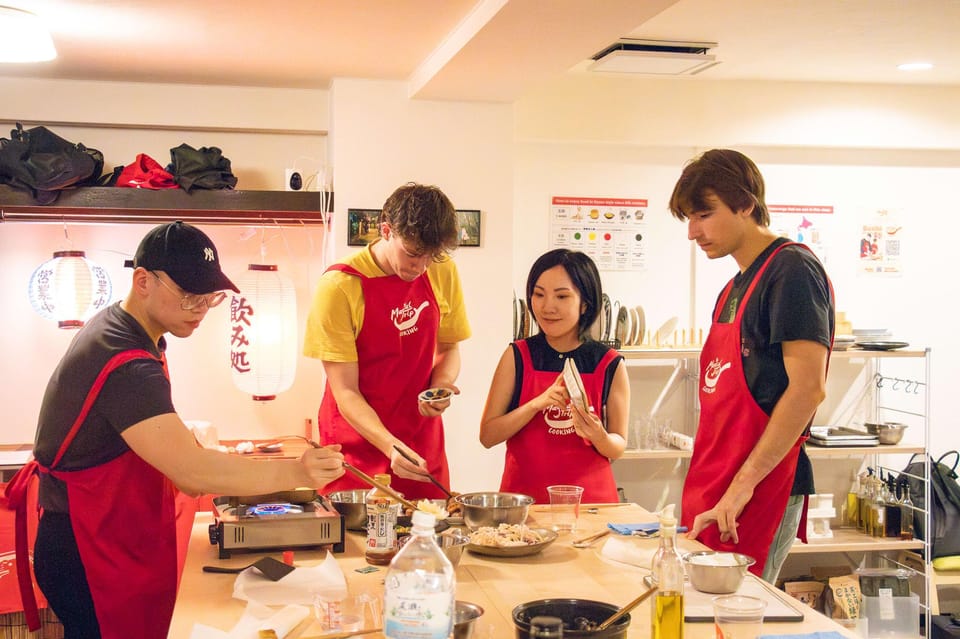
- A small group (max 6) means you’re not stuck watching while someone else cooks.
- Learn five dishes designed for pairing with drinks, including miso eggplant and a rolled egg.
- Sake and beer pairing guidance is part of the lesson, not an afterthought.
- You leave with take-home recipes and tour photos, so it’s not just a one-night memory.
- Age rules matter: alcohol is 20+, and knife/heat steps are only for those 12+ (with parental supervision for younger participants).
- Diet limits are real: vegetarians can be accommodated, but vegan and gluten-free aren’t available.
Getting to the class: Iriya Station after dark, minus the stress
This class meets in Iriya, near local corner-life landmarks. You’ll find the guide at a FamilyMart in Iriya Station Exit 2—specifically the one next to the Gindako shop and Doutor Coffee. There are two FamilyMarts in the station area, so if you see the wrong one, keep walking a minute or two. It’s the kind of small detail that saves you from arriving flustered.
You should also plan on using your own transportation. There’s no hotel pickup or drop-off, so build in normal Tokyo commute time. Since it’s a night class, I recommend leaving a bit early to take the pressure off. You’re going to want your mind fresh once you’re in the cooking rhythm.
Accessibility is also something to consider. Some parts of the tour can include locations that aren’t easy for a wheelchair or stroller. If you’re traveling with mobility needs, it’s worth thinking ahead so you aren’t stuck navigating steps with limited time.
You can also read our reviews of more cooking classes in Tokyo


What you’ll cook: five home dishes built for izakaya style
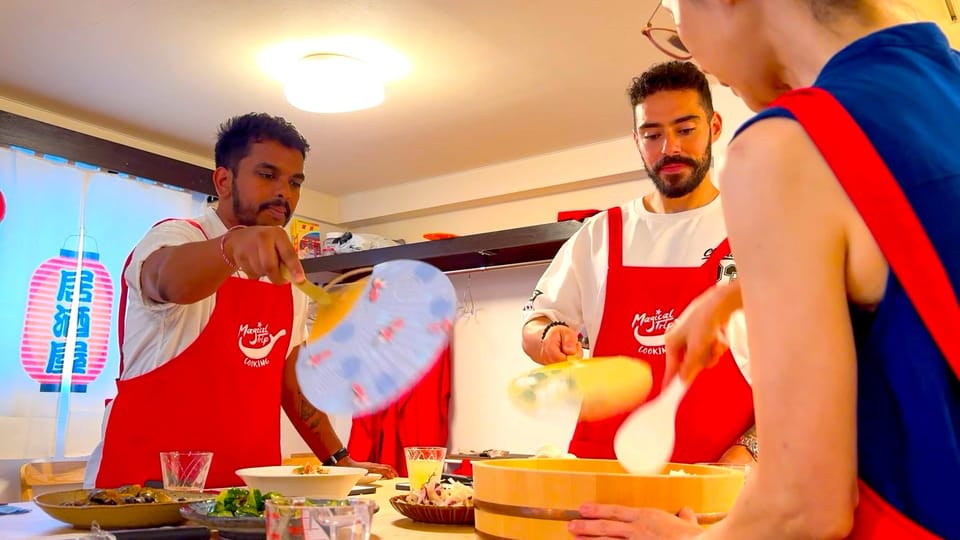
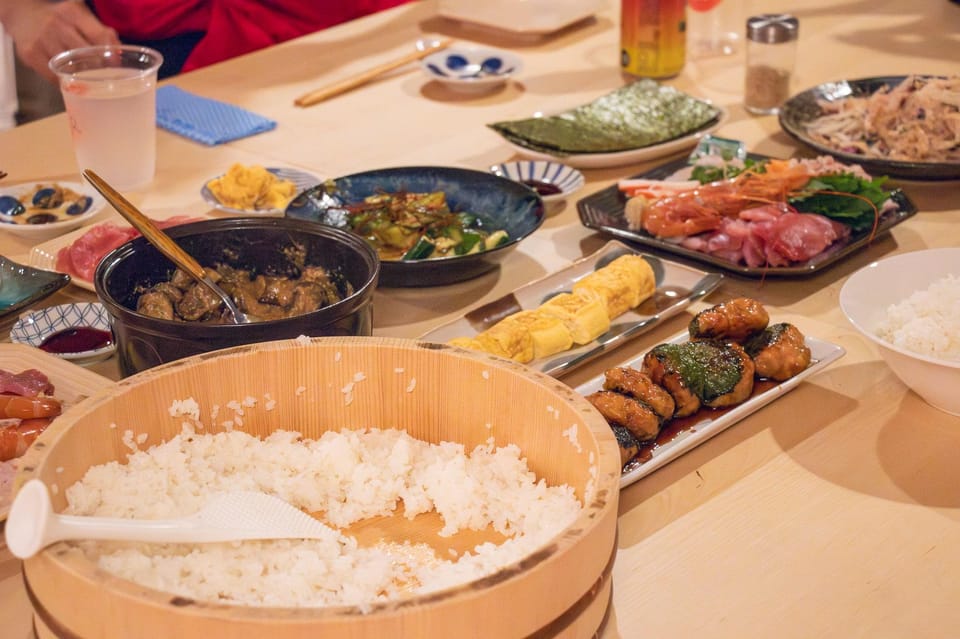
The best part of this format is that the menu isn’t random. It’s designed for the way Japanese casual eating works: a bunch of small, shareable plates that go well with drinks. You’ll get hands-on practice with a set of dishes that cover different textures and flavors, so you learn technique rather than just following a script.
Here are the dishes that are included in the class:
- Sushi hand roll (your hands-on start, and a nice “get comfortable fast” task)
- Wagyu or tofu steak (you’ll cook one option depending on your preferences)
- Japanese-style rolled egg (a classic technique lesson)
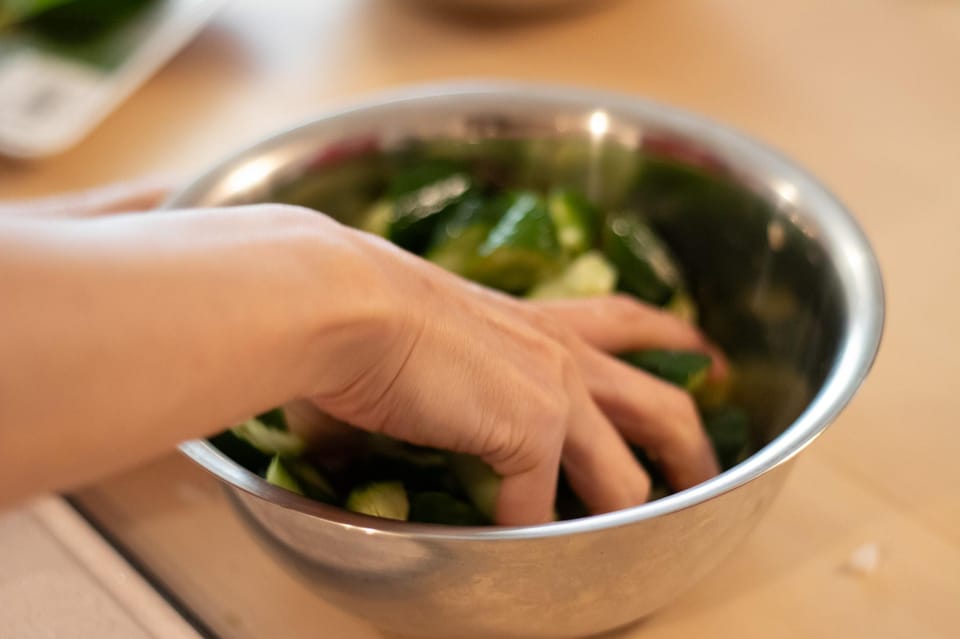
- Grilled eggplant with miso sauce (sweet-savory comfort with a strong flavor payoff)
- Plus additional home-style items during the cooking portion (the class is built around learning multiple dishes suited to pairing with drinks)
Why this set works for value: it’s not just about eating. You’re learning how to get flavor balance—salty, sweet, tangy, and umami—using ingredients that are typically available outside Japan too. The takeaway isn’t only what you made; it’s how you’d rebuild it at home when you’re not surrounded by Japanese pantry staples.
Also, the instruction is aimed at different skill levels. If you’re a cooking beginner, you still get structured steps. If you’re more experienced, you’ll likely enjoy picking up specific technique cues that make Japanese home cooking feel consistent.
Knife rules, heat, and age limits you should actually plan for
This matters more than most people expect, because Japanese cooking classes often assume you can handle tools without much adjustment. Here, rules are clear:
- The tour is open to participants aged 6 and above, but knife-and-heat steps are only permitted for those 12 and over.
- If you’re under 12, you’d need to go with a parent or guardian who can supervise the relevant steps.
- Pregnant women are not considered suitable for this activity.
- Smoking is not allowed.
And for the drinking side:
- Sake tasting and alcoholic beverages are only available to guests aged 20+, following Japanese law.
- Everyone else can choose from soft drinks as part of the included beverages.
This is one of the few Tokyo activities where the age rules aren’t just paperwork—they affect what you can safely do. If you’re traveling with a mixed-age group, message the operator ahead of time and make sure your plan matches the participation rules.
Drink pairings: the lesson is how to think, not just what to sip
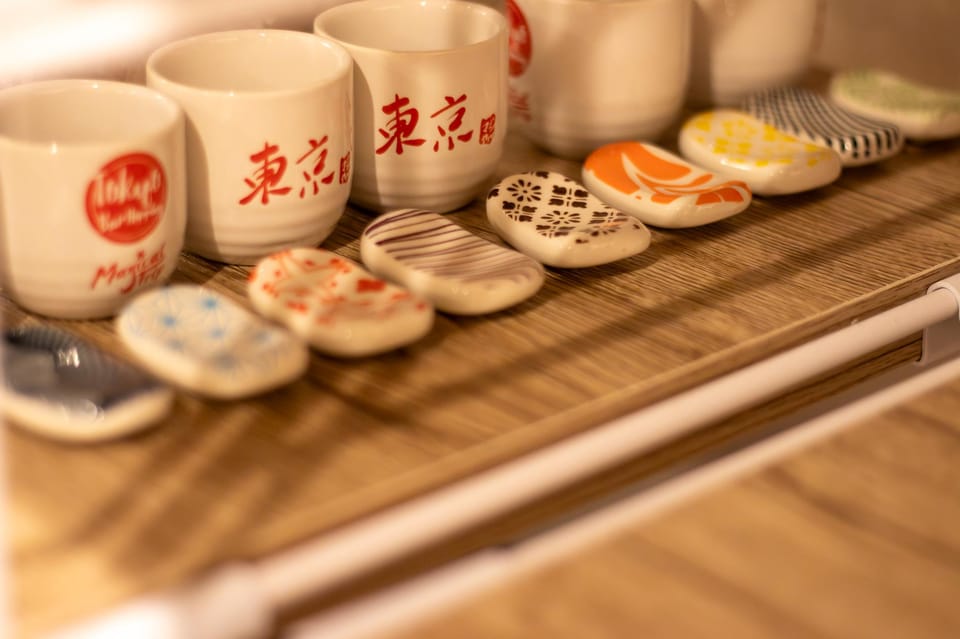
A typical cooking class might include a drink or two and move on. Here, pairing is baked into the experience. You get three cans of alcoholic or soft drinks, and the class focuses on which beverages work best with different dishes.
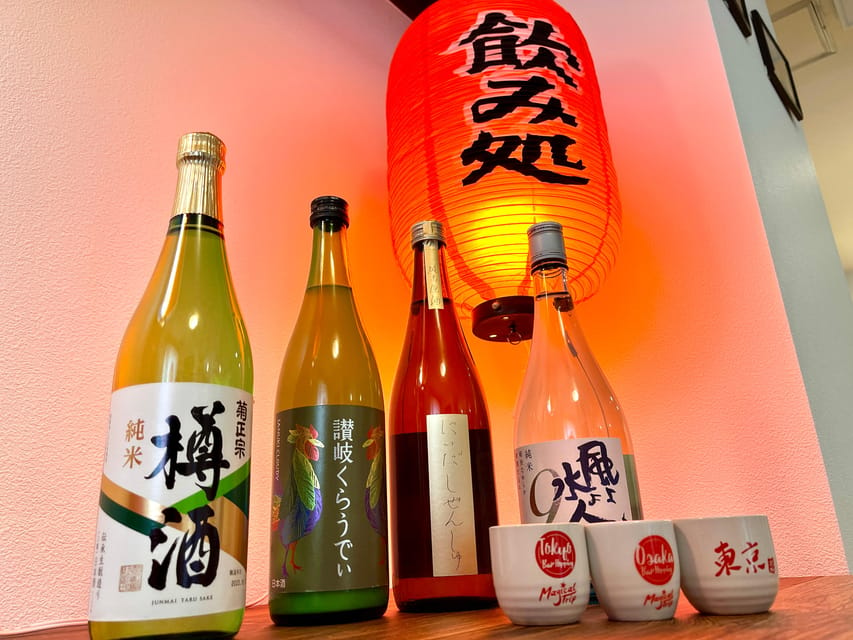
What’s useful for you: you’re learning a repeatable logic. In practice, that means noticing how the dishes’ saltiness and sweetness react to the acidity, aroma, and body of sake or beer. When you understand that relationship, you stop guessing at your next izakaya order.
This also helps if you’re not a “serious sake person.” Even if your drink experience is casual, you’ll likely come away with a few confident rules of thumb—like matching lighter flavors with lighter pours, and leaning into umami-heavy dishes with drinks that can handle richer mouthfeel.
And for non-drinkers: the pairing lesson still makes sense. You can translate the same food cues to soft drinks, and you still get the cultural context of the nomikai rhythm.
Nomikai culture: why cooking and drinking are linked in Japan
This class is really about the way Japanese people host themselves at home and in casual bars. Nomikai isn’t just drinking—it’s a social structure. Small dishes make conversation easier. Different flavors keep the meal from flattening out. And pairing food with drinks helps people “pace” the night without turning it into a single-note feast.
In this class, you’re basically practicing that idea. You cook a series of dishes that would make sense on an izakaya table, then you taste them while learning how drinks complement each step.
It also supports a more grounded type of learning. Instead of only learning from a textbook, you connect technique (like rolling an egg just right) to a real eating-and-sipping moment. That connection is the part that tends to stick.
If you like culture that feels practical—how people actually eat and host—this is a nice fit.
You can also read our reviews of more evening experiences in Tokyo



The small-group setup: English guide plus real interaction
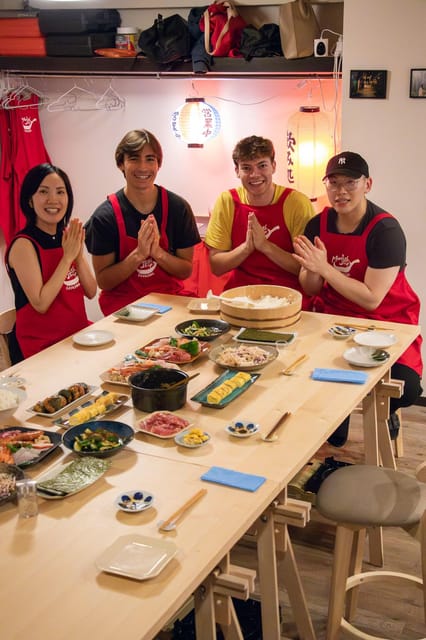
The group size is limited to 6 participants, which changes the whole energy. You’re not competing for attention with a crowd. You’re also more likely to talk with the people next to you as you work, taste, and compare notes.
English guidance is part of the core plan, so you’re not stuck translating yourself through the hardest bits. In earlier sessions, guides such as Alice, Masae, and Fuji were specifically praised for being both friendly and good at teaching. That’s important in a night cooking class where you can’t afford confusion.
For couples: it’s a date-night style outing without being awkward. For solo travelers: it’s one of the easier ways to meet people without forcing conversation from minute one. For families: there is mention of a kids’ playroom, which can help keep younger travelers occupied while adults focus on cooking—though remember that the class is only suitable for children 12 and up for knife/heat steps, and under 12 is listed as not suitable.
Pricing and value: is $103 for 3 hours a fair deal?
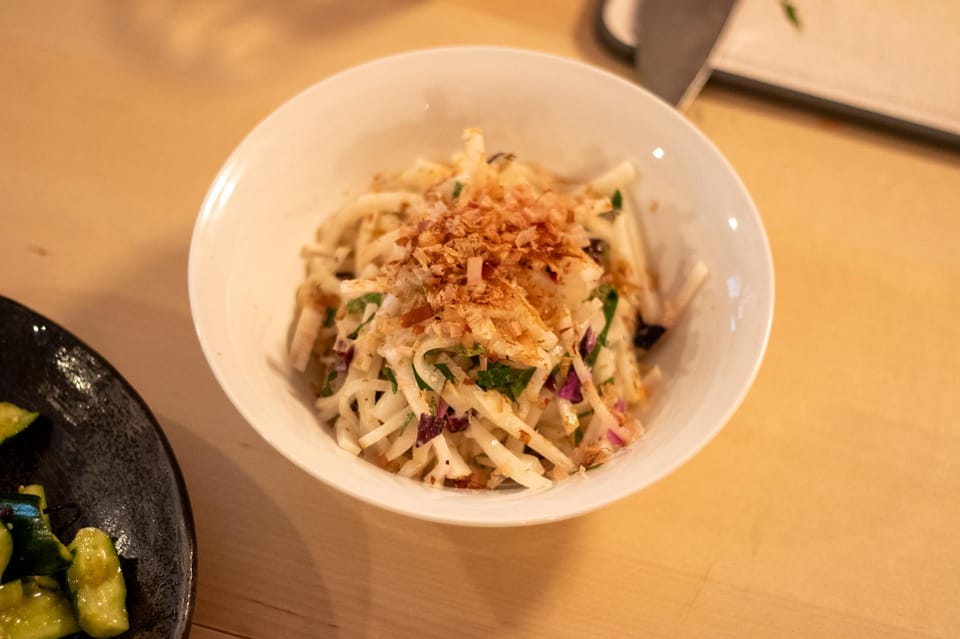
At $103 per person for 3 hours, you’re paying for a full package:
- hands-on instruction for multiple dishes
- ingredients and cooking equipment
- three cans of alcoholic or soft drinks
- take-home recipes
- tour photos
The value calculation depends on what you want from Japan travel. If you just want to eat, you can find food for less. But if you want skills—plus a cultural context that’s harder to get on your own—this price starts to make sense.
Three things help justify the cost:
- You’re not only tasting; you’re learning techniques across different dish styles (rolled egg, miso-glazed eggplant, hand roll, steak).
- Pairing education saves you future guesswork the next time you order at an izakaya.
- The included beverages mean the experience matches the theme of the night, not just the food.
Also, because the group is small, the instruction time is more likely to feel personal than you’d get in a bigger class.
If you’re budget-minded, I’d compare this to what you’d spend on a comparable evening: dinner plus drinks plus a cooking workshop somewhere else. In that light, this sits in the mid-to-high range, but it isn’t a random splurge—it’s a structured experience.
Vegetarian-friendly, but not everything for everyone
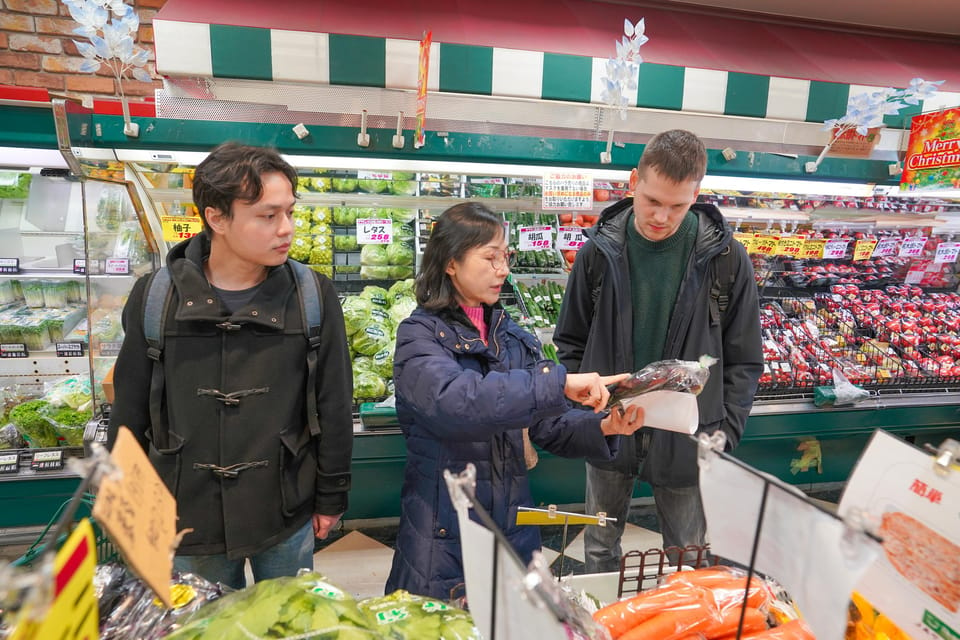
Diet notes are straightforward, and you should take them seriously:
- Vegetarians are welcome. The class can arrange ingredients and the process.
- It is not available for vegans and gluten-free.
It’s also important to manage allergy expectations. You can’t count on allergy-free preparation, because the food is prepared in kitchens that don’t belong to the tour operator. Substitutions might not always be possible, even with requests. That’s not a flaw unique to this class—it’s common with cooking experiences—but it’s still a key risk to be aware of.
If you have dietary restrictions beyond vegetarian needs, treat this as a “needs confirmation” situation. Ask before booking if the dish components you need to avoid can be handled.
Practical tips for a smoother night in the kitchen
A few small things will help you enjoy the class more:
- Arrive a little early so you can settle in before cooking starts. Tokyo nights are great, but getting lost by five minutes is annoying.
- Wear clothing you’re comfortable changing plans in. Cooking can get hands-on and a little messy.
- If you plan to drink alcohol, pace yourself. Three cans plus cooking time can sneak up faster than you expect.
- If you’re not drinking, you’ll still get a complete experience—soft drinks are available—so you don’t need to feel like you’re missing the point.
And if you’re bringing someone who’s sensitive to heat or cutting steps, remember the age and supervision rules. Plan what tasks they can participate in.
Should you book this Tokyo night cooking class?
Book it if you want a night activity that’s more than dinner. This is a skill-based class with a cultural focus, and the pairing theme makes it feel like an actual Japanese nomikai night rather than a generic cooking show.
Skip it or think twice if:
- you’re vegan or gluten-free
- you have allergy needs that require a strict kitchen environment
- you’re traveling with someone who can’t do the required cooking steps safely (especially regarding knife-and-heat rules)
If you’re between those edges—curious about Japanese home cooking, interested in sake/beer pairing, and happy to spend a few hours cooking and tasting—this class is a strong value for Tokyo. It’s designed to leave you with recipes you can use again, not just photos from a one-time meal.
FAQ
How long is the Tokyo night cooking class?
The class lasts 3 hours.
What dishes are included in the hands-on cooking?
You’ll make items including a sushi hand roll, wagyu or tofu steak, a Japanese-style rolled egg, and grilled eggplant with miso sauce.
Are drinks included?
Yes. The class includes 3 cans of alcoholic or soft drinks.
Is sake tasting available to everyone?
No. Sake tasting and alcoholic beverages are only available to guests aged 20 and over.
Is the class suitable for vegetarians?
Yes. Vegetarians are welcome, and the operator can arrange ingredients and the cooking process.
Is it available for vegan or gluten-free diets?
No. It is not available for vegan and gluten-free participants.
Where is the meeting point?
Meet in front of FamilyMart next to Gindako shop in Iriya Station Exit 2. There are two FamilyMarts, so choose the one next to Gindako takoyaki shop and Doutor Coffee shop.
What languages are offered?
The tour guide speaks English.
Is smoking allowed during the tour?
No. Smoking is not allowed.